


Farming
Who is profiting from Welsh lamb?

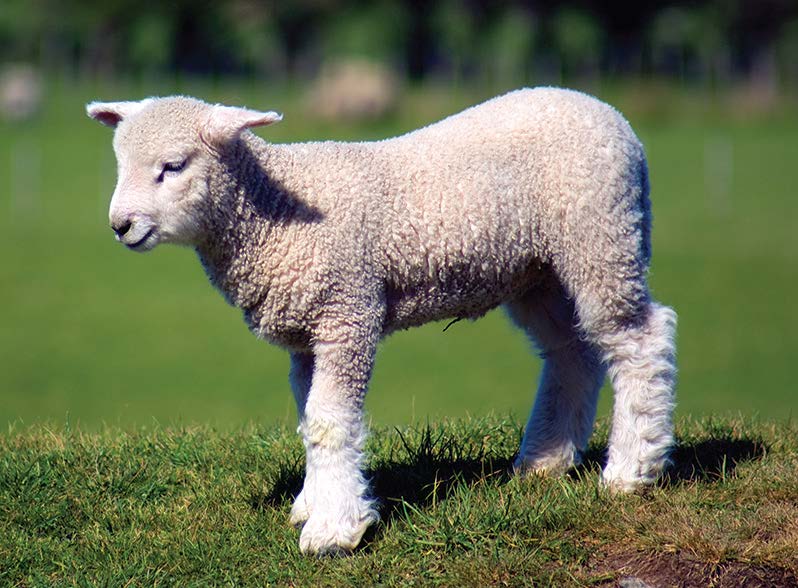

Lamb producers: Suffering as
seasonal prices plunge
LATEST figures show that while the retail price of lamb for consumers is lower in the spring of 2015, compared to the spring of 2014, it has not fallen anywhere near as much as the farmer’s share of that retail price which has dropped from 60 per cent to 50 per cent over the past year.
Speaking following a meeting of the NFU Cymru Livestock Board, Lyndon Edwards, said: “Lower retail prices would help bolster demand for lamb, but consumers aren’t seeing as much of a drop in price as farmers are, which begs the question – who is profiting from lamb? Our farm-gate price of lamb is reaching critically low levels. Whilst we recognise that trading conditions are tough, as the strength of sterling and the Eurozone crisis impacts negatively on our export markets, we are called to see that whilst the price we are receiving for our lambs has slumped that this price crash is not being reflected in the price on the shelves. Farmers need a sustainable price for their product that encourages them to invest in future production, returns must be delivered to everyone throughout the supply chain so that the consumer can continue to enjoy and savour PGI Welsh lamb in years to come. We know the challenges we all face in boosting lamb consumption here in the UK but I am confident that this can be achieved by giving in season PGI Welsh lamb pride of place on retail shelves and promoting our fantastic product this summer.”
Mr Edwards ended: “Members of our livestock board have been carrying out our own store watch in recent days visiting retail stores across Wales to find out who is showing commitment to Welsh lamb. Whilst there are retailers out there who are very supportive of Welsh lamb we have to say how appalled we are that in the first week of July we continue to see so much importedproductstillavailableonretail shelves in many stores. Individually we have complained to local store managers and as a Union we are using every available opportunity to raise our concerns with the agricultural teams and directors and we will continue to do so in the coming weeks.”
The Farmers’ Union of Wales (FUW) has warned that the fall in lamb prices, drastically reduced farm incomes and frustrations over the volume of imported lamb on supermarket shelves means farmer anger is reaching boiling point.
“Lamb prices have fallen drastically over recent weeks, with prices down by around 20 percent compared with the same period last year,” said FUW livestock, wool and marts committee chairman Dafydd Roberts. “Such falls come against a background of predicted falls in net hill and lowland livestock farm incomes of 41 and 24%.”

Mr Roberts said the volumes of imported lamb, which continue to appear on supermarket shelves, added insult to injury for farmers who had seen a fall in live-weight new season lamb prices of around 35p/Kg during June.
“The FUW has highlighted the need for an increase in farm-gate prices for all commodities during meetings with supermarkets over recent months, and the current plight of the industry was reiterated in a meeting with deputy minister Rebecca Evans last week. We will continue to draw attention to the need for fair farm-gate returns in meetings with bodies involved in the supply chain during the Royal Welsh show,” he added.
Mr Roberts said that while there was an ongoingfocusonfarmers cutting costs and become more efficient, there was widespread feeling that those further down the supply chain were not meeting their side of the bargain by showing the type of commitment to Welsh produce promised during the horsemeat scandal.
“As people struggle to pay bills and face up to the prospect of further falls in CAP support, tempers are beginning to fray and action needs to be taken to restore confidence,” he added.

Plaid Cymru’s Shadow Agriculture Minister, Llyr Gruffydd AM, has called on the Welsh Government to take urgent steps to protect Welsh farmers as price of Welsh produce continues to plummet.
Lamb prices have dropped by around 20 per cent compared with the same period last year as total farm income continues to plummet. The price of liveweight new season lamb fell by around 35p/Kg in June 2015.
The news comes just a few days after milk buyer, First Milk announced a further 1ppl cut to its standard litre price, meaning the majority of Welsh dairy farmers will be receiving milk prices far below the cost of production.

The Party of Wales’ Shadow Agriculture Minister, Llyr Gruffydd AM, said: “Supporting our farmers is a matter of increasing urgency and it is imperative that the Welsh Government steps in which is why Plaid Cymru will be holding a debate next week in the Senedd which will call on the government to utilise the Rural Development Programme to provide immediate support for those most affected and to protect farmers from the volatility of the global markets by strengthening domestic supply chains.
“If this isn’t a message to supermarkets, I don’t know what is. They have a duty of care to their suppliers and they need to recognise that the sector is struggling. We need leadership from the Welsh Government to ensure that supermarkets step in and support their suppliers. When the boot was on the other foot during the horsemeat scandal the suppliers stood by the supermarkets – it is now incumbent on the supermarkets to show the same loyalty.
“The public sector also needs to set an example and ensure as much of its produce is sourced from within Wales as possible and we needn’t look very far to see what needs to be done. Gwynedd council has led by example, sourcing 100 per cent of its school meals contracts from within Gwynedd or the surrounding region whereas Anglesey council over the bridge spends its whole school meals budget in Reading.
“Welsh farmers have been suffering for too long with seemingly perpetual cuts to farm-gate prices coupled with the slashing of their subsidy payments by the Welsh Government. It is imperative that the Welsh Government shows leadership in turning the situation around.”

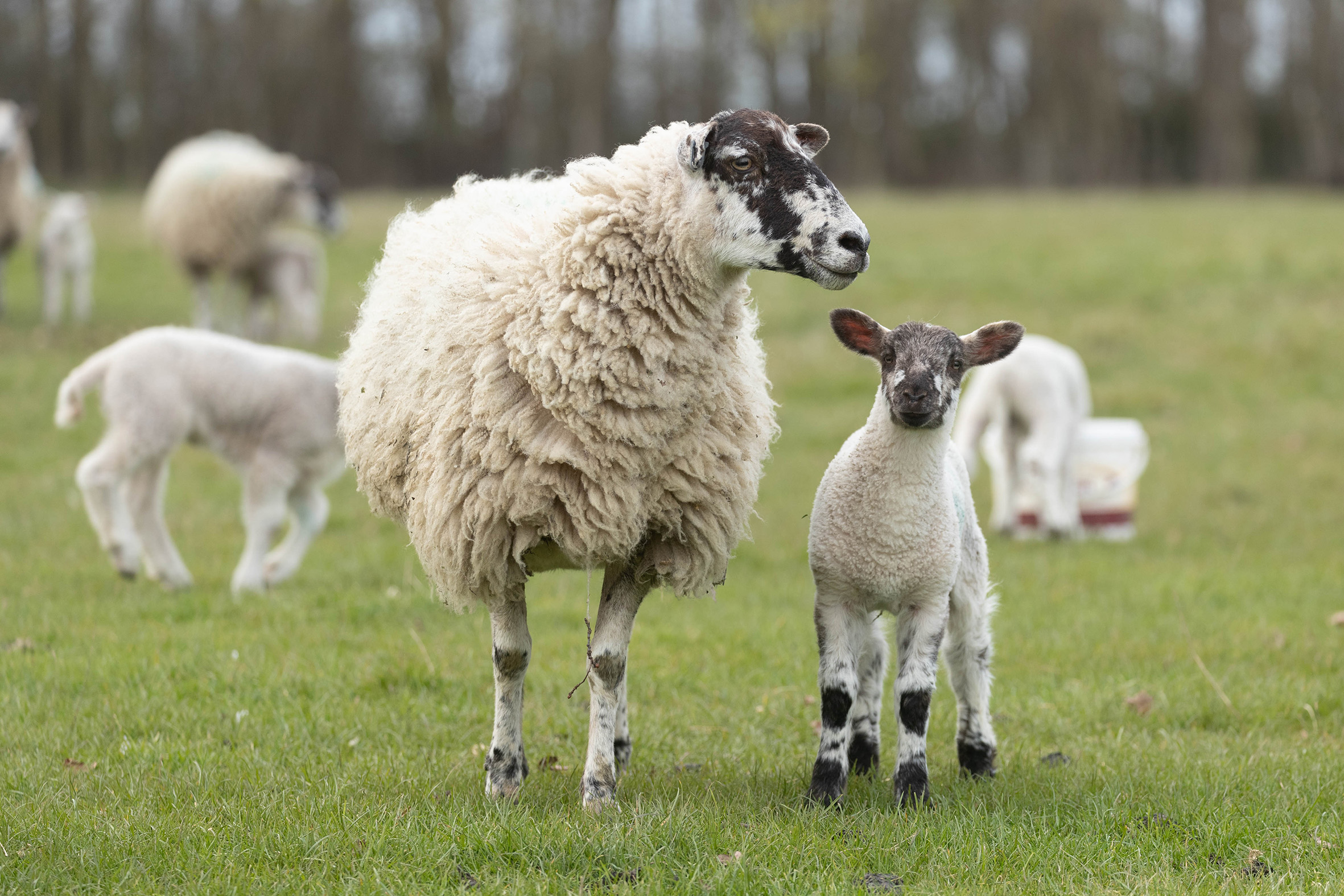
SHEEP farmers in Wales are being urged to pay close attention to the mineral and trace element supplementation of lactating ewes and lambs this spring and summer following what has been described as a “perfect storm” of nutritional challenges over the winter.
The warning comes from Rumenco’s Technical Services Manager, Dr Alison Bond, who said a combination of forage shortages, heavy rainfall and the increased use of brassica forage crops may have left some flocks at risk of underlying deficiencies.
She said that although sheep may not always show obvious outward signs, deficits in minerals and trace elements can still affect key areas of flock performance, including ewe milk production, lamb growth rates and the future condition of breeding ewes.
Dr Bond said: “Many sheep farms will have endured unprecedented conditions over recent months, with forage supplies depleted after a dry summer.
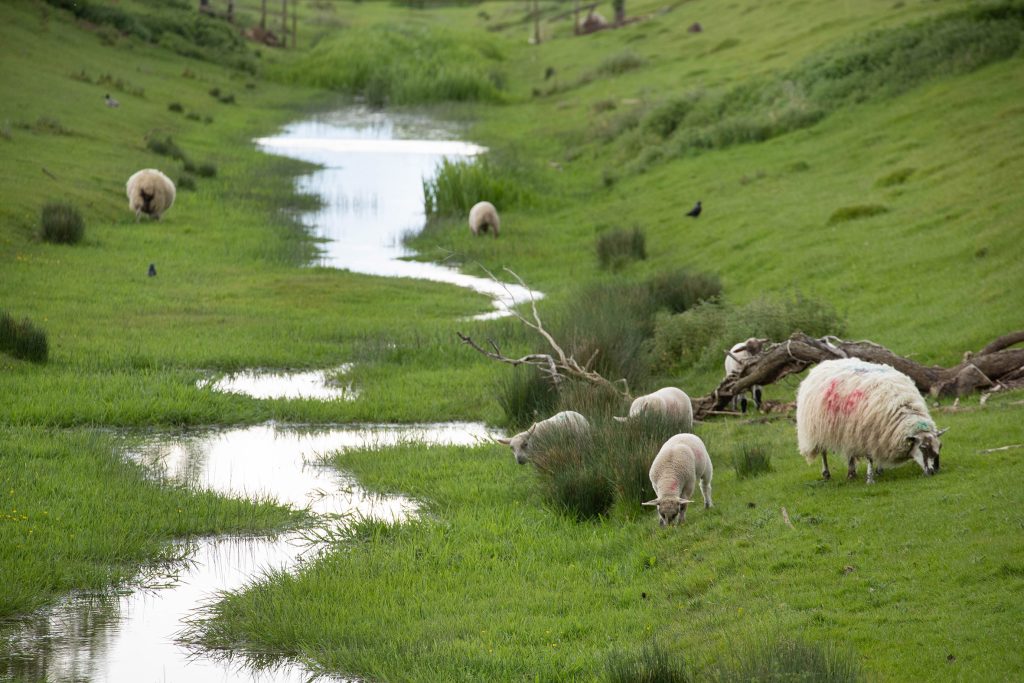
“This may have resulted in lower quality fodder being fed, or greater reliance on grazed fodder crops, for example. In the case of brassicas, which include swedes, turnips and forage rape, there are specific issues around iodine, vitamin B1 and other trace minerals, including copper, selenium and cobalt, that could present risks.”
She added that heavy winter rainfall in many areas is also likely to have increased soil nutrient leaching, particularly on lighter land, raising the risk of mineral deficiencies in early season grazing.
To help address the problem, Dr Bond is recommending that ewes and lambs at grass are supplemented with a high-quality mineral and trace element lick.
She said mineral buckets can provide an efficient method of supplementation and pointed to Rumenco’s Supalyx 4 in 1 bucket as one option designed to cover a broad range of potential deficiencies.
According to Dr Bond, the product includes plant essential oils intended to stimulate appetite and support gut health, alongside trace elements such as zinc and selenium in a bio-available form to help support hoof health, udder health and immune function.
She also highlighted the importance of vitamins, including vitamin B12 to support growth rates where pastures may be low in cobalt, and vitamin B1, or thiamine, which is particularly relevant where sheep have been grazed on brassicas.
Dr Bond explained: “Brassicas can cause shifts in the rumen bacteria environment which may affect the natural production of thiamine by the rumen.
“Furthermore, certain brassica crops can lead to the production of thiaminase which can destroy thiamine, leading to a deficiency. Vitamin B1 deficiency causes a condition called Cerebrocortical Necrosis, with common symptoms including blindness, head pressing and stargazing, something most farmers will have seen at some point.”

She said brassicas can also create problems with iodine absorption.
“Brassicas also contain glucosinolates, which are converted by hydrolysis into goitrogens in the rumen,” she said. “Goitrogens interfere with iodine absorption, which commonly results in the disruption of thyroid function. This is a cause of the condition goitre in sheep, which shows as a swelling of the thyroid gland.”
Dr Bond said adequate supplementation should not be viewed simply as a short-term measure, but as an investment in flock health and future performance.
“With market prices forecast to remain strong for the foreseeable future, ensuring that the flock avoids the effects of mineral and trace element deficiencies should help to prevent in-season health and performance problems,” she said.
“It will also give lambs the best chance of reaching their full potential as quickly as possible. Equally importantly, it will have a positive impact on the condition of ewes, which should ideally not lose more than 0.5 body condition score during lactation.
“Keeping ewes in good condition during lactation is the first step towards a successful tupping later in the year and a healthy lamb crop in 2027.”
Images supplied with the article are copyright Tim Scrivener, Agriphoto, and are for use only in connection with this story.
If you want, I can also turn this into a more natural Herald-style farming piece with a stronger intro and less promotional wording.

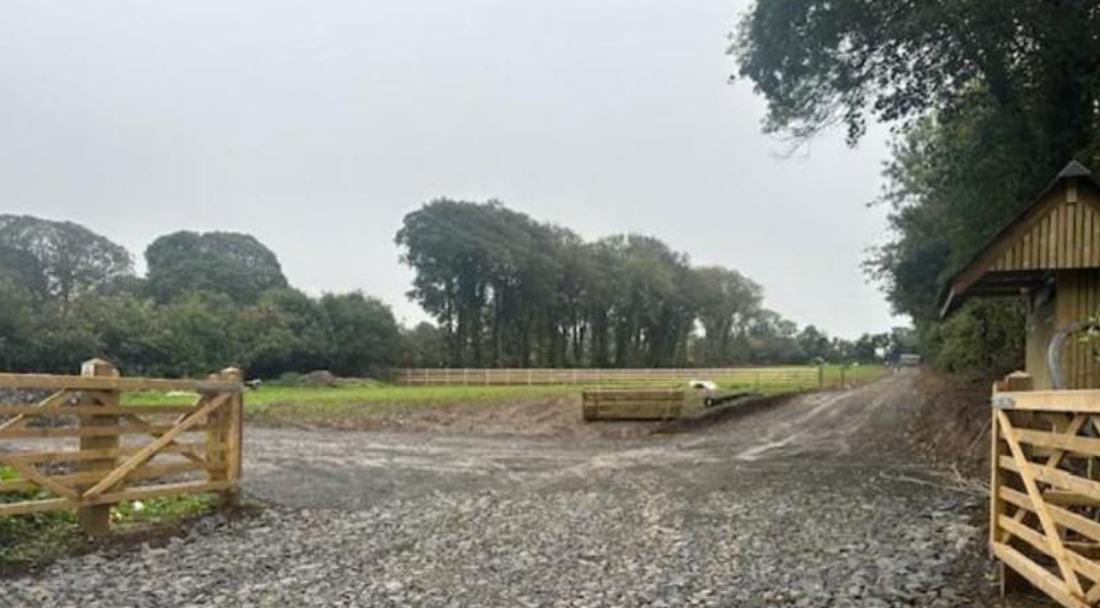
A CALL for a 60-foot-long shed and stables at the proposed home of a gypsy traveller family near a Pembrokeshire village has been refused by planners.
In an application to Pembrokeshire County Council, Ryan Surname Boswell & Family, through agent Hayston Developments & Planning Ltd, sought provision for an access road and replacement of temporary stables and storage containers with a multi-purpose shed and stables at Greenwells, Cosheston Bridge, Cosheston.
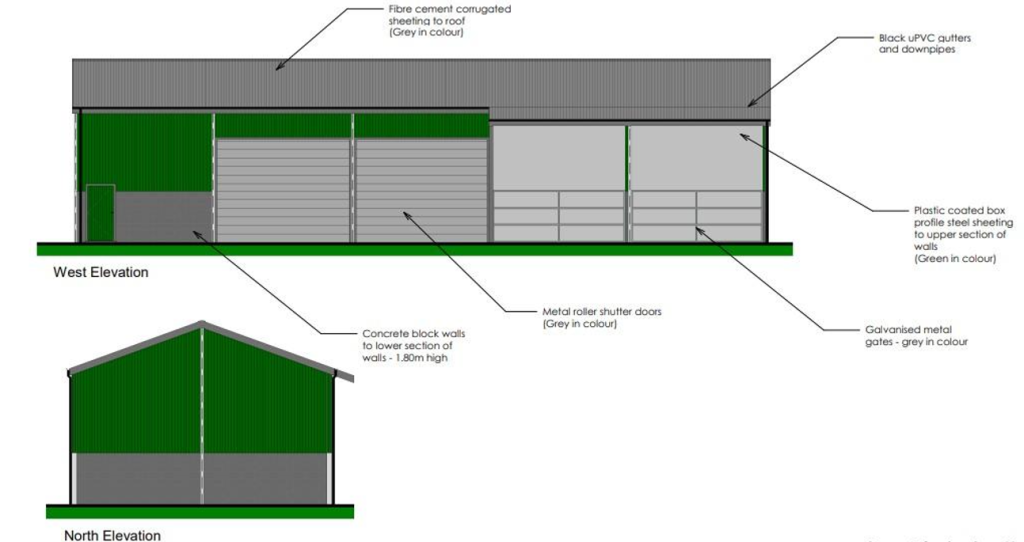
The application initially sought a 24.3 by 9.1 metre building, which has now been reduced to 18.3m by nine.
A supporting statement said that land to the north “is subject to a current planning application for the provision of two traveller family pitches with improvements to access and ecological enhancements with other land in our client’s ownership being un-affected”.
It added: “Mr Boswell and his family are of traveller origin and intend to make this site their family home. They own various domestic equipment, children / family articles, mowers / tools and farming equipment that require secure storage. The shed will also be used to house horses/ponies that are currently stabled in the temporary wooden stable block currently on skids on the land in question.”

It concluded: “The scale, design and use of materials (and colours) of the proposed shed is comparable to many new such sheds throughout Pembrokeshire. There will be no significant negative impacts on the level of amenity enjoyed by any neighbours or those travelling along the minor county road to Cosheston from any aspects of the proposed development.”
Local community council Cosheston had raised concerns including the “excessive” size of the proposed building, feeling “this is on the large side of what is required for a couple of ponies”.
It added: “Our concern is that the applicant intends to run his building/property maintenance business from the property. If the council grants the application, restrictions should made on the property’s use. i.e. restricted to agricultural use only.
“We have no objection to the construction of a small stable block, similar in size to the existing one on site.”

Objections were also received from two members of the public, raising concerns including the scale, environmental concerns, and a potential conflict with the ongoing application.
An officer report recommending refusal said the scheme was part-retrospective due to the prior formation of an access track within the field.
It added: “Despite amendments to the application as originally submitted by the reduction in building footprint and scale, the proposal remains a substantial and visually intrusive structure in the open countryside. An essential countryside need has not been justified nor evidence provided of an agricultural or equine enterprise warranting a building of this size or permanence.”

The application was refused on the grounds it “is not typical of a structure intended solely for the storage of paraphernalia associated with grazing land or for equine use and no information has been provided within the application to demonstrate the functional need for a building of this scale”.
It added: “The nature, siting and scale of the building would not be compatible with the capacity and rural character of the site, and together with the access track results in an unjustified and visually intrusive form of development in the open countryside, which does not represent sustainable development.”
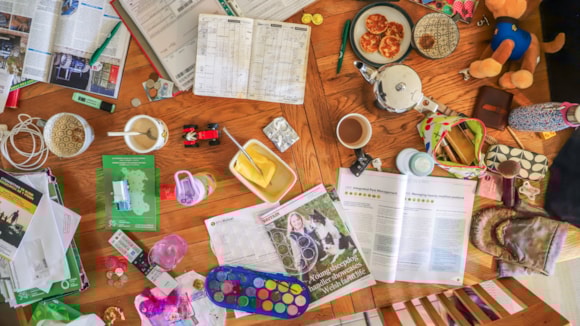
A PROGRAMME designed to support farming families in planning for the future is helping to break down one of agriculture’s most sensitive issues – succession.
Farm inheritance and succession planning returned to the spotlight in 2024 following UK Government reforms to inheritance tax (IHT), prompting renewed concern across the industry.
In response, Agrisgôp leader Elaine Rees Jones brought together farming families in the Welshpool area to take part in a structured programme aimed at addressing the issue head-on.
Agrisgôp, a fully funded management development initiative, encourages farmers to work collaboratively, building confidence and business skills through action learning.
Two distinct groups emerged: one made up of parents seeking to plan the future of their farms, and another of younger family members exploring how to take on responsibility and transfer knowledge from the previous generation.

A key theme identified early on was the importance of communication between generations.
Elaine said: “The meetings have offered the opportunity to gain professional and peer advice, time away from the farm to assess situations, and a safe, confidential space for discussion.
“Group members have shared concerns and apprehensions while getting to grips with the scale of the challenge, and have begun to develop action plans.
“The honesty and openness shown has been incredibly humbling.”
For many participants, the programme has provided the confidence to begin formal discussions with professional advisers.
One farming couple, currently working through the process of passing assets to their two sons, said the experience had been invaluable.
“It has made us tackle things properly. We had already started looking at succession before the Rachel Reeves budget, so this wasn’t a knee-jerk reaction.
“It’s a complicated process with no easy answers, and every farm is different. But Agrisgôp has helped us go into meetings with solicitors and accountants informed, rather than just accepting advice blindly.”
Another participant described succession planning as “mind-blowing” before joining the group, adding that expert input had highlighted the importance of early preparation.
The programme included a recent panel session in Welshpool, where professionals returned to answer questions from participants, alongside one-to-one sessions to clarify individual plans.
Specialist advice was provided on legal, financial, and land valuation matters, with a clear message emerging on the importance of having a valid will in place.
Angharad Hird, of Lanyon Bowdler Solicitors, warned that failing to make a will can have serious consequences, highlighting a case where a young farmer died unexpectedly. Under intestacy rules, his estate was divided between his wife and children in a way that may not have reflected the family’s wishes.
Financial planning was also a major focus. From April 2027, unused pension funds will be included within estates for IHT purposes, potentially attracting tax of up to 40%.
Emma Hall, a chartered financial planner, said some clients are already restructuring their finances to mitigate future liabilities, including placing assets into trusts or converting pension funds into income-generating annuities.
Land and property valuation was another key consideration. Richard Corbett, of Roger Parry & Partners, stressed that valuations must reflect current market conditions at the time of assessment, while also taking into account factors such as shared ownership or rights of way.
Accountant Sion Roberts highlighted the importance of setting emotion aside when making decisions.
“There is no one-size-fits-all solution,” he said. “Each farm is different, so it’s vital to understand your priorities and get the right advice.”
The issue of care fees and asset transfers was also raised, with warnings about the risks of deliberately reducing assets to avoid future costs.
Alongside Agrisgôp, Farming Connect’s Succession Pathway offers structured support for families navigating the process. This includes business reviews, facilitated family meetings, bespoke planning, and access to specialist legal services.
Organisers say early planning is crucial to securing both family relationships and the long-term future of farm businesses.
Farmers interested in accessing support can contact Farming Connect on 03456 000 813 or visit their website for further information.


News1 hour ago
Reform attacks Plaid on spending and immigration ahead of Senedd poll
Party claims Plaid’s plans would strain public finances and increase pressure on services, while rivals insist Wales needs a different...


News2 hours ago
Emergency response after person enters water at Milford Haven marina
Casualty recovered as police, coastguard and lifeboat crews attend A MAJOR emergency response was launched at Milford Marina in Milford...


News1 day ago
Senedd election candidates confirmed as vote.wales goes live
Voters can now check who is standing in their constituency ahead of polling day on May 7 A TOTAL of...


Crime2 days ago
Police and partners launch summer crackdown after Tenby station stabbings
Extra patrols, more rail security and tougher action promised after violent disorder left four youths injured POLICE and partner agencies...


Crime2 days ago
Drug and weapon charges after Pembroke Dock arrest
Man remanded in custody following Diamond Street vehicle search A MAN has been remanded in custody after appearing at Swansea...

Crime2 days ago
Woman fights order taking four dogs from her
Swansea Crown Court hears appeal after long-running barking dispute in Trefin A PEMBROKESHIRE woman has told Swansea Crown Court that...


News2 days ago
Former county councillor Paul Dowson to stand in Ceredigion Penfro
Ex-Pembrokeshire member says he will offer voters a straight-talking independent alternative at the Senedd election FORMER Pembrokeshire county councillor Paul...

News3 days ago
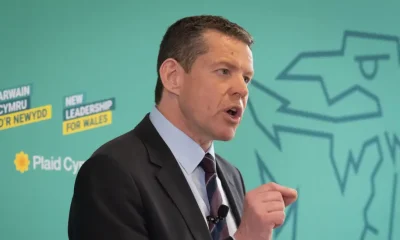
Plaid Cymru sets out childcare, NHS and child poverty pledges in 2026 manifesto
Rhun ap Iorwerth’s party says plan is radical and fully costed as it bids to lead next Welsh government PLAID...


Community3 days ago
Police intervene after post raises fears of planned Pembroke Dock fight
Extra patrols launched after social media alert in aftermath of Tenby stabbings POLICE intervened after an online warning raised fears...

Crime3 days ago
Man arrested after alleged child sexual assault in Haverfordwest
Police enquiries ongoing after incident in Castle Square A MAN has been arrested after an alleged sexual assault of a...
-

 Crime5 days ago
Four youths stabbed at Tenby railway station as two arrested
-

 Local Government5 days ago
Bridge works on Neyland-Burton road to continue into late April
-

 News5 days ago
Haverfordwest County AFC faces High Court winding-up threat from HMRC
-
 Entertainment4 days ago
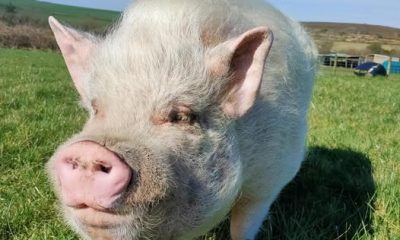
Little Pigs at Home offers a peaceful sanctuary escape in Pembrokeshire
-

 News7 days ago
St Davids Cathedral marked Easter Sunday with full day of worship
-

 Entertainment7 days ago
Tenby heads for prime time in new BBC murder drama
-
 Politics7 days ago
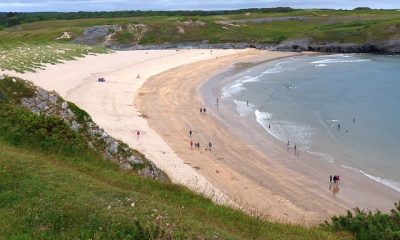
Pembrokeshire National Trust car park schemes approved
-
 Charity6 days ago
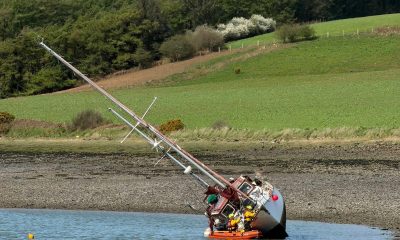
Angle RNLI answers string of call-outs across the Milford Haven Waterway
OwlBadges.com
December 29, 2025 at 10:38 pm
Thanks for the comprehensive overview. Very helpful!