


News
Senedd election candidates confirmed as vote.wales goes live

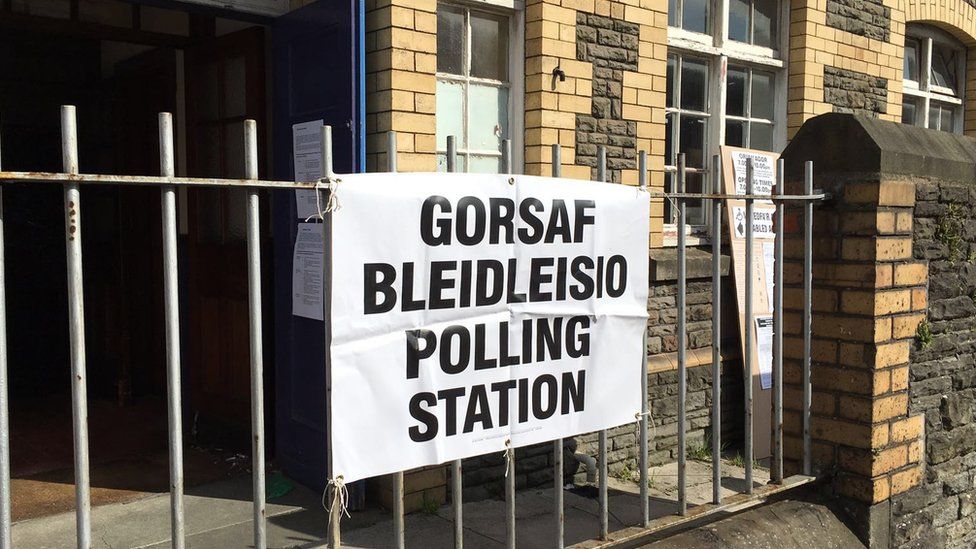
Voters can now check who is standing in their constituency ahead of polling day on May 7
A TOTAL of 675 candidates will contest the Senedd election on May 7, with voters across Wales now able to see exactly who is standing in their area through the newly launched vote.wales website.
The nomination period for candidates closed at 4:00pm on Thursday (Apr 9), and full details of all confirmed candidates are now available online.
At this year’s election, Wales has been divided into 16 constituencies, with each one electing six Members of the Senedd under a closed-list proportional voting system. Voters will receive one ballot paper and will be able to vote either for a political party or for an individual independent candidate.
Under the new system, the number of seats won in each constituency is intended to broadly reflect each party’s share of the vote. That means, for example, that a party receiving around half the vote in a constituency would be expected to win three of the six available seats.
Political parties were allowed to put forward up to eight candidates in each constituency, while individuals were also able to stand as independents.

In total, the 675 candidates standing for election are competing for 96 seats in the next Senedd. They represent 16 political parties, along with 30 independent candidates.
Voters can use the postcode search on vote.wales to find out who is standing in their constituency. The website also allows users to check where their polling station is, what accessibility features are available there, and which constituency they belong to.
People wanting to see who is standing in other parts of Wales can do so through the site’s “Browse by constituency” section.
Vote.wales is a new website created for this year’s Senedd election and is intended to give voters clear and reliable information before polling day. It is managed by the Electoral Management Board for Wales, which is part of the Democracy and Boundary Commission Cymru.

From Thursday, April 16, candidates’ leaflets will also be published on the site, allowing voters to see not only who is standing, but what they are standing for.
The website also includes information on how to vote, who is entitled to vote, and what powers and responsibilities the Senedd has.
Shereen Williams MBE OStJ, Chief Executive of the Democracy and Boundary Commission Cymru, said: “We created vote.wales to give people all the information they need before the Senedd election on May 7.

“Now that candidates have been confirmed across Wales, people can find out exactly who they can vote for with a simple postcode search.
“We’re grateful to all the Returning Officers and election staff across Wales who are working so hard to deliver this election. It’s thanks to their hard work that people can now go to vote.wales to see who is standing in their constituency.
“If you have any questions about this election, vote.wales is the place to go. Voting confidence starts here.”
Who is standing?
In the Ceredigion Penfro constituency, voters will be choosing from candidates representing the Welsh Conservatives, Gwlad, the Heritage Party, Plaid Cymru, Plaid Werdd Cymru, Reform UK, Welsh Labour and the Welsh Liberal Democrats, along with three independents.
For the Welsh Conservatives, the candidates are Paul Windsor Davies, Samuel Deri Kurtz, Claire Victoria George, Brian Andrew Murphy, Gill Evans and Claire Malaina Jones.
Gwlad has selected Gwyn Wigley Evans, while the Heritage Party candidate is Elizabeth Davies.
Plaid Cymru has put forward Elin Jones, Kerry Ferguson, Anna Nicholl, Cris Tomos, Colin Nosworthy, Clive Davies, Owain Jones and Matt Adams.
Plaid Werdd Cymru is standing Amy Nicholass, Tomass Jereminovics, James Henry Purchase, Morgan Hope Phillips, Rosie O’Toole and Kezia Autumn Hine.
Reform UK’s candidates are Susan Claire Archibald, Paul Marr, Michael Timothy Allen, Elisa Bessie Gonzalez Randall, Peter Martin John and Bernard Holton.
Welsh Labour has selected Eluned Morgan, Marc Tierney, Joshua Phillips, Margaret Greenaway, Tansaim Hussain-Gul, Luke Davies-Jones and Peter Huw Jenkins.
The Welsh Liberal Democrats are standing Sandra Louise Jervis, Alistair Ronald Cameron, Tom Hughes, Lee Dennis Thomas John Herring, Andrew Christopher Lye and Maggie Robinson.
The independent candidates in the constituency are Aaron Carey, George Alexander Chadzy and Paul Haywood Dowson.
Voters have until April 20 to register to take part in the election. Unlike some other polls, photo ID is not required to vote at Senedd elections.







Performer to appear at St Davids Cathedral Festival after impressing judges with a programme of Squire, Rachmaninov and Saint-Saëns
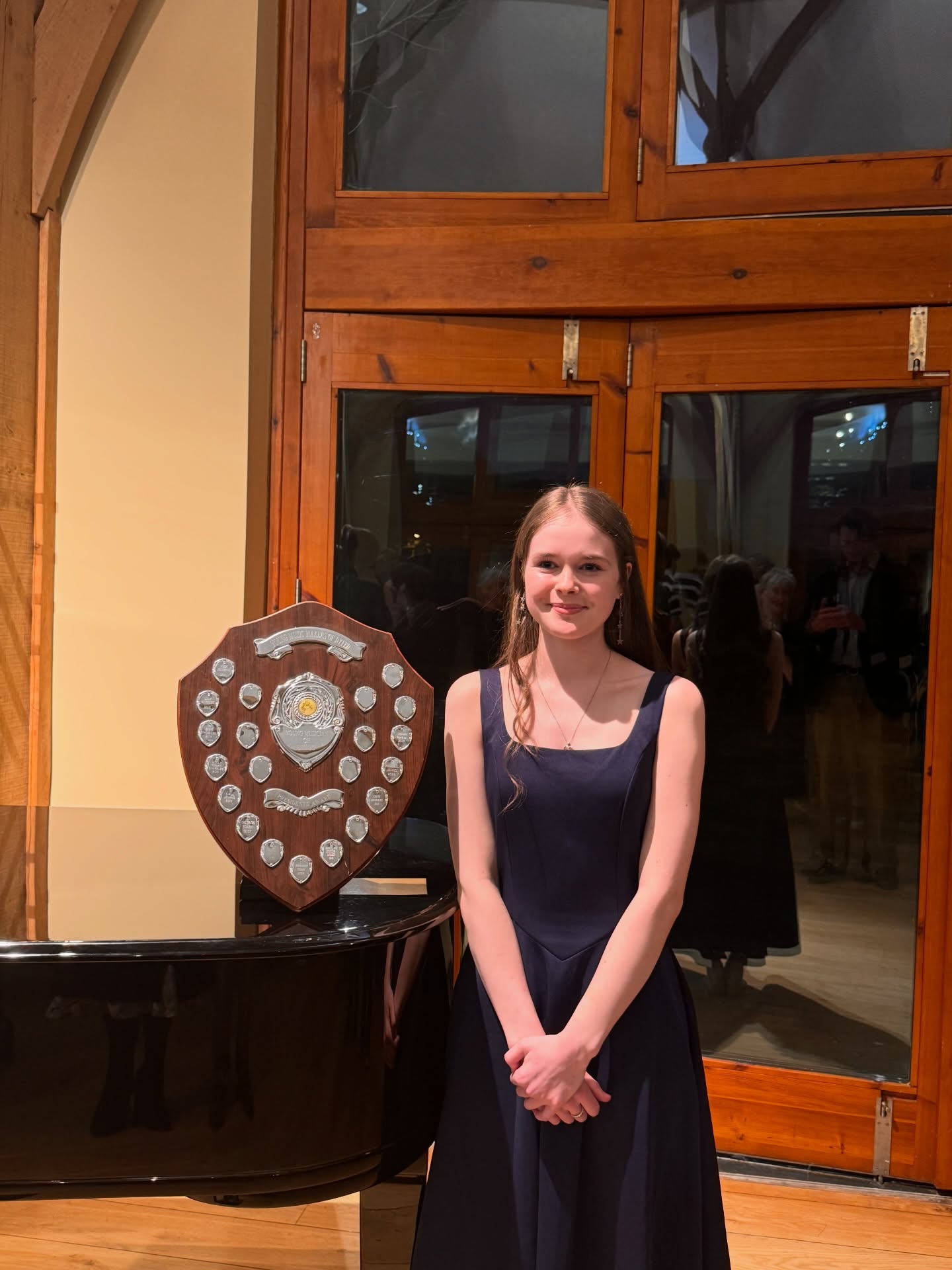
CELLIST Seren Barrett has been named Young Musician of Dyfed 2026 after winning the final at Rhosygilwen.
The talented young performer secured the title with what organisers described as a sumptuous programme featuring works by Squire, Rachmaninov and Saint-Saëns.
The announcement was made by St Davids Cathedral Festival at Rhosygilwen, which praised Seren’s winning performance and confirmed she will now appear at this year’s Cathedral Music Festival.
As part of her prize, Seren will give the winner’s recital on Tuesday (May 26) at 11:00am.
The recital will take place during the St Davids Cathedral Festival and is expected to give audiences another chance to hear the young musician following her success in the competition final.

The Young Musician of Dyfed title is regarded as an important platform for emerging talent in west Wales, showcasing some of the area’s most promising performers in front of festival audiences and supporters of classical music.
Tickets for Seren’s winner’s recital are available through the festival.
Award winner: Seren Barrett after being named Young Musician of Dyfed 2026 at Rhosygilwen (Pic: supplied).

Study led by Swansea University says long delays, limited specialist access and referral barriers are leaving some patients worse off than those elsewhere in the UK
PEOPLE in Wales with autoimmune and rheumatological conditions are facing long waits for diagnosis, poor access to specialist care and repeated obstacles when trying to secure treatment outside their local area, according to new research.
The study, led by Swansea University, examined the experiences of patients with illnesses including lupus and other autoimmune disorders. It drew on interviews, survey findings and Freedom of Information responses from health boards across Wales.
Researchers found that specialist provision remains limited in some parts of the country. Some patients reported having no access to a lupus specialist in their area, while FOI responses indicated there is only one NHS neuro-ophthalmologist in Wales for patients with neurological or visual problems linked to autoimmune disease.
The report also highlighted a lack of diagnostic services. None of the Welsh health boards that responded said they currently provide nailfold capillaroscopy, a test used to help identify conditions such as scleroderma.
Diagnosis in rheumatology can also be difficult because many of the conditions involved are complex and may develop gradually over time. Illnesses such as ankylosing spondylitis can be mistaken in the early stages for more common causes of pain, while autoimmune disorders often present with symptoms that overlap with other conditions.

Patients may require a combination of investigations before a diagnosis can be confirmed, including HLA-B27 testing, routine blood work, MRI scans, X-rays and detailed clinical assessment. Doctors also rely heavily on patient interviews to build up a picture of pain, stiffness, mobility and the wider pattern of symptoms.
There have also been local pressures on services in west Wales. At Withybush Hospital, delays were caused after the departure of a specialist consultant, and it took some time for that post to be filled. That consultant has now been replaced. However, it is understood the workload remained heavy, with the specialist working through a backlog of cases.
In some cases, patients may also feel rheumatology is treated as a lower-profile service. At Withybush Hospital, for example, the department has been based in a portacabin in the hospital car park, which it shares with the lymphoedema service — a setting that can give the impression that two important but often overlooked specialties are being accommodated on the margins of the wider hospital system.
Rheumatology also places a significant burden on the NHS because of the cost of long-term treatment and follow-up care, although that is not the main focus of the study. Biological drugs used to treat conditions such as rheumatoid arthritis and ankylosing spondylitis can cost around £500 for a pack of four injections, according to local hospital sources. Patients on those medications often also require regular blood monitoring, consultant reviews, specialist nurse support and physiotherapy. The Herald understands that more than 1,000 patients in Pembrokeshire are currently being managed through this treatment pathway.

Researchers said patients were also being held back by the referral system. Under current NHS Wales rules, doctors must apply to their local health board for permission to send patients for treatment outside the area or across the border into England. The study said decision-making around those requests was often inconsistent and unfair.
One patient with systemic lupus erythematosus told researchers he waited two years for approval to be referred to England, despite believing the process should only have taken weeks.
The study found that patients in Wales often face longer journeys to diagnosis than elsewhere in the UK. In the sample reviewed by researchers, the average time from first symptoms to diagnosis was around 11 years, compared with around seven years across the UK.

Patients described the effect those delays had on their health. One woman in her 30s said requests to see a specialist in a neighbouring health board had been turned down, and that her lupus had worsened as a result. Another patient said access to care became more difficult after moving from England to Wales.
The research was led by Rupert Harwood of Swansea University Medical School, who himself lives with several autoimmune conditions.
His own experience reflects the wider concerns raised in the report. After developing visual symptoms in 2016, he was advised to see a neuro-ophthalmologist, but no such service was then available in Wales. A referral to England was not successfully made until 2025, and he is still waiting for an appointment.
Mr Harwood said the present system can leave patients at a disadvantage if they cannot afford to seek private treatment outside Wales.
The study concludes that while NHS Wales rheumatology teams provide high-quality care, patients in Wales face additional barriers compared with those in England.
Researchers are calling for a review of the out-of-area referral system, better access to specialist services and greater investment in diagnostic testing to reduce delays and improve outcomes.
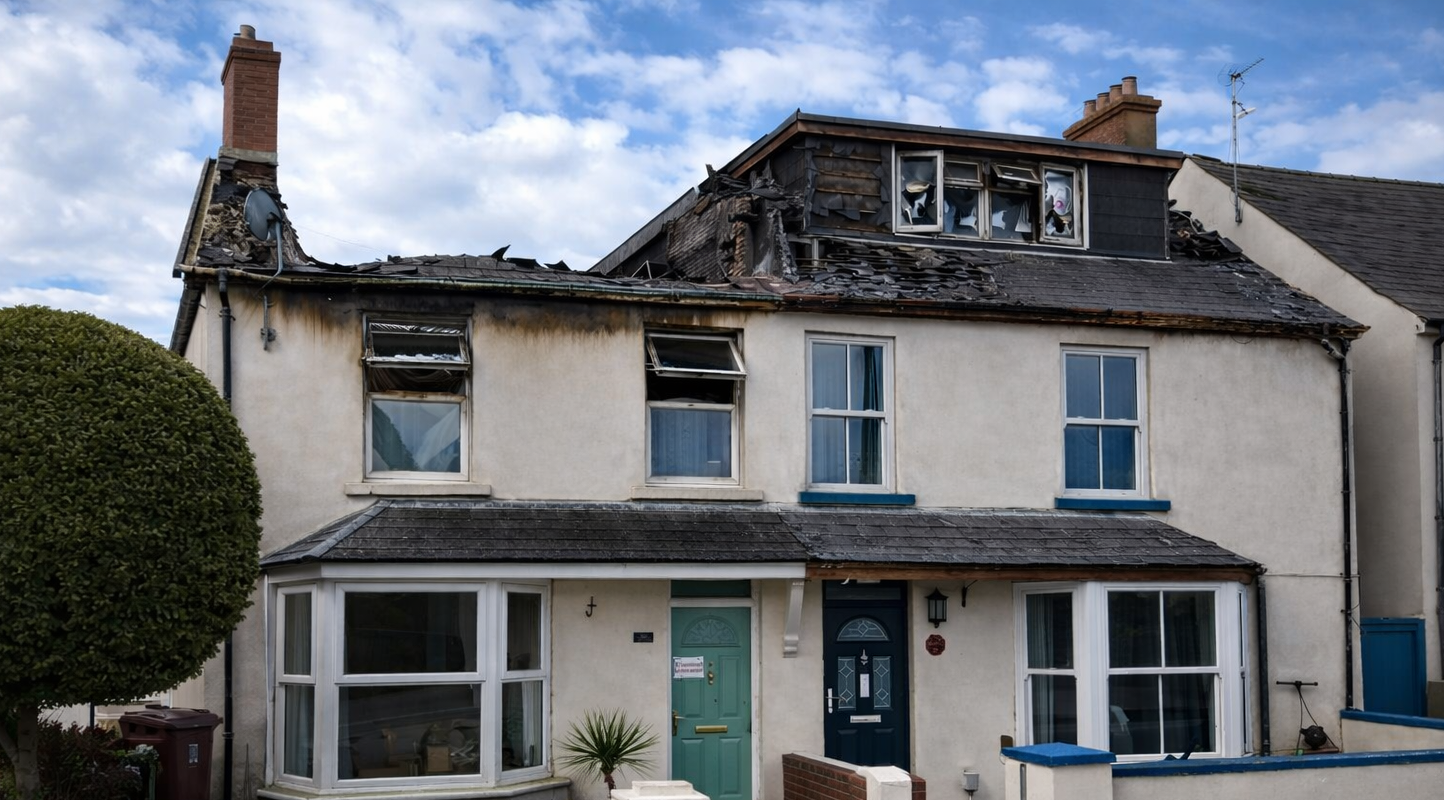
Two houses lost and a third badly smoke-damaged as villagers rally to support those affected
THREE families have been forced from their homes after a major fire tore through a terrace in Letterston, destroying two properties and leaving a third badly affected by smoke.
The blaze broke out at around 4:00pm on Wednesday (Apr 15), prompting a major emergency response from fire crews across west Wales.
Appliances were sent from Fishguard, Haverfordwest, Milford Haven, St Davids, Narberth, Carmarthen and Tumble as firefighters worked for hours to bring the incident under control.
Residents nearby said they first noticed what looked like a dark haze outside before realising smoke was pouring from the row of houses. As the seriousness of the situation became clear, people in neighbouring homes were told to get out.
Witnesses described seeing flames race through the roof spaces of the terrace, while windy conditions made the fire harder to contain. There were also reports of loud bangs as the blaze spread close to overhead power lines.
Fire crews remained at the scene into the evening, supported by utility workers dealing with the electricity supply. Some nearby homes were left without power until late that night.
By the time the fire was out, two houses had been completely gutted. A third remained standing but was left uninhabitable because of heavy smoke contamination inside.
Among those affected was a young family with a three-month-old baby. Although their house was not destroyed structurally, smoke damage is understood to have ruined furniture, clothing and other possessions, including items for the child.
All three households have since moved in with relatives or friends while they deal with the aftermath.

Despite the scale of the incident, nobody was injured.
The fire has shocked the village, but local people have quickly stepped in to offer help, with fundraising appeals launched to support those who have lost their homes and belongings.
How to help
Fundraising appeals can be found at:

gofundme.com/f/help-young-family-return-home-after-smoke-damage
gofundme.com/f/friends-house-destroyed-by-fire-f24y5
gofundme.com/f/the-families-effected-by-the-fire


Health41 minutes ago
Patients in Wales waiting years for autoimmune diagnosis
Study led by Swansea University says long delays, limited specialist access and referral barriers are leaving some patients worse off...

Community21 hours ago
Fire leaves Letterston families homeless after homes destroyed
Two houses lost and a third badly smoke-damaged as villagers rally to support those affected THREE families have been forced...

Community2 days ago
Hippo bones put Wogan’s Cave at centre of major new dig
Five-year project beneath Pembroke Castle could transform understanding of prehistoric Britain A MAJOR new archaeological project has been launched at...


Crime2 days ago
Man found staggering in street after brutal caravan attack
Victim suffered fractured wrist and suspected broken jaw after assault in Pembroke Dock A MAN was found staggering around Pembroke...

News3 days ago
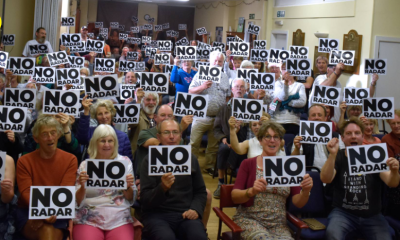
Labour rift erupts over DARC as campaigners say Morgan’s move is too little, too late
Anti-radar group says First Minister’s call for a pause falls far short of what angry Pembrokeshire residents are demanding A...

Business3 days ago
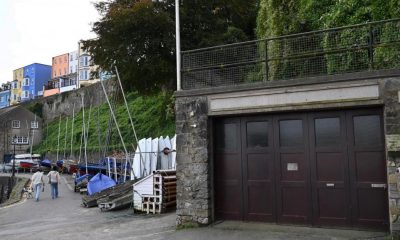
Tenby harbour RNLI building takeaway allowed after appeal
A REFUSED scheme for a takeaway food kiosk at a former lifeboat store in Tenby’s seaside harbour, has now been...


Community4 days ago
Family safe after major house fire in Letterston, community told
Memorial hall opened to help those affected after blaze in Station Road area A FAMILY escaped without injury after a...


News4 days ago
Haverfordwest County AFC escapes winding-up order but ordered to pay costs
Club avoided liquidation in case remained live until it came before a judge at the High Court in London A...


News4 days ago
Seal pup’s 120km swim ends in rescue and release
Young grey seal found weak at St Brides Bay after remarkable journey from Cornwall is now back in the wild...


Crime4 days ago
Woman who called for help spared jail over blade offence
Court hears Haverfordwest defendant was in severe mental distress and carrying razors to harm herself A HAVERFORDWEST woman who contacted...
-
 Business5 days ago
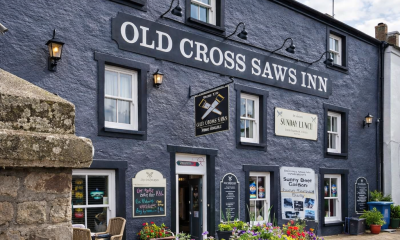
A proper Pembroke local: Inside the warm welcome of The Old Cross Saws Inn
-

 Sport6 days ago
Grand Slam win for Pembrokeshire rugby ace
-

 Community5 days ago
Doorstep warning issued after reports of suspicious callers in Pembrokeshire
-
 Business3 days ago
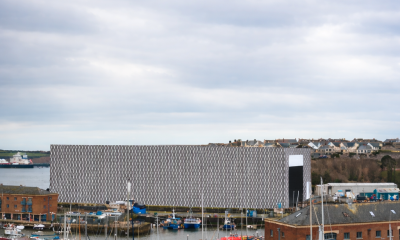
Milford Haven dry dock pitched as home for giant £480m superyacht yard
-
 Crime5 days ago
Romino’s licence revoked after illegal workers found and fire risks exposed
-

 Politics4 days ago
Welsh Lib Dems promise childcare boost, social care reform in manifesto launch
-

 Business7 days ago
Plans submitted to add gym and café to ferry terminal
-
 Education7 days ago
Pembrokeshire College students praised for road safety films