Sport
1m want to do more sport in Wales


More sport: 1m people in Wales want to be more active
SPORT WALES’ latest Active Adults survey shows the potential to get more adults hooked on sport and volunteering while figures of those already hooked buck the trend seen across the UK.
The number of adults hooked on sport – participating three times a week or more – in Wales is up (41%) according to the official Active Adults Survey, released today by Sport Wales.
After speaking to more than 8,000 people in Wales aged 15 and over, the latest results show an increase since 2012 (39%), building on the rise in Welsh sport participation seen since 2008 (29%) and sustaining participation since the London 2012 Olympics and Paralympics.
The survey reveals: B67% of those not already ‘hooked on sport’ (taking part 3 times a week or more) would like to do more sport – that’s 1 million more people in Wales.

There are still gaps in participation between males (46%) and females (35%), disabled (29%) and non-disabled (48%) and those from Wales’ most deprived areas are less likely to be hooked (39%).
While the proportion of volunteers has decreased slightly from 10% (2012) to 9% of the adult population, we still have 235,000 volunteers giving an average of 10 hours to sport a month, up from 8 hours a month in 2012 – that’s a 25% increase in hours volunteered and double the number of volunteers from 2008 (113,000).
The increase in voluntary hours means the economic value of sport volunteering in Wales is nearly£300 million- the equivalent of15,000 full-time employees.
20% of those who do not currently volunteer in sport say they would like to in the future – that equates to over470,000 people in Wales.

Sports volunteers are also reaping the benefits off the field as the figures show they are 82% more likely to say they have good or very good health.
The most popular sporting activities for adults include cycling, swimming and running.
Sport Wales CEO, Sarah Powell said:
“What these results show is that we have been successful in sustaining the incredible swell in numbers of volunteers and participants which followed the London 2012 Olympics and Paralympics. I’m proud of this. We worked hard to ensure a lasting legacy and we’ve successfully bucked the trends seen across the rest of the UK, which has seen levels fluctuate in the past few years.

“There’s huge potential to engage more people and I’m thrilled to see the appetite for doing more sport and volunteering so high in Wales. The challenge now is for us and the sport sector to grow an offer that meets the needs of those people who want to try more sport. We’ve seen really successful initiatives in recent years such as Parkrun and the Breeze cycling network which have engaged people who previously thought sport wasn’t for them. Both these schemes have done this through working closely with communities to develop an offer that meets the needs of the participant locally.
“You don’t have to be an elite athlete to be a Welsh sportsperson. The dad playing football on a Wednesday night, the family running the Parkrun on a Saturday morning and the mums meeting to do circuits in the park before the school run – these are our Welsh sportspeople and they are the future of Welsh community sport. They have found their thing and we want to make sure we create more opportunities for that 1 million who want to do more sport, to find theirs. Whether that is to discover new activities, meet new people or achieve personal goals, we need to entice them into being active. Imagine the impact on the health and well-being of our nation if we were successful!”
Other noteworthy results in the survey included that:
If you believe you lack fitness you are significantly less likely to be hooked on sport.
Those people who believe they lack confidence are significantly less likely to be hooked on sport. However, if you believe your general sporting ability is better than most you are nine times more likely to be hooked.
If your friends and family take part you are more than twice as likely to be hooked on sport.
Powell added: “We have shown sport in Wales has the tools to be successful.
“However, while we’ve managed to sustain participation and grow it at school sport level, this survey demonstrates that we are not yet seeing this translate into a significant increase in adult community participation and stubborn participation gaps between men and women and disabled and non-disabled still exist. So we will have to continue to evolve our approach to ensure a Welsh sporting offer that meets their needs.
“Just as in children, adults also like to feel they have the skills and confidence to participate in sport. It provides the motivation to take part. Enjoyable opportunities, good quality competition or social sporting opportunities and the support of friends and family are all aspects that make sport a key part of someone’s life and we need to tap into this when we deliver sport.”

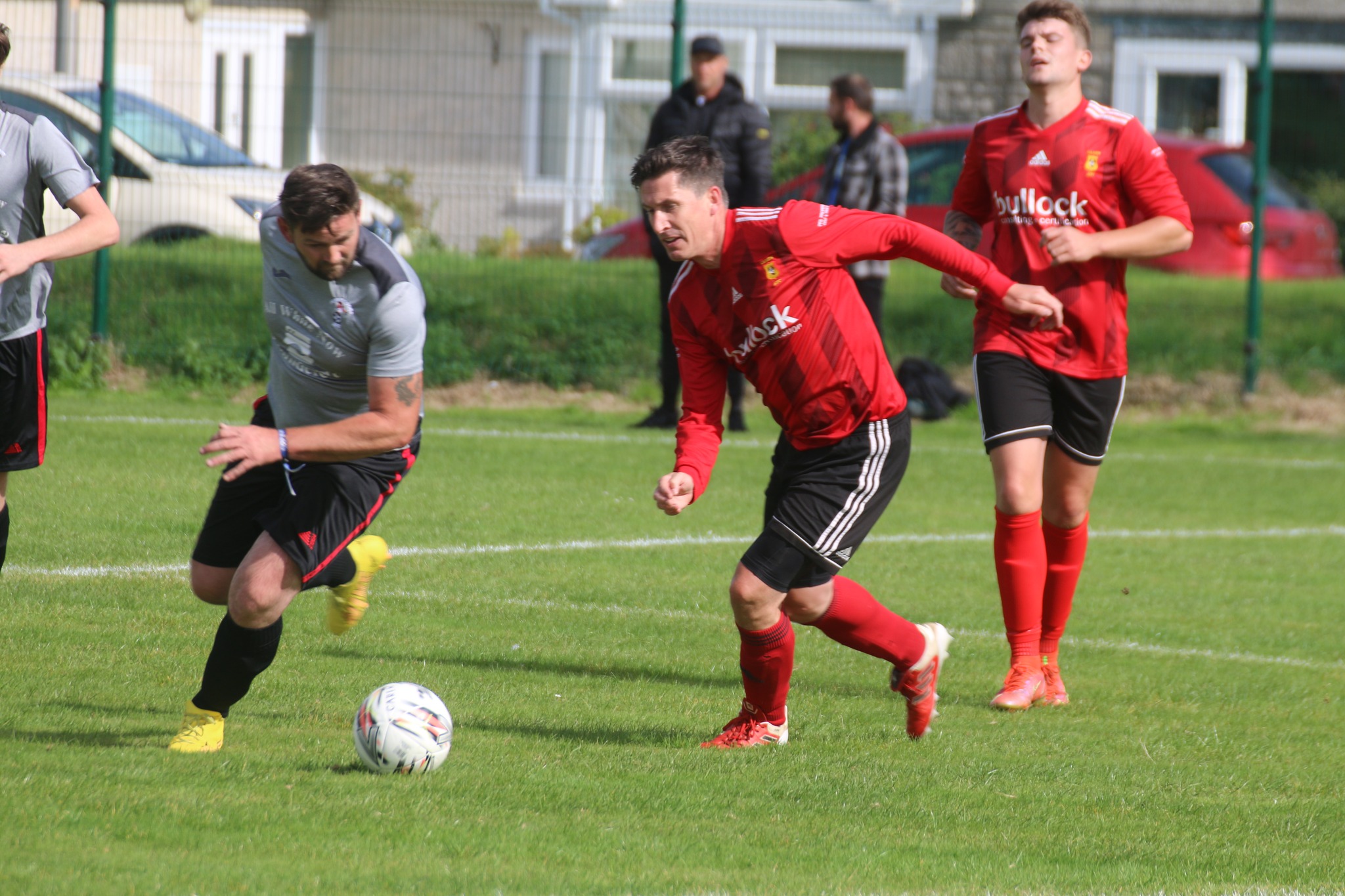
In the picturesque setting of Kilgetty, under the soft glow of the evening sun, local football fans were treated to an enticing clash between Kilgetty and Carew in the Pembrokeshire League Division 1. With the season winding down, both sides took to the pitch amidst numerous squad rotations, following a hectic week of multiple fixtures.
The match kicked off in a leisurely pace, resembling more of an end-of-season friendly than a fierce competition. Kilgetty seized the early initiative, with the trio of Josh Bevan, Richard Tebbut, and Richard Cope causing headaches for the Carew defense, skillfully led by Gareth Lewis. It was Jac Waters who broke the deadlock for the home side, putting Kilgetty ahead 1-0 as the first half came to a close.
However, Carew emerged revitalised after the break, with Jonty Bennett, James Hinchcliffe, and Zac Rowell putting in the hard yards to level the score. The introduction of Harvey Drummond for the ineffective Sam Christopher added further depth to Carew’s attacking prowess, culminating in an equaliser courtesy of the excellent Hinchcliffe.
As tensions rose, the game took on a newfound intensity, marked by needless bookings, after a clearly offside goal and a few heated moments on the field. Despite the fatigue evident from their recent fixture congestion, both teams showcased their competitive spirit, treating the fans to an entertaining second half.

In the end, neither side could break the deadlock, with Kilgetty and Carew having to settle for a well-fought 1-1 draw. While neither team was at their absolute best, the match provided a fitting conclusion to their respective seasons.
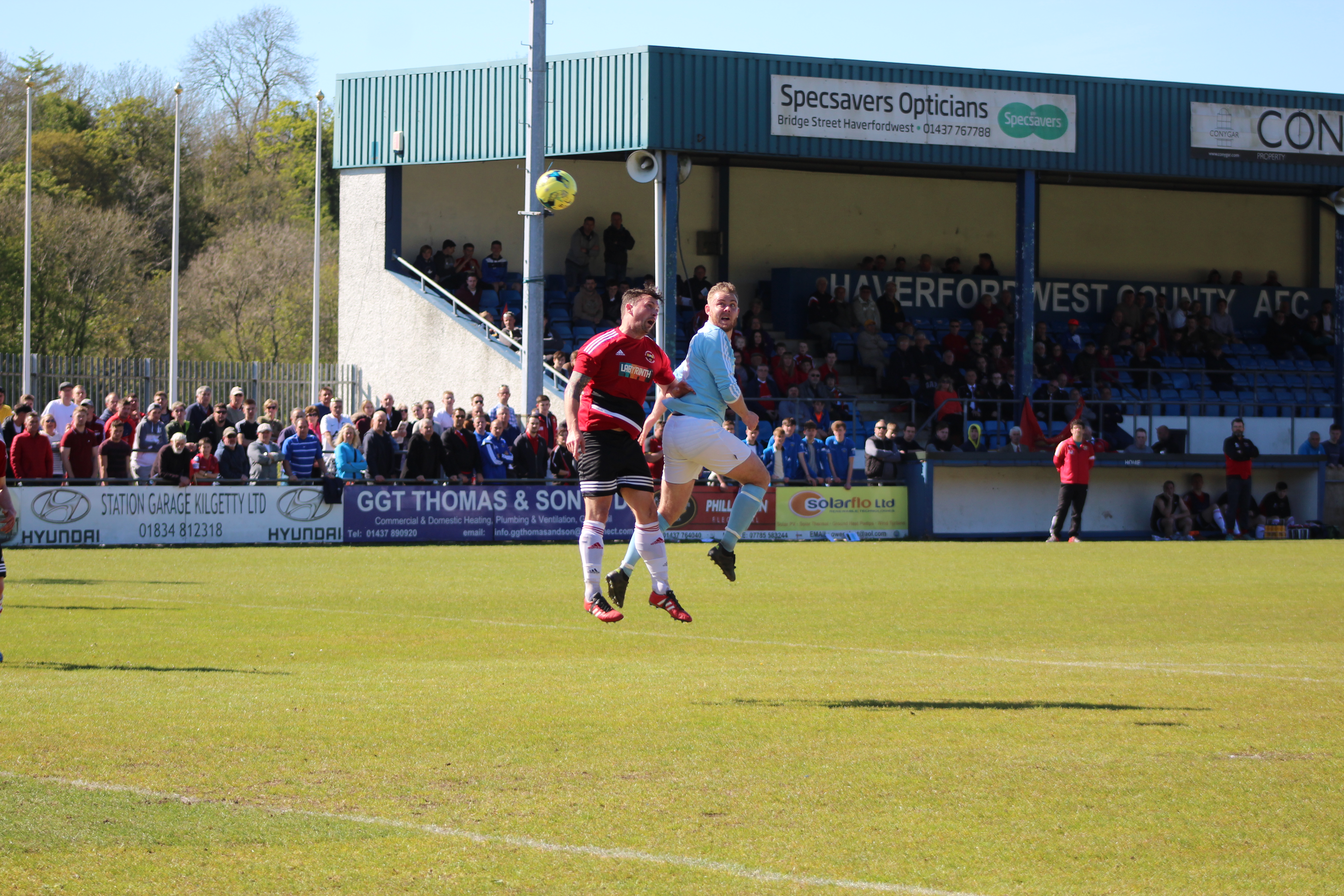
It’s the time of the year again, Saturday see’s Bridge Meadow host the senior cup final. The sun has been shining and both teams will be dying to get on the pitch. This year the final will be contested by Goodwick United and Clarbeston Road.
League champions Goodwick will go into the final as favourites, and most around the county expect a Goodwick win. It has been an outstanding season for Goodwick however cup success has evaded them so far. Clarbeston Road have impressed everyone this season and really deserve their place in this years final.
Neill Crawshaw will referee the game, with Tudor Walters and Stefan Jenkins running the line.
There will be a unique contest on the pitch as brothers Will Haworth and Laurie Haworth come face to face on opposing teams. Adrian their father was a great player in the county, and played in many cup finals himself.

The stage is set, Clarby will feel less pressure than Goodwick and will be a threat with Haworth, John and Davies in attack. Meanwhile Goodwick are also blessed with quality players in every department, there is no weak link in O’Sullivans team. Cup football and finals in particular never go as people predict. On paper Goodwick are firm favourites, Clarbeston Road will be happy the game will be played on grass though and not paper, anything can happen! Hopefully it’ll be a good crowd down at the Meadow for the show piece of Pembrokeshire football.

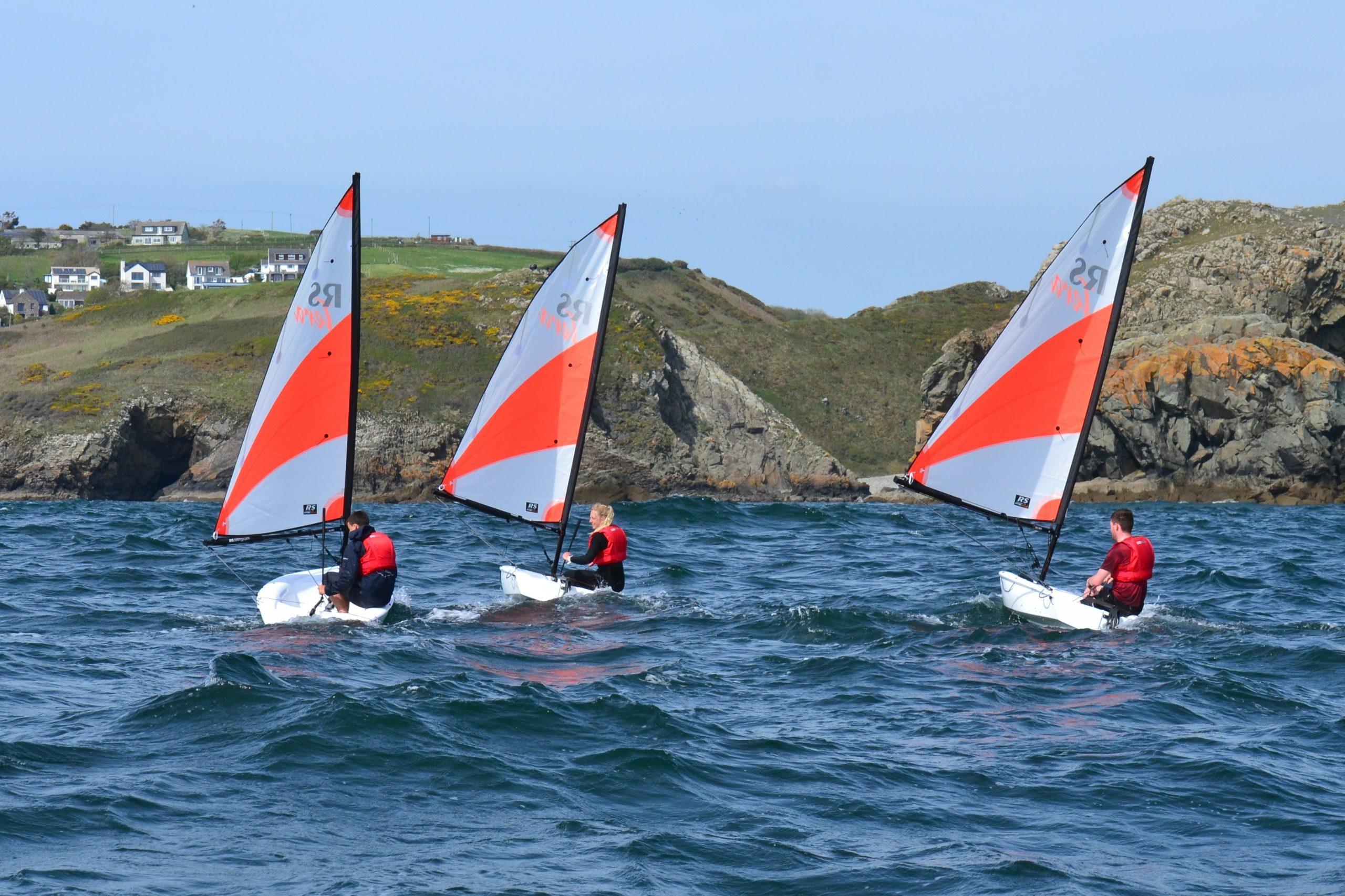
SEVENTY Pembrokeshire clubs have been successful in receiving grants from the Be Active Wales Fund over the last financial year.
In total the clubs received more than £407,800 from the grants scheme from Sport Wales in 2023/24.
The fund backed 25 different sports, ranging from archery, basketball and cricket to sailing, short mat bowls and weightlifting and everything in between.
The Be Active Wales Fund is open to applications from not for profit community clubs and groups to help develop and sustain their activities.
Grants range from a minimum of £300 up to a maximum of £50,000.
The scheme will support coach education courses, the purchase of essential items of equipment right up to larger projects such as floodlighting and boats for sailing clubs.
For advice and support with your application contact Alan Jones or Lois Hilling at Pembrokeshire County Council’s Sports Development department, Sport Pembrokeshire on [email protected]
The Be Active Wales Fund is always open for applications.
More information is available on the Sport Wales website.



All three school stabbing victims discharged from hospital, police confirm
POLICE remain at Ysgol Dyffryn Amman today, following an incident yesterday in which three people were injured, Dyfed-Powys Police confirmed...

Pembrokeshire pensioner accused of 17 sexual offences against children
A 72-YEAR-OLD Pembrokeshire man has appeared before magistrates charged with 17 sexual offences against children under the age of 14....


Police and air ambulances at ‘serious incident’ at West Wales school
DYFED POWYS POLICE has said it is dealing with an incident at a west Wales school. There has been a...


Haverfordwest interchange: Next stage of £19m project backed
The second stage of building Haverfordwest’s near-£19m transport interchange has been backed, with senior councillors hearing it could cost the...


20mph U-turn: Some roads will return to 30mph following public outcry
IN a recent shift in policy, Transport Secretary Ken Skates announced that some roads in Wales will revert to a...
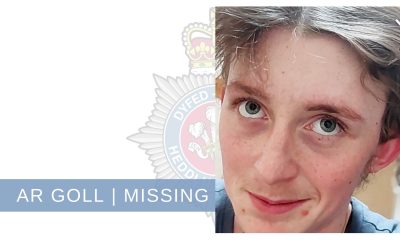

Police issue update on the search for Luke, missing from Pembroke Dock
POLICE have made the difficult decision to end the search for Luke, following a joint decision by all the agencies...


NoFit State Circus set to thrill Pembrokeshire this summer
NoFit State Circus is set to captivate Pembrokeshire once again this summer, as they bring back their thrilling big top...
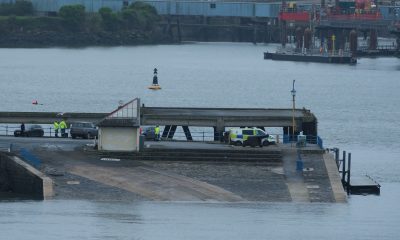

Search for missing teenager Luke continues at Pembroke Dock
THE SEARCH for the missing 19-year-old, Luke, continues unabated into its fourth day, with efforts increasingly centred around the waterways...

Estate agents admit health and safety failings following fatal market incident
WEST WALES estate agents J J Morris have appeared before Pembrokeshire law courts charged with failing to discharge general health,...


Pembroke man sent ‘grossly offensive and disgusting’ message to sister
A DISTRICT Judge has described how a Pembroke man sent a ‘disgusting, appalling and grossly offensive’ message to his sister...
-
News7 days ago
Police issue update on the search for Luke, missing from Pembroke Dock
-
News2 days ago
Police and air ambulances at ‘serious incident’ at West Wales school
-
News6 days ago
20mph U-turn: Some roads will return to 30mph following public outcry
-

 Community6 days ago
Miracle pup finds her forever home after heart-wrenching journey
-
Crime2 days ago
Pembrokeshire pensioner accused of 17 sexual offences against children
-
Crime20 hours ago
All three school stabbing victims discharged from hospital, police confirm
-

 Community3 days ago
County Hall to offer space for community banking
-

 Crime4 days ago
Brian Davis: Wanted on suspicion of commercial burglary