


Farming
First Milk welcome Tesco deal



Every little helps: Dairy farmers
AS THE wintery weather continues to take hold, Tesco has announced it will extend its industry-leading support for British dairy farmers.
Six months ago, Tesco announced it would provide additional financial provision for farmers who produce milk that goes into its own label cheddar cheese products.
The winter supplement payment was initially intended to conclude at the end of February, but given the inclement weather and challenges faced by First Milk farmers during these uncertain times in the dairy market, Tesco is pleased to announce the payment will now be extended to support the farmers through to spring.
Through the work of the Tesco Sustainable Dairy Group (TSDG) and its collaborative partnerships with dairy farmers, Tesco recognises how challenging the winter months can be – particularly for non-TSDG producers -and has made this investment to give them further additional financial assistance until April 17 2016 to help them cover their production costs.
Commercial Director for Fresh Foods and Commodities Matt Simister said: “Helping to create a sustainable dairy industry is integral to how we partner with British Agriculture. Tesco has a long history of supporting dairy farmers and is proud of the sourcing relationships we have with them.

“We recognise that it is a particularly challenging and uncertain time in the global dairy market, which is why over the past six months, we have provided additional financial support to help our First Milk farmers.
“With the effects of the winter still being felt across the country, we are delighted to announce we have extended the supplement.”
Mike Gallacher, First Milk’s CEO said: “First Milk would like to thank Tesco again for their support with the Winter Supplement and welcome the news that this will be extended for a further six week period. Consumers clearly want their retailers to pay sustainable prices for British dairy products – in both cheese and milk – and Tesco, under Dave Lewis, have taken a leadership position. They deserve a great deal of credit for continuing to support British farmers who supply the milk that makes Tesco’s cheese.”
Dairy farmers from across the UK will also receive a further boost, with the move to one hundred per cent British milk for all Tesco own label standard yoghurts from the 1 March. This will see Tesco increase the amount of British milk in its standard range yoghurts from two-thirds and will help increase the demand for milk from farms across the whole country.

As a result of Tesco’s change of policy, the winter supplement payment which was due to cease on February 28, 2016, will now be extended until April 17, 2016.
Tesco has supported First Milk farmers supplying their Haverfordwest Creamery through this period by paying First Milk the base TSDG price for the milk that goes into their cheese. This price will continue to be 29.58ppl and will be reflected in the cheese price that Tesco pays to the processor.
First Milk will distribute this additional income across its farmers, and will be able to provide an audit to demonstrate that farmers have received this additional payment.

From March 2016, all Tesco own label standard tier yoghurt will be made with milk sourced from Britain with the exception of those with protected origins – including authentic Greek Yoghurt and French Fromage Frais.


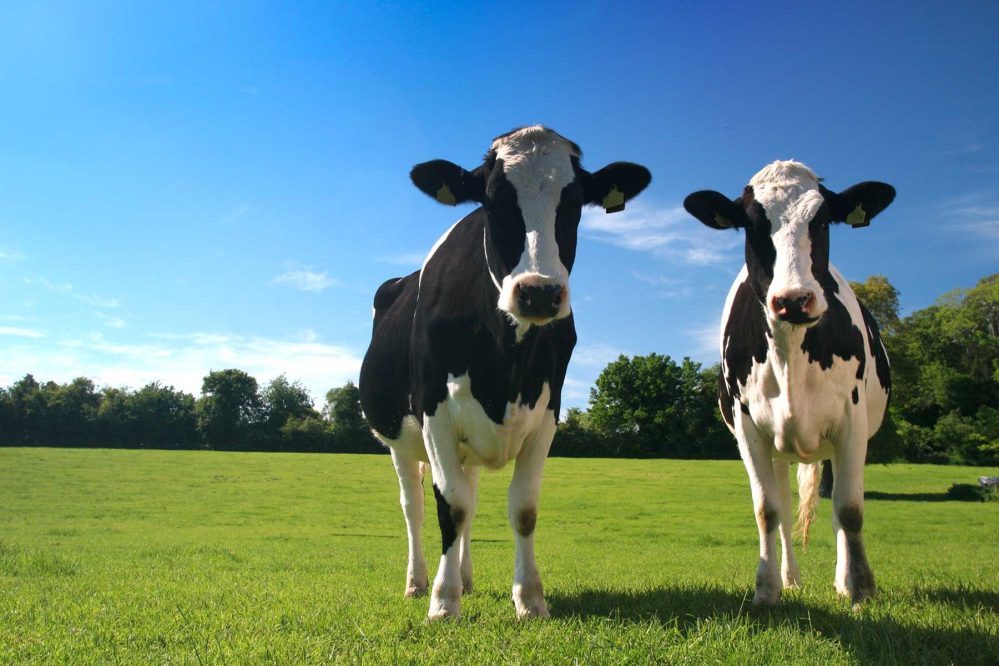
ANDREW RT DAVIES has called on Wales’ new Plaid Cymru government to publish an urgent bovine TB plan before the Royal Welsh Show, warning that farmers need clarity after years of herd breakdowns, cattle losses and uncertainty.
The Conservative Shadow Farming Minister used First Minister’s Questions to challenge Rhun ap Iorwerth on whether his administration will change direction on one of the most divisive issues in Welsh agriculture.
Mr Davies asked the First Minister to explain what “science-led” policy means under Plaid Cymru, and whether a new plan will be brought forward before the Royal Welsh Show in July — the biggest event in the Welsh farming calendar.
Mr ap Iorwerth did not give a timetable, saying only that the Cabinet Minister would bring forward details “in due course”.
Mr Davies said: “For too long, the approach to bovine TB in Wales has been determined by ideology, not science.
“Welsh farmers need a proper plan, not warm words. They deserve to know before the Royal Welsh Show what this new government intends to do.”
Bovine TB remains one of the most serious pressures facing Welsh farming, with affected families dealing with repeat testing, herd restrictions, the slaughter of cattle, compensation disputes and the mental strain of prolonged outbreaks.
The issue is particularly sensitive in west Wales, where herds in high-risk areas have faced more frequent testing and long-running restrictions.
Farming unions have repeatedly called for a change in direction, arguing that the current approach has failed to give the industry confidence. NFU Cymru has said the next Welsh Government must make “drastic changes” to give young farmers hope for the future.
Any new policy is likely to reignite debate over cattle movement controls, testing, vaccination, biosecurity, compensation and the controversial question of badger control.
Animal welfare and conservation groups are expected to resist any return to culling, while many farmers argue that every part of the disease cycle must be addressed if Wales is to make real progress.
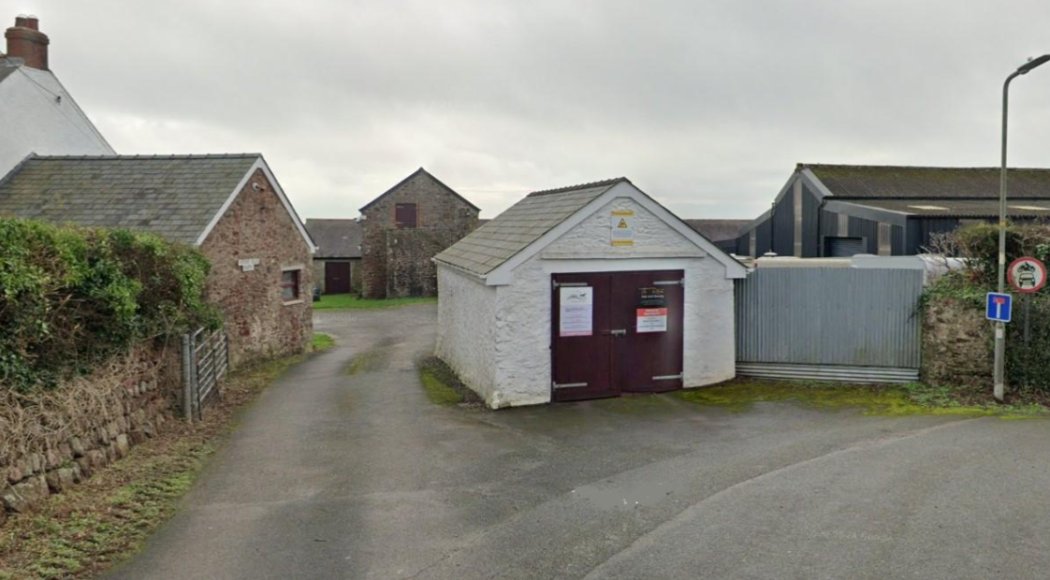
PLANS to expand a Pembrokeshire holiday operation which was voted as the best of its type in the UK by the Caravan Club in its very first year of operation have been given the go-ahead.
In an application to Pembrokeshire Coast National Park, Dean and Sharon Philpin sought permission to expand the existing holiday operation at Woody Kiln Farm, Herbrandston Village, Herbrandston by converting a former agricultural barn to four short-term holiday lets.
A supporting statement through agent Hayston Developments & Planning Ltd said: “Woody Kiln Farm is located to the east of Herbrandston village, to the south easterly side of Havens Park residential estate. It is a registered agricultural holding, and the land is used mainly for the raising and grazing of sheep covering 12 / 13 acres.
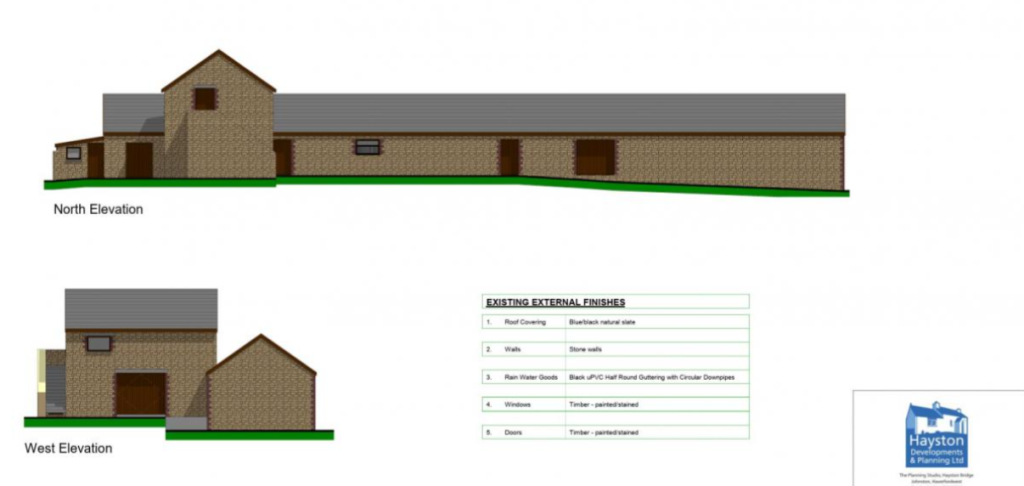
“The farm complex comprises of a number of traditional outbuildings and the applicants main dwelling surrounding a surfaced courtyard. Immediately to the south is a caravan site registered with the Caravan & Motorhome Club as a Certificated Location for up to five touring caravans and motorhomes.
“This Certificated Location has been in operation for 10 years and was the first ever site to be voted the best site in UK on its first year of operating by its members. In recent years it was voted best site in Wales.”
The site has won many similar Certificated Location awards.
It went on to say: “The application proposal relates to a total of three barns that integrate into one building footprint. It is intended to reuse the barns and provide four short-term holiday let units that will be run in conjunction with our client’s current Caravan Club site, situated immediately to the east of the barns.”
It was described as: “A sympathetic design that incorporates no change to the footprint or roof design and little change to the fenestration is the main theme of the design strategy.”
An officer report recommending approval, subject to conditions including a unilateral undertaking to provide a contribution to affordable housing said: “Strategic Policy have advised that the scale and layout of the units could lend themselves to residential use and that an affordable housing contribution may be required.
“Whilst the proposed use is short-term holiday let given that the properties are capable of use as full residential properties, it is proposed that a full unfettered residential permission be granted, with no condition for holiday let-only, meaning that the property could be used for full residential use or second home use.”
Based on current affordable housing contributions, that amounted to £26,170, the report said.
The application was conditionally approved, conditions including the affordable housing element.

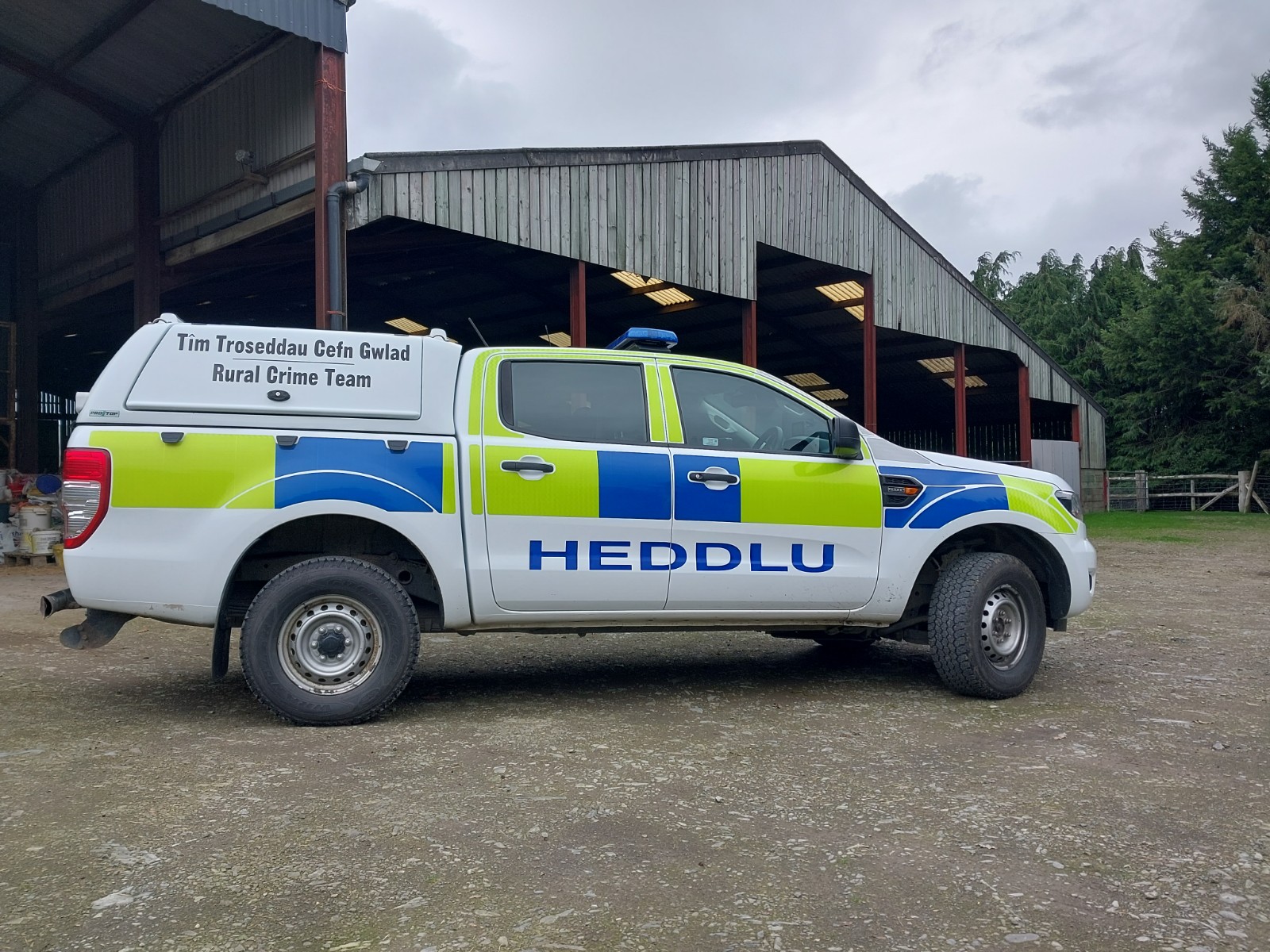
WALES saw the cost of rural crime fall by 21 per cent last year, but farmers are being warned not to become complacent after a rise in tractor and livestock thefts.
New figures from NFU Mutual show rural crime cost Wales an estimated £2.2m in 2025, down from £2.8m the previous year.
The fall mirrors the UK-wide picture, with the total cost of rural crime across the UK dropping from £44.1m in 2024 to £41.5m in 2025.
NFU Mutual said the reduction showed the impact of investment, police work and closer collaboration between farmers, insurers and rural crime teams. However, the insurer warned that organised criminals continue to target the countryside for high-value farm machinery, livestock and equipment.
In Wales, the cost of agricultural vehicle theft rose by six per cent, with criminals targeting tractors across the country. Livestock theft also increased by almost seven per cent compared with 2024.
NFU Mutual said the rise was particularly concerning in Wales, where livestock farming plays a central role in the rural economy and food production.
The company said rural crime remained a serious issue for farming communities, not only because of the financial loss but because of the emotional impact on farmers and their families.
Nick Turner, Chief Executive of NFU Mutual, said: “For more than 20 years, NFU Mutual has called for a stronger response to rural crime, and we know the financial and emotional toll it takes on farmers.
“As a mutual, our support goes beyond paying claims: last year we invested over £500,000 in rural crime initiatives, including ongoing funding for the National Rural Crime Unit and the UK’s first dedicated livestock theft officer.
“We also collaborate with the unit to identify at-risk areas and support recovery efforts.
“In addition, we worked with local police forces to install 13 ANPR cameras across rural hotspots in England and Wales to track suspicious vehicles and disrupt criminal activity.”
Hannah Binns, Rural Affairs Specialist at NFU Mutual, said rural crime was becoming increasingly organised.

She said: “Rural crime is more organised than ever, with criminals prepared to go to extreme lengths, and 2025 proved no exception.
“Yet targeted investment in rural crime initiatives alongside industry collaboration with law enforcement is helping drive down crime, with our latest figures highlighting a 21 per cent fall year-on-year in Wales, to an estimated £2.2m.
“The impact of rural crime extends beyond financial loss, undermining trust and connection, often leaving a trauma that can remain with farmers, their families and wider communities for a lifetime.
“But we cannot afford to be complacent. With proposed policing reforms on the horizon, it is crucial rural crime teams receive fair resources and specialist support to empower local forces to respond quickly to countryside incidents caused by organised and serious criminals.”
Across the UK, the highest rural crime cost was recorded in the North East at £7.6m, followed by the South East at £6.8m, the Midlands at £6.4m and the South West at £6.2m.
Wales recorded the joint-lowest estimated cost alongside Northern Ireland, although Northern Ireland saw a 24 per cent increase.
A survey of 119 NFU Mutual agents found that 91 per cent believed rural crime was disrupting farming in their area, while 79 per cent knew farmers who had been targeted repeatedly.
Almost a third said they had seen farmers change practices or leave the industry altogether because of rural crime.
NFU Mutual said the figures were based on claims statistics rounded to the nearest £100,000.



Community6 hours ago
HMS Erebus tragedy links Pembroke Dock ship to Templeton family
DNA breakthrough identifies cabin boy David Young as exhibition marks 200 years since ship’s launch ON MAY 19, 1845, a...


Community9 hours ago
Narberth cash machine closures spark urgent access review
CALLS have been made for an urgent review of access to cash in Narberth after two town centre ATMs were...


Health23 hours ago
First Minister quizzed on Welsh NHS pressures in his first-ever FMQs
SENEDD Members pressed the First Minister over the state of the health service in Wales, as the Plaid Cymru leader...


Community1 day ago
Historic paddle steamer Waverley to return to Fishguard this month
THE WORLD’S last seagoing paddle steamer will return to Fishguard this month as part of her annual visit to South...


Local Government1 day ago
National Express use of new Haverfordwest interchange still subject to risk checks
A RUMOUR that National Express coaches may struggle to use Haverfordwest’s new transport interchange has been denied by Pembrokeshire County...


Crime1 day ago
Milford Haven man jailed for illegal Premier League streaming service
A MILFORD HAVEN man who supplied illegal Premier League streams and loaded Firesticks to almost 2,000 customers has been jailed...


Community3 days ago
RNLI lifeguards rescue beachgoers during busy heatwave weekend
FOUR PEOPLE RESCUED AS RIP CURRENTS AND OFFSHORE WINDS HIT PEMBROKESHIRE BEACHES RNLI lifeguards in Pembrokeshire rescued four people and...


Local Government3 days ago
Council and school staff pay row could hit Pembrokeshire services
COUNCIL workers, carers and school support staff in Pembrokeshire could be drawn into a growing UK-wide pay dispute after GMB...

Health3 days ago
Hywel Dda to hold second consultation on future of stroke services
A SECOND phase of public consultation is to be held on the future of stroke services across Hywel Dda University...

Community3 days ago
Warning as algal blooms mistaken for sewage on Welsh coast
Beachgoers urged to avoid contact with suspicious foam and report pollution concerns NATURAL RESOURCES WALES has issued summer advice to...
-

 Health6 days ago
Paul Davies warns health board over Withybush and Bronglais services
-

 Crime6 days ago
Carmarthenshire man sent to Crown accused of 33 historic sexual offences
-
Crime1 day ago
Milford Haven man jailed for illegal Premier League streaming service
-
Crime1 day ago
Haverfordwest man admits cocaine offence as Crown disputes basis of plea
-

 Crime6 days ago
Suspended prison sentence for man who left dogs without vet care
-
 News6 days ago
Vehicle destroyed in early morning fire in Pembroke
-

 Crime6 days ago
Man accused of police station bomb hoax remanded in custody
-

 News6 days ago
Davies calls for NHS foreign language interpreters to be scrapped
investigative police positions
January 5, 2026 at 7:44 pm
Great post! I’m looking forward to reading more of your work.
law enforcement academy preparation
January 5, 2026 at 7:54 pm
I appreciate the practical advice you’ve given here.