


News
Dyfed-Powys Police detain dog for two years


A DOG has been detained by Dyfed-Powys Police for over two years as part of an inquiry. The police have yet to decide on whether the dog will be destroyed, re-homed or returned to its owner.
Full details were not provided as to why the animal has been kept in kennels for so long, with the force insisting that it was ‘an ongoing case’.
The costs of upholding the 1991 Dangerous Dogs Act have been investigated by the BBC in Radio 4’s You and Yours programme, finding that dogs suspected of being pit bull terrier types were regularly held for longer than 14 weeks.
Senior Police have said that forces in both Wales and England were having to spend £3m annually for kennels, with delays blamed on lengthy disputes over breeds in court.
Last year, over 2,000 dogs were detained, most under the Dangerous Dogs Act, according to the 29 forces of England and Wales which responded to a Freedom of Information request. Of those dogs, at least 334 were detained due to suspicion of being a dangerous breed, although not necessarily a threat or out of control.

No more details have been released regarding the Dyfed-Powys case, but the programme found it to be the longest period of detention from the data they had.
Figures show that £105,246 in kennel, veterinary and transportation fees have been paid by Dyfed-Powys Police for 53 animals since 2014.
In the same time frame, North Wales Police had paid £154,307 but the number of animals detained by that force have not been revealed.
The 1991 Act banned four types of dogs, the Pit Bull Terrier and the Japanese, Argentinian and Brazilian Mastiffs. When such a dog is found, they can then be destroyed.

The National Police Chiefs Council’s lead for dangerous dogs, Gareth Pritchard, told BBC Radio Wales’s Good Morning Wales there had been more than 30 dog related deaths in England and Wales since 2005.
Mr Pritchard, the Deputy Chief Constable for North Wales Police, said there was a ‘public safety issue’ with dangerous dogs but forces wanted to ‘speed up the process’ of dealing with cases.
“We in policing spend over £3m a year on kennelling costs and we are desperate to reduce those costs and maintain the appropriate animal welfare standards for the dogs that are in our kennels.”

South Wales Police said it does not hold any data and Gwent Police did not respond to the request for information.










FAMILIES across Wales are being encouraged to rediscover history on their doorstep this February half term, with more than 130 historic sites offering affordable days out.
Cadw, the Welsh Government’s historic environment service, says its castles, abbeys and ancient monuments provide low-cost options for families looking to get out of the house without breaking the bank.
From dramatic medieval fortresses to Roman remains and peaceful abbey ruins, many locations are within easy reach of local communities, making them ideal for a short day trip.
Nearby highlights include Caerphilly Castle, Caernarfon Castle, Raglan Castle, and the Caerleon Roman Baths, each offering a mix of history, open space and hands-on activities.
Good value days out
New visitor research carried out by Cadw shows strong satisfaction among guests. More than 85 per cent rated their visit as good, while nearly two in five said their experience was better than expected.
Families are being encouraged to bring picnics, book tickets online in advance and consider membership options to keep costs down, particularly for repeat visits over school holidays.
History brought to life
Several sites now include improved interpretation and interactive elements aimed at younger visitors.
At Caerphilly Castle, recent restoration work has recreated parts of the medieval interior, allowing visitors to step inside spaces such as the Great Hall and gatehouse to see how the fortress would have looked in the thirteenth century.
Meanwhile, children visiting Caerleon can take part in a daily Roman Baths trail where they can touch, smell and explore objects linked to life in Roman Britain.

Quieter winter exploring
Cadw says winter can be one of the best times to visit, with fewer crowds and dramatic seasonal scenery.
Places such as Tintern Abbey, Chepstow Castle, Criccieth Castle, and Valle Crucis Abbey offer peaceful walks alongside striking historic backdrops.
Something close to home
With sites spread across the country, most families will have a Cadw monument within a short drive.

Membership options provide unlimited entry throughout the year, with children admitted free with adult members, alongside shop discounts and reciprocal offers at other UK attractions.
Further details on opening times, events and tickets are available at the Cadw website.

HAVERFORDWEST TOWN COUNCIL is inviting local residents to put themselves forward for two vacant councillor seats, with positions currently available in the Prendergast and Priory wards.
The vacancies will be filled by co-option after no election was called when the casual vacancies were previously advertised.
The Town Council area is divided into five wards – Castle, Garth, Portfield, Prendergast and Priory – and is responsible for managing a range of local facilities and services including recreational play and leisure areas, a sports changing facility and two cemeteries.
Council representatives say they are looking for people who are willing to commit time and energy to serving the community and helping shape decisions that affect the town.
Applicants should be practical, good communicators and able to work as part of a team. No previous council experience is required.
Co-opted councillors take part in meetings, help oversee local projects and represent the interests of residents in their ward.
The closing date for applications is February 27, 2026.
Anyone interested in applying, or wishing to have an informal discussion about the role, can contact the Town Clerk by emailing [email protected].
Further information is available at: www.haverfordwest-tc.gov.uk


£200 donations helping sports clubs, warm spaces, schools and local projects keep Pembrokeshire villages connected and thriving
COMMUNITY groups across north Pembrokeshire are being encouraged to apply for monthly funding as Cwm Arian Renewable Energy continues its programme of small grants aimed at strengthening local life.
The community energy organisation is offering £200 every month to support grassroots projects, with the funding open to clubs, charities, volunteer groups and informal community initiatives. Since the scheme launched in April 2022, the fund has supported a wide range of activities, from youth sport and schools to cultural events and wellbeing projects.
The grants are deliberately flexible, allowing groups to decide what their communities need most rather than fitting strict criteria. Money can be used for hall hire, equipment, refreshments, transport, training costs or materials, helping even the smallest organisations get ideas off the ground.
In Hermon, funding has supported the popular Warm Rooms project, providing hot meals, company and a welcoming space for older residents during the colder months. Organisers say the grant has helped tackle isolation while giving people somewhere safe and social to meet.

In Crymych, football and rugby clubs have used the donations to run training sessions, organise matches and purchase kit, giving young people regular opportunities to stay active, develop skills and build confidence. Elsewhere, cultural groups and local festivals have used the support to stage workshops, performances and events that bring residents together.
A spokesperson for Cwm Arian said the aim is to keep the process simple and accessible.
They said: “These donations are about helping local people do what they already do best. A relatively small amount of money can make a big difference to a village group or volunteer project. We want to support activities that strengthen communities and improve everyday life.”
Best known locally for its renewable energy and sustainability work, Cwm Arian says reinvesting income back into the community is central to its mission.
Groups with an idea that benefits people in Pembrokeshire are invited to apply, with guidance and application details available through the Cwm Arian website.



Crime1 hour ago
Publican admits supplying cocaine and cannabis at Crown Court
Admits cocaine and cannabis supply but denies intent and cash allegations A MILFORD HAVEN pub landlord has admitted supplying cocaine...


Local Government2 hours ago
Plaid win in Fishguard North East by-election
PLAID CYMRU has taken the Fishguard North East seat on Pembrokeshire County Council following this week’s by-election. Billy Shaw was...


News21 hours ago
Man to return to court over alleged harbour collision
Three charges relate to navigation of vessel in Milford Haven A NEWPORT man is due to return to court later...


Business2 days ago
Computer Solutions Wales under fire from customers
Claims of unreturned devices, unpaid refunds and small claims court cases as company blames landlord dispute CUSTOMERS across west Wales...


News2 days ago
Starmer under fire as aides quit and Scottish Labour leader calls on him to resign
Two senior Downing Street exits in 24 hours as Anas Sarwar breaks ranks, but ministers insist the Prime Minister is...


News2 days ago
Fresh concerns over £60m A40 scheme after resurfacing works just months after opening
QUESTIONS are being asked about the condition of the newly-opened A40 Llanddewi Velfrey to Redstone Cross carriageway after sections of...


Charity2 days ago
RSPCA looks back at the Sea Empress oil tanker disaster 30 years on
Charity reflects on one of the biggest environmental disasters to hit UK IN just a few days time it will...


Crime3 days ago
Pembroke Dock man admits threatening to hack woman’s head off with sword
Court imposes strict bail conditions and bans contact with named individuals ahead of sentencing A PEMBROKE DOCK man has admitted...


Crime4 days ago
Teenager remanded after teacher injured in knife incident at Milford Haven school
Fifteen-year-old charged with Section 18 grievous bodily harm and possession of a bladed article appears before Swansea magistrates A FIFTEEN-YEAR-OLD...

Crime4 days ago
Police confirm teacher was stabbed at school as teenager appears in court
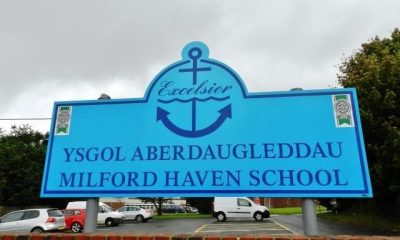
15-year-old charged with Section 18 GBH with intent and possession of a bladed article on education premises POLICE have confirmed...
-

 Health6 days ago
Health board targets rise in steroid and gym drug use across west Wales
-

 Crime7 days ago
Sex offender jailed after living off grid in Pembrokeshire and refusing to register
-

 Crime6 days ago
Teacher injured and teenager arrested for attempted murder at Milford Haven School
-
Business2 days ago
Computer Solutions Wales under fire from customers
-

 Business5 days ago
Six-figure negligence victory leaves retired builder trapped in divorce limbo
-

 Crime7 days ago
Johnston man remanded in custody over knife and assault charges
-

 News6 days ago
Reform appoints Dan Thomas to lead party in Wales
-

 Crime7 days ago
Provisional licence holder admits drink-driving through town centre