


News
Welsh countrysides and beaches to reopen as five mile restriction is lifted

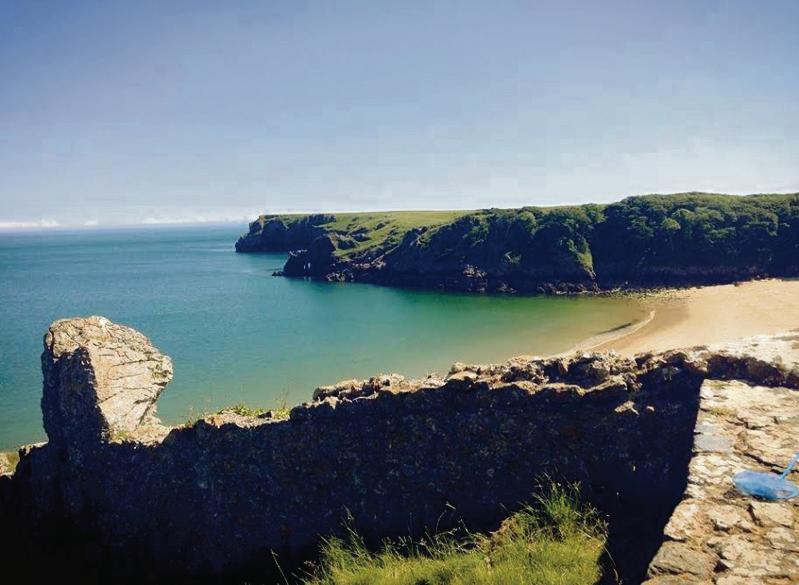
FIRST MINISTER Mark Drakeford has lifted the five mile travel restriction in Wales as of today (Mon Jul 6).
Prior to the easing, residents in Wales were unable to travel more than five miles from their homes with the ‘stay local’ restriction still in force.
The easing of the restriction will see Wales welcome back visitors to its beaches and countryside for the first time in over three months.
The new measures are said to “pave the way” for the tourism sector, which will begin to re-open from July 11, but Mr Drakeford has made it clear this will only happen “if conditions allow”.
The First Minister has urged those intending to visit beaches, countrysides and beauty hotspots to do so safely – by protecting others, protecting the environment, and following the social distancing rules.

Saturday (July 4) saw the re-opening of pubs, restaurants and cafes open in outdoor spaces in England.
The Welsh Government has set a date of July 13 for the re-opening of pubs, restaurants and cafes outdoors in Wales, this will only go ahead providing there is no spike in the number of confirmed Covid-19 cases.
As the five-mile travel restriction is lifted in Wales, Pembrokeshire County Council has moved to reassure the local community and visitors that it will continue to work hard to inform and support them.
“Our communities will start to welcome visitors this week,” said Cllr David Simpson, Leader of Pembrokeshire County Council. “Although the public have a huge responsibility to act responsibly – as consistently stressed by senior politicians both in Westminster and the Senedd – we as a local authority also have an important role to play.
“We are working closely with partners behind the scenes to make sure that we have procedures and measures in place to ensure the unlocking process is as safe as possible.”
Among the measures are a specific team being brought together by the Council and key partners to coordinate intelligence and information to monitor and manage any day to day issues, using data from the tourism sector, traffic measurements, and various teams on the ground.
Other measures include the production of a promotional film by Visit Pembrokeshire to welcome back tourists – with useful information on the concerns faced by local residents and constructive suggestions of what visitors can do to help.

“The Welsh Government’s Stay Local rule was kept in place to help every part of Wales manage the spread of the virus and properly welcome back visitors safely,” said Cllr Simpson.
“Visitors are an important part of our economy and so it’s important that local communities are welcoming towards them as we safely open up more of the visitor and tourism economy.”
Other measures include the use of electronic road signs (including the ones approaching Pembrokeshire and those in the County) to provide useful and relevant information to anyone travelling. Electronic signage in bus stops will also be used and extra signs are being considered.
A street trading arrangement has already been put in place to support café culture once restrictions ease, and an operational document has been produced to inform the local authority’s work for reopening the public realm – including facilities like car parks and public toilets.
Highways improvements are being considered including the potential re-allocation of road spaces, thanks to grant funding from the Welsh Government for sustainable transport solutions in response to Covid-19. The Council has worked up proposals for reallocation of road space in a few key towns which it will be sharing with communities as soon as possible.
The NHS Wales Test Trace Protect service is also well underway across Pembrokeshire, Carmarthenshire and Ceredigion to track the virus and give extra protection to communities.
Cllr Simpson said it was vital to remember that coronavirus has not gone away, despite some restrictions being eased by Welsh Government. “It continues to be as important as ever to maintain social distancing, keep washing your hands regularly, and to self-isolate if you or someone in your household has symptoms,” he said.
“Pembrokeshire and the rest of Wales is safely and gradually reopening. Together, we’ve made some great progress. But we’re still not back to normal and there are still risks. It’s important that we respect each other, our communities, and the local environment.”


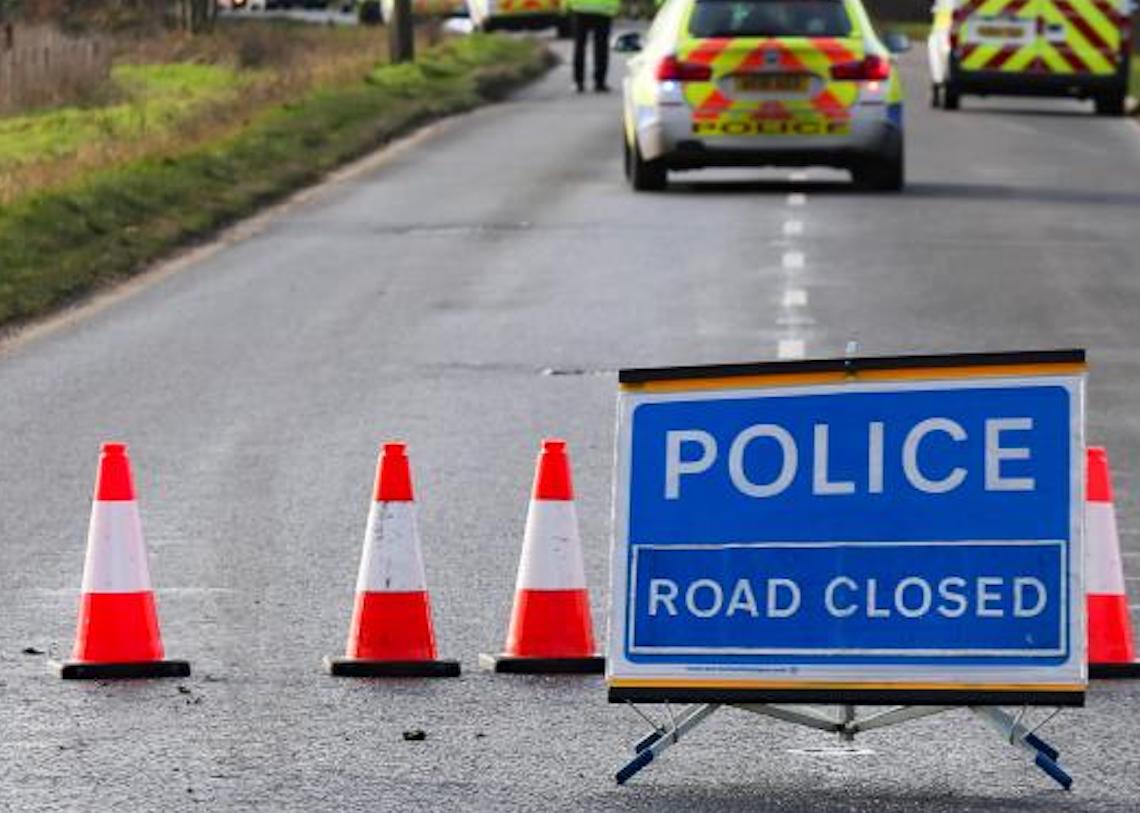
Emergency services at scene as A484 closed near Parc y Bocs
A MAJOR incident has been declared in Kidwelly following a collision involving a bus.
Dyfed-Powys Police said officers were dealing with the incident on the A484 near the Kidwelly roundabout at Parc y Bocs.
The road has been closed between the Kidwelly roundabout and Llandyfaelog, and motorists are being urged to find alternative routes.
Emergency services are at the scene, and members of the public have been asked to stay away from the area until further notice.
A Dyfed-Powys Police spokesperson said: “Officers are dealing with a major incident in Kidwelly, following a report of a collision involving a bus on the A484 near the Kidwelly roundabout.
“The road is closed between the Kidwelly roundabout at Parc y Bocs and Llandyfaelog, and motorists are asked to find alternative routes.
“Emergency services are on scene and members of the public are asked to stay away from the area until further notice.”
More information is expected to follow.
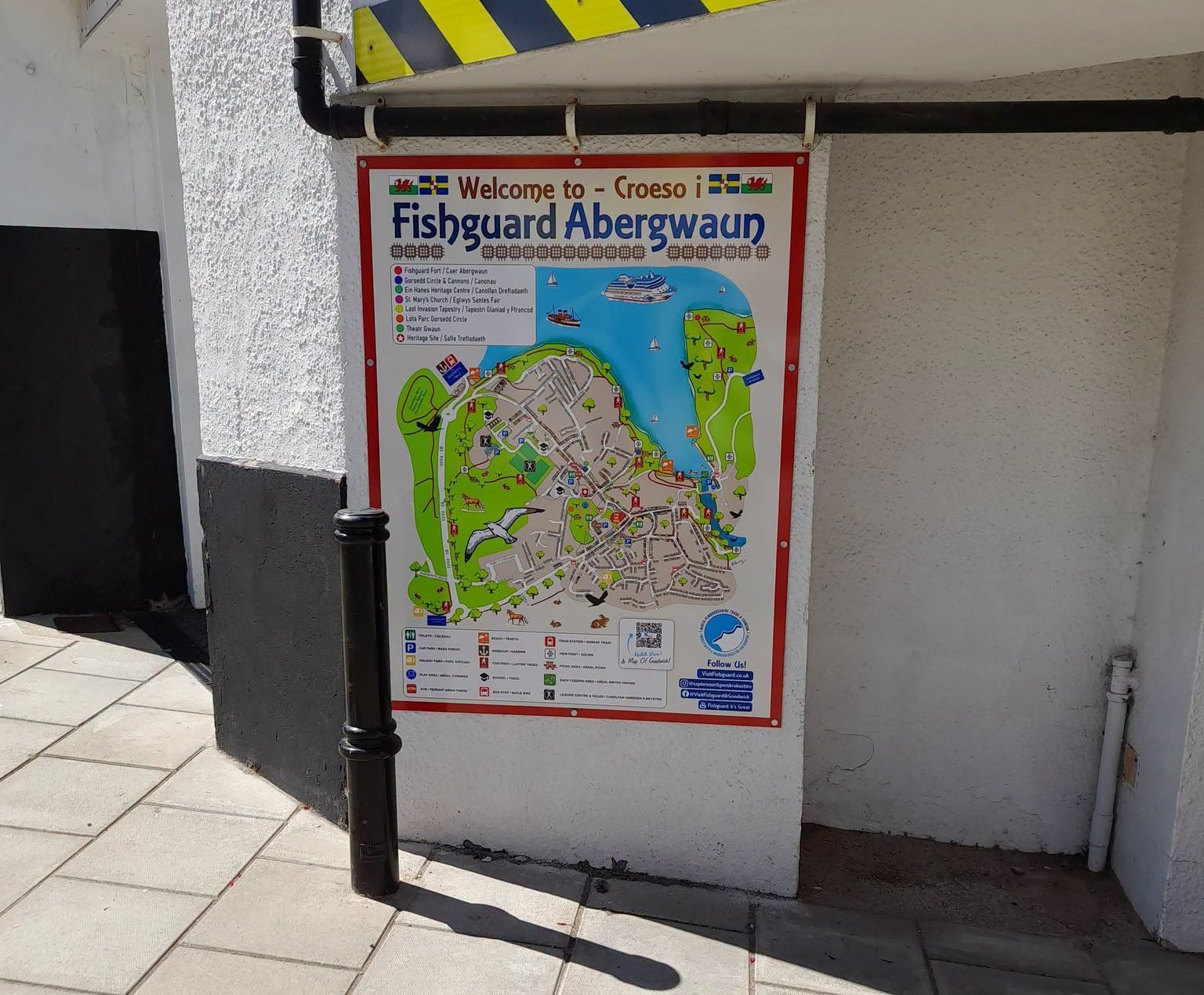
A NEW town map has been installed in the heart of Fishguard to help residents and visitors discover more of what the area has to offer.
The map, created by Visit Fishguard & Goodwick’s in-house graphic designer, has been placed on the Abergwaun Hotel tunnel, near Offshore Surfwear’s new shop.
The group said it was “incredibly proud” of the finished result and thanked the building owner for allowing the map to be installed on the premises.
Visit Fishguard & Goodwick is now hoping to create a similar map for Goodwick and is asking for help from a centrally located building owner who may be willing to host it.
Anyone who can help, or knows of a suitable location, is being asked to get in touch with Visit Fishguard & Goodwick.

Organisers say popular charity events cannot safely go ahead without clear powers to control crowds
TENBY ROUND TABLE has announced that this summer’s Tenby Summer Spectacular events have been cancelled until further notice amid a dispute with Pembrokeshire County Council over crowd control at the harbour.
The events, which were due to take place on Sunday, August 16 and Sunday, August 30, have been a major feature of Tenby’s summer calendar for decades, drawing large crowds to the harbour for entertainment, food, drink and fireworks.
In a statement, Tenby Round Table said the decision had been made “with enormous sadness” and claimed it had been forced on organisers because of unresolved issues over the safe management of pedestrian access.
The organisation said it needed the council’s Public Realm department to use statutory powers to temporarily restrict pedestrian access through the event area when capacity is reached.
Organisers said the matter had first been raised with the council in September 2025 and again formally in writing in May 2026.
They said volunteers had attended meetings, commissioned professional health and safety consultants and worked on Event Management Plans, but claimed the council had still not provided a clear answer.
Tenby Round Table said: “PCC’s Public Realm department has had nine months to answer one question on safe and controlled access to the harbour. It has not done so.”
The group also alleged that recent written responses from the council contained factual inaccuracies and misleading statements about the relevant legislation.
It added that the council’s legal advice was understood to be provisional and still under internal review.
The cancellation is currently described as provisional, with organisers giving the council a final deadline of June 25 to provide what they describe as a clear, accurate and legally grounded answer.
Tenby Round Table said that if this is provided, it will do everything possible to reinstate the events.
The group said the Summer Spectacular had raised hundreds of thousands of pounds for local charities, sports teams, community groups and worthy individuals since it began.
It said the cancellation would be a devastating blow to those who benefit from the funds raised.
The statement added that organisers are still working with Dyfed-Powys Police and other relevant authorities ahead of a council licensing committee meeting in July, which is expected to consider whether the event licence should be renewed, amended or withdrawn.
The Herald has asked Pembrokeshire County Council for comment.




News2 hours ago
Major incident declared after bus crash in Carmarthenshire
Emergency services at scene as A484 closed near Parc y Bocs A MAJOR incident has been declared in Kidwelly following...


Community21 hours ago
Tenby Summer Spectacular cancelled amid council row over harbour access
Organisers say popular charity events cannot safely go ahead without clear powers to control crowds TENBY ROUND TABLE has announced...


News1 day ago
Motorcyclist dies after four-vehicle crash on A40 in Carmarthenshire
A MOTORCYCLIST has died following a four-vehicle collision on the A40 between St Clears and Whitland. Dyfed-Powys Police said the...


News1 day ago
Rhun ap Iorwerth urges new deal for Wales after Starmer quits
First Minister says next Prime Minister must focus on greater powers, fair funding and respect for Wales’ democratic mandate FIRST...


News1 day ago
How Labour’s landslide victory unravelled in just two years
Prime Minister announces resignation after losing support within his own party as Andy Burnham emerges as overwhelming favourite to take...


News2 days ago
Long Course Weekend set to bring thousands to Pembrokeshire
Three days of swimming, cycling and running will once again transform Tenby into one of the UK’s biggest endurance sporting...


Community2 days ago
The gentle giant behind the tattoos
Pembrokeshire security worker Josh Davies praised for professionalism, kindness and proving first impressions can be wrong JOSH Davies is hard...


Charity3 days ago
Toy Story fans fill charity toy box at Haverfordwest cinema
Donations pour in for SNAP Specialist Play as families embrace Toy Story 5 launch A TOY STORY-themed charity appeal at...


Community3 days ago
Lord Rhys emerges from the mist in St Davids
Giant puppet begins historic journey marking 850 years since the first Eisteddfod MIST swirled around St Davids Cathedral on Friday...


News4 days ago
Tragic tribute paid to Haverfordwest man after A4075 collision
FAMILY REMEMBERS “KIND AND LOVING” CALLUM HANSON THE FAMILY of a 22-year-old man from Haverfordwest who died following a road...
-

 Crime5 days ago
Milford Haven man jailed for breaching domestic violence protection order
-

 Local Government7 days ago
Security privately arranged by Mayor at Beating of the Bounds
-

 News5 days ago
Crash on Freeman’s Way causes school-run chaos across Haverfordwest
-

 Crime7 days ago
Man wanted by court after failing to attend hearing over alleged shop thefts
-
 Crime7 days ago
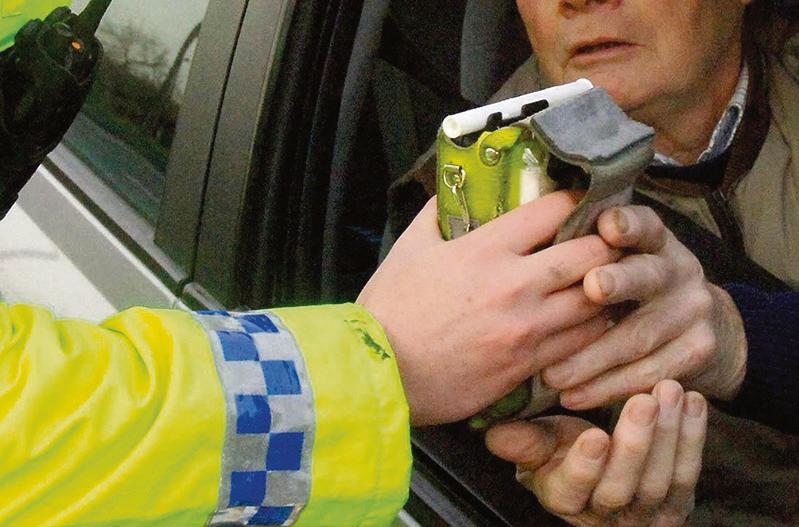
Man banned from roads after drink-driving offence
-

 Crime7 days ago
Man jailed after admitting strangulation and assaults
-

 Crime7 days ago
Drug trafficker must repay £33,000 after court rules he made nearly £500,000
-

 Crime7 days ago
Man sentenced over stalking campaign and lock knife offence