


Farming
FUW: Devolution must be respected

IN RESPONSE to a UK Government white paper on internal markets, the Farmers’ Union of Wales has stressed the importance of protecting Welsh farmers against unfair competition from other parts of the UK and countries across the globe, and that Welsh devolution must be respected.
In his introduction to the UK Internal Market White Paper, Alok Sharma MP, Secretary of State for Business, Energy and Industrial Strategy, highlights how increasing differences between rules and standards applied by different Governments in the UK’s four nations after Brexit could cause market distortion, discrimination and unfair competition for businesses in a way not seen for hundreds of years.
The White Paper, therefore, proposes measures to prevent such impacts based on the principles of ‘non-discrimination’ and ‘mutual recognition’
FUW Head of Policy, Dr Nick Fenwick said: “We are glad the UK Government has woken up to the need to take this issue seriously as it has previously been kicked into the long grass because it is so politically contentious.”
Dr Fenwick said that the FUW had been highlighting the need to address this issue since the EU Referendum in 2016, and in July 2018 the FUW had published a detailed paper considering the matter entitled ‘Filling the Void – Steps towards a post-Brexit UK policy framework’.
“While we welcome the UK Government’s recognition of this issue, we are extremely concerned at the suggestion that rules could simply be dictated by London, rather than there being a means by which to reach agreement between UK Governments.”
Dr Fenwick said such a move could undermine devolution and work to the disadvantage of Welsh farmers.
“The consideration of such matters in a White Paper within months of the end of the Withdrawal Agreement period gives us very little time to hold proper detailed discussions and introduce the type of structures and bodies we truly need to make recommendations, enforce regulations, arbitrate on matters etc. in a way that is fair.”
“It also gives us very little time to sort out what are huge constitutional issues which also happen to be crucial to the running of Welsh businesses,” he added.
In response to the White Paper, the Union further stressed that while the UK Government is right to recognise the dangers of direct and indirect discrimination, unfair competition, market distortion and other issues that could arise within the GB/UK internal market, it should also recognise that the same issue exists across international borders.
“Given the current trade negotiations with the EU and USA, for example, the UK Government should also recognise the likelihood of such adverse impacts occurring as a result of inappropriate or ill-considered trade deals which expose us to different standards or unfair competition,” said Dr Fenwick.
“This is a particular concern with regard to agricultural produce produced to environmental, health and welfare, social and other standards that do not meet those required of UK producers, and subsidy and support regimes that differ significantly to those introduced in future in the UK’s four nations.”
At present, while significant differences between the UK and the EU is allowed under Single Market, Common Agricultural Policy and related rules, these are within strict boundaries aimed at minimising market distortion and unfair competition while recognising regional and national needs.
If a trade deal with the EU is reached, there is potential for market distortion and unfair competition for UK producers as a result of the fact that the EU will continue to pay farmers direct support, but Wales and England want to move over to environmental ‘public goods’ style payments – with many lobbying for farm payments to be cut altogether.
“The EU’s reaffirmed commitment to maintaining direct support for active farmers through CAP payments, coupled with a move in Wales and other parts of the UK to get rid of direct farm support in favour of environmental payments, would clearly introduce the kind of unfair competition the UK Government refers to in this paper.
“This danger is no different in principle to the dangers recognised in the Internal Markets White Paper, so also should be recognised by our Governments – not only in the context of unfair competition from the EU, our most important trading partner in terms of food, but also countries like the USA if we are to strike a deal with them.
“We need a trade deal with the EU to avoid massive damage to farms and other businesses, but we also need our governments to recognise the self inflicted damage that could be done by radically changing our own farm support systems while our main competitors twenty or thirty miles away over the sea continue with direct farm support,” he added.


OVER three hundred Welsh farmers and landowners have been granted the right to legally challenge Green GEN Cymru’s ‘unlawful behaviour’ at the High Court.
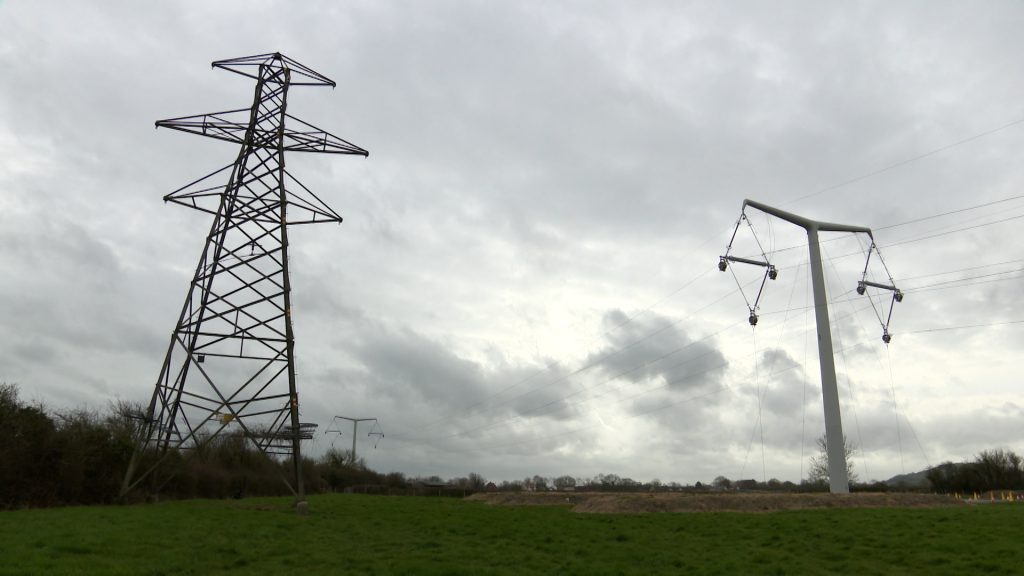
The collective filed a judicial review application on behalf of the community groups, Justice for Wales and CPRW, on four separate grounds, including claims that the energy company has acted unlawfully and with disregard for biosecurity and the environment, while trying to gain access to private land to conduct surveys for three major overhead pylon routes.
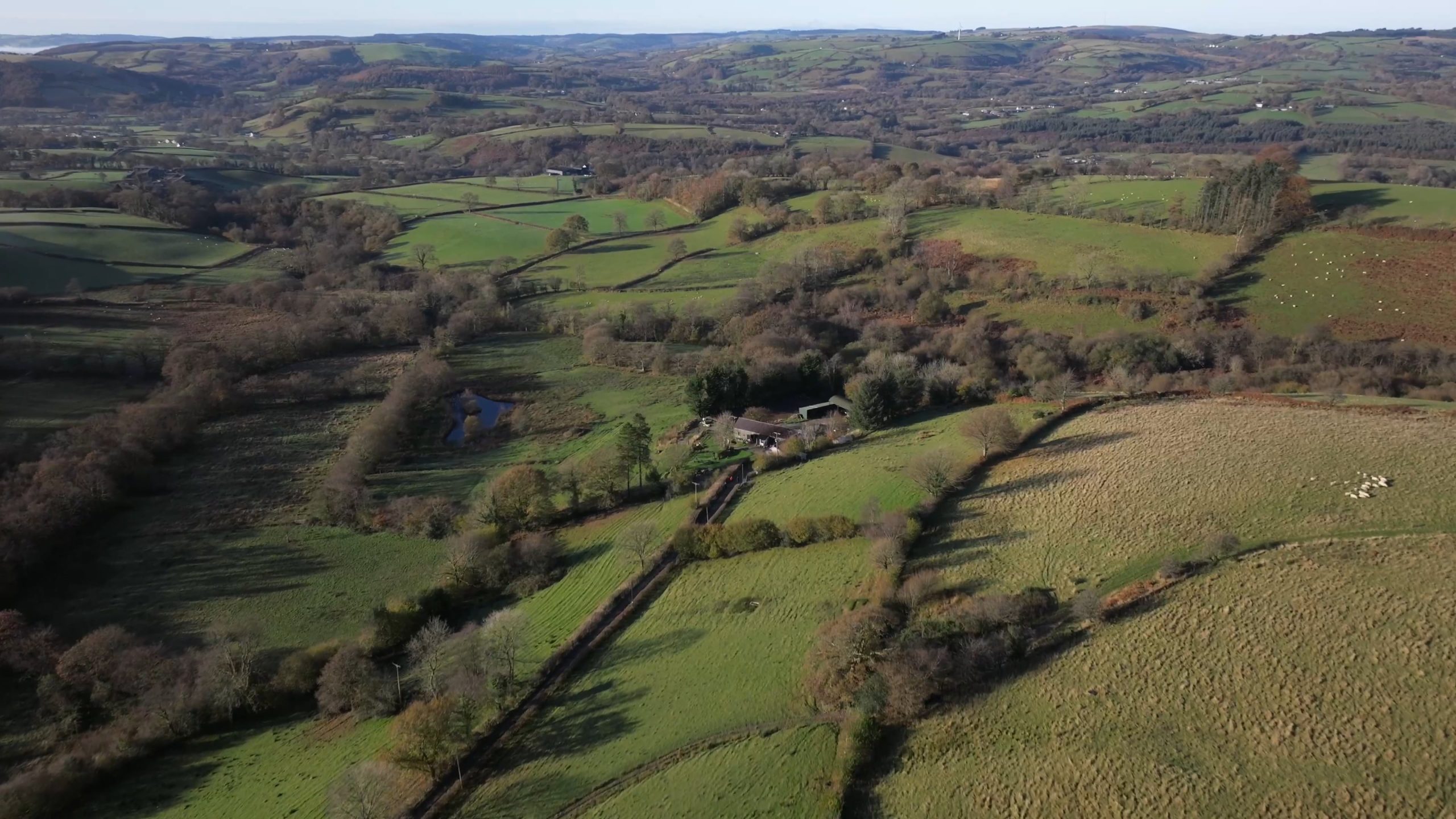
The proposal will see the energy infrastructure and pylons spanning 200 km across Powys, Ceredigion, Carmarthen, and Montgomeryshire in Wales and across the Welsh border into Shropshire, in the West Midlands of England.
Mrs Justice Jefford granted permission on four grounds – including abuse of power and procedural impropriety – during the three-and-a-half-hour hearing at Cardiff Civil Justice Centre on Tuesday, January 20.
A two-day hearing is expected to take place in April 2026, date to be confirmed.

The judge also accepted an undertaking from Green GEN Cymru that it would not enter land using s.172 powers – the right given to acquiring authorities to enter land to conduct surveys or valuations under the Housing and Planning Act 2016 – until an urgent interim relief application hearing can be held.
Natalie Barstow, founder of Justice for Wales, said: “This is a moment of vindication. For months, we have been left feeling unsafe in our own homes and stripped of our power as farmers and landowners.
“This is not a protest against renewable energy; this is about standing up for what is right. Our right to dignity and to have a voice, and for the future of our land, wildlife, and livelihoods.
“Since we began this battle, hundreds of other farmers and landowners across Wales have come forward with similar stories, and we’ve been supported by many generous donations to fund the legal challenge. We knew we weren’t alone in our concerns, but the response demonstrates it is a far wider issue than we initially feared, and why it is so important that Green GEN’s conduct and protocols are properly scrutinised.

“We said we will not be bullied into submission, and this judgment is just the first foot forward in our fight for justice.”
Mary Smith, a lawyer at New South Law, the law firm representing the impacted communities, said: “Holding acquiring authority status does not entitle a company to disregard the limits of its statutory powers or the rights of the people affected.
“The Court’s decision confirms that Green GEN Cymru must be held to the same legal standards as any other public body when exercising intrusive powers over private land. This case is about restoring fairness, accountability, and respect for the communities whose livelihoods and environments are at stake.”
Mandatory carcass grading and price reporting will be required in slaughterhouses from Wednesday, January 28
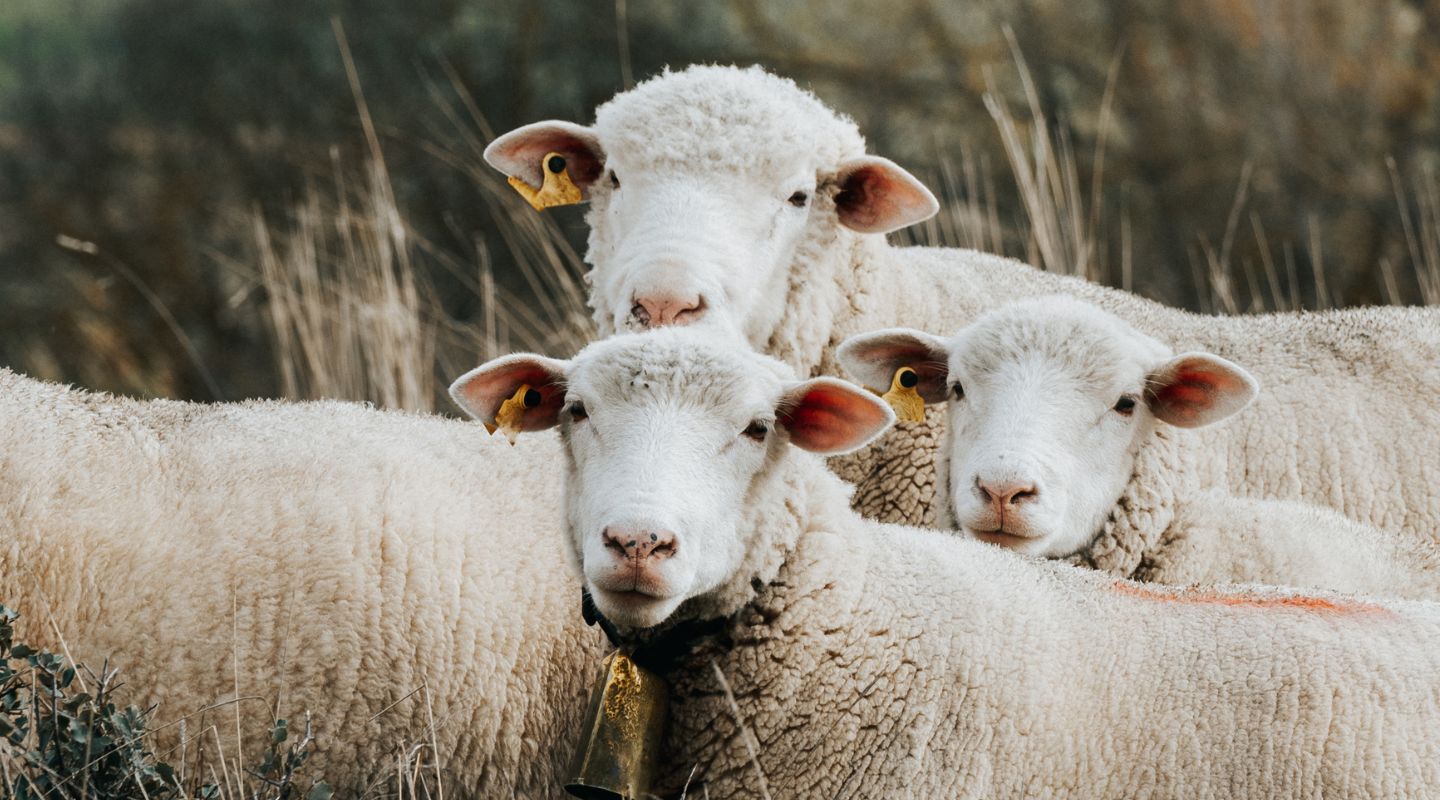
WELSH sheep farmers are set to see new rules introduced next week aimed at making the lamb market fairer and more transparent.
From Wednesday (Jan 28), slaughterhouses in Wales will be required to classify sheep carcasses and report prices using a standardised system. The Welsh Government says the move will improve consistency in grading, make price information easier to compare, and help build confidence for farmers selling stock.
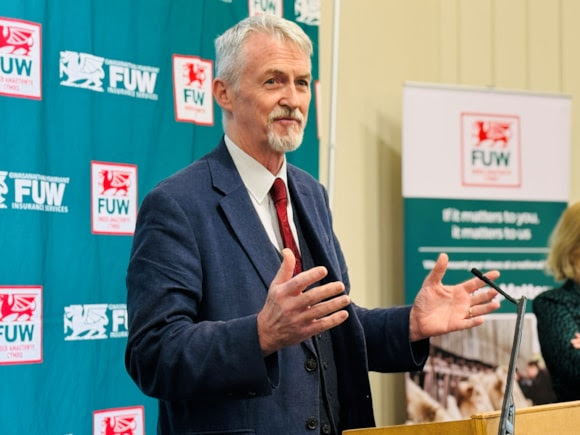
Deputy First Minister Huw Irranca-Davies announced the change during the Farmers’ Union of Wales (FUW) Farmhouse Breakfast event at the Norwegian Church in Cardiff.
He said the measures would support the industry by ensuring a consistent methodology for classifying carcasses in slaughterhouses, promoting transparency, fairness and productivity within the sheep market.
“Our iconic Welsh lamb is celebrated around the world for its outstanding quality and high production standards,” he said. “These measures will implement a consistent methodology for classifying sheep carcasses in slaughterhouses, promoting transparency, fairness, and increased productivity within the sheep market.”
The regulations bring the sheep sector into line with rules already used for beef and pork.
Hybu Cig Cymru – Meat Promotion Wales chief executive José Peralta said the changes would allow for greater data capture and analysis and improve transparency within the supply chain.
He said: “The new regulations, which now align with a similar position for cattle and pigs, will allow for greater data capture and analysis to be undertaken and support increased transparency within the sector. As a sector we must seek all opportunities for greater transparency within the supply chain to ensure that choices can be made from an informed position.”
The Welsh Government says the new approach is part of a wider UK framework, with similar arrangements already operating elsewhere.

During his address, the Deputy First Minister also pointed to further changes expected in 2026, including the planned introduction of the Sustainable Farming Scheme, which the Welsh Government describes as a new partnership between the people of Wales and farmers.
The scheme is intended to support the sustainable production of food while also responding to the climate and nature emergency.
The Welsh Government has also confirmed its commitment to financial support during the transition, with up to £238 million committed to the Universal layer and the legacy Basic Payment Scheme in 2026.

Deputy First Minister Huw Irranca-Davies said: “I would like to reiterate the Welsh Government’s commitment to supporting Welsh family farms, not just in the short term but also in the long run. Our goal is to prioritise stability for the farming industry, ensuring to balance this with sustainability at its very core.”
He added that supporting farmers through the change would be a priority, with consistent advice and support offered across the sector.
Building fairness within the agricultural supply chain remains a key Welsh Government priority, which it says is also integral to food security.
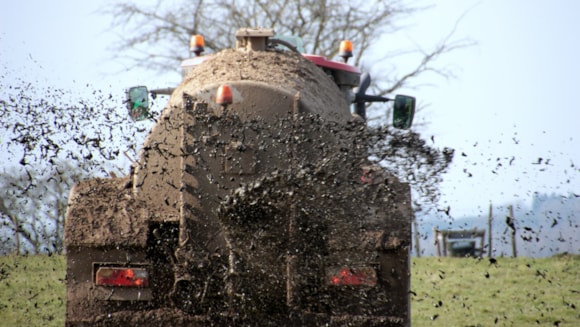
NRW is reminding farmers across Wales to take key steps to prevent pollution as the organic manure spreading season re-opens.
During the autumn and winter “closed periods”, restrictions were in place to stop slurry and other high-nitrogen manures being spread, helping reduce the risk of agricultural pollution.
Grassland spreading can resume from Thursday (Jan 16), with spreading on tillage land re-opening on Friday (Jan 31). However, NRW said a number of controls under the Control of Agricultural Pollution Regulations (CoAPR) will remain in force until the end of February.
Those restrictions include limits on application rates — no more than 30m³ of slurry per hectare, or eight tonnes of poultry manure, in a single application — with at least three weeks required between applications.
Before spreading organic manure, producers must also carry out field inspections to assess weather and soil conditions, slope, ground cover and proximity to watercourses, to help reduce the risk of runoff.
Farm businesses are expected to plan and record all applications in their Nitrogen Management Plan to ensure nutrients match soil and crop need and remain within nitrogen limits.
Spreading is prohibited on waterlogged, flooded, snow-covered or frozen ground — including soil that has been frozen for more than 12 hours in the previous 24 hours.
NRW said its teams will continue to support farmers while monitoring compliance.
Simon Griffiths, team leader of NRW’s Agricultural Pollution Inspection Team, said: “As the closed periods come to an end, we want to remind farmers, tenants, landlords and contractors of the restrictions which remain in place until the end of February.

“This means anyone considering spreading organic manure needs to ensure the conditions are suitable before work starts.
“NRW is committed to protecting the environment and any instances of pollution will be investigated and appropriate enforcement action taken.”
NRW is urging farmers and members of the public to report pollution incidents immediately via its online “report it” form or by calling 0300 065 3000.




Crime3 hours ago
Arrest made after Carmarthen park stabbing investigation
Police thank community and media following public appeal to trace suspect AN ARREST has been made following last week’s stabbing...


Crime4 hours ago
Search continues for attempted murder suspect after Carmarthen park stabbing
Police expand searches across riverbank and woodland as public urged to come forward with information DYFED-POWYS POLICE say their search for...


Community9 hours ago
Flood alert issued for Pembrokeshire coast this evening
Pembrokeshire residents are being urged to prepare for possible flooding along the coastline between St Dogmaels, Cardigan and Amroth, after...


News12 hours ago
Tributes paid to Pembroke Dock Councillor and former Mayor Pamela George
It is with great sadness that the Pembroke Dock community mourns the passing of Councillor Pamela George. Pamela, affectionately known...


Health1 day ago
Doctor struck off after sexual misconduct findings at Withybush Hospital
Tribunal history reveals medic was removed in 2012 for dishonesty before being allowed back to practise A DOCTOR accused of...


News1 day ago
Policing powers stay with Westminster as devolution debate reignites in Wales
THE UK GOVERNMENT has ruled out handing control of policing and criminal justice to Wales, triggering fresh political debate over...

Climate1 day ago
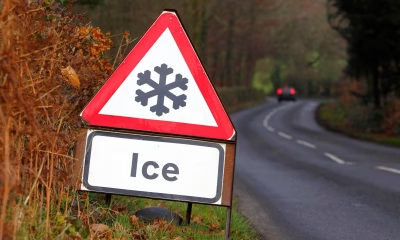
Ice warning issued as temperatures fall below freezing across Pembrokeshire
Cold snap expected to create hazardous roads and pavements overnight into Monday morning PEMBROKESHESHIRE residents are being urged to take...

Crime3 days ago
Manhunt intensifies after woman seriously injured in Carmarthen park stabbing
Police say suspect known to victim as attempted murder investigation continues A MAJOR police manhunt is under way after a...

Health4 days ago
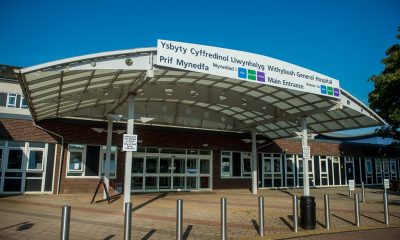
Consultation reveals lack of public trust in health board
EARLIER this week, Hywel Dda UHB published the results of a consultation into the future configuration of its clinical services....


Community4 days ago
Specialist team searches River Teifi in ongoing hunt for missing man
A SPECIALIST search team has carried out a renewed and highly technical search of the River Teifi in Cardigan as...
-
Health4 days ago
Consultation reveals lack of public trust in health board
-

 News6 days ago
Caldey still unsafe, survivors warn — despite Abbey’s reform claims
-

 Community5 days ago
Pembrokeshire students speak at national Holocaust Memorial Day event
-
 News5 days ago
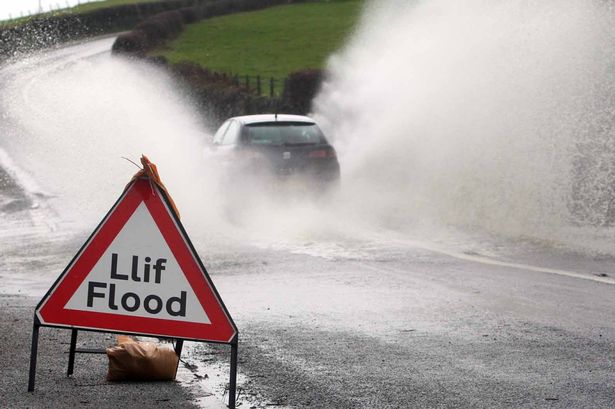
Kurtz raises Gumfreston flooding in the Senedd as petition deadline nears
-

 Crime6 days ago
Man denies murdering brother as jury hears of ‘ferocious attack’ at Morriston flat
-

 Community7 days ago
Storm Chandra: Morning impacts across Pembrokeshire
-

 Entertainment6 days ago
Rapunzel brings festive magic to Torch Theatre
-

 Education5 days ago
Attendance concerns at Milford School reflect wider issue raised at the Senedd