


News
What future for Pembrokeshire?


 When the Welsh Government commissioned former NHS Wales CEO Sir Paul Williams to report on public governance in Wales, it made a low key announcement of what now appears to be a scheme for the root and branch reform of the way councils and other public bodies deliver services. In January, when the Williams Commission delivered its draft report, it recommended that the number of local councils in Wales be cut, claiming that there would be massive cost savings in reducing the number of Welsh authorities from 22 to 12 or fewer. At the time, even Labour AM’s were taken aback by the scope of the reorganisation. Lynne Neagle, who represents Torfaen, which would be merged with Blaenau Gwent and Caerphilly under the plans, said in January: “For me, the overriding question that remains unanswered, is where the reducing the numbers of local authorities, particularly at this time, is the panacea for delivering that kind of change – especially when on reading this report, it often feels like the Commission started from the point of saying we need to cut the numbers of councils and then worked backwards, rather than keeping all options on the table.” Having published its response to the Williams Commission on July 8, it is certain that the Welsh Labour Government is determined to plough on and accept the Williams Commission’s recommendations whether or not there is cross-party consensus – or even consensus within Welsh Labour – as to their implementation. As First Minister Carwyn Jones made clear before ramming through the reorganisation of the Welsh NHS in the face of widespread public opposition: “No change is not an option.” After publishing its White Paper, the Welsh Government now seeks public responses to its threat to tear up local government in Wales and impose a new structure, the Pembrokeshire Herald asks whether its public consultation on the proposals is just a sham – a fig leaf to cover their embarrassment when the public realise what changes will entail. Announcing the Welsh Labour Government’s endorsement of the Williams Commission’s recommendation, the First Minister said: “The Commission’s report presented a number of options in terms of a map of merged authorities, but made it clear the decision was for the Welsh Government. I currently believe the first model described by the Commission, which suggests 12 local authorities, provides a coherent overall approach and strikes a balance between building organisational capacity and ensuring local democratic responsiveness. “It is my view that the Commission made a convincing argument that the boundaries of merged local authorities should align with health board and police force boundaries in order to best support collaborative service delivery on that basis. There would have to be exceptional circumstances in order to move away from this principle.” In Pembrokeshire, fears have been expressed that the proposals will lead to a return to the old Dyfed County Council. We spoke to veteran Carmarthenshire Council leader Kevin Madge who asked: “Why go back to what didn’t work? People thought that Dyfed was too far away, too remote from them and their communities. The Welsh Government has not got agreement from local government leaders on this at all and there’s a lot of water to pass under the bridge first. “We have a general election next year, Assembly elections in 2016 and a round of local government elections in 2017. Elections are unpredictable things and I would say that the reorganisation the Welsh Government want is not a done deal. “I am deputy leader of the Welsh Local Government Association, and I would say that the only way forward is to have a proper dialogue between the 22 leaders of local government in Wales and the Welsh ministers. So far, we have not had that. “Let’s look at the suggestion that costs will be cut and savings made. Well, I suppose there might be savings at top levels, but people still need their councils to deliver important daily services. I am concerned that service jobs, which are already under pressure, will be cut and councils will no longer be able to deliver vital services to its communities. “The cost of reorganisation will be £300m to £400m. How will that be funded? That’s the question. I do not think that the people will accept that money being taken out of the budget to deliver services to them.” He pauses a moment and responds to a question about service reductions: “The cuts we are having now are deeper than any of those we experienced in the 80s and 90s under Thatcher. But the cuts now being imposed are on a much smaller base than those were. Things are tough already and it is difficult to see where further cuts can be made without damaging frontline services.” On Council Tax, Mr Madge had even more misgivings: “Pembrokeshire has low Council tax. The rates of Council tax would have to be brought into line across merged authorities. How could that be done? In current higher Council Tax areas, would it go down? If so, how would you make up the shortfall? In lower Council Tax areas, it would need to go up. It’s a minefield to sort out. Frontline services will suffer.” “As for savings, I was a Councillor in 1996 when the last reorganisation took place. Any new structure will take five to eight years to ‘bed in’ and it could take eight to ten years for a new authority to fully get to grips with things. Things won’t improve overnight. Reorganization is not a magic wand.” On the opposite side of the political fence, there is agreement with Kevin Madge’s position. Simon Hart MP told us: “I have got pretty serious misgivings about losing a local authority for Pembrokeshire. After all, we were all relieved when we reverted from Dyfed County Council. However it should be possible to share costs, some services and purchasing contracts (as is the case already in certain parts of London) with other authorities, without losing our County identity and knowledge. The more local the Council, the more accountable we can make it.” And his views were echoed by local AM Paul Davies: “I have some serious concerns that local identities of areas across Wales will be swallowed up in mergers and so any tinkering with local authorities’ boundaries must be fully consulted upon and they need to incorporate an accurate cost/benefit analysis. “Pembrokeshire residents currently enjoy low council taxes and if we returned to the old Dyfed model, as suggested by the Williams Commission, I’m given to understand that council tax could rise by 26%. This would undoubtedly worry my constituents and so any moves to change boundaries must take on board the effects of council tax rises for hard-pressed people living in Pembrokeshire. “The Pembrokeshire brand is synonymous across the globe with tourism and food produce. We need to do everything we can to protect the Pembrokeshire brand, which could be lost under these merger plans. Many people fought long and hard against the old Dyfed model and so we must not lose Pembrokeshire in the Welsh Government’s drive to centralisation across Wales.” Welsh Conservative Leader Andrew R T Davies told the Herald: “Welsh Labour made no reference to these plans to restructure local government in their 2011 Assembly manifesto and have no democratic mandate to do so. “We will closely monitor any proposals that Welsh Labour bring forward and fight to ensure that small authorities retain a strong voice in local government. “Ultimately it would be a very sad day for democracy in Wales if local government reform leads communities to feel greater disconnect with their councils.”


A POPULAR Tenby road race has raised more than £20,000 for Paul Sartori Hospice at Home.
Runners and sponsors taking part in last year’s Tenby 10k raised £20,559.07 for the Pembrokeshire charity, which provides hospice care to people in their own homes.
The race, organised by Waterfront Community Runners, took place in October 2025 and was well supported by locals and visitors, who lined the route through the town to cheer on competitors.
Laura Hugman, Chief Executive of Paul Sartori, has now received the cheque, presented by a selection of those who took part in the event.
This year’s Tenby 10k will take place on Sunday, October 25, 2026, on a closed-road, two-lap course through the centre of Tenby.

More than 400 runners have already signed up, with entries now past 40 per cent capacity and organisers expecting the event to sell out again.
Anyone wishing to take part can enter at www.waterfrontcommunityrunners.co.uk.
All proceeds from this year’s race will again be donated to the Paul Sartori Foundation.
Caption:

Laura Hugman, Chief Executive of Paul Sartori, receives the cheque from Tenby 10k runners and organisers.
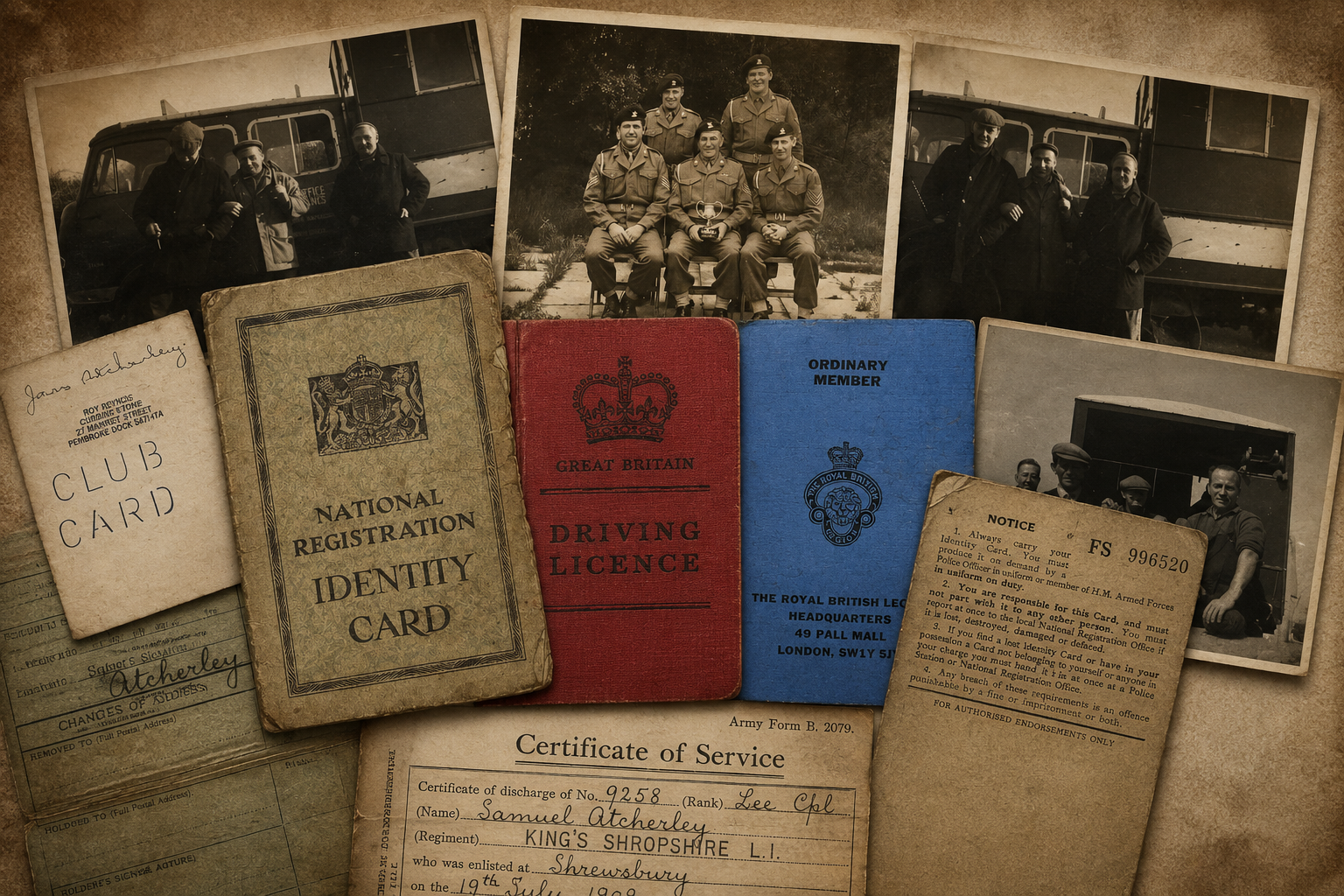
Remarkable family collection reveals story of father and son who served through two world wars
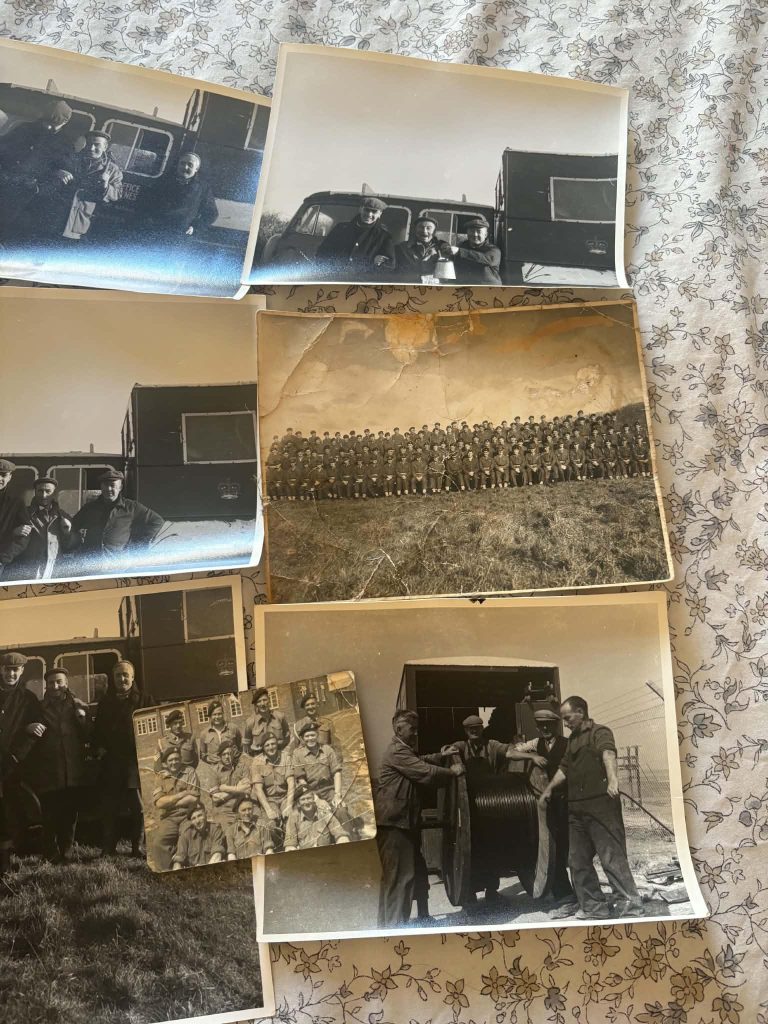
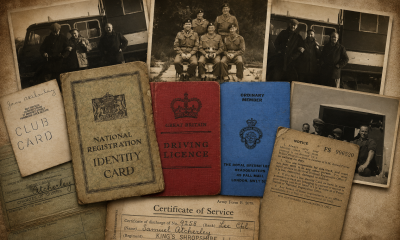
A REMARKABLE untouched family archive documenting the lives of two Pembroke Dock servicemen who fought for Britain across both World Wars has been discovered in the attic of a terraced house in the town.
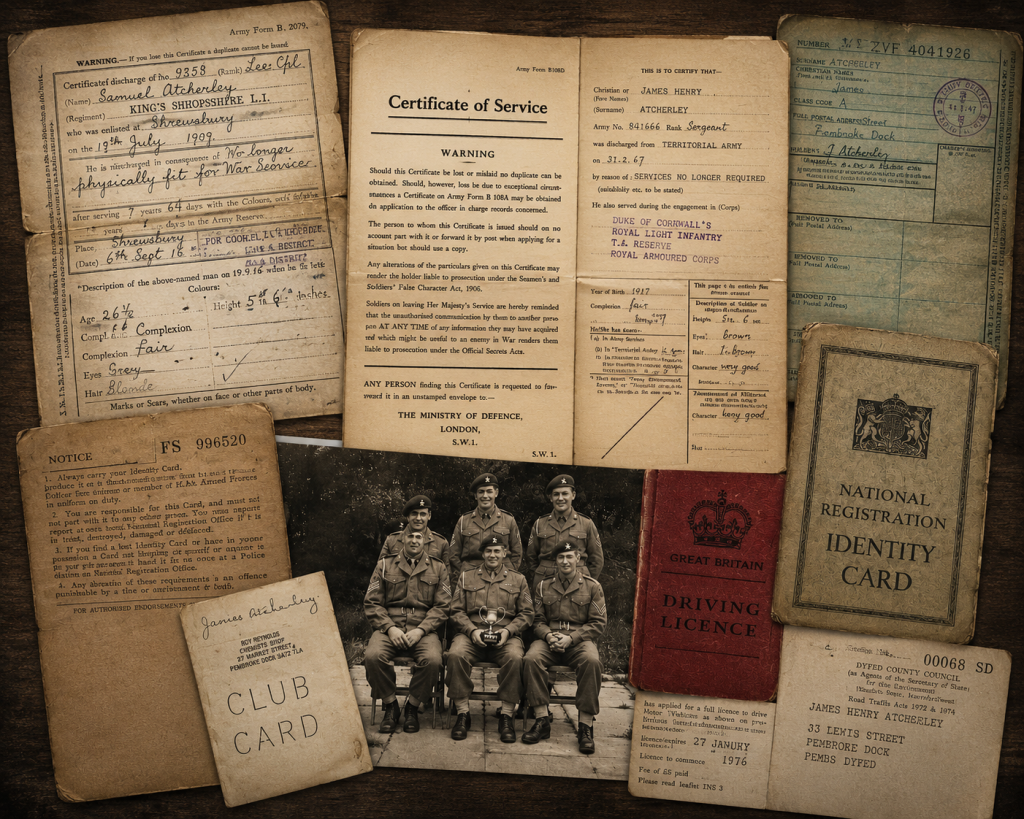
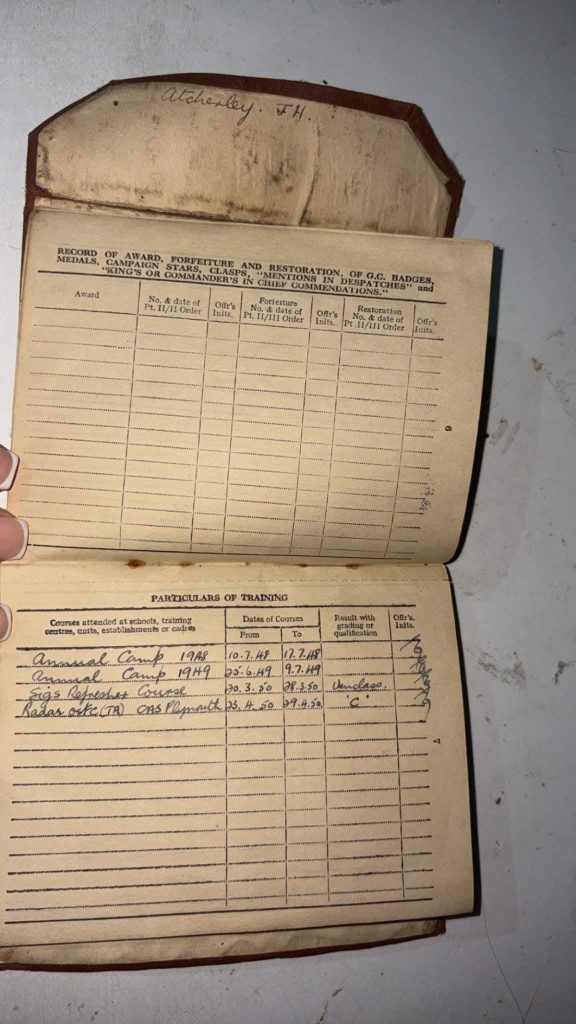
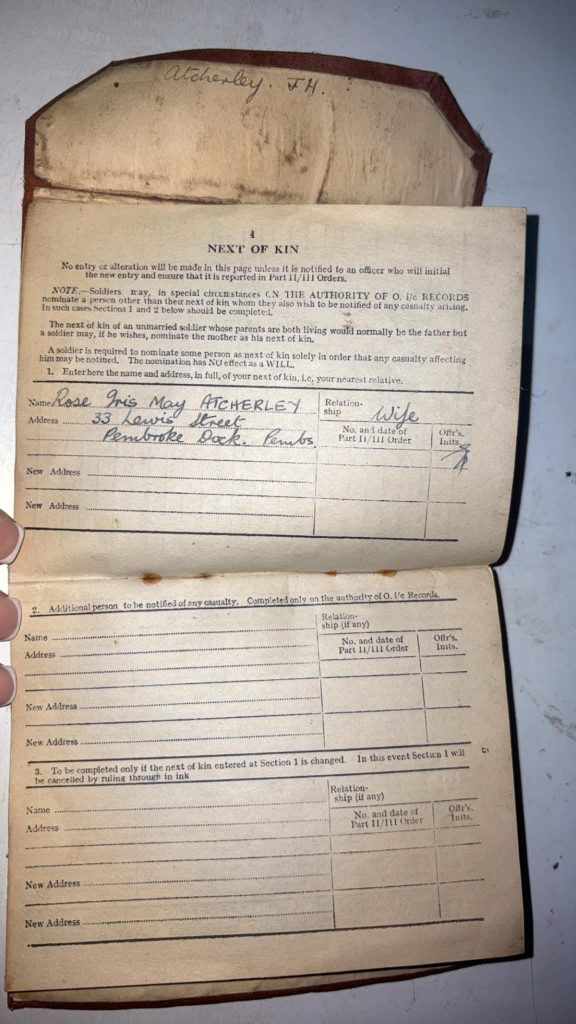
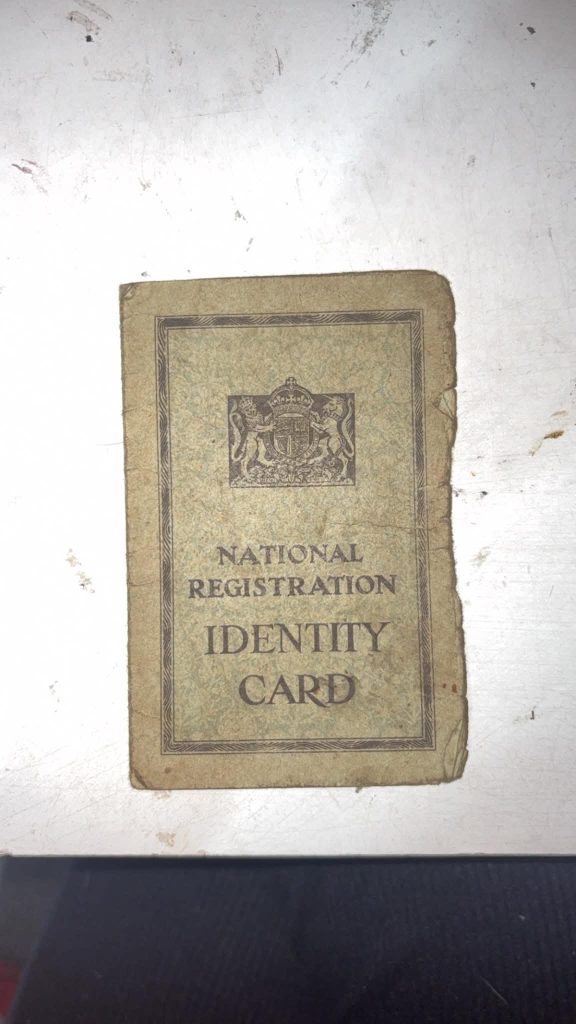
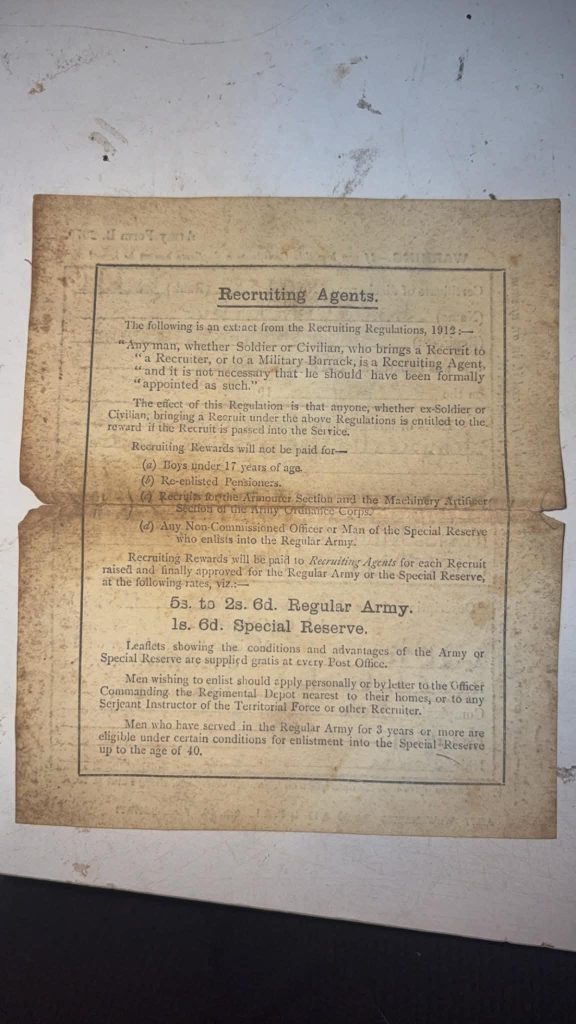
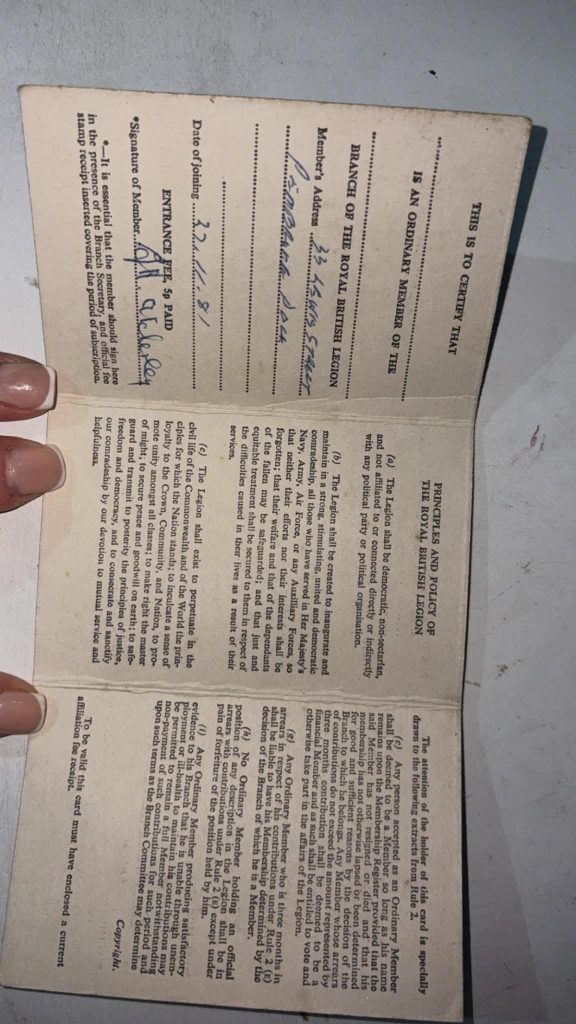
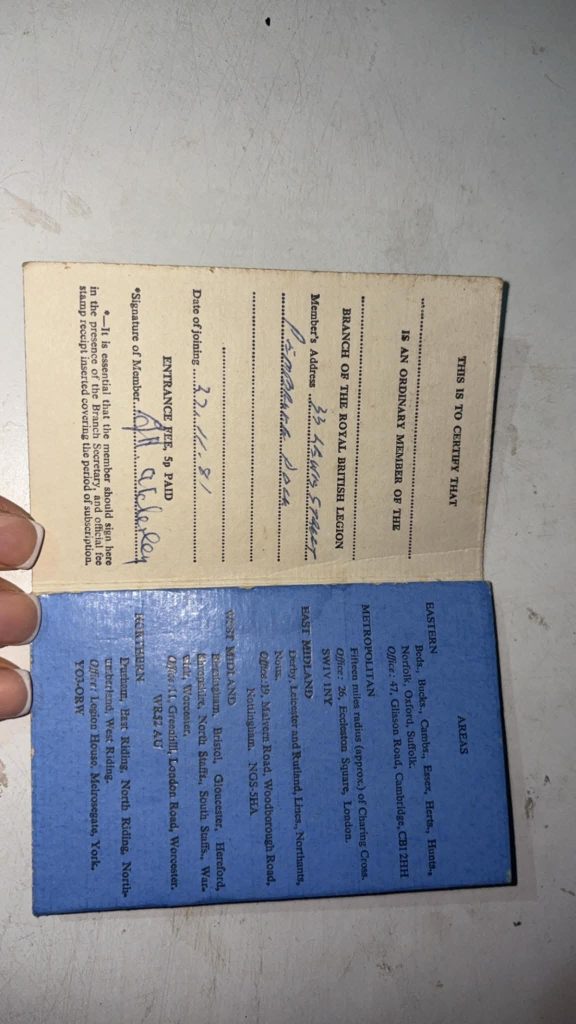
The collection, found at a property on Lewis Street, contains original military papers, wartime identity documents, Army service certificates and an old Dyfed driving licence belonging to members of the Atcherley family.
The archive was uncovered by local resident Ryan Guy, who said he was stunned by what he found hidden away in the loft of his home at 33 Lewis Street.
At the heart of the discovery are records belonging to father and son Samuel and James Atcherley, whose military careers spanned decades of British history.

World War One soldier
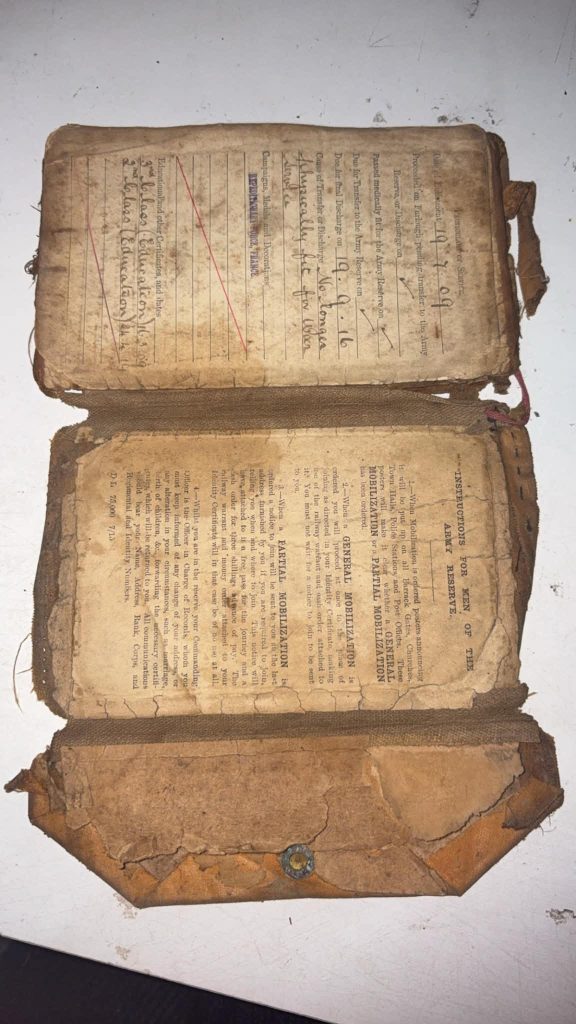
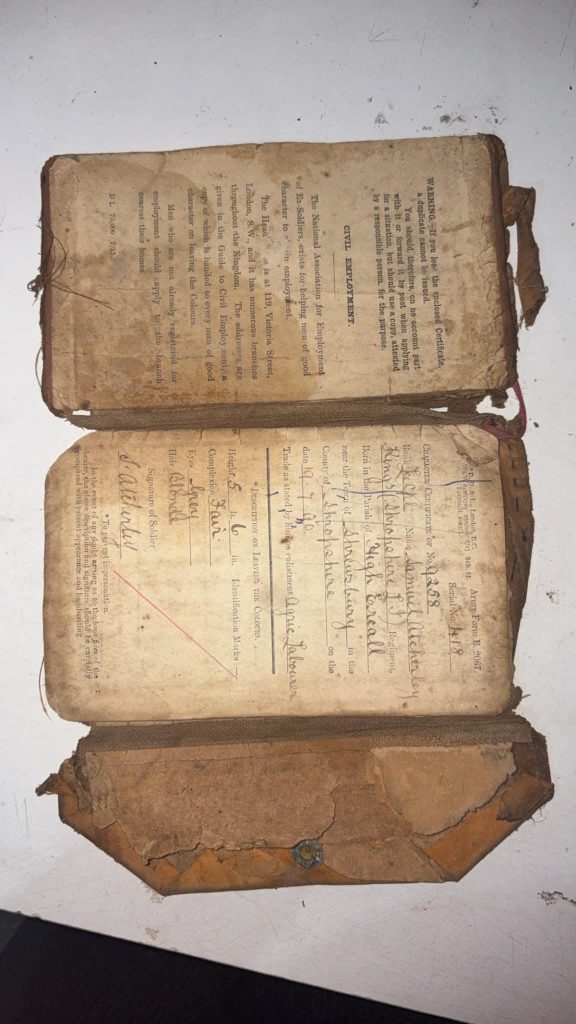
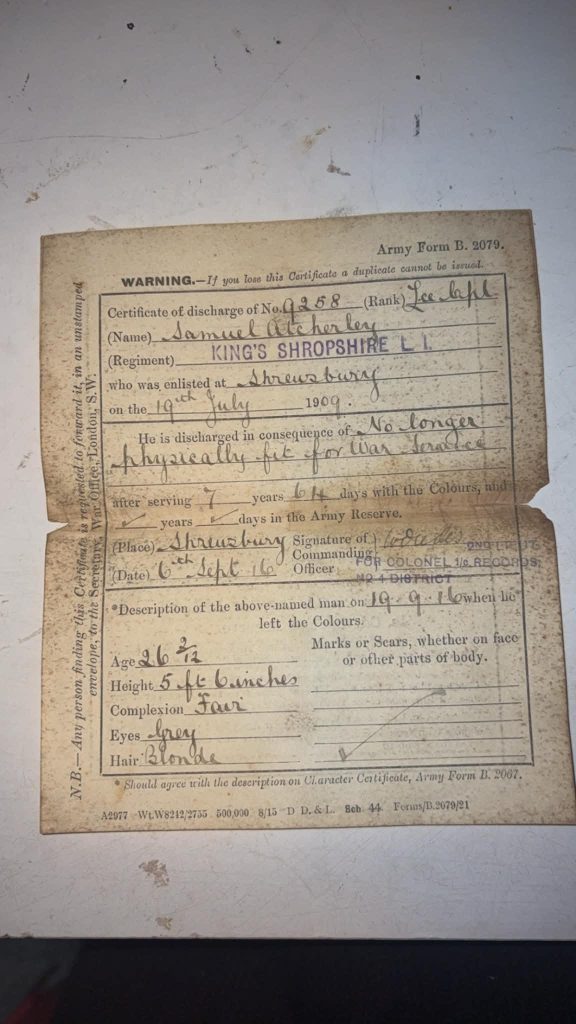
Among the most significant finds is an original discharge certificate belonging to Samuel Atcherley, who served with the King’s Shropshire Light Infantry.
The document shows Samuel enlisted at Shrewsbury on July 19, 1909, before going on to serve throughout the early years of the First World War.
Military records found in the attic show he was discharged on September 6, 1916 after being declared “no longer physically fit for war service” following more than seven years with the Colours.
The papers also paint a vivid picture of the soldier himself. Samuel was described as standing 5ft 6in tall, with fair complexion, grey eyes and blonde hair.
Experts in military history say surviving original service records from the First World War are increasingly rare, particularly where complete family papers remain together.
Secret wartime work
The archive also sheds light on the military career of Samuel’s son, James Henry Atcherley, who served during the Second World War and into the post-war period.
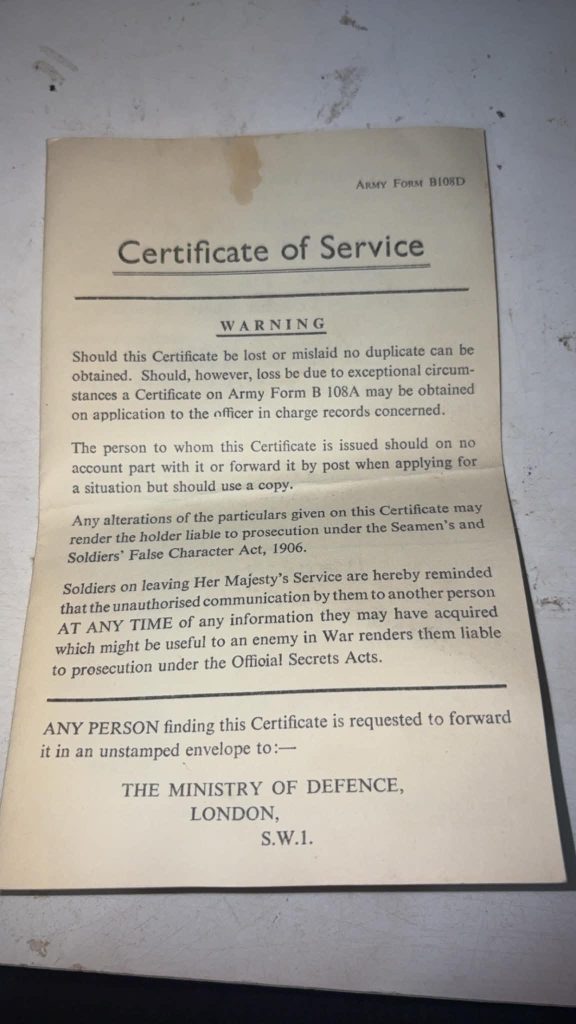
Among the papers is an Army Certificate of Service confirming James reached the rank of Sergeant and served for almost twenty years.
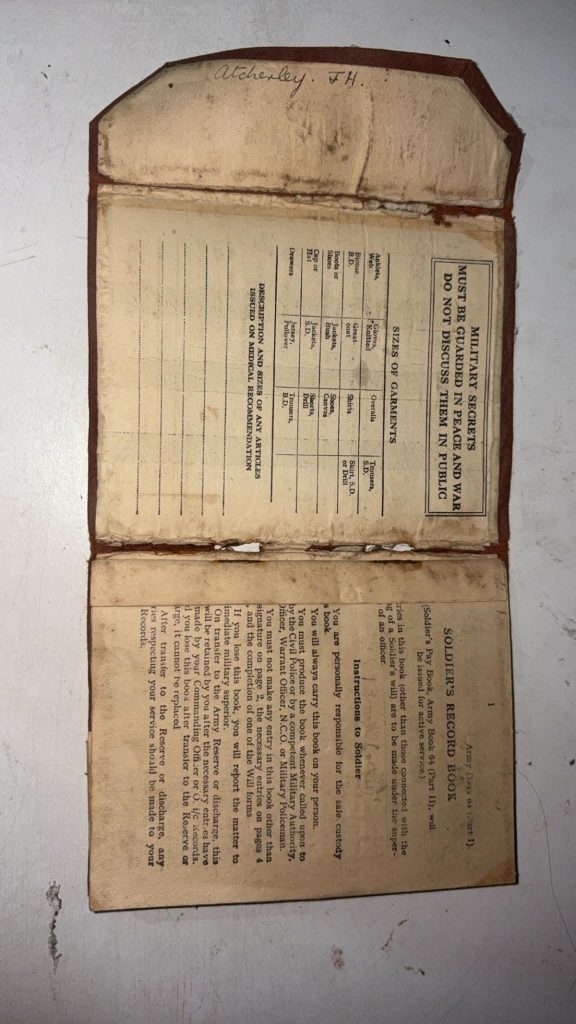
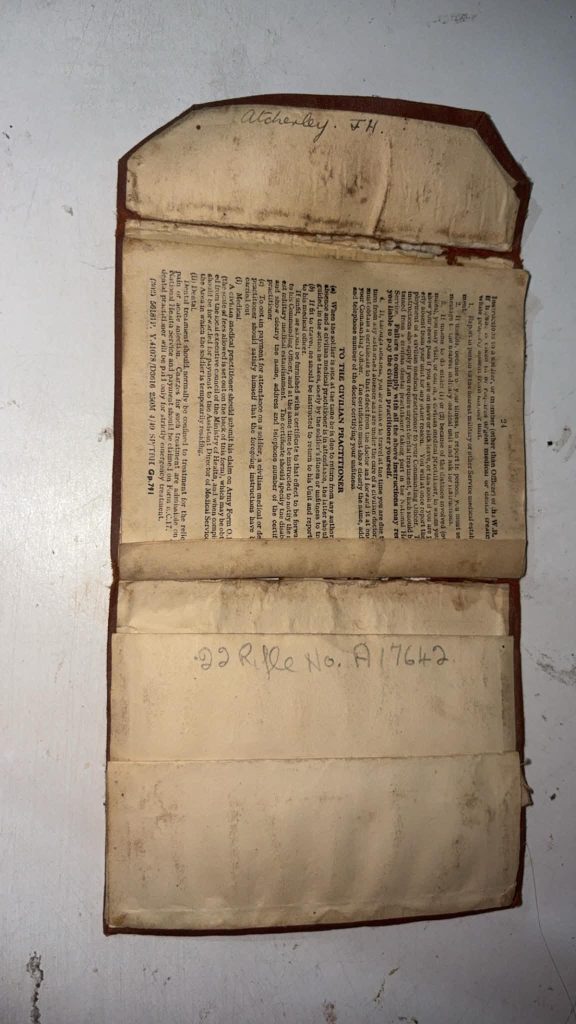
One of the most intriguing discoveries is his wartime military service book carrying stark warnings about secrecy, including instructions that “Military Secrets Must Be Guarded In Peace And War”.

The wording suggests James may have worked in a sensitive military role during a period when Britain was developing radar and communications systems that proved crucial to the war effort.
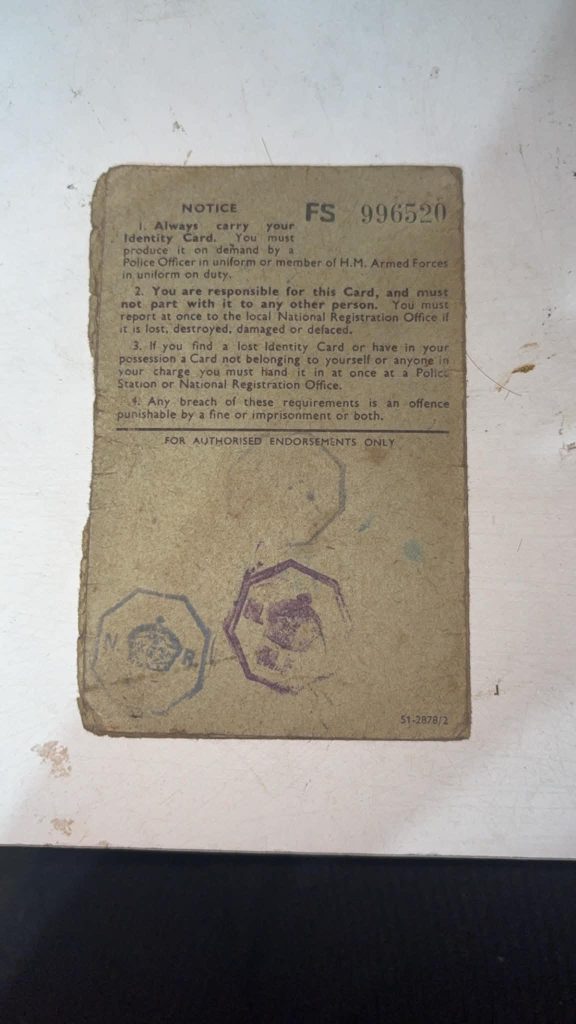
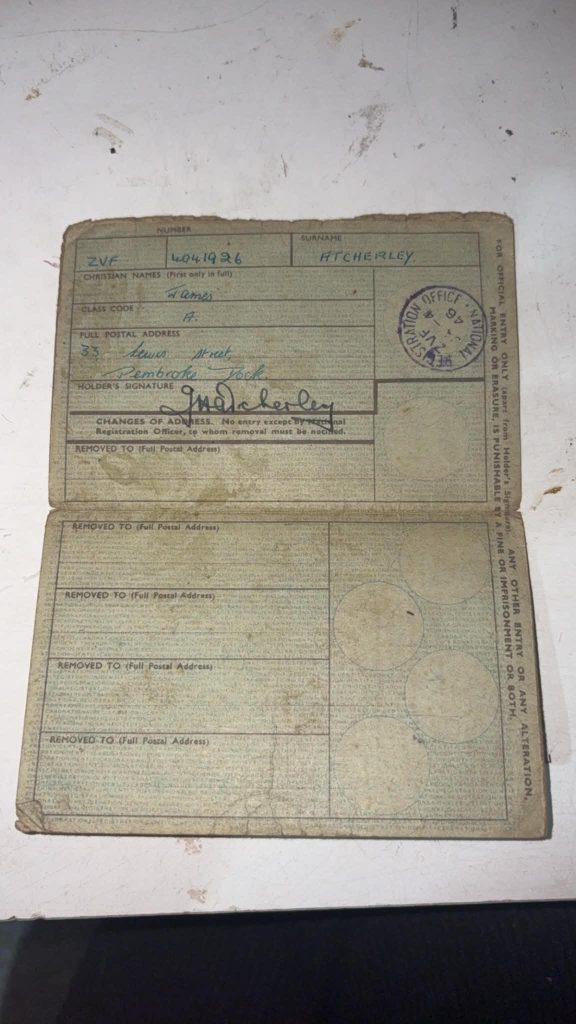
A surviving wartime National Registration Identity Card lists James Atcherley as living at 33 Lewis Street, Pembroke Dock, linking the documents directly to the property where they were uncovered.
A glimpse into local history
The find offers a rare snapshot of ordinary life in Pembroke Dock across much of the twentieth century.
Also discovered among the papers was an original Great Britain driving licence issued through Dyfed County Council in 1976, again showing James Atcherley still living at the same address.
The Herald understands the collection may include further military material and family records yet to be examined.
Ryan Guy said he hopes the discovery will help preserve the memory of the Atcherley family and provide a fascinating glimpse into the lives of local men who served their country during some of its darkest hours.
The Herald would be keen to hear from anyone who remembers the Atcherley family or has further information about their military service.

FIVE overnight road closures are to take place in Tenby as major work continues on the town’s £8.3m railway station upgrade.
Station Road will be closed overnight to allow heavy machinery and bridge steelwork to be delivered for the Access for All scheme at Tenby railway station.
The project, being delivered by Network Rail with contractor AmcoGiffen, will provide step-free access to both platforms through a new footbridge and lifts.
Work began earlier this year, with the old footbridge removed in March using 220-tonne and 60-tonne cranes. A temporary walkway was installed so passengers could continue moving between platforms while the new structure is built.
Network Rail said the scheme is now at the stage where permanent foundation works are being completed on the platform, ahead of bridge steelwork being installed from July 4.
A Network Rail spokesperson said: “The scheme will provide step-free access to both platforms via a new footbridge and lifts, making it easier for disabled passengers, as well as those travelling with pushchairs or heavy luggage, to move around the station independently.
“To maintain the safety of both the public and our teams, Network Rail have worked closely with the local authority to implement a road closure while the steelwork and cranes are delivered and installed.”
Pembrokeshire County Council said Station Road will close from its junction with Warren Street south to its junction with Park Place.
The closure will be in place on Tuesday, June 30, from 9:00pm to 5:00am, and again from Saturday, July 4, for five nights between 9:00pm and 5:00am.
The council said the restriction is needed “to facilitate abnormal load movements in conjunction with the installation of the pedestrian bridge at Tenby Train Station.”
A signed diversion will be in place, with the route depending on the direction of travel.
Traffic management operatives will be on site throughout the works, and the one-way order affecting Harding Street will be temporarily suspended to allow limited two-way access to properties where practicable.

The station upgrade is expected to be completed this autumn.


Community33 minutes ago
Forgotten wartime archive found in Pembroke Dock attic after 80 years
Remarkable family collection reveals story of father and son who served through two world wars A REMARKABLE untouched family archive...


Crime4 hours ago
Milford Haven woman left with facial fractures after drunken attack
A WOMAN in her late fifties suffered facial fractures after being repeatedly punched through the window of her car during...


Crime6 hours ago
Sex offender in senior role at Tenby family hotel
CREST HOTEL GROUP says it is investigating safeguarding concerns after staff at the Imperial Hotel in Tenby raised alarm over...


Sport18 hours ago
Runners tackle new route in Ras Y Castell 10k
MORE than 90 runners took to the streets and paths around Cardigan on Friday evening (June 5) for the annual...


Business1 day ago
Turkish Kitchen reaches Welsh restaurant award semi-finals
Haverfordwest café praised as small independent business flies flag for Pembrokeshire A HAVERFORDWEST café has been named as a semi-finalist...


News1 day ago
Person taken to hospital after major emergency response on Tenby Esplanade
A PERSON has been taken to hospital following a major multi-agency emergency response on The Esplanade in Tenby. Dyfed-Powys Police...


News1 day ago
St Davids lifeboat crews rescue damaged yacht and stranded kayaker
TWO St Davids RNLI lifeboats were launched within hours of each other after a yacht was left disabled in a...


Community2 days ago
D-Day 82: Milford Haven remembers sacrifice of Normandy landings
COMMUNITIES gathered in Milford Haven on Saturday (Jun 6) to mark the 82nd anniversary of D-Day. The service, held at...


News2 days ago
D-Day at 82: The secret Pembrokeshire invasion that helped prepare for Normandy
Forgotten wartime operation saw thousands of troops storm Pembrokeshire beaches in rehearsal for D-Day LONG before Allied troops landed on...


News2 days ago
Welsh Water hit with £44.7m enforcement package over sewage failures
Pembrokeshire campaigners say regulator’s action vindicates years of concern over pollution in rivers and coastal waters DŴR Cymru Welsh Water...
-

 Crime3 days ago
Paddleboard company owner loses bid to cut sentence over Haverfordwest tragedy
-

 Crime2 days ago
Milford Haven man admits harassment and assault
-

 Crime5 days ago
Milford Haven man bit neighbour’s neck near cashpoint
-

 News2 days ago
Community appeal for privacy after serious emergency in Pendine
-

 Crime6 days ago
Milford Haven man jailed for illegal Premier League streaming service
-
Crime6 days ago
Haverfordwest man admits cocaine offence as Crown disputes basis of plea
-

 Crime5 days ago
Pembroke Dock driver avoided jail after drug-drive crash
-

 Local Government6 days ago
National Express use of new Haverfordwest interchange still subject to risk checks