


Community
Residents hit back after YouTube video shows Milford ‘in decline’


IT’S been the talk of social media this weekend. A YouTube video created by Carmarthen-based Jason Thomas has become the centre of local debate after his walk-around film didn’t portray Milford Haven in a favourable light.
Thomas, who became an online sensation with his series “My Welsh Nan” – which had millions of followers – sought to chronicle the historical and modern facets of Wales’s largest port town.
His video, which was released on 5 March 2024, drew attention to the town’s storied past, but also mentioned the decline of the fishing docks and the closure of the local police station.
However, the portrayal has upset many residents, leading to an outpouring of both criticism of the film and steadfast support for Milford Haven.
Local community members have taken to social media platforms, notably Facebook, to voice their concerns and highlight the town’s positive aspects. John Hodge’s post on the “Pembrokeshire – I LOVE IT!” page marked the beginning of the backlash.

Hodge criticised Thomas for selectively showcasing areas that cast Milford Haven in a negative light, including the out-of-season paddling pool, while seemingly ignoring the town’s culinary and aesthetic appeal. He argued that the video did not do justice to the strides Milford Haven has made in recent years, nor did it acknowledge the efforts of local businesses and the community to revitalise the town.
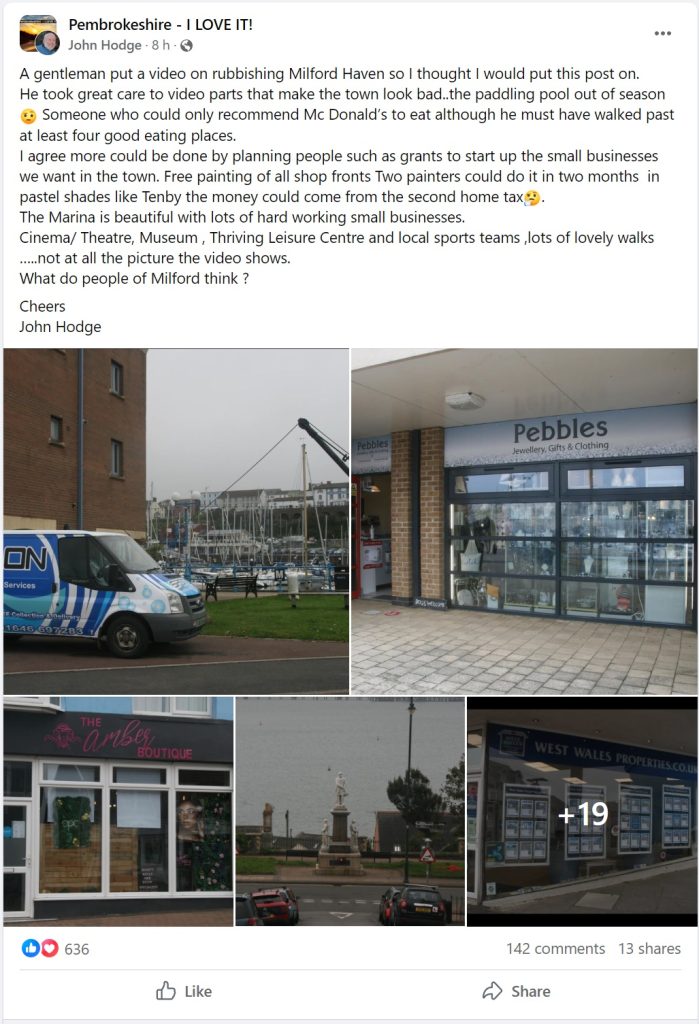
Hodge’s sentiment was echoed by Anthony Jobson, who praised Milford Haven as a “thriving little town” in contrast to the perceived stagnation of neighbouring areas like Haverfordwest. Jobson, among others, highlighted the vibrant Marina, the array of local shops, and the burgeoning restaurant scene as testaments to Milford Haven’s resilience and growth.
The response from the community has been overwhelming, with many residents sharing their own experiences and insights into the town’s development. From the Harbourmaster’s esteemed dining to the collective efforts in litter picking and beautification projects, the townspeople are keen to showcase Milford Haven’s transformation and communal spirit.

Critics of Thomas’s video, such as Rhian Bray, accused the YouTuber of deliberately focusing on negative aspects to garner attention. This practice, according to Bray and others, misrepresents the town and undermines the hard work of its residents to maintain and enhance its appeal.

The debate has spurred a wider discussion on the role of social media and individual narratives in shaping perceptions of local communities. While some argue that Thomas’s video offers a skewed perspective, others see it as a call to action for further investment and improvement in Milford Haven.
The community’s response to the video is a powerful reminder of the pride residents take in their town. Efforts to highlight the positive developments in Milford Haven, from its thriving Marina to the array of dining and entertainment options, reflect a collective commitment to overcoming challenges and celebrating local achievements.


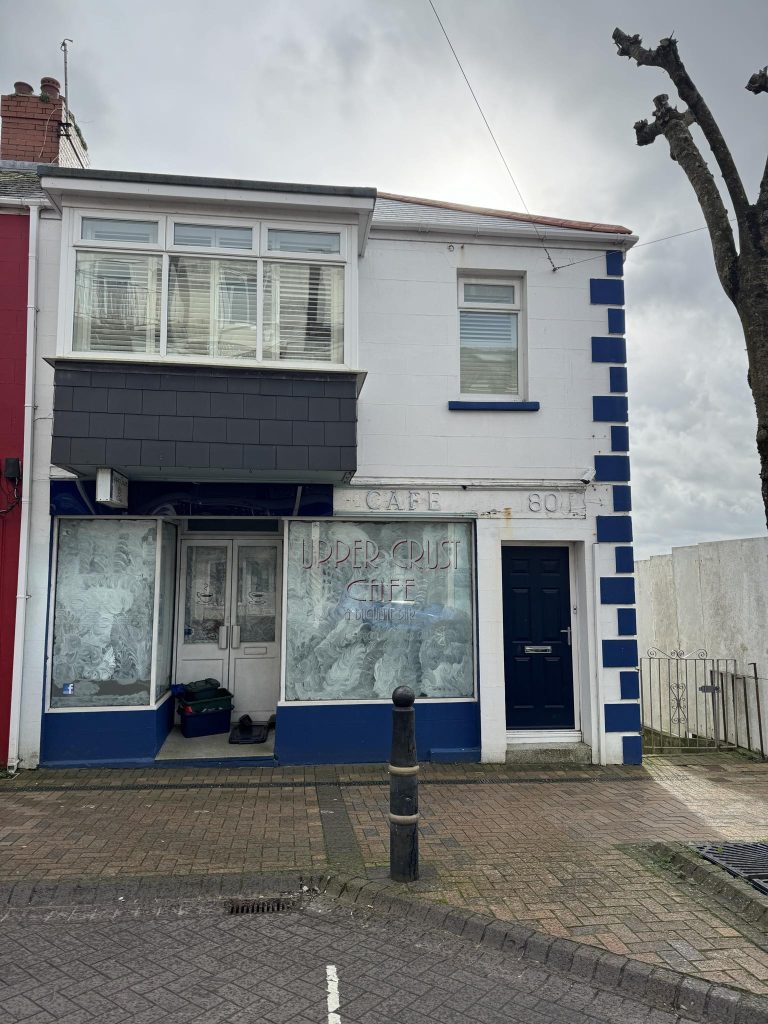
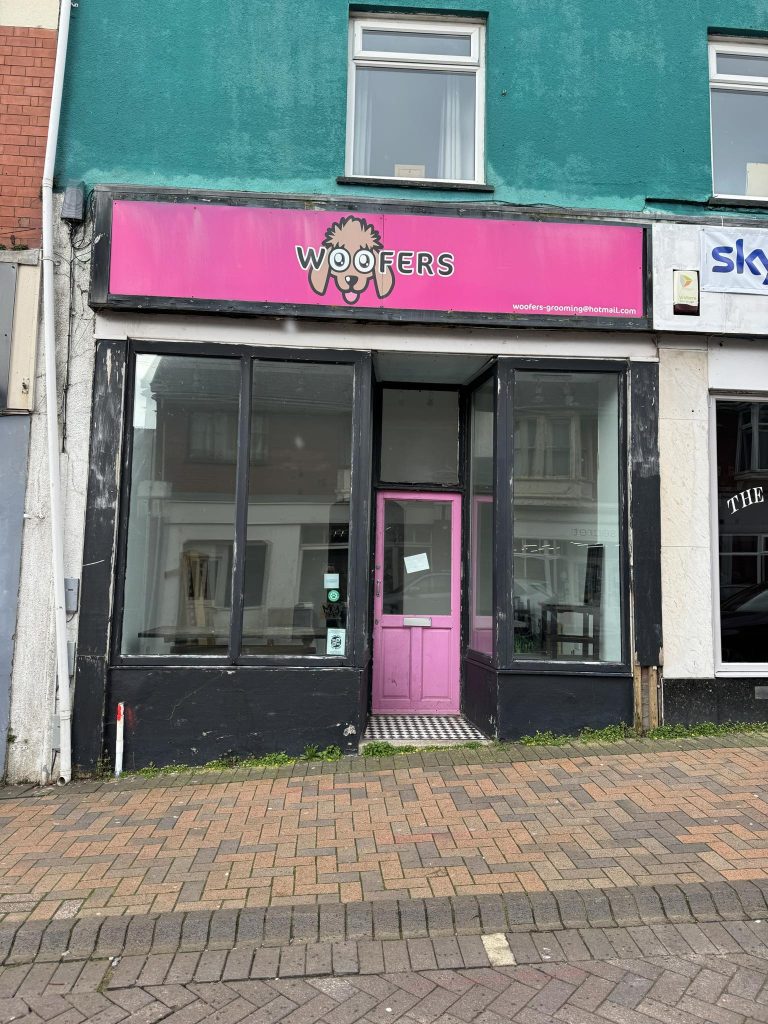

In response to the criticism his video brought him, Jason Thomas said: “I visited the historic town with the hope of exploring its forts, but unfortunately, the tours were not available at the time.

“Nevertheless, I was captivated by the rich history and the warm hospitality of the locals. If people take the time to watch the video and read the bio on YouTube , they will see that it does not portray the town in a negative light. It’s disheartening to see how some individuals are quick to comment on social media posts without considering both sides of the story.
“I had planned to stay in the town, but due to train cancellations and the hotel’s failure to respond to my booking inquiry, I had to change my plans.
“The town has immense potential, and if there’s anyone to blame, it should be the County council, Town council, and landlords who charge exorbitant rents.
“It is my hope that people will shift their focus from social media comments and instead invest their energy in revitalising the town. I look forward to returning in the spring to explore the fort once again.”






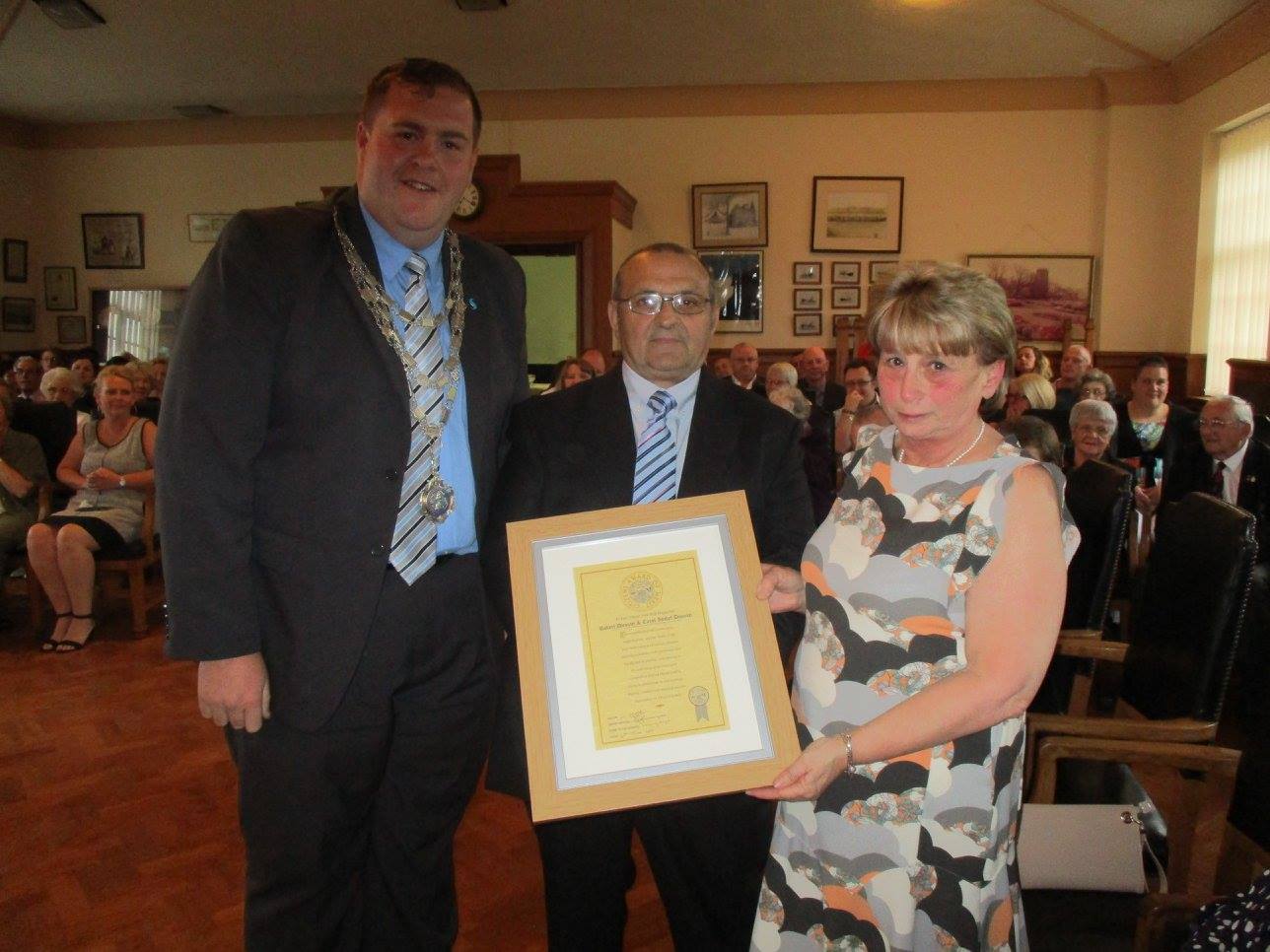
Tributes paid to former RBL chairman and Citizens’ Award recipient
MILFORD HAVEN has been left saddened by the death of Robert Duncan, a well-known and much-respected community figure who devoted decades of his life to voluntary service.
Milford Haven Town Council said it was “so sorry to learn of the passing” of Mr Duncan, describing him as a dear friend to many and a man whose generosity touched countless lives.
Mr Duncan served as Chairman of the Milford Haven branch of the Royal British Legion and was widely recognised for his tireless work supporting veterans and local causes. Alongside his wife Carol, he received a Citizens’ Award in 2016 in recognition of their years of voluntary service to the town.
The couple also fostered children for many years, opening their home to young people in need and providing stability and care to families across the area.
Beyond his work with the Legion, Mr Duncan was involved with the local R.A.O.B. lodge and Milford Haven Museum, contributing time and energy to preserve the town’s history and strengthen community life.
In a statement, the Town Council said: “Robert was a wonderful family man and a most dedicated public servant. So many of us will have stories of his generosity and community activities that we would like to share. Thank you for everything, Robert. We will truly miss you.”
Councillors added that his quiet commitment and willingness to help others made him a familiar and trusted figure across Milford Haven.
Sympathies have been extended to Carol and the wider family, as well as friends and colleagues who worked alongside him over the years.
Those who knew him say his legacy will live on in the many lives he helped shape and the strong sense of community he worked so hard to build.
Photo caption: Robert Duncan and his wife Carol receive a Citizens’ Award in 2016 alongside the Mayor of Milford Haven (Pic: Milford Haven Town Council).

YOUNG players from Pembrokeshire and Fishguard enjoyed an evening of friendly competition and learning as Fishguard Junior Chess Club welcomed Pembrokeshire Chess Club Juniors for a lively inter-club match.
Fourteen juniors took part in a series of games, gaining valuable experience across the boards while putting their developing skills into practice. Coaches from both sides said it was encouraging to see not only improving tactics and confidence, but also the traditional etiquette of the game on full display.
Handshakes, quiet concentration and respectful play summed up the night, with sportsmanship praised as highly as the results.
While everyone enjoys winning, organisers stressed that chess is also about patience, discipline and respect — qualities that serve players well both at the board and beyond.
One standout performance came from Pembrokeshire captain and board one Harry Harling, who secured two impressive results against an opponent around 150 grading points higher and several years his senior.

Growing numbers
The club continues to go from strength to strength, with ten new junior members joining in recent weeks. That brings total junior membership to 25, prompting sessions to be split into two groups to ensure coaching can be tailored to different ages and abilities.
Plans are already in place for Fishguard to make a return visit to the Pembrokeshire club’s Steynton headquarters, giving those who missed out this time a chance to take part.
The wider aim, organisers say, is simple: to grow junior chess locally and give as many young people as possible the opportunity to play competitively.
That philosophy is already bearing fruit, with under-11 Henry Burton recently stepping up to represent the adult side on board one — an opportunity he is said to be relishing.

What’s next
Attention now turns to the half-term trip to Llanelli on February 18 for a return fixture against White Knights, with thanks given to Jason Garcia for organising the match.
There is also talk of arranging games against the newly formed Haverfordwest Chess Club, with both senior and junior players expected to take part, ensuring newcomers and experienced competitors alike get time at the table.
The club also congratulated friends at Redhill High School for fielding three teams at the Welsh Secondary Schools Championship, where they competed with distinction.
With more fixtures in the diary and growing enthusiasm among young players, junior chess in Pembrokeshire looks to be firmly on the move.

A NEW pop-up exhibition celebrating local history, identity and creativity is set to open at the Torch Theatre in Milford Haven, showcasing artwork created by customers and partners of ateb Housing Association.
The free exhibition brings together a year’s worth of creative work produced through the Wales REACH project, which encourages participants to explore Pembrokeshire’s heritage while building confidence, skills and social connections.
Through workshops, visits and shared activities, residents have developed a varied collection of personal and community-focused pieces reflecting their own experiences and the stories of the county.
Among the featured works is Museum in a Bag, a reflective look at identity and self; REACH for the Landsker Line, which examines Pembrokeshire’s cultural divide through Norman castles and the Welsh language; and REACH Back in Time, a textile sculpture inspired by the history of Milford Haven.
An interactive scroll will also be on display, inviting visitors to add their own memories and reflections, alongside an oral history recorded by an ateb customer and disability rights advocate, offering a powerful first-hand account of life and resilience.
Organisers say the project has had clear benefits beyond the artwork itself.
Rex, an ateb customer who took part, said: “I have enjoyed the planned sessions – being able to get out and about and take part in the activities where possible. I also enjoyed the social aspect, mixing with other residents, sharing our local knowledge of the area and learning new facts.”
Another participant, Joan, added: “It has revived my school-level love of history. I am loving all the given work with interest.”
Project Officer Anne Kerr-Hughes said she had seen noticeable improvements in wellbeing and confidence.
She said: “We’ve noticed so many positive changes – from people trying new things and learning new skills to gaining the confidence to travel independently. One lovely outcome has been more residents using the local bus service after trips to the archives in Haverfordwest. It’s been heart-warming to see.”
The Wales REACH project has been supported by funding from The National Lottery Heritage Fund, with partners including Open University in Wales, Amgueddfa Cymru and People’s Collection Wales.
The exhibition runs from Tuesday, February 10 to Saturday, February 14, with visitors welcome to drop in during opening hours.

Entry is free and open to all.



Crime11 hours ago
Teacher discharged as police step back from Milford Haven school after assault
Teenager remains in custody as school closes and patrols increased to reassure community POLICE have confirmed they are no longer...


Crime17 hours ago
Teacher injured and teenager arrested for attempted murder at Milford Haven School
Lockdown triggered as pupil allegedly attacks staff member with weapon – boy, 15, held on suspicion of attempted murder A...


international news22 hours ago
Pembrokeshire women conquer Atlantic in epic 3,000-mile row
PEMBROKESHIRE’S all-female rowing crew Merched y Mor have completed one of the hardest endurance challenges on the planet after crossing...


Crime2 days ago
Sex offender jailed after living off grid in Pembrokeshire and refusing to register
Man walked into police station after months avoiding authorities A CONVICTED sex offender who told police he intended to live...


Crime2 days ago
More rape and sexual assault survivors to get right to challenge dropped cases
New review scheme to be rolled out across CPS Cymru-Wales following successful pilot SURVIVORS of rape and serious sexual assault...


Crime3 days ago
Man spared jail after admitting child abuse image offences
Police seized devices after intelligence linked Pembrokeshire address to illegal cloud storage accounts A 23-YEAR-OLD Pembrokeshire man has avoided immediate...


Community3 days ago
Cleddau at heart of major water reforms as ministers promise ‘fundamental reset’
New regulation plan aims to tackle pollution, sewage spills and ageing infrastructure COMMUNITIES along the River Cleddau could see tighter...


Crime3 days ago
Man caught in hotel sting after trying to meet girl, 13
Laugharne defendant confronted by paedophile hunters at St Clears Travelodge before suspended jail term at Swansea Crown Court A LAUGHARNE...


News3 days ago
Princess of Wales visits historic Pembrokeshire woollen mill
Catherine the Princess of Wales visited Melin Tregwynt, a historic family-owned woollen mill, today, highlighting the enduring traditions and skills...


Crime4 days ago
Arrest made after Carmarthen park stabbing investigation
Police thank community and media following public appeal to trace suspect AN ARREST has been made following last week’s stabbing...
-
Crime2 days ago
Sex offender jailed after living off grid in Pembrokeshire and refusing to register
-

 Health15 hours ago
Health board targets rise in steroid and gym drug use across west Wales
-
News3 days ago
Princess of Wales visits historic Pembrokeshire woollen mill
-

 Crime7 days ago
Pembroke man accused of child sex offences sent to Swansea Crown Court
-

 Health5 days ago
Doctor struck off after sexual misconduct findings at Withybush Hospital
-
Crime17 hours ago
Teacher injured and teenager arrested for attempted murder at Milford Haven School
-

 Community7 days ago
50s women threaten legal action over pension compensation refusal
-

 Education6 days ago
Industry insight helps marine cadets chart career course