
Business
Dogecoin and the Power of Community: How Social Media Fuels Its Growth


Introduction
Dogecoin, originally conceived as a joke cryptocurrency, has grown to become a significant player in the digital currency world. This transformation is largely attributed to its vibrant community and the power of social media. For those interested in navigating the complexities of cryptocurrency investment, Bitcoin Buyer offers valuable education and resources. This article explores how Dogecoin’s community-driven approach and social media presence have fueled its remarkable growth.
The Origins of Dogecoin
Dogecoin was created in December 2013 by software engineers Billy Markus and Jackson Palmer. Inspired by the viral “Doge” meme featuring a Shiba Inu dog, Markus and Palmer aimed to create a fun and friendly cryptocurrency that would appeal to a broader audience than Bitcoin. Unlike other cryptocurrencies, Dogecoin was designed to be approachable and lighthearted, which helped it quickly gain traction within the online community (Life in Saudi Arabia).
The Role of Social Media in Dogecoin’s Popularity
Twitter and Hashtag Movements
Twitter has been a crucial platform for Dogecoin’s promotion. Hashtags like #DogeArmy and #ToTheMoon have been instrumental in spreading awareness and rallying support. Tweets from influential figures have often caused significant fluctuations in Dogecoin’s value. This organic and widespread online presence has propelled Dogecoin beyond the confines of the crypto community, turning it into a cultural phenomenon (TechBullion).
Reddit: The Epicenter of Dogecoin Enthusiasm
Reddit, particularly the r/dogecoin subreddit, has been central to Dogecoin’s community engagement. This subreddit serves as a hub for discussions, sharing memes, and coordinating community actions. The collective enthusiasm and grassroots organizing on Reddit have played a pivotal role in sustaining Dogecoin’s growth and visibility (TechBullion) (Life in Saudi Arabia).
Influence of Memes and Humor
Dogecoin’s association with the Shiba Inu “Doge” meme has been a powerful tool in its marketing. Memes and humor have made Dogecoin accessible and attractive to those who might find traditional cryptocurrencies intimidating. This lighthearted approach has been effective in drawing a diverse group of users, contributing to Dogecoin’s widespread appeal (TechBullion) (Life in Saudi Arabia).
Influential Figures and Celebrity Endorsements
Elon Musk’s Impact
Elon Musk, the CEO of Tesla and SpaceX, has been one of the most influential figures in Dogecoin’s rise. His tweets and public endorsements have led to significant spikes in Dogecoin’s value. Musk’s influence demonstrates the power of social media endorsements in the cryptocurrency market (Life in Saudi Arabia).
Other Influential Figures
Other celebrities and influencers, such as Mark Cuban, have also contributed to Dogecoin’s visibility. These endorsements have helped Dogecoin reach a broader audience and gain credibility as a legitimate digital asset. The role of mainstream media coverage following these endorsements has further amplified Dogecoin’s reach (Life in Saudi Arabia).
Community-Led Initiatives and Real-World Impact
Philanthropic Efforts
The Dogecoin community is known for its charitable initiatives. Notable examples include raising funds to sponsor the Jamaican bobsled team’s participation in the Winter Olympics and supporting various humanitarian causes. These efforts showcase the community’s commitment to positive social impact and have helped build a strong, altruistic image for Dogecoin (TechBullion).
Tipping Culture
Dogecoin’s community has embraced a culture of tipping and microtransactions. Users frequently tip each other small amounts of Dogecoin as gestures of appreciation. This practice not only fosters a positive and supportive environment but also demonstrates Dogecoin’s practical use for everyday transactions due to its low fees (TechBullion).
Challenges and Criticisms
Technical Limitations
Despite its popularity, Dogecoin faces criticism for its lack of technical innovation. Compared to other cryptocurrencies, Dogecoin has not undergone significant updates or improvements. This has led some to question its long-term viability as an investment (Doubloin) (Life in Saudi Arabia).
Market Volatility
Dogecoin’s value is highly volatile, influenced by social media trends and endorsements. This volatility poses risks for investors, highlighting the speculative nature of cryptocurrency markets. While the community’s resilience has helped sustain interest, the lack of stability remains a concern for potential investors (Life in Saudi Arabia).
Broader Implications of Dogecoin’s Rise
Increased Awareness of Cryptocurrencies
Dogecoin’s rise has brought cryptocurrencies into mainstream conversations. Media coverage of Dogecoin’s success has increased public awareness and interest in digital currencies. This exposure has helped demystify cryptocurrencies for many, potentially paving the way for broader adoption (Life in Saudi Arabia).
Blockchain Innovation
The success of Dogecoin has spurred discussions about the potential applications of blockchain technology beyond traditional finance. It has highlighted the need for continued innovation and development in blockchain networks to address scalability and efficiency challenges. This broader conversation benefits the entire cryptocurrency ecosystem (Life in Saudi Arabia).
Conclusion
Dogecoin’s journey from a meme-based cryptocurrency to a cultural phenomenon underscores the transformative power of community and social media. Platforms like Twitter and Reddit have been instrumental in Dogecoin’s growth, while celebrity endorsements have amplified its reach. Despite facing technical and market challenges, the Dogecoin community’s enthusiasm and innovative spirit continue to drive its adoption. Ultimately, Dogecoin’s story highlights the importance of community engagement in shaping the future of cryptocurrencies.

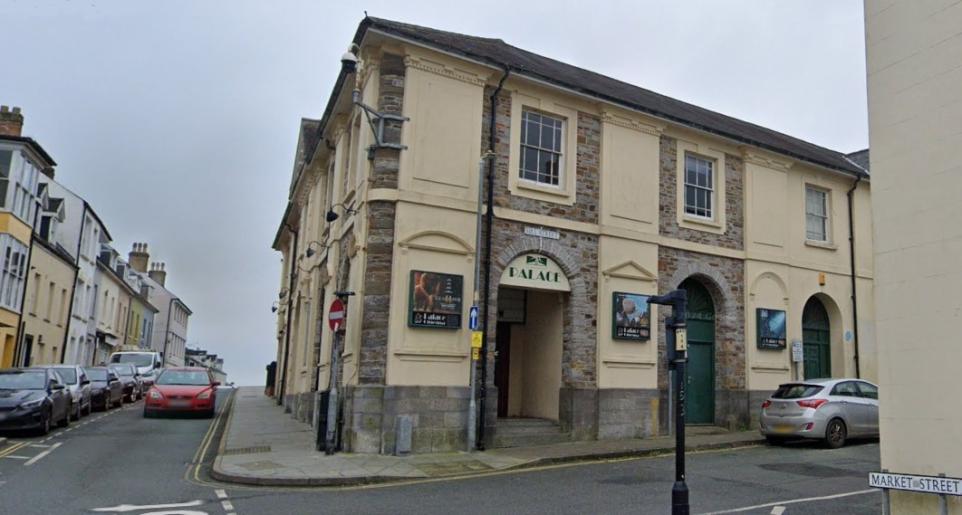
SIX COUNCIL-owned properties in Pembrokeshire, including Haverfordwest’s Palace Cinema, a boatyard, and a former social services premises in Tenby, are to be put up for sale following a decision by senior councillors.
At the March 16 meeting of Pembrokeshire County Council’s Cabinet, members were asked to back the disposal of six properties in the county’s portfolio as well the earmarking of four properties for other purposes.
A report for members said: “The Property Department has recently undertaken a review of the council’s estate to identify underused or vacant properties that are no longer required for service delivery and could be transferred internally or disposed of to generate capital receipts.”
The report listed six assets which members were asked to declare surplus for disposal by freehold sale.
Those assets were: Iveston Farm, Maidenwells; land east of Cleddau Reach School, Llangwm; Palace Cinema, Haverfordwest; St Asaph, Trafalgar Road, Tenby – social services premises; land at East Llanion Marine, Pembroke Dock – boat yard area; and land at Maidenwells – development plot.
For those six properties, it said of Iveston Farm: “Farm homestead in need of extensive renovation. An approach to local agents will begin to market the homestead and surrounding land. The remainder of the land areas are to be re-let as part of the County Farm Estate.”
For the land east of Cleddau Reach School, it said: “Areas of land parcels that no longer form part of the school demise and offer no opportunity to the authority and is therefore to be declared surplus for disposal.”
For Palace Cinema, it said: “Freehold of property to be sold. The property is listed and requires significant investment.”
For St Asaph, Trafalgar Road, Tenby, it said: “The property is not required or suitable for other internal services and is therefore to be declared surplus for disposal.”
For East Llanion Marine, it said: “Freehold of the property to be sold. This is an area of land (0.29 acres) adjacent to Port owned land. Both parcels are leased to East Llanion Marine. The property is not required or suitable for other internal services and is therefore to be declared surplus for disposal.”
For the land at Maidenwells, it said: “The property is not required or suitable for other internal services and is therefore to be declared surplus for disposal.”
It also listed three assets in which cabinet was asked to declared surplus to the requirements of one council department and appropriated to another use within the council.
Those were: Portfield Social Activity Centre, Haverfordwest – for future education project; Eastgate Centre, Pembroke – for future re-development project; and land west of Cleddau Reach School, Llangwm – for future education project.
Members were also asked to remove one property declared surplus to council requirements, appropriated for a particular use within the council: Pembroke Dock Watersports Centre – Watersports centre in occupation.
Members backed the 10 recommendations.

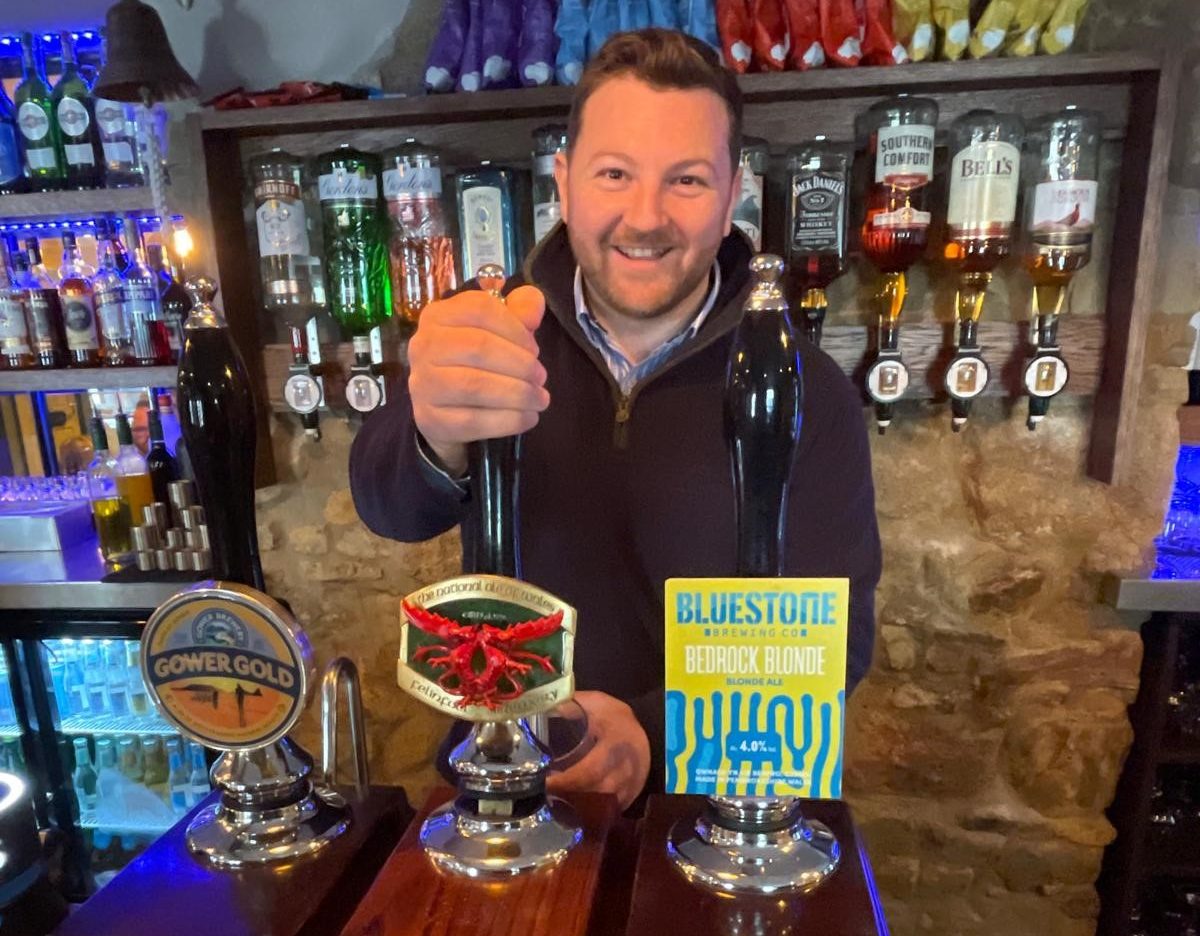
Community-backed contest highlights vital role of Pembrokeshire pubs
THE BEST Local Pub Competition is closing in on a major milestone, with nearly 1,000 nominations submitted by residents across Pembrokeshire celebrating their favourite local venues.
The competition, launched last year by Member of the Senedd Samuel Kurtz, aims to recognise the importance of local pubs and support them during the quieter winter months.
Now in its second year, the initiative continues to shine a spotlight on the vital role pubs play in bringing communities together.
The competition is sponsored by Templeton Beer, Wine & Spirit Co., a well-known local supplier supporting hospitality businesses across the region.
Last year, The Ivybush in Narberth was crowned the inaugural winner after receiving strong backing from the local community. The award recognised the pub’s welcoming atmosphere and its role as a hub for both residents and visitors.
Samuel Kurtz MS said: “Local pubs are at the heart of our communities, providing places for people to meet, celebrate and support one another. I launched this competition to give something back to these fantastic businesses, particularly during the quieter months when trade can be more challenging.
“Changes to Business Rates have had a real impact on the sector, alongside rising costs such as staffing and electricity, which are threatening the survival of many pubs. That is why this competition is such an important reminder of how much we value them.
“It’s brilliant to see nearly 1,000 nominations, with a few days still to go before the competition closes on Friday (Mar 20).”
Residents are invited to nominate pubs that stand out for their community spirit, service, and contribution to local life. The winning venue will receive a free barrel of standard beer and be crowned Best Local Pub 2026.
Samuel added: “If you haven’t nominated your local yet, there is still time.”
To take part, visit www.samuelkurtz.wales and search ‘campaigns’ to nominate your Best Local Pub.

A TRAVELLING jewellery and antiques roadshow is in Pembrokeshire today (Tuesday, Mar 17), offering free valuations and on-the-spot cash offers for a wide range of items.
The event is being held at the Best Western Lamphey Court Hotel & Spa and is open until 6:00pm this evening.
Organisers say they are looking to buy “all items of interest”, including gold, silver, rings, watches, coins, military memorabilia and diamond jewellery. Broken jewellery is also accepted, along with items in any condition.
The promotional material states there are no fees, no commissions and no obligation to sell, with free appraisals available to anyone who brings items along.
They are also advertising interest in vintage items such as old watches, scientific instruments, medal groups and even classic cars and motorbikes.
A follow-up event will take place tomorrow (Wednesday, Mar 18) at Hotel Mariners in Haverfordwest, running from 10:00am until 9:00pm, with late appointments available.
A third and final stop is scheduled for Thursday (Mar 19) at Wolfscastle Country Hotel, open from 10:00am until 6:00pm.
Organisers can be contacted on 07544 074 549, and also invite people to send photos via WhatsApp for a preliminary valuation.

Top prices paid: The jewellery and antiques roadshow is in Lamphey today before moving on to Haverfordwest and Wolfscastle (Pic: supplied).


Rapist jailed after ‘abhorrent’ attacks on woman and children
Haverfordwest man told police “women won’t have sex without force” A HAVERFORDWEST man who raped a woman and a young...


Reform secures first Pembrokeshire councillor in Hakin by-election win
Late Reform candidate takes seat as independent surge and Labour withdrawal shape contest REFORM UK candidate Scott Thorley has won...


Scott Thorley elected as Pembrokeshire’s first Reform councillor
REFORM UK candidate Scott Thorley has won the Hakin by-election after securing 179 votes. The full result is as follows:...


Police confirm man has died after being recovered from River Cleddau
Major emergency response in town centre after concerns raised for man in water A MAN has died after being recovered...


Davies and Kurtz urge groups to seek employability funding
Community organisations in Pembrokeshire encouraged to apply for new grants supporting skills and job access LOCAL Senedd Members Samuel Kurtz...


Emergency services flood Haverfordwest after reports of person in river
Town centre sealed off as multi-agency response continues A MAJOR emergency response is underway in the centre of Haverfordwest after...


Detectives receive surge of new information in bid to identify man found at Powys reservoir
Public response follows release of facial image as officers pursue fresh lines of enquiry DETECTIVES investigating the identity of a...

Senedd committee urges next Welsh Government to prioritise Wales–Ireland links
A SENEDD committee has called on the next Welsh Government to continue prioritising Wales’s relationship with Ireland, describing it as...


New facilities open at Portfield School as redevelopment reaches key milestone
THE FIRST phase of a major redevelopment programme at Portfield School in Haverfordwest has been completed, marking a significant step...


£377m spent saving blast furnaces months after Port Talbot closure
Government intervention keeps UK’s last primary steelmaking furnaces running THE UK GOVERNMENT spent £377 million to prevent the closure of...
-

 Health6 days ago
Welsh Ambulance Service to host bi-monthly Board meeting
-

 News5 days ago
Rayner and Lammy visit Wales to discuss justice and community safety
-
 News4 days ago
Fishguard linked to allegations in Many Tears Animal Rescue investigation
-
News2 days ago
Emergency services flood Haverfordwest after reports of person in river
-

 Education7 days ago
Manorbier school closure approved while insurance claim still unresolved
-

 News7 days ago
Calls grow for water industry overhaul after Welsh Water faces £44.7m fine
-
 Charity6 days ago
Many Tears Animal Rescue visited by inspectors as police attend in support role
-
 Farming7 days ago
Farmers’ Union warns proposed lamb welfare changes risk unintended consequences