


Sport
England secure semi-final spot in nail-biting penalty shootout against Switzerland

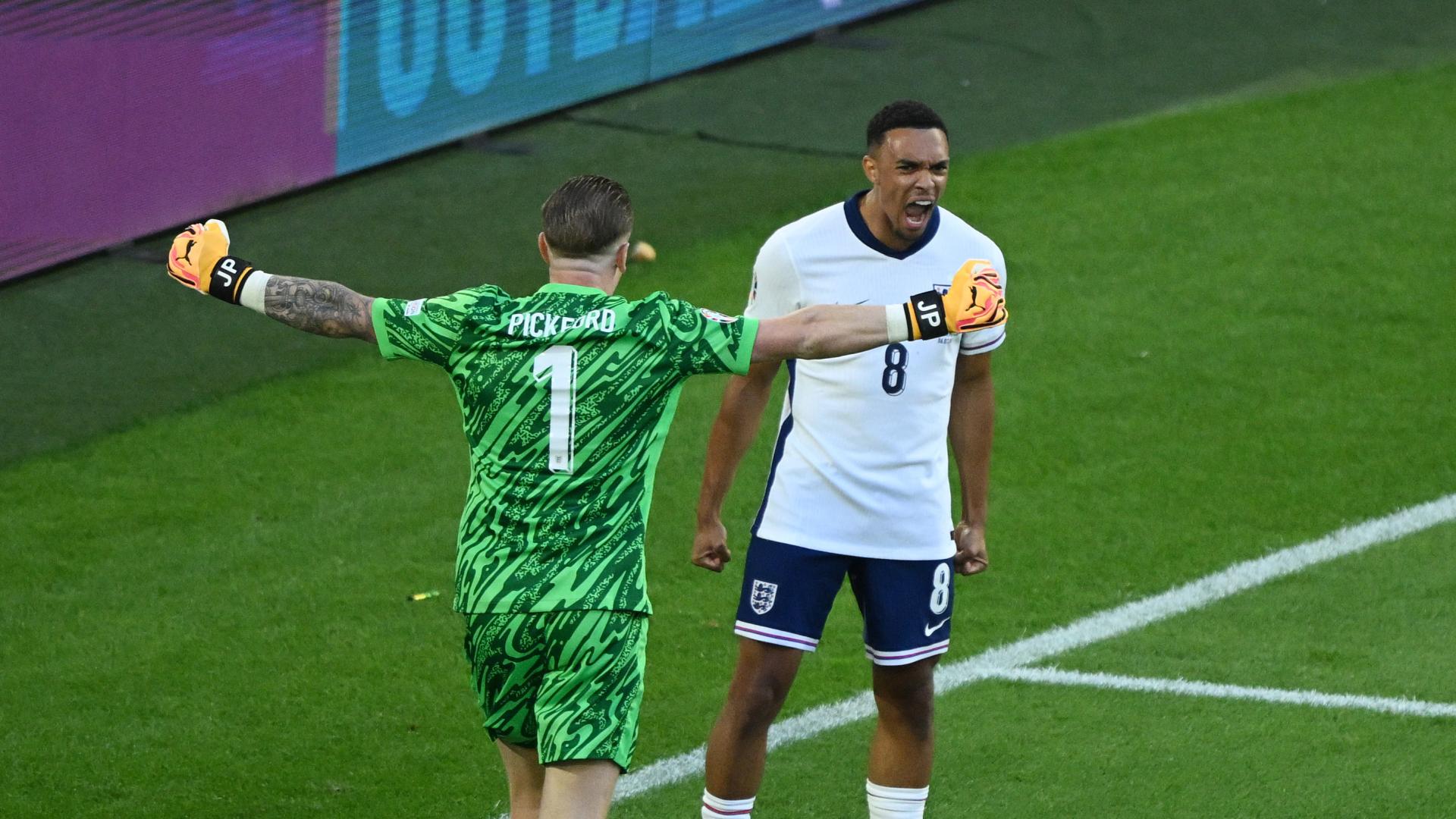
IN a match that epitomised the unpredictable nature of England’s Euro 2024 campaign, Gareth Southgate’s side edged past Switzerland to reach the semi-finals. The clash at Düsseldorf on Saturday, 6th July 2024, ended 1-1 after extra time, with England triumphing 5-3 in the penalty shootout.
Switzerland took the lead in the 75th minute through Breel Embolo, leaving England teetering on the brink of elimination. Murat Yakin’s team dominated the second half, and it appeared that Southgate’s 100th match in charge might be his last. Southgate’s tactical decisions were questioned once more, particularly with Harry Kane struggling to find form and the introduction of Cole Palmer, Eberechi Eze, and Luke Shaw coming only in the final 12 minutes.
However, Bukayo Saka’s brilliance came to England’s rescue again. The young star equalised with England’s first shot on target, ensuring the game went into extra time. Despite a disjointed performance marked by chaotic defending and stagnant play, England managed to hold on. Jordan Pickford’s critical saves, including a stunning stop from Zeki Amdouni, kept them in the contest.
The penalty shootout showcased Southgate’s meticulous preparation. Switzerland, who have lost five of their last six shootouts, faltered when it mattered most. Manuel Akanji’s crucial penalty was saved by Pickford, while Trent Alexander-Arnold sealed the win for England with a decisive strike past Yann Sommer.
Reflecting on the match, Southgate’s tenure has been marked by both criticism and praise. His ability to rally his team in penalty situations remains a testament to his detailed management. Saka, who missed a vital penalty in Euro 2020, redeemed himself with a flawless performance, converting his spot-kick with confidence.

The match began with a tentative approach from both sides. England’s defensive setup, with Kieran Trippier on the left and Phil Foden unable to replicate his club form, suggested a team unsure of its identity. The midfield battle was intense, with Declan Rice and Jude Bellingham striving to assert control. Kobbie Mainoo’s energetic display was a highlight, though his efforts could not mask the overall lack of creativity.
Switzerland’s Embolo turned the game with his goal, capitalising on a defensive lapse from Kyle Walker. England’s response was immediate yet disorganised until the late substitutions. Saka’s equaliser was a moment of sheer individual brilliance, cutting inside and bending a shot beyond Sommer.
Extra time saw England scrapping to stay afloat, with Pickford making another vital save and Shaqiri hitting the post. The introduction of Ivan Toney and Alexander-Arnold added fresh legs and impetus, yet the match seemed destined for penalties.
In the shootout, England’s calmness prevailed. Palmer, Bellingham, Saka, and Toney all converted their penalties with composure. Switzerland’s responses through Schär, Amdouni, and Shaqiri were not enough to counter Alexander-Arnold’s decisive kick.

As “Sweet Caroline” echoed around the stadium, Southgate embraced his staff, reflecting on a night that encapsulated both the fragility and resilience of his team. With the Netherlands awaiting in the semi-finals, England must improve to continue their journey. But for now, they celebrate a hard-fought victory, driven by the unwavering belief and individual brilliance of players like Saka and Pickford.
England fans can hope that this chaotic, nerve-wracking journey leads to ultimate glory, as they prepare for another stern test on Wednesday.

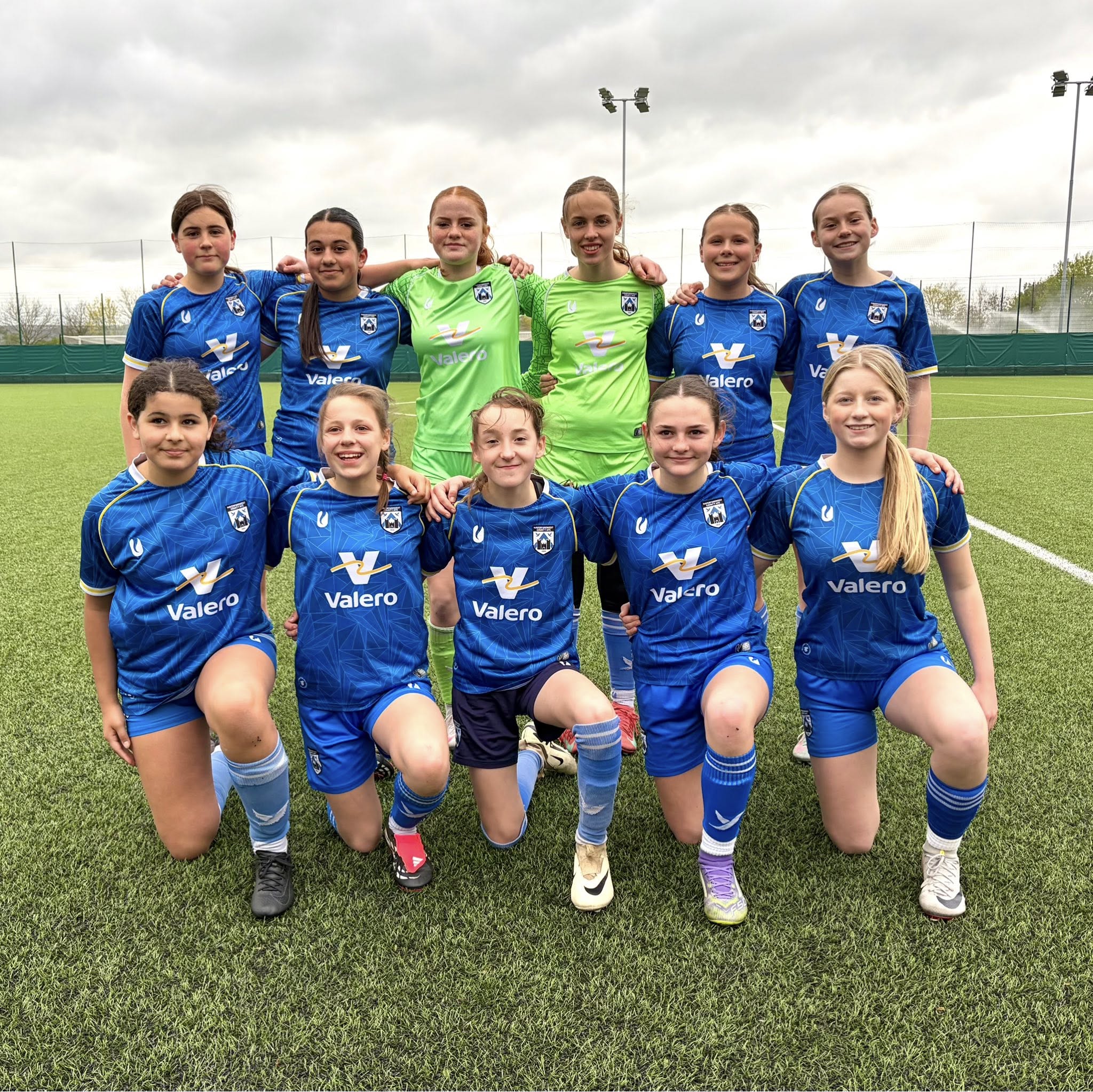
HAVERFORDWEST COUNTY AFC Women and Girls have praised their under-13s after another strong showing at the third and final FAW Festival of the season.
The young Bluebirds travelled to Colliers Park in Wrexham on Saturday (Apr 4), where they once again impressed with their performances.
Club officials said the girls had performed fantastically well throughout the season, adding that everyone at Haverfordwest County was incredibly proud of their efforts.
The squad for the day was Libby O, Ela I, Ines M, Mila E, Scarlett C, Rachel B, Lydia H, Lilly M, Zara E, Leila P and Lillie EJ.
Well done girls.



RESULTS from week 22 of the South Pembrokeshire Short Mat Bowls Association Friendly League have been confirmed, with Badgers recording a comprehensive 10-0 win over Lamphey and St Twynnells edging past Cosheston 6-4.
An earlier fixture also saw Cosheston claim a 10-0 victory over Reynalton.
Several matches were postponed during the week, including Kilgetty v Carew, Llanteg v St Twynnells and Hundleton v East Williamston.
St Johns had the bye.
Latest results:
Cosheston 4 St Twynnells 6
Badgers 10 Lamphey 0
Cosheston 10 Reynalton 0
League table after week 22:
East Williamston — Played 19, Won 13, Drawn 0, Lost 6, Shot difference 169, Points 126
St Johns — Played 20, Won 12, Drawn 1, Lost 7, Shot difference 132, Points 118
Reynalton — Played 20, Won 8, Drawn 2, Lost 10, Shot difference 24, Points 99
St Twynnells — Played 19, Won 10, Drawn 2, Lost 7, Shot difference 9, Points 99
Carew — Played 19, Won 10, Drawn 0, Lost 9, Shot difference -12, Points 98
Hundleton — Played 19, Won 10, Drawn 1, Lost 8, Shot difference -7, Points 97
Llanteg — Played 18, Won 10, Drawn 0, Lost 8, Shot difference -16, Points 95
Badgers — Played 20, Won 7, Drawn 1, Lost 12, Shot difference -104, Points 89
Cosheston — Played 19, Won 7, Drawn 2, Lost 10, Shot difference -39, Points 88
Lamphey — Played 20, Won 9, Drawn 0, Lost 11, Shot difference -71, Points 80
Kilgetty — Played 19, Won 6, Drawn 1, Lost 12, Shot difference -85, Points 73
League officials have reminded clubs that all outstanding matches must be completed by midnight on Sunday, April 19, 2026.

Cup final dream slips away as Newcastle Emlyn battle back to seal 20-19 win in windy Carmarthenshire Cup clash
AMMAN UNITED YOUTH saw their Carmarthenshire Cup final hopes ended in heartbreaking fashion on Saturday (Apr 4) as Newcastle Emlyn snatched a 20-19 victory in a dramatic semi-final.
Played in difficult, windy conditions, the contest was fiercely competitive throughout, with Amman left to rue a series of handling errors that allowed the visitors back into the game.
Newcastle Emlyn made the stronger start, taking an early 3-0 lead through a penalty and then missing a chance to add to their tally.
Amman responded well and took control of the first half. Captain Ceian Lewis crossed following a well-worked catch-and-drive to put his side 5-3 in front. Toby Slater then produced an excellent touchline conversion in tough conditions to extend the lead to 7-3.
Amman continued to build momentum when Harvey Duncan made a sharp break down the wing to score their second try. Slater was again on target with an impressive conversion in the wind, giving his side a 14-3 lead at the break.
But the game turned soon after the restart. A costly Amman mistake allowed Newcastle Emlyn back into the contest, with the visitors scoring in the corner before adding the conversion to close the gap to 14-10.
Amman appeared to have steadied themselves when Kelston Fairhurst powered over from another catch-and-drive, stretching the lead to 19-10.
However, Newcastle Emlyn refused to give in. Strong forward play brought them another try, and the conversion cut the deficit to just two points at 19-17 as the pressure mounted in the closing stages.
The decisive moment came in the final five minutes when another Amman handling error handed Emlyn a crucial opportunity. The visitors worked their way into range and slotted a late penalty to edge ahead 20-19.

Amman had one final chance to rescue the game and opted for a catch-and-drive from a late penalty, having already found success with that tactic earlier in the match. This time, though, Newcastle Emlyn held firm to deny them and secure their place in the final.
It was a bitter end for Amman United Youth, who had looked in control at half-time, but Newcastle Emlyn showed resilience and composure when it mattered most.



Crime59 minutes ago
Neyland man spared immediate jail over aggravated vehicle taking
Defendant given a suspended prison sentence after magistrates heard the offence was serious enough to cross the custody threshold KRISTIAN...


Health17 hours ago
Crumbling NHS faces £1bn repairs bill in Wales
Senedd election promises collide with the harsh reality of ageing hospitals, fire safety concerns and a maintenance crisis stretching across...


News1 day ago
Emergency services respond to incident in Haverfordwest town centre
EMERGENCY SERVICES were called to an incident in Haverfordwest town centre on Saturday morning (Apr 4), with police and ambulance...

News1 day ago
Teenager intervenes after bridge incident
A TEENAGER was left shaken after stepping in to help a young woman in distress on Clay Lanes bridge in...


Crime3 days ago
Driver spared jail after crash killed young couple
A PEMBROKE DOCK driver who caused the deaths of a young couple in a road crash has been given a...


Entertainment3 days ago
BBC unveils major new Welsh dramas with Tenby set for prime-time spotlight
New crime series Old Town Murders and supernatural thriller The Witch Farm will both be filmed and set in Wales...


Health3 days ago
No jobs for new paramedics in Wales as graduates told to apply for technician roles
Students trained at public expense urged to take lower-grade jobs as anger grows over NHS workforce planning NEWLY qualified paramedics...


News4 days ago
Health minister refuses to act on Withybush despite 15,000-signature petition
Senedd pressure grows as Welsh Government declines to intervene over surgery fears THE WELSH GOVERNMENT has refused to step in...


Business5 days ago
Fishguard to Wexford rail tunnel plan backed by Elon Musk firm
Six-hour London to Dublin service proposed in £32bn project ahead of Senedd election PLANS for a rail tunnel linking west...


Charity5 days ago
Milford Haven charity honoured with King’s Award for voluntary service
A PEMBROKESHIRE charity supporting vulnerable young people has received one of the highest honours in the UK for voluntary work....
-

 News2 days ago
Accommodation providers in Wales will be required to register under new law
-
Business5 days ago
Fishguard to Wexford rail tunnel plan backed by Elon Musk firm
-

 Entertainment3 days ago
From Milford Haven to the world: The story of The Evolution Experience
-
Entertainment3 days ago
BBC unveils major new Welsh dramas with Tenby set for prime-time spotlight
-

 Charity6 days ago
RSPCA calls for stronger animal welfare measures as Welsh Labour launches manifesto
-

 Community6 days ago
Pembrokeshire school allows Sikh pupil to wear Kirpan
-
 Tourism7 days ago
Moving to Australia from the UK: What you need to Kknow
-

 News6 days ago
Labour promises 48-hour GP access as manifesto faces questions over delivery