


Community
Pembrokeshire lifeguards safety warning following a spike in rescues

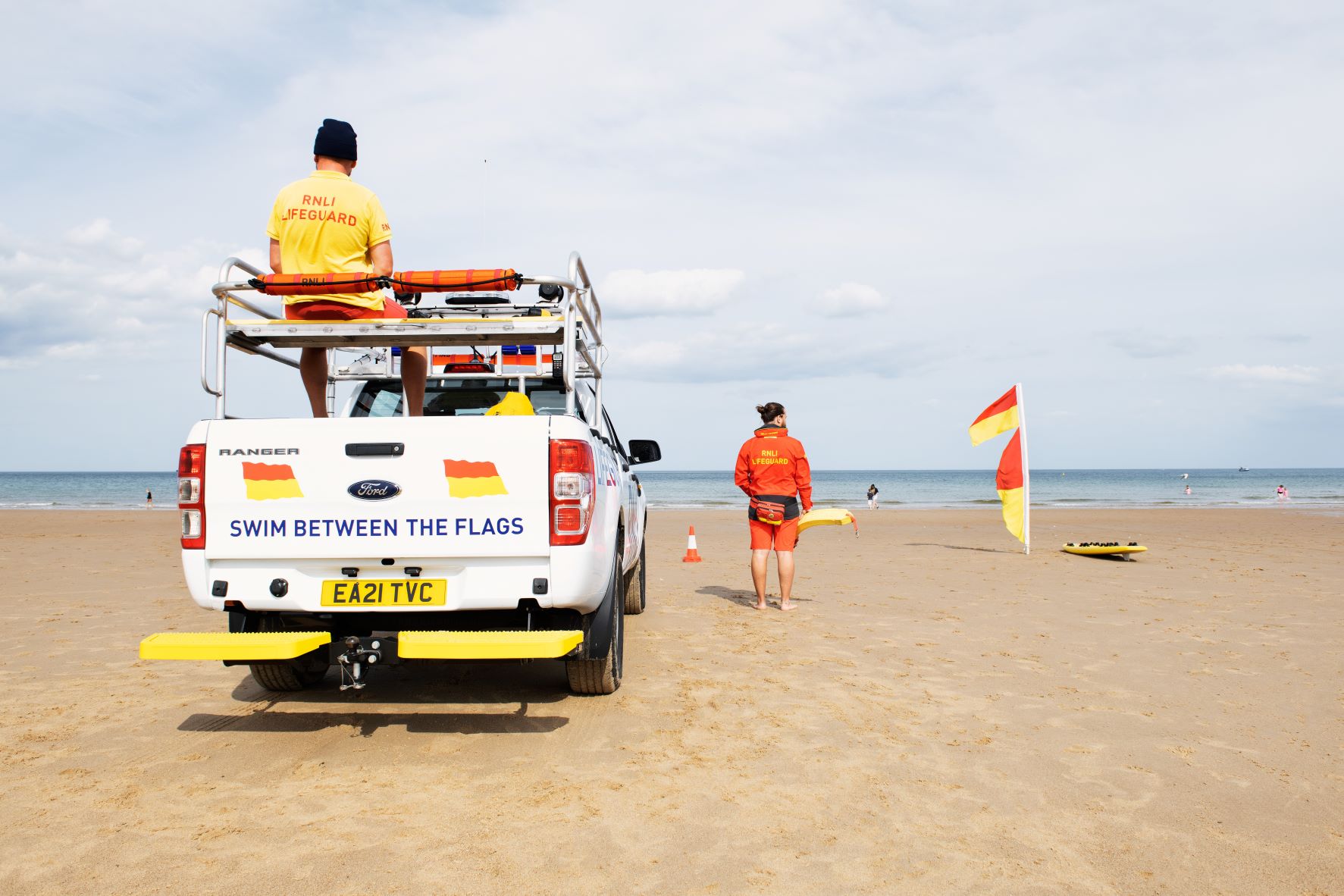
RNLI beach lifeguards in Pembrokeshire are strongly advising people to choose a lifeguarded beach following a spike in rescues across beaches in south west Wales.
Following a rise in the number of rescues in Pembrokeshire over the last ten days, RNLI lifeguards are reminding the public of the importance of visiting a lifeguarded beach.
RNLI lifeguards are currently patrolling everyday across eight beaches in Pembrokeshire. In the last few weeks, the beaches have been busier which has coincided with rougher sea conditions.
Last Wednesday 14 August, lifeguards patrolling at Tenby Castle Beach rescued 11 people – including three children from rip currents. Lifeguards responded on rescue boards and safely returned all the casualties to shore.
On Friday 16 August, lifeguards patrolling at Newgale Beach rescued six people and aided a further six from rip currents.

This week, on Tuesday 20 August, Newgale’s RWC (Rescue Water Craft) rescued a surfer in difficulty in a rip current.
The following day, (Wednesday 21 August) a bodyboarder was rescued and a further four were assisted from rip currents by Newgale’s lifeguards.
Noah Harvatt, RNLI Lifeguard Supervisor for North Pembrokeshire said:
‘The combination of wind, swell and big tides in the last couple of weeks has caused an abundance of rip currents.

‘The number of rescues and assists our lifeguards have responded to shows the importance of choosing an RNLI lifeguarded beach if you’re planning on going in the water.
‘We position the flags in the safest areas of the beach. Always swim and bodyboard between the red and yellow flags, and surf, kayak or paddleboard between the black and white flags.
‘The location of rip currents can change every day and are impossible to predict. This forces us to regularly move the flags and dynamically assess the beach.’

Yesterday (22 August) Newgale, Nolton Haven and Freshwater West were all red flagged due to dangerous conditions.
Storm Lillian brought strong winds and big surf, meaning the conditions posed a heightened risk to beachgoers. The likelihood and strength of rip currents is heightened in these circumstances, which often forces lifeguards to red flag certain areas, or an entire beach.
Oliver Davies-Scourfield, Lead Lifeguard Supervisor for South Pembrokeshire said:
‘If you see a red flag flying, we have deemed that area of the beach as unsafe and strongly advise against entering the water.
‘If you find yourself caught in a rip current, don’t swim against it or you’ll get exhausted. If you can stand, then wade don’t swim. If you can, try to swim parallel to the shore until you’re free of the current, and then head back to shore. Always raise your hand and shout for help.
‘If you’re ever unsure as to why we’ve red flagged the beach, please approach our lifeguards. We’re more than happy to offer guidance and direct you to a safer place to swim.’
‘In Pembrokeshire the following beaches are currently being patrolled every day from 10am-6pm up until 1 September: Newport Sands, Poppit Sands, Whitesands, Newgale Central and South, Broad Haven, Freshwater West, Tenby North, Tenby Castle, Tenby South and Saundersfoot.Choose one of our lifeguarded beaches if you’re planning a dip.
‘If you find yourself in difficulty in the water remember Float to Live Tilt your head back with your ears submerged. Relax and try to control your breathing, use your hands to help you stay afloat. It’s OK if your legs sink, as we all float differently. Then once you are through the initial shock, call for help or swim to safety if you can.’
The RNLI’s Float to Live advice:
Tilt your head back with ears submerged
Relax and try to control your breathing
Use your hands to help you stay afloat
It’s OK if your legs sink, we all float differently
Once you are through the initial shock, call for help or swim to safety if you can.



REFORM UK has gained its first county council seat in Pembrokeshire following a seven-way battle for a ward made vacant following the death of veteran councillor Mike Stoddart.
Cllr Mike Stoddart, who passed away in January, represented Milford Haven’s Hakin ward, and had been a county councillor for more than two decades, having first been elected in 2004, with wife Vivien and daughter Tessa Hodgson also having county seats, Hubberston and Lamphey respectively, with Tessa also serving as Cabinet Member for Adult Social Care.
The late Cllr Stoddart was well-known as an outspoken councillor, critical of failings and injustices, as he had been when he set up the Milford Mercury newspaper with his family before he became a councillor.
In later years, Cllr Stoddart also held an often-critical mirror to council and councillor activities through his popular Old Grumpy website.
Following his death a by-election was held for the Hakin ward, with the count taking place on March 17, initially with an eight-way fight for the seat.

That eight-way fight was reduced to seven when Labour candidate Nicola Harteveld, who set up charity foundation the Megan’s Starr Foundation, withdrew her candidacy after allegations a family member was harassed during her campaigning.
Those standing for the ward included parties the Welsh Liberal Democrats, Welsh Conservatives, Reform, the Green Party, and three independents.
Results for the ward, which saw a 32.7 per cent voter turnout were: Derrick William Charles Abbott, Independent, 11 votes; Samuel Robert Booth, Wales Green Party, 85; Lee James Bridges, Independent, 106; Duncan Ritchie Edwards, Independent, 52; Brian Kelvin Taylor, Welsh Conservative Party, 144; Samuel Warden, Welsh Liberal Democrats, 57; Scott Michael Thorley, Reform UK, 179.
Nicola Catherine Harteveld, Welsh Labour, who withdrew her candidacy, still attracted 27 votes.
Winner Scott Thorley had previously unsuccessfully stood as a Reform candidate for the Prendergast Haverfordwest ward seat made vacant following the resignation of local county councillor Andrew Edwards.
He was later co-opted on to Haverfordwest Town Council.
Speaking after his Hakin ward win, the-now Cllr Thorley said: “It was a massive honour to win last night and I’m more than aware I’ve got some massive shoes to fill in Hakin.

“I’ve already started work this morning and have responded to four residents first thing.
“People in Hakin just want the basics done right and someone they can reach out with any issues they have; I will be that person.”

A PUBLIC consultation on the early stage of plans to secure community allotments in a north Pembrokeshire village through a community group share purchase is to be held later this month.
Community Benefit Society, St Dogmaels Growers CBS, is holding the meeting at St Dogmaels Church Hall on March 28, 10-4pm.
It said St Dogmaels Road Allotments, alongside the river between St Dogmaels and Cardigan, and were set up by a handful of people who got together to find some land in St Dogmaels to establish allotments for the community.
The site, Keewaydin Field, was leased from the owner Paul Welch, who having moved away from the area, was keen that the community should develop allotments on his field.
Fifteen years later, there are currently 67 plot-holders working the land, from across both Pembrokeshire and Ceredigion.
“Paul sadly died in a tragic accident in 2021, and the land was inherited by his two sons. Understandably, no longer living in the area, they have decided to put the land up for sale, in late spring 2026, in the hope that the purchasers will continue to fulfil their father’s wishes,” St Dogmaels Growers CBS said.
“Our goal is to raise funds to purchase the land, not only to ensure the established allotments are secured for the future, but to preserve this beautiful green space for the wider community, and generations to come, and ensure that Paul’s dream continues to flourish.
“As a newly formed Community Benefit Society, St Dogmaels Growers CBS, we will be launching a community share offer later this year, with our main objective being to purchase the land on which the allotments are situated, along with the surrounding area which is currently overgrown and cluttered with debris. Once cleared, we hope to invite community groups to share our space.”
The group added: “From the monoculture of an agricultural field, Keewaydin Field has evolved into a mosaic of amazing habitats, across a patchwork of plots, bordered by a meadow orchard, mature hedgerows, woodland and mature riverbank trees.

“We not only grow healthy organic food, but we have created a thriving interconnected ecosystem, between the urban settlements of St Dogmaels and Cardigan.
“At the meeting, we will be displaying our short, medium and long-term aims for our project, along with heart-felt testimonials of all those that have benefited from the peace and tranquillity of this special location.
“We would really appreciate hearing your views, to establish what the community needs and how we can work together to meet those needs. We have already started preparing a dedicated community food plot where we will be growing donations for local food projects.”
It finished: “We started off as just a small village allotment group, but with the help of our community, together, we could preserve this precious space for the future.”
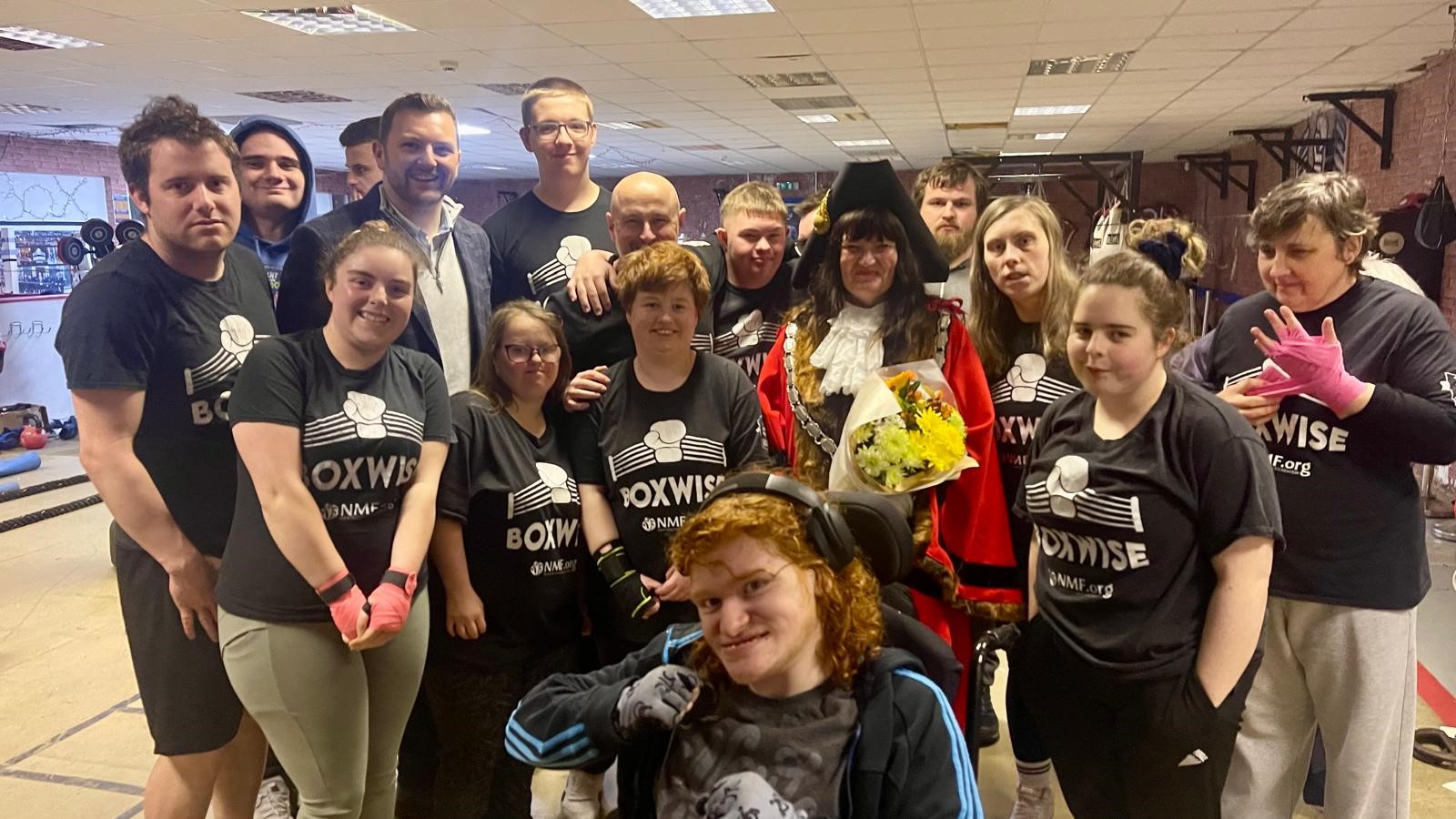
SAMUEL KURTZ MS recently visited Pembroke and Pembroke Dock Amateur Boxing Club to see first-hand the club’s pioneering disability boxing sessions and the inspiring work being led by chairman and coach Chris McEwen.
During the visit, Samuel joined one of the adaptive boxing sessions, including taking part in a wheelchair boxing session which used VR headsets to experience a live boxing match. Samuel was joined by the Mayor of Pembroke Dock, Cllr Michelle Wiggins, and together they met with participants and volunteers to learn more about how the club is creating opportunities for people of all abilities to get involved in the sport.
The club has gained national recognition for its inclusive approach, having previously received the Insport Blue Ribbon Award from Disability Sport Wales and being named Parasport Club of the Month for its work supporting disabled athletes and vulnerable members of the community.
Chris McEwen, a former member of the Royal Air Force who is himself disabled, has been championing disability boxing and working with organisations including Welsh Boxing, England Boxing and Disability Sport Wales to help develop a safe, regulated pathway for adaptive boxers.
A key ambition of the project is to see disability boxing formally recognised under amateur boxing regulations, creating opportunities for adaptive boxers to compete and potentially opening the door to major competitions such as the Invictus Games and, one day, even the Paralympics.
Samuel Kurtz MS also hosted Chris McEwen at an event at the Senedd last month to showcase the pioneering Netflix documentary Fighters and highlight the merits of the sport with fellow Members of the Senedd.
Speaking after the visit, Samuel Kurtz MS said: “I was delighted to visit Pembroke and Pembroke Dock Amateur Boxing Club and see the disability boxing sessions in action. Chris McEwen and the team are doing incredible work to ensure that boxing is accessible to everyone, regardless of ability.
“The club is not only helping people improve their fitness and confidence but also providing a supportive community where people can thrive. Chris’s vision to see disability boxing recognised as an official sport is truly inspiring, and I am proud to support the work he is doing to make that ambition a reality.
“I also want to thank Chris, the coaches and volunteers for their dedication and for the positive impact they continue to have across Pembroke and Pembroke Dock.
“The club has become a real community hub, offering inclusive boxing sessions, in-school support for vulnerable young people, and free training opportunities for disabled participants.”
Chris said “Samuel has been a breath of fresh air with the support that he has given us. He is always ready to roll his sleeves up and get involved as his recent visit to the club has demonstrated.
“The town of Pembroke Dock is very special to me and I am pleased that Samuel was able to see first hand the work that we undertake here and get to meet many of our members.
“I echo the views of the whole club in thanking Samuel for the support that he has given to our club, our town and the inclusion community. We are firmly in your corner and thank you for everything that you do”


Health1 hour ago
NHS waiting list falls — but cancer delays and diagnostic backlog worsen
Record progress claimed by Welsh Government as critics warn key targets are still being missed THE NHS in Wales has...


Crime1 day ago
Rapist jailed after ‘abhorrent’ attacks on woman and children
Haverfordwest man told police “women won’t have sex without force” A HAVERFORDWEST man who raped a woman and a young...


News1 day ago
Reform secures first Pembrokeshire councillor in Hakin by-election win
Late Reform candidate takes seat as independent surge and Labour withdrawal shape contest REFORM UK candidate Scott Thorley has won...

News2 days ago
Scott Thorley elected as Pembrokeshire’s first Reform councillor
REFORM UK candidate Scott Thorley has won the Hakin by-election after securing 179 votes. The full result is as follows:...


News2 days ago
Police confirm man has died after being recovered from River Cleddau
Major emergency response in town centre after concerns raised for man in water A MAN has died after being recovered...


Community2 days ago
Davies and Kurtz urge groups to seek employability funding
Community organisations in Pembrokeshire encouraged to apply for new grants supporting skills and job access LOCAL Senedd Members Samuel Kurtz...


News2 days ago
Emergency services flood Haverfordwest after reports of person in river
Town centre sealed off as multi-agency response continues A MAJOR emergency response is underway in the centre of Haverfordwest after...

News2 days ago
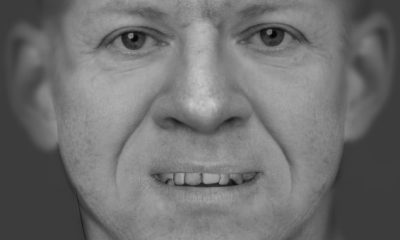
Detectives receive surge of new information in bid to identify man found at Powys reservoir
Public response follows release of facial image as officers pursue fresh lines of enquiry DETECTIVES investigating the identity of a...


News2 days ago
Senedd committee urges next Welsh Government to prioritise Wales–Ireland links
A SENEDD committee has called on the next Welsh Government to continue prioritising Wales’s relationship with Ireland, describing it as...

Education3 days ago
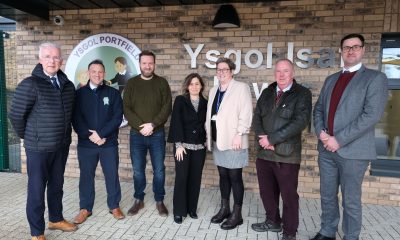
New facilities open at Portfield School as redevelopment reaches key milestone
THE FIRST phase of a major redevelopment programme at Portfield School in Haverfordwest has been completed, marking a significant step...
-

 Health6 days ago
Welsh Ambulance Service to host bi-monthly Board meeting
-

 News5 days ago
Rayner and Lammy visit Wales to discuss justice and community safety
-
 News4 days ago
Fishguard linked to allegations in Many Tears Animal Rescue investigation
-
News2 days ago
Emergency services flood Haverfordwest after reports of person in river
-

 Charity7 days ago
Many Tears Animal Rescue visited by inspectors as police attend in support role
-

 Community7 days ago
Choir performs for residents at Kensington Court
-
 Local Government5 days ago
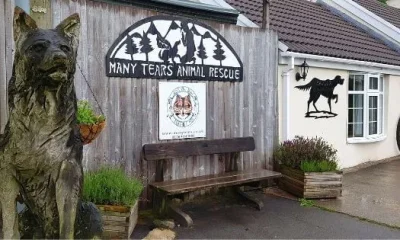
Investigation confirmed after inspectors visit Many Tears Animal Rescue
-
 Crime7 days ago
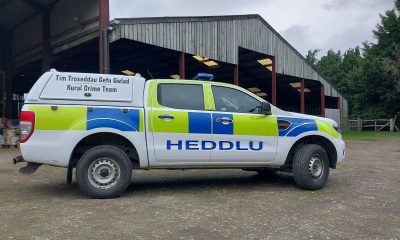
New rural and wildlife crime strategy aims to boost patrols and community engagement