


Health
Welsh Government cuts ‘essential medication’ for skin condition sufferers


A WEST WALES resident has launched a scathing attack on the Welsh Government after discovering that essential medication for his brother’s debilitating skin condition, Palmoplantar Keratoderma, will no longer be provided by the NHS.
David Ethan Jones, whose brother suffers from the condition, has penned an open letter to the Cabinet Secretary for Health and Social Care, expressing his shock and disgust at the decision. According to Mr Jones, his brother was informed of the cut when he recently visited Singleton Hospital, where he was told that his regular medication, Oilatum, would no longer be available due to cost-cutting measures.

The letter Mr Jones’ brother received, reportedly issued by the Welsh Government, explained that the decision was part of a broader effort to reduce healthcare costs. However, no alternative treatment was offered, leaving patients like Mr Jones’ brother, who cannot use conventional soap or body wash due to their corrosive effects on his sensitive skin, without a vital lifeline.
Palmoplantar Keratoderma, a rare and painful condition, has dominated Mr Jones’ brother’s life for nearly 30 years. The psychological impact has been profound, with severe mental health issues stemming from childhood bullying related to the condition. Mr Jones detailed how his brother’s anxiety is so extreme that he even wore gloves to his own wedding to hide his affected palms.
Mr Jones, who lives in Gwaun Cae Gurwen on the Carmarthenshire border with Neath Port Talbot, described the government’s decision as “absolutely disgusting,” accusing them of prioritising cost-cutting over the health and wellbeing of their citizens. “It is appalling that the government of my country can brazenly disregard the health needs of its people without so much as a warning,” he wrote.

In a pointed criticism of the Welsh Government’s spending priorities, Mr Jones also referenced the recent controversial introduction of 20mph speed limit signs across the country, questioning the viability of life in Wales and the UK as a whole under current leadership.
He warned that the decision to discontinue emollients would be “devastating” for the many people who rely on their medicinal benefits. “It seems the government is more interested in money than the people they serve,” he added.
Mr Jones has vowed to escalate the issue, promising to forward his concerns to media outlets, opposition members, and other relevant parties in the hope of drawing attention to what he described as the “shambolic handling” of the country by the Welsh Labour Government.
As of now, the Welsh Government has not issued a response to Mr Jones’ letter. However, the growing public outcry may prompt officials to reconsider the decision and address the concerns of those affected by the cut.

This development has sparked a wider debate about healthcare funding in Wales, with many questioning whether cost-cutting measures are being implemented at the expense of the most vulnerable members of society.

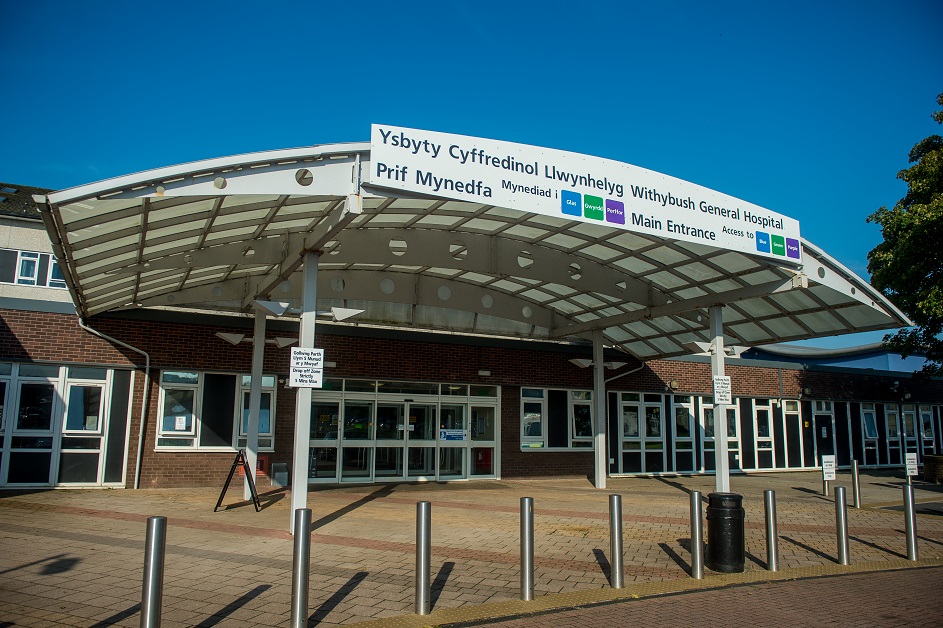
THE LOCAL health board has launched new targeted measures after recording a sharp rise in the use of steroids and other image-enhancing drugs across the region.
Hywel Dda University Health Board says needle exchange figures show significant growth over the past two years in people seeking support related to Image and Performance Enhancing Drugs (IPEDs), including anabolic steroids and so-called Selective Androgen Receptor Modulators (SARMs).
SARMs, while marketed online as safer alternatives to steroids, are illegal to sell in the UK and health professionals warn they carry serious and largely unknown risks.
The health board has now teamed up with Dyfed Drug and Alcohol Service (DDAS) and Choices, a young people’s substance use service, to tackle what officials describe as an “emerging public health challenge”.
Workshops and outreach
Two key initiatives have been introduced.

Educational workshops are being delivered to young people, focusing on the risks of using performance-enhancing substances during physical development and the potential long-term effects on hormones, mental health and fertility.
At the same time, enhanced support is being offered to people already involved in gym and fitness culture, with harm-reduction advice, health monitoring and confidential drop-in services.
Support includes testosterone testing, blood checks, cycle provision kits and discreet one-to-one consultations.
One service user described the programme as “quick, professional and non-judgemental”.
They said: “The drop-in clinic for my blood test was really convenient. I was seen quickly and given a full run-down of the services available. The staff made me feel comfortable the whole time and I got my results back faster than expected.”
Taking support into the community
The team has also worked directly with local gyms, leisure centres and sports venues, speaking to more than 100 people during five outreach sessions.
Twelve DDAS staff members have completed specialist IPED training delivered by Public Health Wales to strengthen expertise within the service.

Rachel Wilson, Resilient Families Manager at Choices, said the aim is to reduce stigma.
She said: “We’re proud to work alongside Hywel Dda to ensure people who use IPEDs are met with understanding, not judgement. These initiatives are helping us reach individuals who may not have previously considered accessing support.”
Craig Jones, Prevention and Population Health Improvement Manager, added: “This work is about meeting people where they are. By listening and responding with compassion and evidence-based care, we’re making a real difference.”
Dr Ardiana Gjini, Executive Director of Public Health, said the approach showed the board’s commitment to early intervention.
She said: “These initiatives reflect a proactive, collaborative response to emerging health challenges and demonstrate our dedication to protecting the health of our communities.”
Anyone seeking confidential advice or support can contact DDAS on 03303 639997 to book an appointment.
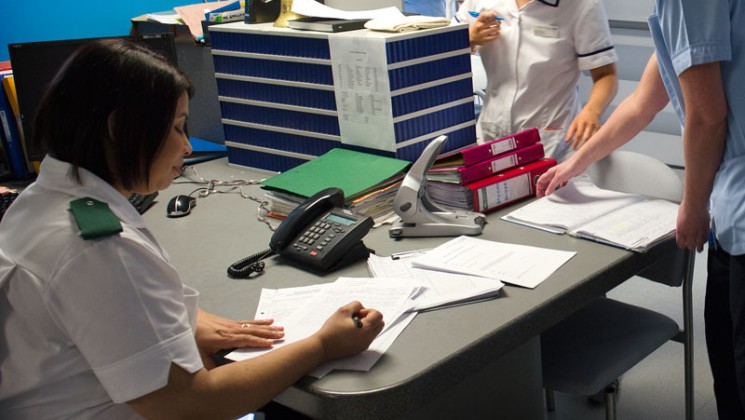
A NEW national report has laid bare the growing pressures facing nurses and midwives in Wales, with concerns over pay, burnout and lack of professional development threatening the long-term future of the workforce.
The findings, published by the Nursing and Midwifery Council in its Spotlight on Nursing and Midwifery 2025 report, show that while many nurses remain deeply committed to their roles, large numbers feel undervalued, overstretched and reluctant to recommend the profession to others.
Responding to the report, Royal College of Nursing Wales said the data should act as a wake-up call for government and health boards.
Professor Sandy Harding, Associate Director of Nursing, Policy and Professional Development at RCN Wales, said:
“We welcome the determination and commitment shown by our existing nurses in Wales, with more than half surveyed saying they are satisfied with their day-to-day work and motivated by making a difference to people’s lives. However, the findings also present a stark reflection of the poor health of nursing in Wales.
“Too many nurses are not recommending the profession to others, are struggling and are facing abuse and discrimination in the workplace.”
Pay falling behind responsibility
One of the most pressing concerns raised in the report is pay.
Nursing leaders say salaries have failed to keep pace with the growing complexity of the job, heavier caseloads and the rising cost of living, leaving many staff feeling undervalued and financially squeezed.
For some, the pressure is forcing difficult decisions about staying in the profession or reducing hours.
RCN Wales argues that without meaningful improvements to pay, recruitment and retention will continue to suffer, placing further strain on already stretched hospital wards, community services and care settings.
Training and career progression gaps
The report also highlights inconsistent access to continuing professional development, with many nurses struggling to secure protected time or funding for further training.
According to the union, this not only limits career progression but risks undermining patient care in the long term.

Harding said: “Access to protected time and funding for continuing professional development remains inconsistent, undermining both career progression and the sustainability of the workforce.
“RCN Wales believes this is unacceptable and we will continue to support nurses and fight for fair pay, meaningful investment in professional development and better working conditions across Wales.”
Commitment remains strong
Despite the challenges, the report does note strong dedication among nursing staff.
More than half of those surveyed said they were satisfied with their day-to-day work and remained motivated by the difference they make to patients’ lives.
Health leaders say that commitment is a strength the NHS in Wales cannot afford to lose.
With around 35,000 members in Wales, the Royal College of Nursing says it will continue pressing ministers to address what it describes as a “workforce crisis” before it deepens further.
The union is calling for fairer pay settlements, safer staffing levels and guaranteed investment in training to ensure nursing remains an attractive and sustainable career.
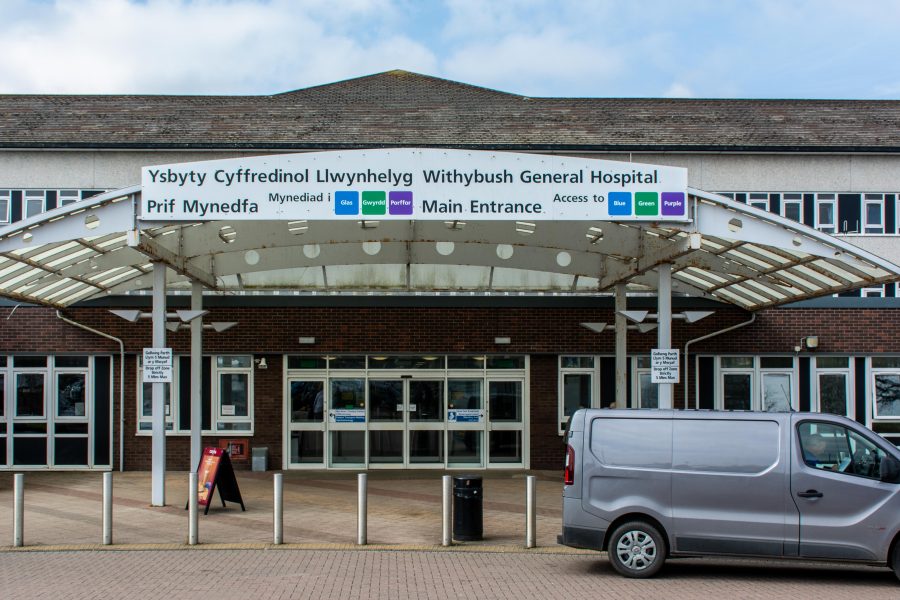
Tribunal history reveals medic was removed in 2012 for dishonesty before being allowed back to practise
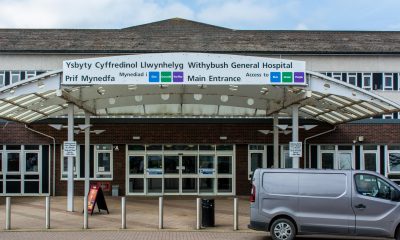
A DOCTOR accused of sexually harassing junior colleagues while working at Withybush Hospital had previously been struck off the medical register for lying about his qualifications, the Herald can reveal.
Dr Velmurugan Kuppuswamy is currently at the centre of fitness-to-practise proceedings after allegations he made sexually inappropriate comments and subjected two female doctors to unwanted physical contact during his time as a locum consultant in Haverfordwest.
But records show this is not the first time his conduct has come before regulators.
In 2012, an independent tribunal found he had been dishonest during an application and interview for a postgraduate cardiology training post at an NHS deanery in England.
The panel heard he falsely claimed to have submitted a Doctor of Medicine thesis, said he was a member of the Royal College of Physicians and stated he had passed a practical clinical skills assessment.
He initially admitted misleading information before later retracting parts of his account. The tribunal concluded he had “maintained his dishonest accounts” and had wrongly accused a witness of giving misleading evidence.
He was erased from the register and returned to India, where he later worked in a cardiac hospital.
In 2020, he applied to be restored to the UK medical register.
The General Medical Council investigated and opposed the application, arguing his expressions of remorse had come years late and raising concerns about a lack of independent evidence regarding his work overseas, as well as the absence of relevant ethics training.
However, an independent Medical Practitioners Tribunal at the Medical Practitioners Tribunal Service accepted his assurances that he had changed. His evidence was described as “compelling, heartfelt and genuine”, and the panel decided a well-informed member of the public would not be concerned about his return to practise.
His name was restored to the register.
Shortly afterwards, he began working shifts as a locum consultant at Withybush Hospital, which is run by Hywel Dda University Health Board.

Within months, fresh allegations emerged.
A tribunal has heard claims that between August and September 2021 he hugged junior colleagues without consent, touched their backs and waists, squeezed their wrists and arms and made sexually suggestive remarks at a staff social event.
On two occasions, he is alleged to have gripped one doctor so tightly it caused pain and ignored her requests to stop. He is also accused of staring at female colleagues, following groups of women around the venue, making comments about their bodies and placing a hand high on one doctor’s thigh.
Further allegations relate to behaviour at work, including sitting extremely close to a colleague, draping an arm behind her on a sofa and grabbing her arm while whispering comments.
According to the charges, his conduct created “an intimidating, hostile, degrading, humiliating or offensive environment” and amounted to a sexually motivated abuse of his senior position.
Dr Kuppuswamy denies wrongdoing.
Following the investigation, the case was referred to a tribunal by the General Medical Council. The decision on his fitness to practise was made independently by a Medical Practitioners Tribunal at the Medical Practitioners Tribunal Service.
The tribunal determined his behaviour amounted to serious professional misconduct and ordered that he be erased from the medical register.
Asked whether the doctor remains employed, the health board said it does not comment on individual staffing matters.
Medical director Mark Henwood said: “We have robust policies and procedures in place to ensure the safety of both staff and patients in our care and we take seriously our responsibility for their wellbeing. We are committed to providing a safe, supportive environment where patients and staff can be confident that best practice is being followed at all times.”



Crime10 hours ago
Teacher discharged as police step back from Milford Haven school after assault
Teenager remains in custody as school closes and patrols increased to reassure community POLICE have confirmed they are no longer...


Crime16 hours ago
Teacher injured and teenager arrested for attempted murder at Milford Haven School
Lockdown triggered as pupil allegedly attacks staff member with weapon – boy, 15, held on suspicion of attempted murder A...


international news21 hours ago
Pembrokeshire women conquer Atlantic in epic 3,000-mile row
PEMBROKESHIRE’S all-female rowing crew Merched y Mor have completed one of the hardest endurance challenges on the planet after crossing...


Crime1 day ago
Sex offender jailed after living off grid in Pembrokeshire and refusing to register
Man walked into police station after months avoiding authorities A CONVICTED sex offender who told police he intended to live...


Crime2 days ago
More rape and sexual assault survivors to get right to challenge dropped cases
New review scheme to be rolled out across CPS Cymru-Wales following successful pilot SURVIVORS of rape and serious sexual assault...

Crime3 days ago
Man spared jail after admitting child abuse image offences
Police seized devices after intelligence linked Pembrokeshire address to illegal cloud storage accounts A 23-YEAR-OLD Pembrokeshire man has avoided immediate...


Community3 days ago
Cleddau at heart of major water reforms as ministers promise ‘fundamental reset’
New regulation plan aims to tackle pollution, sewage spills and ageing infrastructure COMMUNITIES along the River Cleddau could see tighter...


Crime3 days ago
Man caught in hotel sting after trying to meet girl, 13
Laugharne defendant confronted by paedophile hunters at St Clears Travelodge before suspended jail term at Swansea Crown Court A LAUGHARNE...


News3 days ago
Princess of Wales visits historic Pembrokeshire woollen mill
Catherine the Princess of Wales visited Melin Tregwynt, a historic family-owned woollen mill, today, highlighting the enduring traditions and skills...


Crime3 days ago
Arrest made after Carmarthen park stabbing investigation
Police thank community and media following public appeal to trace suspect AN ARREST has been made following last week’s stabbing...
-
Crime1 day ago
Sex offender jailed after living off grid in Pembrokeshire and refusing to register
-

 Health14 hours ago
Health board targets rise in steroid and gym drug use across west Wales
-
News3 days ago
Princess of Wales visits historic Pembrokeshire woollen mill
-
 Crime7 days ago
Pembroke man accused of child sex offences sent to Swansea Crown Court
-
 Health4 days ago
Doctor struck off after sexual misconduct findings at Withybush Hospital
-
Crime16 hours ago
Teacher injured and teenager arrested for attempted murder at Milford Haven School
-

 Community7 days ago
50s women threaten legal action over pension compensation refusal
-

 Education6 days ago
Industry insight helps marine cadets chart career course