


Community
Age Cymru condemns cuts to winter fuel payments in Wales


AGE CYMRU has expressed deep concern over the Westminster Government’s decision to cut Winter Fuel Payments, which will leave more than 100,000 pensioners in Wales without this crucial financial support. The charity has described the move as “appalling,” particularly given that over 86% of pensioners living in or just above poverty in Wales will be affected—the highest proportion of any UK nation or region.
Many of the affected pensioners are already facing significant challenges, including living with disabilities, being isolated, or residing in older, less energy-efficient homes that are harder to heat. Age Cymru is calling on the government to reverse its decision, particularly in Wales, where more than 56,000 eligible people are not claiming Pension Credit—a key factor in determining Winter Fuel Payment eligibility under the new rules.
The charity has been receiving distressing reports from older people across Wales, describing the tough choices they will have to make without this essential financial lifeline. Some have already indicated they will need to reduce their spending on food, heating, and hot water. Of particular concern are those with long-term health conditions who need to maintain a warm home, but are now facing the prospect of having to choose between staying warm and eating properly.
In Age Cymru’s 2024 annual survey, which gathered responses from over 1,300 older people across the country, nearly half reported that the cost of living had been a significant challenge in the past year. More than half cited concerns over their physical health, which is likely to deteriorate further as a result of the cuts.
Age Cymru is urging the Westminster Government to reconsider its decision, or at the very least, to expand eligibility for the Winter Fuel Payments. The charity is advocating for automatic payments to those receiving Housing Benefit, Council Tax Support, Personal Independence Payment, Attendance Allowance, and Carer’s Allowance, to ensure that vulnerable pensioners are not left without the help they need during the cold winter months.

Voices from Wales: Struggling to cope
When asked how they would manage with up to £300 less this winter, older people across Wales shared their concerns:
- “It will be a huge struggle to make do on my pension. I lost my husband two years ago, and with a single pension coming in, it is a constant worry how I will pay my bills.”
- “We will have to turn the heating off more and find ways to cut back on cooking, heating, and hot water. Because of health reasons, this will be really difficult.”
- “This payment makes a real difference to my winter energy costs, allowing me to avoid reducing the temperature in my flat. I have medical problems that mean I spend most of my time inside.”
- “We live in a rural community off mains gas. Our heating is oil-fired, and the Winter Fuel Payment covered a sixth of a tank of oil. My wife has chronic kidney disease and feels the cold terribly, so the payment certainly made things easier for us.”
- “I am chronically ill and need a warm home. Without this help, I will not be able to stay warm enough to have a decent quality of life. I will have to reduce my food intake.”
Call for Government action
Age Cymru is urging the UK Government to reconsider its cuts, warning that many pensioners, especially those living in Wales, face an increasingly harsh winter without the vital support they once relied on. For the most vulnerable, these cuts may not just represent financial hardship but could have serious consequences for their health and wellbeing.
The charity continues to advocate for a fairer system that ensures older people across Wales, and the rest of the UK, are not forced to choose between warmth and other basic needs.


FOLLY Farm has joined animal attractions across the UK in celebrating Sir David Attenborough’s 100th birthday, with school visits, staff quizzes, new conservation signage and even a newborn alpaca named in his honour.
The much-loved broadcaster turns 100 on Friday (May 8), and the Pembrokeshire attraction said his lifelong work had inspired many of its own keepers and staff to care about endangered species and habitats.
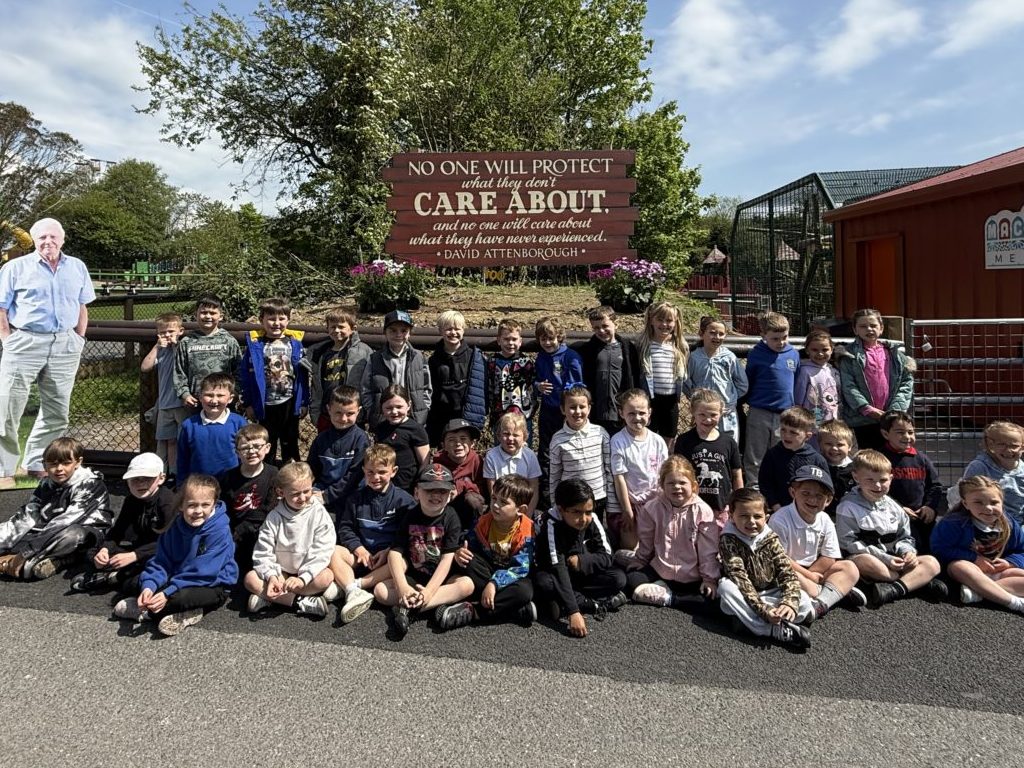
As part of the celebrations, Folly Farm welcomed pupils from Monkton Priory CP School in Pembroke, who spent time with conservation officer Jack learning about endangered and vulnerable animals, including lions, penguins and rhinos.
The pupils also gathered to sing Penblwydd Hapus to Sir David.
The attraction has also installed a new sign at the entrance to its zoo featuring one of Sir David’s best-known conservation messages: “No one will protect what they don’t care about, and no one will care about what they haven’t experienced.”
Folly Farm said one of its favourite tributes was the naming of a newborn alpaca cria, born on World Earth Day, April 22. The new arrival has been named David Alpacanborough.
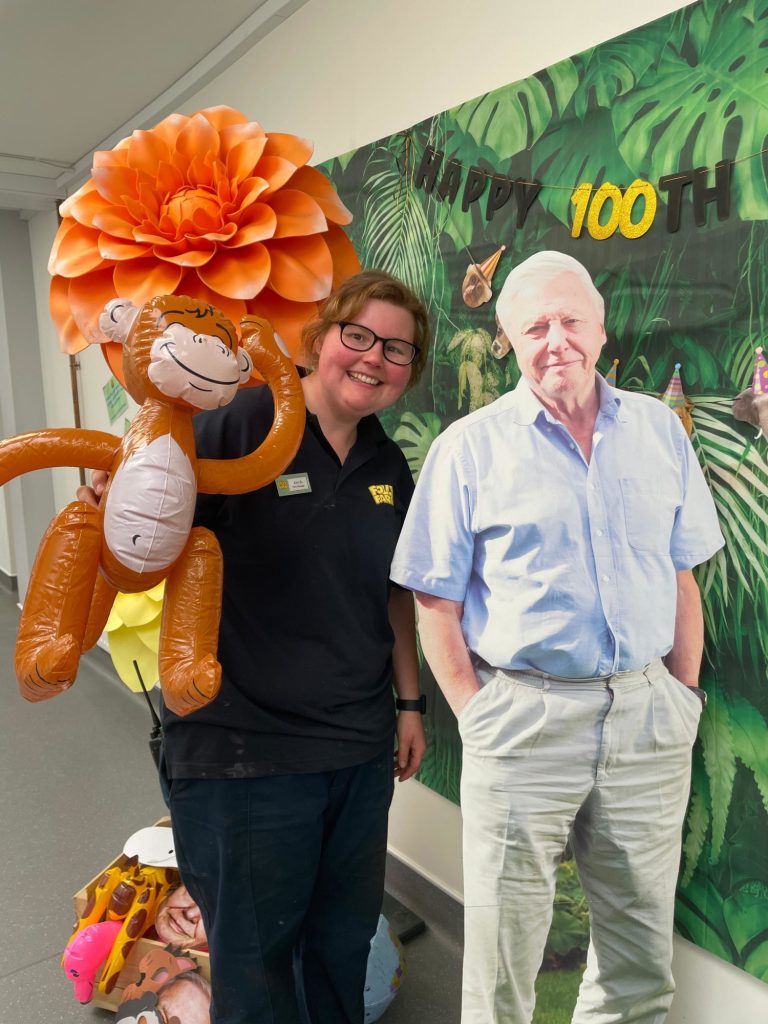
The zoo also held staff quizzes, created photo areas with a life-size cut-out of “Sir Dai”, and joined other BIAZA zoos and animal attractions in marking the milestone.
Folly Farm said: “Marking Sir David Attenborough’s 100th birthday is about more than photos and quizzes. It’s about acknowledging what his life’s work has achieved.
“Every time a child meets an animal up close, asks a question, or sings Penblwydd Hapus to a conservation hero, a seed is planted.

“Every time a keeper chooses this career path because of a documentary they watched growing up, that influence is still working quietly in the world.”

The Pembrokeshire celebrations come as the RSPCA urges the public to mark Sir David’s birthday by taking part in its Summer of Kindness campaign.
The charity is encouraging people to carry out seven simple acts to help animals, including planting flowers for pollinators, making bee drinking stations, feeding hedgehogs, helping pets in hot weather, organising litter picks and creating a basic rescue box for injured small wildlife.

The RSPCA said summer can be a difficult period for animals, with cruelty reports often rising during the warmer months. Last summer, the charity received 34,401 cruelty calls to its emergency line, up by a third on the previous year.
RSPCA wildlife expert Rebecca Machin said: “Sir David Attenborough has inspired generations to fall in love with animals and he has been a lifelong advocate for wildlife.
“His passion, care and voice for conservation has encouraged millions of people, including many across the RSPCA, to dedicate their lives to helping animals.
“As Sir David celebrates this milestone birthday, we’re also celebrating his legacy in changing the way the world sees wildlife, and the importance of animal welfare.
“By taking on seven kind acts for animals as part of our Summer of Kindness, people can give David the best birthday present, by helping animals of every kind, and helping us build a better world for every animal.”
The campaign has particular resonance in Pembrokeshire, where wildlife is central to the county’s identity, from Skomer’s seabirds and coastal habitats to garden birds, hedgehogs, pollinators and farmland species.
The RSPCA’s suggested acts include planting nectar-rich flowers such as lavender, sunflowers and wildflowers, avoiding pesticides, leaving wild patches of grass, putting shallow water dishes out for bees and wildlife, and never leaving pets in cars on warm days.
Rebecca Machin added: “Positive change often starts with simple, everyday actions.
“From helping keep local communities clear of litter, to providing water and safe food for visiting wildlife, we can all get involved in making a big difference for animals.”
Folly Farm added: “If we can keep that sense of awe alive, keep telling the stories of endangered species, and keep making small, steady changes to protect the environment, then we’re doing our bit to carry his legacy forward.
“So, from all of us here, to the man who brought the natural world into our living rooms and into our hearts, happy 100th birthday, Sir David. Thank you for everything.”
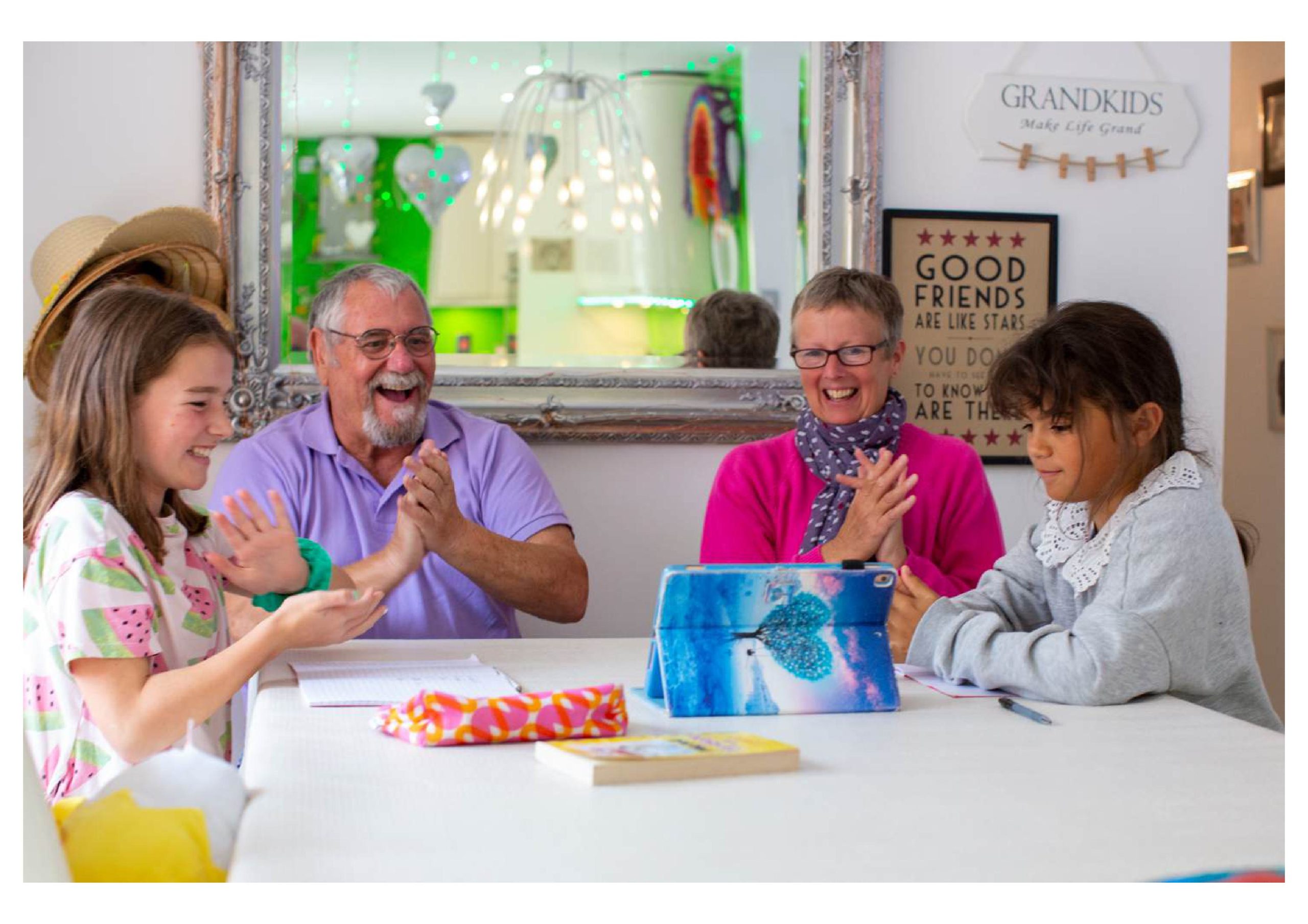
PEMBROKESHIRE foster carers have spoken about the small but powerful moments that show children in their care are beginning to feel safe, supported and able to trust again.
The comments have been shared as part of Foster Care Fortnight, the UK’s largest annual campaign to raise awareness of fostering, which runs from Monday, May 11 to Sunday, May 24.
This year’s theme, This is Fostering, focuses on the real experiences of foster carers and the vital role they play in helping children recover from trauma.
For many children who enter care, trauma can lead to anxiety, emotional shutdown, intense reactions, difficulties with boundaries, or problems following rules.
A national survey commissioned by Foster Wales found that around 80% of carers questioned had supported children showing behaviour of this kind.
However, half of those surveyed said they had seen a meaningful breakthrough within the first six months.
These moments can be simple, such as a child laughing, talking about their day, asking to watch a film, or opening up about something that has happened to them.
But for foster carers, they can mean much more. They are often signs that a child is beginning to feel safe, loved and supported.
Almost all carers questioned, 93%, said that with experience, support and professional guidance, they now feel confident responding to trauma-related behaviour.
Pembrokeshire foster carer Lynda, who has been fostering for just over a year, said: “In the beginning, I struggled with my confidence. The child pushed boundaries constantly, fought every option and often wasn’t living in reality. It was difficult to know whether what I was doing was making any difference at all.
“I made it clear through my actions that no matter what happened, I would always be there for them. I praised positive behaviour, set clear boundaries and stuck to them, always explaining why those boundaries were there, particularly around safety. I learned to wait until we were both calm before talking things through.
“The moment that really showed me things were beginning to change was when she opened up about her past and the trauma she had been through. We cried together and hugged. That was the moment I knew she felt safe enough to trust me.

“When you realise you’ve made that connection, it’s the best feeling in the world. Every child wants to feel loved and safe, and once that starts to happen, the rewards are huge.”
Pembrokeshire County Council’s Head of Children’s Services, Chris Frey-Davies said: “Foster carers across Pembrokeshire provide stability, care and understanding to children who have often experienced difficult and traumatic circumstances.
“This survey highlights the importance of local support, training and guidance in helping carers respond confidently to children’s needs over time. The breakthrough moments described by carers, while often small, show that children are beginning to feel safe and supported.
“At Foster Wales Pembrokeshire, we remain committed to supporting our foster carers throughout their fostering journey, ensuring they have access to the help they need to make a lasting difference.”
In Wales, there are 7,200 children in care. Of these, 4,884 live with foster families, supported by 3,538 foster carers.
Foster Wales is the national network of not-for-profit local authority fostering services in Wales.
Anyone interested in becoming a foster carer can find out more at fosterwales.gov.wales.
This Foster Care Fortnight, the local Foster Wales team will be at Tenby Leisure Centre on May 11 from 11:00am to 5:00pm; Haverfordwest Leisure Centre on May 12 from 10:30am to 1:00pm; Haverfordwest Library on May 12 from 3:00pm to 4:30pm; Milford Haven Library on May 14 from 10:00am to 1:00pm; Milford Haven Leisure Centre on May 14 from 3:00pm to 6:00pm; Tenby Leisure Centre on May 18 from 11:00am to 5:00pm; Haverfordwest Leisure Centre on May 21 from 10:30am to 2:00pm; and Fun in the Park at Pembroke Dock Memorial Park from 11:00am to 7:00pm.

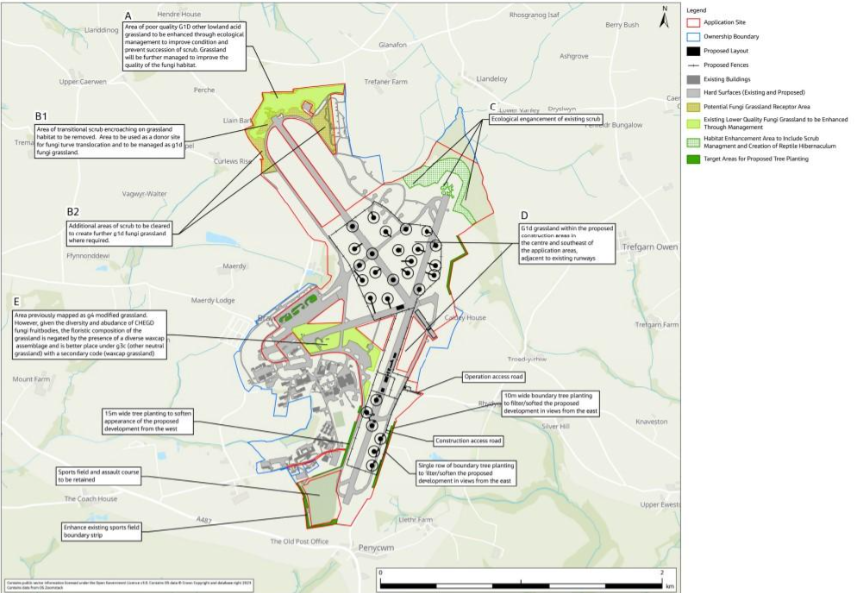
GAM OF THRONES star Jerome Flynn has called for the controversial DARC ‘space radar’ scheme at Pembrokeshire’s Cawdor Barracks to be halted.
In an application recently submitted to Pembrokeshire county Council following a public consultation, the Ministry of Defence wants to install 27 radar antenna and a long list of associated works at Cawdor Barracks, Brawdy for a worldwide network of sensors called the Deep Space Advanced Radar Concept (DARC) to track active satellites and other objects which would utilise three sites worldwide, part of the AUKUS trilateral security partnership, in the USA, the UK and Australia “enabling 360-degree coverage of the sky at all times of day and under any weather conditions”.
In late 2023, Cawdor Barracks was identified as the preferred UK site by the-then UK Defence Secretary, Grant Shapps.
A supporting statement says of the DARC scheme: “This capability is critical to protect and defend the services provided by satellites, ensuring continuity and resilience against collisions or debris-related incidents.
“Without DARC, the UK faces a significant risk of losing access to these vital services, which would have severe consequences for national security, economic stability, and public safety.”
It says the scheme would create 90 full time equivalent construction jobs, and, when operational, will result in the creation of 60 full time equivalent jobs including operation, maintenance and security staff.
St Davids City Council members recently unanimously opposed the pre-application consultation proposals, and public objectors have raised concerns with protests recently taking place outside the barracks and County Hall, Haverfordwest, and Labour Senedd candidate Eluned Morgan has called for the scheme to be put on hold while Donald Trump is President of the USA.
Pembrokeshire-based Jerome Flynn, who was first famous for his roles in Soldier Soldier, Robson & Jerome and more recently Game Of Thrones has entered the fray surrounding the controversial DARC Radar via a social media video.

In the video Flynn describes voting in the upcoming Senedd election as; “probably the most crucial vote we’ve made in 25 years”, saying that whoever gets into the Senedd will have the power to block DARC Radar, referring to the project as “the most unspeakably abominable planning application led by the US military, backed by Donald Trump to place 27 radar dishes right on the edge of our beloved coastal national park”.
Campaigners against the scheme, PARC Against DARC said: “Whichever party or parties form the next Senedd administration following Thursday’s election will have at their disposal a mechanism known as ‘Calling in’ the planning application.”
Any ‘calling in’ could mean the final decision on the DARC scheme is made by Welsh Government.
Campaigners have previously warned that if built, DARC radar would make Pembrokeshire a first priority military target and would give Trump and the US the capability to dominate space from Wales.

“With a Chinese government-aligned source calling DARC a ‘significant escalation’, the US in yet another illegal war this time in Iran, and DARC confirmed by the US as the ground radar part of a weapons system designed to target space assets, there’s little sign DARC would be for anything else but fuelling decades of US aggression that Wales should have no part of.
“This time they’re trying to use our peninsula to weaponise space, as if Earth isn’t already weaponised enough.”
The DARC application will be considered by county planners at a later date.



Charity13 hours ago
Chief’s Tour honours fallen officers with 75-mile Pembrokeshire ride
Dyfed-Powys Police team raises thousands for bereaved police families charity A TEAM of officers and staff from Dyfed-Powys Police cycled...


Crime15 hours ago
Racial abuse suspect barricaded himself inside Johnston lodge
ARMED police were called to a supported accommodation building in Johnston after a man allegedly barricaded himself inside a room...

Crime16 hours ago
Milford Haven woman denies causing suffering to cat
Jury hears evidence over alleged failure to seek treatment for tumour A MILFORD HAVEN woman has denied causing unnecessary suffering...


News1 day ago
Plaid Cymru projected to lead Senedd as Labour faces historic collapse
Final poll suggests Welsh politics could be on the brink of a major realignment PLAID CYMRU is on course to...

Community2 days ago
Rescue bid planned for lambs stranded below Stack Rocks cliffs
Tree surgeon preparing 150ft descent after live firing delayed rescue attempt A MAJOR rescue operation is being planned this afternoon...


News2 days ago
Bishop’s report reveals major renewal challenge at St Davids Cathedral
Formal Visitation highlights financial, structural, leadership and spiritual pressures at one of Wales’ most important religious sites ST DAVIDS CATHEDRAL...


Crime3 days ago
Farming company fined £19,000 for damaging protected wildlife site
A CARDIGAN farming company has been ordered to pay almost £20,000 after recklessly damaging a Site of Special Scientific Interest....


News3 days ago
Baby in critical condition after Fishguard emergency
Teenagers arrested as police investigate circumstances A BABY remains in hospital in a critical but stable condition after being taken...


Community3 days ago
Tenby phone signal crisis goes national as businesses warn of summer disruption
TRADERS SAY CARD PAYMENTS, TAXIS AND VISITOR SAFETY ARE BEING HIT BY ‘DEAD ZONE’ COVERAGE TENBY’S long-running mobile phone signal...


News4 days ago
Final poll puts Plaid and Reform level ahead of Senedd vote
Labour faces historic setback as new modelling points to a hung Senedd PLAID CYMRU and Reform UK are projected to...
-
News3 days ago
Baby in critical condition after Fishguard emergency
-

 News2 days ago
Former housing officer admits drink-driving in Pembrokeshire retail park
-

 Crime2 days ago
Job loss threat for convicted Pembrokeshire drug-driver
-
 Crime2 days ago
Milford motorist disqualified for drug-driving
-

 Crime2 days ago
Police tip-off leads to driving ban for Milford motorist
-
Crime15 hours ago
Racial abuse suspect barricaded himself inside Johnston lodge
-

 Crime2 days ago
Delivery driver caught twice over legal drink-drive limit
-

 Community2 days ago
Sixth-former firefighter balances schoolwork with saving lives