


News
Pembrokeshire man’s death-defying journey across Africa


Speaking with Patrick Nash, it soon becomes clear that this is a man with an honesty and a profound understanding of how his life was turbulently restructured following a mind-blowing decision way back in 1980.
Fresh out of Bristol University with an economics degree under his belt, Nash decided to shy away from the predicted career ascent that was being favoured by so many of his peers and instead, set out on a death-defying trek which would cover the entire width of Africa.
During his journey he was shot at by border patrol guards, he fell into unconsciousness at the side of the road after contracting malaria and, perhaps most terrifyingly of all, he was jailed on suspicion of carrying illegal drugs, which carried a sentence of up to 20 years in prison.
“I was a very naive 22-year-old who hadn’t really thought in any great depth about what I was doing,” Patrick told The Pembrokeshire Herald from his home in Solva.
“I was ridiculously unprepared for the journey, and all I had with me was a map of Africa, two UK passports and £250 in my pocket. If I’d thought too much about what could have happened to me, I probably wouldn’t have gone, but obviously in those days it was very difficult to find out about things.”

Following five weeks spent working on a farm in Israel, Patrick became one of the first backpackers to cross the Sinai border into Africa. His journey would subsequently take him across 14,000 miles, covering 11 African countries, many of which would be impossible for a solo traveller to attempt today. These included Kenya, the Democratic Republic of Congo, the Central African Republic, Cameroon, Nigeria and then back across the Sahara Desert to reach Britain.
Throughout his journey, Patrick chose to travel like a local, which meant he either walked on foot or cadged a lift on the lorries and pick-up trucks that were filled to the brim with miscellaneous items.
“People would be hanging on to those lorries for dear life, but it was a great way to meet the locals, chat to them and find out about their way of life,” continues Patrick.
“They were fascinated to see this white person choosing to travel like them, either on foot or hanging on to the top of those bumpy lorries. And sometimes they’d invite me back to stay in their homes or invite me to stay in a mosquito tent in their garden. And in many ways, this is the overwhelming memory that I have of those six months in Africa. People helped me, and this taught me how important it is to reach out to people and ask for help, wherever we are in the world.”
It was Patrick’s faith in the African culture that helped save his life when he began suffering from acute malaria for the second time during his journey.
“It was bad,” he recalls. “I was staggering around and eventually collapsed at the side of the road. But some guys picked me up, took me to the nearest town and one of them invited me to stay with him. They took me to the clinic where I was able to get treated, and I ended up spending a week with them, until I was well enough to start walking again.”
Patrick also forged a very strong relationship with the locals as he journeyed through the Congolian rainforests.

“People started hearing about me – about this white man who was walking through the forest – and almost every night people would come and find me, invite me back to their villages and ask if I would like to stay with them. They also used to ask me to talk to the young people, most of them young men who wanted to go to Europe, and once again this helped me to see how supportive and caring all these people were.”
But things took a dangerous turn when Patrick, together with another traveller who he met on his journey, attempted to cross the border between Zaire and the Central African Republic.
“The border guards were trying to get us to give them a bribe which we didn’t have, so we got in a boat and despite the fact that they started shooting at us, managed to get across to the other side.”
Shortly afterwards, Patrick was arrested and thrown into prison when a guard mistakenly assumed his malaria pills were illegal drugs.
“This was possibly one of the most frightening experiences, as I knew that the jail sentence for possessing illegal drugs would have been between 15 and 20 years,” he said. “Amazingly a police investigator turned up, realised what was going on, and released me.
“But throughout those six months, no one tried to rob me, even though this has happened a few times in Europe, and I never felt threatened by the local people who I met along the way. I was struck by their goodwill.”
The Foreign Office, however, has since placed red and orange warnings relating to their danger, on many of the places visited by Patrick during his 1980 journey.
After returning to the UK, Patrick became a social entrepreneur, setting up a workers’ cooperative selling vegetarian food, which became one of the UK’s largest cooperative businesses. he then helped set up an eco village in Scotland and in his late 30’s he returned to London where he worked for the Dalai Lama, with responsibility for running his UK charities. In 2006 he moved to Wales where he set up a charity helpline, its workforce expanding from 10 to its current figure of 450.
On March 27 Patrick will be publishing his memoir ‘Shots Across the Water’ which describes that incredible journey carried out in 1980.
“When I made that journey as a 22 year old, I made a diary of the things had happened to me, so reading those accounts all these years later has helped to stimulate my memory of what took place.
“I hadn’t had the happiest of childhoods, and things hadn’t always been easy, but it was that trip that opened my eyes to the values in life and which gave me confidence to move forward with my own self belief.
“If my daughters announced that they would like to make that same journey in 2025, I would do my best to dissuade them.
“But there’s no doubt that that journey formed me and has made me who I am today. It helped me realise that if I was able to complete that journey, then I could do anything.”
‘Shots Across the Water’ is available via Amazon, price £9.99 for a paperback and £7.99 for a kindle edition.



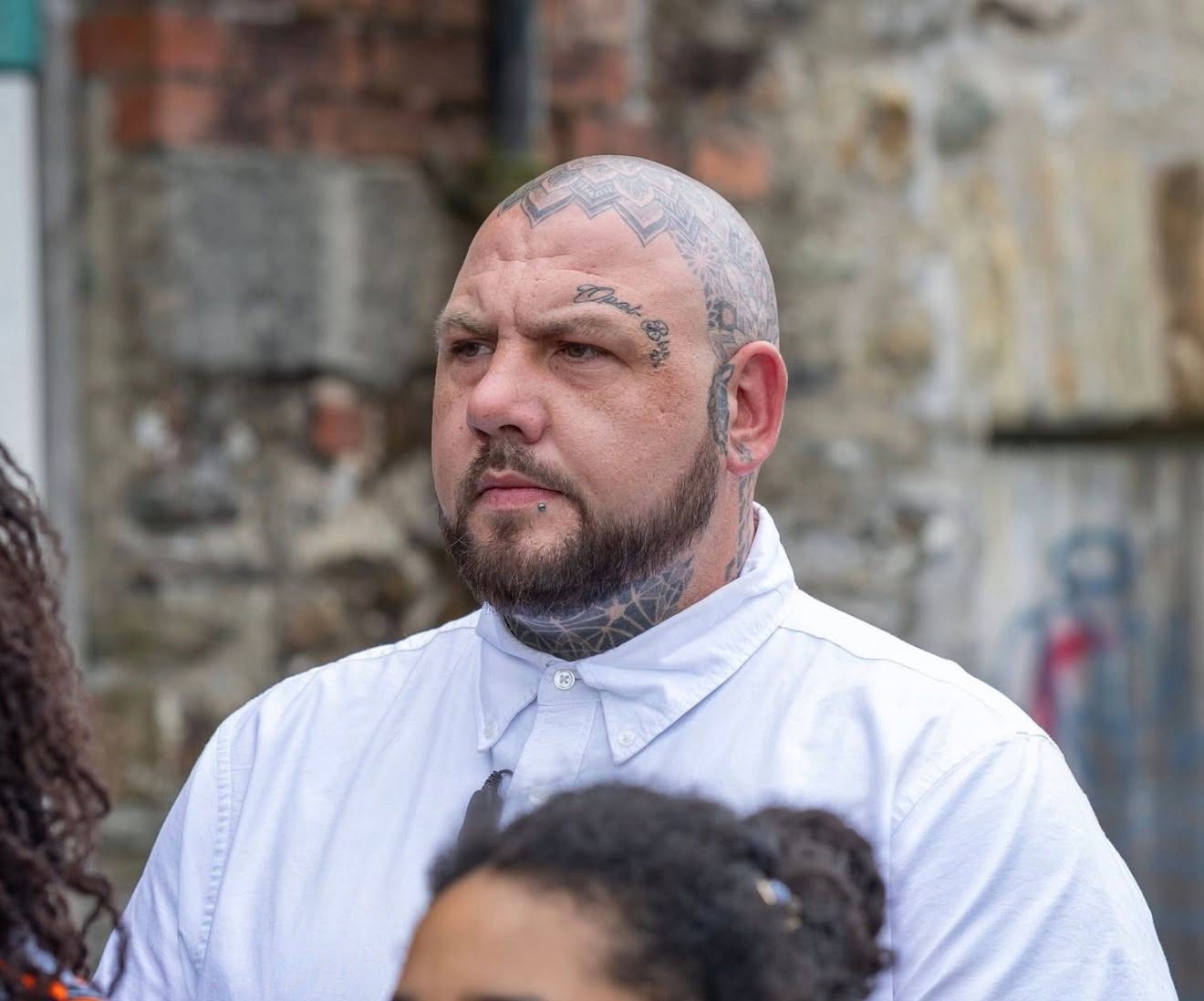
Pembrokeshire security worker Josh Davies praised for professionalism, kindness and proving first impressions can be wrong
JOSH Davies is hard to miss.
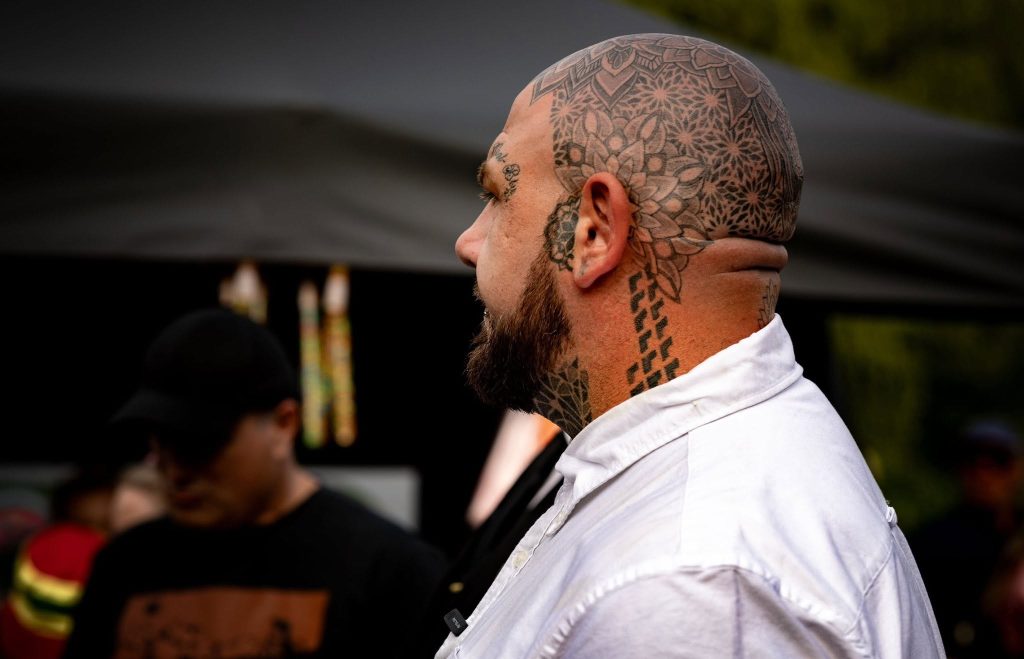
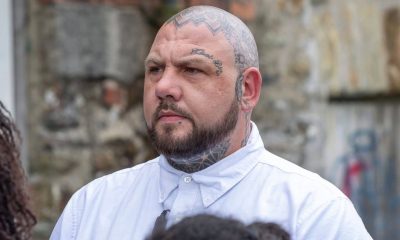
With tattoos across his head, face, neck and hands, he is the kind of man people notice before they know anything about him.
But those who know him, work with him, or have simply crossed paths with him after a long night on duty, tell a very different story.
They describe him as a gentleman. A grafter. A man with a big heart. Someone who would do anything to help another person.
Now Josh, who completed his Door Supervisor course with RM Training and Security Solutions last year, is being praised for the way he has built a career in the security industry and become a valued member of the team.
The Pembrokeshire-based company said Josh had gone “from strength to strength” since gaining his licence, working across licensed venues, events, customer-facing roles, response duties and other security work.
A spokesperson for RM Training and Security Solutions said: “From day one, Josh showed a natural ability for the security industry.
“Since gaining his licence, he has thrown himself into every opportunity presented to him, working across a variety of roles including licensed venues, events, customer-facing positions, response duties, and much more.
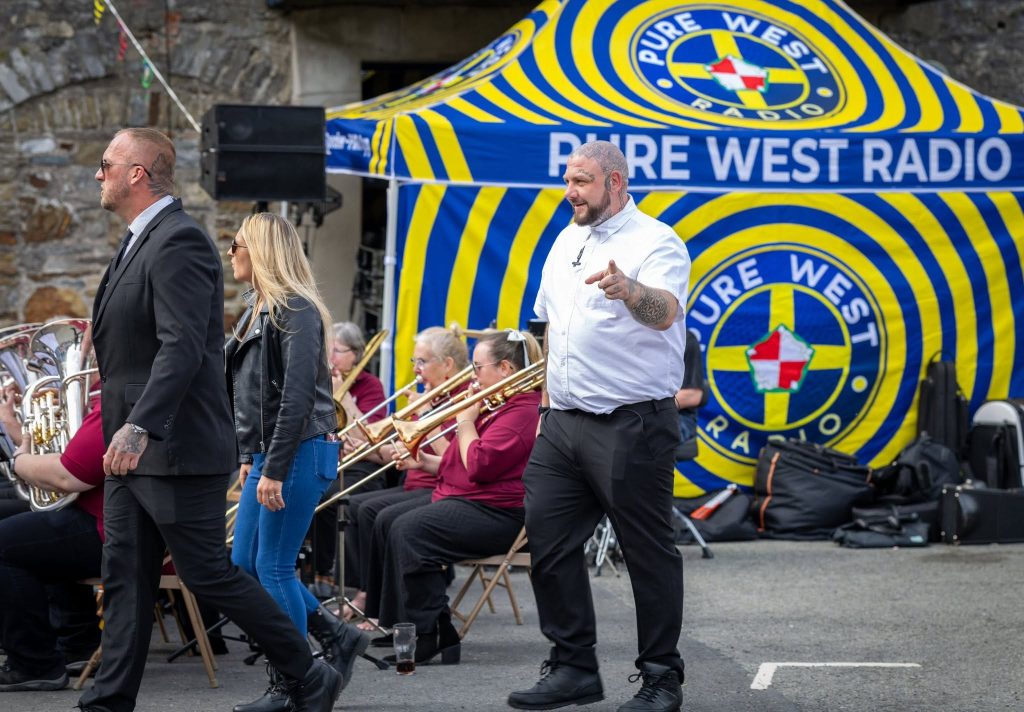
“There genuinely seems to be nothing Josh cannot turn his hand to. His willingness to learn, adaptability, reliability, and positive attitude have made him a valued member of the RM team.”
But it is not only his employers who have noticed.
After RM Training shared Josh’s success story online, dozens of people came forward to praise him, with many saying his appearance should never be mistaken for the man underneath.
One woman said she had met Josh on a Sunday morning after he had finished a night shift.

She said: “He was an absolute gentleman. Someone you would say from first impression of meeting, nice guy, good guy.”
Another person, who said she had known Josh since he was young and treated him like a son, said: “I can’t thank him enough for what he has done for me in my life. He is one in a million.
“People look at him like a big boy, but he has got a heart and he will do anything to help anyone.”
Others described him as a “great bloke”, “absolute gentleman”, “sound bloke”, and someone who was “built to be a doorman”.
In an industry where first impressions, calm judgement and public confidence matter, RM Training said Josh’s professionalism had become one of his strongest qualities.
The company added: “What stands out most is his professionalism. Whether dealing with members of the public, clients, colleagues, or challenging situations, Josh consistently demonstrates the highest standards expected within our industry.
“He represents both himself and RM Training & Security Solutions exceptionally well at all times.
“We are incredibly proud to have Josh as part of the team and look forward to watching his continued growth and success within the security industry.”
Security staff are often seen only when something goes wrong, but much of the work involves preventing problems before they happen, reassuring the public, supporting event organisers, and knowing how to deal with difficult situations calmly.
Josh’s story has struck a chord because it challenges the quick assumptions people can make.
To some, the tattoos may be the first thing they see.
To those who know him, they are simply part of a man who has worked hard, taken his chance, and earned respect through his attitude and actions.
One supporter summed it up simply: “Life loves a grafter.”
Photo caption:
Josh Davies has been praised by RM Training and Security Solutions and members of the public for his professionalism and kindness (Pics: DarthMartyMedia).
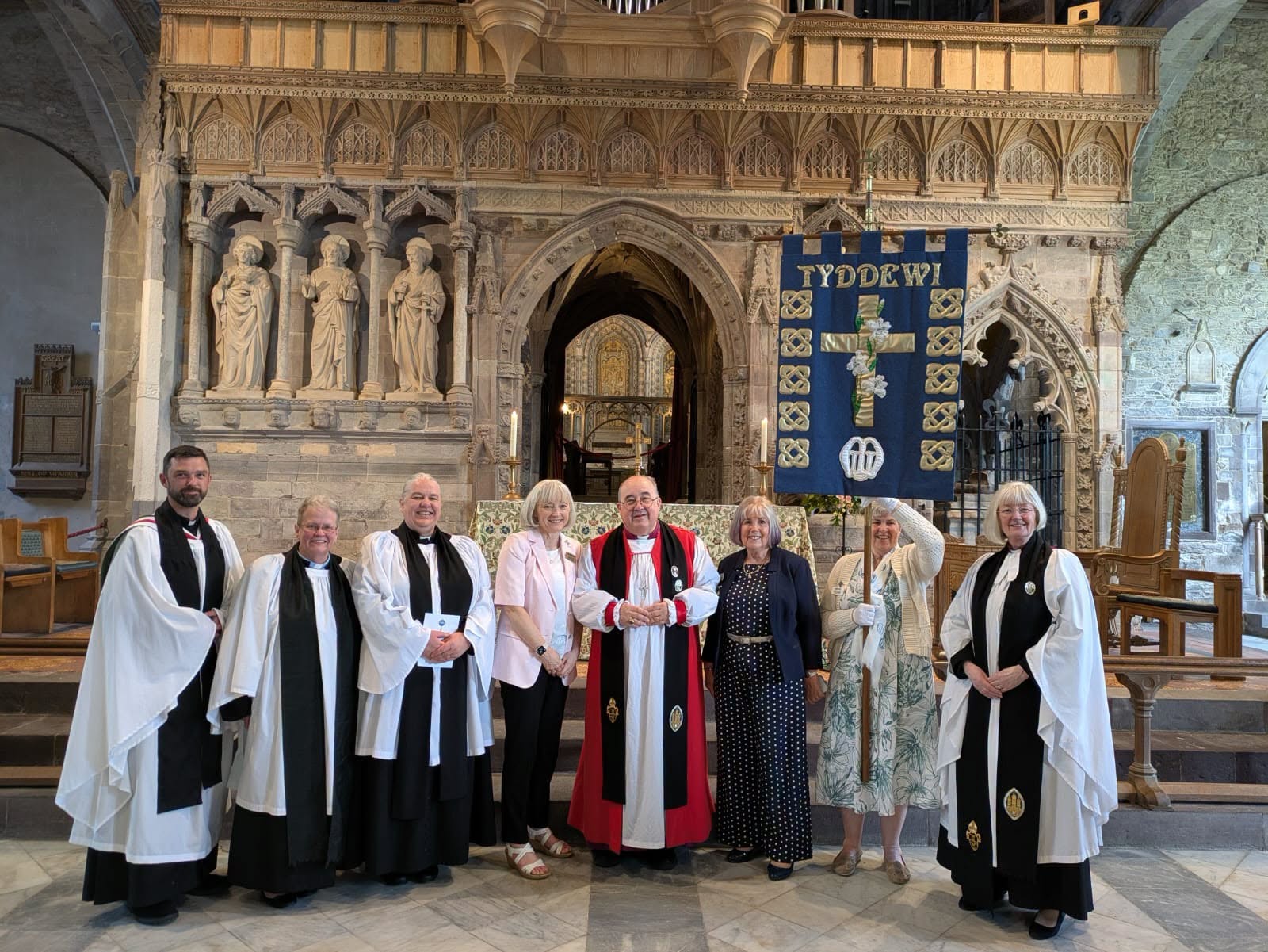
A SPECIAL service has been held at St Davids Cathedral to celebrate 150 years of the Mothers’ Union.
Members and officials gathered for the anniversary celebration on Sunday (Jun 21), where Bishop Dorrien welcomed those attending and spent time speaking with the Provincial Chaplain.
The occasion had particular significance for Bishop Dorrien, who is the third generation of his family to be a member of the Mothers’ Union.
The organisation, founded in 1876, continues to support families, communities and church life across Wales and around the world.
Those attending said the celebration was a fitting tribute to the work of generations of members, with hopes expressed for the next 150 years.
Caption:
Celebration: Members and officials gathered at St Davids Cathedral to mark 150 years of the Mothers’ Union (Pic: Diocese of St Davids).

Free family festival will celebrate Milford Haven’s seafaring history and coastal community
MILFORD WATERFRONT will burst into life on Saturday, June 27, as the first Harbour Fest sails into town for a day of music, food, family fun and maritime celebration.
The free event will run from 10:00am to 6:00pm at Mackerel Quay and across the waterfront, bringing together local traders, live entertainment, coastal organisations and independent businesses for a packed day beside the water.
Organisers say the festival will celebrate everything that makes Milford Haven special, from its seafaring history and working harbour to its growing reputation as a destination for food, shopping, culture and family days out.
Visitors will be able to browse stalls from local makers and producers, enjoy street food and live performances, and explore a Marine Zone featuring organisations involved in sea safety, marine conservation and coastal life.
The Marine Zone will include Seagrass Network Cymru / Project Seagrass, Pembrokeshire Coastal Forum, Mid and West Wales Fire and Rescue Service, Dyfed-Powys Police, NCI Wooltack Point, Rudders Marine Training, RNLI Milford Haven and RNLI Angle Lifeboat.
RNLI Angle Lifeboat is expected to be based on the Mackerel Stage, while the Sea Cadets will be giving rope-tying displays at Milford Haven Museum, where craft activities will also be taking place.
Live entertainment will run throughout the day, with performances from Tom & Abz, Will Scott, Ryan Bristow, Milford Haven Town Band, Kyle Kirkhouse and ShantyJacs Sea Shanties.
Businesses across the waterfront are also joining in. All Pets Vet Care will hold a family-friendly open day with a bouncy castle, treasure hunts, quizzes, craft activities and behind-the-scenes tours. Aurora Artisan Crafts will host vocal performances, Biffy’s Bar & Restaurant will feature solo acoustic music from Laurence Lewis, and Martha’s Vineyard will offer seafood street food with live music from Ryan Bristow and Steve Bartram.
At Tŷ Milford Waterfront’s outdoor plaza there will be face painting, children’s activities, pop-up artists and an afternoon DJ set, while Phoenix Bowl and Pirate Pete’s Adventure Play will have inflatables and glitter tattoos outside.
The Waterfront Gallery will host introduction to felt-making workshops with textile artist Carole Fletcher, giving participants the chance to create a woollen felt flower pin brooch or phone/glasses case. The workshops start at 10:30am, 1:00pm and 3:30pm and cost £5 per person.
A wide range of traders will also be attending, including 5th Flock Spirits Co, Cinnamon Grove Distillery, Cwm Deri Wines & Liqueurs, Ferncraft, Get Loaded, J.J. Pottery, Major Nuts, Orange Garden Design, Pembrokeshire Chilli Farm, Pembrokeshire Gold, Pembrokeshire Lottery, Plumstone Welshcakes and SlateArtSJ.
With music drifting across the marina, food stalls lining the waterfront and lifeboats, sea safety teams and coastal groups adding a strong maritime flavour, Harbour Fest is expected to bring a lively summer atmosphere to one of Pembrokeshire’s best-known waterside destinations.

Organisers say the event is suitable for families, friends and visitors of all ages, with plenty to see and do throughout the day.
Photo caption: Harbour Fest will take place at Milford Waterfront on Saturday, June 27 (Pic: Milford Waterfront).


Community2 hours ago
The gentle giant behind the tattoos
Pembrokeshire security worker Josh Davies praised for professionalism, kindness and proving first impressions can be wrong JOSH Davies is hard...


Charity1 day ago
Toy Story fans fill charity toy box at Haverfordwest cinema
Donations pour in for SNAP Specialist Play as families embrace Toy Story 5 launch A TOY STORY-themed charity appeal at...

Community1 day ago
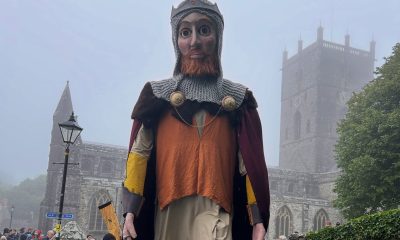
Lord Rhys emerges from the mist in St Davids
Giant puppet begins historic journey marking 850 years since the first Eisteddfod MIST swirled around St Davids Cathedral on Friday...

News2 days ago
Tragic tribute paid to Haverfordwest man after A4075 collision
FAMILY REMEMBERS “KIND AND LOVING” CALLUM HANSON THE FAMILY of a 22-year-old man from Haverfordwest who died following a road...

News3 days ago
Motorcyclist, 22, dies in A4075 crash in Pembrokeshire
A 22-year-old woman remains in hospital after two-vehicle collision A MOTORCYCLIST has died following a serious two-vehicle crash on the...

Community3 days ago
Why police will be visiting every home in Pembrokeshire
New operation aims to knock on more than 257,000 doors across Dyfed-Powys over the next three years DYFED-POWYS POLICE has...


Crime3 days ago
Prisons at breaking point: MPs warn Wales is paying the price of a failing system
Frozen healthcare budgets, overcrowded jails, homelessness on release and mounting pressure on staff are undermining rehabilitation across Wales, according to...


News4 days ago
Brexit at 10: How Britain was sold a dream that cost us dearly
A decade after the referendum, the promised benefits remain hard to find while the economic costs are increasingly difficult to...

Crime4 days ago
Worcestershire man jailed after violent attack on woman in Tenby
Defendant was already serving a suspended sentence when serious assault took place A WORCESTERSHIRE man has been jailed for more...


Climate4 days ago
Offshore wind ‘could bring new generation of jobs to Milford Haven’
Pembrokeshire ports and Celtic Sea projects placed at centre of Wales’ green energy ambitions MILFORD HAVEN and Pembroke Dock could...
-
 Community7 days ago
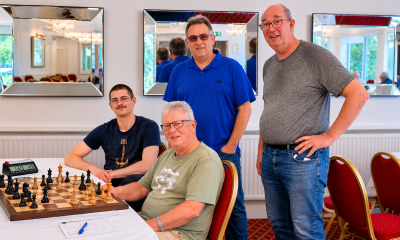
Pembrokeshire Chess Club crowned Welsh champions
-

 Crime3 days ago
Milford Haven man jailed for breaching domestic violence protection order
-
 Local Government5 days ago
Security privately arranged by Mayor at Beating of the Bounds
-

 News3 days ago
Crash on Freeman’s Way causes school-run chaos across Haverfordwest
-

 Crime5 days ago
Man wanted by court after failing to attend hearing over alleged shop thefts
-
 Crime5 days ago
Man banned from roads after drink-driving offence
-

 Crime5 days ago
Man jailed after admitting strangulation and assaults
-
 Crime5 days ago
Drug trafficker must repay £33,000 after court rules he made nearly £500,000