


Politics
First Minister grilled about £4.8bn benefit cuts

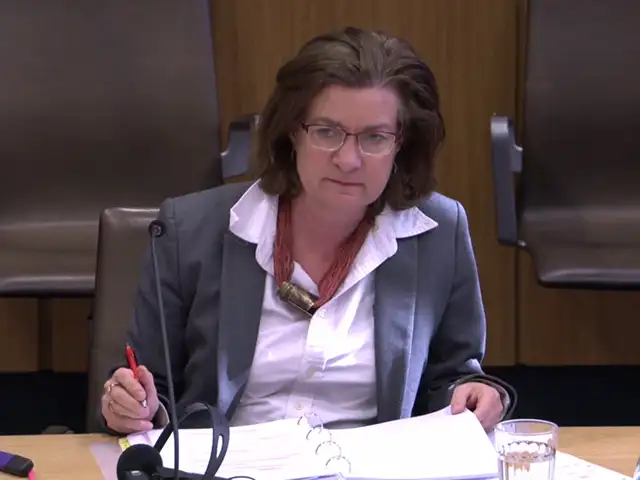
SENEDD Members pressed Wales’ First Minister about the Labour UK Government plans to slash spending on welfare by £4.8bn a year by the end of the decade.
Plaid Cymru’s Llŷr Gruffydd questioned Eluned Morgan about reforms announced in this week’s spring statement during a scrutiny committee meeting on March 27.
He said: “Disabled people are particularly going to be hit by this. Three million families are going to lose out financially, a quarter of a million people are going to be thrown into poverty, 50,000 of those children. Why did you support the changes?”
“Hang on, let’s be clear,” the First Minister responded. “This is a non-devolved area, so I am not accountable for what goes on in relation to the welfare situation.
“What I do know is that it would be a good thing to have more people in work in Wales, our employment is not nearly as good as some other countries.”

Baroness Morgan told the committee she was yet to receive a response to a letter she sent Liz Kendall, the UK work and pensions secretary, seeking clarity on the impact in Wales.
“I don’t think trapping people in welfare poverty is a great position either,” she said. “I think we’ve got to support people to get out of the poverty trap.”
Pressed on whether she supports the changes outlined by the UK chancellor, Baroness Morgan replied: “I’m yet to get a firm understanding of how that will impact on Wales and until I’m clear about the impacts I want to reserve my position in relation to that.”
Mr Gruffydd countered: “Well, that’s very different to what the secretary of state said because she’s on record as saying ‘the First Minister wrote supporting the reforms and I was really pleased to see backing for those reforms’. So is she wrong?”


The First Minister, who has been in post for about eight months, repeated her position, warning of “huge, unsustainable” increases in the number of people claiming benefits.
Asked about a phone call with No 10 to raise her concerns, Baroness Morgan said she could not remember who she spoke to but it was not prime minister Keir Starmer.
“You can’t even tell us who you spoke with about it?” Mr Gruffydd asked. “You’re the one who was on the phone but you’re not sure who you talked to?”

Baroness Morgan told the committee she speaks to hundreds of people every day and has “armies of people” who set up meetings, saying she would provide a list of names.
Mr Gruffydd pressed the First Minister on her claims to have influenced welfare reforms, asking precisely what she persuaded the UK Government of.
She responded: “I set out, gave them a sense of the concentration of the numbers of people who are on, in particular, sickness benefits in some of our communities.”
She added: “I’m told afterwards that that did help to inform their decision making.”
Mr Gruffydd warned the reforms will have a disproportionate impact on people, putting a huge strain on services and leaving Wales “floundering to pick up the pieces”.
Baroness Morgan reiterated that she is reserving her judgement, saying: “I just think it’s fascinating that I’m constantly asked about what’s happening in Westminster. Hold me to account for things I’m responsible for.”
Mr Gruffydd said: “But you’re the one who’s been talking about a ‘partnership in power’ between Labour in Cardiff and Labour in London.”
The First Minister pointed to £1.6bn extra for public services in the Welsh Government’s 2025/26 budget as an example of the influence on colleagues in Westminster.
The Conservatives’ Mark Isherwood warned autistic and other neurodivergent people are terrified by the announcement and the implications for their lives.

Andrew Jeffreys, director the Welsh treasury, said the only prior engagement on the reforms was a conversation finance secretary Mark Drakeford had on the morning of the statement.
Mr Gruffydd raised the Welsh Government’s written response to the spring statement, which claimed households will be £500 better off on average by 2030.
Asking how ministers arrived at the figure, he said: “Yet, the Resolution Foundation has said, because the benefits cuts fall disproportionately on lower-income households, it’ll mean an average annual loss of £500 by 2030 for those in the poorest half of the population.”
Baroness Morgan said: “I don’t think there is a contradiction there … the average family will be £500 better off. I recognise that there will be families who will be impacted.”
She reiterated: “Well, look, as I say, we’re days into knowing this situation. We still don’t have a clear picture of how it’s going to impact on us.”


Reform UK leader denies wrongdoing as parliamentary watchdog examines undeclared payment
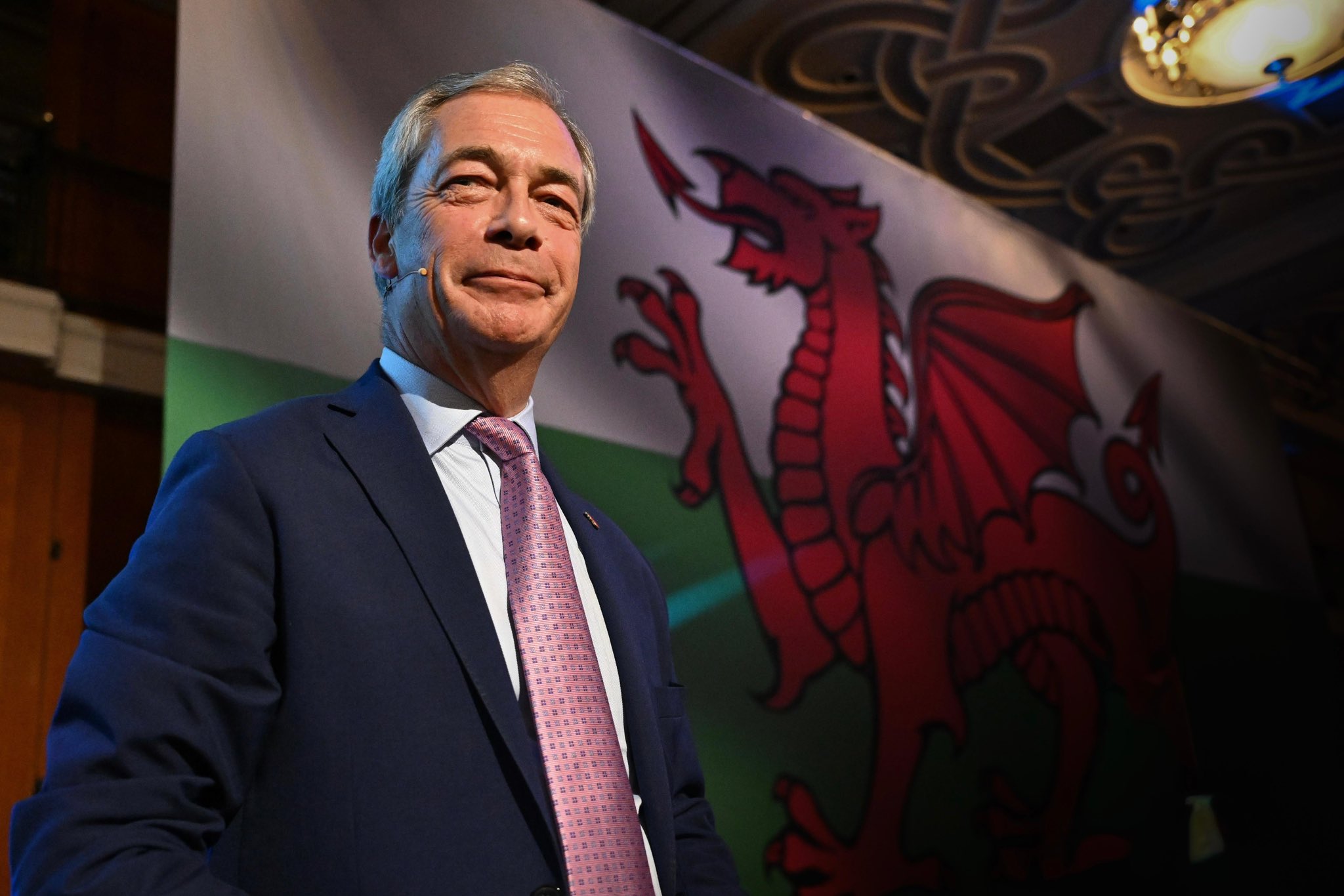
NIGEL FARAGE is facing a parliamentary standards investigation over a £5 million gift from a major Reform UK donor.
The Reform UK leader, who has been MP for Clacton since July 2024, was referred to Parliamentary Commissioner for Standards Daniel Greenberg after reports emerged that he had received a previously undeclared payment from Thailand-based cryptocurrency investor Christopher Harborne in 2024.
The investigation is understood to relate to the rules requiring MPs to register relevant financial interests, including certain benefits received in the 12 months before entering Parliament.
Mr Farage has strongly denied wrongdoing and has said the money was a personal, unconditional gift connected to his safety and security, not his political activity.
A Reform UK spokesman said: “Mr Farage’s office is in communication with the Parliamentary Commissioner for Standards.
“He has always been clear that this was a personal, unconditional gift and no rules were broken.
“We look forward to this being put to bed once and for all.”
Mr Harborne has previously been identified as a significant donor to Reform UK. Reports say the £5 million payment was made before Mr Farage announced he would stand in Clacton at the 2024 general election.
The opening of an investigation does not mean Mr Farage has been found to have breached parliamentary rules.
However, the case is politically sensitive because of the size of the payment and because of Mr Farage’s prominent role as leader of Reform UK.
If the commissioner ultimately finds there has been a breach, the matter could be dealt with by correction in less serious cases, or referred to the Commons Standards Committee in more serious circumstances.
In the most serious cases, MPs can face suspension from the House of Commons. A suspension of ten sitting days or more can trigger a recall petition, potentially leading to a by-election if enough constituents sign it.

Mr Farage has previously been subject to a standards rectification process over late declarations of financial interests. The latest inquiry comes at a time of heightened scrutiny over political donations and party funding, with Reform UK under growing attention as it seeks to build on recent electoral gains.
Mr Farage remains entitled to the presumption that no breach has occurred unless and until the parliamentary standards process reaches a conclusion.
Ministers accused of paving the way for closer EU alignment without full Commons scrutiny
THE UK GOVERNMENT has unveiled plans which critics claim could quietly reverse key parts of Brexit by allowing EU rules to be adopted into British law without a full parliamentary vote.
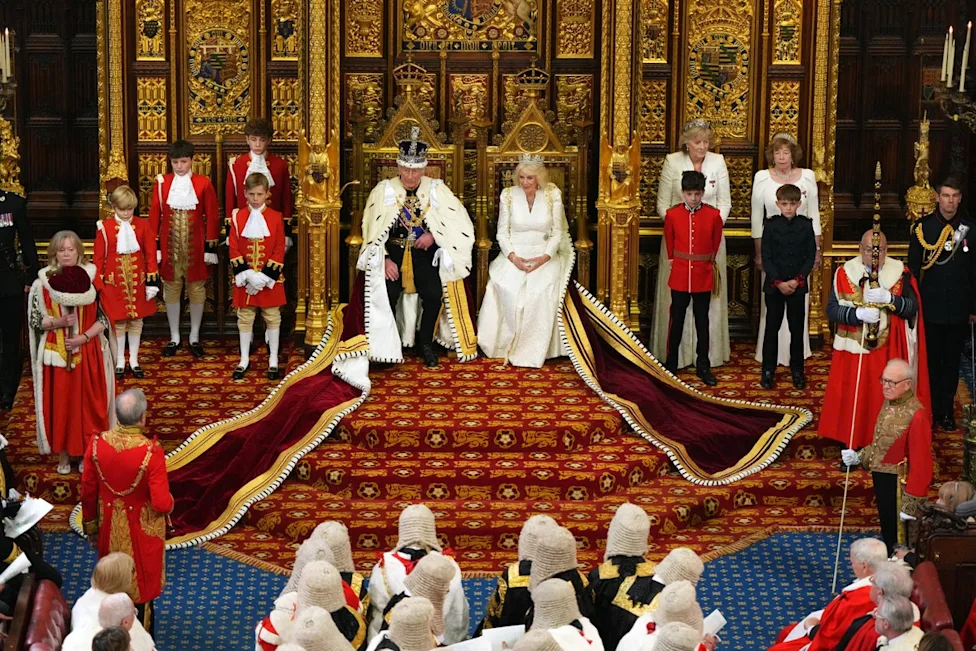
The controversial proposal was included in King Charles III’s speech to Parliament on Wednesday (May 13), through legislation titled the European Partnership Bill.
The Bill is designed to create a legal framework allowing future agreements between the UK and the European Union to be implemented more quickly — including planned deals on food standards, energy emissions and youth mobility.
Government officials argue the legislation is needed to support economic growth and strengthen ties with Europe after years of strained post-Brexit relations.
However, Brexit supporters and several commentators have warned the powers could allow ministers to sidestep meaningful scrutiny by MPs when adopting future EU-aligned regulations.
The move comes as Prime Minister Sir Keir Starmer signals a major shift in Britain’s relationship with Brussels following Labour’s difficult local election results last week.
Speaking earlier this week, Starmer said he wanted Britain back “at the heart” of Europe and described upcoming UK-EU agreements as a “big leap forward.”
Food, youth mobility and emissions deals planned
Negotiators are expected to meet in Brussels this summer for the second annual UK-EU summit, where both sides hope to agree new co-operation arrangements.
Among the proposed deals are:
• A new veterinary and food standards agreement designed to reduce border checks and ease imports and exports
• A closer emissions trading arrangement with the EU

• A youth mobility scheme allowing young Britons to live and work more easily across Europe
The Government claims the food agreement alone could boost the UK economy by £5.1 billion, with wider agreements potentially worth up to £9 billion overall.
Business groups including the British Chambers of Commerce have welcomed the proposals, arguing they could reduce costs for firms and consumers.
William Bain, the BCC’s head of trade policy, said quicker and simpler trade with Europe was essential for economic growth and lowering household prices.
Brexit fears reignited
Critics say the legislation could represent the clearest sign yet that Labour intends to gradually realign Britain with EU structures.
During questions from journalists this week, Starmer declined to rule out future membership of either the EU single market or customs union appearing in a future Labour manifesto — both previously ruled out under earlier Labour leadership.
That has fuelled speculation that Britain could move steadily closer to the EU over the coming years, despite Brexit remaining one of the most divisive political issues in modern British history.
The proposed youth mobility scheme has also drawn criticism from some immigration hardliners, who argue it could become a backdoor route to restoring freedom of movement.
The Government insists the plans are about practical co-operation rather than reversing Brexit itself.
But with ministers now seeking powers to rapidly introduce EU-linked regulations into domestic law, opponents say the political battle over Brexit may be far from over.
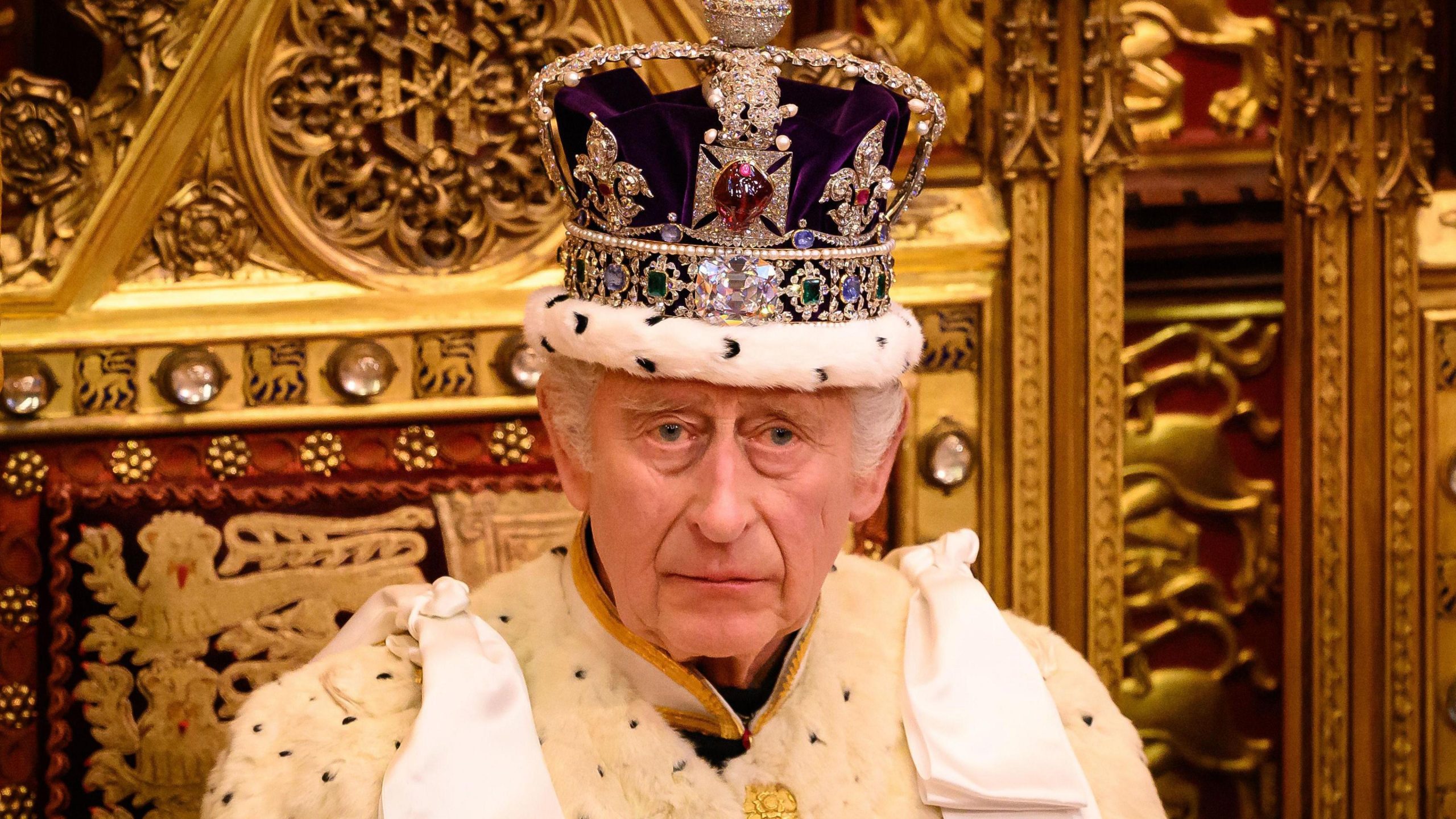
UK GOVERNMENT says Wales will be central to a new legislative programme focused on energy independence, rail investment, policing, defence and economic growth.
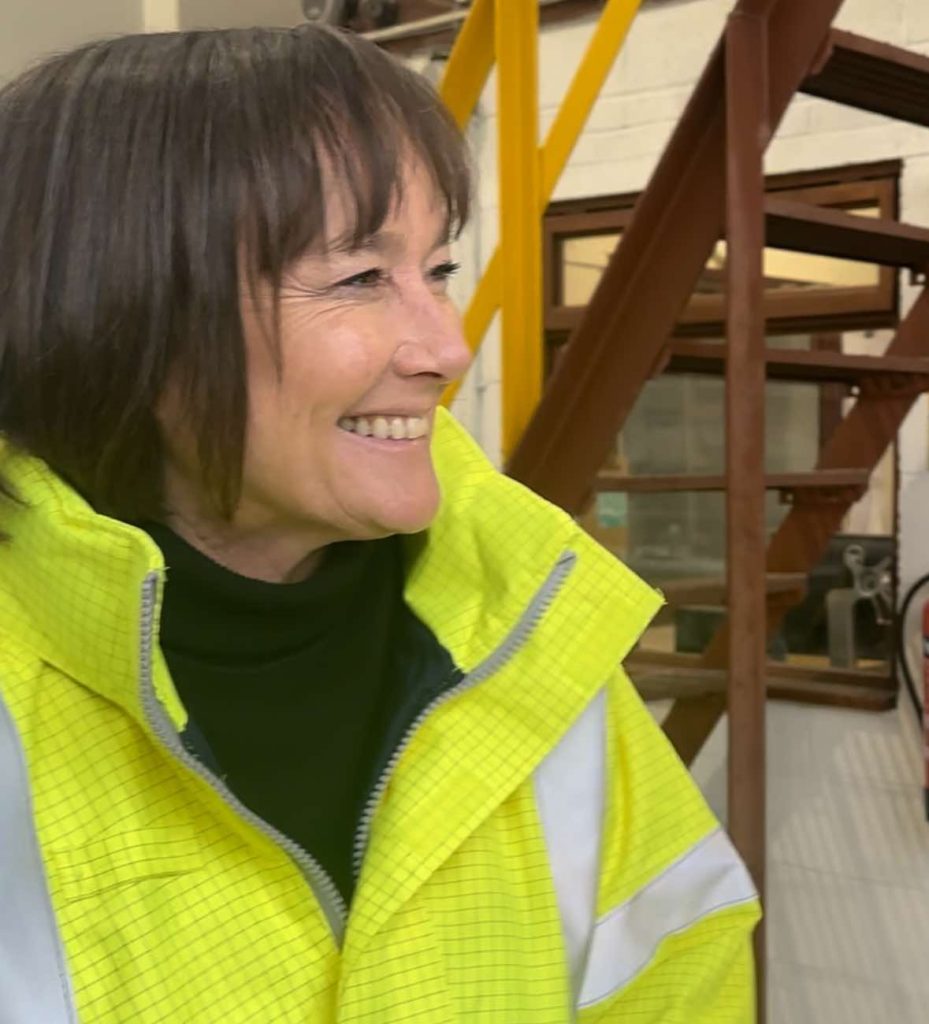
Secretary of State for Wales Jo Stevens said the King’s Speech, delivered on Wednesday (May 13), set out an “ambitious plan” for the country, with measures aimed at tackling the cost of living, creating jobs and strengthening national security.
The programme includes an Energy Independence Bill, which the UK Government says will support clean power projects across Wales, including floating offshore wind in the Celtic Sea and new nuclear development at Wylfa.
Ministers say the plans are intended to reduce energy bills, secure domestic energy supplies and create skilled jobs in communities across Wales.
Ms Stevens said: “The King’s Speech sets out how the UK Government is building a stronger, fairer, future for Wales by tackling the cost of living, creating good jobs and driving economic growth.
“Our Energy Independence Bill puts Wales at the heart of our clean energy mission. Alongside floating offshore wind in the Celtic Sea and new nuclear in Wylfa, we are working to cut energy bills, create new jobs and secure the UK’s energy independence.”
Rail investment
The King’s Speech also includes a Railways Bill, which the UK Government says will support its £14bn plan to transform rail infrastructure in Wales.
The Wales Office says the proposals will improve journeys, connect communities and support 12,000 jobs.
Rail infrastructure has long been a major political issue in Wales, with repeated criticism over historic underinvestment, poor connectivity between north and south Wales, and the long-running dispute over whether Wales received a fair share of funding from major UK rail projects.
Ms Stevens said: “Our Railways Bill will help deliver our £14bn plan to transform rail infrastructure in Wales, improving journeys, connecting communities and supporting 12,000 jobs.”
Police and defence
The programme also includes the Police Reform Bill, which the UK Government says will put more officers on the streets and strengthen public safety.
Defence spending is also set to rise, with ministers saying the measures will improve national security while supporting Welsh service personnel and veterans through better services and housing.
Ms Stevens added: “We are also strengthening our national security with increased defence spending, putting more police on our streets with the Police Reform Bill, and supporting our Welsh service personnel and veterans with better services and housing.
“This is an ambitious plan that delivers for every part of Wales.”
Political test
The announcement comes at a significant moment for Wales, following major political change in Cardiff Bay and renewed pressure on both the UK and Welsh governments to deliver on public services, housing, transport and economic growth.
The focus on energy and rail is likely to be welcomed by industry and unions, but ministers will now face questions over delivery, timescales and whether the promised investment reaches communities across Wales.
The UK Government will argue that the King’s Speech shows Wales is central to its wider economic plan. Opposition parties are expected to scrutinise whether the legislation goes far enough, particularly on energy bills, public transport, policing and support for households still facing cost-of-living pressures.


News5 hours ago
State Opening overshadowed by Starmer leadership crisis
KING CHARLES has arrived at Parliament for the State Opening as Sir Keir Starmer faces the most serious crisis of...

News1 day ago
Rhun ap Iorwerth becomes Wales’ new First Minister
PLAID CYMRU TAKES POWER AFTER HISTORIC SENEDD VOTE PLAID CYMRU leader Rhun ap Iorwerth has become Wales’ new First Minister...

News1 day ago
Hotel was hit during a Luftwaffe bombing raid
THE COMMEMORATION, held on Tuesday (May 12), marked the anniversary of the wartime attack, with members of the community gathering...

News1 day ago
Starmer fights for survival as Labour civil war erupts
Cabinet split, ministers resign and MPs revolt as pressure mounts on Prime Minister after disastrous election losses KEIR STARMER is...

News2 days ago
Starmer accused of ignoring Wales in major ‘reset’ speech
Prime Minister pledges EU reset, British Steel nationalisation and youth jobs guarantee — but critics say Wales was left out...

Community3 days ago
Concern grows after child hospitalised following Tenby sea swim
PARENT SAYS BOY BECAME SERIOUSLY ILL AFTER SWIMMING DURING FAMILY VISIT CONCERN is growing in Pembrokeshire after a parent claimed...

News3 days ago
Rhun prepares for clash with Starmer as Plaid eyes power in Cardiff Bay
PLAID CYMRU leader Rhun ap Iorwerth has signalled he is ready for confrontation with Prime Minister Keir Starmer after the...

News4 days ago
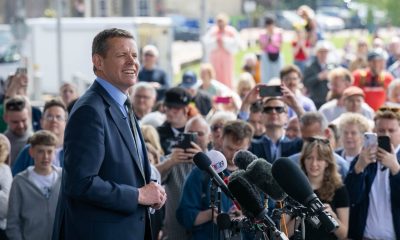
Plaid Cymru celebrates historic victory as Rhun ap Iorwerth arrives at Cardiff Bay
CROWDS gathered outside the Senedd as Plaid Cymru leader Rhun ap Iorwerth arrived in Cardiff Bay following his party’s historic...


Crime4 days ago
Police standoff ends after four-hour incident in Pembroke Dock
ELIZABETH COURT SCENE STOOD DOWN AFTER DOMESTIC INCIDENT A FOUR-HOUR police standoff in Pembroke Dock has ended with a 21-year-old...


Crime4 days ago
Teen denies attempted murder of Milford Haven teacher
TEENAGER REMANDED AHEAD OF JULY TRIAL A 15-YEAR-old boy has denied attempting to murder a teacher during a stabbing incident...
-

 Crime7 hours ago
Man threatens to torch Silverdale Lodge through ‘demon drink’, court hears
-

 Crime6 days ago
Racial abuse suspect barricaded himself inside Johnston lodge
-

 Local Government6 days ago
Tenant says botched wetroom repair left her fearing flooding
-
 Crime6 days ago
Milford Haven woman denies causing suffering to cat
-
Crime4 days ago
Police standoff ends after four-hour incident in Pembroke Dock
-
 Local Government2 days ago
Council leadership hopeful responds after anti-Tory rally photos surface
-

 Crime4 hours ago
Man sentenced for stalking women and threatening to torch home
-
Community3 days ago
Concern grows after child hospitalised following Tenby sea swim