


Features
‘We weren’t wild. We were unprotected’: A generation groomed and forgotten


Trigger warning: This article contains graphic references to child sexual abuse, grooming, and trauma.
WE were the first kids online. Dial-up tones. MSN Messenger. Webcams balanced on bulky monitors. No rules. No warnings. No one watching.
And the predators? They found us before our parents even knew what a USB was.
It started in the chatrooms. Kids Chat. AOL. Yahoo. We’d log in at nine, say we were fourteen, and within minutes we were being asked:
“What are you wearing?”
“You’re cute.”
“Show me.”
They showed themselves too. Full-grown men — not eighteen, not twenty-one — men in their thirties, forties, sixties. They told us we were special. Mature. Beautiful. And we believed them — because nobody told us not to.
It became normal
It didn’t feel like grooming. It felt like attention. Excitement. Thrill. Fear. Shame. All tangled together in a way that still knots up in my chest to this day.

We started meeting them. Men with cars. Men with drinks. We lied about our ages, because that’s what girls did. We said we were sixteen when we were thirteen.
But the truth? We looked ten. And they knew it.
We thought we loved it. That’s what they made us believe. That wasn’t informed consent — that was childhood confusion weaponised.
It became so normal it was daily. The damage was done before we even knew we were bleeding.
He could’ve killed me
He was “Ben” (Not his real name).
He was much older Asian man. We’d seen him once, walking home. He offered a lift. There were a few of us, so we got in. Young. Naïve. Stupid. But kids.
The next time, I went alone.

He picked me up. Drove me to a secluded spot — dark, empty, silent. My gut screamed. Everything in me said run. But I was trapped in his car.
He leaned in. Tried to kiss me. Grabbed at me. Pressured me. His hands. His breath. His force.
I froze. So I lied.
Pretended my sister was calling. Faked a conversation. Loudly said where I was — just in case. He hesitated. Maybe it scared him. Maybe it didn’t. But he drove me home.
The moment we hit my estate, I opened that door before the car even stopped and ran like hell.
Because I truly believed — if I hadn’t — he’d have raped me. Or worse.
Twenty men. Two girls. No way out
J said she knew them.
“They’re alright,” she said. “It’s fine.”
They were foreign men. They picked us up — two teenage girls — and took us to a house.
When we walked in?
More than twenty men. All older. All staring.
Something was wrong. The air was heavy. We were offered drinks. I told J not to take it. She did anyway.
Then we were on the move again — to another house, just the two original men now. We followed, confused. Upstairs. Into a bedroom.
It became clear, fast.
This wasn’t a hangout. This was a setup.
I grabbed J’s arm and said, “We’re going.”
We ran. Pushed past the men. Jumped over them on the stairs. Flew out the door and didn’t stop.
We called two older guys we knew — the only people we could think of.
They picked us up. Got us out of there.
It was over. But it never really was.
Because we were just kids. And it had become normal to be in danger.
They said we were naughty girls
I once tried to speak out. I’d had enough. I cracked. I told someone. And they didn’t believe me. Worse — they blamed me.
I was unstable. Dramatic.
“You loved the attention.”
“It’s your fault.”
“You were asking for it.”
Even now, when I talk to girls I grew up with, they ask:
“Was it really grooming?”
“We were naughty, weren’t we?”
“Did that really happen to us?”
Yes. Yes, it did.
That is the sound of an entire generation gaslit by silence.
We were groomed — online and offline — while every adult in the system looked away.
What the system never saw — because it wasn’t looking
There were no safeguarding policies for what we lived through. No assemblies warning us about “online predators.” No teachers trained in grooming recognition. No systems prepared for what the internet was unleashing.
We were the first generation to be groomed through a screen. And the institutions that were meant to protect us? They were still warning us about strangers with sweets in vans.
While we were being exploited by men in our inboxes, schools were still showing us cartoon leaflets about “saying no to drugs.” Police didn’t know what screenshots were. Social workers weren’t trained in digital abuse. And the law? It barely existed.
The internet was a playground — but predators were the only ones who read the rules.
The internet grew — but protection didn’t
By the time adults caught up, the damage was done. We weren’t seen as victims — we were labelled problems.
Disruptive. Promiscuous. Attention-seeking.
Our trauma was punished. Not supported. Not believed. Not understood.
They didn’t ask why we were spiralling. They gave us detentions, suspensions, isolation rooms. They moved us from school to school. They called our parents in. But they never called out the men messaging us at midnight.
We were never asked the right questions
Nobody said:
“Are you okay?”
“Do you feel safe online?”
“Has anyone ever made you uncomfortable in a chatroom?”
We were never taught that being manipulated by a 35-year-old man wasn’t our fault. Instead, we were told to be careful — like we were the problem.
And we internalised that.
For years, we thought we were “naughty.” We laughed it off. We carried the shame. We blamed ourselves — and each other.
But we weren’t being difficult. We were being groomed. And nobody. Ever. Asked.
The legacy we still carry
It didn’t end when the messages stopped. Or when the house door shut. Or when the man drove away.
It stayed with us.
In our nervous systems. In our relationships. In our sense of safety. In the way we second-guess ourselves, even now.
We survived the grooming. But nobody prepared us for the aftermath.
We grew up — but the damage grew with us
The world taught us that what happened to us wasn’t that serious. So we learned to swallow it.
We carried trauma into our teens. Into sex. Into adulthood. Into breakdowns and addiction. Into trust issues and triggered silences. Into: “Why can’t I just get over it?”
And still — it’s rare anyone names it for what it was.
Because we didn’t get groomed today, with safeguarding policies and public outrage. We got groomed back then — in the wild west of the internet, when people thought it was just “girls being flirty.”
No one saw us as victims. So we didn’t know we were.
Even now, we doubt ourselves
That’s the legacy. Not just trauma — but doubt.
We still hear the voices in our heads:
“Was it really that bad?”
“We went along with it, didn’t we?”
“We lied about our age though…”
We repeat the lies we were fed. We laugh when we talk about it, because we don’t know what else to do. We swap horror stories like they’re throwaway memories.
But deep down? We know we weren’t wild. We were unprotected.
And that’s what hurts the most — that we’ve had to live this long wondering if we did this to ourselves.
We didn’t.
This never stopped — it just got easier
Predators didn’t disappear when the dial-up tone died. They evolved — just like the tech did.
Now they don’t need to lurk in AOL chatrooms. They’re on Snapchat. TikTok. Discord. Instagram. Fake names. Disappearing messages. Private servers.
They don’t have to ask for your number. They can reach a 12-year-old from a stranger’s story share or a mutual follow.
They don’t have to drive around looking for vulnerable girls. They scroll for them. They search hashtags like “lonely.” They read comments under selfies.
And the difference now? It’s faster. It’s smarter. It’s constant.
And still — the system hasn’t caught up.
They still count on silence
Grooming follows the same steps it always did:
- Spot the vulnerability
- Build trust
- Create shame
- Exploit silence
- Count on institutions to do nothing
Because that’s what still happens today.
A child discloses abuse? They’re asked what they were wearing. How many people they’d slept with. Whether they were “mature for their age.”
The same grooming culture we lived through — is still being handled with the same doubt, denial, and delay.
The system learns nothing
We’ve had inquiries. We’ve had safeguarding scandals. We’ve had high-profile convictions and public horror.
And yet:
- Police still dismiss “difficult” victims
- Schools still prioritise reputation over protection
- The CPS still drops cases citing “credibility”
- Children are still moved while abusers stay put
We’re still here. Screaming the same things we tried to say twenty years ago — and still being told we’re “complicating things.”
We’re done being quiet — and we’re not asking anymore
We’re not confused anymore. We’re not wondering if it “counts.” We’re not searching for the right words to make it palatable.
We know what it was. It was grooming. Abuse. Neglect. Silence. And it wasn’t our fault.
You don’t get to blame children for being vulnerable. You don’t get to excuse grown men who target trauma. And you definitely don’t get to call it a “failure” when the system was built to look the other way.
This is our reckoning
We’re not asking for awareness. We’re done trying to make this easy to hear. We’re not tiptoeing around reputation or waiting for permission.
We are naming names. We are connecting patterns. We are exposing the blueprint.
This is not a call for more safeguarding leaflets or carefully worded apologies. This is a demand:
Acknowledge us. Protect the next generation. And stop pretending this wasn’t by design.
by Sophie Lewis
Author’s Note:
These events are real and happened in South Wales. If this feels familiar — you’re not alone. Your story matters. Even if you’ve never spoken it out loud. Especially if no one ever believed you.
It was real. It happened. And it wasn’t your fault.
If you’ve been affected by the issues in this article
Help and support are available. You are not alone.
Support services in Wales:
- The Survivors Trust – Offers confidential support for survivors of sexual violence
📞 08088 010 818
🌐 www.thesurvivorstrust.org - Rape Crisis England & Wales – Freephone national helpline
📞 0808 500 2222 (12:00pm–2:30pm, 7:00pm–9:30pm every day)
🌐 www.rapecrisis.org.uk - NSPCC (for children and young people)
📞 0800 1111 (Childline – free and confidential)
🌐 www.childline.org.uk - Live Fear Free (Wales) – Support for anyone affected by domestic abuse, sexual violence or violence against women
📞 0808 80 10 800 (24/7 helpline)
🌐 www.livefearfree.gov.wales - BAWSO – Specialist support for Black and minority ethnic communities in Wales
📞 0800 731 8147
🌐 www.bawso.org.uk


LOCAL HOMEOWNERS will soon be able to see a wide range of windows, doors and glazing products in person as Sapphire Windows & Doors opens a new showroom in Milford Haven.
The family-run company, which has been improving homes across South and West Wales since 1989, will officially open the new showroom on Monday at 11:30am.
The Mayor of Milford Haven will attend the opening to mark the occasion.
The showroom will give customers across Pembrokeshire the chance to view Sapphire’s products up close, compare styles, speak directly to the team and get advice before deciding what is right for their home.
Sapphire supplies and installs double and triple-glazed windows, doors, conservatories and specialist glazing products, including uPVC windows, composite doors, aluminium sliding and bifold doors, timber windows, timber doors, internal doors and conservatory upgrades.
The company says the new Milford Haven showroom has been designed to make the process easier for homeowners who want clear advice, quality products and a trusted local service.
A spokesperson for Sapphire Windows & Doors said: “When people are investing in new windows and doors, it is important they feel confident in what they are choosing.
“The showroom gives customers the chance to see the products properly, talk through the options and get clear advice from our team.”
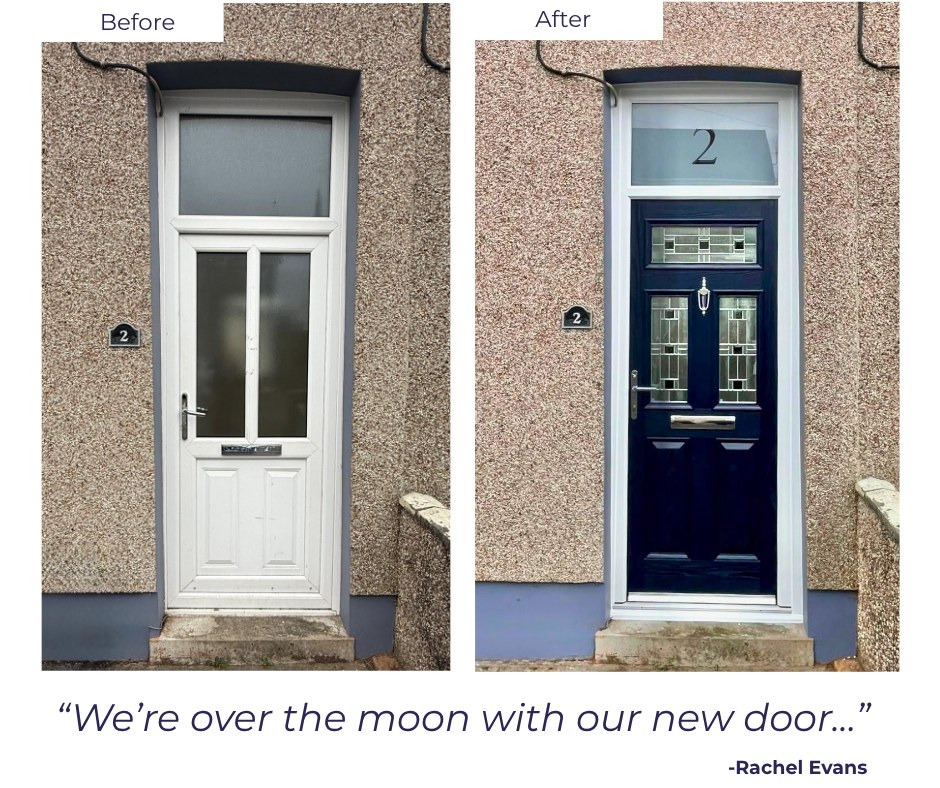
Helping homes stay warmer
For many homeowners, replacing windows and doors is not simply about changing the look of a property.
Older or poorly fitted windows and doors can cause draughts, condensation, heat loss and rising heating bills, as well as reducing security and kerb appeal.
Sapphire says its modern double and triple-glazed products are designed to improve comfort, reduce heat loss and give homes a fresher, more secure finish.
The company also offers conservatory roof replacements, helping customers make existing conservatories more comfortable and usable throughout the year.

In-house installation team
One of Sapphire’s key selling points is that its installers are directly employed and fully trained.
The company says it does not rely on subcontractors, giving customers greater consistency and accountability.
Poor installation can lead to leaks, draughts, condensation and unnecessary repair costs, but Sapphire says its approach is based on careful fitting, quality products and doing the job properly first time.
Every installation comes with a 10-year guarantee and a FENSA insurance-backed warranty.
Family firm since 1989
Sapphire Windows & Doors has built its reputation over more than 35 years by focusing on workmanship, honest advice and customer care.
The company offers free, no-obligation quotes and says it gives customers its best price upfront, with no gimmicks, hidden extras or pushy sales tactics.
That approach has helped the business build long-term relationships with homeowners across South and West Wales, including customers who return for further work or recommend the company to others.
Customer reviews also highlight clear communication, tidy fitting teams and reliable aftercare.
One customer, John Craig, said Sapphire sent a fitter within an hour when his patio doors needed a small adjustment 18 months after installation, describing it as “first class service.”
Others have praised the company for leaving homes clean and tidy after work was completed, as well as for the quality of the products and fitting.
Simple process
Sapphire says its process begins with a free home visit, where the team can assess the property, discuss the customer’s needs and explain suitable options.
Customers then receive a clear quotation before a technical survey is carried out. Products are made to measure before Sapphire’s in-house fitters complete the installation.
Finance options are also available through Phoenix Financial Consultants, subject to status and credit checks.
The new Sapphire Windows & Doors showroom in Milford Haven will open on Monday at 11:30am.
To request a free, no-obligation quote, call 01269 596480, email [email protected], or visit sapphirewindows.info.
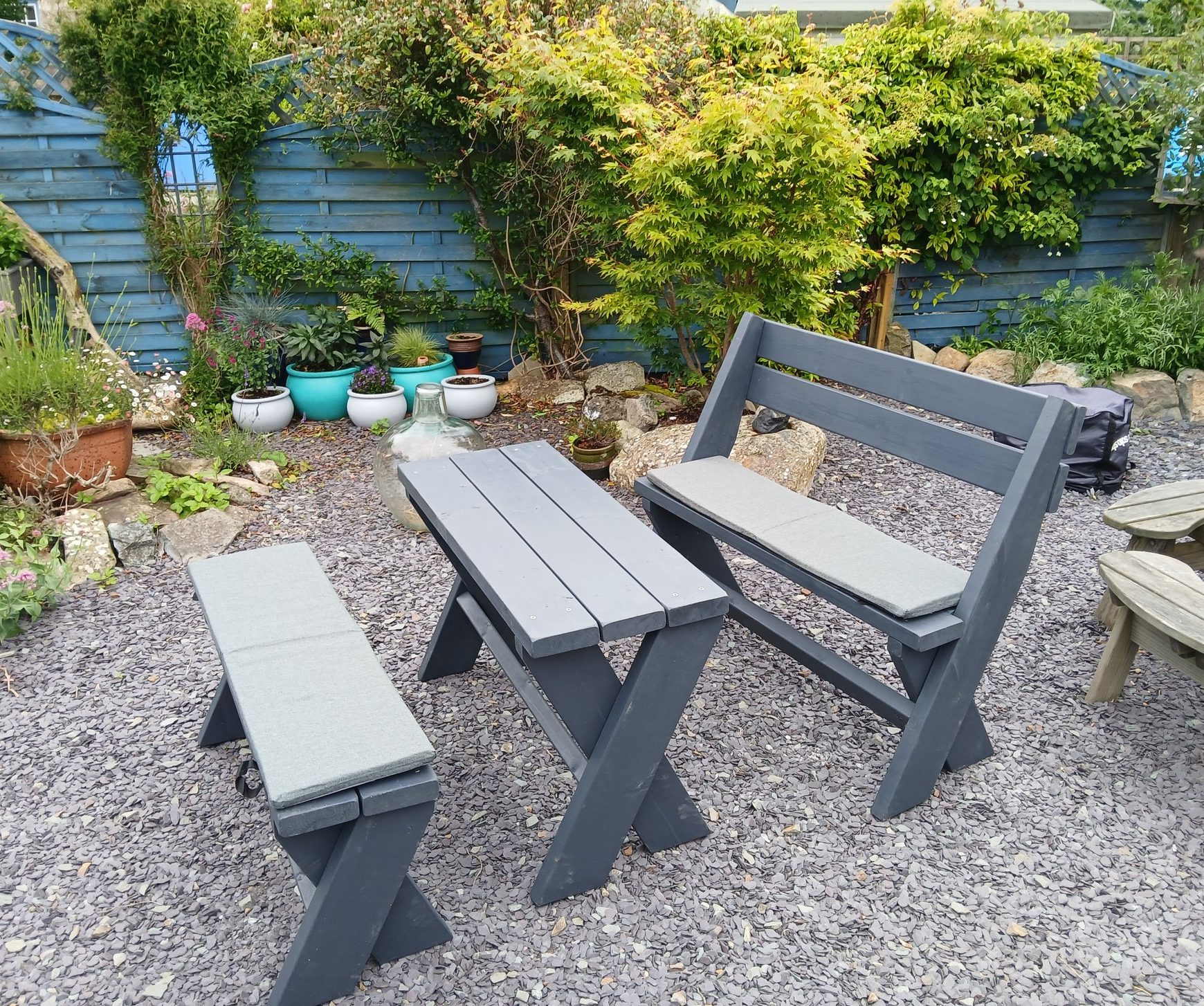
Cardigan-based Pembrokeshire Wooden Garden Company Ltd is winning customers with solid, comfortable and weather-resistant benches, tables and outdoor seating
A LOCAL garden furniture maker is bringing traditional craftsmanship, strength and style to outdoor spaces across Pembrokeshire and west Wales.
Pembrokeshire Wooden Garden Company Ltd, based next to Tivy Tyres on Station Road, Cardigan, specialises in handcrafted wooden benches, garden tables and outdoor seating built for real everyday use.
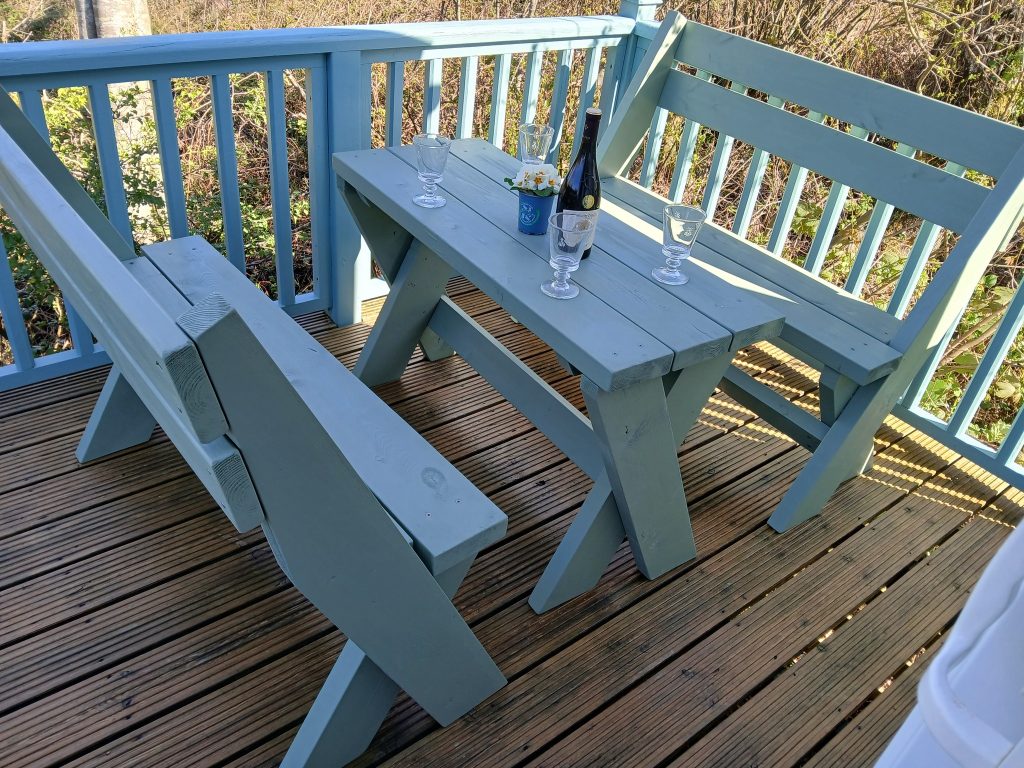
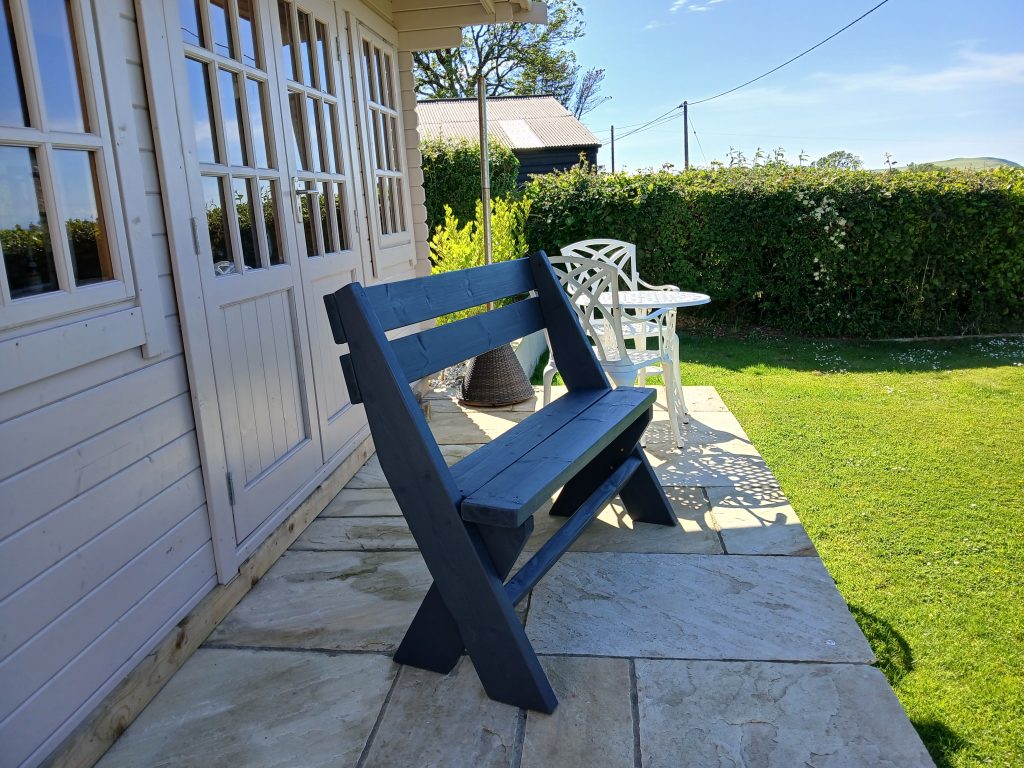
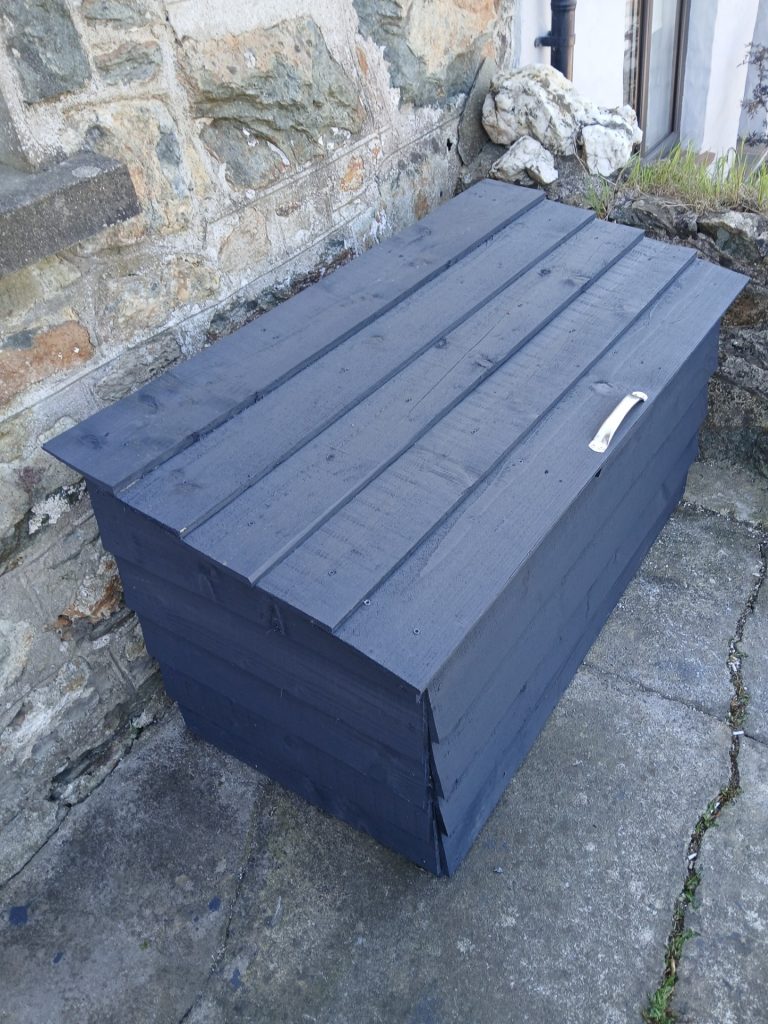
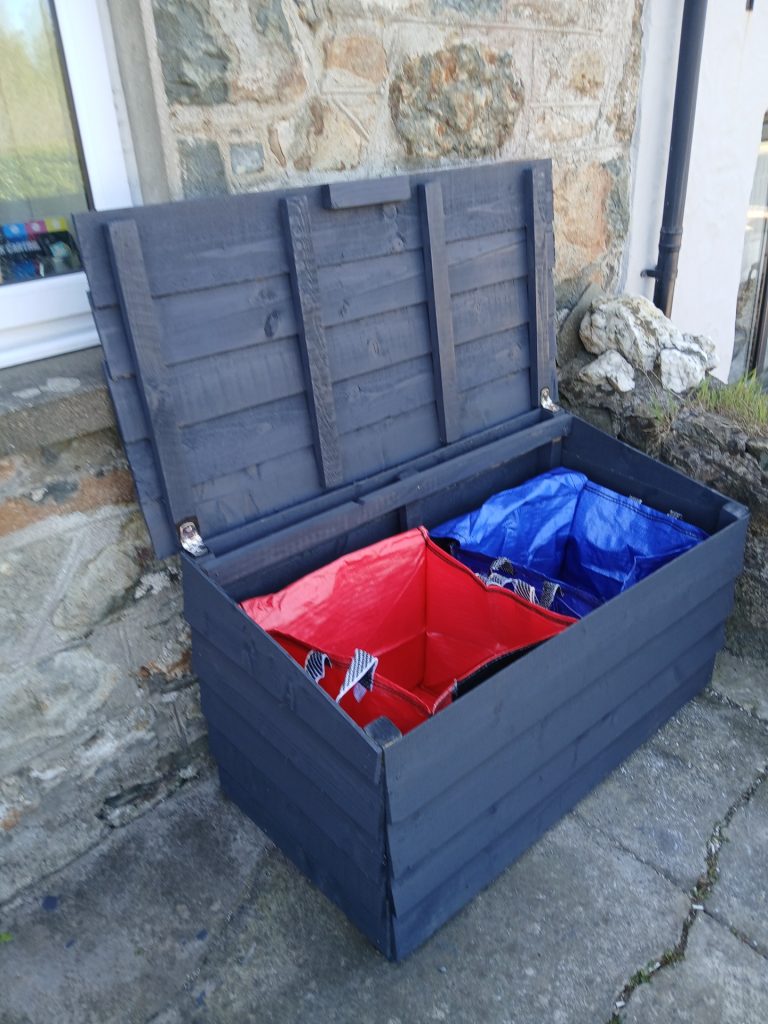
At a time when many garden furniture products are mass-produced and lightweight, the company has focused on making solid, heavy-duty pieces designed to last, with comfort, durability and practicality at the heart of every item.
Each bench, chair and table is individually made using high-quality structural timber and carefully finished to protect it from the weather. The result is garden furniture that feels substantial, looks attractive and is made to cope with life outdoors all year round.
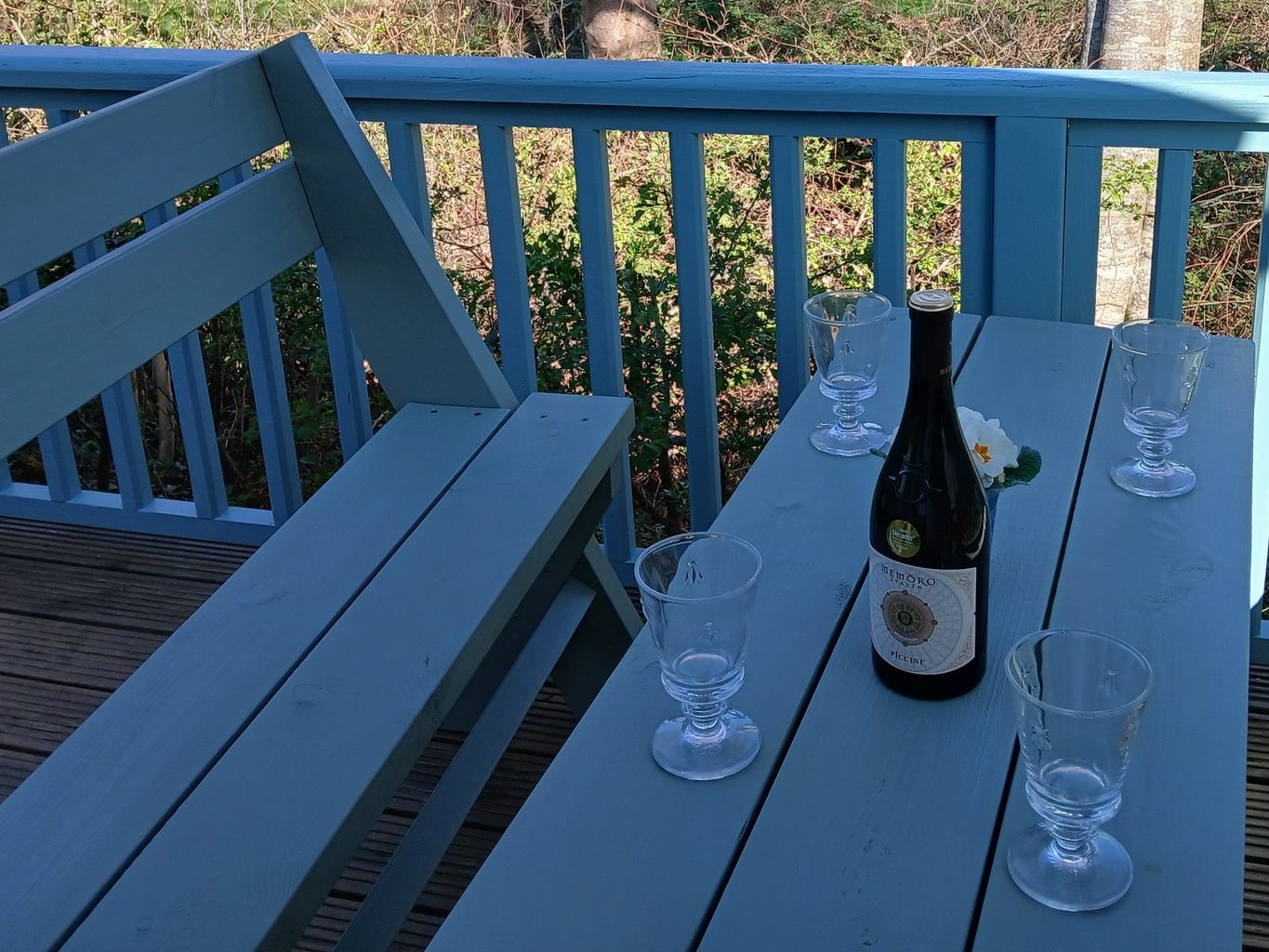
BUILT PROPERLY
What sets Pembrokeshire Wooden Garden Company Ltd apart is the way each item is constructed.
Rather than relying on staples or nails, every piece is carefully screwed together for extra strength and long-term durability. The furniture is then finished with multiple coats of weather-resistant protection, helping it stand up to the elements while retaining its appearance.
The company uses Cuprinol Garden Shades finishes, offering customers a choice of attractive colours including Willow, Sage, Urban Slate and Seasoned Oak, along with more natural tones for those who prefer a classic timber look.
It means customers can choose furniture that not only suits their garden, patio or outdoor seating area, but also has the protection needed for the Welsh weather.
FROM BENCHES TO FAMILY TABLES
The current range includes a wide choice of practical and decorative outdoor furniture, all made with the same focus on strength and comfort.
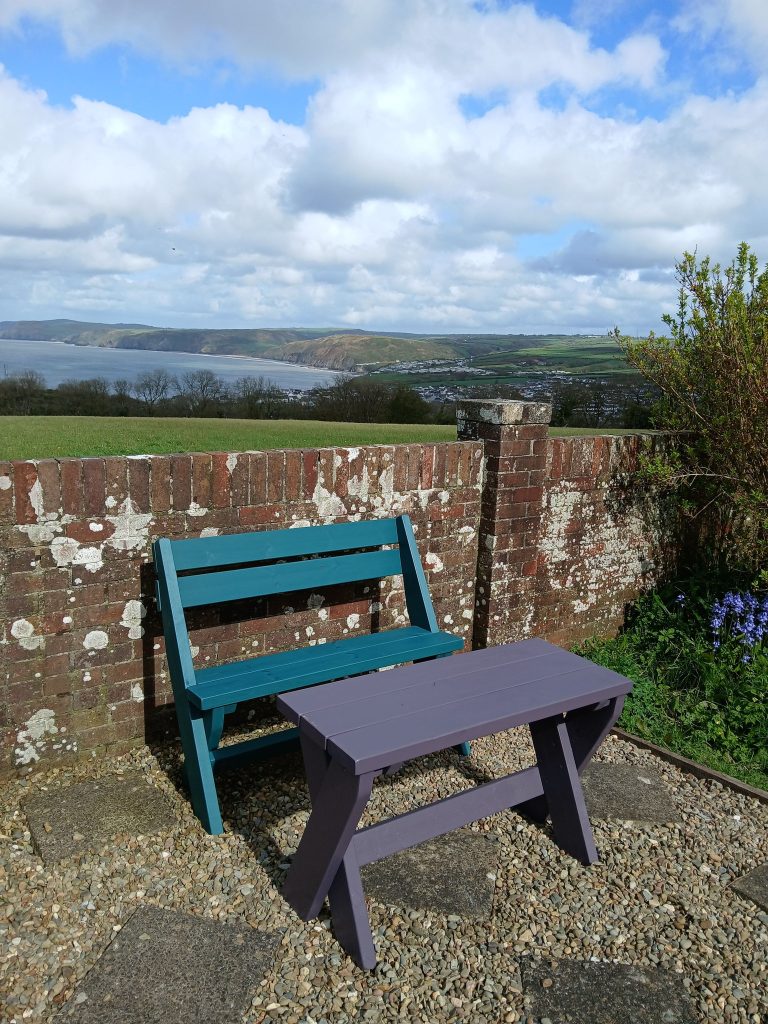
Popular pieces include the Joycey Easy Sit Bench, designed to offer extra support and comfort, as well as single bench chairs, backless benches and a selection of heavy-duty garden tables.
The 3 Bar Heavy Duty Table is made for regular use, while the 5 Bar Medium and Large Tables are ideal for families, visitors, social gatherings and anyone looking to make more of their outdoor space.
Whether it is a quiet corner of the garden, a patio seating area, a holiday home, a campsite, a smallholding or a community space, the furniture is designed to be useful, strong and attractive.

LOCAL WORKSHOP
Customers are welcome to view the furniture in person by appointment at the company’s Cardigan workshop, located next to Tivy Tyres on Station Road, Pentood Industrial Estate.
The workshop also acts as a collection point for orders, giving customers the chance to see the quality of the furniture before taking it home.
Pembrokeshire Wooden Garden Company Ltd also attends local markets, where its benches and tables have become a familiar sight to shoppers looking for locally made outdoor furniture with a personal touch.
The business has built up a growing base of returning customers across Pembrokeshire, with many buyers coming back for additional pieces after seeing how well their first purchase performs.
Customer feedback has praised the comfort, solid construction and value for money, with repeat orders helping the company grow through word of mouth and local support.
MADE FOR OUTDOOR LIVING
As more people invest in their gardens and outdoor spaces, durable wooden furniture has become an increasingly popular choice.
For homeowners, the garden is no longer just somewhere to mow the lawn. It is a place to relax, entertain, enjoy the sunshine, spend time with family and make the most of the space around the home.
Pembrokeshire Wooden Garden Company Ltd is helping people do exactly that, with handcrafted furniture that combines strength, comfort and simple good looks.
From a single bench to a full outdoor seating set, each piece is made with care and designed to be used, enjoyed and relied upon.
For anyone looking for garden furniture that is locally made, properly built and designed to last, Pembrokeshire Wooden Garden Company Ltd offers a strong alternative to mass-produced outdoor furniture.
Customers can view the range by appointment at the workshop next to Tivy Tyres, Station Road, Cardigan, or look out for Pembrokeshire Wooden Garden Company Ltd at local markets across the area.
Telephone 07811 120503 Facebook Page: CLICK HERE


Transforming your living space doesn’t require a professional contractor or an enormous budget. With a few basic tools, some creativity, and a weekend to spare, you can tackle simple home DIY projects that will breathe new life into your home. Whether you’re a seasoned DIY enthusiast or picking up a paintbrush for the first time, these accessible projects will help you personalise your space whilst building your confidence and skills.
Refresh your walls with a fresh coat of paint
One of the most cost-effective ways to transform any room is with paint. A fresh colour can completely change the mood and perception of a space. Before you begin, invest time in proper preparation: clean your walls, fill any holes or cracks with filler, and sand smooth once dry. Use painter’s tape to protect skirting boards, door frames, and ceilings. Choose quality paint and the right finish for your room – matt for ceilings, vinyl silk for kitchens and bathrooms where moisture resistance matters. Don’t rush the process; two thin coats always look better than one thick, drippy application.
Install floating shelves for extra storage
Floating shelves offer both functionality and style, making them perfect for displaying books, plants, or decorative items. The beauty of this project lies in its versatility – you can install them in virtually any room. Measure carefully and use a spirit level to ensure your shelves are perfectly horizontal. Locate wall studs for the most secure installation, or use appropriate wall plugs for plasterboard. Start with one or two shelves to build your confidence before creating an entire display wall. This project typically takes just an afternoon but delivers long-lasting storage solutions.
Create a feature wall with wallpaper or panelling
Feature walls have remained popular for good reason – they add character without overwhelming a space. Wallpaper has evolved tremendously, with peel-and-stick options making installation remarkably straightforward for beginners. Choose one wall as your focal point, typically the wall you see when entering the room. For a more textured approach, consider installing a wood slat wall panel to add depth and architectural interest. This creates a sophisticated, modern look that works beautifully in living rooms or bedrooms. Whichever option you choose, a feature wall can be completed in a single day and makes a dramatic impact.
Update cabinet hardware for an instant kitchen refresh
If a full kitchen renovation isn’t in your budget, replacing cabinet handles and knobs delivers remarkable results for minimal investment. This simple swap can modernise dated cabinets and completely change your kitchen’s aesthetic. Measure your existing hardware’s spacing before purchasing replacements to ensure proper fit. Choose a finish that complements your kitchen’s style – brushed brass for warmth, matte black for contemporary spaces, or polished chrome for classic appeal. You’ll need only a screwdriver for this project, making it perfect for absolute beginners.
Build a simple herb garden
Even without outdoor space, you can create a thriving herb garden on a sunny windowsill. Purchase small terracotta pots, quality potting compost, and herb plants or seeds from your local garden centre. Basil, mint, parsley, and chives are particularly forgiving for novice gardeners. Drill drainage holes if your pots don’t have them, and place saucers underneath to protect surfaces. Not only does this project bring life into your kitchen, but you’ll also enjoy fresh herbs for cooking. It’s a rewarding project that continues giving long after completion.
Upgrade your lighting fixtures
Lighting dramatically affects ambience, yet many people overlook its potential. Swapping outdated light fixtures for modern alternatives can transform a room’s entire feel. Before beginning any electrical work, always turn off power at the consumer unit and verify it’s off using a voltage tester. If you’re uncomfortable working with electrics, hire a qualified electrician – safety always comes first. For those confident with basic electrical work, replacing a pendant light or wall sconce is straightforward and makes an impressive difference.
Final thoughts
These simple home DIY projects prove that transforming your space doesn’t require expert skills or substantial budgets. Start with projects matching your comfort level, invest in quality tools that you’ll use repeatedly, and don’t fear making mistakes – they’re part of the learning process. As your confidence grows, you’ll find yourself tackling increasingly ambitious projects. The satisfaction of creating something with your own hands, tailored precisely to your taste, makes every moment spent worthwhile. Your home should reflect your personality, and these accessible DIY projects help you achieve exactly that.



News7 hours ago
Brexit at 10: How Britain was sold a dream that cost us dearly
A decade after the referendum, the promised benefits remain hard to find while the economic costs are increasingly difficult to...


Crime9 hours ago
Worcestershire man jailed after violent attack on woman in Tenby
Defendant was already serving a suspended sentence when serious assault took place A WORCESTERSHIRE man has been jailed for more...


Climate11 hours ago
Offshore wind ‘could bring new generation of jobs to Milford Haven’
Pembrokeshire ports and Celtic Sea projects placed at centre of Wales’ green energy ambitions MILFORD HAVEN and Pembroke Dock could...


Community1 day ago
Police officer hailed hero after midnight sea rescue in Milford Haven
PC swam 100 metres offshore to save distressed woman heard calling for help in darkness A DYFED-POWYS POLICE officer has...


Local Government2 days ago
Security privately arranged by Mayor at Beating of the Bounds
HAVERFORDWEST TOWN COUNCIL has confirmed that security personnel seen at this year’s Beating of the Bounds were privately arranged and...


Business3 days ago
Celtic Freeport five-year plan puts Milford Haven at centre of green energy future
Strategy promises investment, skilled jobs and new supply chains, but major barriers remain over grid connections, planning and delivery THE...


Education3 days ago
Closure of Ysgol Clydau approved after emotional council debate
COUNCILLORS WARNED RURAL COMMUNITIES WILL REMEMBER DECISION PEMBROKESHIRE councillors have voted to close Ysgol Clydau following an emotional debate over...


Education3 days ago
Manorbier school closure process to continue after narrow council vote
Questions remain over insurance, rebuilding costs and possible legal action by Diocese PEMBROKESHIRE councillors have voted to press ahead with...


Community3 days ago
The father, son and daughter lifeguard trio saving lives in Pembrokeshire
A FATHER, son and daughter are preparing to help keep beachgoers safe on the Pembrokeshire coast this summer as part...


Community3 days ago
Beating of the Bounds brings music, boats and tradition to Haverfordwest
CENTURIES-OLD CEREMONY DRAWS FAMILIES TO THE RIVERSIDE HAVERFORDWEST’S historic Beating of the Bounds returned on Sunday (Jun 14), with boats,...
-

 Community3 days ago
Pembrokeshire Chess Club crowned Welsh champions
-
Local Government2 days ago
Security privately arranged by Mayor at Beating of the Bounds
-

 Crime7 days ago
Pembroke Dock teenager sentenced over train strangulation attack
-

 Education5 days ago
Diocese threatens legal action as Manorbier school closure battle intensifies
-

 Crime7 days ago
Man accused of six rapes including alleged Haverfordwest offence
-

 Crime1 day ago
Man wanted by court after failing to attend hearing over alleged shop thefts
-

 Local Government6 days ago
Taxi suspended after county-wide licensing checks
-

 Crime7 days ago
Brothers found guilty of causing death of Welsh dad in ‘reckless’ race