


Wartime lifeboat heroes of Wales remembered on VE Day anniversary

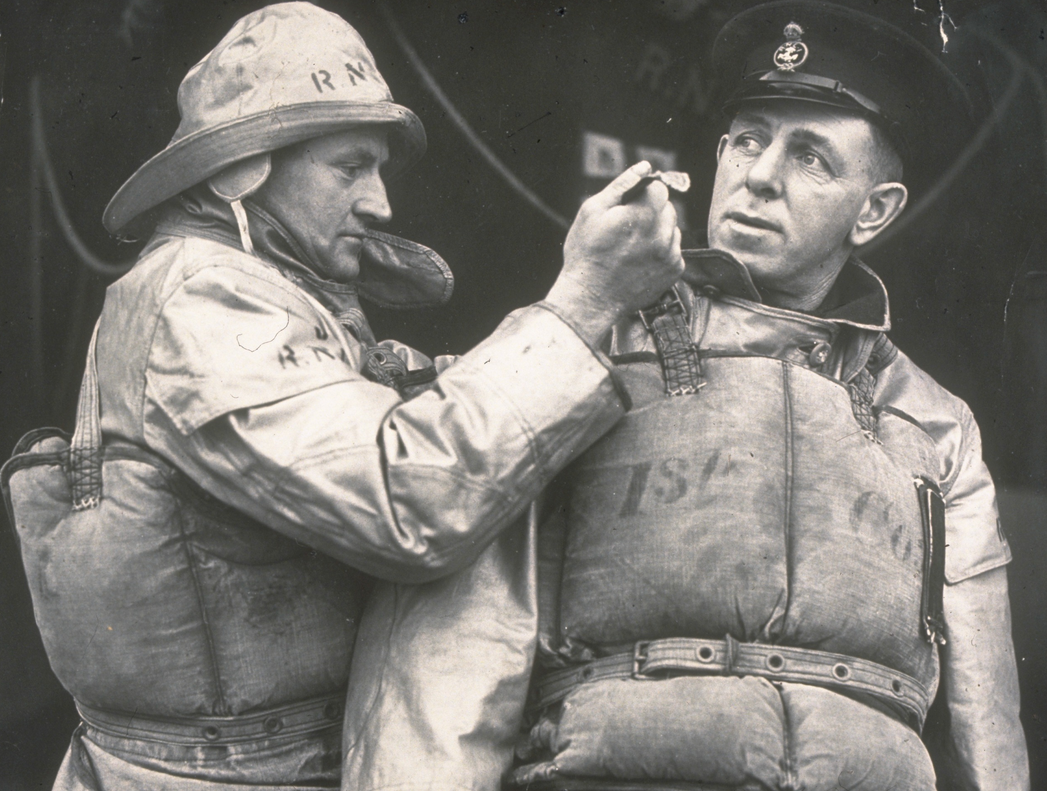
Welsh RNLI crews braved mines, storms and enemy fire to save lives at sea
AS the country marks the 80th anniversary of VE Day, the Royal National Lifeboat Institution (RNLI) is paying tribute to the bravery of its volunteer crews in Wales who served during the Second World War. From the storm-lashed coasts of Anglesey to the exposed lifeboat stations of Pembrokeshire and Gower, Welsh RNLI crews launched into perilous seas to save lives, often under enemy threat.
Between 1939 and 1945, lifeboats from stations across Wales were launched repeatedly to respond to wartime emergencies. Despite limited resources, ageing equipment and extreme danger, the RNLI never stopped saving lives. During the two World Wars combined, lifeboats around the UK and Ireland launched 5,478 times and rescued nearly 11,700 people.
A significant number of those launches came from Welsh waters.
One of the most remarkable Welsh rescues of the Second World War came in January 1940, when Moelfre Lifeboat Station, on the east coast of Anglesey, responded to a mayday from the SS Gleneden of Glasgow. The vessel was in trouble during a fierce northeasterly gale and very rough seas. The volunteer lifeboat crew, battling bitter cold and towering waves, managed to save all 60 crew members aboard the stricken ship. For their actions, Coxswain John Matthews was awarded the Silver Medal for gallantry, and Motor Mechanic Robert Williams received the Bronze Medal.
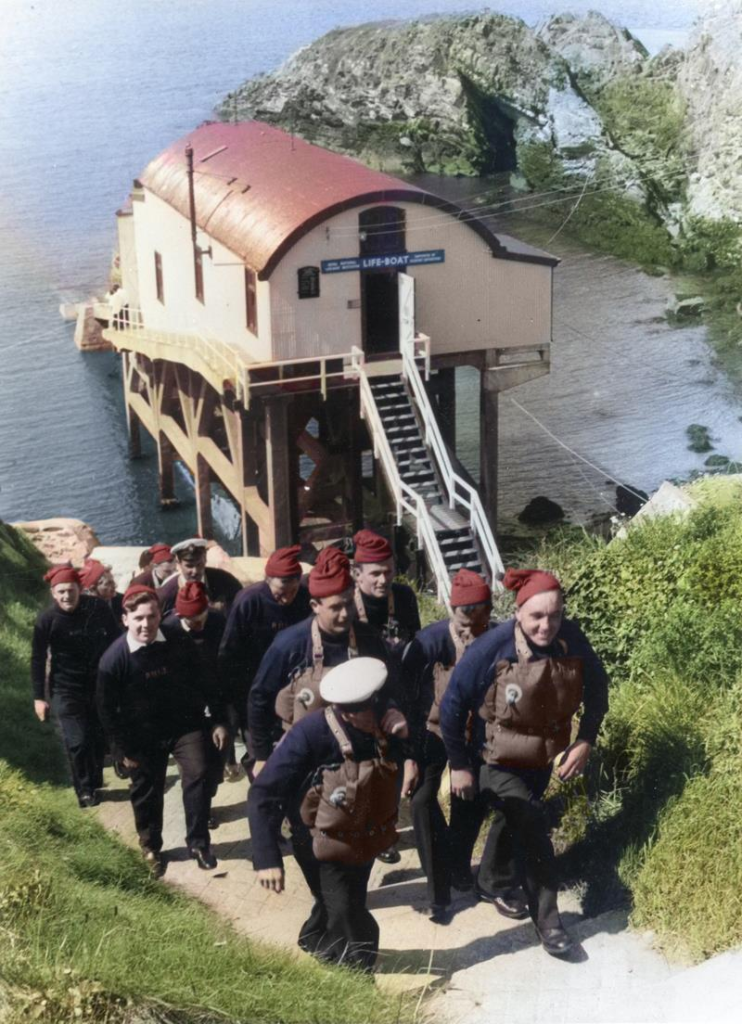
In December 1944, as the war was drawing to a close, another Welsh lifeboat launched into danger. The Mumbles lifeboat, Edward, Prince of Wales, responded to distress signals from the Canadian cargo vessel Chebogue, which had broken her back in hurricane-force winds off the South Wales coast. In a night-time rescue carried out under extraordinary conditions, the Mumbles crew saved 42 lives.
These heroic missions were carried out not by trained naval personnel, but by local men—fishermen, harbour workers, and retirees—who volunteered their time and risked their lives. With many young men serving on the front lines, lifeboat crews in Wales were often made up of older volunteers, with some in their fifties, sixties and even seventies stepping up to fill the gaps.
Wartime conditions made the work of the RNLI even more dangerous. Lifeboat stations were occasionally damaged or destroyed in air raids. In all, 40 RNLI crew members across the UK and Ireland died during the war, including those who were machine-gunned by enemy aircraft, blown up by floating mines, or lost during stormy rescues. Seven lifeboats were lost in action.
Although most of the RNLI’s wartime launches were in response to vessels in distress, the crews often found themselves navigating minefields, dodging enemy fire, and recovering the dead as well as the living. One Welsh example came from Courtmacsherry, across the water from Pembrokeshire, where 14 volunteers rowed 12 miles through calm seas without wind, only to find they were too late. Undeterred, they recovered the bodies and brought them home so that loved ones could bury them with dignity.
Wales also played its part in one of the most famous operations of the war—Dunkirk. In May 1940, 19 RNLI lifeboats were part of the fleet of civilian vessels known as the Little Ships that crossed the English Channel to rescue British troops stranded on the beaches of northern France. Lifeboats from Ramsgate and Margate were operated by RNLI crews who brought with them unfamiliar equipment such as steel helmets, gas masks, and extra supplies. They worked for over 30 hours amid wreckage, gunfire and strong currents. Although not from Wales, the spirit of this operation mirrored the courage shown by lifeboatmen in Welsh waters throughout the war.
To mark this VE Day anniversary, the RNLI is calling on the public to help uncover more stories connected to lifeboat stations in Wales during the war. A grant from The National Lottery Heritage Fund has made it possible for the charity to launch a new project: RNLI 1939–45: Stories of Courage. The project aims to record and preserve these memories before they are lost to time.
Hayley Whiting, RNLI Heritage Archive and Research Manager, said: “Our Welsh lifeboat crews experienced some of the most difficult years in the charity’s history. Lifeboats were damaged, lifeboat stations were hit, and lives were lost. But their determination never wavered. As we reflect on VE Day, we remember not just those who served on the front lines, but those who braved the storms at home to bring others back to safety.”
The Pembrokeshire Herald’s coverage of the VE Day 80 commemorations are kindly sponsored by PMR




Kyle Bevan, jailed for the murder of Haverfordwest toddler Lola James, was allegedly stabbed 25 times and left ‘as if asleep’ in a maximum-security prison cell attack
KYLE BEVAN, the man jailed for murdering two-year-old Lola James in Haverfordwest, was stabbed 25 times during an attack in his prison cell, a murder trial has heard.
Bevan, 33, was serving a life sentence at HMP Wakefield after being convicted of killing his partner’s daughter, Lola, whose death shocked Pembrokeshire and led to major questions about child protection failings.
Leeds Crown Court heard that Bevan was attacked on November 5 last year by three fellow prisoners, Lee Newell, 57, Mark Fellows, 45, and David Taylor, 63.
All three deny murder.
‘Left to bleed to death’
Prosecutor Jason Pitter KC told the jury the attack lasted four minutes and 39 seconds after Bevan entered his cell on A Wing.
He said the defendants followed him in “with real purpose” before allegedly carrying out a joint attack intended to kill him.
The court heard Bevan suffered at least 30 injuries, including 25 stab wounds from a sharp weapon. His heart and major blood vessels were damaged.
Mr Pitter said Bevan was then placed in bed “as if asleep” and left to bleed to death. His body was not discovered by prison staff until roll call the following morning.
Weapons found
Jurors were told a makeshift weapon, described as a folded piece of metal, was later found hidden behind a television and had Bevan’s blood on it.

Other weapons were allegedly found hidden in a container of chilli sauce in Taylor’s cell.
The court also heard that Taylor was allegedly heard saying: “Nice working with you and the Ice Man,” with “Ice Man” said to be a nickname for Fellows.
Pembrokeshire case
Bevan was jailed in 2023 for the murder of Lola James, who died after suffering catastrophic head injuries at her home in Haverfordwest.

Her mother, Sinead James, was also jailed for causing or allowing her death.
The case caused widespread anger in Pembrokeshire and led to serious questions about how Lola had been left in danger despite concerns being known before her death.
The trial continues.
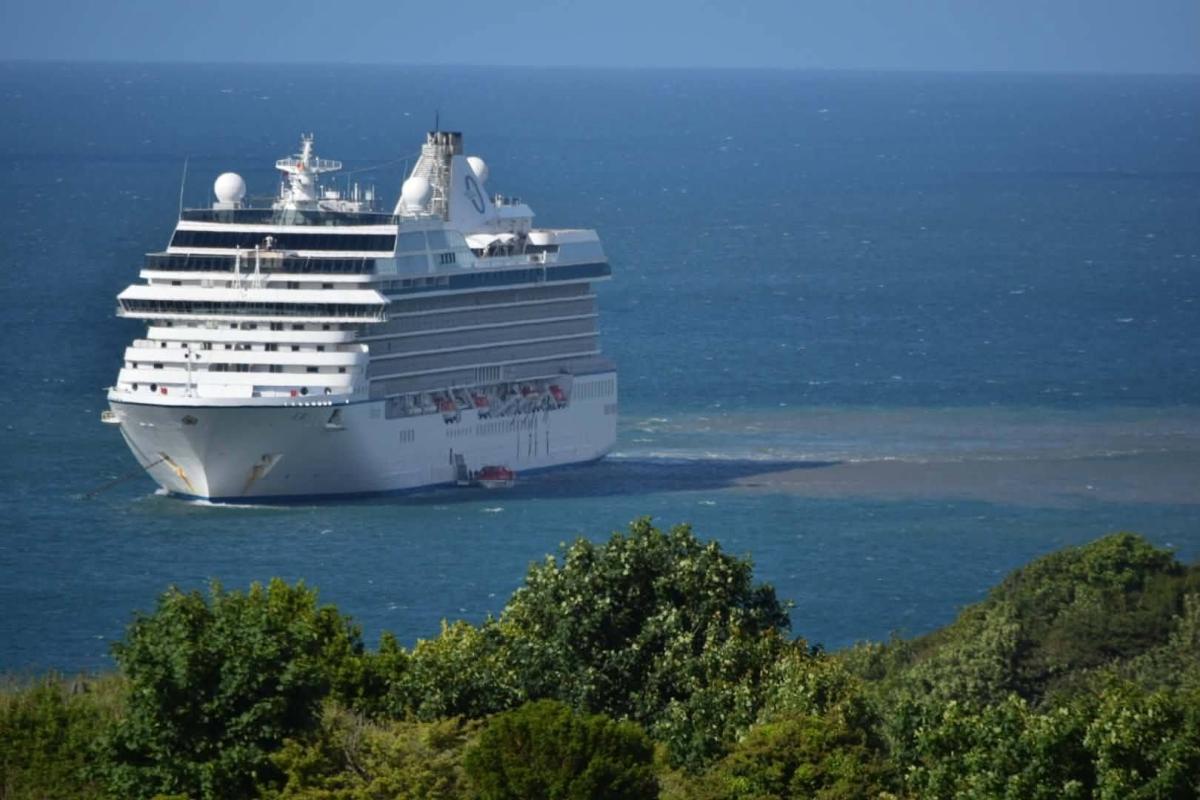
Residents feared pollution after muddy water appeared around the Oceania Marina, but officials say sediment was churned up by the ship’s propulsion system.
BROWN discolouration seen in the sea around a cruise ship visiting Fishguard sparked concern among residents this week, after some feared it could indicate pollution in the harbour.
The large cruise vessel Oceania Marina arrived in Fishguard on Monday (Jun 8), bringing more than 1,200 passengers and hundreds of crew to Pembrokeshire as part of this summer’s growing cruise season.
But as the ship remained offshore, locals noticed muddy-looking water surrounding the vessel and took to social media to question whether waste had entered the bay.
The Herald understands concerns were raised with Fishguard Harbour, prompting enquiries with the ship’s operators.
According to an explanation passed to local county councillor Billy Shaw, the discolouration was not pollution but sediment disturbed from the seabed.
Harbour officials were told the ship had been using its propulsion system to hold position in strong winds and currents while tender boats ferried passengers to and from shore.
A statement from the vessel said the “brownish sea” seen around the ship had been caused by propulsion bringing mud to the surface.
The operators also stressed that no waste discharge takes place near land, saying all ship discharges stop before entering UK territorial waters and that the vessel complies with international maritime pollution rules.
The Oceania Marina, operated by Oceania Cruises, was making her first visit to Fishguard. Excursions took passengers to locations including St Davids and Cardigan, while many visitors spent time in Fishguard itself.
The call marks one of around two dozen cruise ship visits expected in Fishguard and Goodwick this season, with further vessels scheduled throughout the summer.
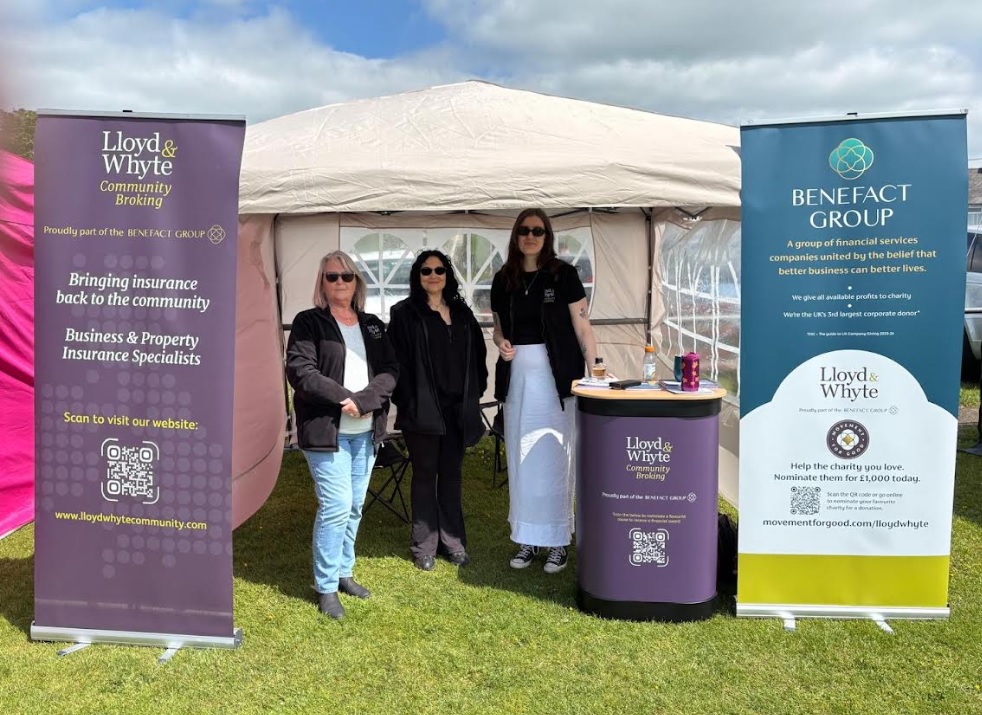
A FUN Day and Dog Show in St Clears has raised more than £5,000 to help vulnerable and abandoned animals.
The event, held in aid of Greenacres Animal Rescue on Sunday, May 10, brought together supporters, local businesses and members of the community to raise vital funds for the charity’s rescue and rehabilitation work.
A total of £2,584.84 was raised on the day, with the amount then matched by the Benefact Group through the support of Lloyd & Whyte Community Broking, bringing the final total to £5,169.68.
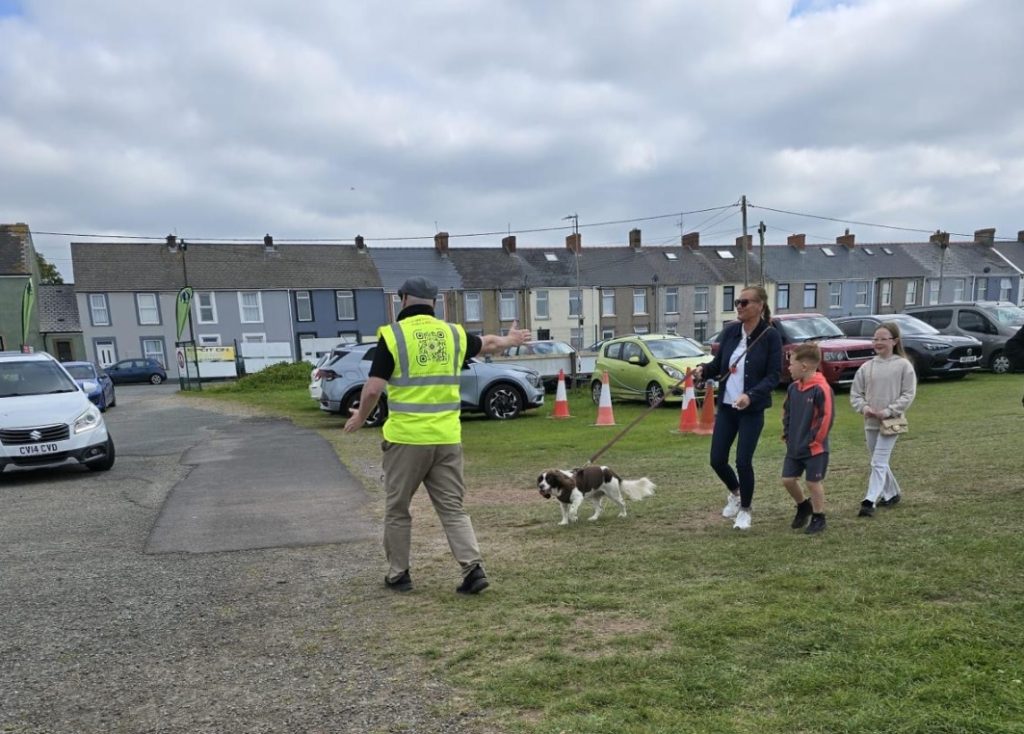
The money will help Greenacres meet the growing costs of caring for animals in need, including veterinary treatment, rehabilitation, food and other essential welfare expenses.
Greenacres Animal Rescue provides refuge and care for animals that have been abandoned, neglected or need rehoming. The charity relies heavily on donations, fundraising and volunteer support to continue its work.
A spokesperson for Greenacres Animal Rescue said: “We’re honestly blown away by your generosity and support.”
Among those supporting the event were representatives from Lloyd & Whyte Community Broking, which has backed Greenacres Animal Rescue for several years as its chosen charity partner.
Colleagues Stephen Vale, Yvette Llewellyn and Lauren Davies attended the event, helping to support the fundraising and celebrate the work carried out by the charity.
Stephen Vale, from Lloyd & Whyte Community Broking said: “Greenacres Animal Rescue has been our chosen charity for several years and we’re incredibly proud to support the vital work they do for vulnerable animals in our community.
“The dedication of the Greenacres team is inspiring, and it’s fantastic to see local people come together to help raise funds that will directly support the charity’s ongoing rescue and rehabilitation work.
“As part of the Benefact Group, giving back is central to who we are, so being able to support Greenacres through fundraising and matched funding initiatives is something we’re passionate about.”
The success of the event highlights the strength of community support for Greenacres Animal Rescue and the difference local fundraising can make for animals in need.

For more information, call 01994 231548 or visit lloydwhytecommunity.com.



Crime10 minutes ago
Pembrokeshire child killer stabbed to death in prison cell, murder trial hears
Kyle Bevan, jailed for the murder of Haverfordwest toddler Lola James, was allegedly stabbed 25 times and left ‘as if...

News7 hours ago
Pendine cliff fall victim recovering after major emergency response
A 22-YEAR-OLD man who suffered serious injuries after falling from cliffs overlooking Pendine Beach is recovering well following emergency surgery....


News1 day ago
First Minister challenged over jobs for student nurses
REFORM WALES has accused the First Minister of failing to guarantee jobs for student nurses in Wales, despite continuing pressure...

Crime1 day ago
Knife blankets call as school staff face rising violence fears
GMB says protective equipment should be considered where risk assessments show staff could face blades SCHOOL staff should be given...


News1 day ago
Claire Archibald secures review of Milford Haven train times
RURAL TRANSPORT CONCERNS RAISED WITH TFW CLAIRE ARCHIBALD MS has secured a review of train times between Milford Haven and...


Crime1 day ago
PCC review calls for stronger youth crime prevention work
REPORT MAKES 13 RECOMMENDATIONS A REVIEW into crime and anti-social behaviour services for young adults has called for stronger prevention...


Crime1 day ago
Families condemn failed appeal by paddleboard boss jailed over Haverfordwest tragedy
RELATIVES SAY LATEST COURT BID HAS REOPENED PAIN AFTER FOUR DEATHS ON WESTERN CLEDDAU THE FAMILIES of victims of the...

Community2 days ago
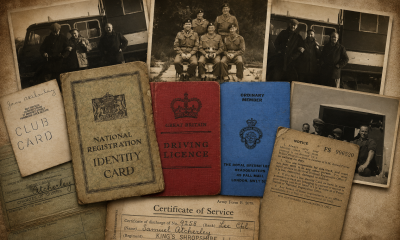
Forgotten wartime archive found in Pembroke Dock attic after 80 years
Remarkable family collection reveals story of father and son who served through two world wars A REMARKABLE untouched family archive...

Crime2 days ago
Milford Haven woman left with facial fractures after drunken attack
A WOMAN in her late fifties suffered facial fractures after being repeatedly punched through the window of her car during...

Crime2 days ago
Sex offender in senior role at Tenby family hotel
CREST HOTEL GROUP says it is investigating safeguarding concerns after staff at the Imperial Hotel in Tenby raised alarm over...
-
Crime5 days ago
Paddleboard company owner loses bid to cut sentence over Haverfordwest tragedy
-

 Crime4 days ago
Milford Haven man admits harassment and assault
-

 News4 days ago
Community appeal for privacy after serious emergency in Pendine
-
Community2 days ago
Forgotten wartime archive found in Pembroke Dock attic after 80 years
-
Crime2 days ago
Sex offender in senior role at Tenby family hotel
-
 Business4 days ago
Call for gym and Padel courts at Kiln Park Farm unanimously backed
-
Crime1 day ago
Families condemn failed appeal by paddleboard boss jailed over Haverfordwest tragedy
-

 Community4 days ago
Founders Day hailed a success despite rising costs and extra security