


Community
More than 100 Mid and West Wales Fire Service staff injured on duty in three years

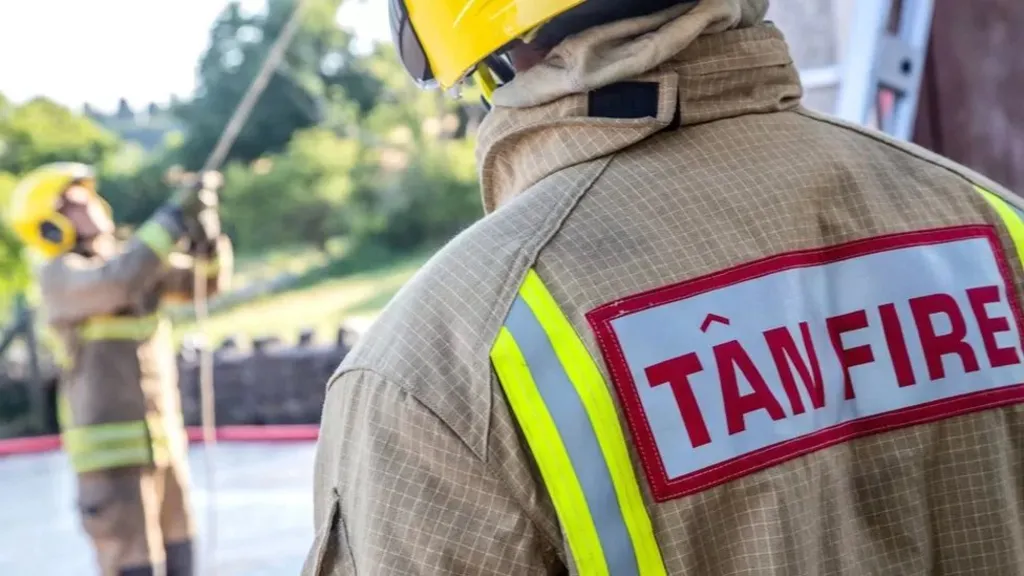
NEW figures have highlighted the physical toll faced by firefighters in Wales as emergency services continue to respond to rising demand and increasing operational pressure.
Data obtained by Accident Claims Advice shows that more than 100 firefighters employed by Mid and West Wales Fire & Rescue Service sustained injuries while on duty over the past three years.
Firefighting remains one of the most hazardous public sector roles in the UK. Crews are routinely deployed to building fires, serious road traffic collisions and hazardous incidents, often working in extreme heat, unstable environments and emotionally challenging situations while handling heavy equipment.
National data underlines the wider picture. In England, official figures for the year ending March 2024 recorded 2,408 on-duty firefighter injuries, with around 40% occurring during frontline operational incidents such as fires, rescues and emergency callouts.

Within Mid and West Wales, the number of injuries recorded peaked in 2023/24, when 41 firefighters were hurt while working. The most recent year saw a modest reduction, with 38 injuries reported.

Since 2022, firefighters have made seven claims against the service in connection with workplace injuries, resulting in total compensation payments of £56,469.
Common injuries reported include burns, smoke inhalation, musculoskeletal injuries, slips and falls, and impact injuries caused by falling debris or collapsing structures. National reviews have repeatedly pointed to factors such as reduced staffing, rising incident complexity and ageing infrastructure as contributors to increased workplace risk across fire and rescue services.
Further figures obtained by Accident Claims Advice show that slips, trips and falls were the most frequent cause of injury within Mid and West Wales Fire & Rescue Service over the past three years, accounting for 30 incidents. This was followed by sprains and strains, which led to 20 injuries.
Speaking about the need for increased investment, Adam Taylor, Fire Brigades Union national officer, said: “Too often firefighters are not being provided with the basic equipment and training they need to keep themselves and the public safe.

“Without proper PPE, firefighters face an impossible choice between heat stroke and exposing themselves to burns, either from flames or the sun.
“We urgently need investment to sort out this problem. We also need national standards on equipment and training, as well as response times and crewing levels.”
Mid and West Wales Fire & Rescue Service operates 58 fire stations, serving communities across Carmarthenshire, Ceredigion, Neath Port Talbot, Pembrokeshire, Powys, and the City and County of Swansea.

Injury data shows that the service’s internal departments recorded the highest number of staff injuries, with 37 incidents. Pembrokeshire and Carmarthenshire each logged 29 injuries over the same three-year period.
Accident Claims Advice offers support to people injured at work and can advise on whether they may have grounds to make a claim. The organisation operates a 24-hour helpline and also provides an online claim form via its website.


AN ANNUAL Rotary duck race and pig roast brought crowds to Cresswell Quay on Friday (May 29), with organisers hailing the evening a success.
The event, organised by Narberth and Whitland Rotary, saw yellow ducks released onto the water as spectators gathered along the quay to watch the race unfold.

Perfect conditions
ORGANISERS said the tide and weather “could not have been better” for the popular community event.
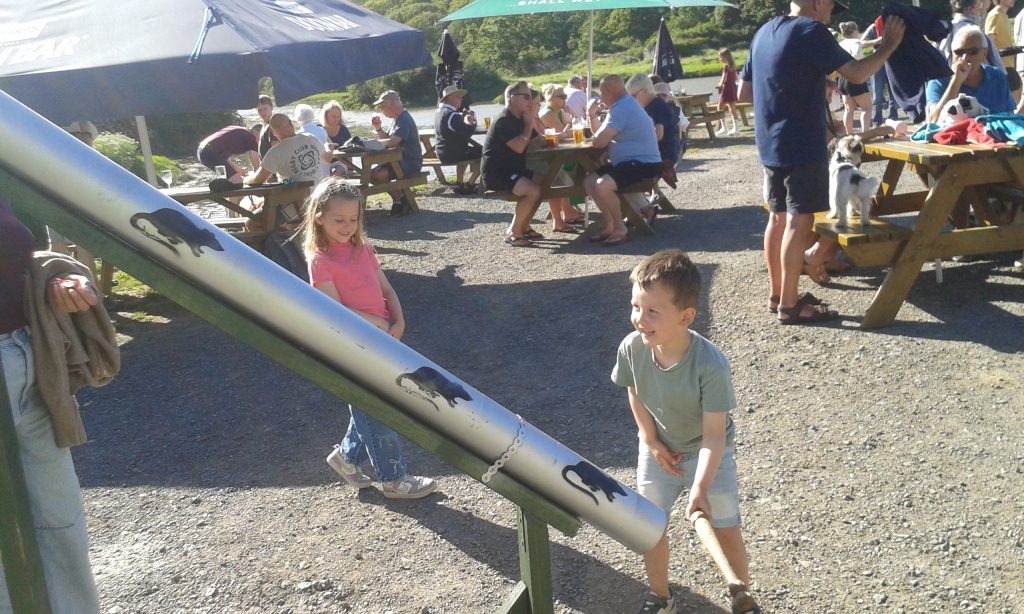
Families enjoyed a relaxed evening of entertainment, food and fundraising, with Bat-A-Rat proving popular with youngsters while adults enjoyed a pig roast, with pork provided by Tom at Andrew Rees Butchers.
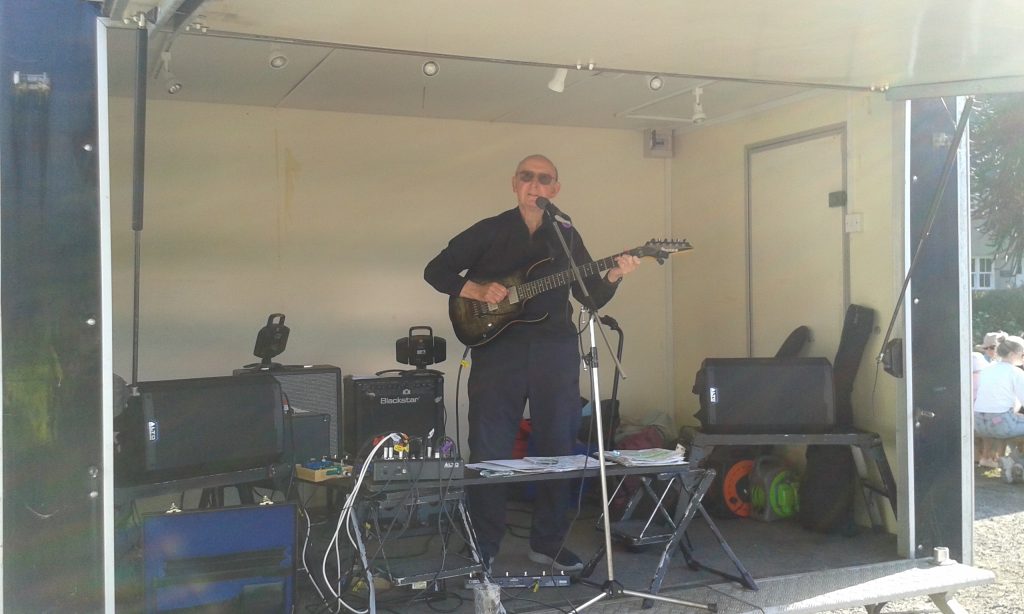
Live music from Jack Castle added to the atmosphere as people gathered at the riverside venue.

Thanks to supporters
JOHN Sleigh, of Narberth and Whitland Rotary, thanked everyone who attended and helped make the evening such a success.
He said: “What a fantastic evening. The tide and weather could not have been better for the annual Rotary Duck Race and Pig Roast at Cresswell Quay.
“We thank you all for being there and making the event such a success.”
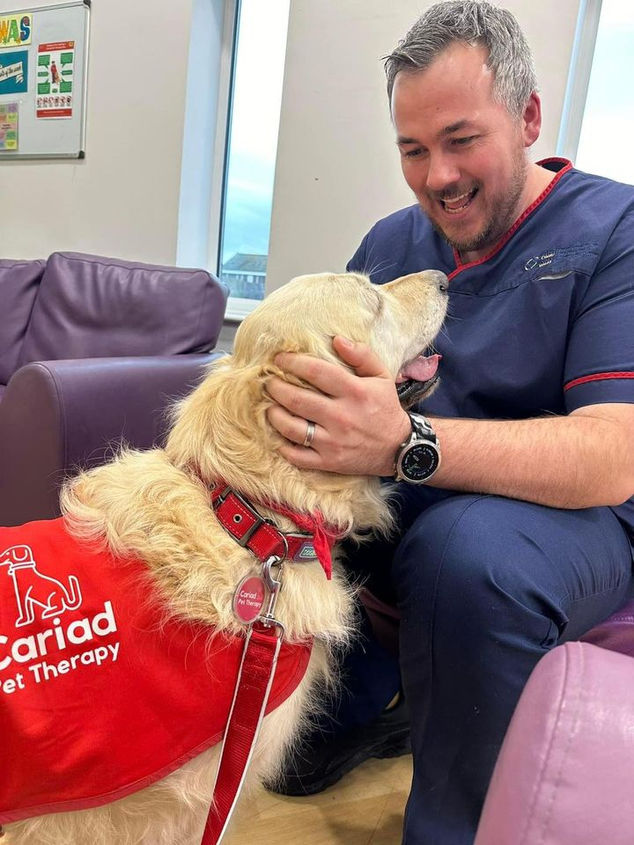
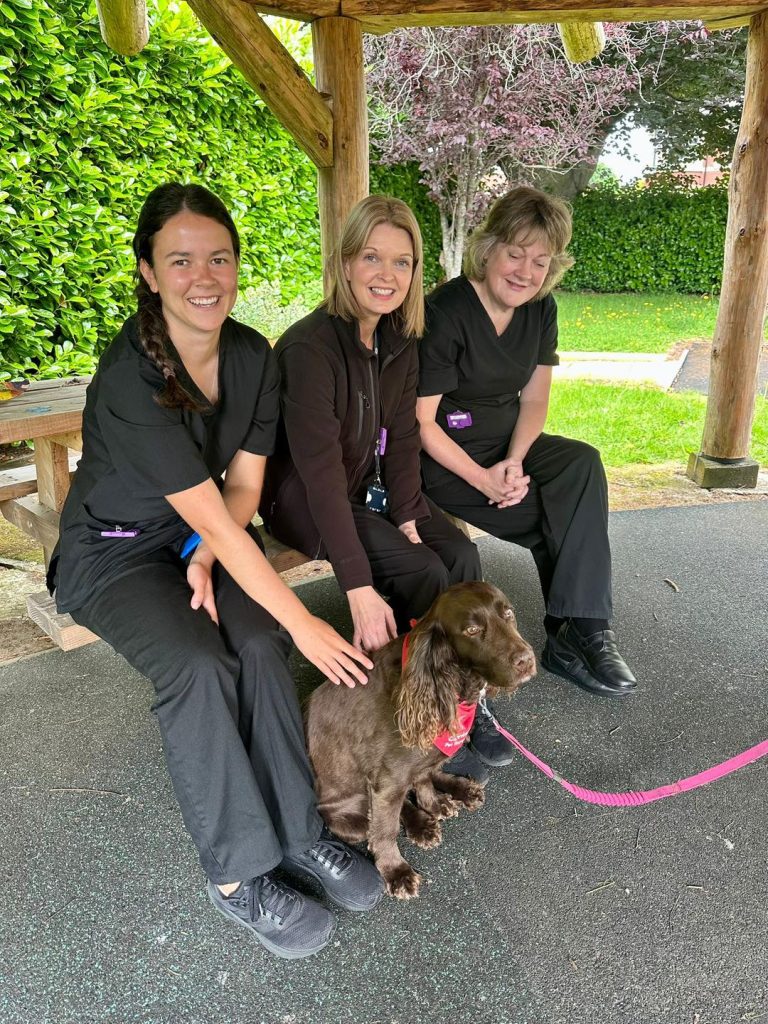
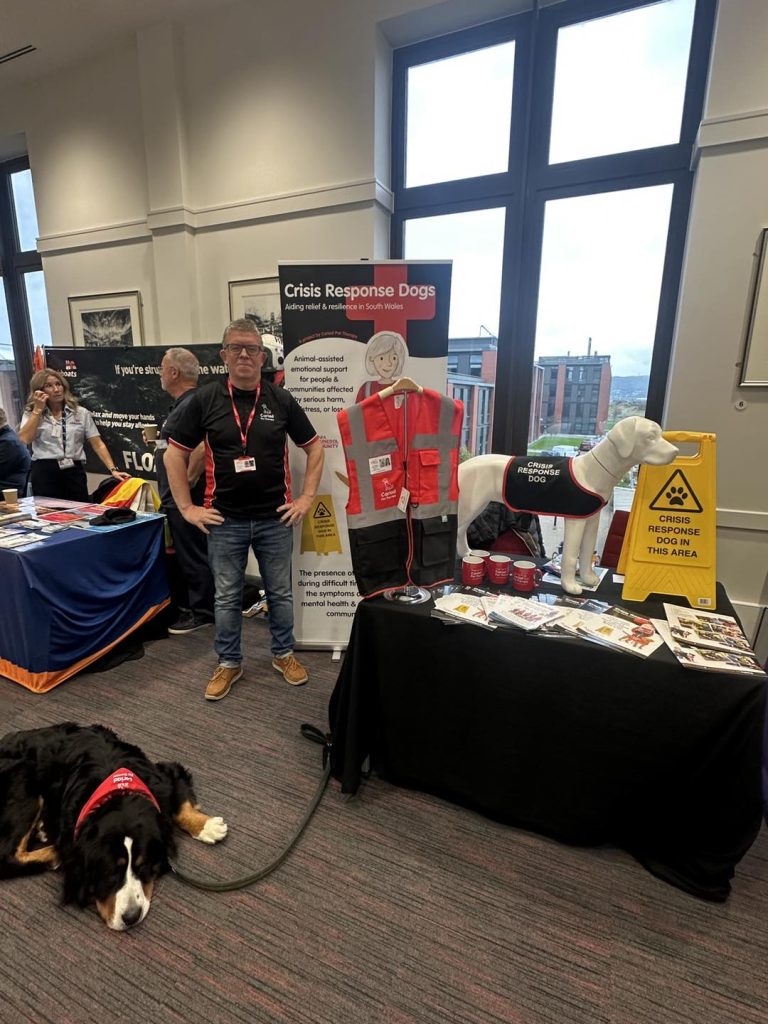
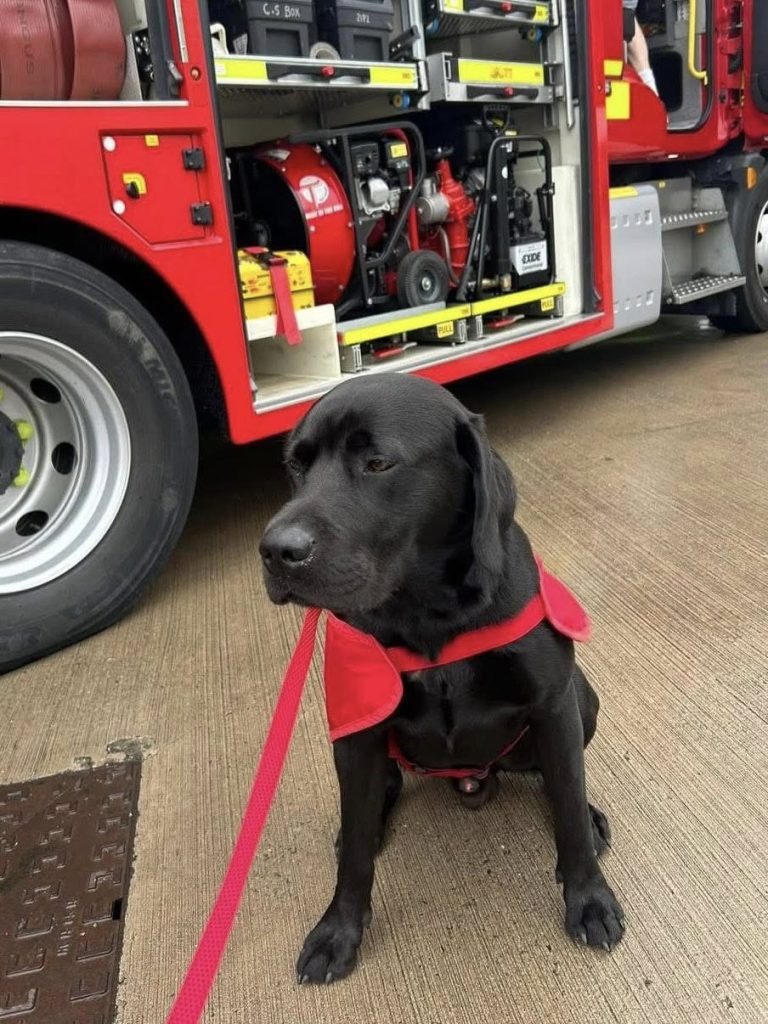
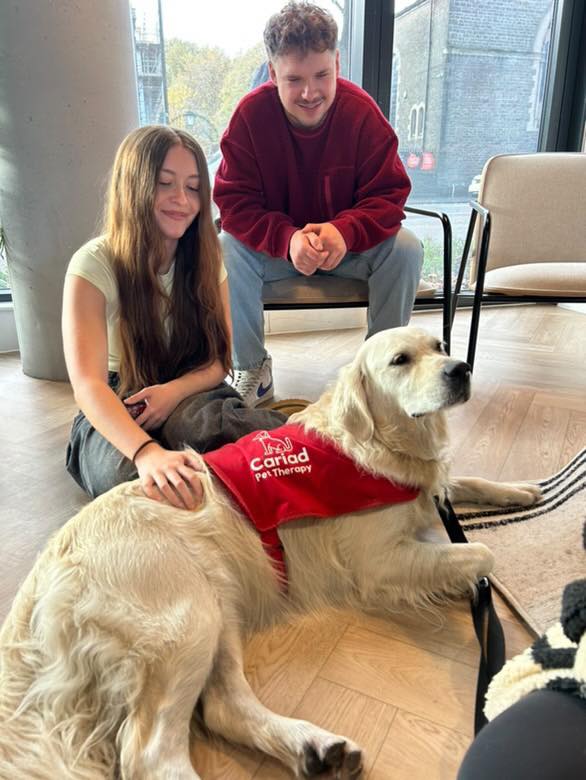
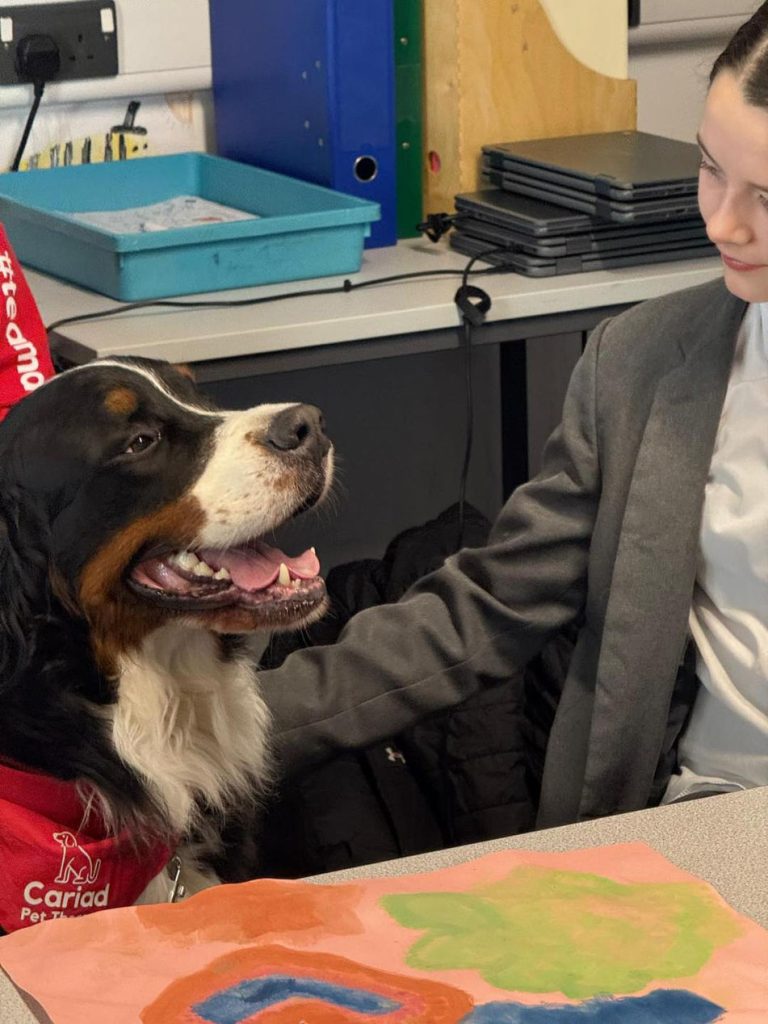
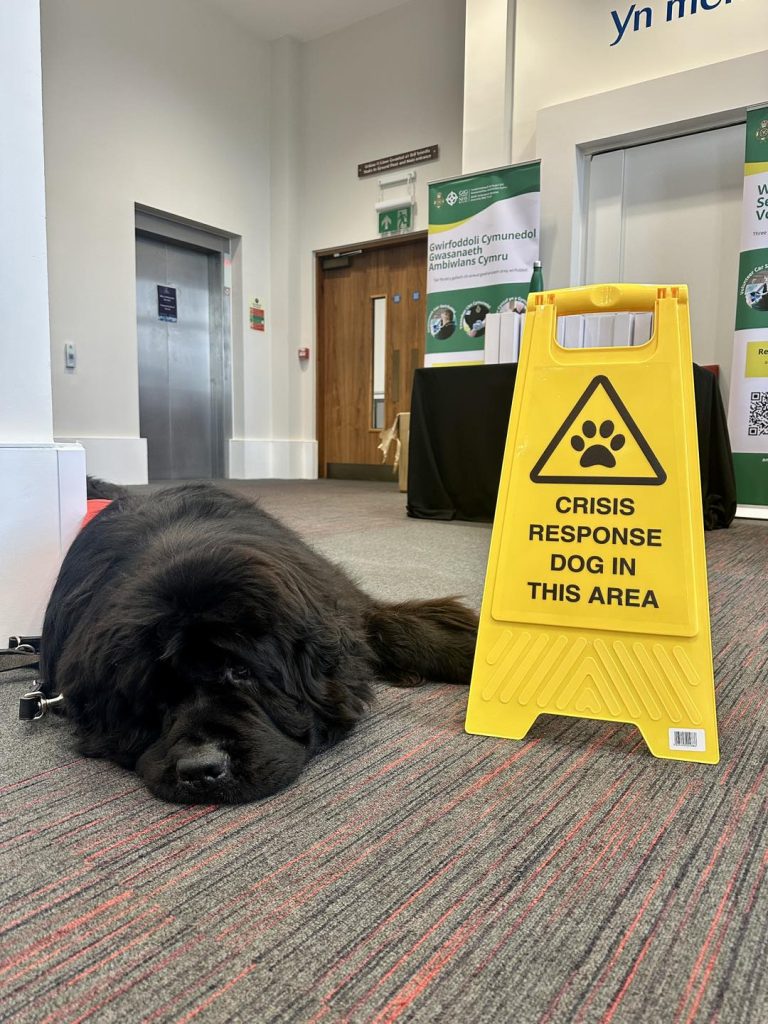
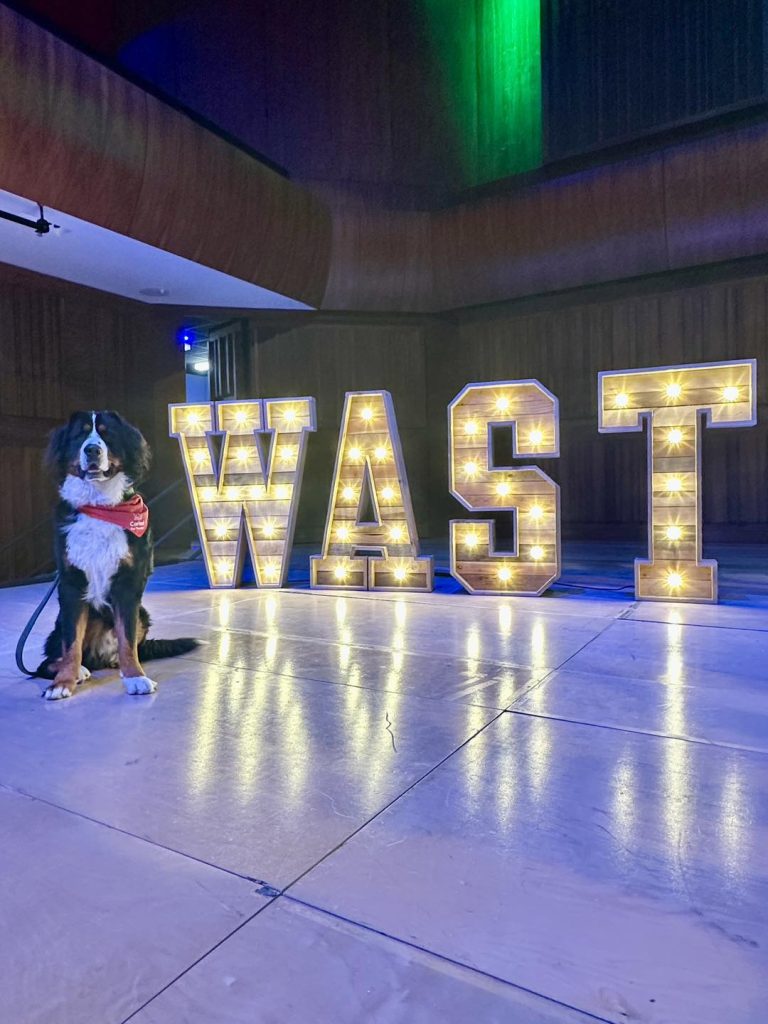
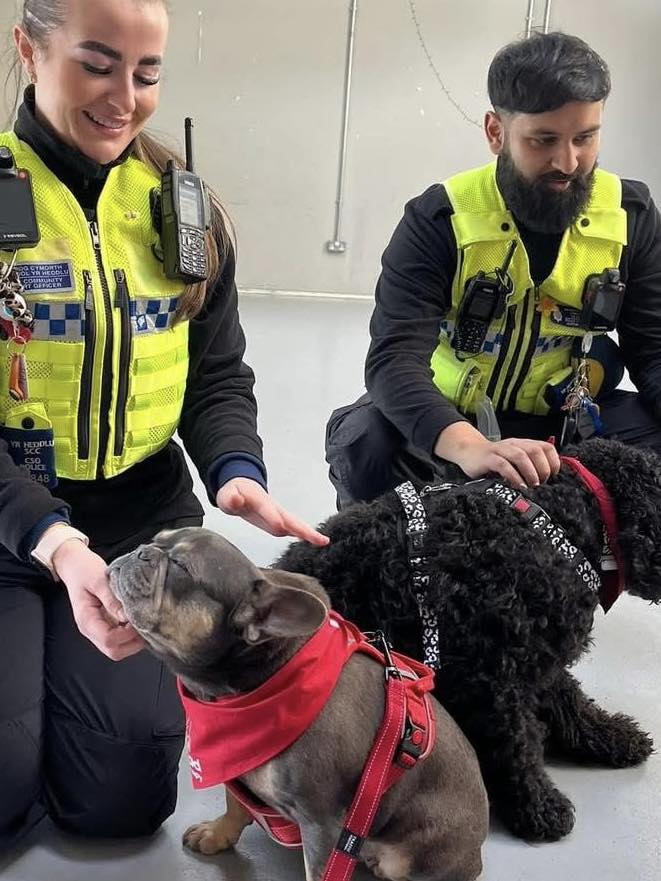
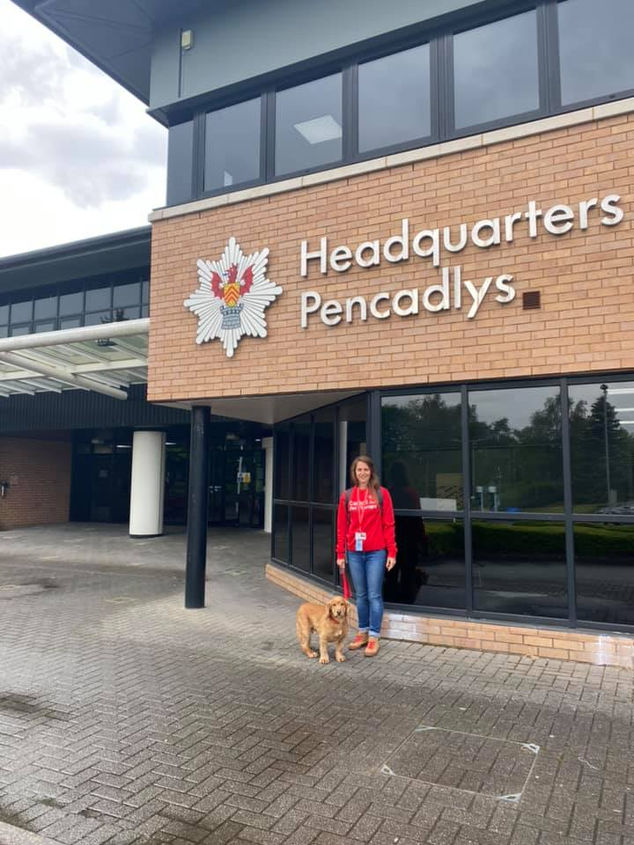
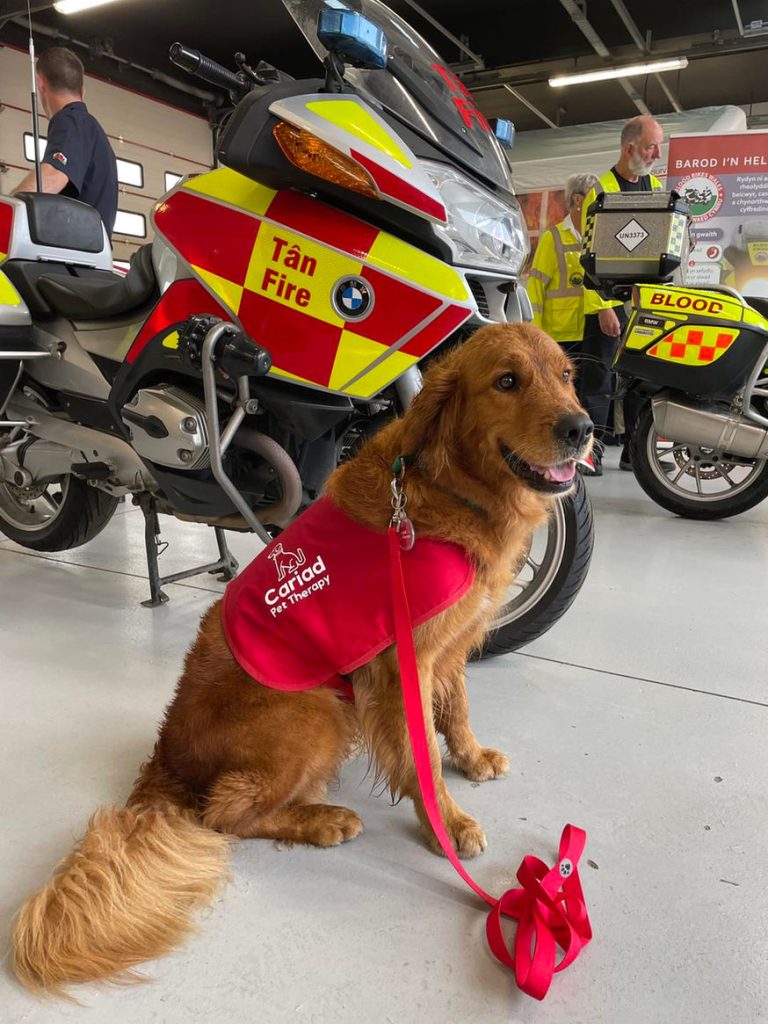
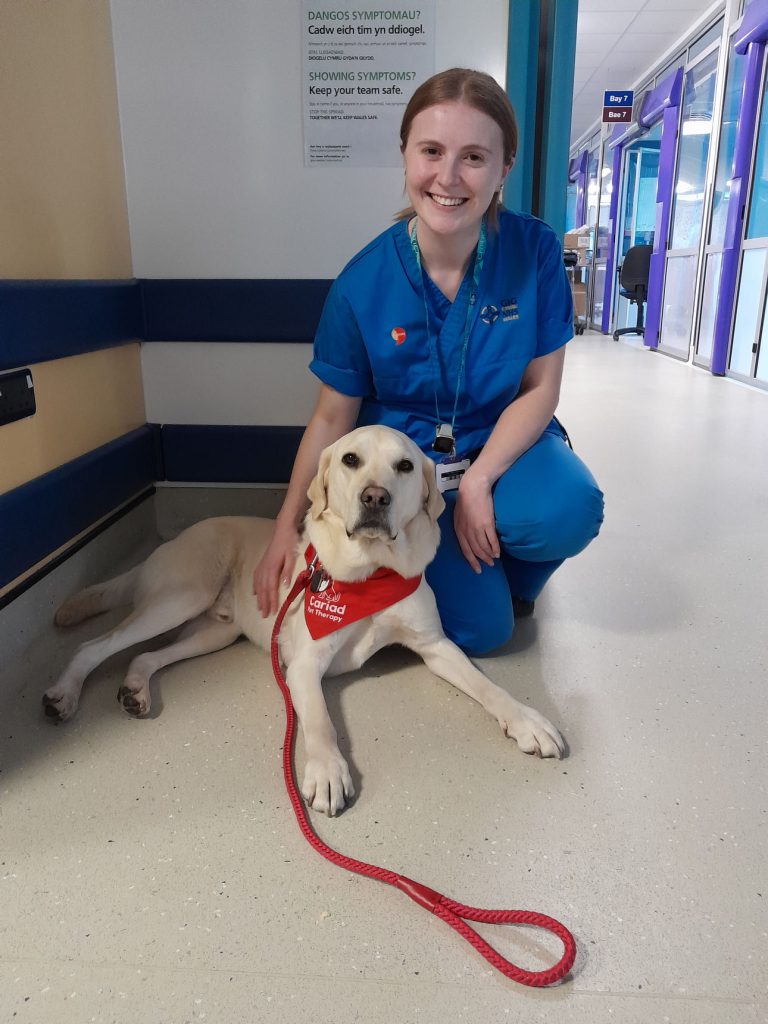
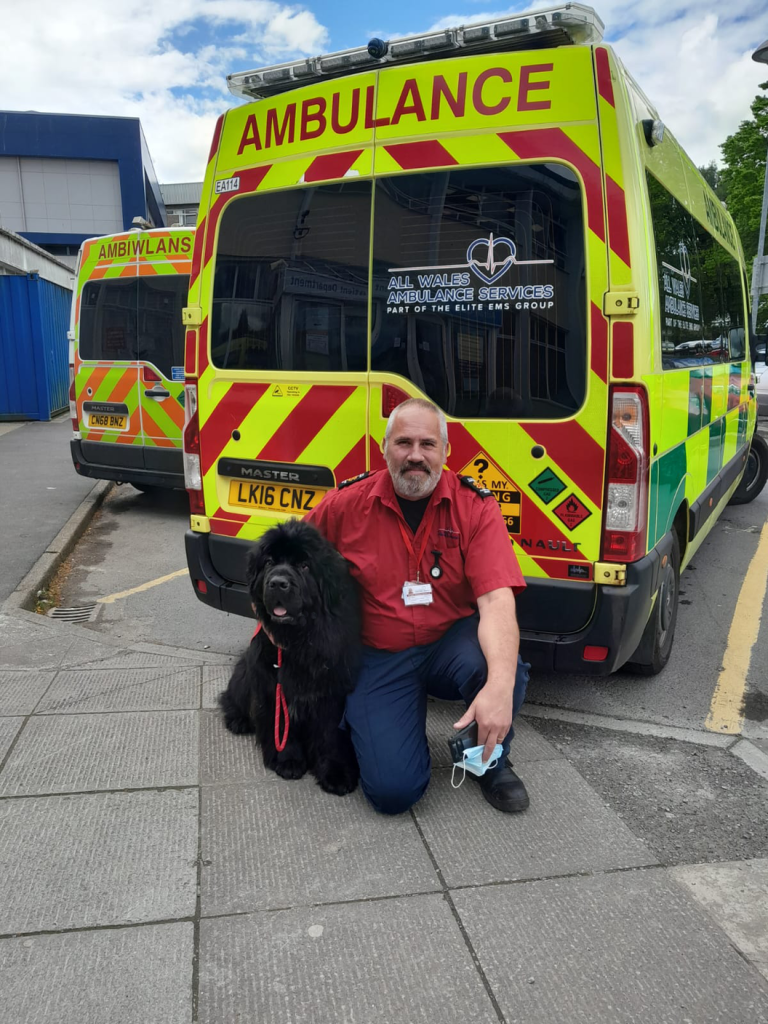
A NEW project using specially trained dogs to support people during moments of trauma, grief and crisis has been launched by Cariad Pet Therapy.
The volunteer-led Crisis Response Dogs project aims to provide comfort, emotional support and compassionate human contact to people experiencing distress, loss or heightened stress.
The dogs and their trained handlers will be able to support people in hospitals, schools, emergency response settings, wellbeing events, relief centres and community support environments.
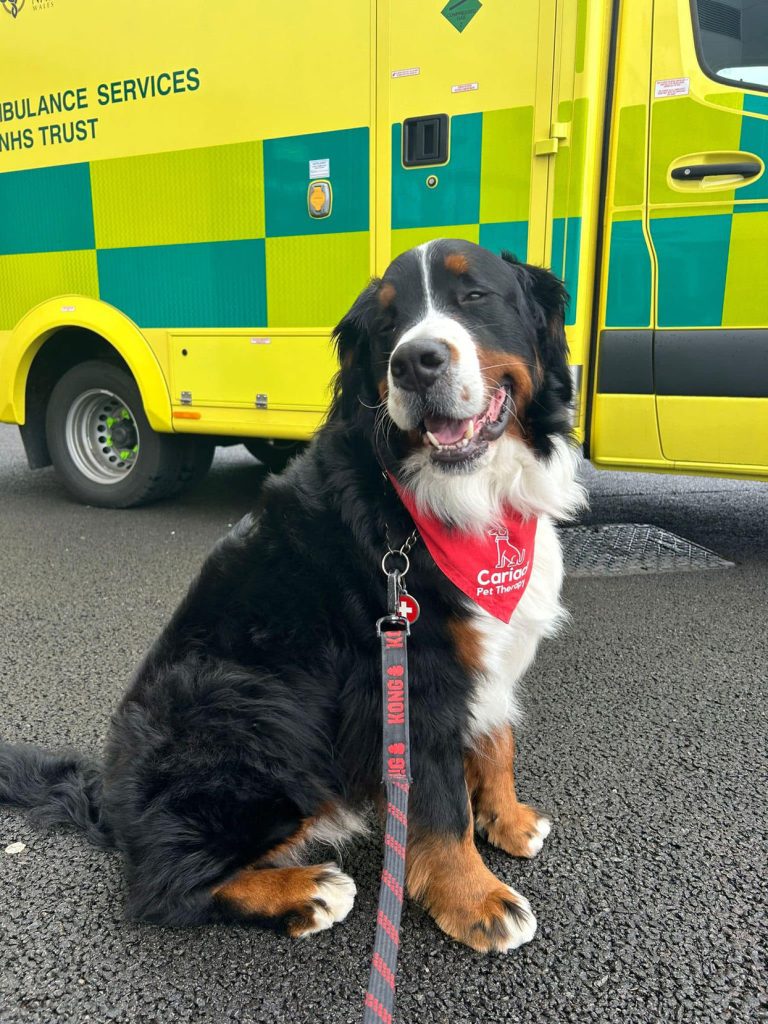
Cariad Pet Therapy says the project is designed to offer a calm and non-judgmental presence at times when people may be struggling to cope.
Volunteers involved in the scheme have undertaken a bespoke training programme, including accredited Mental Health First Aid, Emotional First Aid, Trauma-Informed Practice, Safeguarding, Professional Boundaries, Dynamic Risk Assessment, Dog Welfare, Crisis Awareness, and training in psychological responses to trauma and distress.
The project is also working with emergency management and resilience partners, including the South Wales Local Resilience Forum, to support communities during emergencies, major incidents and recovery situations.
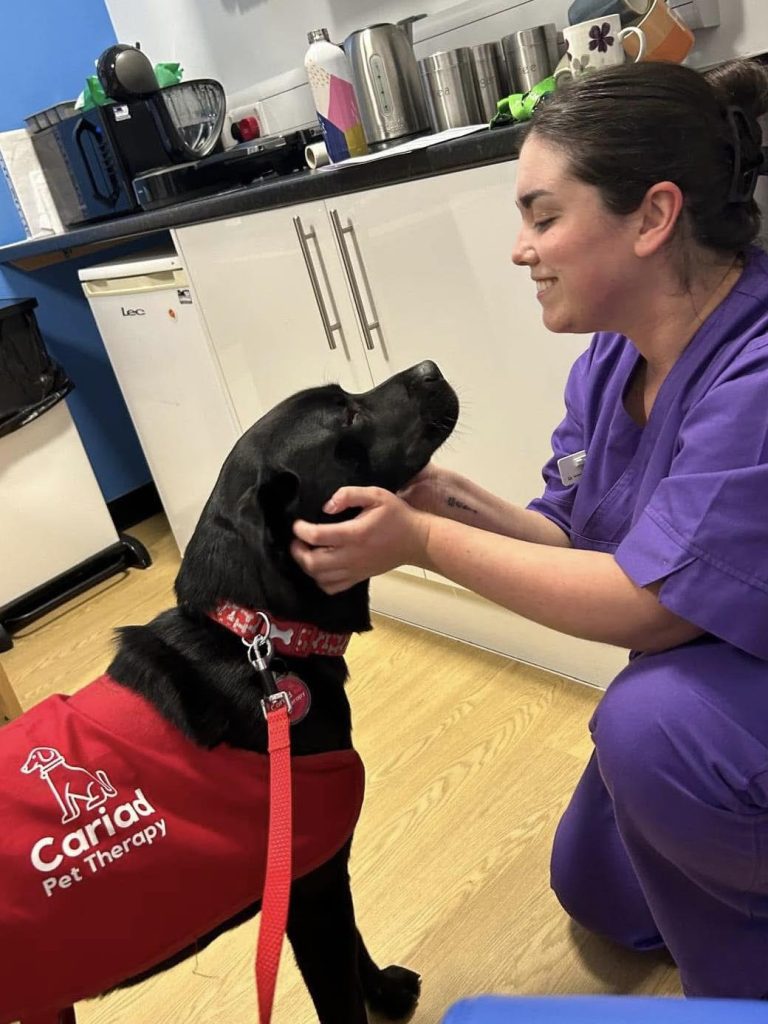
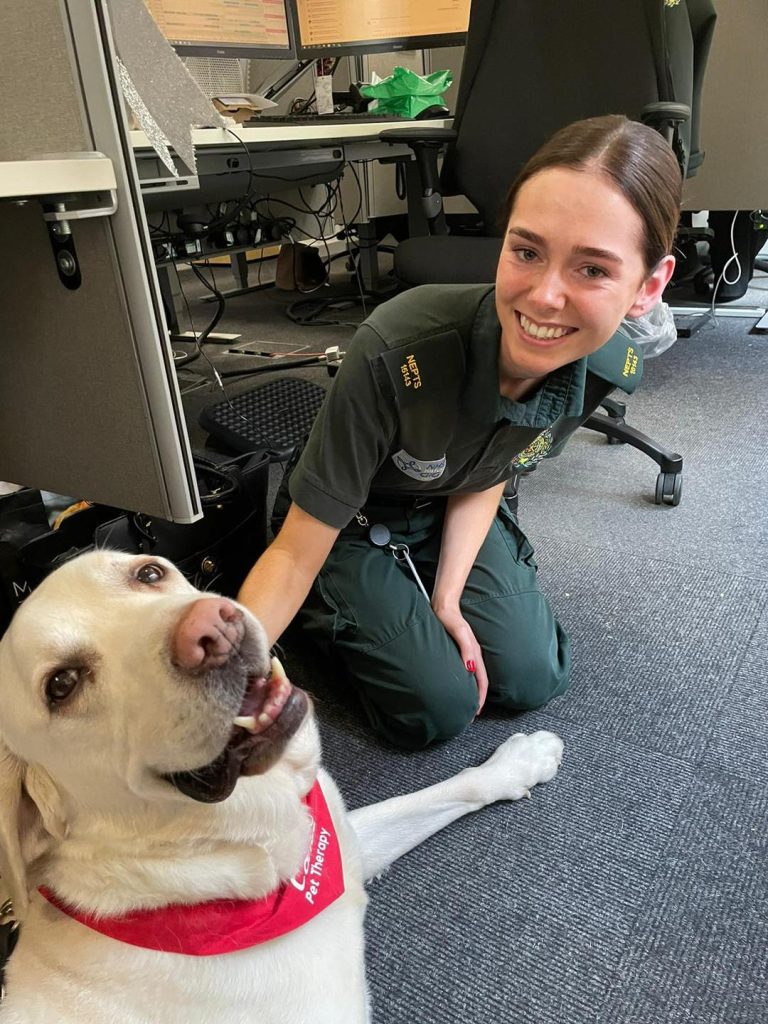
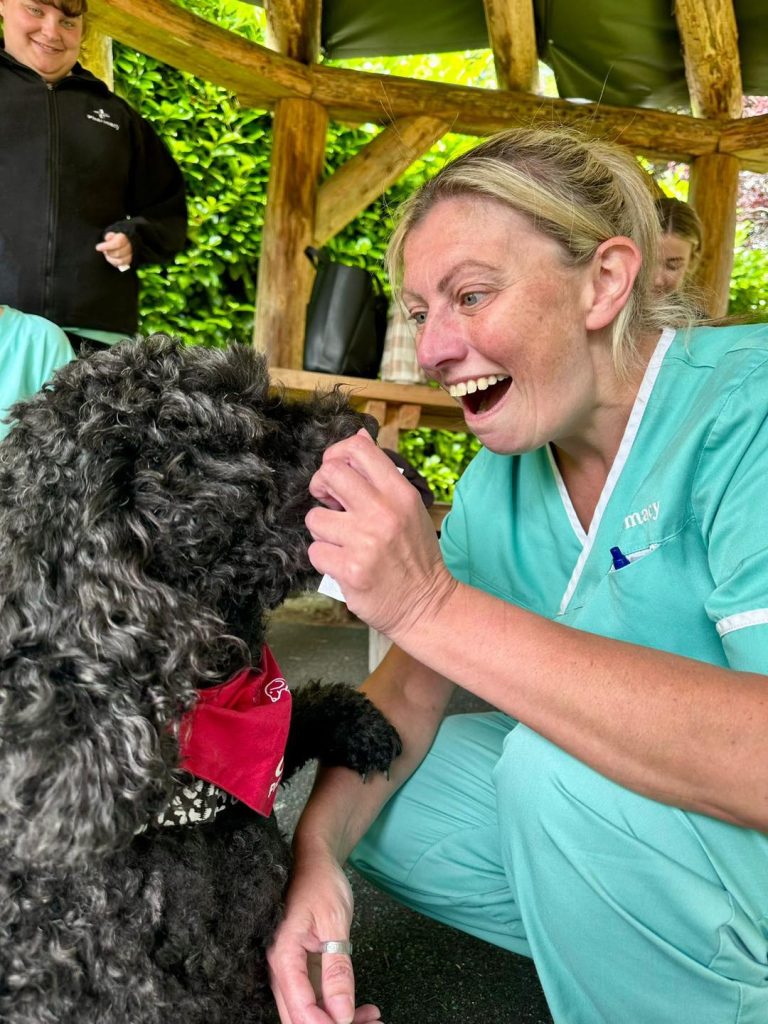
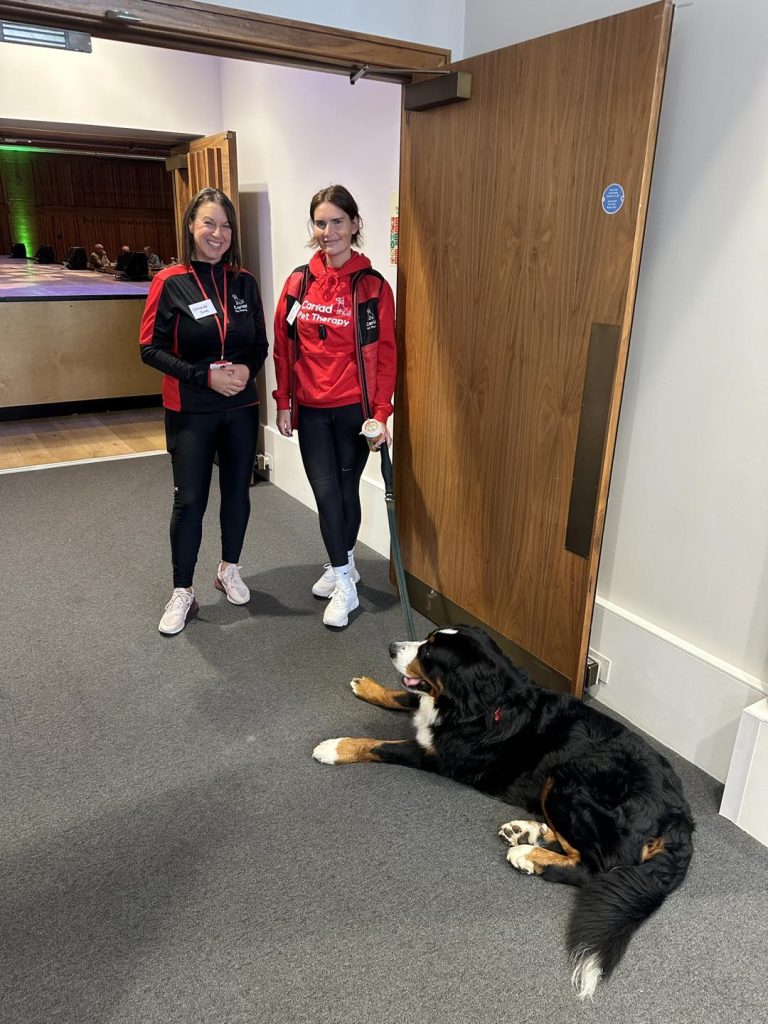
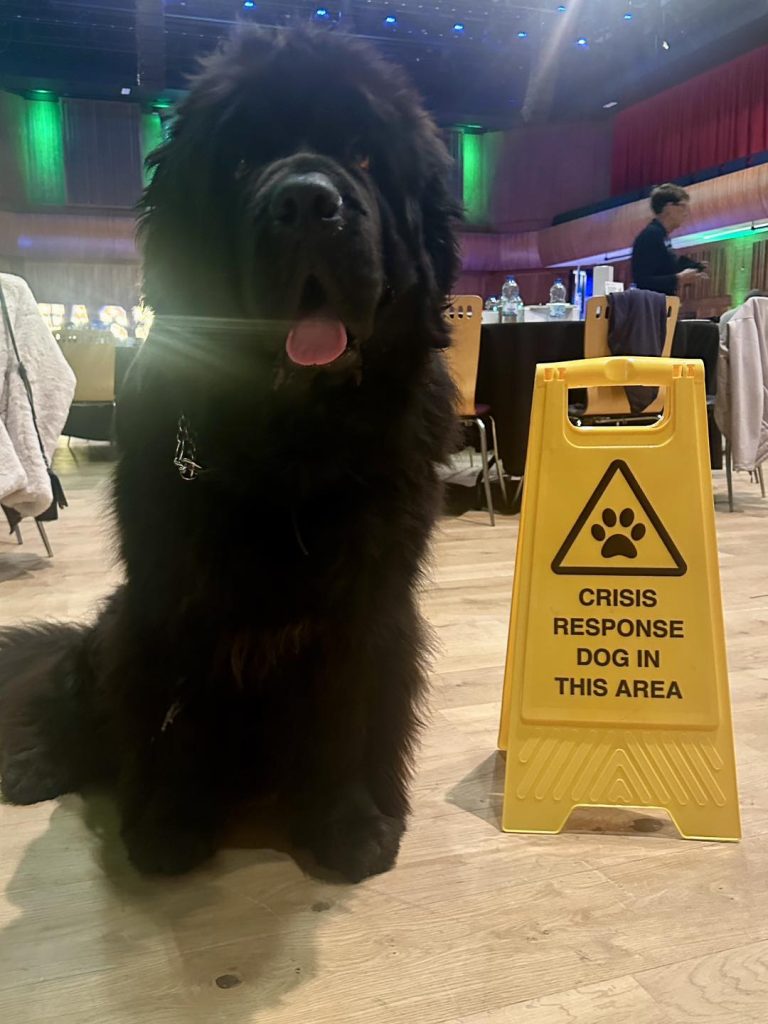
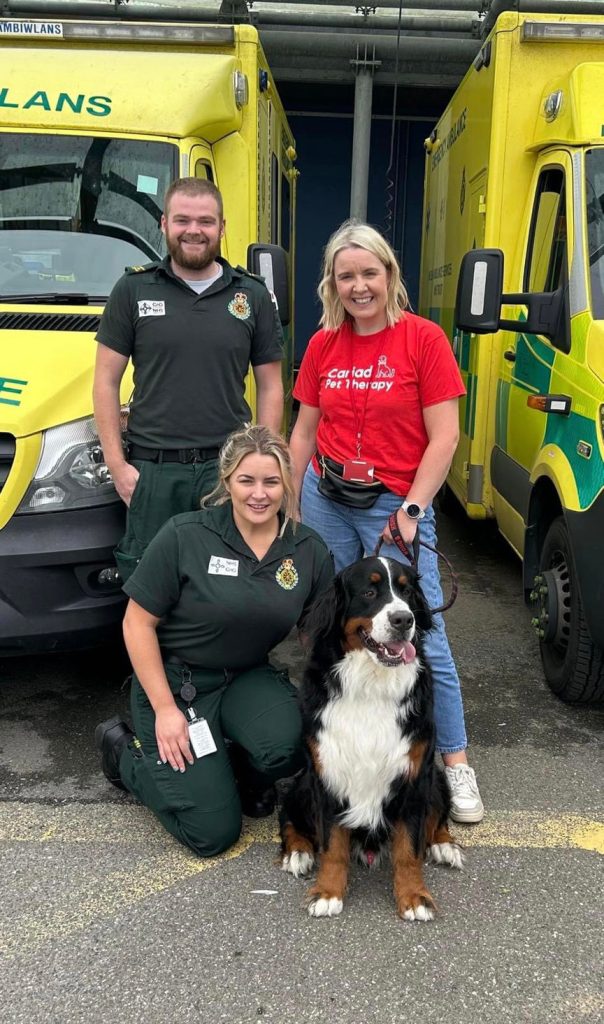
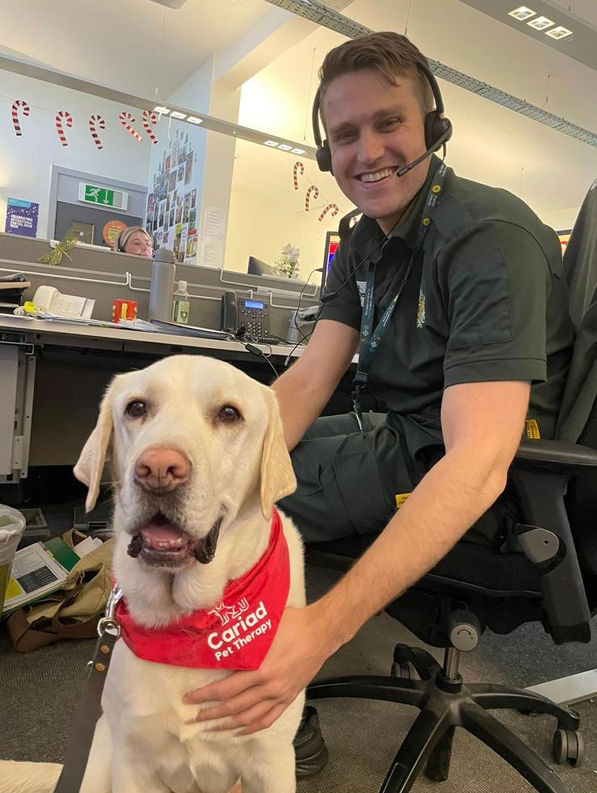
As part of its development, volunteers have attended specialist seminars on suicide prevention, the human-animal relationship, emergency planning and resilience.
Robert Thomas, Crisis Response Dogs lead for the project, said: “We have already witnessed the incredible impact these dogs can have on people facing difficult moments.
“Sometimes a calm presence, a conversation, or simply the comfort of a dog can make someone feel seen, supported, and less alone.”
The project has received funding from The National Lottery.
For more information about Crisis Response Dogs, or to request a deployment, contact Robert Thomas on 01437 609985 or visit www.crisisresponsedogs.co.uk.
Crisis response dogs: Cariad Pet Therapy has launched a new project to support people during trauma, grief and distress across Wales (Pics: Cariad Pet Therapy).

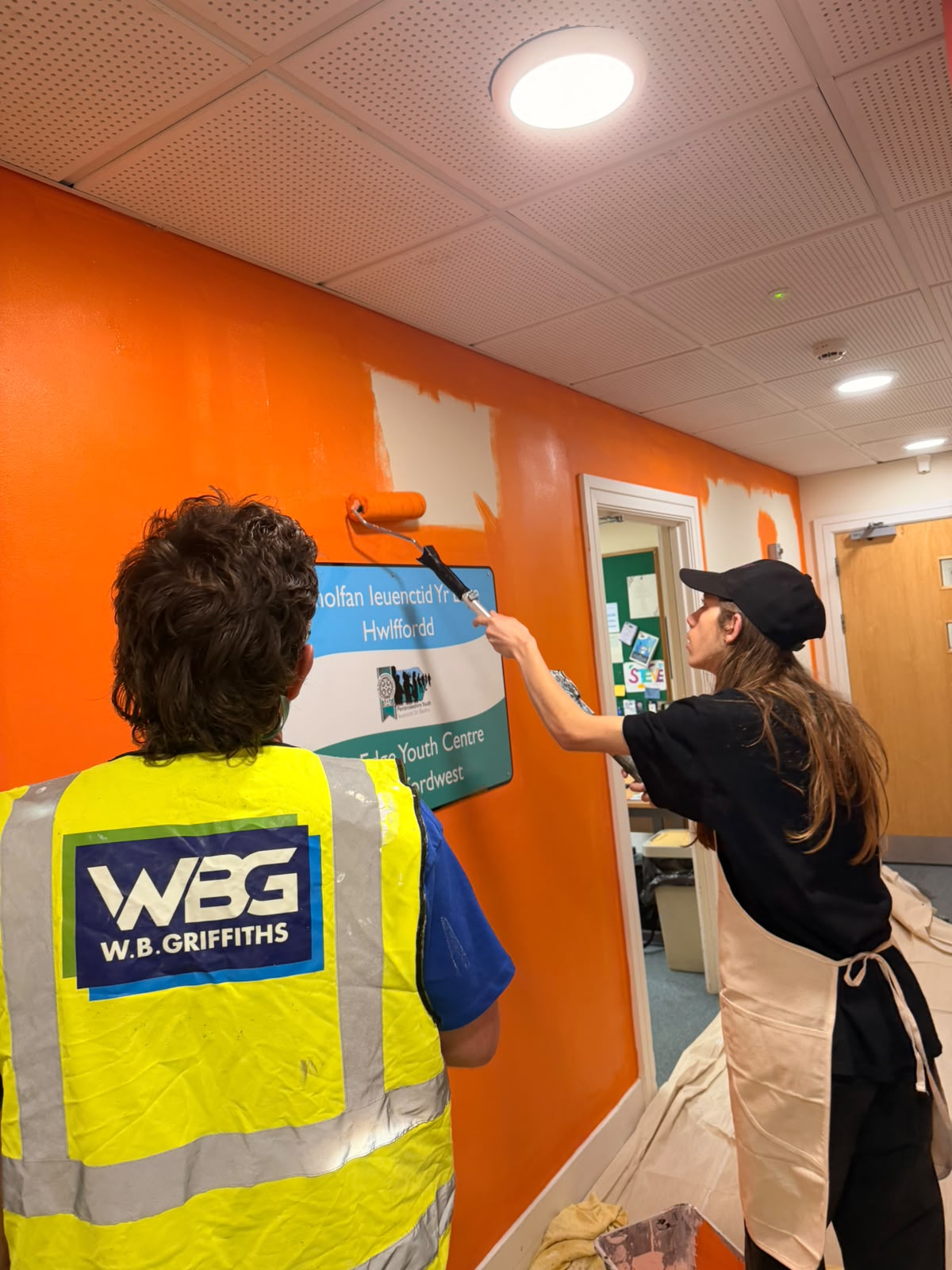
YOUNG people at a Haverfordwest youth centre have helped transform one of its rooms into a bright and welcoming space.
The Edge Youth Centre, Haverfordwest, has thanked W.B Griffiths & Son Ltd for supporting the painting and decorating project, which saw young people work alongside Chris, a painter and decorator from the company.
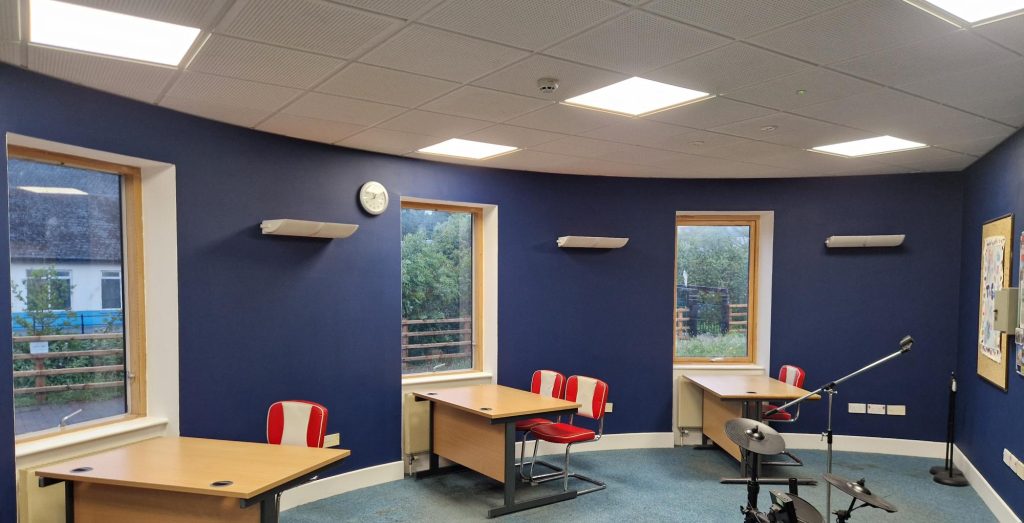
The project has given the room a colourful refresh, creating a cheerful space for young people using the centre.
Rabart Decorators Merchants, Pembroke Dock, also supported the work by supplying the colourful paints.
A spokesperson for The Edge Youth Centre said: “We’d like to extend a huge thank you to W.B Griffiths & Son Ltd for supporting us with the painting and decorating of one of the rooms at our Youth Centre.
“The young people were fortunate enough to work alongside Chris, a painter and decorator from W.B Griffiths & Son Ltd, to transform the room.
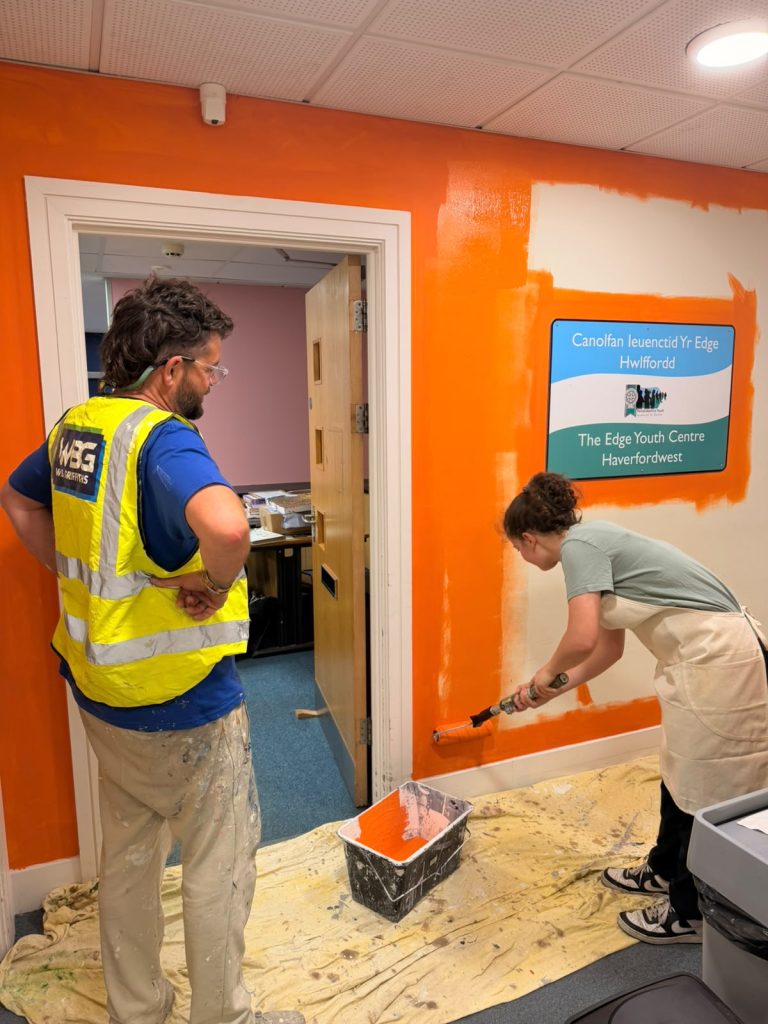
“Thanks to Chris and the young people’s hard work and enthusiasm, the space is now looking bright, welcoming, and cheerful.
“We’d also like to thank Rabart Decorators Merchants, Pembroke Dock, for generously supplying the colourful paints. Your support has helped create a vibrant room that young people can enjoy for years to come.”
The centre added: “Thank you both for your generosity and for helping us create such a positive space for our young people.”
Photo caption: Bright new look: Young people worked alongside W.B Griffiths & Son Ltd to refresh a room at The Edge Youth Centre, Haverfordwest.



News16 hours ago
Council tax shake-up in doubt as Welsh Government reviews reform plans
Questions over 2028 revaluation as ministers reconsider next steps THE FUTURE of council tax reform in Wales has been thrown...


Crime16 hours ago
Paddleboard company owner loses bid to cut sentence over Haverfordwest tragedy
A FORMER paddleboard company owner jailed over the deaths of four people on the Western Cleddau has failed in a...

Community2 days ago
Crisis response dogs launched to support people through trauma and distress
A NEW project using specially trained dogs to support people during moments of trauma, grief and crisis has been launched...


News2 days ago
Major fire breaks out at Tata Steel site in Port Talbot
TATA STEEL has confirmed that a major fire broke out at its Port Talbot steelworks on Wednesday night, with emergency...


Community3 days ago
HMS Erebus tragedy links Pembroke Dock ship to Templeton family
DNA breakthrough identifies cabin boy David Young as exhibition marks 200 years since ship’s launch ON MAY 19, 1845, a...


Community3 days ago
Narberth cash machine closures spark urgent access review
CALLS have been made for an urgent review of access to cash in Narberth after two town centre ATMs were...


Health4 days ago
First Minister quizzed on Welsh NHS pressures in his first-ever FMQs
SENEDD Members pressed the First Minister over the state of the health service in Wales, as the Plaid Cymru leader...

Community4 days ago
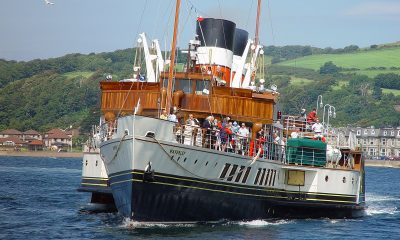
Historic paddle steamer Waverley to return to Fishguard this month
THE WORLD’S last seagoing paddle steamer will return to Fishguard this month as part of her annual visit to South...

Local Government4 days ago
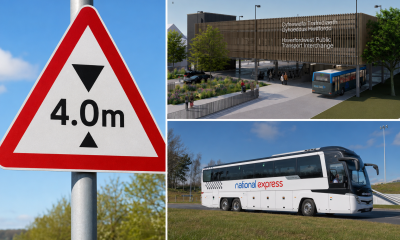
National Express use of new Haverfordwest interchange still subject to risk checks
A RUMOUR that National Express coaches may struggle to use Haverfordwest’s new transport interchange has been denied by Pembrokeshire County...


Crime4 days ago
Milford Haven man jailed for illegal Premier League streaming service
A MILFORD HAVEN man who supplied illegal Premier League streams and loaded Firesticks to almost 2,000 customers has been jailed...
-
Crime16 hours ago
Paddleboard company owner loses bid to cut sentence over Haverfordwest tragedy
-

 Crime3 days ago
Milford Haven man bit neighbour’s neck near cashpoint
-
Crime4 days ago
Milford Haven man jailed for illegal Premier League streaming service
-

 Crime4 days ago
Haverfordwest man admits cocaine offence as Crown disputes basis of plea
-
Local Government4 days ago
National Express use of new Haverfordwest interchange still subject to risk checks
-

 Crime3 days ago
Pembroke Dock driver avoided jail after drug-drive crash
-

 Crime3 days ago
Dinas Cross man jailed over shop thefts
-

 Community6 days ago
Charles Street to come alive for Milford Haven Founders Day