


Features
Simple home DIY projects


Transforming your living space doesn’t require a professional contractor or an enormous budget. With a few basic tools, some creativity, and a weekend to spare, you can tackle simple home DIY projects that will breathe new life into your home. Whether you’re a seasoned DIY enthusiast or picking up a paintbrush for the first time, these accessible projects will help you personalise your space whilst building your confidence and skills.
Refresh your walls with a fresh coat of paint
One of the most cost-effective ways to transform any room is with paint. A fresh colour can completely change the mood and perception of a space. Before you begin, invest time in proper preparation: clean your walls, fill any holes or cracks with filler, and sand smooth once dry. Use painter’s tape to protect skirting boards, door frames, and ceilings. Choose quality paint and the right finish for your room – matt for ceilings, vinyl silk for kitchens and bathrooms where moisture resistance matters. Don’t rush the process; two thin coats always look better than one thick, drippy application.
Install floating shelves for extra storage
Floating shelves offer both functionality and style, making them perfect for displaying books, plants, or decorative items. The beauty of this project lies in its versatility – you can install them in virtually any room. Measure carefully and use a spirit level to ensure your shelves are perfectly horizontal. Locate wall studs for the most secure installation, or use appropriate wall plugs for plasterboard. Start with one or two shelves to build your confidence before creating an entire display wall. This project typically takes just an afternoon but delivers long-lasting storage solutions.
Create a feature wall with wallpaper or panelling
Feature walls have remained popular for good reason – they add character without overwhelming a space. Wallpaper has evolved tremendously, with peel-and-stick options making installation remarkably straightforward for beginners. Choose one wall as your focal point, typically the wall you see when entering the room. For a more textured approach, consider installing a wood slat wall panel to add depth and architectural interest. This creates a sophisticated, modern look that works beautifully in living rooms or bedrooms. Whichever option you choose, a feature wall can be completed in a single day and makes a dramatic impact.
Update cabinet hardware for an instant kitchen refresh
If a full kitchen renovation isn’t in your budget, replacing cabinet handles and knobs delivers remarkable results for minimal investment. This simple swap can modernise dated cabinets and completely change your kitchen’s aesthetic. Measure your existing hardware’s spacing before purchasing replacements to ensure proper fit. Choose a finish that complements your kitchen’s style – brushed brass for warmth, matte black for contemporary spaces, or polished chrome for classic appeal. You’ll need only a screwdriver for this project, making it perfect for absolute beginners.

Build a simple herb garden
Even without outdoor space, you can create a thriving herb garden on a sunny windowsill. Purchase small terracotta pots, quality potting compost, and herb plants or seeds from your local garden centre. Basil, mint, parsley, and chives are particularly forgiving for novice gardeners. Drill drainage holes if your pots don’t have them, and place saucers underneath to protect surfaces. Not only does this project bring life into your kitchen, but you’ll also enjoy fresh herbs for cooking. It’s a rewarding project that continues giving long after completion.
Upgrade your lighting fixtures
Lighting dramatically affects ambience, yet many people overlook its potential. Swapping outdated light fixtures for modern alternatives can transform a room’s entire feel. Before beginning any electrical work, always turn off power at the consumer unit and verify it’s off using a voltage tester. If you’re uncomfortable working with electrics, hire a qualified electrician – safety always comes first. For those confident with basic electrical work, replacing a pendant light or wall sconce is straightforward and makes an impressive difference.
Final thoughts
These simple home DIY projects prove that transforming your space doesn’t require expert skills or substantial budgets. Start with projects matching your comfort level, invest in quality tools that you’ll use repeatedly, and don’t fear making mistakes – they’re part of the learning process. As your confidence grows, you’ll find yourself tackling increasingly ambitious projects. The satisfaction of creating something with your own hands, tailored precisely to your taste, makes every moment spent worthwhile. Your home should reflect your personality, and these accessible DIY projects help you achieve exactly that.

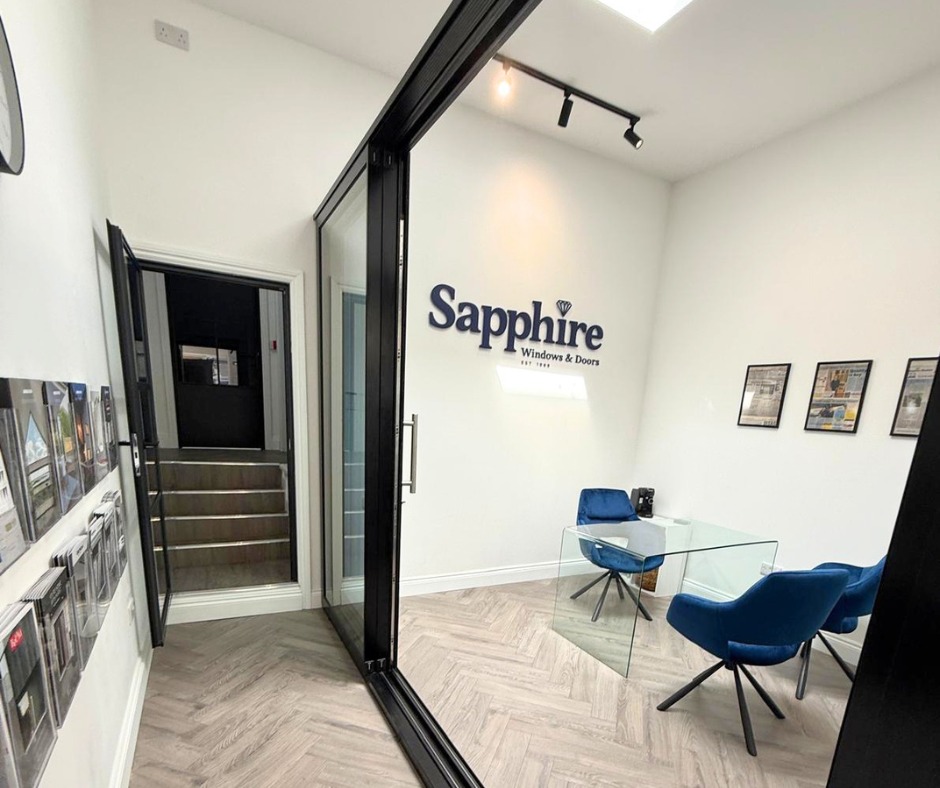
LOCAL HOMEOWNERS will soon be able to see a wide range of windows, doors and glazing products in person as Sapphire Windows & Doors opens a new showroom in Milford Haven.
The family-run company, which has been improving homes across South and West Wales since 1989, will officially open the new showroom on Monday at 11:30am.
The Mayor of Milford Haven will attend the opening to mark the occasion.
The showroom will give customers across Pembrokeshire the chance to view Sapphire’s products up close, compare styles, speak directly to the team and get advice before deciding what is right for their home.
Sapphire supplies and installs double and triple-glazed windows, doors, conservatories and specialist glazing products, including uPVC windows, composite doors, aluminium sliding and bifold doors, timber windows, timber doors, internal doors and conservatory upgrades.
The company says the new Milford Haven showroom has been designed to make the process easier for homeowners who want clear advice, quality products and a trusted local service.
A spokesperson for Sapphire Windows & Doors said: “When people are investing in new windows and doors, it is important they feel confident in what they are choosing.
“The showroom gives customers the chance to see the products properly, talk through the options and get clear advice from our team.”
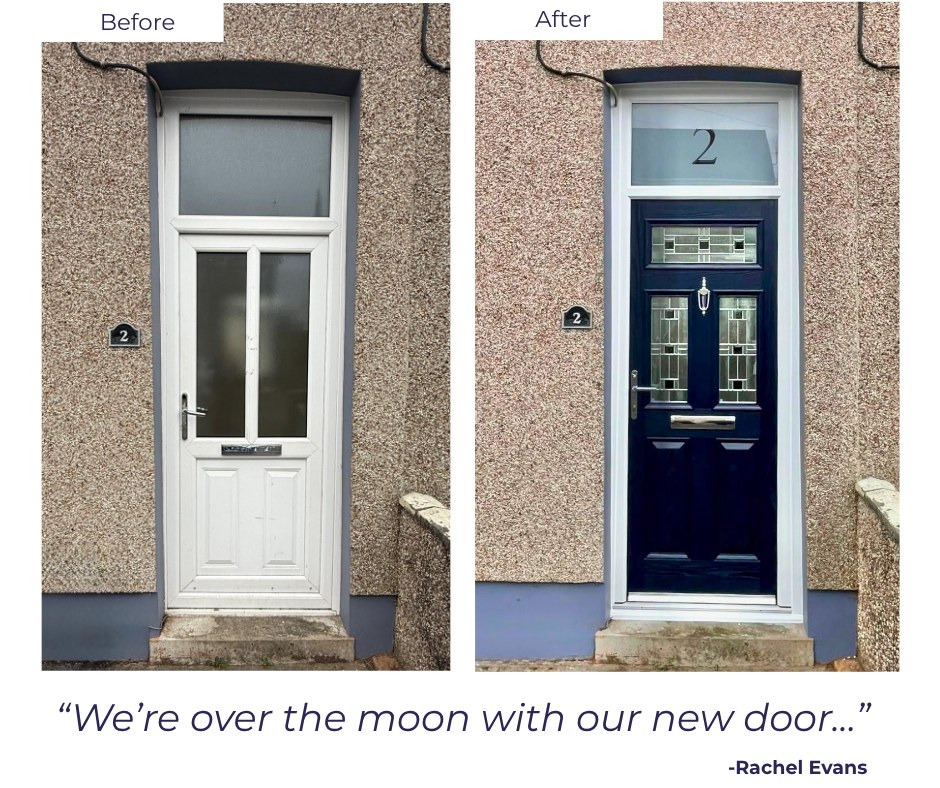
Helping homes stay warmer
For many homeowners, replacing windows and doors is not simply about changing the look of a property.
Older or poorly fitted windows and doors can cause draughts, condensation, heat loss and rising heating bills, as well as reducing security and kerb appeal.
Sapphire says its modern double and triple-glazed products are designed to improve comfort, reduce heat loss and give homes a fresher, more secure finish.
The company also offers conservatory roof replacements, helping customers make existing conservatories more comfortable and usable throughout the year.

In-house installation team
One of Sapphire’s key selling points is that its installers are directly employed and fully trained.
The company says it does not rely on subcontractors, giving customers greater consistency and accountability.
Poor installation can lead to leaks, draughts, condensation and unnecessary repair costs, but Sapphire says its approach is based on careful fitting, quality products and doing the job properly first time.
Every installation comes with a 10-year guarantee and a FENSA insurance-backed warranty.
Family firm since 1989
Sapphire Windows & Doors has built its reputation over more than 35 years by focusing on workmanship, honest advice and customer care.
The company offers free, no-obligation quotes and says it gives customers its best price upfront, with no gimmicks, hidden extras or pushy sales tactics.
That approach has helped the business build long-term relationships with homeowners across South and West Wales, including customers who return for further work or recommend the company to others.
Customer reviews also highlight clear communication, tidy fitting teams and reliable aftercare.
One customer, John Craig, said Sapphire sent a fitter within an hour when his patio doors needed a small adjustment 18 months after installation, describing it as “first class service.”
Others have praised the company for leaving homes clean and tidy after work was completed, as well as for the quality of the products and fitting.
Simple process
Sapphire says its process begins with a free home visit, where the team can assess the property, discuss the customer’s needs and explain suitable options.
Customers then receive a clear quotation before a technical survey is carried out. Products are made to measure before Sapphire’s in-house fitters complete the installation.
Finance options are also available through Phoenix Financial Consultants, subject to status and credit checks.
The new Sapphire Windows & Doors showroom in Milford Haven will open on Monday at 11:30am.
To request a free, no-obligation quote, call 01269 596480, email [email protected], or visit sapphirewindows.info.
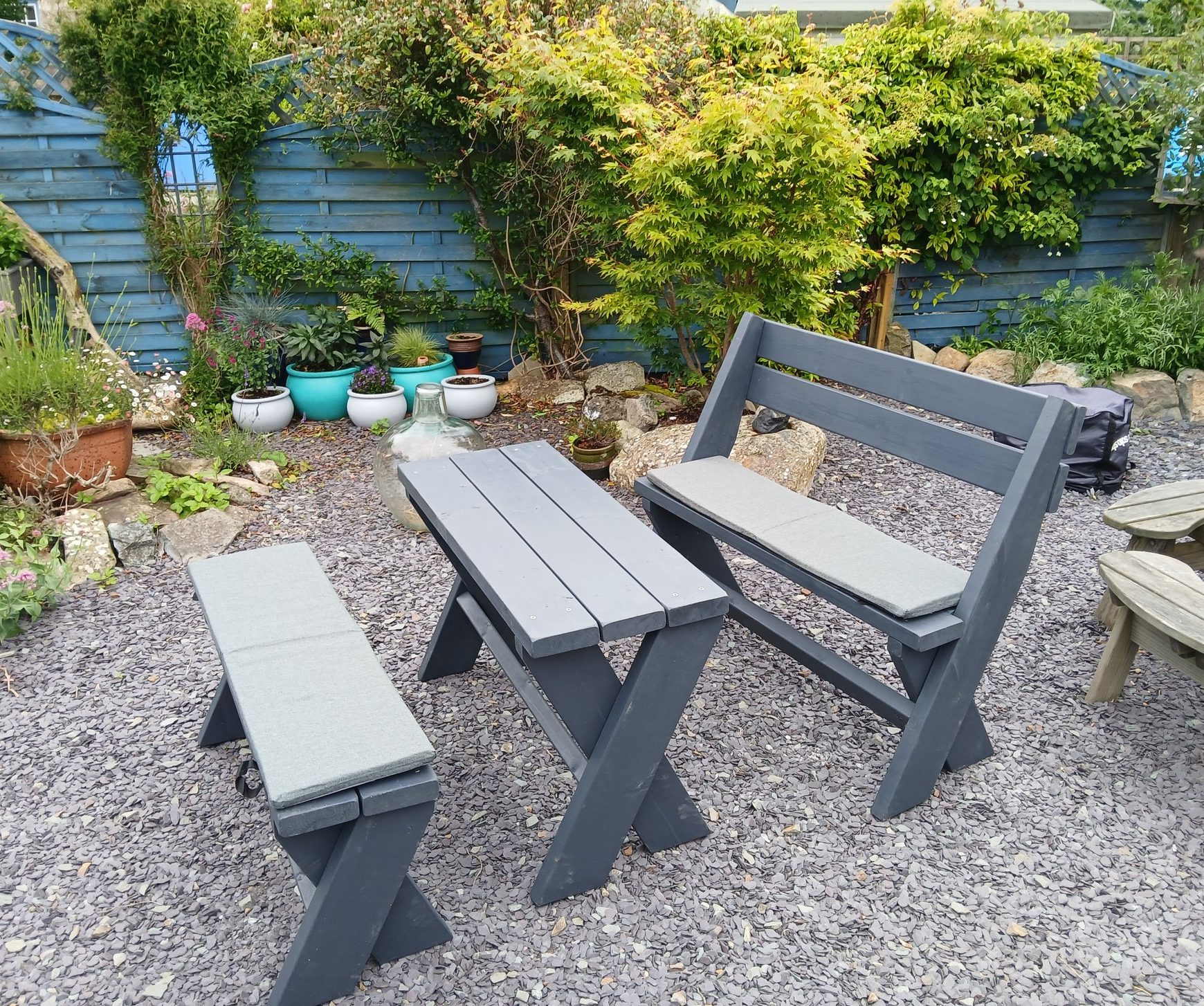
Cardigan-based Pembrokeshire Wooden Garden Company Ltd is winning customers with solid, comfortable and weather-resistant benches, tables and outdoor seating
A LOCAL garden furniture maker is bringing traditional craftsmanship, strength and style to outdoor spaces across Pembrokeshire and west Wales.
Pembrokeshire Wooden Garden Company Ltd, based next to Tivy Tyres on Station Road, Cardigan, specialises in handcrafted wooden benches, garden tables and outdoor seating built for real everyday use.
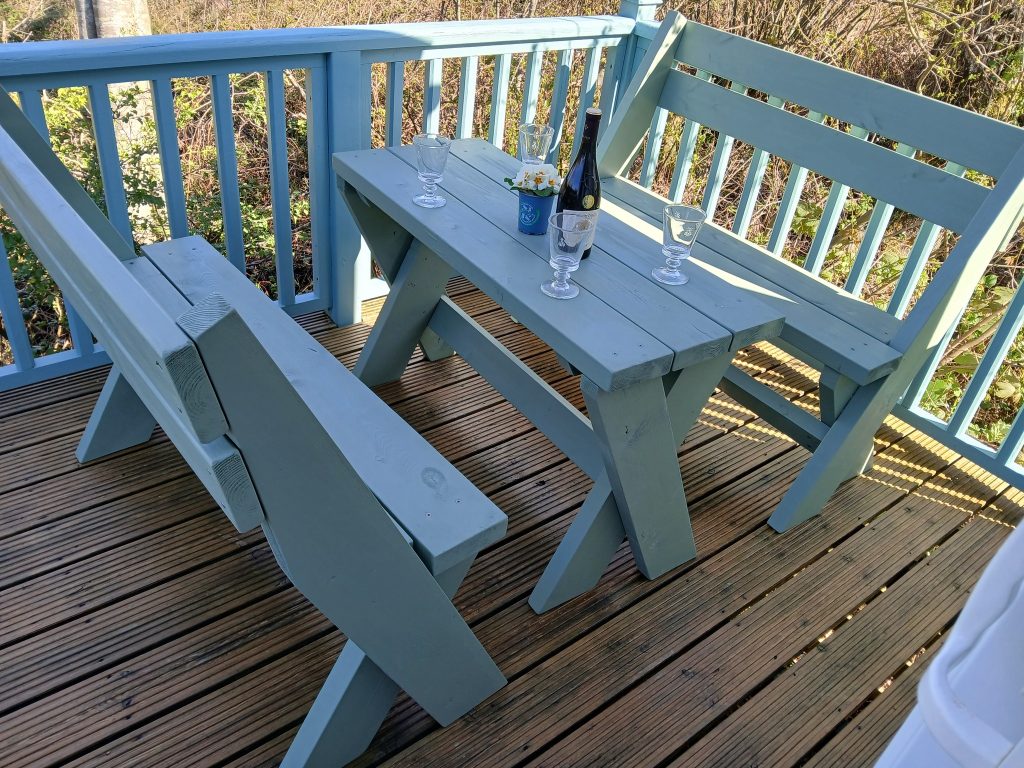
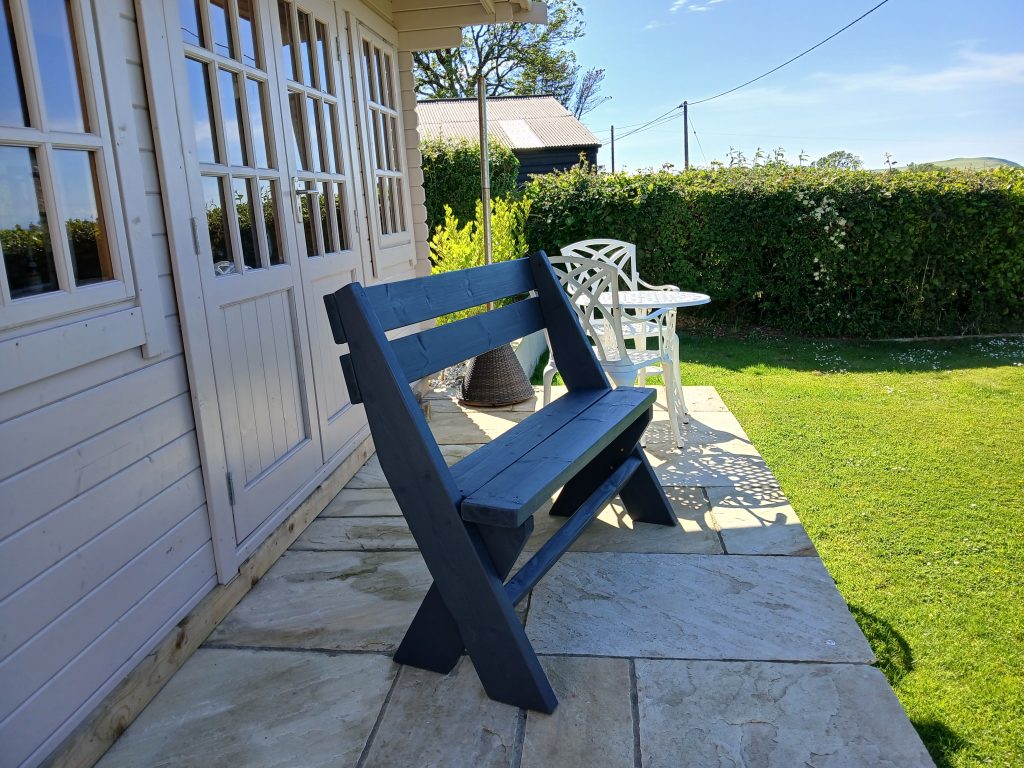
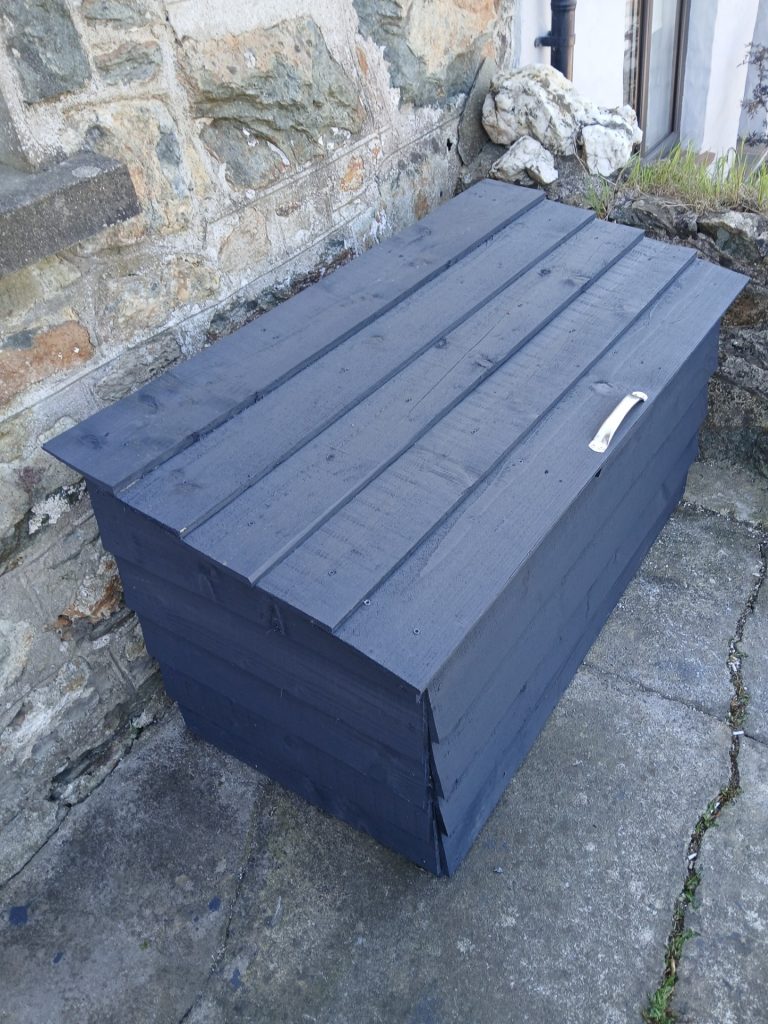
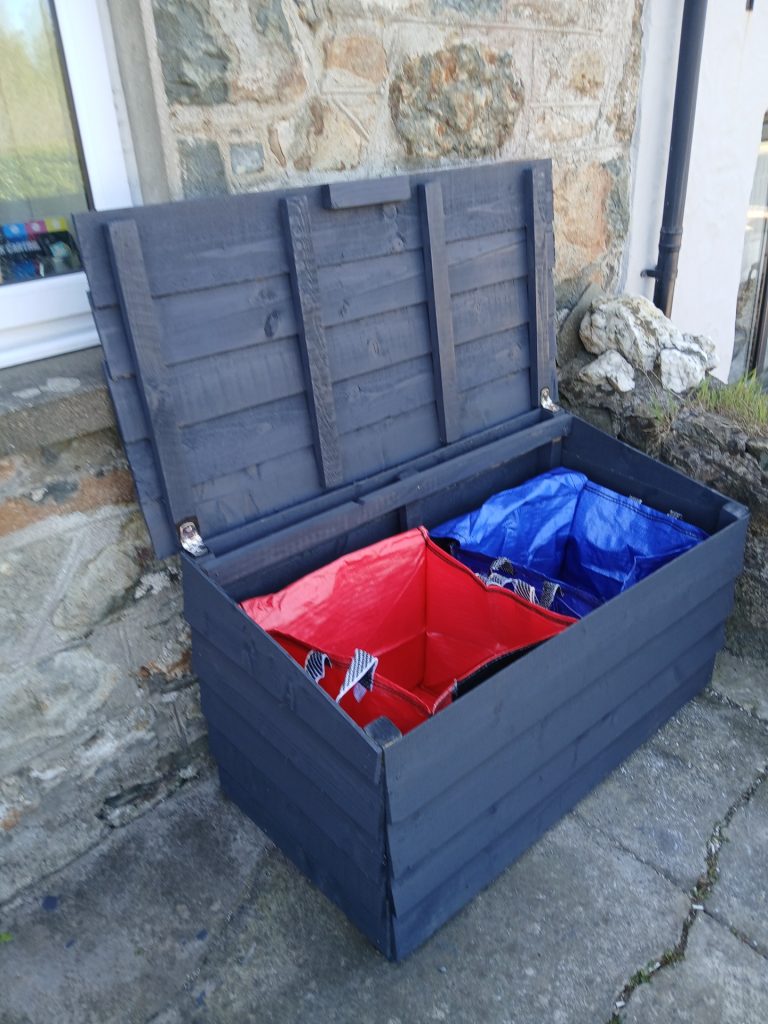
At a time when many garden furniture products are mass-produced and lightweight, the company has focused on making solid, heavy-duty pieces designed to last, with comfort, durability and practicality at the heart of every item.
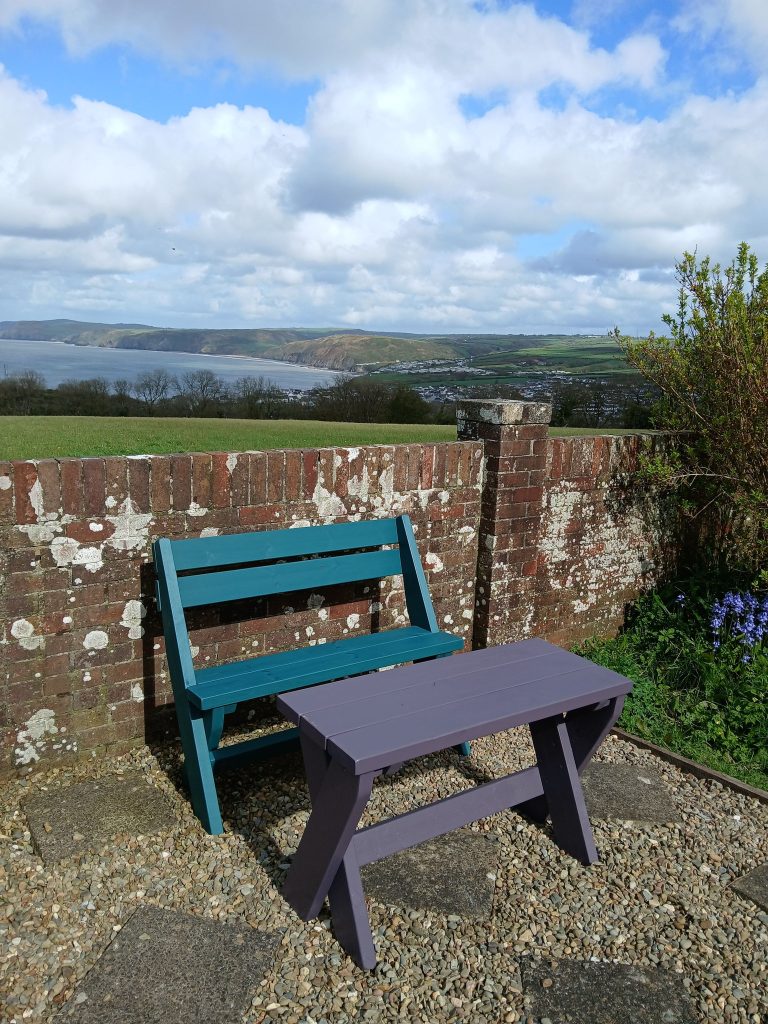
Each bench, chair and table is individually made using high-quality structural timber and carefully finished to protect it from the weather. The result is garden furniture that feels substantial, looks attractive and is made to cope with life outdoors all year round.
BUILT PROPERLY
What sets Pembrokeshire Wooden Garden Company Ltd apart is the way each item is constructed.
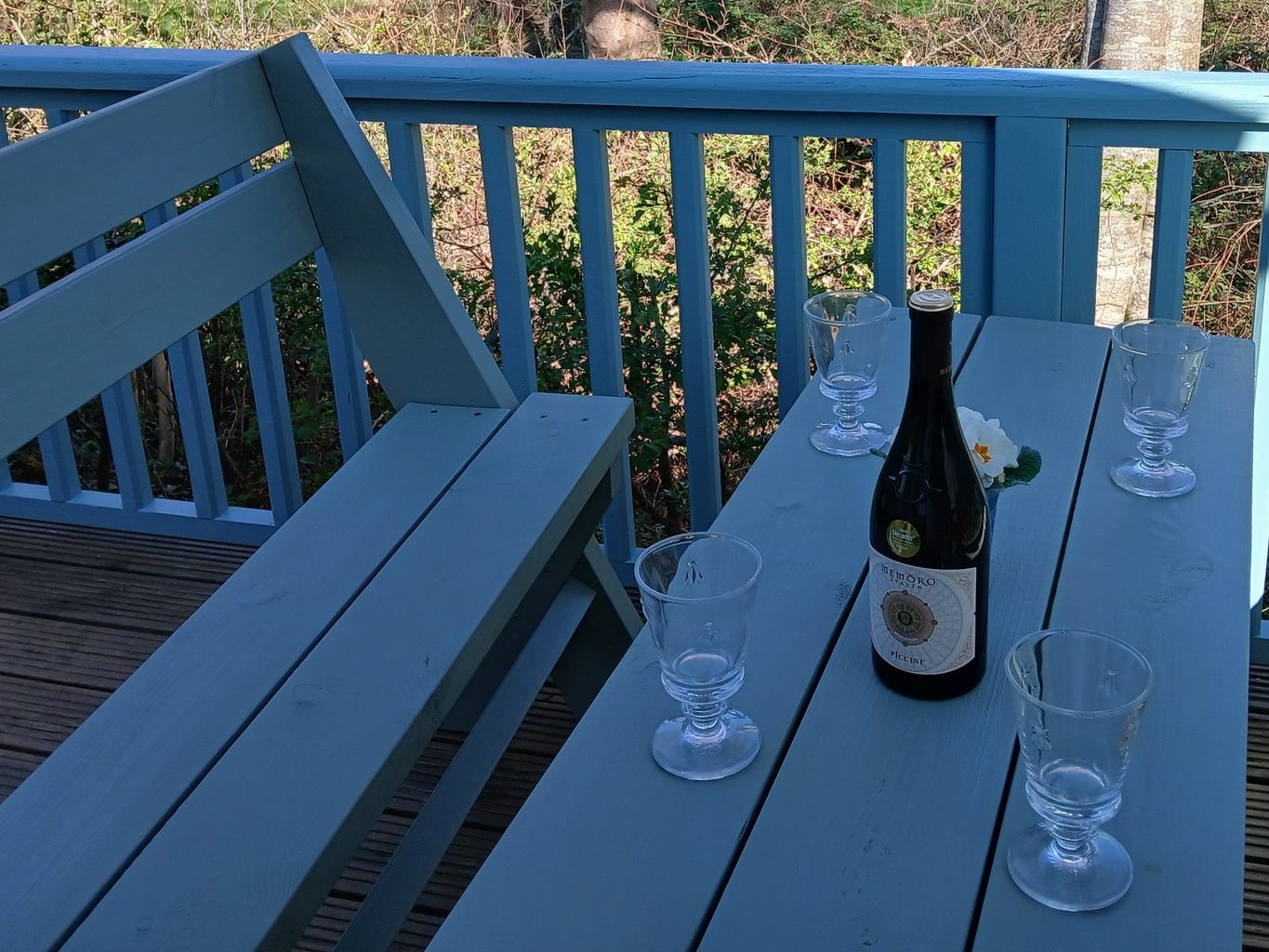
Rather than relying on staples or nails, every piece is carefully screwed together for extra strength and long-term durability. The furniture is then finished with multiple coats of weather-resistant protection, helping it stand up to the elements while retaining its appearance.
The company uses Cuprinol Garden Shades finishes, offering customers a choice of attractive colours including Willow, Sage, Urban Slate and Seasoned Oak, along with more natural tones for those who prefer a classic timber look.
It means customers can choose furniture that not only suits their garden, patio or outdoor seating area, but also has the protection needed for the Welsh weather.
FROM BENCHES TO FAMILY TABLES
The current range includes a wide choice of practical and decorative outdoor furniture, all made with the same focus on strength and comfort.
Popular pieces include the Joycey Easy Sit Bench, designed to offer extra support and comfort, as well as single bench chairs, backless benches and a selection of heavy-duty garden tables.
The 3 Bar Heavy Duty Table is made for regular use, while the 5 Bar Medium and Large Tables are ideal for families, visitors, social gatherings and anyone looking to make more of their outdoor space.
Whether it is a quiet corner of the garden, a patio seating area, a holiday home, a campsite, a smallholding or a community space, the furniture is designed to be useful, strong and attractive.

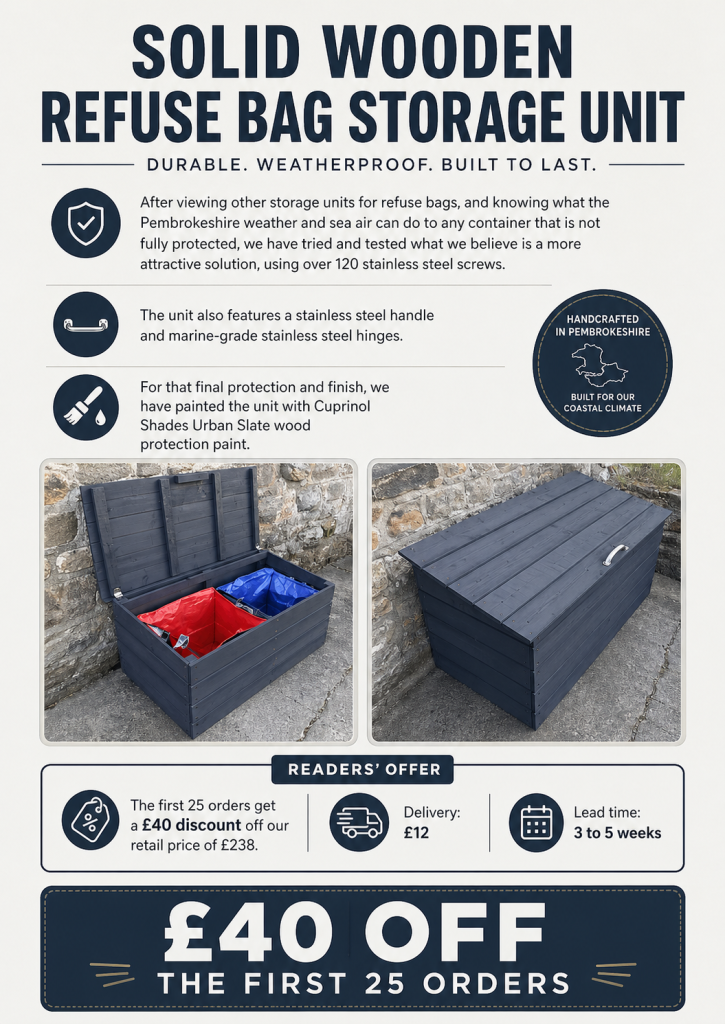
LOCAL WORKSHOP
Customers are welcome to view the furniture in person by appointment at the company’s Cardigan workshop, located next to Tivy Tyres on Station Road, Pentood Industrial Estate.
The workshop also acts as a collection point for orders, giving customers the chance to see the quality of the furniture before taking it home.
Pembrokeshire Wooden Garden Company Ltd also attends local markets, where its benches and tables have become a familiar sight to shoppers looking for locally made outdoor furniture with a personal touch.
The business has built up a growing base of returning customers across Pembrokeshire, with many buyers coming back for additional pieces after seeing how well their first purchase performs.
Customer feedback has praised the comfort, solid construction and value for money, with repeat orders helping the company grow through word of mouth and local support.
MADE FOR OUTDOOR LIVING
As more people invest in their gardens and outdoor spaces, durable wooden furniture has become an increasingly popular choice.
For homeowners, the garden is no longer just somewhere to mow the lawn. It is a place to relax, entertain, enjoy the sunshine, spend time with family and make the most of the space around the home.
Pembrokeshire Wooden Garden Company Ltd is helping people do exactly that, with handcrafted furniture that combines strength, comfort and simple good looks.
From a single bench to a full outdoor seating set, each piece is made with care and designed to be used, enjoyed and relied upon.
For anyone looking for garden furniture that is locally made, properly built and designed to last, Pembrokeshire Wooden Garden Company Ltd offers a strong alternative to mass-produced outdoor furniture.
Customers can view the range by appointment at the workshop next to Tivy Tyres, Station Road, Cardigan, or look out for Pembrokeshire Wooden Garden Company Ltd at local markets across the area.
Telephone 07811 120503 Facebook Page: CLICK HERE

A rogue wave in quiet waters
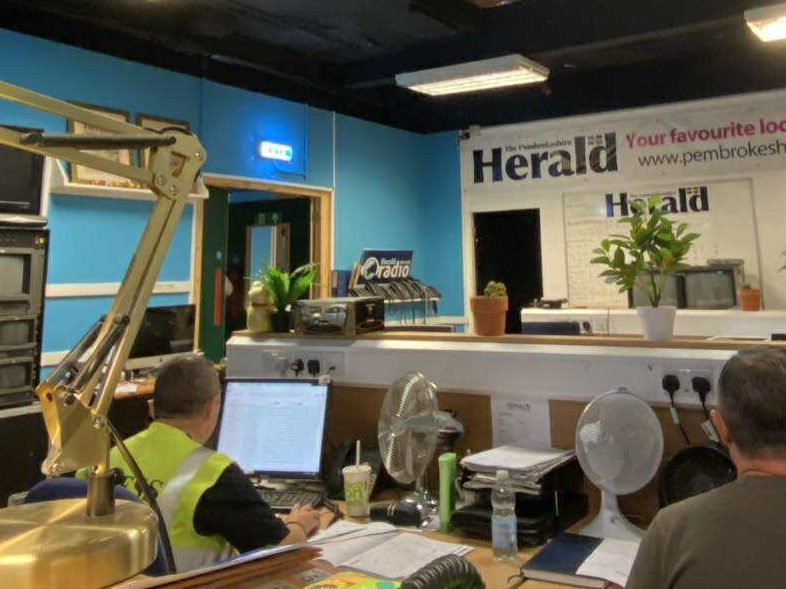
ON a grey July morning in 2013, a small team of reporters gathered a makeshift office Milford Haven’s Hamilton Terrace. The air smelled of ink, takeaway coffee, and fresh ambition. Outside, the docks shimmered with summer drizzle; tankers groaned in the estuary, a reminder that Pembrokeshire’s fortunes were often tethered to industries bigger than itself.
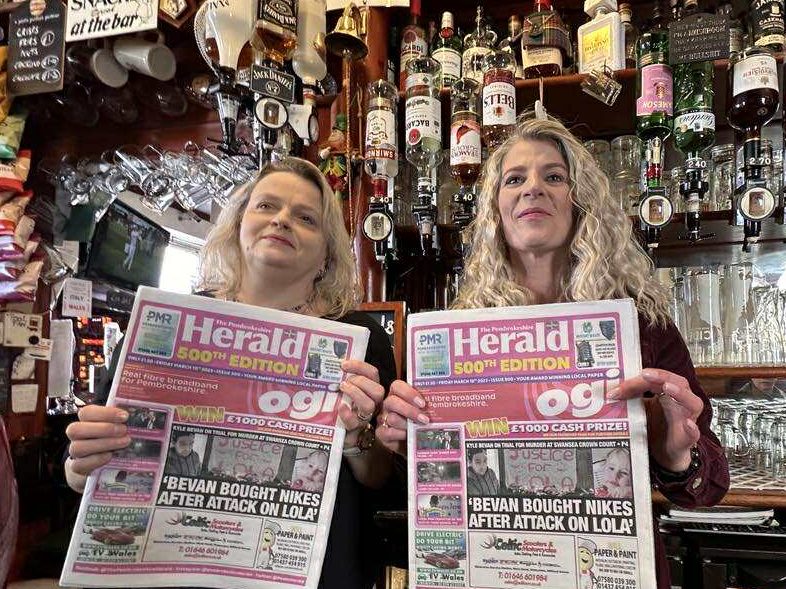
Inside, though, another tide was turning. That morning, the first edition of The Pembrokeshire Herald rolled off the presses and onto newsstands across the county.

It was a gamble few thought wise. Regional journalism across the UK was collapsing. Newsrooms were closing at a rate of one a week. Advertising revenues had dried up, circulation was plummeting, and Wales was hit especially hard. Even the venerable Western Telegraph, with its 150-year pedigree and corporate backing, looked nervous.
And yet, the Herald sold out. Locals queued at corner shops and petrol stations to grab a copy. For £1, readers were promised something rare: a paper that would be theirs—unafraid, unfiltered, and unpolished.
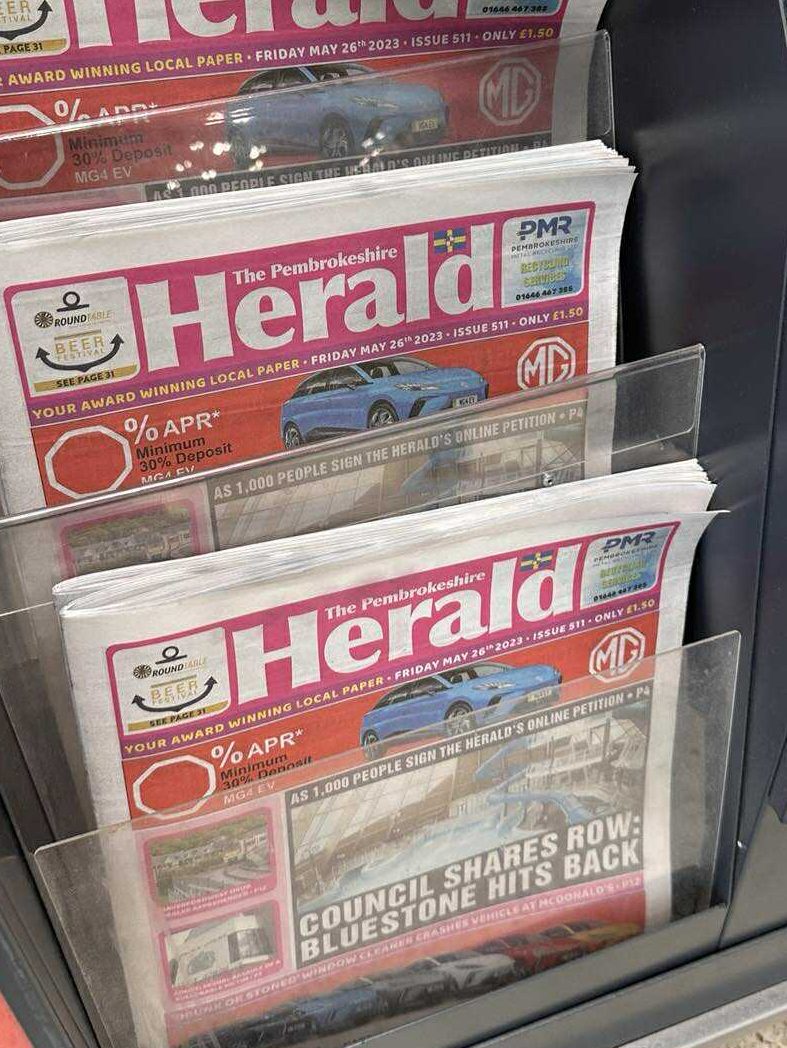
Twelve years on, as the Herald breaks digital records with more than 14 million views in a single month, its story is one of survival, reinvention, and disruption. From council scandals to choir fundraisers, it has not only chronicled Pembrokeshire—it has changed how the county sees itself.
The rebel launch
The Herald’s beginnings were almost cinematic.
“Everyone thought we were mad,” recalls founding editor Thomas Sinclair, still at the helm today. “Papers were dying all around us, and here we were launching another one. But we believed Pembrokeshire deserved something better—something that didn’t just recycle press releases.”
The first issue carried stories that cut against the grain: a scathing piece on county hall overspending, a photo-led feature on lifeboat volunteers, and letters from readers who felt ignored by the established media.
The ethos was simple: be the people’s paper. If a farmer in Crymych was angry about planning rules, or a pub landlord in Tenby had a gripe about business rates, they would find their voices printed alongside reports of Senedd debates and crime in Haverfordwest.
Within weeks, the Herald was shifting around 10,000 copies a week. For a county of just over 120,000 people, that was remarkable. Its early success rattled the Western Telegraph, which had long enjoyed unchallenged dominance.
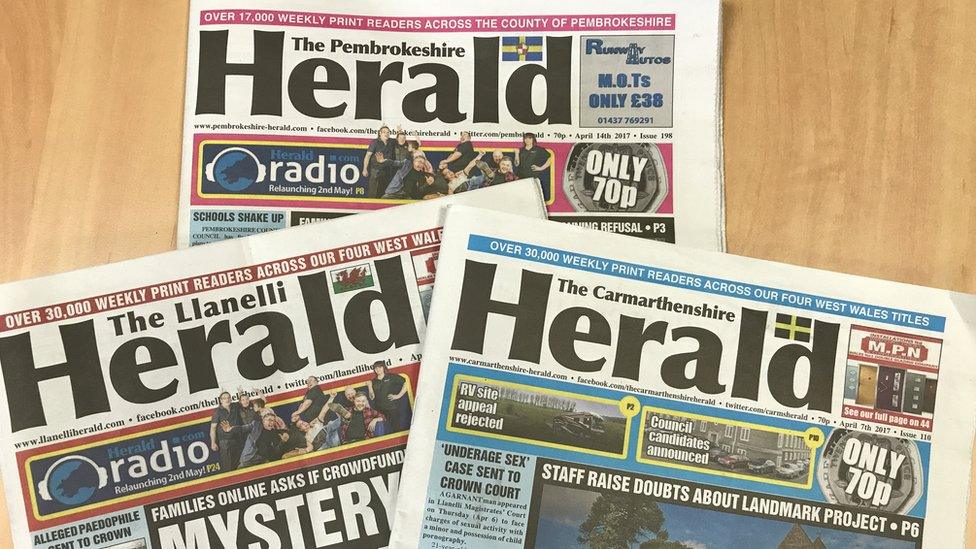
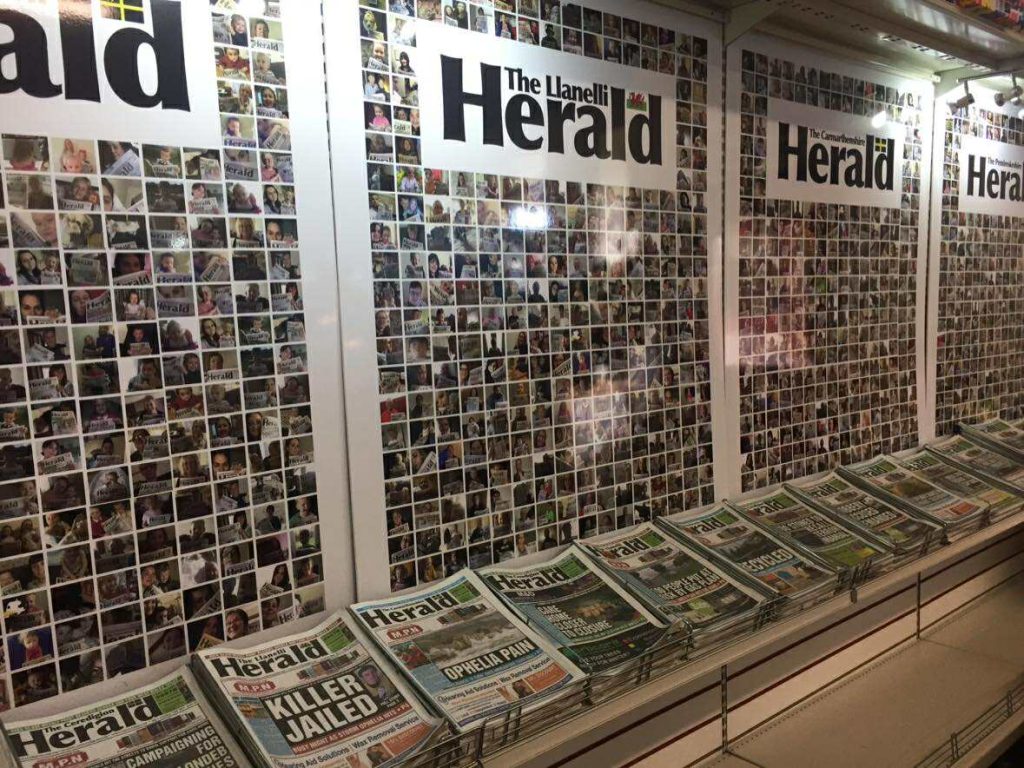
By 2014, emboldened by sales, the Herald launched sister titles in Carmarthenshire and Ceredigion, signalling it wasn’t content with being a local irritant—it wanted to redefine journalism across West Wales.
Grit, growth, and grudges
The mid-2010s were the Herald’s golden years. Circulation climbed, digital traffic surged, and the paper became a lightning rod for controversy.

One of the fiercest battles came in 2016, when the Herald’s bold marketing—claiming it had overtaken the Western Telegraph in reach—provoked a furious response. The Telegraph’s parent company complained to the Advertising Standards Authority (ASA), demanding the Herald prove its numbers.

Twice the ASA dismissed the complaints. “It was classic David versus Goliath,” Sinclair remembers. “They couldn’t stand that we were growing.”
The feud only raised the Herald’s profile. It doubled down on innovation: live-streaming council meetings, experimenting with podcasts, and even testing a radio station. Readers flocked to its coverage of issues like youth unemployment, mental health crises, and planning rows that reverberated from village halls to the Senedd floor.
But controversy was never far away.
- In 2013, an obscene advert accidentally slipped into print, sparking outrage—and free publicity.
- In 2017, Sinclair himself was fined for breaching reporting restrictions in a sensitive case. Critics crowed, but supporters saw it as proof of a paper pushing boundaries.
“The Herald was messy, sometimes chaotic,” says one former reporter. “But it was alive in a way local journalism hadn’t been in years.”

The abyss
In October 2019, the wave almost broke.
The Herald’s parent company collapsed under the weight of spiralling print costs and a botched investment, shuttering three titles and threatening 24 jobs.

“It was devastating,” Sinclair admits. “We’d built something people believed in, and suddenly it was gone.”
Forums filled with laments. One commenter wrote: “Without the Herald, who’s going to ask the awkward questions?”
For Pembrokeshire—where 26% of residents are over 65 and rural isolation makes local news more than a luxury—the loss felt existential.
Salvation came unexpectedly. A Spanish print and media firm, Richographic España, swooped in with emergency funding. The Herald returned, leaner and chastened, but alive.
The scare revealed a hard truth: independent journalism is fragile. Without it, who holds local power to account?
The digital dawn
The near-death experience forced reinvention.
By 2023, with print costs unsustainable, the Herald made a radical move: it scrapped print altogether, pivoting to a free weekly 128-page digital edition.

The gamble paid off. The first e-edition was downloaded more than 100,000 times. With clickable ads, instant shares, and no paywalls, it reached corners of the county that had never picked up a paper copy.
Traffic exploded. Facebook followers climbed past 51,000 (overtaking the Western Telegraph’s 47,000), monthly web uniques hit half a million, and social engagement dwarfed that of rivals.
The Herald’s new strength was speed. While the Telegraph often waited to polish features, the Herald broke stories first:
- Avian flu detected near Roch.
- Military flyovers during Russian naval manoeuvres off the coast.
- RAAC concrete crises threatening local schools.
On X (formerly Twitter), users hailed it as the go-to for “what’s actually happening.”
Rivalry rekindled
For more than a century, the Western Telegraph had been unchallenged. But the Herald’s swagger forced it to adapt.
That 2016 ASA spat was only the tip of the iceberg. The real battle was for hearts and eyeballs.
The Herald won them with raw immediacy. Viral stories of goats invading a churchyard or choirs raising money for cancer care travelled faster than any polished Telegraph feature.
Locals noticed. “The Herald feels like us—raw and real,” tweeted one user after coverage of council budget cuts.
Competition sharpened the entire ecosystem. With two strong voices jostling, Pembrokeshire readers got more scrutiny, more coverage, and more choice.
The Herald effect — building pride
If the Herald earned its reputation by ruffling feathers, it cemented its value by lifting spirits. Alongside exposes and political spats, the paper has consistently championed Pembrokeshire’s brighter side.
When the Ty Newydd pub in Dinas Cross faced closure in 2023, Herald coverage helped galvanise more than 200 locals into raising the cash to save it. “Inspiring local journalism at its best,” one X user wrote as the victory went viral.

Schools, too, have felt the Herald’s boost. Milford Haven School’s Gold Calon Y Gymuned award for family engagement in July 2023 was splashed across its pages, with headteacher Sara Davies crediting the coverage for “putting community success on the map.” A year later, the Herald’s GCSE features turned dry exam stats into proud family moments, with parents flooding its comments section to thank it for spotlighting their children.
The paper’s business coverage often becomes a loop of positivity. In 2024, when hardware stalwarts W.B. Griffiths & Son scooped a £2,000 Pembs Lottery prize, they pledged it to local projects — citing the Herald’s years of community coverage as a key motivator. “It keeps us connected,” the owners said.
And when Pembrokeshire County Council secured the insport Gold Standard for inclusive sport, Disability Sport Wales hailed it as a “remarkable milestone” — and locals praised the Herald for making it front-page news.
These moments reveal something the numbers alone can’t: that the Herald is more than a scrappy watchdog. It’s also a mirror of community pride, amplifying joy as fiercely as it scrutinises power.
The global lens
Perhaps the most surprising twist in the Herald’s evolution has come since its digital relaunch: the paper is no longer just Pembrokeshire’s chronicler. Increasingly, it is a bridge between the local and the global.

Take the Jaguar Land Rover cyber-attack in September 2025. The story was everywhere—production halted at JLR’s UK plants, suppliers fearing collapse, the UK government stepping in with a £1.5 billion loan. National headlines framed it as a crisis for British industry.
The Herald’s version? A piece titled “JLR cyber-attack sparks fears for Welsh supply chain”. Within hours of the news breaking, Sinclair had tied the story to ZF Automotive in Pontypool, a Welsh supplier employing dozens and recently backed by Welsh Government cash. The message was clear: what happens in Solihull or Delhi could hit Wales next.

A few days earlier, the Herald had run multiple articles on the Charlie Kirk shooting in the US. Where national media focused on America’s gun politics, the Herald made it resonate in Wales: local MSs Samuel Kurtz and Darren Millar linked the killing to free speech debates in Welsh universities, even pushing for a Senedd tribute.
This is the new Herald playbook: start global, end local.
- Bank closures in Haverfordwest become part of Chinese state media coverage on UK economic decline.
- Ukraine aid debates turn into stories about how sanctions hit Welsh farmers.
- US tariffs get framed through Pembrokeshire exporters.
It’s not dilution. It’s amplification. In an era when readers can access global news with a swipe, the Herald’s edge is showing why it matters here—in Fishguard, in Tenby, in Milford Haven.
Echoes in the community
Beyond clicks and rivalries, the Herald’s impact is measured in voices amplified and lives touched.
It campaigned against the digital divide for Welsh speakers.
It investigated care home standards and planning controversies that spurred petitions.
It exposed scams targeting pensioners, warning thousands before more damage was done.
In a county where business survival rates are half the Welsh average, its coverage of grants, investments, and community projects kept people informed about lifelines.

“Without the Herald, I’d never have known about the funding that helped me save my shop,” says a Tenby café owner.
And when Pembrokeshire’s small producers — from vineyards to leatherworkers — took their products to Westminster, the Herald was there to capture it. MP Henry Tufnell later remarked that its stories “drive innovation and prosperity,” showing the paper’s role in amplifying the rural economy.
Even social media tells the tale. The Pembrokeshire Vikings rugby team thanked the Herald for sponsoring a player’s birthday celebration. The Welsh Organic Tannery posted “Diolch” for Herald photos of their Christmas Fair success. And PR agencies regularly highlight Herald stories as proof of local buzz. In an age of fleeting feeds, those simple thank-yous show a deeper truth: the community sees the Herald not just as a newspaper, but as a neighbour.

Lessons and the road ahead
Twelve years on, the Herald stands as proof that local news can adapt. From its scrappy print launch to its free digital empire, it has shown survival is possible—even in the harshest climate.
But the questions remain:
- Can the free model sustain itself long-term?
- Will more partnerships with the BBC or AI-driven alerts keep it ahead?
- Could its blueprint be copied in other rural counties starved of news?
For now, Sinclair is reflective but resolute. “We’ve shown local news isn’t dying—it’s adapting. From print rebels to digital warriors, we’ve kept Pembrokeshire’s pulse beating.”
The Irish Sea still pounds Pembrokeshire’s cliffs. Sheep still outnumber people. But thanks to one rogue wave of a newspaper, the county’s stories are louder, sharper, and freer than ever.



Local Government13 hours ago
Tenby Spectacular row continues as organisers say key question remains unanswered
Round Table says legal clarity over pedestrian access is still holding up event plan TENBY ROUND TABLE has welcomed Pembrokeshire...


Community1 day ago
Manorbier fire scandal: Council’s payout just £63,777 after school destroyed
PEMBROKESHIRE COUNTY COUNCIL has accepted an insurance settlement which leaves it with just £63,777.07 after the catastrophic fire which destroyed...


News2 days ago
Bus overturns in major incident near Kidwelly
All passengers rescued as emergency services remain at scene A BUS overturned on the A484 between Kidwelly and Ferryside on...


Community3 days ago
Tenby Summer Spectacular cancelled amid council row over harbour access
Organisers say popular charity events cannot safely go ahead without clear powers to control crowds TENBY ROUND TABLE has announced...


News3 days ago
Motorcyclist dies after four-vehicle crash on A40 in Carmarthenshire
A MOTORCYCLIST has died following a four-vehicle collision on the A40 between St Clears and Whitland. Dyfed-Powys Police said the...


News3 days ago
Rhun ap Iorwerth urges new deal for Wales after Starmer quits
First Minister says next Prime Minister must focus on greater powers, fair funding and respect for Wales’ democratic mandate FIRST...


News3 days ago
How Labour’s landslide victory unravelled in just two years
Prime Minister announces resignation after losing support within his own party as Andy Burnham emerges as overwhelming favourite to take...


News3 days ago
Long Course Weekend set to bring thousands to Pembrokeshire
Three days of swimming, cycling and running will once again transform Tenby into one of the UK’s biggest endurance sporting...


Community4 days ago
The gentle giant behind the tattoos
Pembrokeshire security worker Josh Davies praised for professionalism, kindness and proving first impressions can be wrong JOSH Davies is hard...


Charity5 days ago
Toy Story fans fill charity toy box at Haverfordwest cinema
Donations pour in for SNAP Specialist Play as families embrace Toy Story 5 launch A TOY STORY-themed charity appeal at...
-

 Crime7 days ago
Milford Haven man jailed for breaching domestic violence protection order
-

 News7 days ago
Crash on Freeman’s Way causes school-run chaos across Haverfordwest
-

 Health5 days ago
Woman jailed assaults on police, harassment and XL Bully possession
-

 Crime5 days ago
Milford Haven woman spared jail despite string of shop thefts
-

 Crime7 days ago
Portfield Gate man faces careless driving allegation after Tufton crash
-
Community4 days ago
The gentle giant behind the tattoos
-

 Local Government7 days ago
Pembrokeshire faces accessible housing shortage as 403 people wait for homes
-

 Crime5 days ago
Spittal man to stand trial accused of ABH