


Politics
Strange bedfellows



Stephen Crabb: Cross-party consensus favouring amendment he voted
against
THE LAST week has seen causes close to the hearts of many people receive support from somewhat unlikely quarters.
Last Tuesday, (Conservative) MPs voted against a proposed amendment to the finance bill, which would have forced George Osborne to outline a strategy for negotiating with the EU to remove the 5% VAT from tampons.
In the end, only three Conservative MPs voted in favour of the amendment, but prior to the vote, rumours of strong cross-party support for the amendment were rife, and commentators believed that Eurosceptic Tories would vote against the party line and follow their own agenda, as UKIP’s solitary MP did.
It will be interesting to see how many times Douglas Carswell votes in favour of a motion put forward by a Labour MP who has described herself as a ‘feminist and Trade Unionist’ in the future.
The three Conservatives who defied the Whip – Philip Davies, Philip Hollobone and David Nuttall, are all confirmed opponents of Britain remaining in the EU. Their vote in this matter, like that of Carswell, would appear to be an attempt to put Mr Osborne in a position where he was unable to secure EU approval, which would serve to highlight perceived problems with Britain’s EU membership ahead of a referendum.
The reasons given by Conservative MPs for voting against the amendment made for amusing reading. Realising, perhaps, that around half of their constituents were female, they queued up to tell local papers that they were in favour of reducing VAT for tampons – even though they voted against an amendment which was specifically about doing just that.
A Herald journalist contacted Stephen Crabb to ask his reasons for voting against the amendment The Secretary of State for Wales said that there was ‘cross party consensus’ that the UK should be able to abolish VAT on sanitary products.
“Ministers are about to commence discussions with the European Commission and other EU Member States.
“Given that the Minister has already promised to report back to the House of Commons on these negotiations, the amendment was unnecessary and so I voted against.”
The prospect of a Labour amendment succeeding presumably did not cross Mr Crabb’s mind when he cast his vote. The same could not be said for Gower’s Byron Davies, who was happy to say: “People also need to realise that it’s not that I voted against the abolition of the tax. I’m all for abolishing the tax or at least making it lower.
“But, I am a member of the Conservative Party; hence I am unable to vote in favour of a motion proposed by Labour.”
Mr Davies also said: “There is a lot of miscommunication around this issue at the moment.
“The decision to lower the VAT on sanitary items is not within the power of the UK government. This power lies with the European Union, who introduced the tax because they are not considered essential items.”
Whether or not this is the result of miscommunication, the amendment quite clearly stated that:
“Within three months of the passing of this Act, the Chancellor of the Exchequer shall lay before both Houses of Parliament a statement on his strategy to negotiate with the EU institution an exemption from VAT for women’s sanitary protection products.”
As such, arguing that it is not within the power of a UK government seems to be a flawed premise. However, it is one shared by Conservative MP for Monmouth David Davies, who also voted against the amendment.
“The problem is we’ve got the ludicrous EU regulations. They’ve got to change,” he told a local newspaper.
“People blame the government for things like this, but we don’t have any control over it.
“It’s something we need to bear in mind when there’s a referendum on our EU membership.”
It is perhaps surprising that David Davies voted against this amendment, given that he is willing to support other groups with, shall we say, differing political beliefs against the common enemy that is the EU.
The People’s NHS Wales have been vocally campaigning for the NHS to be made exempt from the Transatlantic Trade and Investment Partnership (TTIP). Readers in Pembrokeshire will be aware of their numerous attempts to meet with Stephen Crabb to discuss the issue with him, including attending two (cancelled) constituency surgeries.
The People’s NHS is fiercely critical of NHS privatisation, and the current Conservative government. The Welsh group has been attempting to raise the profile of TTIP, and the possible effects that privatisation in England could have on the Barnett differentials for Wales, as well as the risk that any privatisation would be irreversible.
This would, on the face of it, appear to be a fairly socialist agenda, in that it encourages government spending in the public sector. However, Mr Davies has lent the group his support, and has written what the People’s NHS Wales describe as a ‘strongly worded letter’ to the Minister for Trade and Investment calling for the Government to ensure that the NHS is protected.
In his letter to Francis Maude, Mr Davies said: “I therefore hope the UK government will call on the EU to change the wording of the TTIP proposal in a way that would rule out the privatisation of the NHS. If the EU ignores our wishes as is sadly possible, then I will advise all those who have lobbied me to take account of this when they vote on Britain’s membership of the EU in the forthcoming referendum.”
The wording of this missive carefully avoids making any reference to the role of the Conservative Party in this matter, or that one of the main concerns of the People’s NHS is that the Conservative Government will use TTIP as a means to a programme of privatisation which will be irreversible as a consequence of multinational companies being given the power to sue governments which make decisions that cost them money.
It appears that, to the hardened Eurosceptic, any cause that furthers the ‘Brexit’ agenda is to be championed regardless.


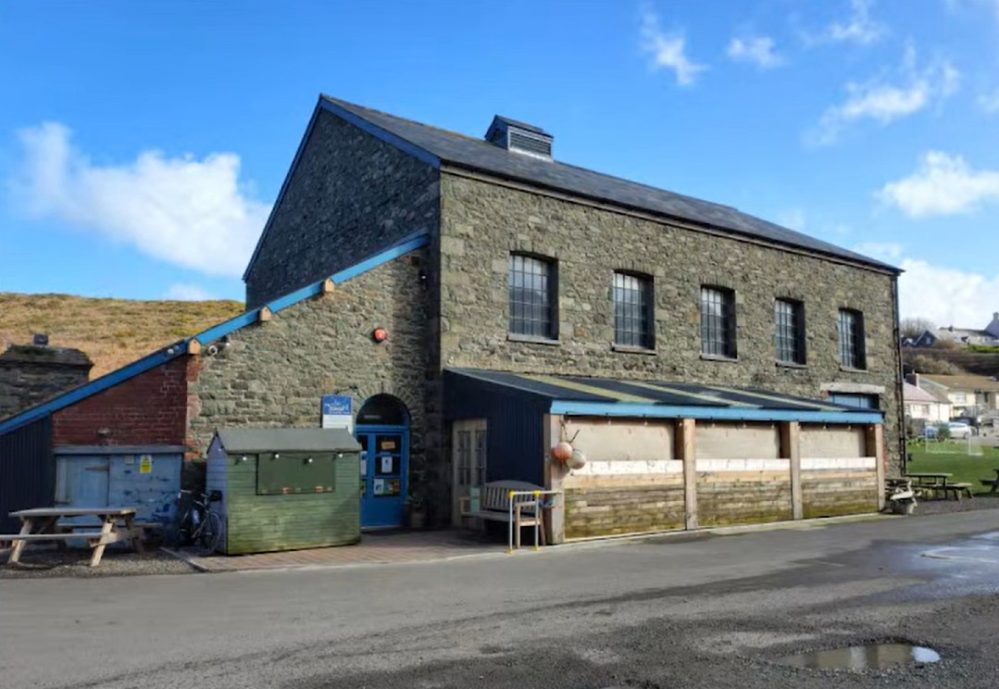
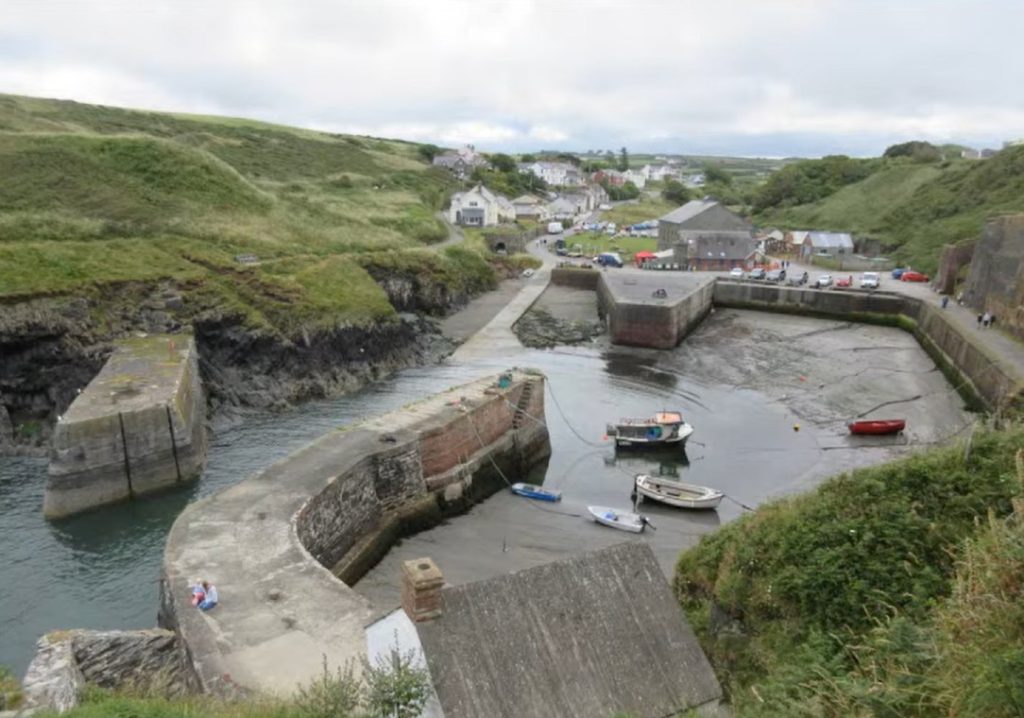
A CALL for works at a Pembrokeshire seaside tearoom, once the site of a Victorian brickworks machinery shed, has been given the go-ahead by national park planners.
In an application recommended for approval at the July meeting of Pembrokeshire Coast National Park’s development management committee, Caroline Jones sought permission to install solar panels to roof over an outside seating area at The Shed Tea Room, Porthgain.
The application, and a related listed building consent call, was for committee consideration as The Shed Tea Room forms part of Ty Mawr, a Grade-II-listed large stone-built former machinery shed owned by the national park itself.
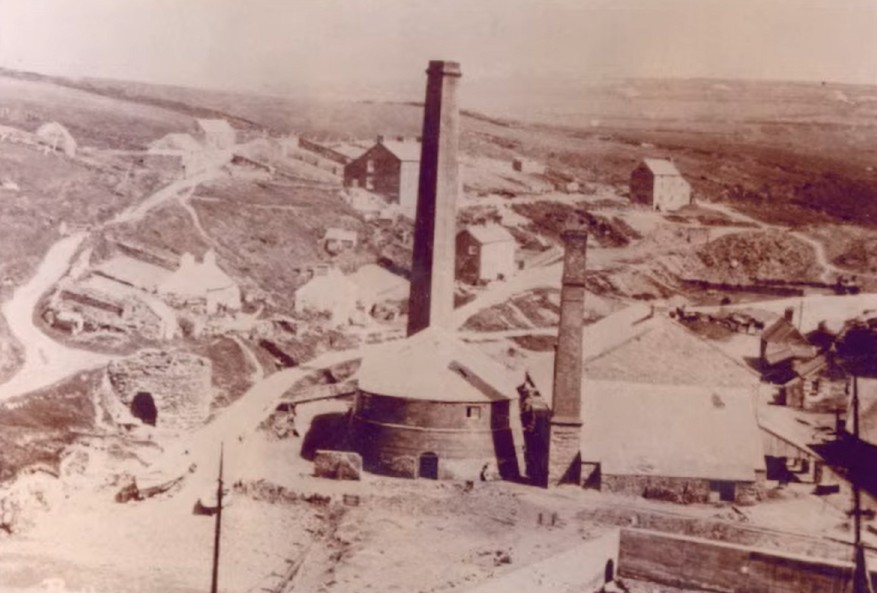
An officer report for members stated: “The Shed Tea Room is a lean-to structure at the west end of Ty-mawr, a Grade-II-listed large stone-built former machinery shed, built c. 1890 to serve Porthgain brickworks. The lean-to itself is built of a mixture of stone and brick, retaining the stump of the brickworks chimney.
“The Shed has been used for retail purposes since 1999, and as a tearoom and restaurant from 2001, after which roof-lights were inserted. The north-western section of the lean-to was incorporated after 2003, when the present timber windows were inserted.

“After 2007, a lean-to scullery was added at the north end, alongside the chimney stump, with a small, fenced compound beyond. The south-western lean-to was added in 2024. The proposal comprises the addition of solar PV panels to the south-western lean-to. The panels – twelve in total – are all-black and frameless. The panels are configurated in a single block covering the majority of the roof, surface mounted on corrugated steel sheeting.
“The scheme is in keeping with the character of the listed building, and its setting in terms of design and form. As such, the application can be supported subject to conditions.”
The recommendation of approval was moved by Cllr Di Clements, and unanimously backed by members; the related listed building consent also moved by Cllr Clements, and again unanimously backed.

A CALL for a formal seasonal Pembrokeshire campsite with motorhomes camping on the site of a former scrapyard has been given the go-ahead by national park planners.
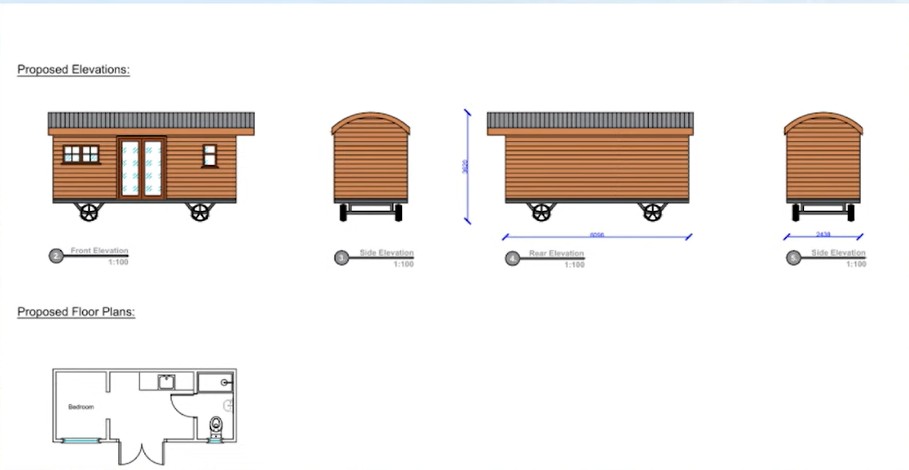
In an application recommended for approval at the July meeting of Pembrokeshire coast National Park’s development management committee, Mr A Stoddart, through agent Addison Design & Development, sought permission for a change of use of land for the formation of 11 ‘touring caravan’ pitches, tent pitches and the siting of three shepherd’s huts, partly retrospective, on land to the east of Talbenny Hall Farm, Talbenny, near Haverfordwest.
The retrospective element related to the retention of an existing storage shed and facilities building.
The application was for committee consideration as officers had recommended approval despite objections from local community council The Havens.
An officer report for members said a change of use was sought for a a former scrapyard site, “which has been remediated and more recently operated as a seasonal campsite, to provide a seasonal formal camping and glamping site”.
It added: “During the determination of the application, a significant amount of additional information has been submitted in response to consultee comments. In particular, the Local Highway Authority initially objected to the proposal on highway safety grounds pending the submission of further technical information.”
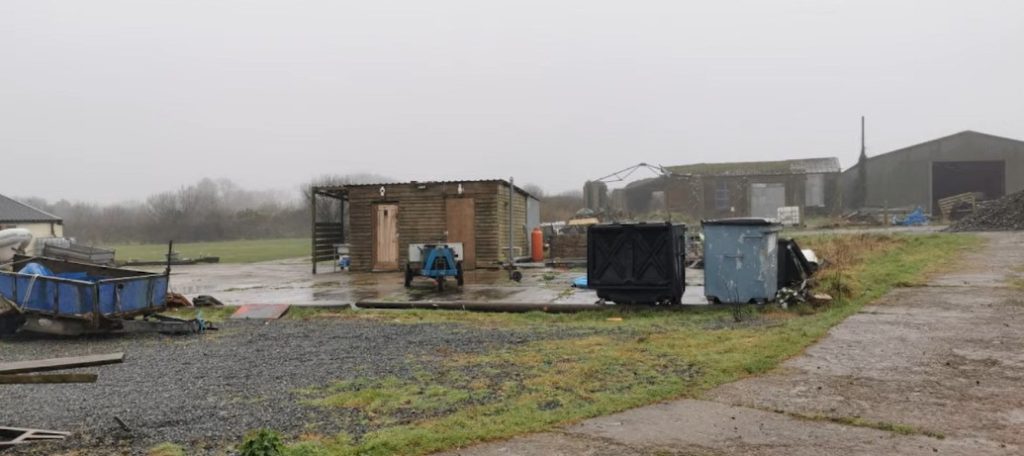
It said those concerns had been withdrawn after further information was received, the scheme before committee as it “relates to a new tourism development in the countryside, and because The Havens Community Council has maintained an objection on highway safety grounds”.
It went on to say: “The site will operate as a medium sized seasonal tourism development between March 31 and September 30 each year. The applicant has confirmed that the three shepherd’s huts will be removed from the site outside the operating season and stored within the existing onsite storage building.
“Officers consider that the previously developed nature of the site, its enclosed landscape setting, seasonal operation and the resolution of technical matters relating to highway safety, ecology and drainage demonstrate overall policy compliance with the requirements [of planning policy] and the proposal is therefore recommended for approval subject to conditions.”

At the meeting, members heard the 2023 submitted scheme had been delayed due to the applicant facing “exceptional personal circumstances”.
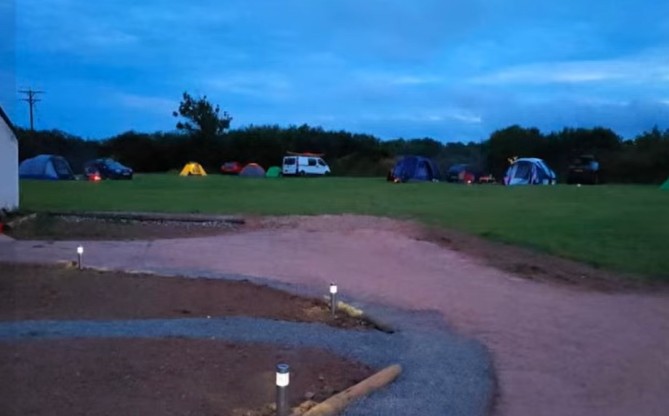
Concerns were raised at the meeting by objector Alison Gibbey on highways grounds, while agent Zac Addison told members the former scrapyard had been transformed into “a beautiful little haven,” the applicant not wanting to be “a nuisance to anybody”.
He said the ‘touring pitches’ would be solely used for motorhomes, with a maximum of 20 tents in the tent pitch area.

Moving approval, Cllr Di Clements reflected it was positive tourism in the county was spreading inland away from “honey pot” coastal areas, suggesting a ‘quiet time’ evening condition be included in any approval.
Members unanimously backed the recommendation of approval, Cllr Mike James commenting: “to have something like this in the rural areas, it’s really good to see this.”

A PUBLIC consultation is to be held on discontinuing two schools in the Tenby area, including Greenhill comprehensive, with the aim of establishing a new 3-19 community school.
In a report before Pembrokeshire County Council’s meeting of July 16, members were asked to back a public consultation into establishing a new 3-19 community school in the Tenby area, discontinuing Tenby Church in Wales VC School and Ysgol Greenhill comprehensive.
Back in December councillors backed authorising the Director of Education to commence statutory consultation on establishing a new 3-19 school, a split site initially, but as part of an investment to rebuild/extend Tenby’s Greenhill site, or on a new site.
It included a consultation with the St David’s Diocese to discontinue Tenby Church in Wales Voluntary Controlled School, and to discontinue Ysgol Greenhill before the report before members in July.
A report for members, presented by the council’s deputy leader, and now Cabinet Member for Education, Cllr Paul Miller said that, since the December meeting, St David’s Diocese responded by conditionally supporting the Tenby VC School element, subject to the newly established 3–19 school retaining a religious character, either as a Voluntary Aided (VA) or Voluntary Controlled (VC) school.
The report added: “In accordance with the decision of council at its meeting on December 12, and the statutory requirements of the School Organisation Code, consultation has been undertaken with the St David’s Diocese.
“In relation to the council’s proposal for Tenby VC School, the comments received from the Diocese do not provide any reason not to proceed with general consultation.”
It added: “As most pupils within the cluster attend community primary schools, it is recommended that consultation be undertaken on the basis of establishing a community primary school.
“It should be noted that, whatever the decision, this would merely reflect the preferred option outlined within the general consultation document.
“Members would still be required to give due consideration to feedback received as a result of the consultation, which may include a preference by consultees for a different governance model.”
Members, by 41 votes to two abstentions, backed the formal consultation, which had been moved by Council Leader Cllr Tessa Hodgson.


Community10 hours ago
84-year-old man rescued after falling overboard near Tenby
A MAYDAY call sparked a major nighttime rescue after an 84-year-old man fell from a tender and was swept towards...


Crime2 days ago
Jury hears final arguments in Milford Haven teacher stabbing trial
Defence says there was no motive or intention to kill as judge reviews competing accounts of classroom knife incident SPECIAL...


News2 days ago
Andy Burnham becomes Labour leader and prepares to enter No 10
Former Greater Manchester mayor promises an ‘unashamedly Labour’ government after completing extraordinary return to Westminster ANDY BURNHAM has been formally...


News2 days ago
Motorcyclist dies following collision near Narberth
Police appeal for witnesses and footage after fatal crash on B4313 at Redstone A MOTORCYCLIST has died following a collision...


Local Government3 days ago
Stepaside school saved as council abandons closure proposal
Governors welcome decision but maintain original plans were based on outdated information STEPASIDE Community Primary School will remain open after...

Crime3 days ago
Footballer given 200 hours’ unpaid work for eye-gouging assault during match
Magistrates heard Robert Hedley put an opposing player in a headlock before gouging at his eyes during a match in...


Community3 days ago
Tenby Summer Spectaculars brought to an end after harbour licence revoked
Round Table says it was willing to make major safety changes but could not secure the access controls needed to...
Local Government5 days ago
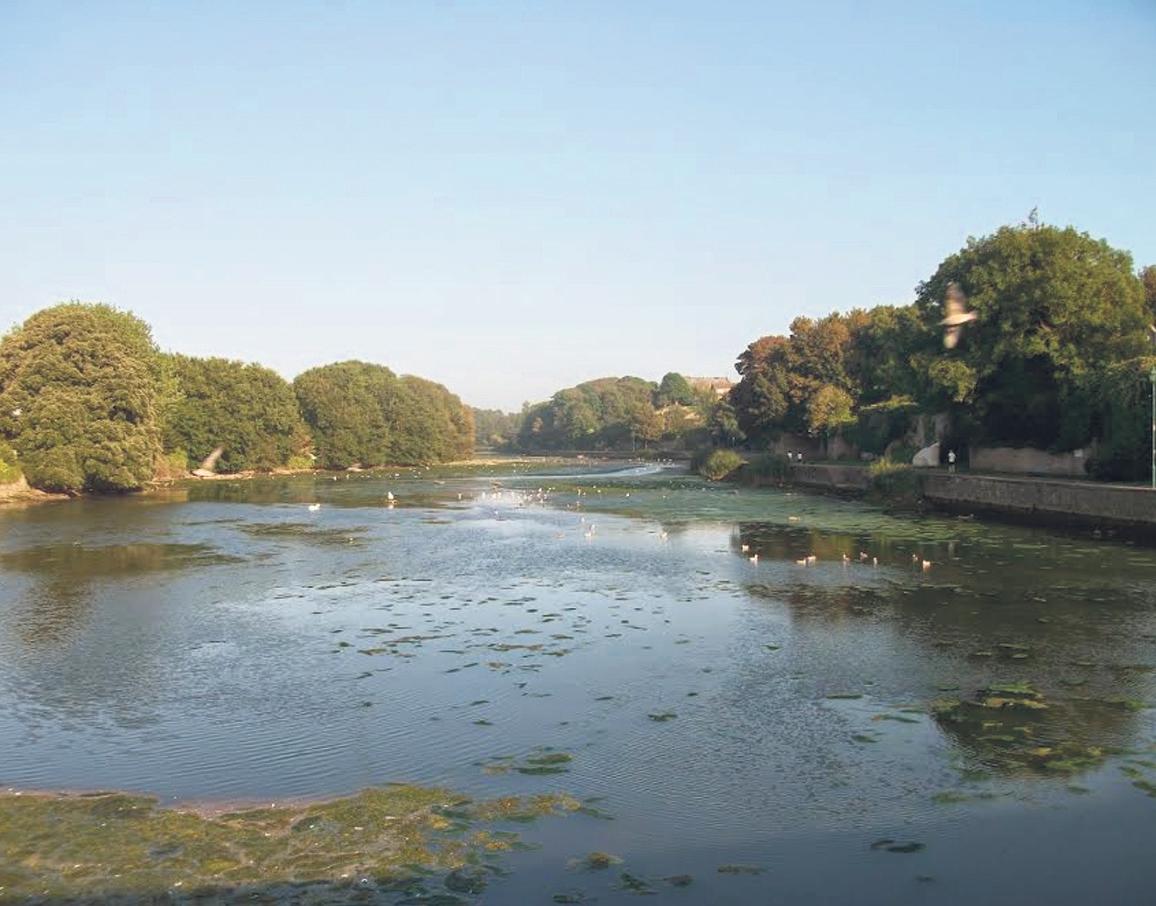
Catapult attacks suspected after wildlife deaths at Pembroke Mill Pond
Wildlife Crime Officers are investigating after the town council said around five animals showed signs of deliberate injury WILDLIFE found...


Crime5 days ago
Narberth retailer speaks of shoplifting toll after ‘collectable bear’ stolen
Independent shop owner said rising costs meant businesses could not afford to absorb losses caused by theft A NARBERTH retailer...


Crime5 days ago
Teen accused of attempting to murder teacher says she lied about stabbing
Defendant accepts teacher was terrified and that a knife wound to the head could kill, but denies deliberately attacking her...
-
Community10 hours ago
84-year-old man rescued after falling overboard near Tenby
-
Crime2 days ago
Milford Haven teacher ‘fought for her life’ during alleged knife attack
-
Crime2 days ago
Jury hears final arguments in Milford Haven teacher stabbing trial
-
 Crime23 hours ago
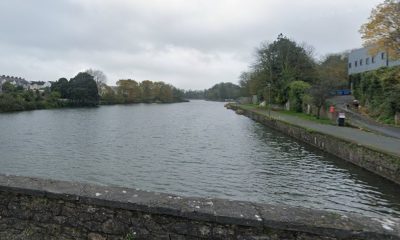
Fears wildlife at Mill Pond beauty spot being targeted by catapults
-
News2 days ago
Andy Burnham becomes Labour leader and prepares to enter No 10
-

 Education2 days ago
St Davids headteacher says emotional goodbye after 37 years in education
-

 News2 days ago
Historic budget defeat exposes divisions in Welsh politics
-
 Community1 day ago
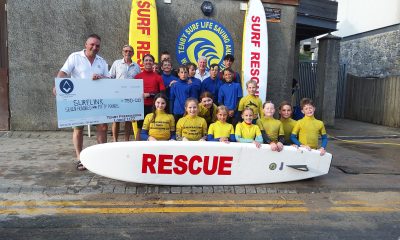
Tenby Freemasons donate £750 to surf lifesaving club
private jet charter Naples
April 10, 2026 at 11:24 pm
Your expertise on this subject shines through in this post.