


News
Centre to be ‘platform for local talent’



Live Music: The centre will be hosting numerous events
A NEW arts centre launched on the outskirts of Tenby is to be a platform for local talent from a wide range of genres, from catering through to musicians and artists.
West Coast Arts has opened on the site of the former Chequers nightclub and is a place to socialise, share ideas and get involved in creative activities and public events, with the welcoming environment allowing for an evolving, open community of local individuals, independent businesses, tourists, passers-by and creative people alike.
The brochure for 2016 will be coming by the beginning of March and the centre will be open on Valentines Day and Mother’s Day for one off events and then fully open from March 18.
Manager Robbie Price is pleased with how the project is evolving: “At West Coast Arts we’re trying to revive the spirit of community. We’re taking a huge step away from ‘Chequers’ past whilst trying to utilise the unique space centred around our quirky Arts focused Café Bar.
“In stepping towards live music events and themed music and food evenings, we’re providing a platform for local talent; in the kitchen, on the stage and on our walls. We want West Coast Arts to be a networking tool for all involved, bringing together new comers and established artists. We are attempting to provide a family friendly hub that will hopefully inspire creativity and contribute to the local culture.”




A FORMER lifeboat coxswain who was told he was too old to continue going to sea has found a new sense of purpose with Blood Bikes Wales.
Clive had spent decades serving his community, including almost 20 years as a First Responder with the Welsh Ambulance Service and 38 years with the lifeboat. He eventually became coxswain, but at the age of 65 was told he could no longer continue in the role.
Despite being fit and healthy, holding a Class 1 driving licence and a Private Pilot’s Licence, stepping away from something that had been such a major part of his life proved difficult. He said the loss of involvement, purpose and identity hit hard.
Determined to find a new volunteering challenge, Clive contacted Blood Bikes Wales. As an advanced driver, he hoped to take on a car-based role, but discovered the charity operated motorcycles. At that point, he did not even have a motorcycle licence.
Rather than give up, Clive decided to learn to ride, pass his motorcycle test and work towards the advanced qualification needed to apply as a Blood Bikes Wales rider.
“It was the best decision I ever made,” he said. “The challenge and freedom that motorcycling gave me was a real tonic.”
With determination and support from mentors, Clive achieved his RoSPA Gold qualification and passed the assessments to become a Blood Bikes Wales rider.
Now, just over 18 months into his Blood Bikes Wales journey and approaching his 70th birthday, he says the charity has given him back something he feared he had lost.
He said: “I am truly grateful that I committed to the challenge and extremely thankful to Blood Bikes Wales for giving me back the direction, involvement and identity I had lost a few years earlier.

“Blood Bikes Wales is a truly inspirational and inclusive charity, made even more remarkable by the fact that every member is a volunteer. I feel proud to wear my rider’s jacket and represent the charity.”

Police in Milford Haven and Neyland assisting Warwickshire officers in appeal to trace 23-year-old
MILFORD HAVEN and Neyland police have issued an appeal to help locate a man wanted in connection with a rape investigation.
Officers are assisting colleagues from Warwickshire Police, who are seeking information on the whereabouts of 23-year-old Rhys Trott in connection with a rape allegation in Nuneaton.
Police say Trott is believed to have links to the Milford Haven area of Pembrokeshire.
In a public appeal, Warwickshire Police said they are keen to trace Trott as part of ongoing enquiries.
Anyone who has seen him or has information about his whereabouts is urged to contact Warwickshire Police through their website or by quoting the relevant incident details.
Milford Haven and Neyland Police shared the appeal on social media on Tuesday (June 3), asking local residents to come forward with any information that may assist officers.
Photo caption:
Rhys Trott, 23, is wanted by Warwickshire Police in connection with a rape investigation and is believed to have links to Milford Haven (Pic: Warwickshire Police).
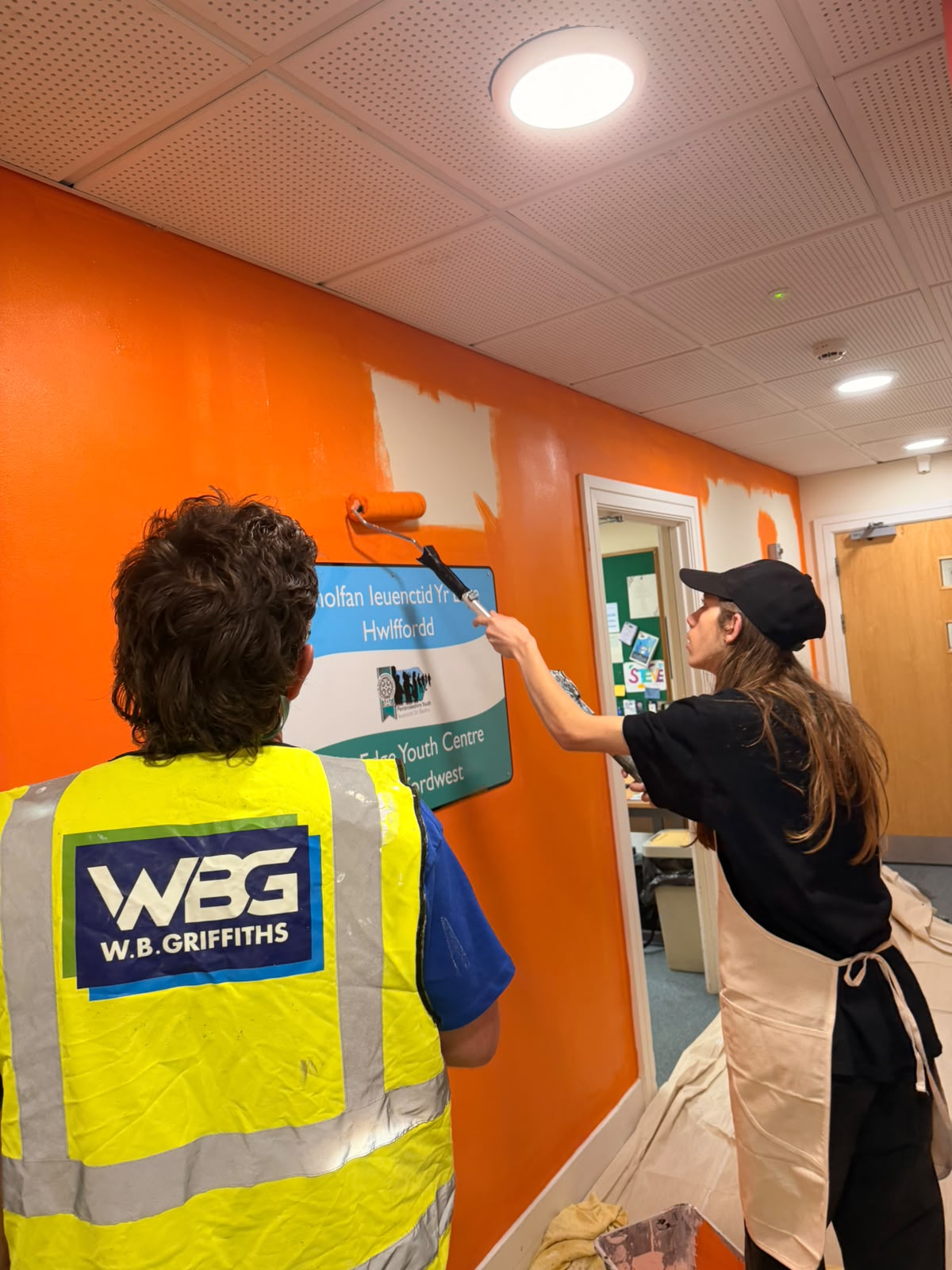
YOUNG people at a Haverfordwest youth centre have helped transform one of its rooms into a bright and welcoming space.
The Edge Youth Centre, Haverfordwest, has thanked W.B Griffiths & Son Ltd for supporting the painting and decorating project, which saw young people work alongside Chris, a painter and decorator from the company.
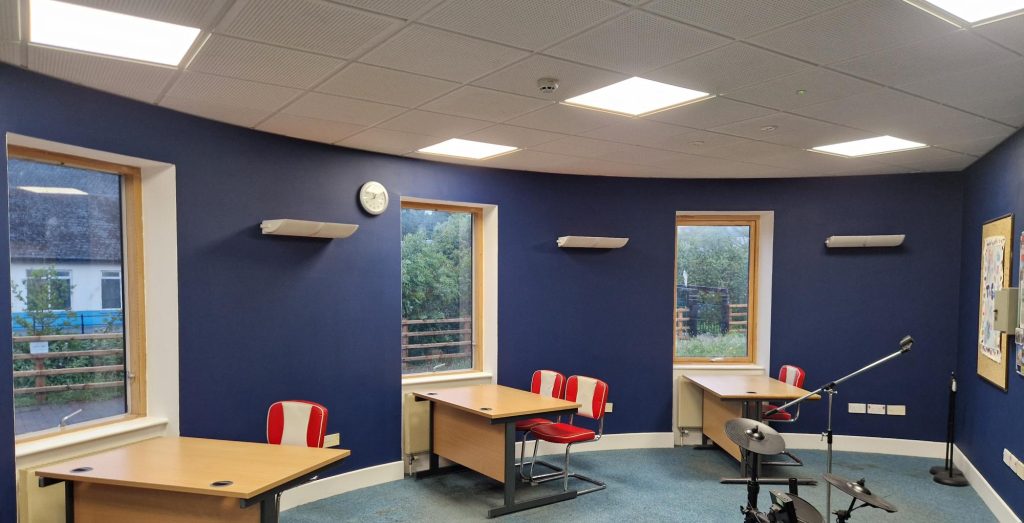
The project has given the room a colourful refresh, creating a cheerful space for young people using the centre.
Rabart Decorators Merchants, Pembroke Dock, also supported the work by supplying the colourful paints.
A spokesperson for The Edge Youth Centre said: “We’d like to extend a huge thank you to W.B Griffiths & Son Ltd for supporting us with the painting and decorating of one of the rooms at our Youth Centre.
“The young people were fortunate enough to work alongside Chris, a painter and decorator from W.B Griffiths & Son Ltd, to transform the room.
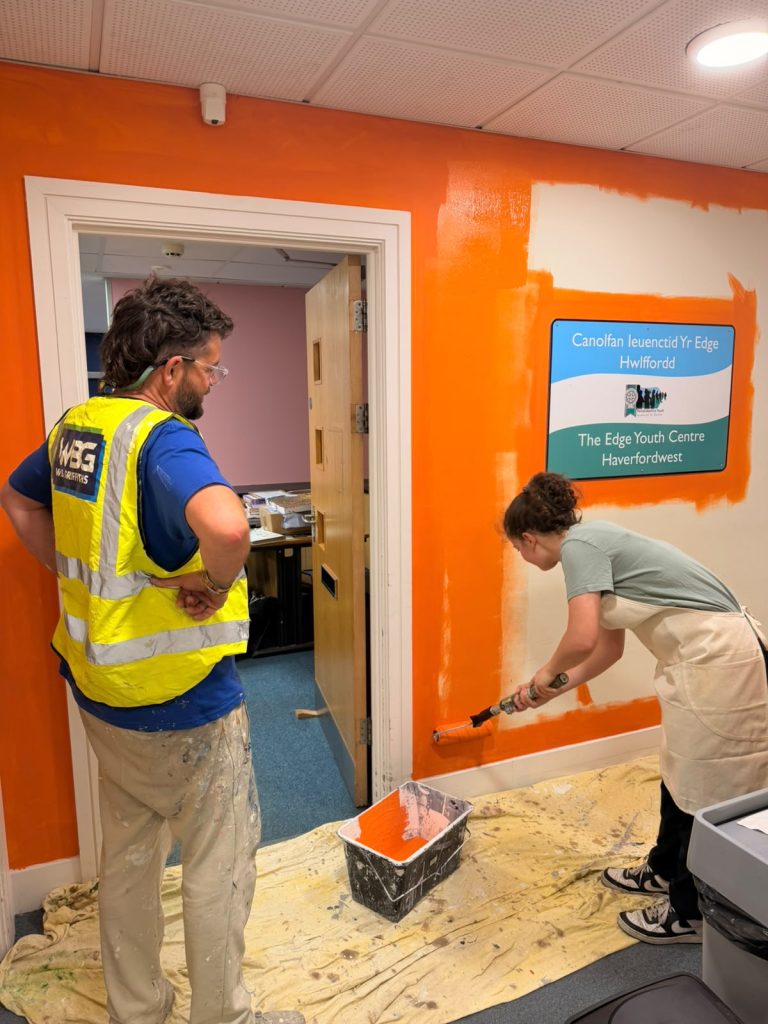
“Thanks to Chris and the young people’s hard work and enthusiasm, the space is now looking bright, welcoming, and cheerful.
“We’d also like to thank Rabart Decorators Merchants, Pembroke Dock, for generously supplying the colourful paints. Your support has helped create a vibrant room that young people can enjoy for years to come.”
The centre added: “Thank you both for your generosity and for helping us create such a positive space for our young people.”
Photo caption: Bright new look: Young people worked alongside W.B Griffiths & Son Ltd to refresh a room at The Edge Youth Centre, Haverfordwest.



Community10 hours ago
HMS Erebus tragedy links Pembroke Dock ship to Templeton family
DNA breakthrough identifies cabin boy David Young as exhibition marks 200 years since ship’s launch ON MAY 19, 1845, a...


Community13 hours ago
Narberth cash machine closures spark urgent access review
CALLS have been made for an urgent review of access to cash in Narberth after two town centre ATMs were...


Health1 day ago
First Minister quizzed on Welsh NHS pressures in his first-ever FMQs
SENEDD Members pressed the First Minister over the state of the health service in Wales, as the Plaid Cymru leader...


Community1 day ago
Historic paddle steamer Waverley to return to Fishguard this month
THE WORLD’S last seagoing paddle steamer will return to Fishguard this month as part of her annual visit to South...


Local Government2 days ago
National Express use of new Haverfordwest interchange still subject to risk checks
A RUMOUR that National Express coaches may struggle to use Haverfordwest’s new transport interchange has been denied by Pembrokeshire County...


Crime2 days ago
Milford Haven man jailed for illegal Premier League streaming service
A MILFORD HAVEN man who supplied illegal Premier League streams and loaded Firesticks to almost 2,000 customers has been jailed...


Community3 days ago
RNLI lifeguards rescue beachgoers during busy heatwave weekend
FOUR PEOPLE RESCUED AS RIP CURRENTS AND OFFSHORE WINDS HIT PEMBROKESHIRE BEACHES RNLI lifeguards in Pembrokeshire rescued four people and...


Local Government3 days ago
Council and school staff pay row could hit Pembrokeshire services
COUNCIL workers, carers and school support staff in Pembrokeshire could be drawn into a growing UK-wide pay dispute after GMB...


Health3 days ago
Hywel Dda to hold second consultation on future of stroke services
A SECOND phase of public consultation is to be held on the future of stroke services across Hywel Dda University...


Community3 days ago
Warning as algal blooms mistaken for sewage on Welsh coast
Beachgoers urged to avoid contact with suspicious foam and report pollution concerns NATURAL RESOURCES WALES has issued summer advice to...
-

 Health7 days ago
Paul Davies warns health board over Withybush and Bronglais services
-

 Crime6 days ago
Carmarthenshire man sent to Crown accused of 33 historic sexual offences
-
Crime2 days ago
Milford Haven man jailed for illegal Premier League streaming service
-
Crime2 days ago
Haverfordwest man admits cocaine offence as Crown disputes basis of plea
-

 Crime6 days ago
Suspended prison sentence for man who left dogs without vet care
-

 Crime12 hours ago
Milford Haven man bit neighbour’s neck near cashpoint
-

 News7 days ago
Vehicle destroyed in early morning fire in Pembroke
-

 News6 days ago
Davies calls for NHS foreign language interpreters to be scrapped