


Farming
Call to watch the birdies

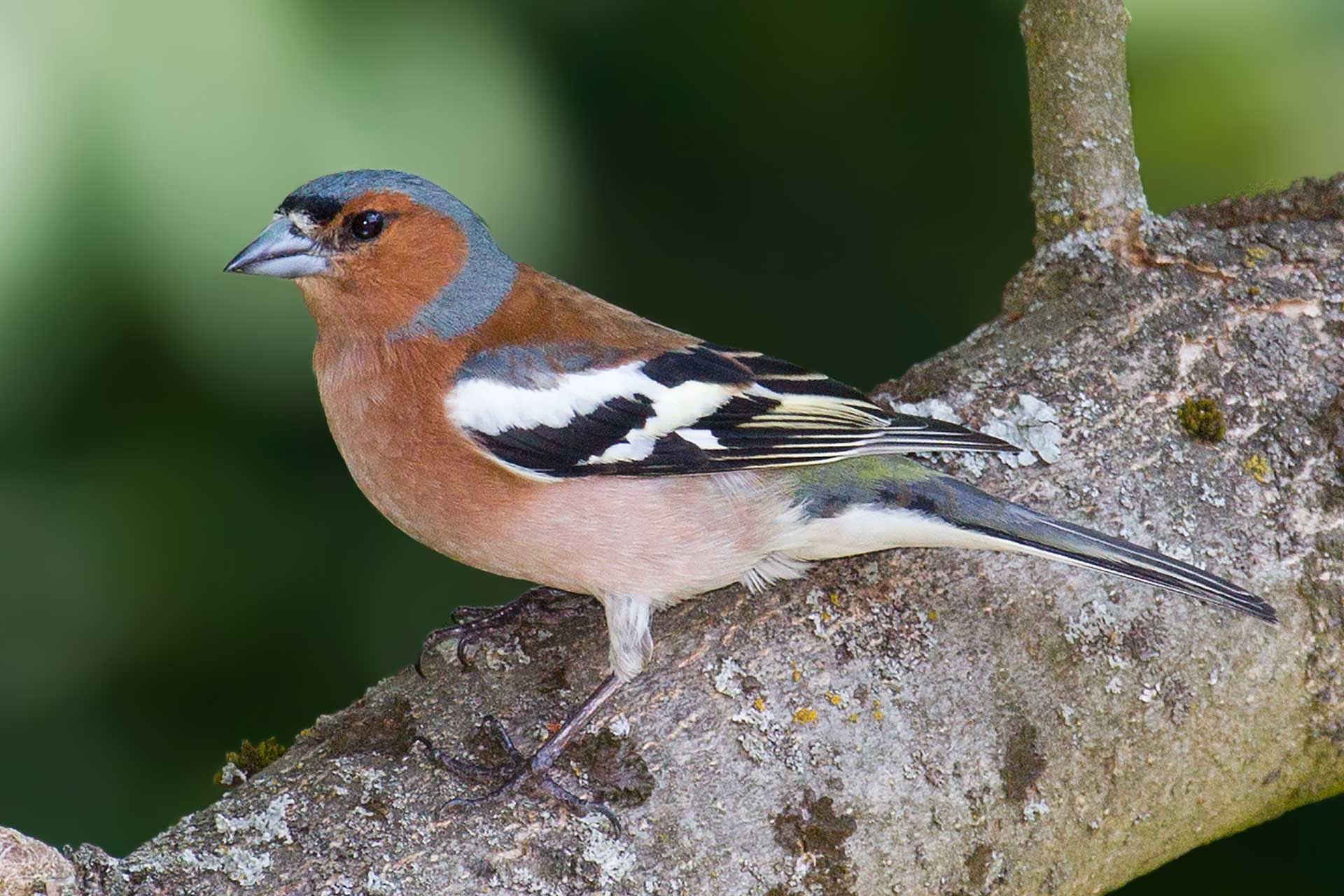
FARMERS, land managers and gamekeepers are being urged to circle Friday, February 9 to Sunday, February 18, in their diary for the count, which is run by the Game & Wildlife Conservation Trust (GWCT).
The BFBC is an opportunity to tell the wider world about the birds on farm.
It takes just 30 minutes to take part in the count, and founder Jim Egan is hoping for a big turnout.
“A great number of farmers and keepers are doing tremendous work to boost farmland birds and other wildlife. As well as planting seed mixes to provide winter feed, they also leave weedy stubbles over-winter, manage hedgerows so as to leave berries for food, and supplement this by putting out mixed seeds and grain on tracks and field margins,” he said.
“However, not everyone appreciates the extent to which farmers and keepers are managing existing habitats and creating new ones specifically to help our farmland birds. Now is the time to change all that.”

Jim is head of training and development at the GWCT’s renowned Allerton Project, where research has identified how to bring bird numbers back on productive farmland. The number of birds present there has been doubled by adapting a management system originally developed for gamebirds.
Each farmer has their own approach to wildlife conservation, but across the country the hard work being undertaken makes us optimistic for the future.
Mike Green, environmental and stewardship manager at BASF, the main sponsor of the BFBC, said: “The Big Farmland Bird Count is a wonderful opportunity for citizen science being carried out by farmers to demonstrate the range of species that depend and live on British farmland during the winter months.
“BASF is really excited about the continued involvement in this important initiative and is keen to help farmers show the quality of environmental work they can deliver.”
Guy Smith, vice president of NFU, said: “Farmers manage 70% of our iconic landscape and are committed to the environment. 10,000 football pitches worth of flower habitat have been planted, creating homes for wildlife, while more than 30,000km of hedgerows have been planted and restored.
“This year’s Big Farmland Bird Count provides farmers with another great opportunity to show that we are fully engaged with conservation. I would encourage as many farmers as possible to get the binoculars out, dust off the notepad, sharpen the pencil and get recording as you go out and about on the farm.”
Last year, 970 farmers and keepers took part and recorded 112 species across 900,000 acres.

They recorded 22 Red List species including fieldfare, tree sparrow, starling, yellowhammer and song thrush. There were wood pigeon, woodpecker, pheasant and grey partridge recorded. The count aims to help farmers and keepers build a record of birds on their farm so they can, where necessary, target their conservation work.
CLA vice president Mark Tufnell said: “Anyone who works on and cares for the land is vital in helping to ensure the future survival of many of the country’s most cherished farmland bird species, so the more people we have participating the better.”
At the end of the count, the results will be analysed by the Trust. All participants will receive a report on the national results once they have been collated.
The BFBC is sponsored by BASF and delivered in partnership with FWAG Association and LEAF with support from the NFU, CLA and Kings.
How to take part in three simple steps:
- Download your count sheet at www.gwct.org.uk/bfbc
- Count your birds! On a day between 9 and 18 February, spend about 30 minutes recording the species and number of birds seen on one particular area of the farm.
- Once you’ve completed your count, simply submit your results at www.gwct.org.uk/bfbc













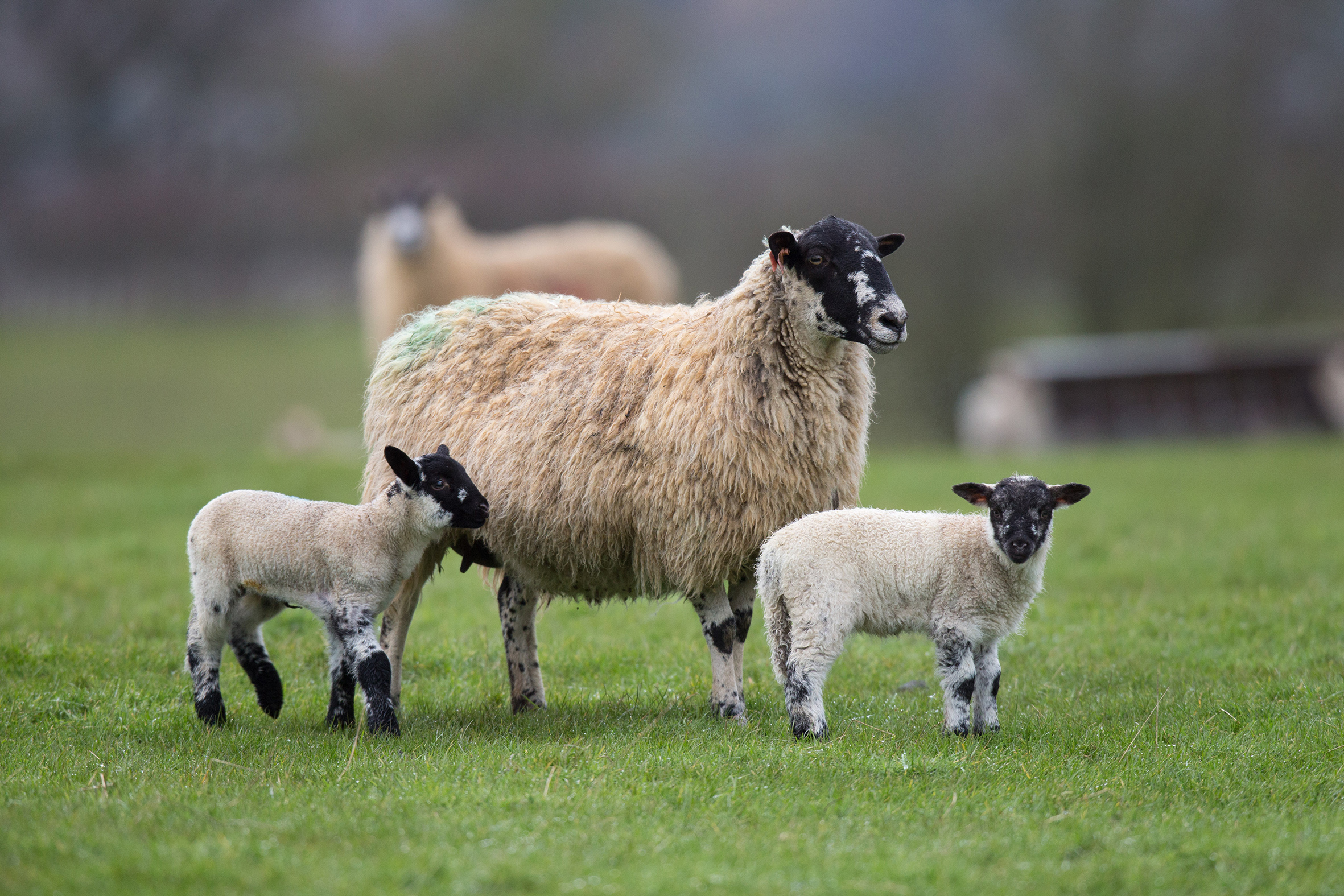
PEMBROKESHIRE sheep farmers are being urged to use weaning as a key opportunity to check ewe condition and deal with any problems before tupping.
With many local flocks now moving towards weaning, farmers are being advised to assess body condition score, as well as checking teeth, feet and udders, while there is still time to improve nutrition ahead of the breeding season.
Dr Alison Bond, Technical Services Manager at Rumenco, said close monitoring at this stage can help avoid major changes in ewe condition and improve overall flock productivity.
She said weaning at around 12 weeks was a good target, when lambs should usually be between 25kg and 30kg and taking very little milk from the ewe.
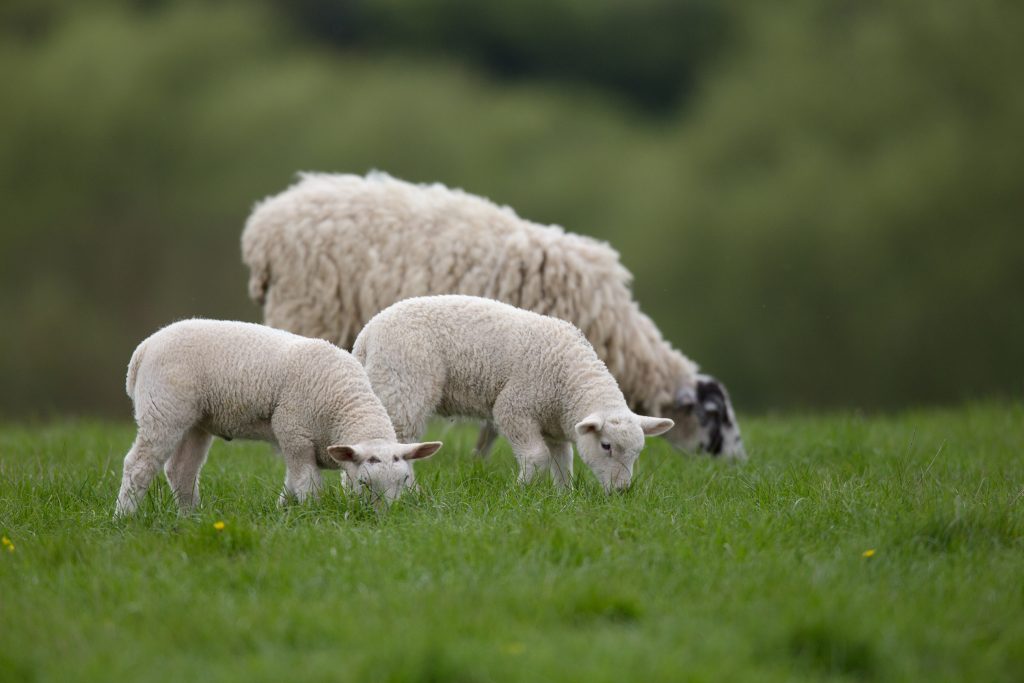
“There will of course be a focus on the lambs’ readiness for market at this stage, but it is equally important to put a hand across the ewes to assess their condition,” she said.
For lowland flocks, ewes with a body condition score below 2.5 at weaning should be given priority, as they may struggle to reach the target score of around 3.5 by tupping.
Those poorer condition ewes should be grouped separately, moved onto the best available grazing and given appropriate supplementary feeding where needed.
Dr Bond said waiting until closer to tupping could be less effective and may affect performance.
She added that ewes in good condition at tupping are more likely to scan with more lambs, produce healthier lambs after birth, and rear heavier lambs by eight weeks of age.
“It affects the whole production cycle, and not just one element,” she said.
The advice will be particularly relevant to farms across Pembrokeshire, Carmarthenshire and Ceredigion, where sheep remain a major part of the rural economy and where grass quality can vary sharply depending on weather, soil type and stocking pressure.
Dr Bond said the aim should be to keep ewes between body condition score 2.5 and 3.5 throughout the cycle, avoiding big dips and peaks.

Routine checks at weaning, she said, give farmers the best chance of correcting problems before the tups go in two to three months later.
Pic: Farmers are being urged to check ewe condition at weaning to protect flock performance ahead of tupping (Pic: Tim Scrivener/Agriphoto).

LOW UPTAKE HAS RAISED FRESH QUESTIONS OVER THE FUTURE OF SUPPORT FOR WELSH FARMERS
REFORM WALES has called for an urgent review of the Sustainable Farming Scheme after figures showed only around half of eligible farmers have signed up.
The party said the lower-than-expected uptake showed that serious concerns remained within the farming community over the complexity of the scheme, compliance rules and uncertainty about how it will operate in the long term.
Laura Anne Jones MS, Reform Wales’ Shadow Cabinet Minister for Food, Farming and Rural Affairs, raised the issue during questions to the Welsh Government.
She said: “The figures released by the Welsh Government today confirm what many farmers have been saying for some time: the Sustainable Farming Scheme is too complex, too restrictive and too bureaucratic.
“Farmers need certainty and security, not endless paperwork and rigid requirements that fail to reflect the realities of farming in Wales.
“Reform Wales believes the scheme should be reviewed as a matter of urgency, with a greater focus on flexibility, common sense and practical outcomes.
“Welsh farmers deserve a scheme that works with them, not against them.”
The Sustainable Farming Scheme is due to replace previous systems of agricultural support in Wales and has been one of the most contentious issues facing the rural sector.
Farming unions and campaigners have repeatedly warned that any new system must be practical for family farms and must not add unnecessary red tape at a time when many businesses are already under pressure from rising costs, bovine TB and market uncertainty.
Reform Wales said the Welsh Government must now explain how it intends to respond to the level of take-up and whether changes will be made before the scheme is fully rolled out.

PLANS to convert historic farm buildings near north Pembrokeshire’s Whitesands beach for use as holiday accommodation have been given the go-ahead, but their use doesn’t have to be restricted to just that purpose.
In an application to Pembrokeshire Coast National Park, Matthew James of James Properties, through agent Harries Planning Design Management sought permission for the conversion of two derelict barns to two self-catering holiday accommodation units at Porthmawr Ganol, Whitesands, St Davids.
An officer report said: “The farmstead occupies a prominent position within a landscape characterised by open agricultural fields enclosed predominantly by traditional dry-stone walls, exposed coastal pasture and areas of heathland associated with Carn Llidi.”
It added: “The site lies within the Porthmawr Historic Landscape Character Area, an area recognised for its historic pattern of dispersed settlement, traditional farmsteads, dry-stone wall field boundaries and evidence of medieval and post-medieval agricultural activity.
“The retention and reuse of the existing buildings therefore has the potential to preserve an important element of the area’s historic landscape character whilst securing a viable long-term future for structures that would otherwise continue to deteriorate.”
It said that insufficient evidence had initially been submitted to demonstrate that the buildings were unsuitable for permanent residential conversion and only for self-catering accommodation and therefore an affordable housing contribution should be secured.
Policy would lead to a contribution of £36,400, the report said, but a financial viability assessment by the applicant “demonstrated that the development would not be viable if required to provide the full policy contribution,” the maximum contribution capable of being supported whilst maintaining viability was £12,641.
This reduced figure was accepted, the officer report saying: “Whilst this represents a reduced contribution when compared with the full policy requirement, the submitted viability evidence demonstrates that the development could not reasonably support the full contribution whilst remaining deliverable.
“In these circumstances, securing a reduced contribution is considered preferable to losing the opportunity to secure the restoration and beneficial reuse of the historic buildings.”
It stated that, with the affordable contribution, the scheme would not be limited to self-catering development only.
The application was conditionally approved by Park planners.



Charity13 hours ago
Toy Story fans fill charity toy box at Haverfordwest cinema
Donations pour in for SNAP Specialist Play as families embrace Toy Story 5 launch A TOY STORY-themed charity appeal at...


Community18 hours ago
Lord Rhys emerges from the mist in St Davids
Giant puppet begins historic journey marking 850 years since the first Eisteddfod MIST swirled around St Davids Cathedral on Friday...


News2 days ago
Tragic tribute paid to Haverfordwest man after A4075 collision
FAMILY REMEMBERS “KIND AND LOVING” CALLUM HANSON THE FAMILY of a 22-year-old man from Haverfordwest who died following a road...


News3 days ago
Motorcyclist, 22, dies in A4075 crash in Pembrokeshire
A 22-year-old woman remains in hospital after two-vehicle collision A MOTORCYCLIST has died following a serious two-vehicle crash on the...


Community3 days ago
Why police will be visiting every home in Pembrokeshire
New operation aims to knock on more than 257,000 doors across Dyfed-Powys over the next three years DYFED-POWYS POLICE has...


Crime3 days ago
Prisons at breaking point: MPs warn Wales is paying the price of a failing system
Frozen healthcare budgets, overcrowded jails, homelessness on release and mounting pressure on staff are undermining rehabilitation across Wales, according to...


News3 days ago
Brexit at 10: How Britain was sold a dream that cost us dearly
A decade after the referendum, the promised benefits remain hard to find while the economic costs are increasingly difficult to...


Crime3 days ago
Worcestershire man jailed after violent attack on woman in Tenby
Defendant was already serving a suspended sentence when serious assault took place A WORCESTERSHIRE man has been jailed for more...


Climate4 days ago
Offshore wind ‘could bring new generation of jobs to Milford Haven’
Pembrokeshire ports and Celtic Sea projects placed at centre of Wales’ green energy ambitions MILFORD HAVEN and Pembroke Dock could...


Community4 days ago
Police officer hailed hero after midnight sea rescue in Milford Haven
PC swam 100 metres offshore to save distressed woman heard calling for help in darkness A DYFED-POWYS POLICE officer has...
-

 Community6 days ago
Pembrokeshire Chess Club crowned Welsh champions
-

 Crime3 days ago
Milford Haven man jailed for breaching domestic violence protection order
-

 Local Government5 days ago
Security privately arranged by Mayor at Beating of the Bounds
-

 News3 days ago
Crash on Freeman’s Way causes school-run chaos across Haverfordwest
-

 Crime4 days ago
Man wanted by court after failing to attend hearing over alleged shop thefts
-
 Crime4 days ago
Man banned from roads after drink-driving offence
-

 Crime4 days ago
Man jailed after admitting strangulation and assaults
-

 Crime4 days ago
Man sentenced over stalking campaign and lock knife offence