

News
Man fined after dog suffers in locked car


A MAN has been fined after causing his 13-year-old dog to suffer with hyperthermia after leaving him in a hot car amid sweltering, dangerous June weather conditions.
John Foster, aged 66, of Merrion Village, Castlemartin, admitted causing his crossbreed dog – Boysie – to suffer after confining the dog to the boot of a hatchback car on 30 June, shortly after 1pm.
He pleaded guilty to an Animal Welfare Act offence at Haverfordwest Magistrates’ Court on Monday, November 19.
Dyfed-Powys Police and the RSPCA were alerted after the dog was left alone, and tied-up, in the car, at Haverfordwest’s Tesco superstore. Two windows were open on the vehicle with a gap of approximately an inch.
Witnesses reported distressed behaviour from the dog. Tesco staff made attempts to reach the car owner via PA announcements, but Foster failed to return to the car and Police were subsequently contacted.

By-standers squirted water into the car, with the dog seen licking the liquid from cardboard that was lining the boot. However, the water evaporated quickly due to heat within the car – highlighting the high temperatures the crossbreed was experiencing.
The Police – following discussions with the RSPCA – broke into the vehicle to rescue the dog.
Foster, when eventually returning to the vehicle, accepted no responsibility for the situation but was instead concerned about the damage to his car.
The temperature rose from 23°C to 25°C outside – but had reached 55°C in a neighbouring vehicle, demonstrating how dangerous the situation was for the veteran dog.
Clear, conclusive veterinary evidence highlights that the animal suffered as a consequence of the ordeal. Indeed, the episode caused the dog to have hyperthermia, a condition of having a body temperature greatly above normal.
Foster was given a £295 fine, and ordered to pay £300 in costs and a £30 victim surcharge.
RSPCA inspector Keith Hogben said: “This was a disgusting, and wholly inappropriate way to treat a dog.
“Hot vehicles are potential death-traps for dogs; and poor Boysie suffered unnecessarily and was left with hyperthermia, as a result of this individual’s negligence.
“Boysie had been left tied-up in the back of this car with no means of safe escape. The weather was sweltering – like it was much of this spring and summer – and my vehicle nearby reached temperature of 55 degrees.

“Members of the public at the store were left hugely distressed by the incident, with the dog dangerously overheated. Thankfully, the consequences were not fatal – but could easily have been so.
“This is a serious animal welfare offence – and we want to see prosecutions like this act as a robust deterrent to future offending, which can be so dangerous for dogs, potentially causing them heatstroke and other major complications.”
Dyfed-Powys Police’s Chief Inspector of specialist operations Mike Melly added: “This was a distressing incident, during which two officers had serious concerns for the welfare of the dog, who was trapped inside the car.
“They could not open the windows, and as the dog was in unnecessary distress, a decision was made to smash the car window under Section 18 of the Animal Welfare Act. They then took the dog to a shaded area and gave it water to cool it down.
“We would like to remind pet owners to take extra care of animals in hot weather, and urge them not to leave them in a car for any amount of time – the consequences of the heat could be devastating.
“If you do see a dog trapped in a car, we would always advise you to call the police on 101, or call 999 if it is an emergency and the animal is suffering. If necessary, officers will take action to release any animals suffering in a hot car.”
This July, an RSPCA staff member locked himself in a hot car to experience the dangers dogs face when left in vehicles in warmer conditions. Shocking video footage shows the temperate sky-rocket from 23.3°C to more than 57°C degrees in little over 26 minutes.
Electronic roadside signage in Wales will – during future warm weather spells – soon display messages highlighting the dangers of leaving canine companions in hot cars, following a successful campaign by RSPCA Cymru and Newport West Assembly Member Jayne Bryant.
RSPCA Cymru spent the summer urging members of the public to dial 999 if they see a dog in distress in a hot car. More advice on what to do is available on the RSPCA website.











Councillor alleges misleading figures, inadequate insurance and poor treatment of staff
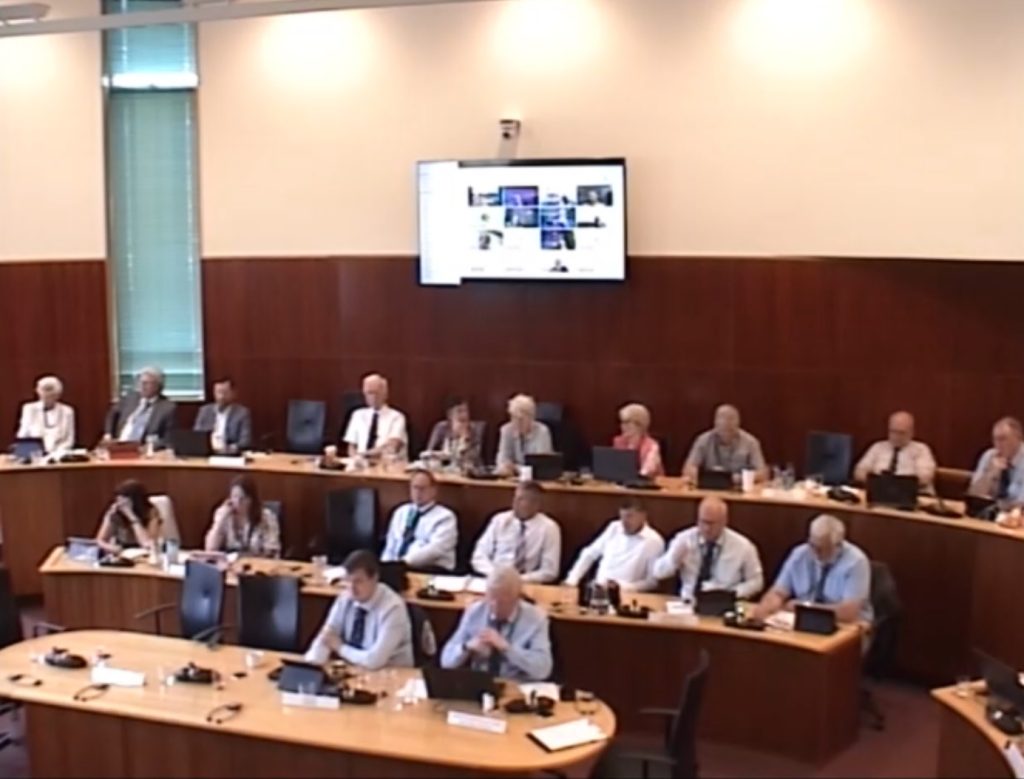
CALLS for an independent investigation into the controversial closure of Manorbier Church in Wales VC School are gathering pace ahead of a full council meeting next week.
Local member Cllr Phil Kidney has submitted a Notice of Motion calling for a full and impartial inquiry into the way Pembrokeshire County Council handled the closure process.

The proposed investigation would examine the length of time taken, alleged broken promises, insurance arrangements and the involvement of the council’s Human Resources department.
Cllr Kidney says the review should be carried out by someone who is not employed by the authority and should have the power to recommend disciplinary action where appropriate.
He said: “A full impartial review should hopefully stop another school being treated so appallingly.”

The call has now been backed by Milford Haven Hakin Reform councillor Scott Thorley, who launched a strongly worded attack on the authority’s handling of the school.
Writing on Facebook, Cllr Thorley said: “The council’s treatment of this school is shocking. Misleading figures, manufactured pupil numbers, totally inadequate insurance and the worst thing was the treatment of the staff.”
The claims have not yet been independently established, but they add to growing pressure on the council to explain how the school’s closure was handled and why the fire-damaged building was not fully reinstated.
Manorbier School and the adjoining schoolhouse were severely damaged by fire in October 2022, with pupils subsequently moved to a temporary “school from school” at Jameston Village Hall.
Although campaigners had hoped the original school would be rebuilt, councillors later backed a statutory process to discontinue it.
The proposal attracted strong opposition, with more than 1,500 people signing a petition calling for the school to be rebuilt and more than 90 per cent of consultation respondents opposing closure.
At a special meeting on June 15, councillors voted by 30 votes to 23, with four abstentions, to proceed with the final steps towards closure.
The Diocese of St Davids also opposed the decision and warned that legal action, including judicial review, could follow.
Questions remain over the insurance cover in place at the time of the fire, the true cost of rebuilding or closing the school, disputed pupil and surplus-place figures, and the treatment of staff during the process.

Pembrokeshire County Council has previously said the Leader has asked the Governance and Audit Committee to review the authority’s insurance position.
Cllr Kidney is also seeking an apology from Cllr Paul Miller, the council’s deputy leader and Cabinet Member for Education.
He has asked whether Cllr Miller will apologise to staff and parents for comments made at the June meeting, including claims that children would receive a better education at St Florence and that Manorbier pupils were being taught in one room.
Cllr Kidney described those comments as factually wrong and insulting to staff who had worked to maintain education standards after the fire.
Both the motion for an investigation and the request for an apology are due to be considered when full council meets on Thursday (Jul 16).

AN EMOTIONAL gathering was held at Hubberston and Hakin Community Centre as family, friends and volunteers came together to remember the late Mike Stoddart last week.
Members of Mike’s family joined Community Centre trustees and volunteers to commemorate a memorial bench installed in the centre’s Memorial Garden.
Mike, affectionately known as “Old Grumpy”, died on January 4, 2026, aged 85.
Alongside his many years of service as the county councillor for Hakin, Mike was also a dedicated trustee of the Community Centre and worked tirelessly on behalf of local residents.
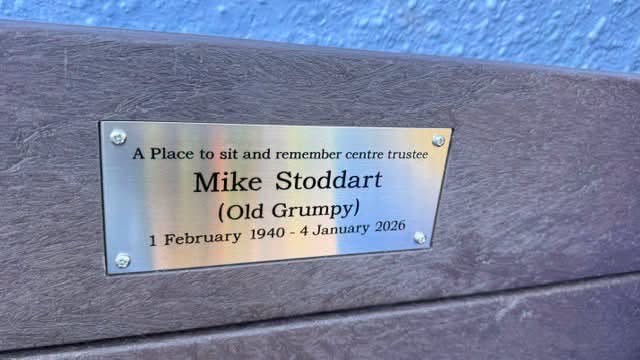
The inscription on the bench describes it as “a place to sit and remember” and recognises Mike’s contribution as a centre trustee.
The Community Centre said it had been an emotional but special evening and thanked everyone who attended to pay tribute.
Similar memorials are also being planned to honour the late Eric Harries and John Morgan, recognising their own service and contribution to the community.


MID AND WEST WALES FIRE AND RESCUE SERVICE is urging residents and visitors to take extra care as extreme heat and prolonged dry conditions increase the risk of wildfires and water-related emergencies.
The warning follows the issuing of a red extreme heat alert for parts of Wales, with exceptionally high temperatures forecast and emergency services preparing for added pressure in the days ahead.
Fire chiefs say the hot, dry weather has left grassland and vegetation particularly vulnerable, meaning even a small spark could develop into a fast-moving countryside fire.
Aled Griffiths, Head of Community Safety for Mid and West Wales Fire and Rescue Service, said: “With very high temperatures forecast across Wales this week, it’s important that we all take extra care to stay safe and reduce avoidable risks.
“We want everyone to enjoy the sunshine, but these conditions can increase the likelihood of incidents, including fires and water-related emergencies.
“Small actions can make a big difference, whether that’s using barbecues safely, disposing of smoking materials responsibly or taking extra care around open water.”

Barbecue and outdoor fire safety
Anyone using a barbecue is being advised to place it on a flat, non-combustible surface, well away from buildings, fences, dry grass and shrubs.
Barbecues should never be left unattended and must be completely extinguished and allowed to cool before ashes are disposed of.
The public is also being asked not to light campfires or other open fires, particularly in rural areas where dry vegetation can allow flames to spread rapidly.
Cigarettes, matches and glass bottles should never be discarded in the countryside.
The fire service has also reminded residents that burning grass or garden waste is prohibited at this time of year.
Open water warning
The hot weather is also expected to encourage more people to swim in lakes, rivers, reservoirs and other open water.

However, the fire service warned that water temperatures can remain dangerously cold even during periods of extreme heat.
Cold water shock can cause an involuntary gasp, rapid breathing, panic and a sudden loss of swimming ability, significantly increasing the risk of drowning.
People are advised never to jump or dive into unfamiliar water and not to enter open water after drinking alcohol.
Float to Live
Anyone who gets into difficulty in the water should:
- Tilt their head back, keeping their ears submerged
- Relax and try to breathe normally
- Move their hands and legs gently to remain afloat
- Avoid panicking if their legs begin to sink
Once breathing is under control, they should call for help or attempt to swim to safety.
The fire service recommends practising floating in a supervised environment, such as a swimming pool.
Phone, Float, Throw
Anyone who sees another person in difficulty should remain on land and follow the Phone, Float, Throw advice:
- Phone 999 and ask for the emergency services
- Encourage the person to remain calm and float on their back
- Throw rescue equipment or another floating object towards them
Members of the public should not enter the water themselves, as this can place both people in danger.
Further wildfire and water safety advice is available through Mid and West Wales Fire and Rescue Service’s website and social media channels.



Local Government6 hours ago
Calls grow for independent investigation into Manorbier school closure
Councillor alleges misleading figures, inadequate insurance and poor treatment of staff CALLS for an independent investigation into the controversial closure...


Community12 hours ago
Neyland Carnival hailed a huge success after streets fill with colour and crowds
NEYLAND CARNIVAL organisers have thanked the community, volunteers and local businesses who helped make this year’s event a memorable success....


Community15 hours ago
Tenby Summer Spectacular: Anger grows over ‘disaster waiting to happen’ warning
A growing backlash has followed police calls for the event’s licence to be revoked, with supporters questioning why authorities failed...


Charity1 day ago
RSPB secures ‘missing link’ to reconnect wildlife habitats in Carmarthenshire
RSPB CYMRU has purchased a 96-hectare upland site in Carmarthenshire, describing it as a vital step towards reconnecting one of...


Crime3 days ago
Ann Widdecombe: Welsh politicians pay tribute as murder probe launched
Prime Minister Sir Keir Starmer has praised the former minister’s “conviction and dedication”, while political figures in Wales remembered her...


News3 days ago
Solardo pulls out of Haverfordwest show as organisers offer full refunds
Headline act confirms non-appearance as Park House Series announces major event changes DANCE music duo Solardo will no longer perform...


Local Government3 days ago
Conservatives win Pembroke Dock seat as Reform stalls and Dowson polls just 11
Jamie Street takes Market ward with a 43-vote majority as Reform finishes fourth despite its major Senedd breakthrough two months...


Health3 days ago
Hospital ward closed after highly contagious scabies outbreak
Hywel Dda confirms wider rise in cases across Carmarthenshire, Pembrokeshire and Ceredigion as patients and staff are offered treatment A...


Crime4 days ago
Teacher stabbing trial: The first week of evidence
Jury hears accounts of alleged planned classroom attack, teacher’s fear she was dying, and boy’s words after leaving school A...


Community4 days ago
Haverfordwest Castle refurbishment reaches new heights as roof goes on
Major milestone reached in project to transform historic gaol building into flagship visitor attraction A MAJOR milestone has been reached...
-

 Farming6 days ago
Pembrokeshire slaughterhouse given urgent improvement rating after audit failure
-

 News6 days ago
From boccia to boxing: ALN multisport events give youngsters chance to try activities
-
 News6 days ago
Large fire breaks out at Impala Terminal in Milford Haven
-

 News6 days ago
Questions raised over Hamilton Accies finances after club’s Haverfordwest friendly
-

 Education7 days ago
Council failed Welsh language standards over school closure
-

 Entertainment5 days ago
Swing and big band classics heading to Torch Theatre
-

 Entertainment7 days ago
Crymych Arms to host weekend of local music, food and drink
-

 Farming4 days ago
Working Carmarthenshire farm opens gates to visitors with new holiday cottages