


News
Cabinet backs 82p a week Council Tax rise

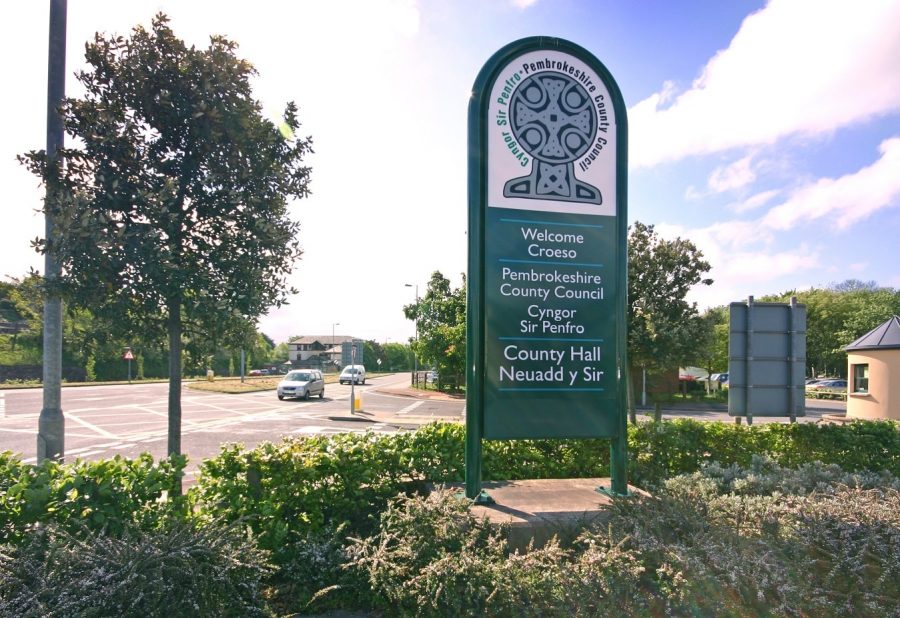
CABINET Member for Finance, Cllr Bob Kilmister, delivered a blistering assessment of the ongoing row about the level of Pembrokeshire’s Council Tax on Monday, February 15.
Cllr Kilmister’s accused the Conservative group on the Council of playing electoral games ahead of May’s elections to the Welsh Parliament.
Bob Kilmister suggested that Conservative councillors were well aware of the financial issues their proposed 3% rise in Council Tax would cause. However, they were serving ‘their lords and masters’ higher up the political food chain.
The Cabinet member also attacked plans to raid the Council’s reserves to ensure a lower increase than he believes is needed.
Cllr Kilmister said: “Using reserves to reduce Council Tax, or as a sticking plaster for services, is a very dangerous route to go down. If you keep spending above your income by using your savings, you will inevitably face a crisis sooner or later.”
He said he could not recommend that course of action to his colleagues or to fellow councillors.
Bob Kilmister spelt out the difficulties the Council faces in setting its budget. He reminded his fellow Cabinet members that Pembrokeshire has a near £15m shortfall in the amount of money it should receive to the Welsh Government. That shortfall arises thanks to how successive IPG administrations depressed spending on services to keep its totemic ‘lowest Council Tax in Wales’ policy.
Pembrokeshire still has – by some distance, and by a gap which is likely to widen further – the lowest Council Tax in Wales.
Seconding the recommendation, Pembroke North County Councillor Jon Harvey said that approving 3% increase in Council Tax would be ‘disastrous’ for local services.
Cllr Neil Prior echoed his fellow Cabinet Member’s views and went further.
He pointed out that those who were the best-off had the most disposable income left due to the pandemic’s restrictions. Those with lower incomes had less money at their disposable. The people who would most directly benefit from a lower-than-needed Council Tax increase were those who could well afford to pay a 3.75% increase.
In Band I, Council Tax would rise by £1.92 a week for households.
“The people who need it most are the people who will be hurt the most if we do not raise Council Tax by 3.75%. We’re going to have to fund the services which will help people get back on their feet,” Cllr Prior concluded.
Cllr Phil Baker said that the budget process, using the challenge process to scrutinise Council’s Departments’ budget requests, was empowering and revealing in equal measure.
Cllr Michelle Bateman said that to close the funding gap adequately and meet the Council’s obligations, a 5.9% rise was needed to meet the budget strategy. The 3.75% rise would still leave a massive hole to be filled in the Council’s finances.
The Letterston councillor attacked the rationale behind a 3% increase: “I know it’s difficult. It’s in times like this you need to look to the long-term and get your head up above what’s happening now. A 3% rise now would set up a future Cabinet to fail. It would deny them the opportunity to invest in services, and it would be criminal for us to do that.
“When you explain local government finance person-to-person, they understand keeping Council Tax low hasn’t done us any favours.”
Director of Resources Jon Haswell said that although Pembrokeshire received a better than expected settlement this year, it still left the Council with a funding gap to bridge. Future years’ settlements were expected to be less generous, he said.
Jon Haswell continued: “The Council’s medium-term financial plan is based on a 5% increase in Council Tax. If Council Tax increases by 3.75% per annum, over five years will mean an extra £8.5m loss of funding. That will affect services. Services will be cut, the workforce will be cut. If we stick to 3% per annum, the loss is £13.8m. Members need to look beyond the short term.”
Cllr David Simpson pointed out demand was increasing for children’s services, He said that funding was imperative.
Cllr Tessa Hodgson said a 3% increase meant cutting services to those least able to absorb the loss. It meant the burden would fall on the most vulnerable; on those on the at risk register; on looked after children; and those most at risk of harm.
Cllr Hodgson made a heartfelt plea to councillors and the public backing a 3% raise, to look at the human cost of service cuts.
Those who were the most vulnerable, she concluded, who would pay the price of service reductions.
The Cabinet unanimously approved the recommendation for a 3.75% Council Tax increase.

FULL REPORT IN THE HERALD ON FRIDAY







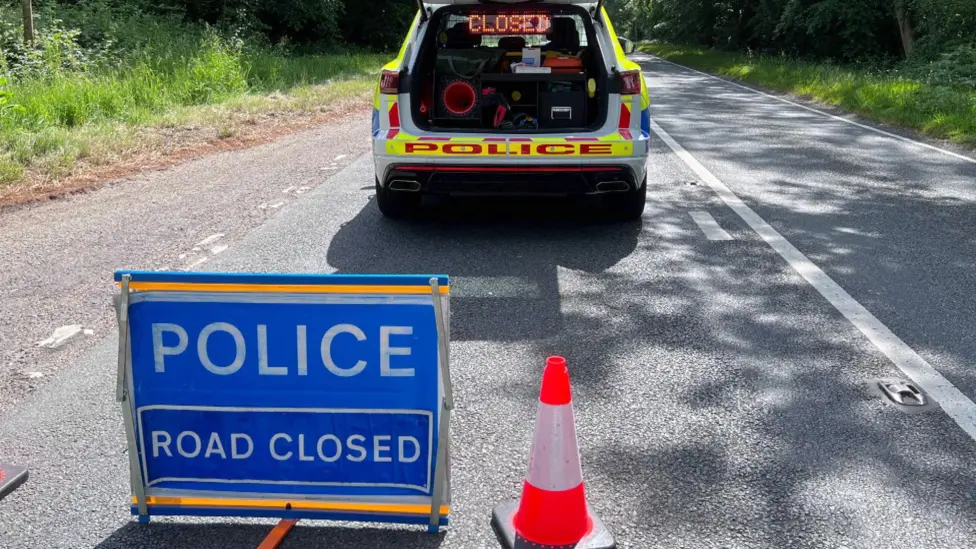
A 22-year-old woman remains in hospital after two-vehicle collision
A MOTORCYCLIST has died following a serious two-vehicle crash on the A4075 between Canaston Bridge and Yerbeston.
Dyfed-Powys Police said the collision happened at around 6:20pm on Wednesday (June 17) and involved a grey Kia Sorento and a white Yamaha motorcycle.
The rider of the motorcycle, a 22-year-old man, died at the scene.
A 22-year-old woman who was travelling as a pillion passenger was taken to hospital, where she remains.
Police said the rider’s next of kin have been informed and are being supported by specialist officers.
The driver of the Kia Sorento, a 60-year-old man, was not injured.
Road remains closed
The A4075 remained closed while collision investigators examined the scene, and motorists were advised to avoid the area and use alternative routes.
Investigating officers are appealing for witnesses and would like to speak to anyone who was travelling along the A4075 at the relevant time.
They are also asking motorists with dashcam footage from the area to come forward.
Anyone with information is asked to contact Dyfed-Powys Police online, by emailing [email protected], by direct message on social media, or by calling 101.
Please quote reference 362 of June 17.

Senedd statement urges action on rising costs, climate change, nature loss and insecure livelihoods
MORE than 240 organisations from across Wales have backed a Senedd call for urgent action to build a fairer, greener and more resilient nation.
The Statement of Opinion, tabled by Niamh Salkeld MS, supports the Cymru Together campaign and calls on the Welsh Government to respond to the linked crises of rising living costs, insecure livelihoods, climate change and nature loss.
Ahead of the 2026 Senedd election, more than 240 organisations signed an open letter under the Cymru Together banner, urging political parties to work together on Wales’ most pressing challenges.
The statement calls on ministers to invest in warmer homes and cheaper renewable energy, ensure renewable energy creates community wealth and supports workers, and restore nature by supporting farmers to produce food sustainably while making polluters pay.
It also says climate action in Wales can support communities around the world already facing the worst effects of climate change, while delivering practical improvements to everyday life at home.
Niamh Salkeld MS said: “For communities like mine in Blaenau Gwent Caerffili Rhymni, this is about fairness.
“We know that if we get this right, we can tackle the cost-of-living crisis, strengthen our communities and create a more secure future.
“We also know the cost of doing nothing is higher energy bills, more extreme weather and fewer opportunities for future generations.”
Bethan Sayed, Head of Politics at Climate Cymru, said Wales was at a “pivotal moment”.
She said: “Climate action is not a burden on Wales: it is an opportunity to build warmer homes, create good jobs, restore our natural environment, and deliver a fairer future for everyone who calls Wales home.”
Stan Townsend, Head of Policy at Climate Cymru, said the proposals were “practical priorities” that could make a real difference.
He said: “Investing in home efficiency cuts energy bills for households, community ownership of renewable energy gives us the chance to keep more wealth in our communities, and supporting farmers to farm sustainably protects the land and the livelihoods that depend on it.”

Cerith Griffiths, a former firefighter and FBU trade union official, said the campaign connected climate action with lower energy bills, good jobs and healthier communities.
Global Climate Justice Cymru said the statement recognised that “what Wales does matters beyond our borders”, while Race Council Cymru said the campaign showed how climate action could help reduce living costs and create new opportunities.
Cymru Together describes itself as a growing movement of more than 240 organisations calling for a fairer and healthier Wales.
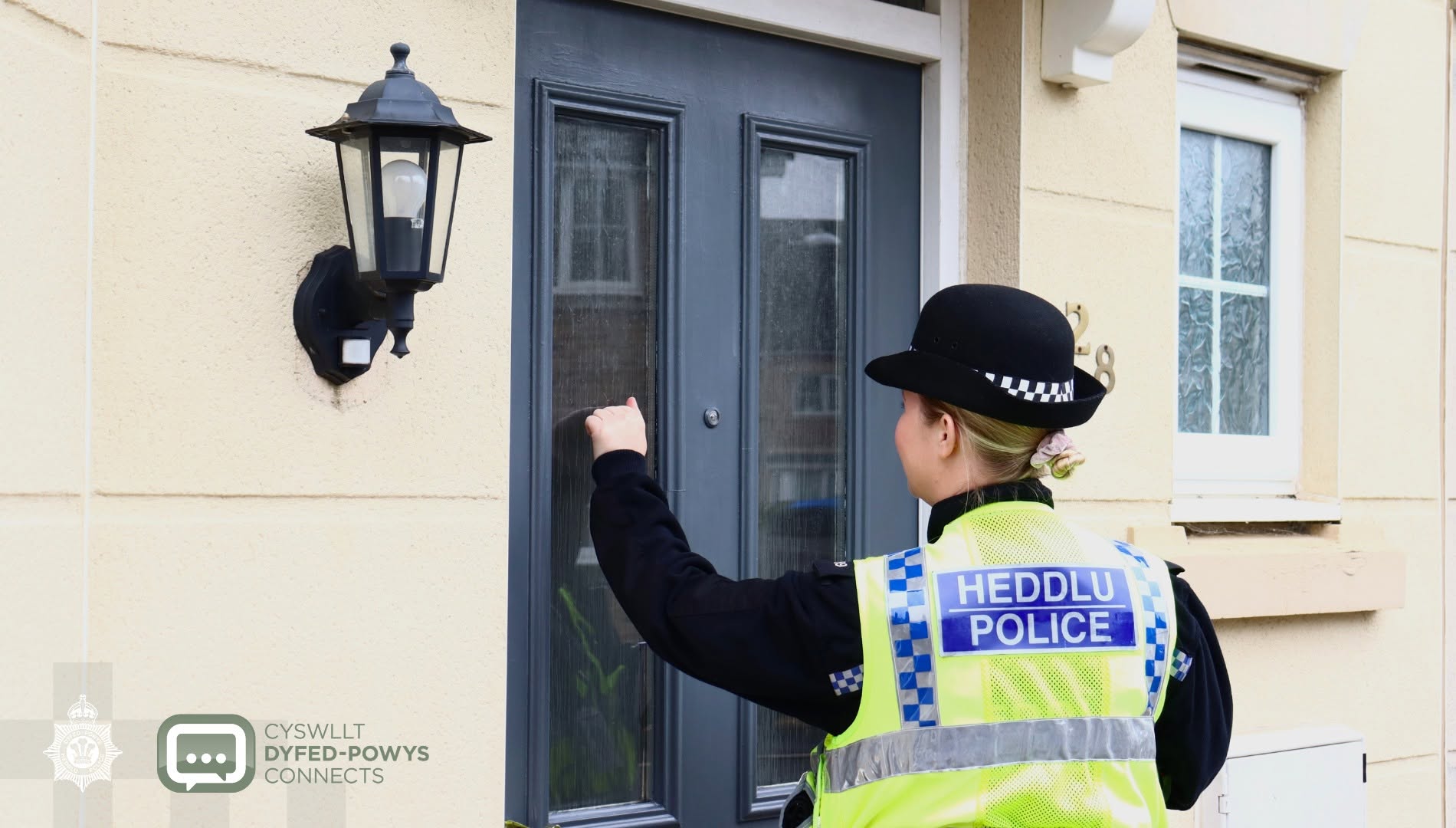
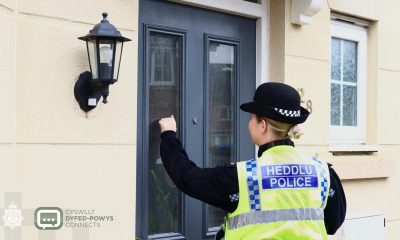
New operation aims to knock on more than 257,000 doors across Dyfed-Powys over the next three years
DYFED-POWYS POLICE has launched a major new community engagement operation aimed at visiting every home across the force area within the next three years.
Operation Connect will see neighbourhood policing and prevention teams proactively call at residential properties across Pembrokeshire, Carmarthenshire, Ceredigion and Powys.
The force says the initiative is designed to increase visibility, improve communication, and give residents a direct opportunity to raise local concerns with officers and PCSOs.
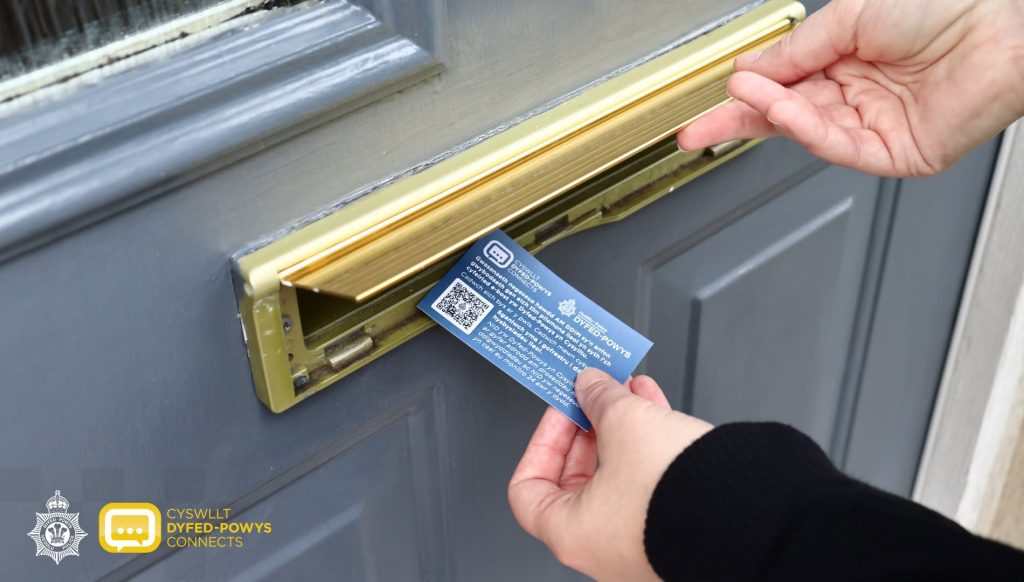
According to Dyfed-Powys Police, there are 257,416 residential properties across the force area currently active on local authority council tax systems. The aim is for officers and staff to knock on every one of those doors over the course of the operation.
The scheme follows the launch of Dyfed-Powys Connects in September 2025, a two-way messaging system intended to improve contact between police and local communities.
Chief Inspector Dominic Jones said: “It is vital that we make every effort to connect with those who live and work in our communities, as our public deserves to know their local police teams and feel a genuine sense of trust and confidence in Dyfed-Powys Police.
“I know how much our neighbourhood policing teams care about their areas, and we are undertaking this work because we truly care about the communities we serve.”
During visits, PCSOs will also help residents complete priority surveys. The force says these will allow local concerns to be recorded and used to shape future policing activity.
Dyfed-Powys Police says the surveys will provide measurable data to help maintain community confidence and support problem-solving with partner agencies.

The force currently has 189 full-time equivalent officers and staff deployed in neighbourhood teams. This includes 131 PCSOs and 58 police constables, made up of 29 existing officers and a further 29 through the Neighbourhood Guarantee uplift.
To cover the whole force area, each officer or staff member would need to visit around 1,362 properties. Dyfed-Powys Police says this would equate to approximately six properties per officer or staff member each day over a 12-month period.
Chief Inspector Jones added: “By reporting back on our progress through ‘You Said, We Did,’ we will continue to build, solve problems, and maintain lasting relationships with the communities we serve.”
The force says Operation Connect will help it build stronger relationships by listening to local issues, addressing concerns through targeted policing, and sharing progress with communities.


News5 minutes ago
Motorcyclist, 22, dies in A4075 crash
A 22-year-old woman remains in hospital after two-vehicle collision A MOTORCYCLIST has died following a serious two-vehicle crash on the...

Community53 minutes ago
Why police will be visiting every home in Pembrokeshire
New operation aims to knock on more than 257,000 doors across Dyfed-Powys over the next three years DYFED-POWYS POLICE has...


Crime4 hours ago
Prisons at breaking point: MPs warn Wales is paying the price of a failing system
Frozen healthcare budgets, overcrowded jails, homelessness on release and mounting pressure on staff are undermining rehabilitation across Wales, according to...


News17 hours ago
Brexit at 10: How Britain was sold a dream that cost us dearly
A decade after the referendum, the promised benefits remain hard to find while the economic costs are increasingly difficult to...


Crime19 hours ago
Worcestershire man jailed after violent attack on woman in Tenby
Defendant was already serving a suspended sentence when serious assault took place A WORCESTERSHIRE man has been jailed for more...


Climate21 hours ago
Offshore wind ‘could bring new generation of jobs to Milford Haven’
Pembrokeshire ports and Celtic Sea projects placed at centre of Wales’ green energy ambitions MILFORD HAVEN and Pembroke Dock could...

Community2 days ago
Police officer hailed hero after midnight sea rescue in Milford Haven
PC swam 100 metres offshore to save distressed woman heard calling for help in darkness A DYFED-POWYS POLICE officer has...


Local Government2 days ago
Security privately arranged by Mayor at Beating of the Bounds
HAVERFORDWEST TOWN COUNCIL has confirmed that security personnel seen at this year’s Beating of the Bounds were privately arranged and...


Business3 days ago
Celtic Freeport five-year plan puts Milford Haven at centre of green energy future
Strategy promises investment, skilled jobs and new supply chains, but major barriers remain over grid connections, planning and delivery THE...

Education3 days ago
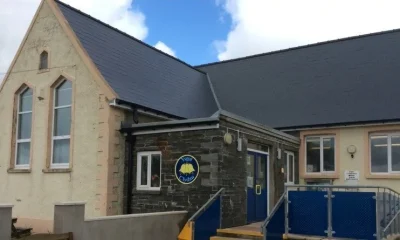
Closure of Ysgol Clydau approved after emotional council debate
COUNCILLORS WARNED RURAL COMMUNITIES WILL REMEMBER DECISION PEMBROKESHIRE councillors have voted to close Ysgol Clydau following an emotional debate over...
-

 Community4 days ago
Pembrokeshire Chess Club crowned Welsh champions
-
Local Government2 days ago
Security privately arranged by Mayor at Beating of the Bounds
-

 Crime7 days ago
Pembroke Dock teenager sentenced over train strangulation attack
-

 Education6 days ago
Diocese threatens legal action as Manorbier school closure battle intensifies
-

 Crime5 hours ago
Milford Haven man jailed for breaching domestic violence protection order
-

 Crime2 days ago
Man wanted by court after failing to attend hearing over alleged shop thefts
-

 Local Government6 days ago
Taxi suspended after county-wide licensing checks
-
 Crime2 days ago
Man banned from roads after drink-driving offence