


Community
Icelandic whooper swan found in Pembrokeshire

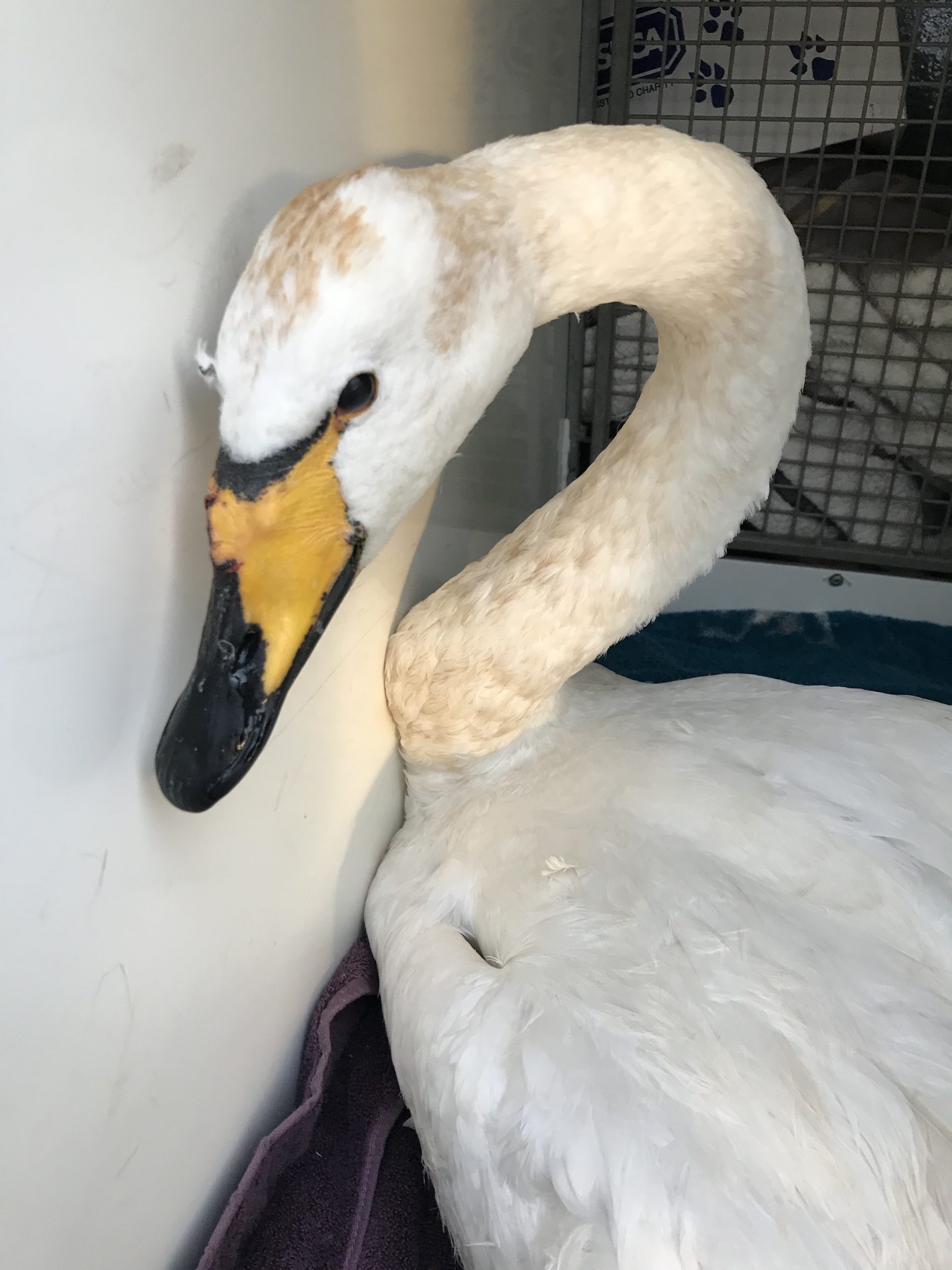
ONE of the oldest Icelandic whooper swans on record has been found in Pembrokeshire – having spent almost three decades on Earth.
RSPCA Cymru was alerted after a member of the public found the male swan grounded underneath power lines in the Letterson area of the county on 1 April, after a suspected collision.
Other swans – believed to be joining the swan on a flight back to Iceland – were circling above the stricken swan; who was then confined by a member of the public before RSPCA rescuers were contacted.
RSPCA animal rescue officer (ARO) Ellie West rushed him to Tinker’s Hill Bird of Prey & Swan Rescue Centre in Amroth for immediate care, before the bird went on for veterinary examination.
Sadly, X-rays revealed the swan had a fractured spine and ribs – and vets decided he had to be put to sleep. However, the RSPCA take “some solace” in the fact that interventions – including from the member of the public who found the bird – meant the swan’s pain and suffering was not prolonged.

The swan was wearing an Icelandic metal ring. These are identifying rings placed around the legs of swans which help build a picture of the lives lived by these animals.
ARO West contacted the Icelandic Bird Ringing Centre, which uses ringing to study birds and their migrations, who confirmed that the swan was “very close to the oldest Icelandic whooper”; having first been ringed in 1996 at the age of only three.
The oldest Icelandic whooper on record is believed to be 30 years old – so only a year or so older than the veteran bird found in Pembrokeshire.
The British Trust of Ornithology states the typical lifespan of a whooper swan is only nine years; but do have records of one living more than 28 years after first being ringed.
ARO West said: “When I rushed to the aid of this swan, I was expecting a mute wwan, which we commonly deal with – but was instead surprised to see a whooper swan, which is a much rarer sight for our inspectorate.
“Sadly, the poor thing was in quite a bad way after a collision with some power lines. Vets later found his injuries were so severe – including a fractured spine and ribs – that he had to be put to sleep; which was such a shame – but at least we can take some solace that we were able to bring his suffering to an end.
“I noticed the bird was wearing a metal Icelandic ring, and was fascinated about his story. I reached out to the Icelandic Bird Ringing Centre, who confirmed the bird had been ringed at the age of three back in 1996 – making him, in their words, ‘very close to the oldest Icelandic whooper’ – who we believe to have been 30.

“It’s so amazing to think this beautiful bird – one of the oldest Icelandic whooper swans on record – has been potentially migrating between Iceland and West Wales for decades.”
Whooper swans usually visit the UK in Winter. The RSPB say its “small breeding numbers make it an Amber List species”, and say the swan’s” honking voice … can sound like an old-fashioned car horn!”
Population estimates – confirmed by the Icelandic Bird Ringing Centre – suggest there are approximately 40,000 whooper swans wintering in the UK.
Svenja Auhage, from the Icelandic Bird Ringing Centre, added: “Ringing swans helps identify the lives these amazing animals lead.
“While it’s so sad this whooper swan has now died, the sighting history shows that since the mid-1990s, this bird was very well travelled!
“Sightings have been made in both County Londonderry and County Antrim in Northern Ireland, in Skagafjordur in Iceland, in parts of the Republic of Ireland and in Orkney in Scotland; before he was found in Pembrokeshire – 18 years on from the last logged sighting, in Ballyscullion in 2003! We suspect he must have lost his darvic ring shortly after 2003, since there were no sightings after that.”











A HAVERFORDWEST venue has been praised for raising more than £2,600 for local charities through a series of community events.
Castle Ward county councillor Thomas Tudor visited The Waldo Lounge in Haverfordwest with Henry Tufnell MP, where they met manager Stephanie Davies.
Cllr Tudor said Stephanie had “truly embraced” her role in the community, organising events including a duck race, sports quiz, Mad Hatter’s tea party for Little Loungers, a bake sale and a drag night show.
Together, the events have raised £2,637 for local good causes.
Charities to benefit include The VC Gallery, Tŷ Hafan and Adam’s Bucketful of Hope Cancer Support Centre.
Cllr Tudor said: “It was lovely to introduce Henry Tufnell MP to Stephanie Davies, manager of The Waldo Lounge in Haverfordwest.
“Stephanie has truly embraced her role in the community of Haverfordwest, running many exciting initiatives and raising a staggering £2,637 for local charities.”
The fundraising continues this week, with Rock ’n’ Roll Bingo and a Wild West country and western night featuring a rodeo bull.
Caption: Community support: Thomas Tudor, Stephanie Davies and Henry Tufnell MP outside The Waldo Lounge in Haverfordwest.

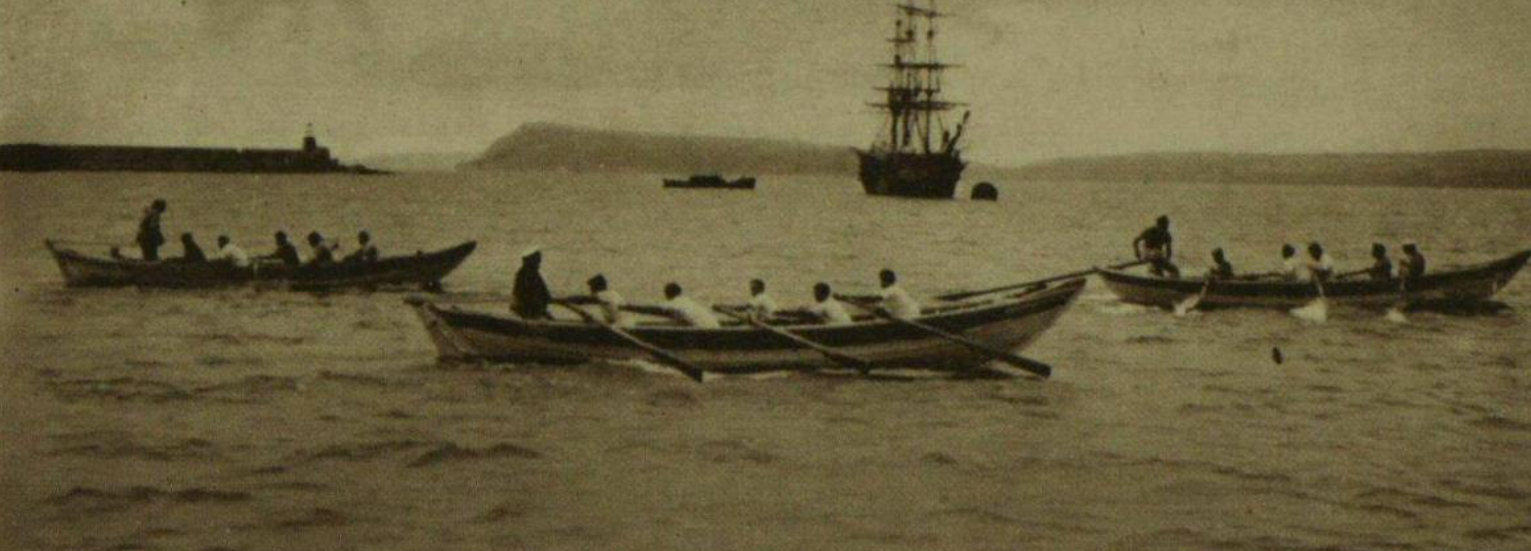
TWO members of the Fishguard Sea Cadets rowing crew who famously raced Hollywood stars during the 1954 filming of Moby Dick have recalled the epic ‘David v Goliath’ showdown.
Huw Lewis was stroke of the boat which powered to a shock victory in the 1.5-mile race in September 1954, while Gareth Rees was second stroke.
Elstree Productions felt a win for the boat coxed by Gregory Peck (Captain Ahab) would be great publicity for John Huston’s movie.
But the Hollywood A-lister and his crew were left trailing as Huw and Gareth and fellow oarsmen Gordon Lewis, Gordon Brooks and Ben Masey triumphed against the odds.
Organisers of Fishguard’s Ar Ymyl a Tir 2026/On Land’s Edge Festival had set out to try and trace the five after being shown a commemorative oar at TS Skirmisher.
“I remember it like it was yesterday,” says Huw – a retired civil engineer and builder – who, along with Gareth, will be a special guest at a Moby Dick exhibition at Fishguard’s Theatr Gwaun on September 1.
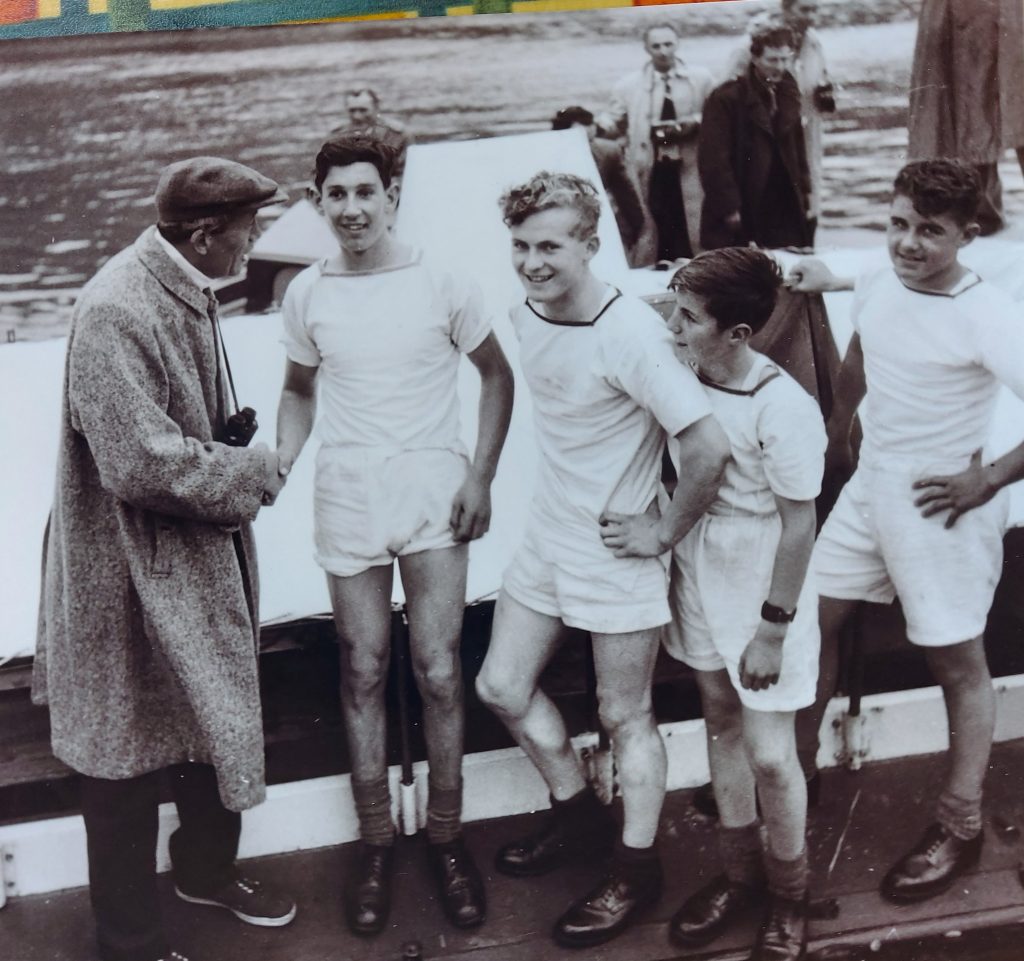
“The crew of the ‘Pequod’ challenged us. One was an ex-wrestler named Tom Clegg – so they were big men!
“Hundreds of people had turned out to watch and there was a lot of betting on the outcome.
“The boats used were 27-ft long ‘whalers’ – the ones in the film. We rowed one and the Pequod crew had two – so it was a three-boat race.
“We were all about 17 or 18, but those in the other boats were full-grown men.”
A humbled Peck and Huston subsequently attended an awards presentation evening at Fishguard Yacht Club.
“Huston presented Peck with a large package,” recalls Gareth, a retired Esso oil refinery shift supervisor.

“On opening it Peck found a large and bloody lump of whale blubber which he then flung at Huston from across the room!”
Huw also remembers a scene where an actor had to fall off the yardarm and into the sea.
“But he chickened out,” he says.
“A local nutcase called Iago Phillips took the actor’s place.
“He didn’t jump off the lower yardarm, nor the middle or higher one – but right off the top!
“And that is who you see in the film!”
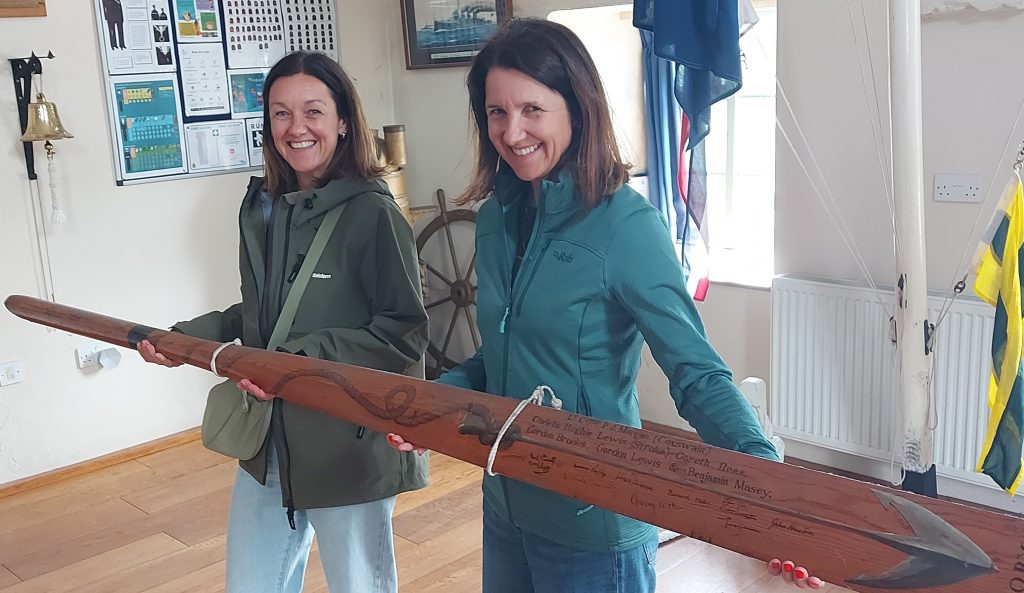
Meanwhile, Jane and Kate Masey – daughters of the late Ben Masey – recently enjoyed a tour of TS Skirmisher, where an oar signed by the Pequod crew and bearing the cadets’ names remains a prized exhibit.
“Dad always talked about Fishguard – it was the best time of his life,” said Kate.
Ben, who died in 2016, moved to Newhaven where he worked as a skipper in the Merchant Navy and, latterly, as a deep water pilot.
Father-of-four Gordon Brooks, a mechanic and builder who later worked on the Fishguard-Rosslare ferries, passed away in Fishguard in January 2021 at the age of 81.
“He was quite a character,” recalls his son, Adrian. “Always the life and soul of a party, even though he didn’t drink – he didn’t need it!”
The fifth member of the crew, Huw Lewis’s younger brother Gordon – a former commodore of Aberaeron Yacht Club and ‘social legend’ – died in Cardigan in September 2016.
See onlandsedge.co.uk and https://www.hanesabergwaun.org.uk/ for further info.
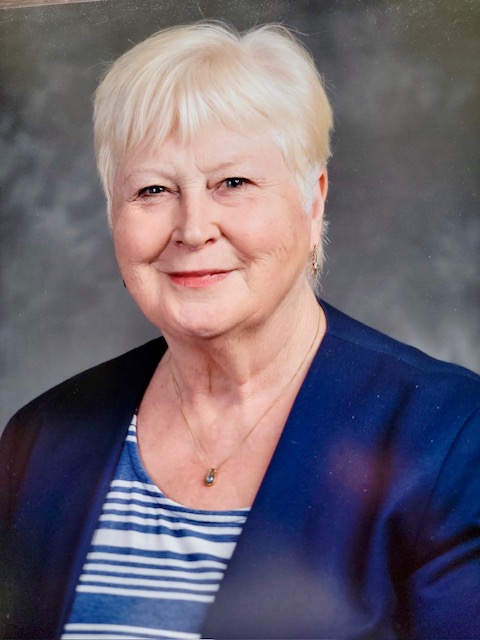
COLLEAGUES across SSAFA are saddened to share news of the death of Valerie Griggs, a dedicated volunteer whose commitment to the Armed Forces community spanned many years.
Valerie joined SSAFA following her retirement from a career in healthcare administration and quickly became a valued member of the charity’s volunteer network in west Wales.
Over the course of her volunteering career, Valerie supported countless serving personnel, veterans and military families through her work as a caseworker, Divisional Secretary for Pembrokeshire, Branch Secretary for Dyfed, and later Branch Secretary for South West Wales.
Known for her professionalism, compassion and organisational skills, Valerie worked tirelessly behind the scenes to ensure those in need received support and guidance during some of the most difficult periods of their lives.
Her dedication to SSAFA was recognised nationally in 2023 when she was invited to SSAFA’s Annual General Meeting in London and installed as an Honorary Life Member of the Association, one of the charity’s highest honours for long and distinguished service.
Valerie’s commitment to supporting the Armed Forces community reflected a lifetime spent alongside military service. As the wife of a Royal Navy submariner, she experienced first-hand the challenges faced by military families during postings across the UK and overseas, including Scotland, Hampshire and Gibraltar.
Away from SSAFA, Valerie was active within her local community, serving as Treasurer of her local Royal Naval Association branch, Secretary of St David’s Church and Lady Captain of her golf club.
Valerie passed away on May 17, 2026 at home in Pembrokeshire, with her husband David by her side.
Stephen Boswell, SSAFA Wales Regional Manager, said: “Valerie was one of those volunteers who quietly made an enormous difference. Her commitment to SSAFA, her compassion for others and her willingness to help wherever she was needed earned the respect and admiration of everyone who worked alongside her.
“Over many years she supported countless members of the Armed Forces community across west Wales and helped strengthen SSAFA through her dedication and professionalism. She will be greatly missed by friends and colleagues throughout SSAFA.
Our thoughts are with David and all of Valerie’s family at this difficult time.”



News3 hours ago
Motorcyclist dies after four-vehicle crash on A40 in Carmarthenshire
A MOTORCYCLIST has died following a four-vehicle collision on the A40 between St Clears and Whitland. Dyfed-Powys Police said the...


News4 hours ago
Rhun ap Iorwerth urges new deal for Wales after Starmer quits
First Minister says next Prime Minister must focus on greater powers, fair funding and respect for Wales’ democratic mandate FIRST...


News4 hours ago
How Labour’s landslide victory unravelled in just two years
Prime Minister announces resignation after losing support within his own party as Andy Burnham emerges as overwhelming favourite to take...


News17 hours ago
Long Course Weekend set to bring thousands to Pembrokeshire
Three days of swimming, cycling and running will once again transform Tenby into one of the UK’s biggest endurance sporting...


Community23 hours ago
The gentle giant behind the tattoos
Pembrokeshire security worker Josh Davies praised for professionalism, kindness and proving first impressions can be wrong JOSH Davies is hard...


Charity2 days ago
Toy Story fans fill charity toy box at Haverfordwest cinema
Donations pour in for SNAP Specialist Play as families embrace Toy Story 5 launch A TOY STORY-themed charity appeal at...

Community2 days ago
Lord Rhys emerges from the mist in St Davids
Giant puppet begins historic journey marking 850 years since the first Eisteddfod MIST swirled around St Davids Cathedral on Friday...


News3 days ago
Tragic tribute paid to Haverfordwest man after A4075 collision
FAMILY REMEMBERS “KIND AND LOVING” CALLUM HANSON THE FAMILY of a 22-year-old man from Haverfordwest who died following a road...


News4 days ago
Motorcyclist, 22, dies in A4075 crash in Pembrokeshire
A 22-year-old woman remains in hospital after two-vehicle collision A MOTORCYCLIST has died following a serious two-vehicle crash on the...


Community4 days ago
Why police will be visiting every home in Pembrokeshire
New operation aims to knock on more than 257,000 doors across Dyfed-Powys over the next three years DYFED-POWYS POLICE has...
-

 Crime4 days ago
Milford Haven man jailed for breaching domestic violence protection order
-

 Local Government6 days ago
Security privately arranged by Mayor at Beating of the Bounds
-

 News4 days ago
Crash on Freeman’s Way causes school-run chaos across Haverfordwest
-

 Crime6 days ago
Man wanted by court after failing to attend hearing over alleged shop thefts
-
 Crime6 days ago
Man banned from roads after drink-driving offence
-

 Crime6 days ago
Man jailed after admitting strangulation and assaults
-

 Crime6 days ago
Drug trafficker must repay £33,000 after court rules he made nearly £500,000
-
 Crime6 days ago
Man sentenced over stalking campaign and lock knife offence