


Community
Seal pups at Ramsey bring in wildlife tourists

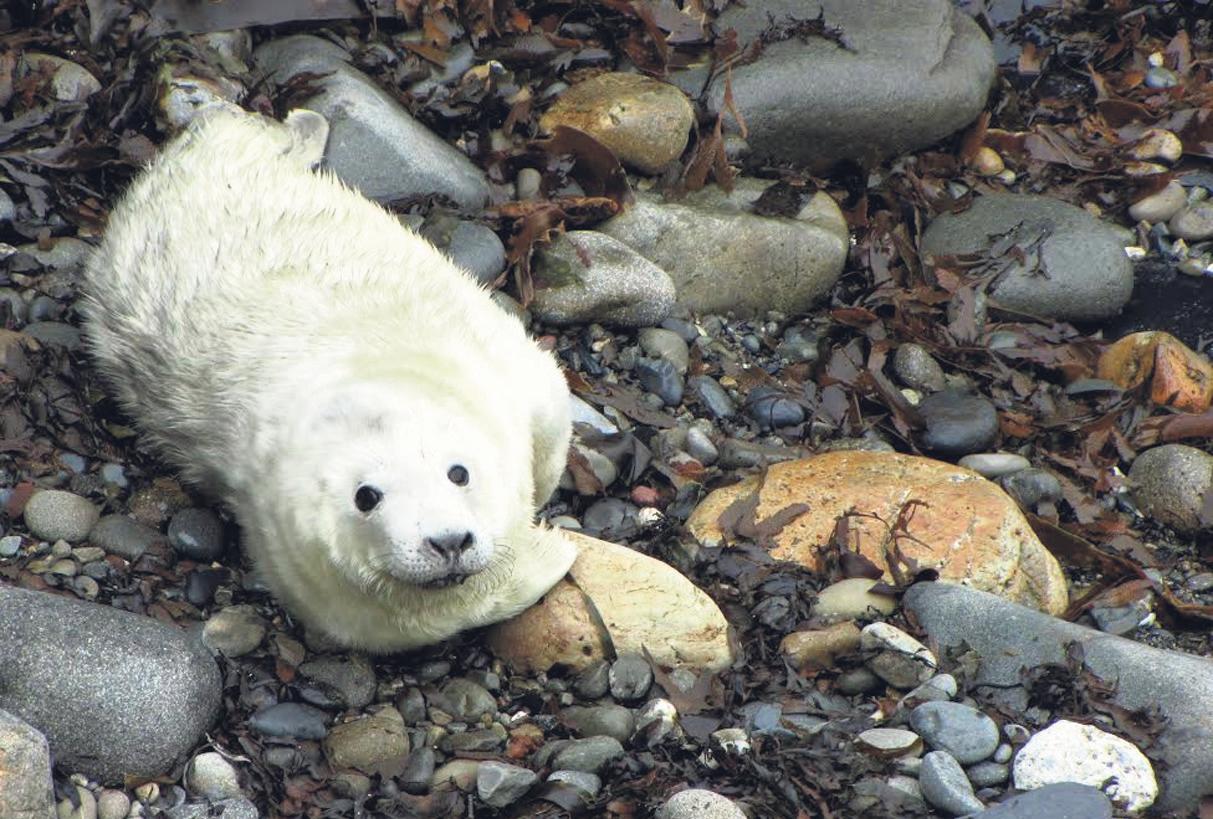
 THE ATLANTIC grey seal (Halichoerus Grypus) is one of Wales’ iconic species, and is attracting wildlife tourists to Pembrokeshire with the start of the seal pupping season at RSPB’s Ramsey Island reserve.
South west Wales, which includes RSPB Ramsey Island just off the coast of St David’s in Pembrokeshire, has an estimated grey seal breeding population of 5,000 individuals, which is around 4% of the UKs population. The grey seal is one of the least common seals in the world. The male adult can grow over 2 metres and weigh up to 230kg (or around 36 stone) while the females are smaller at 1.8 metres and 150kg. They can dive up to 70 metres in search of food and can remain submerged for up to 13 minutes.
Every year between 500-700 pups are born on the reserve, with several hundred more on Skomer and around the Pembrokeshire coast path. The hope is that there will be a good number this year. Lisa Morgan RSPB warden on Ramsey said: “We had 656 born here last year and although the season looks slightly later than last year the signs are positive that we will have a similar number again in 2014″ The seals are born weighting a hefty 14 kg, just over 2 stone. But birth is the easy bit. Survival rate to adulthood is around 2 in 3.
One of the main threats to the pups’ survival are storms. Lisa said: “I always hope that the weather won’t be too stormy during the pupping season as some of the pups can get washed out to sea and then washed up on other beaches which makes it hard for the mothers to find them again”. Fortunately for hose that don’t get lost progress to independence is rapid. Lisa explains: “The milk of the females is very rich, around 60% fat which means that the pups put on an incredible 2 kg (the equivalent to two bags of sugar) of weight a day.
At 18 days old the pup has amazingly tripled its birth weight. At this stage the mothers head back out to sea leaving the pups to find their own food. They are fully independent at a very young 4 weeks old and start eating solid food. It’s a very short upbringing.” Although visitor numbers are limited on Ramsey, the grey seal is one of a number of iconic species that could help Wales hit the Welsh Assembly Government target of seeing an increase of 10% in tourism in Wales by 2020. Wildlife tourism has become an increasingly important way of attracting visitors with an increase of 10% across the world each year.

Visitor numbers to Natural Resources Wales’ Bwlch Nant yr Arian site in mid Wales before the start of red kite feeding were 30,000. But after five years of feeding, as well as opening a visitor centre, play areas and bike trails visitor numbers increased to 130,000 a year. There are multiple benefits to developing wildlife tourism. A report entitled ‘Wildlife Economy Wales’ commissioned by the then Environment Agency Wales (now NRW) with the support of the Welsh Assembly Government and the Countryside Council for Wales published in 2007, pointed out that wildlife tourism could have considerable knock on effects. Not least that increased awareness as a result of greater wildlife tourism has the potential to bring not only an increase in the number of conservation volunteers but also and most importantly an increase in actual conservation activities. So in this case an economic driver can create conservation as well as an economic benefit.
The report also rightly points out that ‘it is essential that any development of the sector will need to be managed in a way that safeguards and invests in the wildlife resource upon which it is based’. Indeed, without strict controls and codes of conduct, albeit on a voluntary basis, these activities can be detrimental to the very wildlife we are trying to promote. If wildlife tourism continues to grow as it has done over the last decade or so, and Wales can take advantage of the growing market, then we may see more habitat created, and in an ideal world more red squirrels scampering in the woodland canopies of Anglesey, ospreys swooping for fish in Machynlleth, black grouse burbling on the Berwyn and not least young seal pups being born on the spectacular rugged shoreline of Pembrokeshire. Indeed Lisa Morgan has no doubt as to the best place to seals. She said: “Ramsey for me is one of the best places in the UK to see young seal pups as the public are able to get close to them looking down on the beaches from the cliff tops without disturbing them. It’s a great sight for the public but also a real privilege for me to live with these great animals every day.” To find out more about seals and RSPB Ramsey visit the website http:// www.rspb.org.uk/ramseyisland And for the latest seal season news you can follow the island wardens on Twitter @RSPBRamsey

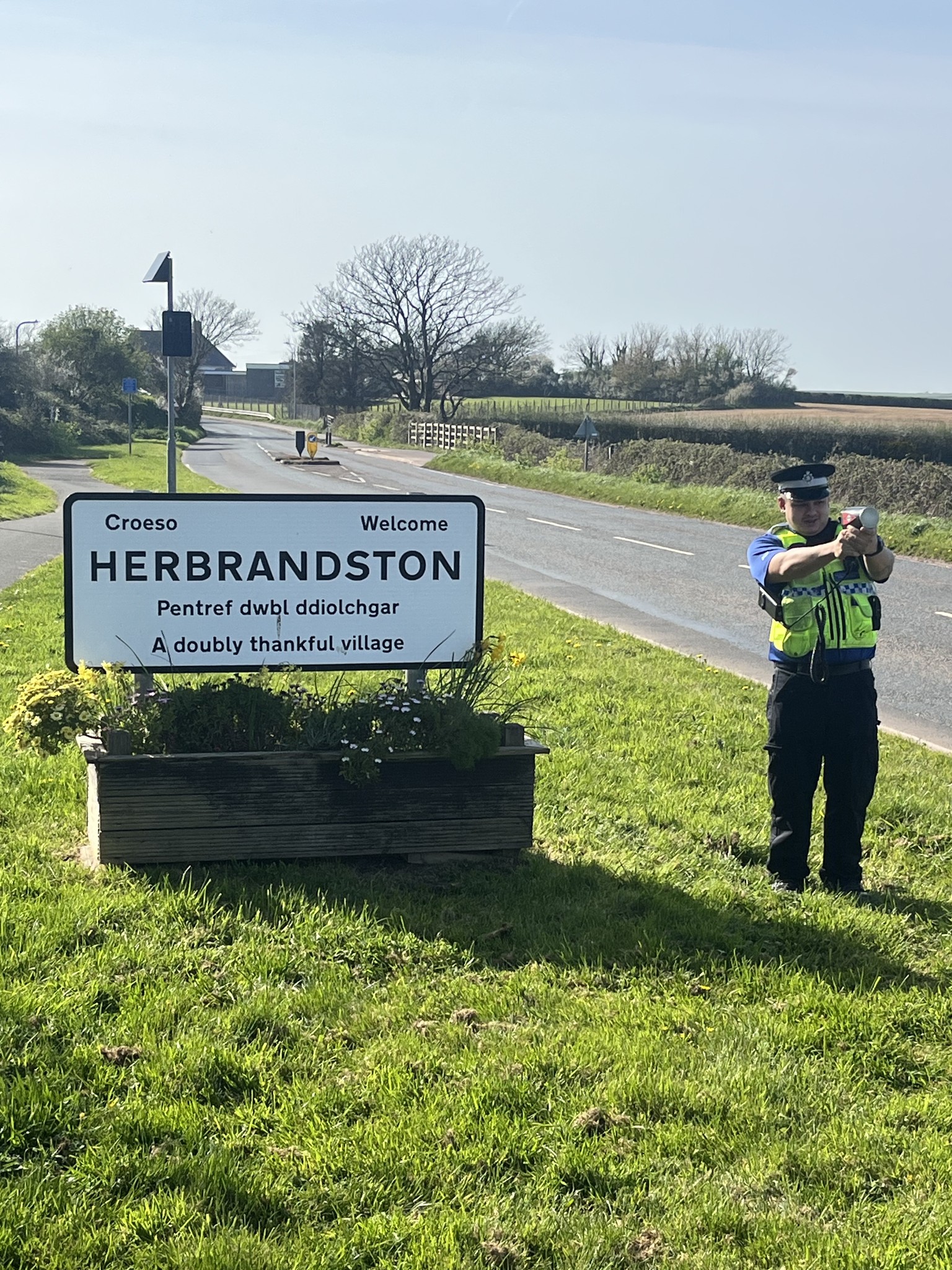
HERBRANDSTON residents flagged fast-moving traffic as a key concern, prompting police to carry out speed checks in the village.
Concern over speeding in Herbrandston has prompted a local police response, with PCSO Adam out in the village carrying out speed checks after residents raised the issue through DPP Connect.
Milford Haven and Neyland Police said the concerns emerged after officers signed local people up to the messaging service, which allows residents to share feedback and receive updates from police.
Many of those who responded said speeding through the village was one of their main worries.
In response, PCSO Adam was deployed to monitor traffic and check vehicle speeds.

The move is likely to be welcomed by residents who have grown tired of motorists treating the village like a racetrack.
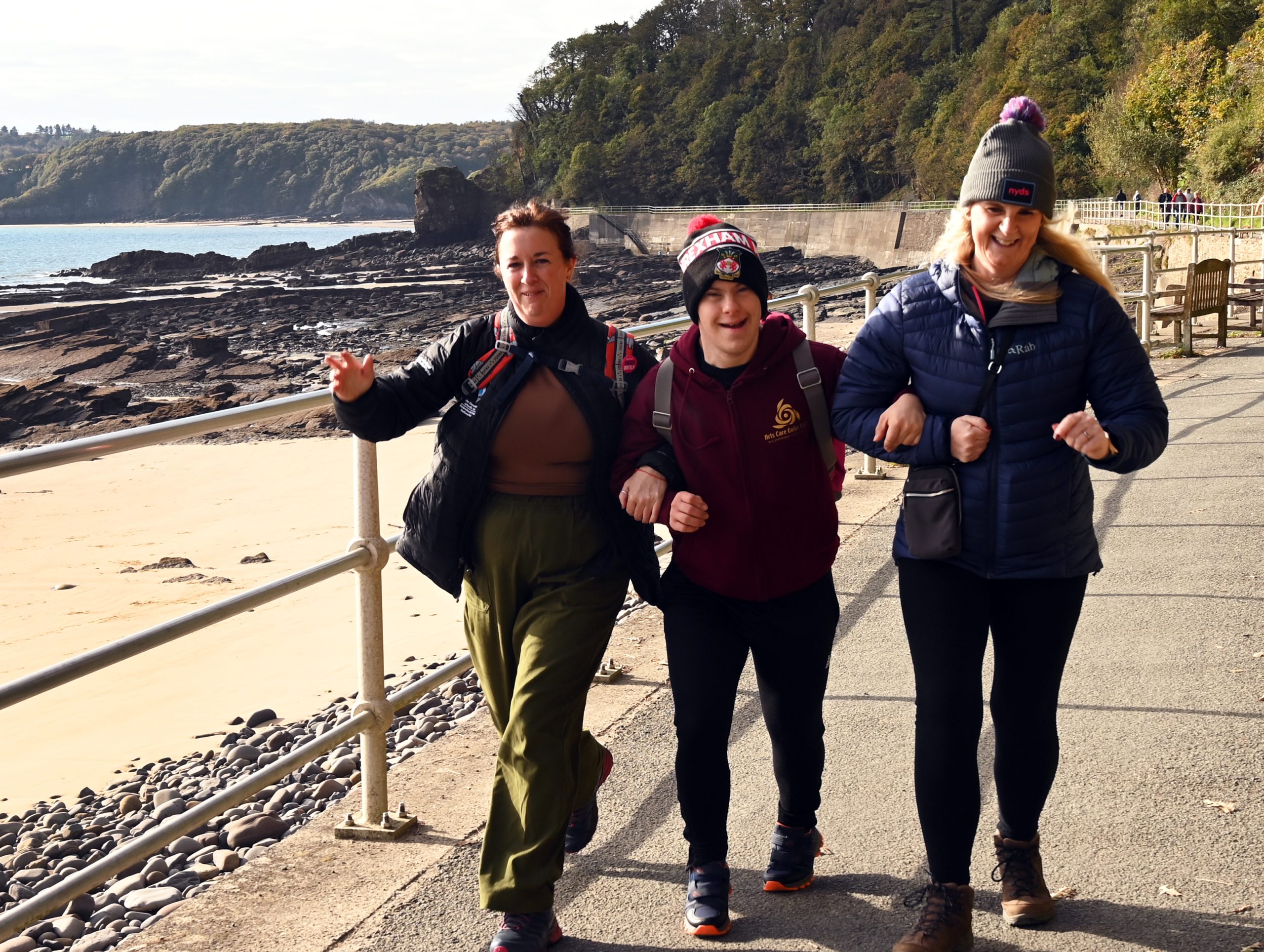
THE PEMBROKESHIRE COAST NATIONAL PARK AUTHORITY is inviting communities, workplaces, families and friends to take part in the 2026 Walk the Path for Wellbeing challenge, with this year’s event expanding across three counties for the first time.
Taking place on Sunday, May 10 and Monday, May 11, the challenge will bring people together to celebrate the spectacular West Wales coastline through walking and other forms of active travel, while highlighting the strong links between nature, movement and wellbeing. A reserve weekend of May 17 and 18 has also been set aside in the event of severe weather.
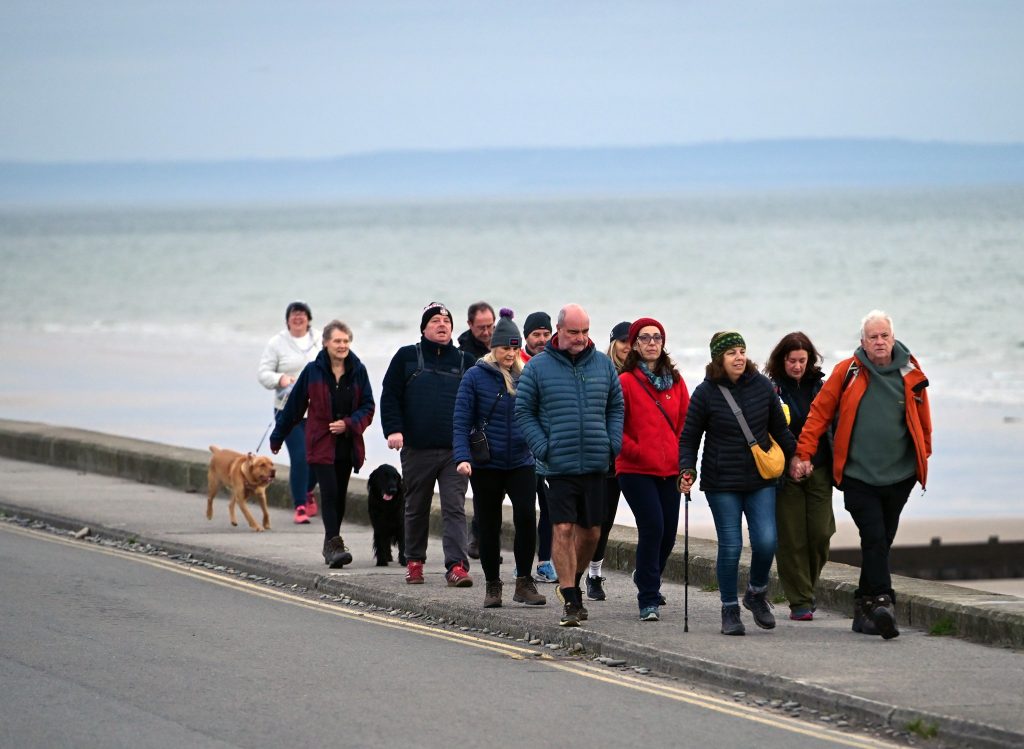
Building on feedback from last year, the event will now take place over two days rather than one, giving more people the opportunity to get involved and creating a longer window for celebration, storytelling and community spirit.
While last year’s challenge focused on the 186-mile Pembrokeshire Coast, this year’s event will also include sections of Carmarthenshire and Ceredigion, bringing even more communities into the shared coastal celebration.
The two-day event will feature self-led sections for group entry. With the focus firmly on enjoyment, there is no pressure to complete every stage, and participants are encouraged to do only as much as they feel comfortable with. Together, those individual efforts will contribute to a shared goal of covering the full 313 miles of coastline.
Angela Robinson, Health and Wellbeing Officer at the Pembrokeshire Coast National Park Authority, said: “The coast has an extraordinary ability to lift people, connect communities and create lasting memories. By extending the event across two days and into neighbouring counties, we’re opening the door to even more people to celebrate that connection together and share their experiences on social media.”

Spring appeal launched to rehome 180 birds by Friday deadline
AN URGENT appeal has been launched to find homes for 180 ex-commercial laying hens in Boncath before next weekend, with campaigners warning the birds may otherwise face slaughter.
The British Hen Welfare Trust is holding a rehoming event in Boncath on Saturday (Apr 11), but says kind-hearted adopters must register by 2:00pm on Friday (Apr 10) if the hens are to be given a second chance.
The charity says the birds, all around 18 months old, have reached the end of their commercial laying lives, despite still having plenty to offer as pets.
Supporters say hens are friendly, curious and easy to care for, and can continue to provide eggs while enjoying retirement in a garden or smallholding setting.
Andy Hill, of the British Hen Welfare Trust said: “People are often surprised by how much joy hens bring. They’re funny, curious little characters, they love routine, and they’re genuinely a delight to care for. Plus, they’re still more than happy to pop out the occasional egg.

“With spring finally here, this is the ideal time to start. These girls are more than ready for a fresh beginning, and they really do make wonderful pets.”
The trust says anyone willing to adopt must be able to provide food, water, shelter, security and a little care and attention.
The charity, founded in 2005, says it has now found retirement homes for more than one million ex-commercial hens across the UK, all of which would otherwise have been destined for slaughter.
People interested in adopting can visit the British Hen Welfare Trust website and select the Boncath rehoming event, or call the rehoming team on 01884 860084.


Crime2 hours ago
Man arrested after alleged child sexual assault in Haverfordwest
Police enquiries ongoing after incident in Castle Square A MAN has been arrested after an alleged sexual assault of a...


Crime2 days ago
Four youths stabbed at Tenby railway station as two arrested
British Transport Police lead investigation after serious disorder involving group of youths FOUR youths suffered stab wounds during a major...


News2 days ago
Major emergency response in Tenby after incident near train station
Witnesses report injuries as police and ambulance crews remain at scene on Warren Street POLICE and ambulance crews remain at...


News2 days ago
Haverfordwest County AFC faces High Court winding-up threat from HMRC
Chairman says issue has been dealt with, but winding-up notice is still listed ahead of High Court hearing HAVERFORDWEST County...


Local Government2 days ago
Food hygiene checks have not been carried out in parts of a Welsh county since 2019
FOOD hygiene checks have not been carried out in parts of a Welsh county since 2019 due an inspection backlog,...


Local Government2 days ago
Bridge works on Neyland-Burton road to continue into late April
Council says safety repairs remain on programme but traffic lights will stay in place as major bridge scheme moves into...

Charity3 days ago
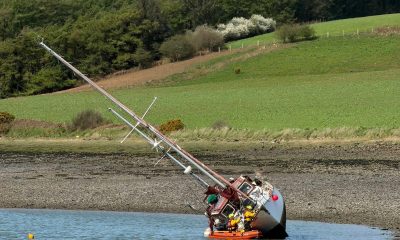
Angle RNLI answers string of call-outs across the Milford Haven Waterway
Volunteer crew launched for searches, police incidents, a medical evacuation and a grounded yacht during a busy spell from mid-February...

Charity3 days ago
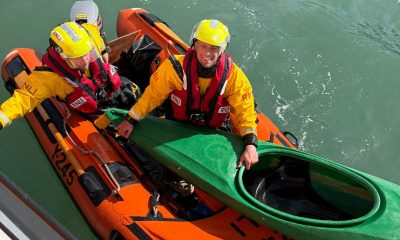
St Davids RNLI launches on Easter Monday after drifting kayak spotted off Solva
Missing vessel recovered near shore after coastguard confirms it had been reported lost days earlier ST DAVIDS RNLI launched on...

News3 days ago
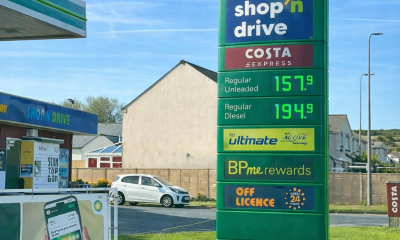
Diesel nears £2 a litre in Pembrokeshire as drivers scramble for cheaper fuel
Johnston forecourt hits 194.9p while wide price gaps and rush to fill up pile pressure on motorists across the county...


News4 days ago
St Davids Cathedral marked Easter Sunday with full day of worship
FROM dawn vigil to choral evensong, the cathedral welcomed worshippers for one of the most important days in the Christian...
-
 News6 days ago
Accommodation providers in Wales will be required to register under new law
-
Crime2 days ago
Four youths stabbed at Tenby railway station as two arrested
-

 Entertainment7 days ago
From Milford Haven to the world: The story of The Evolution Experience
-

 News4 days ago
Eluned Morgan targets Haverfordwest as Welsh Labour fights to hold its ground
-

 Community4 days ago
Johnston FC pays tribute after sudden death of Rhyan Nolan, 27
-
News2 days ago
Haverfordwest County AFC faces High Court winding-up threat from HMRC
-

 Crime7 days ago
Six-year jail term a warning to drug dealers, says police
-

 Community7 days ago
Withybush hospital Welsh Government intervention call