


News
Wylfa chosen for UK’s first small modular reactor

Labour hails “clean energy revolution” as others urge local jobs and wider investment
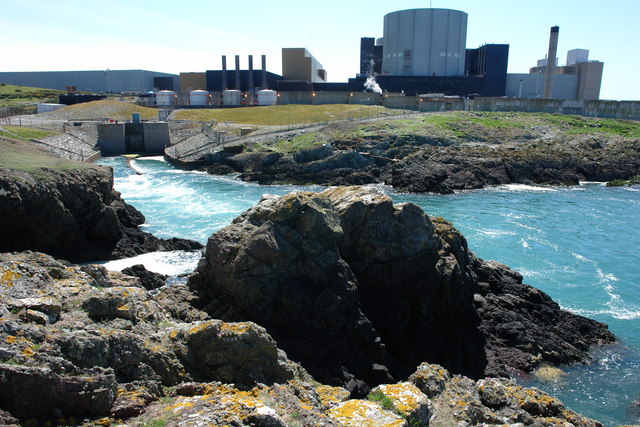
WYLFA on Anglesey has been chosen as the site for the UK’s first small modular reactor (SMR) nuclear power station — a landmark decision welcomed across the political spectrum but met with calls to ensure that local people benefit from the investment.
The announcement, made on Thursday (Nov 13), was described by Labour as “proof that two Labour governments working together are delivering for Wales.” The project is expected to create thousands of skilled jobs, attract billions of pounds in investment, and re-establish Anglesey as a hub for energy generation.
Labour: “A new era for Wales”
Welsh Labour said the move marks the start of a new era for clean energy, aligning with its target of meeting 100% of electricity demand from renewables by 2035.
A spokesperson said: “The Welsh Labour Government is seizing the green opportunities of the future, making the most of our landscape, and taking action to deliver clean energy, good jobs, and cheaper bills. This is Labour’s vision for renewable energy — made here in Wales.”
The party highlighted recent initiatives including Trydan Gwyrdd, a publicly-owned renewable developer aiming to power 350,000 Welsh homes with new wind farms by 2030, and Ynni Cymru, which supports local hydro and solar energy projects.

Anglesey Council: “Prosperity for decades to come”
Anglesey Council Leader and Economic Development portfolio holder, Councillor Gary Pritchard, welcomed the decision, calling it “an important step forward for new nuclear build on Ynys Môn.”
He said: “If, as we hope, these plans come to fruition – it will mean economic certainty and prosperity for decades to come. Despite past disappointments, we remain committed to hosting a new nuclear on the condition that it delivers long-term transformational benefits – in terms of local jobs, supply chain opportunities, and prosperity for our communities and residents.”
Anglesey’s Chief Executive, Dylan J. Williams, added that the development could “transform the economy of Ynys Môn, particularly the north of the Island and North Wales,” but stressed that the council would “work to mitigate negative impacts” on local residents and ensure “the voices of north Anglesey are fully taken into account.”
Lib Dems: “Local jobs and training must come first”
Welsh Liberal Democrat Westminster Spokesperson David Chadwick MP said he welcomed steps to improve energy security but warned against the use of outside contractors.

“I welcome any moves to improve our energy security, but this must translate into real jobs for local people, not outside contractors flown in for a few years,” he said.
“The focus should be on training, apprenticeships, and long-term opportunities that strengthen communities. Wales has the natural resources to lead a green energy revolution through tidal energy and offshore wind, but we need to see this same level of investment extended to projects like the Swansea Bay Tidal Lagoon.”
Unite: “A step forward but a missed opportunity”
Trade union Unite said the announcement was welcome but criticised the government for not opting for a larger gigawatt-scale nuclear station at Wylfa.

General secretary Sharon Graham said: “Unite is a strong supporter of the development of SMRs, but a failure to support a giga-watt nuclear power station at Wylfa would be a huge missed opportunity in securing the UK’s energy security.
“The UK is crying out for a joined-up energy strategy that ensures long-term energy security while maximising well-paid, highly skilled jobs for British workers.”
Unite national officer Simon Coop added: “While there are several places where SMRs could be sited, Wylfa is by far the best placed for a giga-watt nuclear power station. This would bring substantial jobs and investment to Anglesey.”
Reform UK: “Long overdue”
Reform UK Wales also welcomed the news but accused successive governments of dragging their feet.
A spokesperson said: “This announcement is long overdue and, if the political will had been there, we could have been well on our way to generating nuclear power from Wylfa by now.
“With energy costs soaring and unemployment rising in Wales, we should be taking a lead on nuclear power, not dawdling as we have done now for many years. Sadly, lukewarm support from Plaid Cymru for nuclear has also played a role in slowing this down.”
A new chapter for Wylfa
The original Wylfa Nuclear Power Station, near Cemaes, provided stable employment from the 1960s until its decommissioning in 2015. If the new project goes ahead as planned, it would mark the revival of one of Wales’ most iconic industrial sites — bringing new life and purpose to Anglesey’s north coast.
However, with questions over scale, local employment, and community impact still to be resolved, the challenge now is to ensure that Wylfa’s future truly delivers for the people of Wales.


THE WELSH AMBULANCE SERVICE has revealed a series of inappropriate 999 calls made last year — including one from a person who rang emergency services after accidentally swallowing a small amount of mouthwash.
The call was among dozens of examples released by the trust to underline the growing pressure on emergency services caused by non-urgent use of the 999 system.
Figures show that of the 414,118 incidents recorded by the Welsh Ambulance Service in 2025, around 15 per cent — 62,454 calls — were deemed not suitable for an emergency ambulance response. That equates to roughly one in every seven calls.
Other examples included callers reporting a sore throat, a loose tooth, ointment in an eye, and minor ear and finger injuries — conditions that could have been treated through alternative NHS services.
Senior ambulance leaders warned that such calls divert vital resources away from genuine emergencies, including heart attacks, strokes, serious injuries and life-threatening incidents.
Andy Swinburn, executive director of paramedicine, said staff are trained to respond rapidly to severe and urgent medical situations, but misuse of the emergency line slows response times for those in real danger.
“When people call 999 for minor ailments, it takes valuable time away from call handlers and clinicians who may be trying to help someone in cardiac arrest or with catastrophic bleeding,” he said.
“Our message is simple — use common sense and help us protect emergency services for those who need them most.”
Lee Brooks, executive director of operations, added that none of the highlighted calls required an ambulance and that many would now be dealt with by telephone advice only under the service’s updated clinical model.
“This is not about blaming people,” he said. “We understand that worry and anxiety can cloud judgement. But the ambulance service exists for urgent and life-threatening situations — not routine illnesses or minor injuries.”
He warned that calling 999 does not guarantee an ambulance will be dispatched, nor does arriving at hospital by ambulance mean a patient will be treated more quickly.
“While crews are tied up with non-urgent calls, someone else’s parent, child or friend could be lying unconscious after a serious collision or suffering a cardiac arrest,” he said.

The trust is urging the public to familiarise themselves with alternatives to 999, including NHS 111 Wales for urgent health advice, pharmacists for common conditions, and minor injury units for less serious injuries.
A spokesperson added that keeping basic medicines at home and staying on top of prescriptions can also reduce unnecessary pressure on emergency services.
The Welsh Ambulance Service said the real-life examples were shared to encourage responsible use of 999 and ensure help reaches those who need it most — when seconds truly matter.

OPPOSITION calls on Labour Government to restore 30mph default, revive frozen projects, and advance long-stalled infrastructure schemes amid ongoing controversy over speed limits and road investment.
In a session that began around 4:30pm and was broadcast live via the Senedd’s online proceedings, the Welsh Conservatives presented a detailed motion urging the Welsh Labour Government—supported by Plaid Cymru under their co-operation agreement—to reverse several high-profile transport decisions. At the heart of the debate was a call to restore the default speed limit on restricted roads from 20mph back to 30mph, a policy introduced in September 2023 that continues to divide opinion sharply.
The Conservatives framed their proposals as a comprehensive plan to “fix Wales’ transport system,” emphasizing that robust road networks are fundamental to supporting businesses, generating employment, and stimulating economic growth. They argued that current policies—including the 20mph default, the long-standing cancellation of the M4 relief road around Newport, and the effective moratorium on new major road projects—amount to an “attack on Welsh motorists” that is exacerbating economic stagnation, lengthening journey times, increasing costs for commuters and hauliers, and contributing to Wales trailing other UK nations in wages and overall prosperity.
The specific demands outlined in the motion included:
- Restoring the default speed limit to 30mph (with the party noting that 20mph zones would remain appropriate in sensitive locations such as near schools, hospitals, and residential areas with high pedestrian activity);
- Proceeding with construction of an M4 relief road to alleviate severe congestion in and around Newport, a bottleneck that has persisted for decades despite repeated promises and planning;
- Upgrading the A55, the key North Wales corridor linking Holyhead port to the English border and vital for tourism, freight, and daily commuting;
- Dualing sections of the A40 in West Wales to address chronic bottlenecks that hinder access to regions like Pembrokeshire and Carmarthenshire;
- Delivering a third Menai crossing to enhance connectivity between mainland Gwynedd and Anglesey, reducing reliance on the existing bridges which face capacity and maintenance challenges;
- Unfreezing all paused road projects to resume investment in infrastructure that supporters say has been neglected for too long.
Leading the debate, Sam Rowlands MS—Welsh Conservative Shadow Cabinet Secretary for Finance, Transport and Infrastructure—described Labour and Plaid Cymru’s approach as one that is “slowing Wales down and holding our economy back.” He positioned the Conservative agenda as pragmatic and economy-focused, arguing that good transport links are indispensable for prosperity, job creation, and reversing underinvestment in Wales’ crumbling infrastructure.
This latest intervention comes against a backdrop of sustained political contention over transport policy in Wales. The 20mph default speed limit, championed by the Welsh Government as a road safety measure expected to reduce collisions, injuries, and NHS costs (with some early data showing positive trends in casualty reductions on affected roads), has faced widespread public backlash. A record-breaking Senedd petition opposing the change amassed nearly half a million signatures, and opinion polling has consistently shown strong opposition—often around 70%—particularly among drivers who report increased journey times, frustration in rural and suburban areas, and occasional non-compliance.
The Welsh Conservatives have capitalized on this discontent, repeatedly branding the policy “anti-motorist” and positioning themselves as defenders of drivers, rural communities, businesses dependent on road freight, and those in less well-served regions where public transport alternatives are limited. Critics of the current approach, including the opposition, point to economic modeling (including some Welsh Government estimates) suggesting potential costs from slower average speeds running into billions over time, alongside enforcement expenses and perceived over-application in areas where higher speeds were historically considered safe.
For their part, the Welsh Government and its supporters defend the 20mph limit as evidence-based, life-saving, and aligned with broader goals of sustainable transport, reduced emissions, and safer communities—especially in built-up areas. They have highlighted data indicating collision and injury reductions in the first year of implementation, while acknowledging implementation challenges and engaging in reviews and “listening” exercises in response to criticism. Previous Senedd debates on the issue (including those prompted by petitions and opposition motions) have seen the government largely hold firm, though with signals of potential adjustments toward more targeted application rather than blanket coverage.
The debate also occurs in the early stages of the run-up to the May 2026 Senedd election, where transport—alongside health, the economy, and devolved powers—remains a key battleground. Polling suggests a competitive landscape, with Labour facing pressure to retain its historic dominance, Plaid Cymru gaining ground, and emerging challengers like Reform UK adding volatility. The Welsh Conservatives hope to frame themselves as offering a clear, motorist-friendly alternative that prioritizes economic connectivity and infrastructure delivery.
No immediate outcome from the January 28 debate was detailed in public releases, but such opposition-led motions typically serve to highlight divisions, rally supporters, and keep issues prominent in the media and public discourse ahead of the election. Sam Rowlands MS was made available for media interviews following the session, underscoring the party’s intent to sustain momentum on these themes.
The session underscores the ongoing tension in Welsh politics between competing visions of transport: one emphasizing road-user convenience, economic efficiency, and major infrastructure projects; the other prioritizing safety gains, environmental sustainability, active travel alternatives, and long-term decarbonization. As Wales approaches a pivotal election year, debates like this one are likely to shape voter perceptions of how best to balance these priorities.

OVER three hundred Welsh farmers and landowners have been granted the right to legally challenge Green GEN Cymru’s ‘unlawful behaviour’ at the High Court.
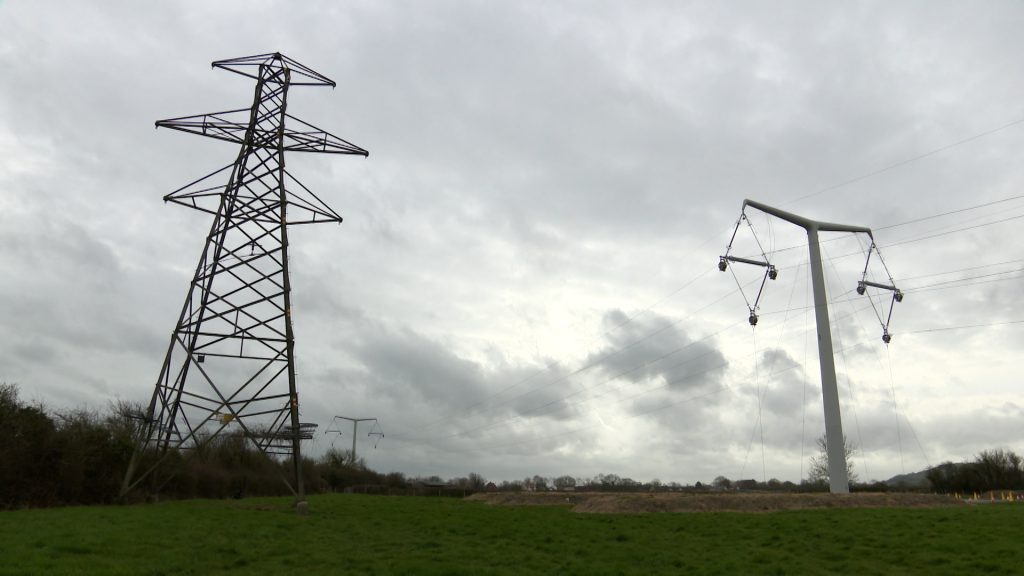
The collective filed a judicial review application on behalf of the community groups, Justice for Wales and CPRW, on four separate grounds, including claims that the energy company has acted unlawfully and with disregard for biosecurity and the environment, while trying to gain access to private land to conduct surveys for three major overhead pylon routes.
The proposal will see the energy infrastructure and pylons spanning 200 km across Powys, Ceredigion, Carmarthen, and Montgomeryshire in Wales and across the Welsh border into Shropshire, in the West Midlands of England.
Mrs Justice Jefford granted permission on four grounds – including abuse of power and procedural impropriety – during the three-and-a-half-hour hearing at Cardiff Civil Justice Centre on Tuesday, January 20.
A two-day hearing is expected to take place in April 2026, date to be confirmed.
The judge also accepted an undertaking from Green GEN Cymru that it would not enter land using s.172 powers – the right given to acquiring authorities to enter land to conduct surveys or valuations under the Housing and Planning Act 2016 – until an urgent interim relief application hearing can be held.
Natalie Barstow, founder of Justice for Wales, said: “This is a moment of vindication. For months, we have been left feeling unsafe in our own homes and stripped of our power as farmers and landowners.
“This is not a protest against renewable energy; this is about standing up for what is right. Our right to dignity and to have a voice, and for the future of our land, wildlife, and livelihoods.
“Since we began this battle, hundreds of other farmers and landowners across Wales have come forward with similar stories, and we’ve been supported by many generous donations to fund the legal challenge. We knew we weren’t alone in our concerns, but the response demonstrates it is a far wider issue than we initially feared, and why it is so important that Green GEN’s conduct and protocols are properly scrutinised.

“We said we will not be bullied into submission, and this judgment is just the first foot forward in our fight for justice.”
Mary Smith, a lawyer at New South Law, the law firm representing the impacted communities, said: “Holding acquiring authority status does not entitle a company to disregard the limits of its statutory powers or the rights of the people affected.
“The Court’s decision confirms that Green GEN Cymru must be held to the same legal standards as any other public body when exercising intrusive powers over private land. This case is about restoring fairness, accountability, and respect for the communities whose livelihoods and environments are at stake.”



News5 hours ago
Wales’ first minister keeps distance from Starmer before May vote
Senedd race not Westminster THE FIRST MINISTER has moved to draw a clear dividing line between the Welsh Labour campaign...

News10 hours ago
Kurtz raises Gumfreston flooding in the Senedd as petition deadline nears
LOCAL Senedd Member Samuel Kurtz has raised the long-running flooding problems affecting the B4318 at Gumfreston in the Senedd, as...


Community1 day ago
Anchor re-dedicated to mark 30 years of US–Haverfordwest ties
Service honours shared history, service and friendship on the Quayside A SYMBOL of Haverfordwest’s wartime and Cold War connections with...


Business1 day ago
Senedd urged to act as Welsh pubs fall further behind England on business rates
Industry leaders warn of closures and job losses as pressure mounts on ministers to pass on funding PUBS across Wales...


Crime1 day ago
Haverfordwest man jailed for online death threat
A Haverfordwest man has been sentenced to a year in prison after sending a threatening message online. Michael Carruthers, 34,...


Community1 day ago
Storm Chandra: Morning impacts across Pembrokeshire
HEAVY overnight rain and strong winds brought by Storm Chandra have caused disruption across Pembrokeshire, with fallen trees and localised...


Business2 days ago
Business voices heard as Kurtz and Davies urge action on business rates
LOCAL businesses from across West Wales have voiced serious concerns about the impact of business rates at a dedicated roundtable...


Crime2 days ago
Milford Haven man appears in court charged with burglary and GBH
Bail granted with tagged curfew and ban from Pembrokeshire A MILFORD HAVEN man has appeared in court charged with burglary...


News3 days ago
First Minister warns UK could break up as Starmer faces pressure ahead of elections
Eluned Morgan says there is a “real possibility” the Union could fracture as Labour braces for losses and Prime Minister’s...


Crime3 days ago
New national police force planned in biggest shake-up for generations
Ministers promise “British FBI” to take on terrorism, fraud and organised crime as forces face new performance targets and intervention...
-
 Community6 days ago
CPRW welcomes long-awaited grid report and calls for more transparency
-

 Health6 days ago
Hywel Dda board to consider refreshed health strategy to 2040
-

 Health4 days ago
Health Board to decide on future model for nine clinical services
-

 Crime6 days ago
Haven Master spared jail after River Cleddau kayak crash
-

 News6 days ago
Milford Haven School placed in special measures after Estyn inspection
-
Health6 days ago
Withybush staff fear crèche fee rise will price parents out
-

 Business5 days ago
New planning rules could block Welsh pubs from running pop up campsites
-

 News6 days ago
IPSO rejects complaint concerning Pembrokeshire Herald court report