


Farming
Ministers raise inheritance tax threshold for farmers after months of protest


THE UK GOVERNMENT has increased the inheritance tax relief threshold for farmers from £1 million to £2.5 million, following months of pressure from the agricultural sector and widespread protests across the country.
The change marks a significant retreat from reforms first announced in Labour’s initial Budget last year, which had proposed limiting full inheritance tax relief on agricultural and business assets to the first £1 million.
Under the revised plans, due to take effect from April, individuals will be able to pass on up to £2.5 million in qualifying agricultural or business assets without paying inheritance tax. For married couples and civil partners, the combined allowance will rise to £5 million.
Assets above that level will attract 50% relief, meaning an effective inheritance tax rate of up to 20%, rather than the standard 40%.
According to the Department for Environment, Food and Rural Affairs (Defra), the revised threshold will reduce the number of estates affected by inheritance tax from around 2,000 under the original proposals to approximately 1,100, with the impact largely confined to the biggest farming operations.

The original plans sparked widespread anger within the farming community, including tractor protests outside Parliament, criticism from rural Labour MPs, and warnings from Baroness Minette Batters, the former NFU president, who said the proposals had caused severe distress among farming families.
Announcing the change, Environment Secretary Emma Reynolds said ministers had “listened closely” to concerns raised by farmers and rural businesses.
“Farmers are at the heart of our food security and environmental stewardship,” she said. “We are increasing the individual threshold from £1 million to £2.5 million, which means couples with estates of up to £5 million will now pay no inheritance tax.
“It is only right that larger estates contribute more, while we protect the family farms that underpin rural communities.”

The National Farmers’ Union welcomed the announcement. NFU president Tom Bradshaw said the move would be a “huge relief” for many farming families and acknowledged the pressure placed on elderly farmers by the original proposals.
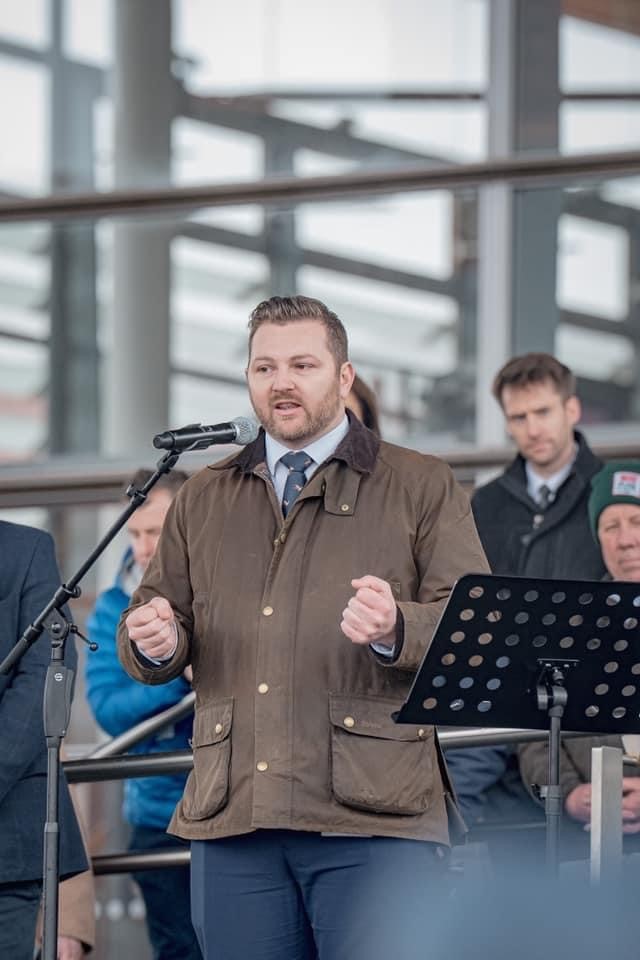
In Wales, the change was also welcomed, though concerns remain about longer-term pressures on the sector.
The Welsh Deputy First Minister with responsibility for rural affairs, Huw Irranca-Davies, said the Welsh Government had repeatedly raised concerns with Westminster.

“Small and medium-sized family farms play a crucial role in Wales’ economy, culture and language,” he said. “We welcome this announcement and will continue discussions with farming unions and the UK Government on its impact here in Wales.”
Farmers’ Union of Wales president Ian Rickman described the move as a “welcome early Christmas present” after months of uncertainty.
“The initial proposals caused untold anxiety and damaged confidence across the rural economy,” he said. “While we remain frustrated by how these reforms were handled, the revised threshold provides much-needed relief at a difficult time for Welsh farming.”
Opposition parties, however, said the changes did not go far enough.
Conservative leader Kemi Badenoch described the move as a “huge U-turn” and said other family businesses remained exposed. Liberal Democrat MP David Chadwick called the concession “hard won” but warned that many farms would still struggle financially, adding that his party would continue pushing for the tax to be scrapped entirely.
Reform UK deputy leader Richard Tice said the climbdown did little to undo “a year of anxiety” for farmers, while Plaid Cymru’s Llyr Gruffydd MS said the episode highlighted “chaos” within the UK Government and accused ministers of causing unnecessary harm to family farms.
Welsh Conservative Shadow Farm Minister Samuel Kurtz said the policy shift came “too late”, adding that wider issues — including bovine TB, nitrate regulations and uncertainty over the Sustainable Farming Scheme — continued to place pressure on Welsh agriculture.
While the revised threshold has eased immediate concerns for many farming families, the debate over inheritance tax, farm succession and the long-term sustainability of British and Welsh agriculture is far from over.










Fewer than five per cent of farms inspected as prosecutions remain rare
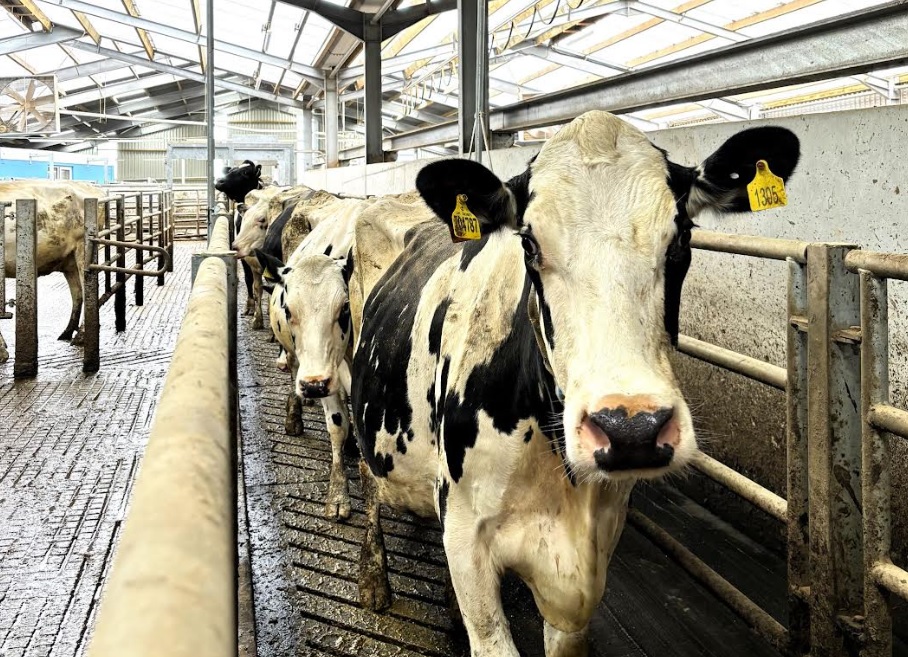
LEGAL experts have warned that animal welfare laws in Wales are being routinely ignored due to a “critical failure” in enforcement, with thousands of farms going uninspected and breaches rarely leading to action.
The stark warning came during an event at the Senedd on Tuesday (Mar 25), organised by the Animal Law Foundation and sponsored by Carolyn Thomas MS.
The meeting brought together legal specialists, enforcement bodies and Members of the Senedd to examine what campaigners describe as a growing gap between legislation and real-world enforcement.
Figures presented at the event paint a troubling picture. Just 4.67 per cent of Wales’ 34,777 farms are inspected, with only one inspector responsible for every 657 farms. Even when concerns are raised, only around 65 per cent of complaints result in an inspection.
More strikingly, where breaches are identified, prosecutions are launched in fewer than one per cent of cases.
The Animal Law Foundation described this as part of a wider “Enforcement Problem” — a term used to describe situations where laws exist but are not effectively applied.
Edie Bowles, Executive Director of the foundation, said: “These figures point to a system that is simply not working. When inspections are rare, complaints do not trigger investigations, and breaches do not lead to enforcement action, the legal safeguards risk becoming little more than words on paper.”
She added that meaningful enforcement is essential not only to protect animals, but to maintain public confidence in the law.
Carolyn Thomas MS said ensuring existing laws are properly enforced “should not be a controversial ask,” but acknowledged it remains a significant challenge.

Calls for stronger oversight were echoed by representatives of Animal Licensing Wales, who highlighted the need for greater resources and capacity within enforcement bodies.
The findings are backed by recent undercover investigations, including footage from a Wrexham slaughterhouse and a farm at Tafarn Y Bugail, which allegedly showed serious mistreatment of animals.
Abigail Penny, Executive Director of Animal Equality UK, said: “What we uncovered was an extraordinary failure of the systems meant to protect animals. That such cruelty could persist, undetected and unchallenged, shows the urgent need for stronger oversight and meaningful sanctions.”
Animal welfare on farms in Wales is governed by the Animal Welfare Act 2006 and a range of additional regulations covering farming, transport and slaughter. Enforcement responsibility lies primarily with local authorities, while the Food Standards Agency oversees welfare in slaughterhouses.
Campaigners say that without urgent reform, those protections risk being undermined by a lack of inspections, limited resources, and a reluctance to take enforcement action.

Rural communities urged to stay vigilant amid sharp increases in red diesel and heating oil costs
FARMERS and rural residents across Wales are being urged to remain vigilant against fuel theft following a sharp rise in fuel and heating oil prices linked to ongoing tensions in the Middle East.
FUW Insurance Services Ltd has issued the warning after recent data showed significant increases in fuel costs. Reports suggest the price of red diesel has climbed to around 109p per litre in mid-March, up from approximately 67p in February, representing an increase of more than 60%. Heating oil prices have also risen steeply, in some cases more than doubling from around 60p per litre to £1.30.
The increases are placing additional pressure on rural households, many of which remain heavily reliant on oil. In Powys, around 55% of homes are not connected to the gas grid, while in Ceredigion the figure rises to 74%, leaving communities particularly exposed to price fluctuations.
Concerns are also growing over the potential rise in rural crime. Historically, spikes in fuel costs have been linked to increased theft, with farms often targeted due to the presence of fuel tanks and machinery. Such incidents can lead not only to financial losses but also environmental damage where tanks are tampered with or fuel is spilled.
Farmers are being advised to take practical steps to protect their property, including regularly checking fuel levels, securing tanks and pumps with appropriate locks, and installing CCTV where possible. Reporting suspicious activity promptly is also seen as key to preventing theft.

The warning also applies to other rural premises, including churches, chapels, village halls and community buildings, which often rely on heating oil and may be left unattended for long periods.
Dafydd Peredur Jones, Senior Account Executive at FUW Insurance Services Ltd, said: “Rising fuel prices are placing additional pressure on rural communities, but they also increase the risk of theft. We are urging farmers and rural residents to take proactive steps to protect their fuel supplies and remain vigilant. Simple preventative measures can make a significant difference.”
FUW Insurance Services Ltd said it will continue to support customers during the current period and encouraged anyone with concerns about their insurance cover or security arrangements to seek advice.
Research across farms reveals 69 species, including threatened birds
WELSH farmland is playing a crucial role in supporting bird populations, according to a new study which could help reverse decades of decline.
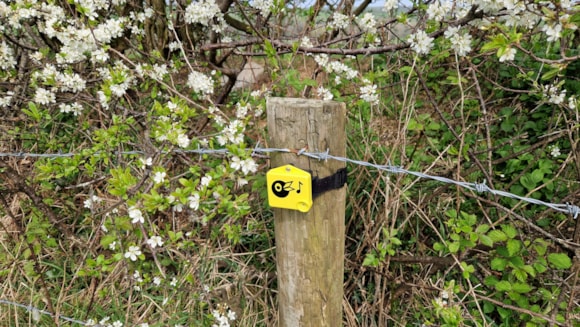
The Farming Connect-led research, carried out across fourteen farms in Wales, recorded sixty-nine different bird species – including sixteen classified as threatened on the International Union for Conservation of Nature (IUCN) red list.
Populations of farmland birds have fallen sharply in recent decades, but the findings suggest that well-managed agricultural land can still provide important habitats for a wide range of species.
The study, conducted during the April to June breeding season in 2025, used specialist recording devices to capture birdsong during the dawn chorus. Two sensors were placed on each farm across a range of habitats, including dairy, beef and sheep systems.
Recordings were analysed using artificial intelligence software, allowing researchers to identify species and assess biodiversity levels across different landscapes.
The results varied significantly between farms, with one site recording as many as forty-six species.
Farming Connect biodiversity specialist Lynfa Davies, who oversaw the project, said the presence – or absence – of certain birds can reveal how well a habitat is functioning.
She said: “If insect-feeding birds are scarce, it suggests the land is not supporting enough insects. Measures such as planting flower-rich margins or allowing wet scrub to develop can make a real difference.”
Among the threatened species identified were linnet, tree pipit, curlew, greenfinch, ring ouzel and wood warbler.
“The presence of these birds highlights the importance of farmland and the role it plays in providing valuable habitats,” she added.
Researchers also examined “trophic niches” – the roles species play within the food chain. The study identified a range of groups including insect-eaters, omnivores and top predators such as birds of prey.
The presence of these predators, known as vertivores, suggests healthy ecosystems, as they rely on a strong chain of smaller species for food.

The findings could help shape future land management across Wales, with experts suggesting wider use of monitoring technology could support biodiversity on a larger scale.
The study also points towards the potential for farmers to play a central role in reversing wildlife decline by creating and maintaining habitats that support a broader range of species.



News5 hours ago
Reform reveals west Wales candidates for Senedd battle
Monkton councillor tops Pembrokeshire list as party confirms Carmarthenshire names and includes Haverfordwest councillor in unwinnable Swansea spot REFORM UK...


Health12 hours ago
Clash over Withybush Hospital services as Paul Davies challenges First Minister
A HEATED exchange in the Senedd has laid bare growing tensions over the future of hospital services in west Wales....


Crime1 day ago
Police stop car in Pennar as three arrested in drugs investigation
Suspected drug driver report leads to major police response and multiple arrests DRAMATIC scenes were reported in Pennar on Monday...


Business1 day ago
New pilot vessel Llanion arrives at Milford Haven
State-of-the-art 22-metre craft marks reset after £3.6m pilot boat controversy THE PORT OF MILFORD HAVEN has taken delivery of a...


Community2 days ago
Sycamore Gap legacy tree to take root in Pembrokeshire landscapes
A SAPLING grown from the famous Sycamore Gap tree is set to become part of Wales’ protected landscapes — with...


Business2 days ago
Could Primark be coming to Haverfordwest? Major retailer in talks for former Wilko site
Council confirms advanced discussions as speculation grows over high street boost HAVERFORDWEST could soon see a major high street revival,...


Business2 days ago
Rail investment ‘could unlock 40,000 jobs and £11bn for Wales’ says new report
RAILWAY stations across Wales could help unlock around 40,000 jobs and more than £11 billion for the economy by 2036,...


Local Government2 days ago
Milford Haven set for £200m investment with schools, leisure centre and rail upgrade
Council outlines major plans for town with backing from Welsh Government MILFORD HAVEN is set for a major transformation with...


Community3 days ago
Broad Haven volunteers secure ‘national asset’ status for nature reserve
A SMALL stretch of woodland and former opencast coal mine has been transformed into a nationally recognised biodiversity site, in...


Entertainment4 days ago
Tenby steams up in spectacular style as crowds flock to festival
Colourful parade, towering creations and Victorian flair bring town centre to life TENBY was transformed into a vibrant Victorian fantasy...
-

 Health6 days ago
NHS waiting list falls — but cancer delays and diagnostic backlog worsen
-

 Crime6 days ago
Illegal workers found at Cardigan takeaway after immigration raid
-

 Crime5 days ago
Pembroke man remanded in custody over knife threat, assault and damage allegations
-

 Crime5 days ago
Broad Haven man remanded in custody over sexual harm prevention order breach
-

 Education6 days ago
Milford Haven school plans unveiled but funding not yet secured
-

 News6 days ago
Council unveils plans for new state-of-the-art secondary school in Milford Haven
-

 Crime5 days ago
Publican jailed for six years for supplying cocaine and cannabis
-

 Farming6 days ago
£3 million secured to continue Welsh sheep genetics programme