


Finance
DWP to carry out targeted bank checks on benefit claimants

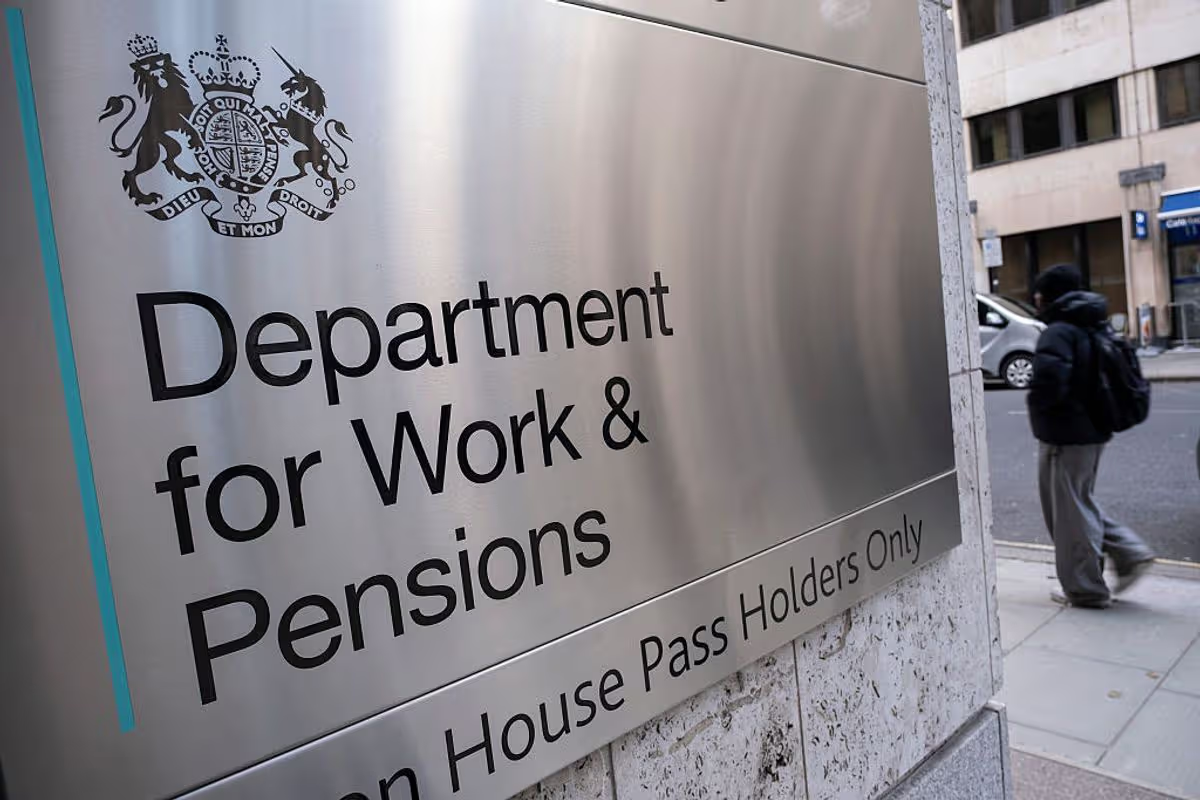
New anti-fraud powers will allow officials to ask banks to flag savings rule breaches
MILLIONS of people claiming benefits could soon have their bank accounts checked under new government powers aimed at cutting fraud and payment errors.
The changes will allow the Department for Work and Pensions to ask banks and building societies to flag accounts that appear to break savings or eligibility rules for certain benefits.
Officials insist the move is about accuracy rather than surveillance, but privacy campaigners have warned it represents a significant expansion of the state’s financial oversight.
The system is expected to roll out in stages this year.
Who is affected
The checks will initially apply to people receiving:

- Universal Credit
- Pension Credit
- Employment and Support Allowance (ESA)
The State Pension is not included.
Under current rules, most Universal Credit claimants cannot have more than £16,000 in savings. If a bank’s data suggests that limit has been exceeded, the case may be referred back to the DWP for review.
How it will work
Rather than giving the government direct access to bank accounts, financial institutions will be sent formal “eligibility verification” requests.
Banks will check their own records and only report back where accounts appear to breach the rules.

They will not share spending histories or transaction lists.
Only limited details — such as account numbers, names and confirmation that a threshold may have been crossed — can be passed on.
No automatic benefit cuts
The DWP says payments will not be stopped automatically.

Any flagged case will be assessed by a member of staff before action is taken.
However, if someone is found to be ineligible for one benefit, related support could also be reassessed.
The government argues the approach could prevent people unknowingly building up large overpayments which later have to be repaid.
The National Audit Office has previously urged better data sharing to reduce mistakes and fraud in the welfare system.
Safeguards promised
Ministers say the powers will be tightly controlled, with:
- annual reports to Parliament
- a formal code of practice
- strict data limits under UK GDPR
- penalties for banks that share too much information
A DWP spokesperson said the aim was to ensure people are “paid the right amount at the right time”.
What claimants should do
Anyone receiving benefits is advised to keep their details up to date and report changes to savings, income or living arrangements promptly.
Failing to declare changes could result in investigations, repayment demands or penalties.
For most claimants, the department says, nothing will change — but those close to savings limits may want to double-check their position.

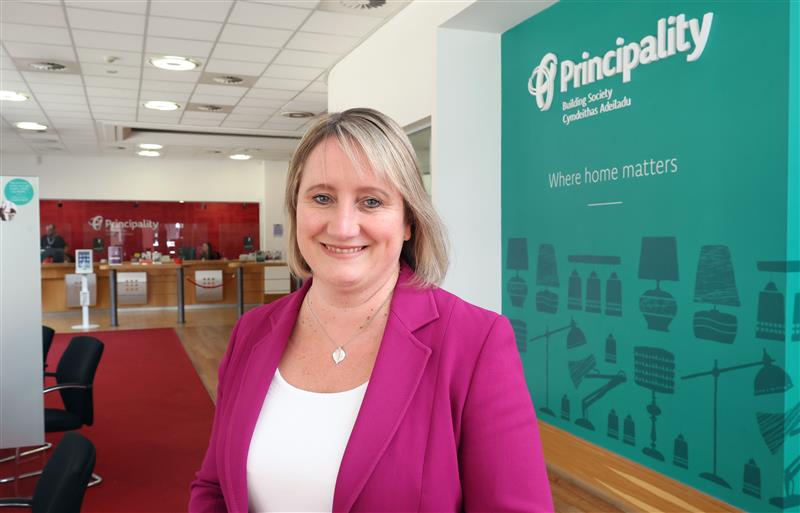
TWO in three savers say a fixed interest rate would give them greater peace of mind when planning their finances, according to new research from Principality Building Society*, as people in Haverfordwest are encouraged to review their savings ahead of the ISA tax year deadline.
The research, conducted with more than 1,500 people, also found that while many savers feel comfortable managing their money independently, a significant number still value the reassurance of speaking to someone when making important financial decisions.
Meanwhile, around one in six people mistakenly believe they must open a new ISA every tax year, highlighting ongoing confusion around how ISAs work. In many cases, particularly for variable savings products, savers may be able to continue paying into an existing ISA.
With the tax year end approaching, Principality Building Society is inviting Members and local savers to speak with colleagues at its High Street branch in Haverfordwest to better understand their options and make informed choices about how to use their ISA allowance.
The research also highlights the appeal of certainty when it comes to savings. Two in three savers say a fixed rate would give them peace of mind, reflecting the reassurance that comes from knowing exactly what return they will receive over a set period. Fixed rate Cash ISAs can provide that certainty, making it easier for some savers to plan ahead.
Vicky Wales, Chief Savings and Lending Officer at Principality Building Society, said: “ISA season can often feel busy and confusing, particularly against the backdrop of changes in the wider financial environment. Many people value the opportunity to talk through their options and feel confident they’re making the right decision.
Every saver’s situation is unique, so having a conversation can help people better understand their choices and how these align with their longer-term plans. Understanding the differences between savings products – including fixed and variable rates – can help savers make the most of their ISA allowance, and ensure their money is working in a way that suits their individual goals.”
Principality Building Society is encouraging anyone in Haverfordwest who would like to review their savings ahead of the tax year end to visit their local branch for a supportive conversation about their options, and how they can make the most of their savings.
Source: Principality Building Society’s own online community, Member Pulse, survey on Cash ISAs, March 2026 (total respondents: 1,544)
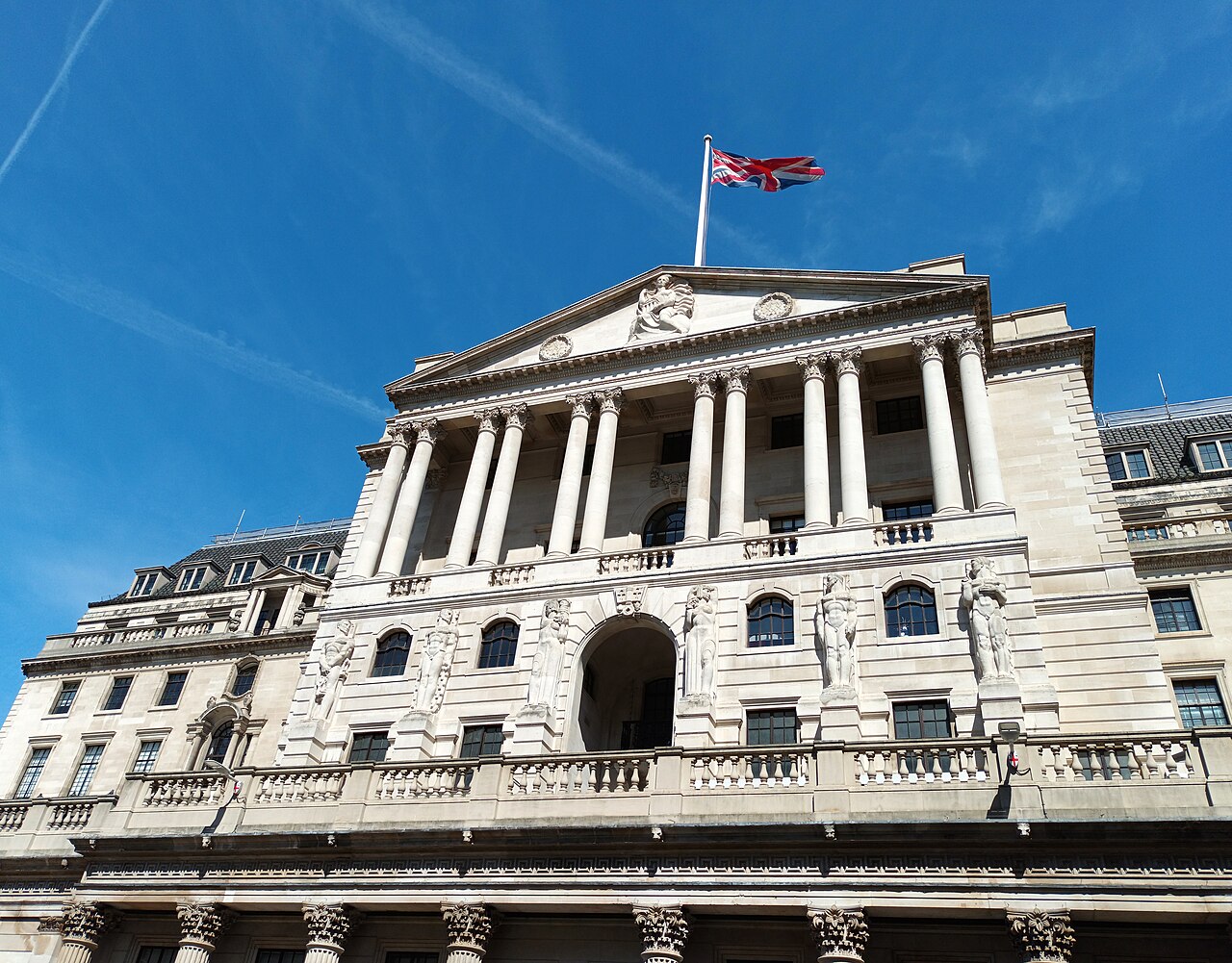
Energy price shocks could delay cuts and raise prospect of further hikes
THE BANK OF ENGLAND has held interest rates at 3.75%, as rising tensions in the Middle East push up global energy prices and increase the risk of further inflation.
The decision by the Monetary Policy Committee reflects growing caution among policymakers, despite recent signs that inflation in the UK had been easing.
However, the escalating crisis in the Middle East has unsettled financial markets, with oil and gas prices climbing amid fears of supply disruption and instability along key shipping routes. Economists warn that sustained increases could quickly filter through to higher fuel, transport and manufacturing costs, as well as rising household energy bills.
Emeritus Professor Joe Nellis, economic adviser at accountancy firm MHA, said the latest developments have significantly reduced the likelihood of interest rate cuts in the near future.
He warned that policymakers are mindful of past criticism that central banks reacted too slowly to rising inflation in 2021 and 2022, when price pressures were initially dismissed as temporary.

“The Bank will want to stay ahead of inflation this time,” he said, adding that while current pressures may not yet be structural, officials are likely to act quickly if risks intensify.
The prospect of prolonged high interest rates presents challenges for businesses already grappling with increased operating costs. Higher borrowing costs are expected to weigh on investment, particularly in hiring, potentially weakening the labour market further.
Economists say that while holding rates steady avoids an immediate squeeze on borrowers, the wider outlook remains uncertain. Any sustained rise in energy costs could force the Bank to tighten monetary policy further in order to keep inflation under control.
For households and businesses hoping for a return to lower interest rates, expectations have now shifted, with rates likely to remain higher for longer — and the possibility of further increases still on the table.


HOUSE prices across the UK increased by one per cent over the past year, according to the latest figures from Nationwide, but experts have warned that global tensions could quickly undermine the fragile recovery.
The building society’s House Price Index showed prices rose by 0.3% month-on-month, with the average UK property now costing £273,176, up from £270,873 in January.
Nationwide said the figures suggested a modest recovery following uncertainty towards the end of 2025, with improved affordability and easier access to credit supporting buyer activity.
Robert Gardner, Nationwide’s Chief Economist said: “This reinforces the view of a modest recovery after a dip at the end of 2025, most likely reflecting uncertainty around potential property tax changes ahead of the Budget.”
He added that housing market transactions during 2025 were ten per cent higher than in 2024, with first-time buyer mortgage completions up 18% year-on-year and home mover activity rising 15%.
However, property experts warned that geopolitical developments, including recent US strikes on Iran, could disrupt progress if oil prices rise sharply.
Babek Ismayil, CEO of homebuying platform OneDome said events in the Middle East could prove inflationary and delay anticipated interest rate cuts.
“It’s currently a very fluid situation,” he said.
Mortgage advisers also warned that rising inflation could push borrowing costs higher again.
Shaun Sturgess, director of Swansea-based Sturgess Mortgage Solutions said: “The recovery in the property market could be derailed quite quickly if oil prices continue to rise sharply.”
He added that expectations inflation would soon return to target were now under threat, potentially delaying Bank of England rate cuts.
Andrew Montlake, CEO at Coreco, said markets had been pricing in reductions this year but that outlook had changed.

“The UK economy and property market, which so desperately needs a rate cut or two, may now have to wait longer,” he said.
Experts said mortgage brokers would be closely monitoring financial markets in the coming days, particularly swap rates, which influence fixed mortgage pricing.
Despite the uncertainty, some advisers noted shifts within the market, with first-time buyers increasingly targeting larger homes while landlords purchase flats at reduced prices.



Charity7 hours ago
Milford Haven charity honoured with King’s Award for voluntary service
A PEMBROKESHIRE charity supporting vulnerable young people has received one of the highest honours in the UK for voluntary work....


News1 day ago
Plaid Cymru launches bid to lead next Welsh Government
Party positions itself as ‘government-in-waiting’ ahead of May election PLAID CYMRU has formally launched its campaign for the 2026 Senedd...


Crime1 day ago
Police appeal after attempted child abduction in Haverfordwest
DYFED-POWYS POLICE has launched an appeal for witnesses following a reported attempted abduction of a 12-year-old girl in Haverfordwest. The...


Crime2 days ago
Gunshot fired by police during incident in Milford Haven
A POLICE officer discharged a firearm during an incident in Milford Haven on Saturday evening (March 28), prompting an investigation...


Community3 days ago
Three Amigos Easter Run roars through Pembrokeshire
MOTORCYCLE enthusiasts turned out in force today (Saturday, March 28) as the popular Three Amigos Easter Run returned to the...


Education4 days ago
Ysgol Henry Tudor reassures parents over Sikh ceremonial kirpan
School says religious item worn by pupil is secured, symbolic and non-functional YSGOL HENRY TUDOR has moved to reassure parents...


Crime5 days ago
Teen jailed after starting fire while others slept
Fire set in shared home left sleeping residents at risk and caused £130,000 damage A TEENAGER who started a fire...

Health5 days ago
GP crisis driving NHS pressure in Wales, Senedd report warns
Falling GP numbers and funding gaps blamed for worsening hospital delays THE NHS crisis highlighted earlier this week is being...


News6 days ago
Reform reveals west Wales candidates for Senedd battle
Monkton councillor tops Pembrokeshire list as party confirms Carmarthenshire names and includes Haverfordwest councillor in unwinnable Swansea spot REFORM UK...


Health6 days ago
Clash over Withybush Hospital services as Paul Davies challenges First Minister
A HEATED exchange in the Senedd has laid bare growing tensions over the future of hospital services in west Wales....
-
 News6 days ago
Welsh Government outlines progress on flood resilience plans
-

 Community5 days ago
Hero female officer keeps job after sexual touching finding
-
Education4 days ago
Ysgol Henry Tudor reassures parents over Sikh ceremonial kirpan
-

 Business5 days ago
Popular Italian restaurant hit with £278,000 tax bill plus £186,000 fine
-
Health6 days ago
Clash over Withybush Hospital services as Paul Davies challenges First Minister
-

 Crime6 days ago
Hakin motorist banned after drink-drive crash
-
 Farming6 days ago
Experts warn Senedd of ‘systemic failure’ to enforce animal welfare laws in Wales
-
Health5 days ago
GP crisis driving NHS pressure in Wales, Senedd report warns