


Health
Welsh Government urges faster treatment during Eating Disorders Awareness Week


THE WELSH GOVERNMENT has called on health boards to improve access to eating disorder treatment and strengthen early intervention services as part of Eating Disorders Awareness Week.
Mental Health and Wellbeing Minister Sarah Murphy said earlier support can have a “significant positive impact” on people living with eating disorders, as she outlined progress made across Wales and future plans to improve services.
The update comes as part of the Welsh Government’s wider Mental Health and Wellbeing Strategy, launched last year, which focuses on prevention, earlier intervention and tackling the wider causes of poor mental health.
The Minister said eating disorders are complex conditions influenced by biological, psychological and social factors, requiring a cross-government approach to prevention and treatment.
Schools also play an important role, with Welsh Government guidance highlighting the need for supportive environments and targeted help for pupils experiencing disordered eating or poor body image. Public Health Wales data shows that as of February 2026, 96% of schools — including all secondary schools — are actively planning to meet wellbeing needs.

The Welsh Government has also promoted its “Seek Help Now” campaign, which highlights that more than 1.25 million people in the UK are affected by eating disorders, yet only around one-third seek formal help. Campaign materials have been shared with healthcare providers, schools and third-sector organisations to encourage earlier support.
Healthcare staff training has also been expanded, with a new foundation-level e-learning course developed by Health Education and Improvement Wales to help professionals identify and respond to eating disorders more effectively.
Ministers say investment has continued in early support services, including more than £110,000 in funding for the BEAT Wales helpline in 2025, helping people access advice while waiting for specialist care.
Across Wales, health boards have expanded services, supported by more than £2 million in funding through NHS performance improvement programmes aimed at improving access, quality and outcomes.

Work is also underway to develop a national early intervention service model based on the FREED approach (First Episode Rapid Early Intervention for Eating Disorders), with flexibility for local needs.
While most patients are treated in the community, the Welsh Government confirmed that eight specialist adult inpatient beds were secured in Wales in 2024 to allow more people to receive care closer to home.
The NHS Joint Commissioning Committee is now exploring options for intensive day treatment services, with modelling work expected to report in the spring.

A research and evidence network has also been established to improve outcomes and ensure services are based on the latest evidence.
Sarah Murphy said she has written to all health boards urging continued leadership focus to reduce waiting times and implement early intervention services once national specifications are finalised.
All health boards have confirmed their commitment to the programme.



AHEAD of the Senedd elections in May, British Pest Control Association (BPCA) is calling on the next Welsh Government to do more to protect people in Wales from preventable pest problems in their homes.
In its new manifesto for public health pest management in Wales, the national trade body says no one should have to live with rats, cockroaches, flies or other pests because of poor housing conditions, slow repairs or inadequate waste management.
Housing, public health and environmental regulation are devolved to the Senedd.
BPCA is urging Welsh policymakers to make sure protections against pest problems apply to all renters, not just those in social housing.
The Association warned that pests in homes are not just a nuisance and can pose a risk to health.
Rodents can spread diseases, including leptospirosis, salmonella and listeria, while also causing damage by gnawing pipes and wiring. Cockroaches, flies, and other insects can spread pathogens, contaminate food and damage belongings.
Rosina Robson, Chief Exec of the British Pest Control Association (BPCA), said: “Too many people are still being left to deal with pest problems that could and should have been prevented.
“Where there are building defects, poor waste management or delays to repairs, infestations can quickly take hold. That has a real impact on people’s health, well-being, and quality of life.
“It should not matter whether someone lives in social housing, private rented housing or temporary accommodation. The risks posed by pests are the same, and the protections should be too.

“We want the next Welsh Government to recognise the danger pests pose in people’s homes and make sure everyone in Wales has the right to live in a decent home that is protected from avoidable infestations.”
BPCA’s manifesto calls on the next Welsh Government to:
- Recognise the danger that pests pose to the health and well-being of tenants
- Ensure protections for all renters, including people living in social rented, private rented and temporary accommodation
- Back a stronger public health approach to pest management in Wales.
The manifesto also highlights the wider role of professional pest management in protecting public health, food supply chains and the built environment across Wales.
BPCA says tackling pests properly means more than responding once an infestation has taken hold. Landlords and property managers also need to act on the advice of pest professionals, including improving communal waste disposal, repairing defects in buildings and addressing the conditions that allow pests to thrive.
Niall Gallagher, BPCA’s Technical Manager, added: “We wouldn’t accept pest activity in places such as factories or restaurants where food is prepared, and people should not be expected to put up with the same risks in their own homes.
“This is about prevention, public health and basic standards. Wales has an opportunity to lead the way and make sure fewer people are left living in misery because of pests.”
BPCA’s full manifesto, A manifesto for public health pest management in Wales, is available from the Association’s website.
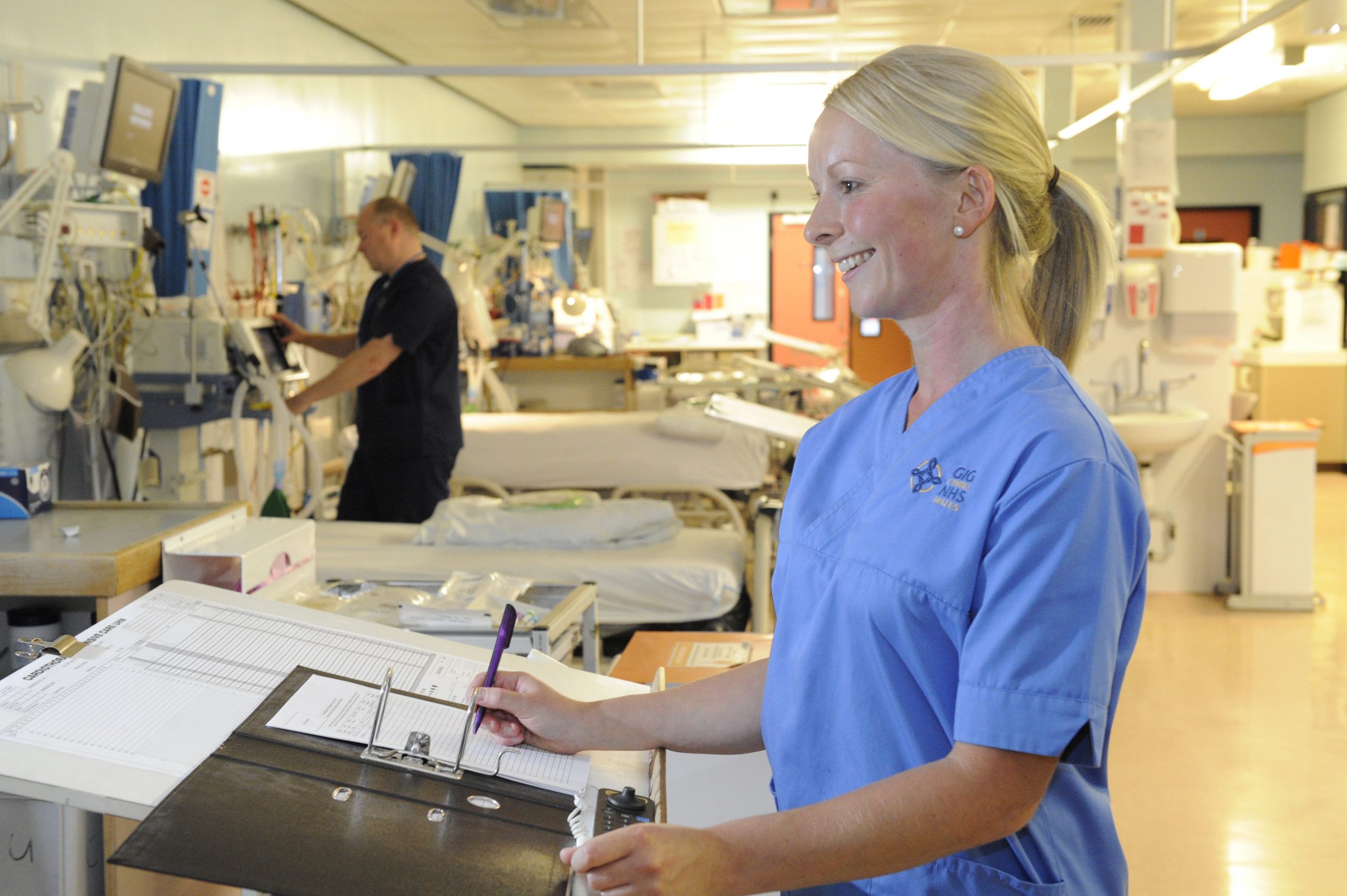
THE ROYAL COLLEGE OF NURSING WALES has warned of a growing jobs crisis for newly qualified nurses, saying a shortage of Band 5 posts could leave up to half of this year’s nursing graduates without work when recruitment opens.
The union said the situation was particularly alarming given the severe pressures already facing NHS Wales, with staff continuing to report overcrowded wards, unsafe conditions and unmanageable workloads across multiple health boards.
RCN Wales said the lack of available jobs for newly trained nurses pointed to a serious failure in workforce planning. It warned that losing new entrants to the profession would place even more strain on already overstretched services and could further affect patient care.
The organisation said the situation also undermined the Welsh Government’s and NHS Wales’ duty to improve the quality and safety of care.
RCN Wales is calling on the Welsh Government to provide urgent clarity on the scale of the shortfall, set out credible long-term workforce planning, and introduce immediate system-wide measures to recruit, retain and deploy the nursing workforce Wales needs.
The union said it had received assurances that students would not be penalised if posts were unavailable. That includes being released from any obligation to work in Wales and not being required to repay tuition fee support where workforce shortages prevent them from securing employment.
Professor Sandy Harding, Associate Director of Nursing at RCN Wales, said: “The situation facing newly registered nurses is deeply concerning and exposes serious failures in workforce planning.
“It is becoming increasingly clear that this situation is being driven by financial constraints, including the freezing of vacant posts within local health boards. Our NHS is under intense pressure, yet hundreds of newly qualified nurses may have no posts to enter. This is simply unacceptable.
“These students stepped forward for Wales, trained through immense challenges, and now face uncertainty at the very moment the system needs them most. They deserve far better.
“Every newly qualified nurse will be vital to meeting Wales’s care needs. The RCN will continue to demand transparency, accountability and long-term planning from the system. We will not stop speaking up for students, for our safety-critical nursing workforce, and for the people who rely on safe, high-quality care.”
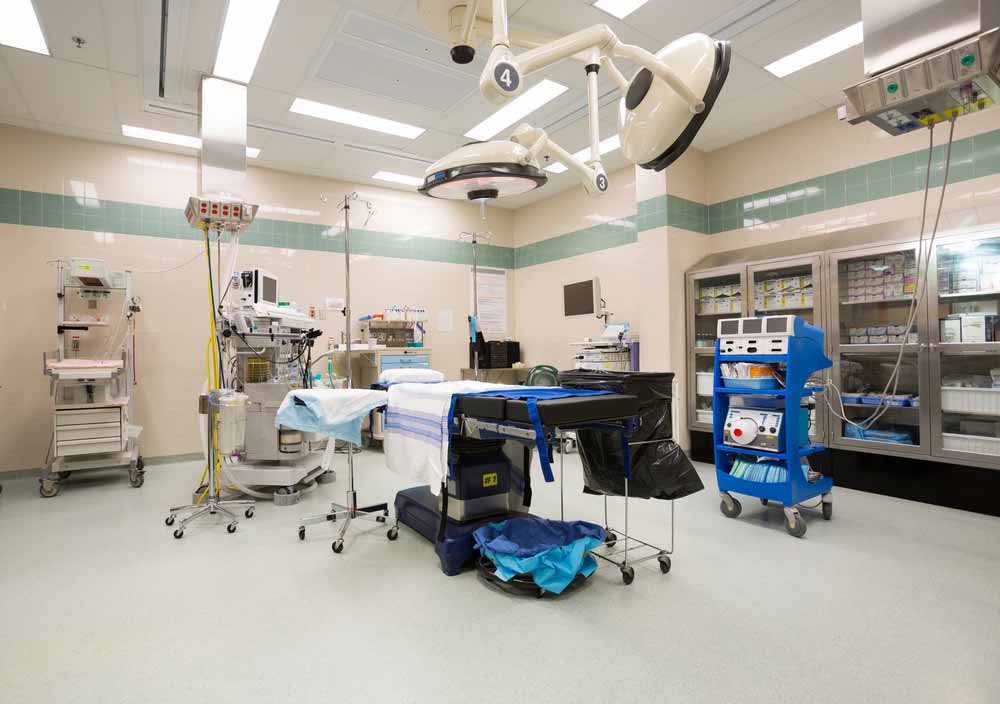
Senedd election promises collide with the harsh reality of ageing hospitals, fire safety concerns and a maintenance crisis stretching across the country
WALES’ NHS is facing a repair and maintenance crisis of almost £1bn, with some of the country’s biggest hospitals burdened by ageing buildings, serious safety concerns and growing pressure on already stretched budgets.
New figures covering 210 NHS sites show that the backlog of work classed as high risk or significant risk has now reached £917m — up 71% in just four years.
The data, published for 2024-25 by NHS Wales Shared Services Partnership, shows more than £616m of the total relates to serious problems at 12 of Wales’ 13 main hospitals.
Ysbyty Gwynedd has the biggest backlog of high and significant risk repairs at £110.5m, followed closely by University Hospital of Wales in Cardiff, where the figure stands at £106.8m.
The scale of the problem is not just financial. Three hospitals — Bronglais, Prince Philip and Ysbyty Gwynedd — have 40% or more of their space rated as not fire safety compliant. At Ysbyty Gwynedd, 35% of space is also not regarded as health and safety compliant.
Aging estate
The figures highlight the deep-rooted problem of an ageing NHS estate across Wales.
More than 30 NHS sites have buildings where over half the estate predates the creation of the NHS in 1948. Another 17 sites, including University Hospital of Wales and Bronglais Hospital, are mainly made up of buildings between 50 and 60 years old.
Only one major hospital in Wales — the Grange Hospital near Cwmbran — is said to have no maintenance backlog. But even that project, which cost £350m, was first proposed in 2004 and only opened during the Covid pandemic, showing how long major hospital developments can take.
When the wider risk-adjusted backlog is considered across all NHS buildings in Wales, focusing on problems where safety may be at risk, the total cost rises to more than £1bn.

The largest overall figure is in the Betsi Cadwaladr health board area, where the backlog stands at nearly £278m.
Despite the Grange being one of the newest hospitals in Wales, Aneurin Bevan health board still faces a backlog of almost £233m, much of it linked to older sites including the Royal Gwent and Nevill Hall hospitals.
In Hywel Dda, where hopes of a new west Wales hospital remain some way off, the total backlog has reached £221m. Among the worst affected sites is Glangwili Hospital in Carmarthen, where high and significant risk repairs and maintenance amount to £82m.

West Wales pressure
FOR west Wales, the figures are especially troubling.
Hywel Dda residents have already faced years of uncertainty over the future of hospital services, and the scale of the maintenance bill raises fresh questions about how long ageing buildings can continue to serve local communities safely and effectively.
Bronglais Hospital is among the sites with major fire safety compliance concerns, while Glangwili carries one of the largest repair backlogs in the region.
The growing cost of patching up older hospitals will inevitably intensify the political argument over whether ministers should prioritise maintaining existing buildings or push ahead with long-promised new developments.
The chair of Cardiff and Vale health board recently acknowledged that the age and condition of University Hospital of Wales was affecting morale and efficiency, describing the quality and upkeep of buildings as an ongoing concern.
Expert warning
Mark Dayan, a policy analyst at the Nuffield Trust, said Wales had a worryingly large maintenance backlog by any standard.
He warned that poor infrastructure could directly affect the way care is delivered, making it harder for the NHS to reorganise services, improve patient flow or create safe, modern working environments.
The issue is not unique to Wales. NHS England is facing its own enormous repair backlog, estimated at £16bn. But in Wales, where budgets are tighter and hospital plans often move slowly, the pressure is especially acute.
Election battleground
WITH the Senedd election set for Thursday, May 7, parties are offering different solutions to the growing crisis.
Labour has pledged a £4bn Hospitals of the Future fund, promising new hospitals including replacements for Wrexham Maelor Hospital and University Hospital of Wales, as well as a major development in west Wales.
Plaid Cymru says Labour’s sums do not add up, and argues urgent high-risk repairs should come first.
Reform UK says the Welsh Government should concentrate its capital budget on clearing the maintenance backlog rather than making promises on multiple new hospitals.
The Conservatives say they would declare a health emergency and expand capacity through new community hospitals, diagnostic centres and surgical hubs.
The Liberal Democrats say they would upgrade the worst parts of the NHS estate while backing a replacement for University Hospital of Wales, linking investment to wider reform of social care and community services.
The Green Party has called the backlog a disgrace and says it would launch a multi-year programme to bring NHS facilities up to a safe and modern standard.
Whatever the result in May, the next Welsh Government will inherit a stark reality: before it can deliver a new generation of hospitals, it must first confront the spiralling cost of keeping the current estate from falling further into decline.



Crime13 hours ago
Police and partners launch summer crackdown after Tenby station stabbings
Extra patrols, more rail security and tougher action promised after violent disorder left four youths injured POLICE and partner agencies...


Crime21 hours ago
Drug and weapon charges after Pembroke Dock arrest
Man remanded in custody following Diamond Street vehicle search A MAN has been remanded in custody after appearing at Swansea...


Crime21 hours ago
Woman fights order taking four dogs from her
Swansea Crown Court hears appeal after long-running barking dispute in Trefin A PEMBROKESHIRE woman has told Swansea Crown Court that...


News23 hours ago
Former county councillor Paul Dowson to stand in Ceredigion Penfro
Ex-Pembrokeshire member says he will offer voters a straight-talking independent alternative at the Senedd election FORMER Pembrokeshire county councillor Paul...

News2 days ago
Plaid Cymru sets out childcare, NHS and child poverty pledges in 2026 manifesto
Rhun ap Iorwerth’s party says plan is radical and fully costed as it bids to lead next Welsh government PLAID...


Community2 days ago
Police intervene after post raises fears of planned Pembroke Dock fight
Extra patrols launched after social media alert in aftermath of Tenby stabbings POLICE intervened after an online warning raised fears...

Crime2 days ago
Man arrested after alleged child sexual assault in Haverfordwest
Police enquiries ongoing after incident in Castle Square A MAN has been arrested after an alleged sexual assault of a...

Crime3 days ago
Four youths stabbed at Tenby railway station as two arrested
British Transport Police lead investigation after serious disorder involving group of youths FOUR youths suffered stab wounds during a major...

News4 days ago
Major emergency response in Tenby after incident near train station
Witnesses report injuries as police and ambulance crews remain at scene on Warren Street POLICE and ambulance crews remain at...


News4 days ago
Haverfordwest County AFC faces High Court winding-up threat from HMRC
Chairman says issue has been dealt with, but winding-up notice is still listed ahead of High Court hearing HAVERFORDWEST County...
-
Crime3 days ago
Four youths stabbed at Tenby railway station as two arrested
-

 News6 days ago
Eluned Morgan targets Haverfordwest as Welsh Labour fights to hold its ground
-

 Community6 days ago
Johnston FC pays tribute after sudden death of Rhyan Nolan, 27
-

 Local Government4 days ago
Bridge works on Neyland-Burton road to continue into late April
-
News4 days ago
Haverfordwest County AFC faces High Court winding-up threat from HMRC
-

 Entertainment3 days ago
Little Pigs at Home offers a peaceful sanctuary escape in Pembrokeshire
-

 Entertainment7 days ago
Will You Be My Friend? BBC series seeks Welsh children
-
 Health7 days ago
Crumbling NHS faces £1bn repairs bill in Wales