


Community
Faith leaders call for action on Syrian refugees


THE ARCHBISHOP OF WALES and other faith leaders are calling on the Prime Minister to increase urgently the number of Syrian refugees resettled in the  UK in response to ‘one of the worst humanitarian catastrophes of our time’.
In an open letter to David Cameron, the Archbishop Dr Barry Morgan, the Head of the Jewish Reform Movement Rabbi Laura Janner-Klausner, Bishop Declan Lang, Chair of the Bishops’ Conference Department of International Affairs and Shaykh Ibrahim Mogra,Assistant Secretary General of the Muslim Council of Britain and Co-Chair of the Christian Muslim Forum, express their support for a joint call from Amnesty International, the Refugee Council, JCore, Islamic Relief and Cafod for the UK to do more to help Syria’s refugees find safety here.
The letter comes ahead of the first anniversary yesterday (Jan 29) of the UK government’s announcement of a special resettlement scheme for the most vulnerable refugees from the Syrian conflict. A year on, Home Office figures show that only 90 people have been offered asylum here.
Nearly four years into the conflict, ten million people have been forced to leave their homes, nearly four million of whom have fled the country.The vast majority are living in precarious circumstances in Syria’s neighbouring countries, and many are struggling to survive in freezing temperatures.
The faith leaders say that the conflict in Syria is one of the ‘greatest humanitarian catastrophes of our time’ and that neighbouring countries are at the point of collapse from the sheer numbers of refugees they are hosting.

They say in their letter:
Many refugees have experienced persecution, torture or sexual violence, sometimes because of their religion or ethnicity, or have disabilities or other urgent medical needs which make them particularly vulnerable. Some will not survive the winter.
We are proud of the way in which the UK has led the world in its humanitarian aid contribution to the Syria crisis. However, our help cannot end with aid. We urge you to show the same leadership on resettlement so that more of Syria’s most vulnerable refugees can find sanctuary here in the UK.
We welcomed the announcement, a year ago, of the Syrian Vulnerable Persons Relocation (VPR) scheme but we are disappointed that only 90 refugees have so far been offered a safe haven here in the UK via this route. One year on, we urge you to take this opportunity to commit to offering resettlement places to thousands, not hundreds, of refugees from Syria.

In the face of a desperate and growing need, we believe that Great Britain has a moral responsibility to continue our noble tradition as a compassionate and welcoming safe haven for those in need of protection. As Prime Minister, you have the power to offer hope to people whose suffering is almost unimaginable to us. We ask you to do this today.
Amnesty International is calling on rich countries around the world to resettle five per cent of Syria’s refugees by the end of this year and a further five per cent by the end of 2016. The UK government has agreed to resettle only several hundred people over three years.
Other countries, including Germany and the USA, have promised to resettle thousands.

Excluding Germany, the rest of the European Union (EU) has pledged to take in a paltry 0.17 per cent of refugees from the main host countries.
In early January, Canada announced it would open its doors to 10,000 Syrian refugees
Amnesty International UK director Kate Allen said:“The UK government’s relief efforts in the region are to be commended but it is clear that so much more needs to be done to protect people fleeing the Syrian conflict, including those at risk of persecution due to their religion or ethnicity.
“A year on from agreeing to resettle hundreds of refugees, the UK should take this opportunity to up their game and resettle thousands of Syria’s most vulnerable. The UK has done this in response to other conflicts, what is stopping this government from doing the same?”
Refugee Council Chief Executive Maurice Wren said: “A year ago the British Government made a promise to some of Syria’s most vulnerable refugees. We promised them safety. We promised them hope. We promised them a future. If David Cameron fails to significantly increase the scale of Britain’s resettlement scheme he will have broken that promise.”
Edie Freedman, Executive Director of The Jewish Council for Racial Equality said“We in the Jewish community know only too well the perils of being refugees and the indifference which too often meets their desperate plight to find sanctuary.
Syrians now make up the largest refugee group in the world. We appreciate that this is not a job for Britain alone, but we must do our fair share.”
Islamic Relief’s UK Director Jehangir Malik’s said told The Herald: “This is the world’s worst refugee crisis for generations, and we should do more to help the countries of the Middle East by hosting some of the most vulnerable of Syria’s refugees in the UK.
The refugees I’ve met with Islamic Relief in Lebanon have suffered unimaginable trauma and yet so many of them continue to suffer because the authorities are stretched to breaking point trying to meet their basic needs for food, warmth and shelter.”
Alan Thomlinson, Cafod’s Manager for the Syria Crisis, said:“The number of Syrian refugees accepted into Britain so far is woefully inadequate. Britain has a proud tradition of helping those in need, and – with no end in sight to the war – we need to show solidarity with the countries and communities that are bearing the brunt of this appalling crisis.”


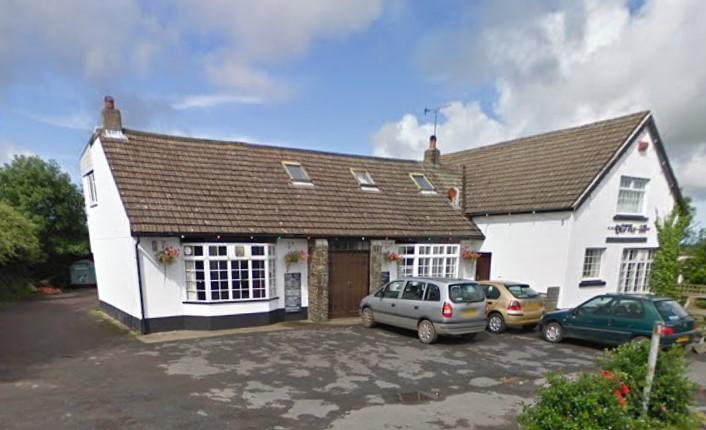
AN APPEAL against a refusal of a call to convert an ‘unviable’ former Pembrokeshire village pub to a house has been dismissed.
In a partly retrospective application refused by Pembrokeshire Coast National Park in July 2025, Ms G Key, through agent Evans Banks Planning Limited, sought permission for the conversion of the former Taberna Inn and associated flat, Herbrandston Village, Milford Haven, to one residential dwelling.
A supporting statement through the agent said the property was only operated as a pub for a short time after purchase before closing.
It said the loss of the pub to the village will not be felt as strongly as elsewhere as Herbrandston has an alternative venue, Herbrandston Hub, which opened in February 2020.
Local community council Hebrandston objected to the proposal on the grounds the village has already lost amenities in recent years, with the community hub only open part-time.

The application was refused on grounds including it would “result in the unacceptable loss of an existing community facility,” and “the applicant has failed to demonstrate the potential for continued use of the facility as unviable”.
Since that refusal an appeal was lodged with Planning and Environment Decisions Wales (PEDW) by the applicant.
The inspector, in dismissing the appeal, said planning policy recognising “that public houses can play a vital economic and social role and their loss can be damaging to a local community,” adding the Taberna “constitutes a community facility”.
The inspector’s report said the purchase of the Taberna Inn in March 2020 in a “closed and condemned condition” just before the global pandemic “meant that the property was never operated as a public house, and although the appellant could have reopened the pub following the pandemic, she has chosen not to”.

It added: “As a result, the appellant has been unable to provide any financial information in the form of audited accounts which show the historic trading to help gauge the past performance of the premises or to demonstrate that the public house is not commercially viable.”
It went on to say the appellant’s view the pub is not a valued community asset, was contrasted by residents and the community council opposing the change of use; the Herbrandston Hub opening on a limited time basis, saying “the ability of the Hub to be classed as a viable and direct replacement to the Taberna Inn is questionable”.
It concluded: “Overall, the evidence before me is insufficiently thorough and wide ranging to constitute a solid case for the proposed development in the balance of harm to the community. As a result of this, I am not persuaded that it has been clearly demonstrated that the pub cannot become a viable business in the future.

“I also consider that it has not been demonstrated that there has been a commitment by the appellant, since purchasing the property in March 2020, to ensuring the long-term viability of the Taberna Inn as a going concern over an appropriate period.”

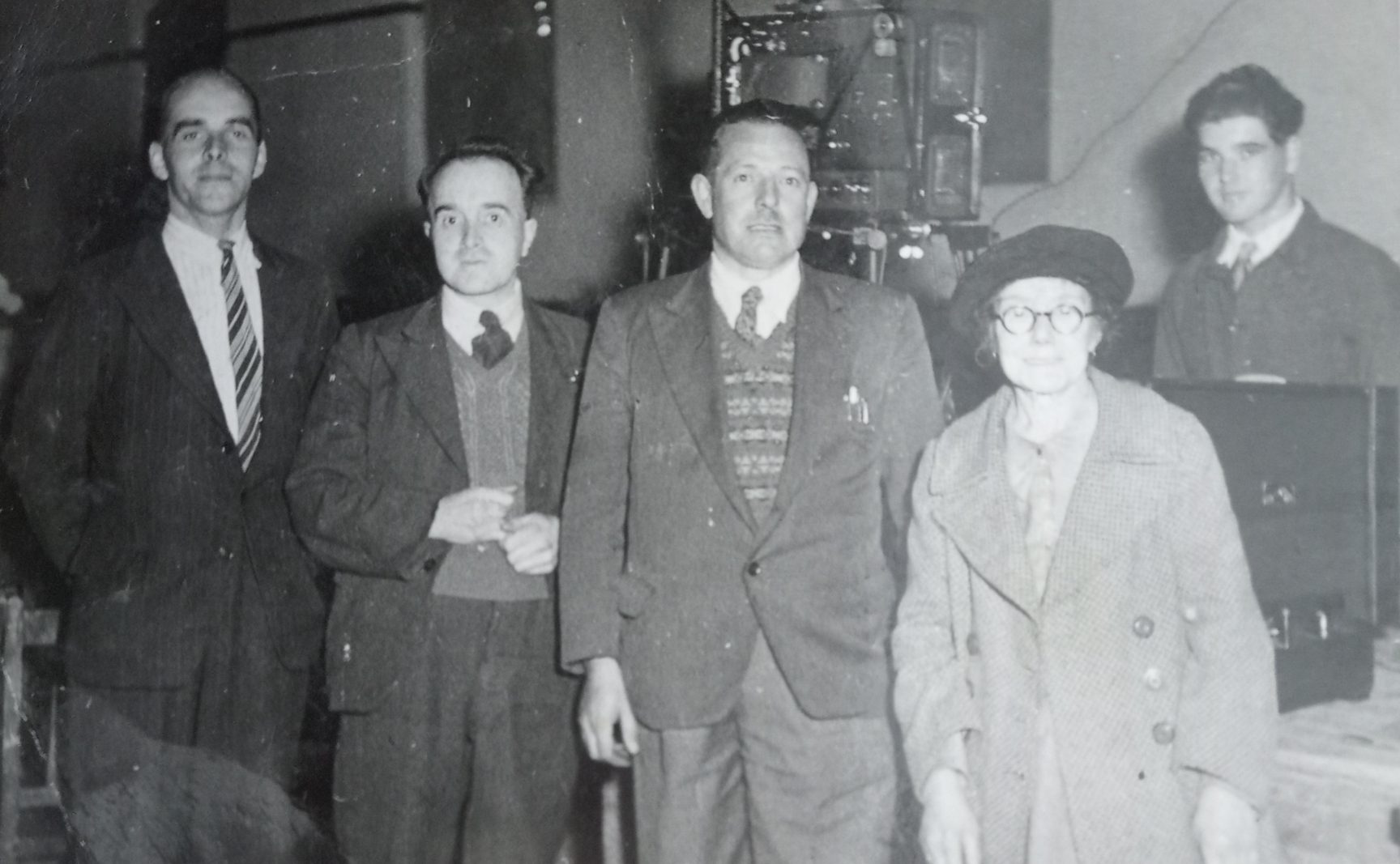
A PHOTOGRAPH has come to light of the first owner of ‘Charlie’, the 100-year-old ventriloquist’s doll who was a star turn when Pembroke Dock Heritage Centre opened for the new season last month.
On the opening day (Mar 30), Gerald Williams, a member of the Carew Cheriton Control Tower team, brought along a group photo which features both Charlie’s then owner, Ernie James, and Gerald’s father, Hubert.
It was the first time Paul Elliott, Charlie’s current ‘minder’, had seen a photo of Ernie, who was at one-time very well known as a local entertainer.
“This has made my day,” said Paul. “It is great to see a photo of Ernie, who originally acquired Charlie over 100 years ago.”

Gerald added: “Both Ernie and my father were involved at one time with a travelling cinema, visiting communities all over this area.
“Ernie had his own small bus company called Pioneer Buses. This is where dad first met Ernie during driver exchanges during the war. They also worked together for Silcox Bus Company at Pembroke Dock.”
Charlie currently sits in a neat glass case keeping a watchful eye over visitors and volunteers at the Heritage Centre.
While the photograph has solved one mystery, another remains. Ernie is believed to have had another ventriloquist’s doll, named Daisy May. Anyone with information on Daisy May is asked to contact the Heritage Centre on 01646 684220 or [email protected]
Pembrokeshire law firm confirms internal promotion after Lauren joined the business as a paralegal in 2024
LAUREN CLEWES has been promoted to trainee solicitor at Eaton-Evans and Morris Solicitors.
Lauren joined the firm in 2024 as a paralegal, working first with Helen Hodges and later with Pauline Mainwaring. Over the coming months, she will work alongside the firm’s fee earners across all departments as part of her training.
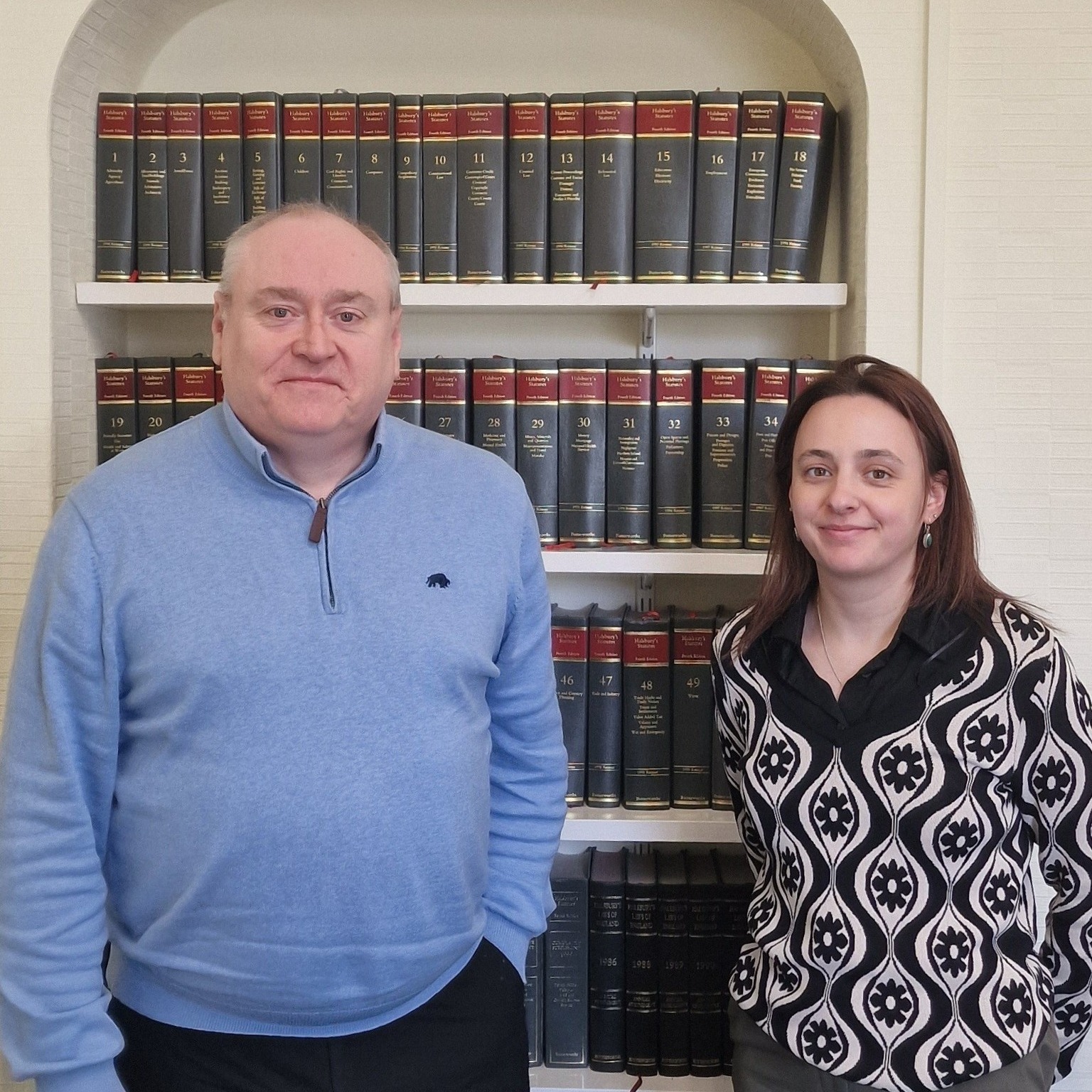
Sean Dyer, one of the firm’s directors (pictured), offered his congratulations on her promotion.



Crime11 hours ago
British Transport Police widens Tenby stabbing inquiry as five arrested
Extra patrols in town as police continue hunt for answers after shocking railway station violence BRITISH TRANSPORT POLICE say their...


News17 hours ago
Person taken to hospital after emergency response in Milford Haven
Police say incident began in Hakin before multi-agency search at marina A PERSON was taken to hospital after a major...


Charity23 hours ago
Greenacres warns it may have to shut doors to new animals over £24,000 vet bill
Pembrokeshire sanctuary says it is at breaking point and fears devastating consequences if urgent public appeal fails GREENACRES RESCUE has...


News2 days ago
Reform attacks Plaid on spending and immigration ahead of Senedd poll
Party claims Plaid’s plans would strain public finances and increase pressure on services, while rivals insist Wales needs a different...
News2 days ago
Emergency response after person enters water at Milford Haven marina
Casualty recovered as police, coastguard and lifeboat crews attend A MAJOR emergency response was launched at Milford Marina in Milford...


News3 days ago
Senedd election candidates confirmed as vote.wales goes live
Voters can now check who is standing in their constituency ahead of polling day on May 7 A TOTAL of...


Crime3 days ago
Police and partners launch summer crackdown after Tenby station stabbings
Extra patrols, more rail security and tougher action promised after violent disorder left four youths injured POLICE and partner agencies...


Crime4 days ago
Drug and weapon charges after Pembroke Dock arrest
Man remanded in custody following Diamond Street vehicle search A MAN has been remanded in custody after appearing at Swansea...


Crime4 days ago
Woman fights order taking four dogs from her
Swansea Crown Court hears appeal after long-running barking dispute in Trefin A PEMBROKESHIRE woman has told Swansea Crown Court that...


News4 days ago
Former county councillor Paul Dowson to stand in Ceredigion Penfro
Ex-Pembrokeshire member says he will offer voters a straight-talking independent alternative at the Senedd election FORMER Pembrokeshire county councillor Paul...
-
Crime6 days ago
Four youths stabbed at Tenby railway station as two arrested
-

 Local Government7 days ago
Bridge works on Neyland-Burton road to continue into late April
-

 News7 days ago
Haverfordwest County AFC faces High Court winding-up threat from HMRC
-

 Entertainment6 days ago
Little Pigs at Home offers a peaceful sanctuary escape in Pembrokeshire
-

 Crime7 days ago
Questions raised as 81-year-old woman faces ‘failure to provide’ case
-

 Crime6 days ago
Henry Tufnell responds after four youths stabbed in Tenby
-

 Community5 days ago
Police intervene after post raises fears of planned Pembroke Dock fight
-

 Sport6 days ago
Castrol MEM Rally Team targets title push as BRC season begins