


Community
Eating sweets need NOT damage your teeth

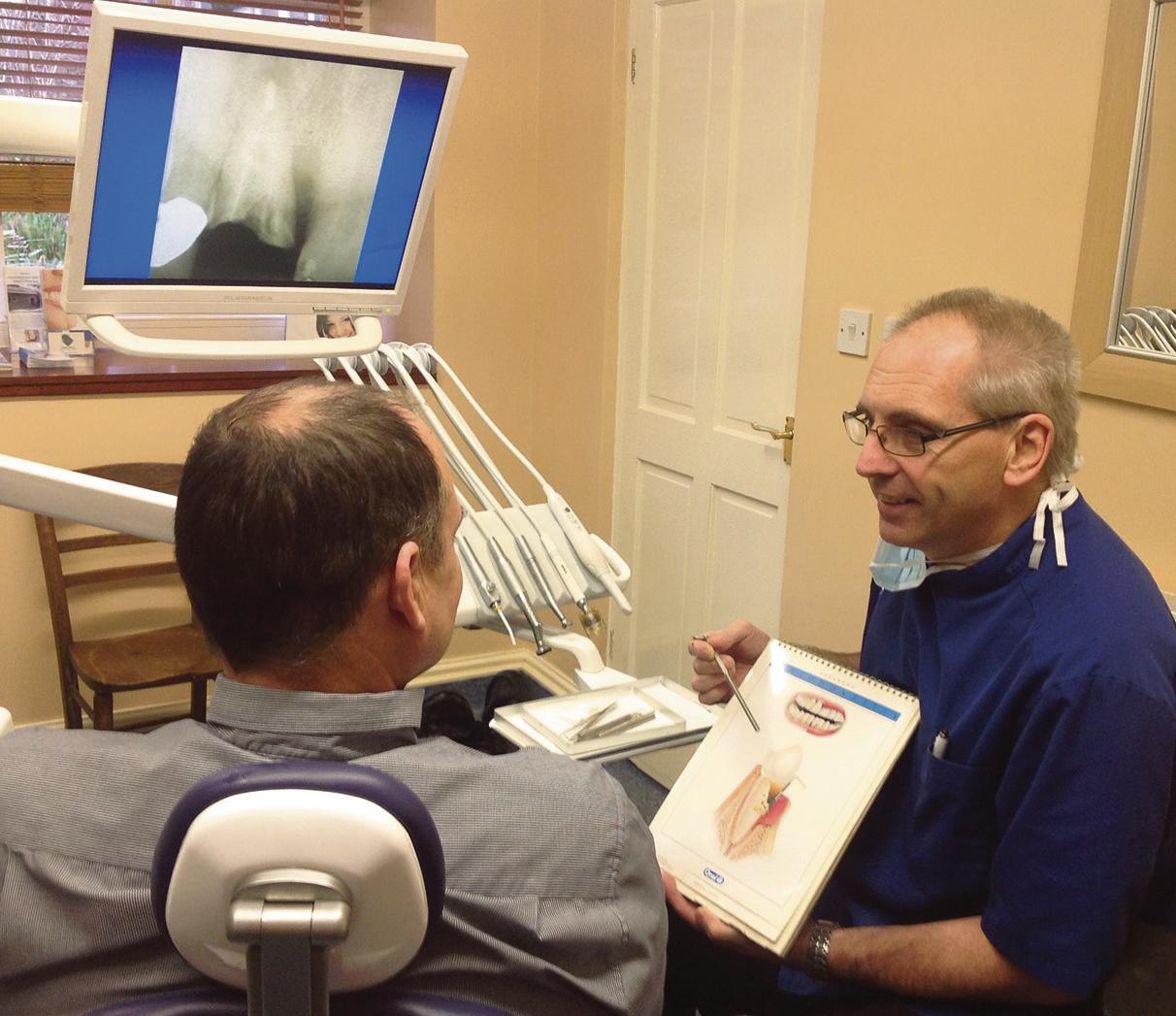
IF YOU need a filling at the dentist how many times have you heard the message ‘you must stop eating sweets and sugar’? Really, in this day and age with

Dr Mark Boulcott: Explaining dental disease to a patient.
sugar being added or included in almost all foods as not only a sweetener but as a preservative, texture modifier, fermentation substrate, flavouring and colouring agent, bulking agent and emulsifier, is it even possible to comply with this message and not starve?
It is no surprise, therefore that the statistics of decayed teeth in Pembrokeshire as regularly reviewed by the Hywel Dda Health Board Oral Health Profile (last published in 2013) shows an appalling incidence of dental decay in 5 year olds – and yet dental decay is a totally preventable disease!
So what in reality can you and your children eat and be reassured that your teeth will remain decay free? The answer is that there are really no safe foods. The food industry confuses us with statement like ‘no added sugar’, ‘contains natural sugars’ or ‘reduced sugar’. Sucrose, Glucose, Maltose, Fructose (as labeled on many foodstuffs) are all naturally occurring sugars and all, when eaten, cause acid to form in the mouth: The cause of dental decay with the acid ‘dissolving’ teeth. What is less obvious is the amount of sugar contained within the product.
In essence, sugar is sugar: They all cause dental decay no matter how much or how little you eat. One teaspoon of sugar (sucrose) in your Tea is just as bad for your teeth as five sugars. The only difference is that you may get fat, more prone to diabetes and other health complications with a higher sugar intake but much lower amounts of sugar ingestion will still cause teeth damage. So we have to assume all foods we eat contain sugar (fermentable carbohydrate) of some type.

This dissolving of the teeth, called dental decay or dental caries, puts you and your child at the risk of dental pain, infection and the need for treatments possibly including tooth removal.
Thinking that, in the case of young children, it does not matter (after all, ‘baby teeth’ will be replaced) is wrong. The decay of deciduous teeth may still lead to your child having pain and infection but worse, teeth removal possibly needing General Anaesthesia. This is a procedure not without risk and not easy to access in Pembrokeshire with the nearest GA treatment centre being in Swansea with waiting times often inappropriate for acute pain. There is also the fact that early loss of first teeth is much more likely to lead to crowded or crooked permanent teeth: a fact that may require later orthodontics (treating with braces).
The dentists at Herbrandston, one of Pembrokeshire’s most proactive dental practices in regard to prevention of dental disease, give a different message. Dr Mark Boulcott, the principal dental surgeon states: “I never tell parents to stop giving sweets. That message is unrealistic and unhelpful. The modern diet is full of sugary drinks, sugary confectionary and sugar containing meals. Instead I am far more interested in the frequency of sugar ingestion: how often patients eat sugar, not how much sugar.”
“It has been known for decades that sugar causes bacteria in the mouth to form acid which in turn damages teeth. Of course, no sugar equals no tooth decay, but what most patients (and indeed many dentists) fail to understand is that the amount of sugar required to cause bacteria to produce acid is minimal. The more sugar you eat does not mean more acid in your mouth – but even the slightest sugar intake causes tooth damage.”

Dr Boulcott points to evidence from as far back as the 1940s, when Dr Robert Stephan postulated the coincidence of reducing pH (acidity) and tooth decay: “It is evident even before the advent of the NHS that dental decay was not caused by having too much sugar, but by having too great a frequency of intake. Sugar causes damage by allowing mouth bacteria to produce acid but the amount of sugar eaten is irrelevant. Any damage caused by the acid (at a microscopic level) should be repaired provided the saliva is allowed and able to work properly, converting acid back to neutral products and acting to ‘repair’ damaged teeth. If sugar is regularly ingested and more acid is produced before this ‘repair’ process is completed then dental decay will result. The upshot of this is that if a child ate a chocolate bar for breakfast, lunch and dinner, it is in fact unlikely that they will get significant dental decay. If they eat the same amount of chocolate between meals, then they are much more likely: Twice the cycle of damage and far less time for repair. It should be understood that a sugar diet is inevitable,” states Dr Boulcott.
“What people must understand is that keeping food intake to mealtimes only is the best way to keep your teeth safe. This one fact is more important than tooth brushing or Fluoride. So, yes, Children (and adults) can eat sweets but keep these short acting (chocolate rather than a chewy sweet) and confine these to mealtimes – avoid eating between meals.”
Sadly some 60 years on and this simple message is still failing to get through. Dentistry and preventive messages still seem to mean little to a large percentage of the population with people in Wales being less likely to have been seen a dentist in the past two years than people in England. (52.2% of adults in Wales and 56% in England; and 64.7% of children in Wales compared to 69.1% in England). Many people argue that the reducing amount of NHS dentistry is to blame but in reality many patients (over half the population of Wales) seek dentists only in event of an emergency; citing anxiety rather than money (or NHS access) as being the major obstacle to visiting.

At Herbrandston, the dentists are trying to change this attitude by breaking down the barriers of fear and anxiety offering often unique ways of dealing with even the most difficult of dental phobias. This not only includes a gentle caring atmosphere of quiet professionalism mixed with genuine friendliness but also techniques such as dental sedation, hypnosis, introductory sessions without treatment and even animal therapy using pigs and ferrets to desensitize. They are working hard to emphasise the preventative message rather than the cycle of repair after repair. A very busy practice despite being in a rather isolated part of Pembrokeshire, Herbrandston will be expanding to open a state of the art new practice in Narberth in March.


AN ANNUAL Rotary duck race and pig roast brought crowds to Cresswell Quay on Friday (May 29), with organisers hailing the evening a success.
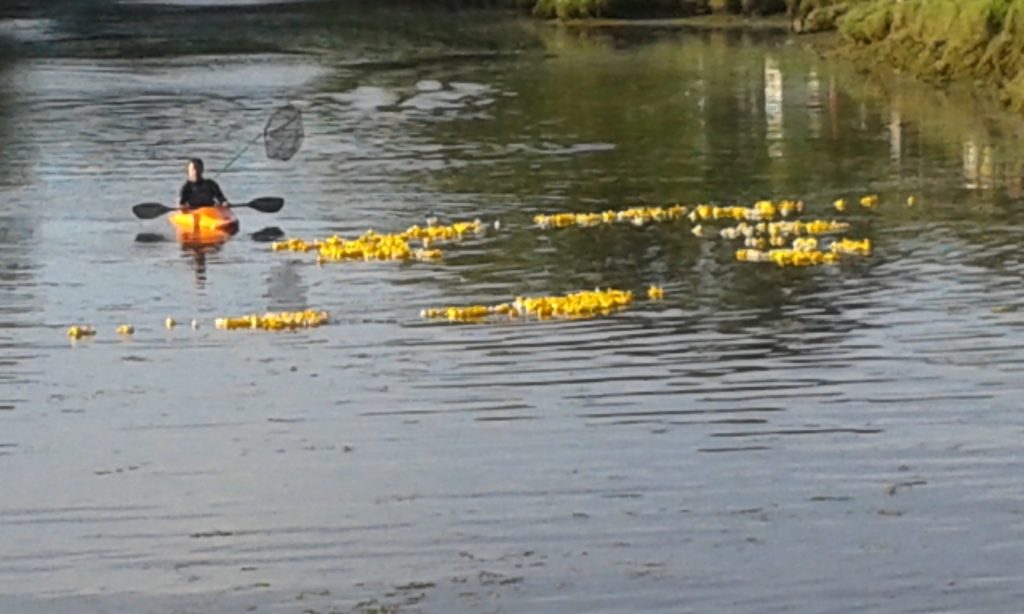
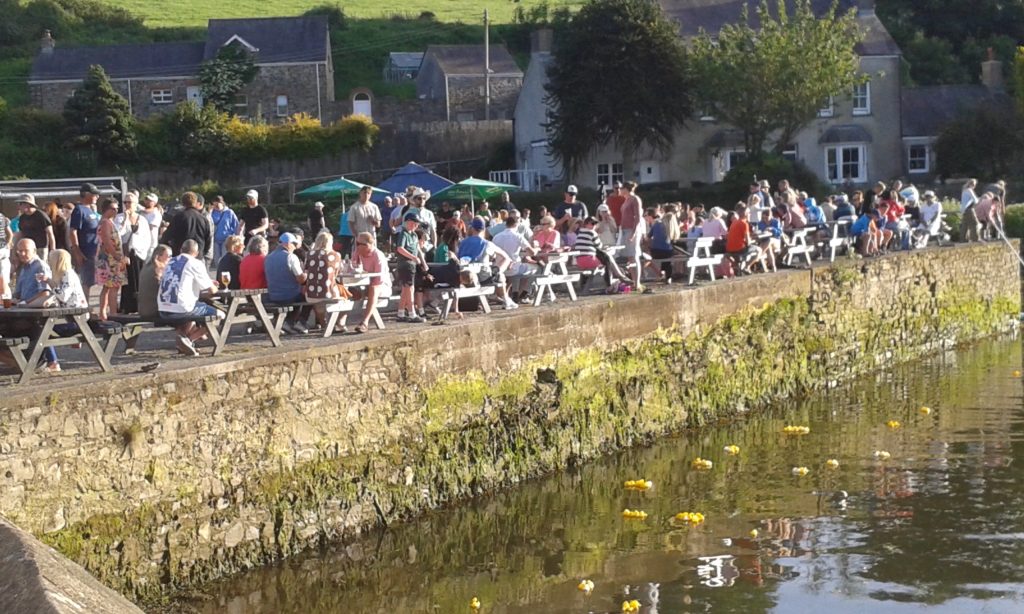
The event, organised by Narberth and Whitland Rotary, saw yellow ducks released onto the water as spectators gathered along the quay to watch the race unfold.
Perfect conditions
ORGANISERS said the tide and weather “could not have been better” for the popular community event.
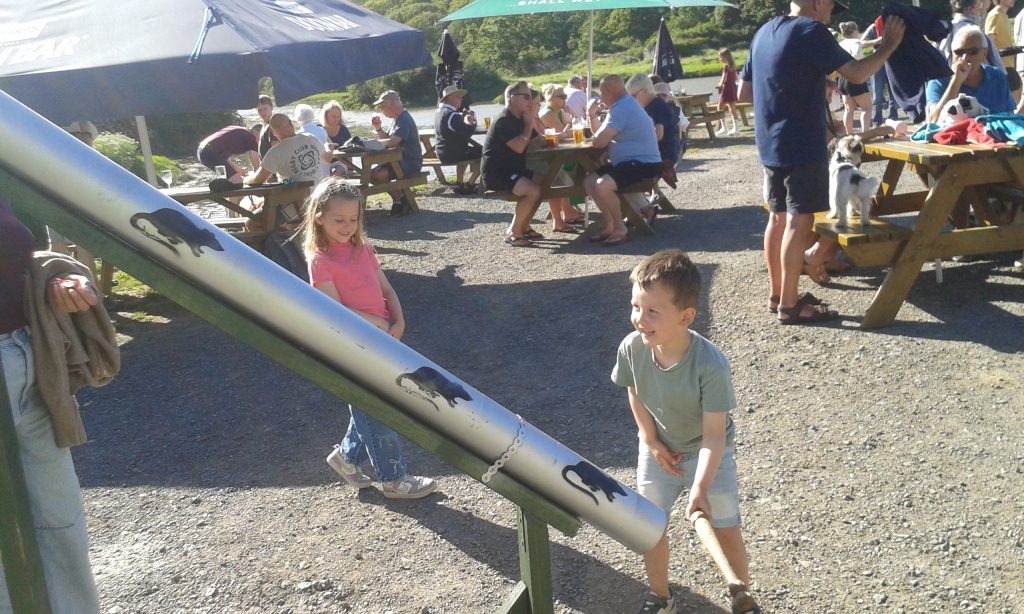
Families enjoyed a relaxed evening of entertainment, food and fundraising, with Bat-A-Rat proving popular with youngsters while adults enjoyed a pig roast, with pork provided by Tom at Andrew Rees Butchers.
Live music from Jack Castle added to the atmosphere as people gathered at the riverside venue.
Thanks to supporters
JOHN Sleigh, of Narberth and Whitland Rotary, thanked everyone who attended and helped make the evening such a success.
He said: “What a fantastic evening. The tide and weather could not have been better for the annual Rotary Duck Race and Pig Roast at Cresswell Quay.
“We thank you all for being there and making the event such a success.”

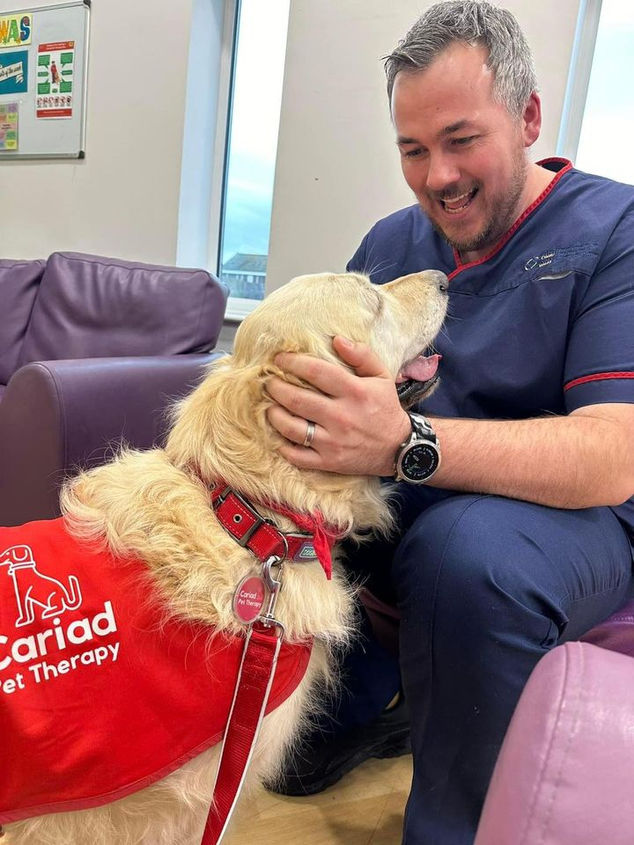
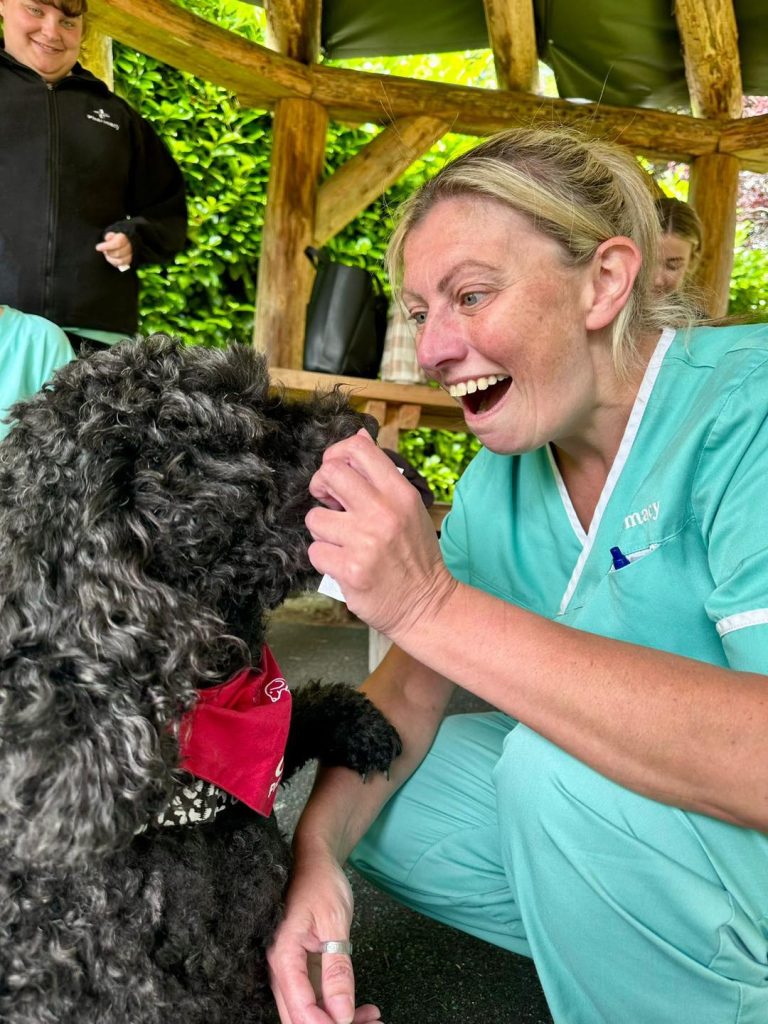
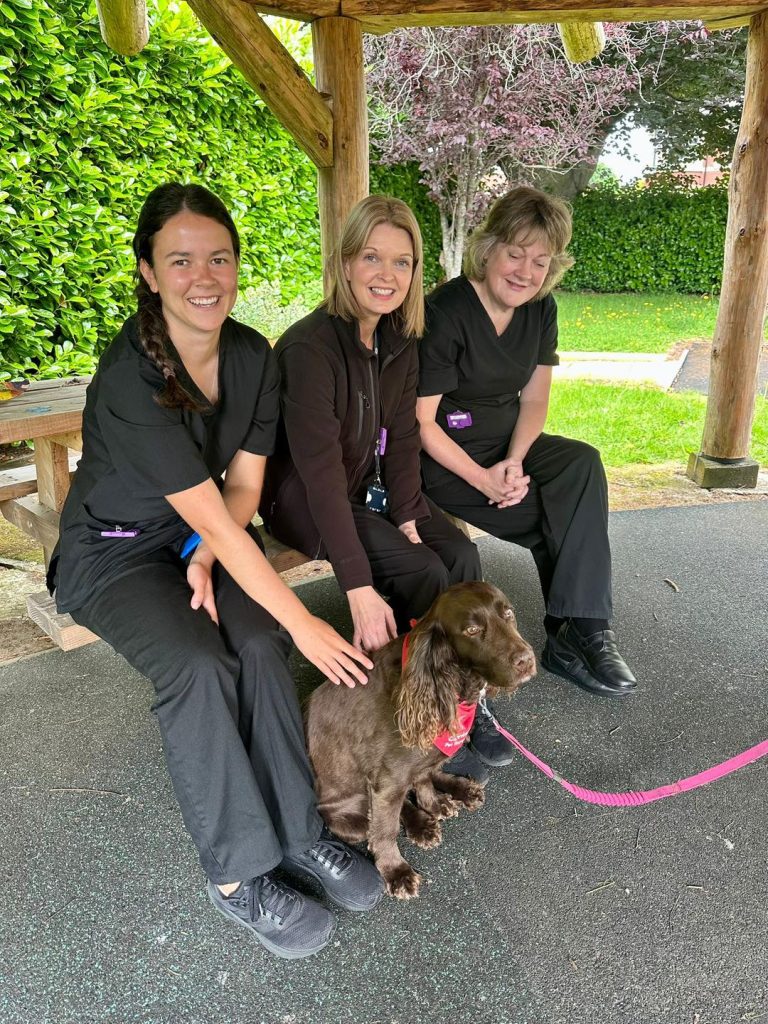
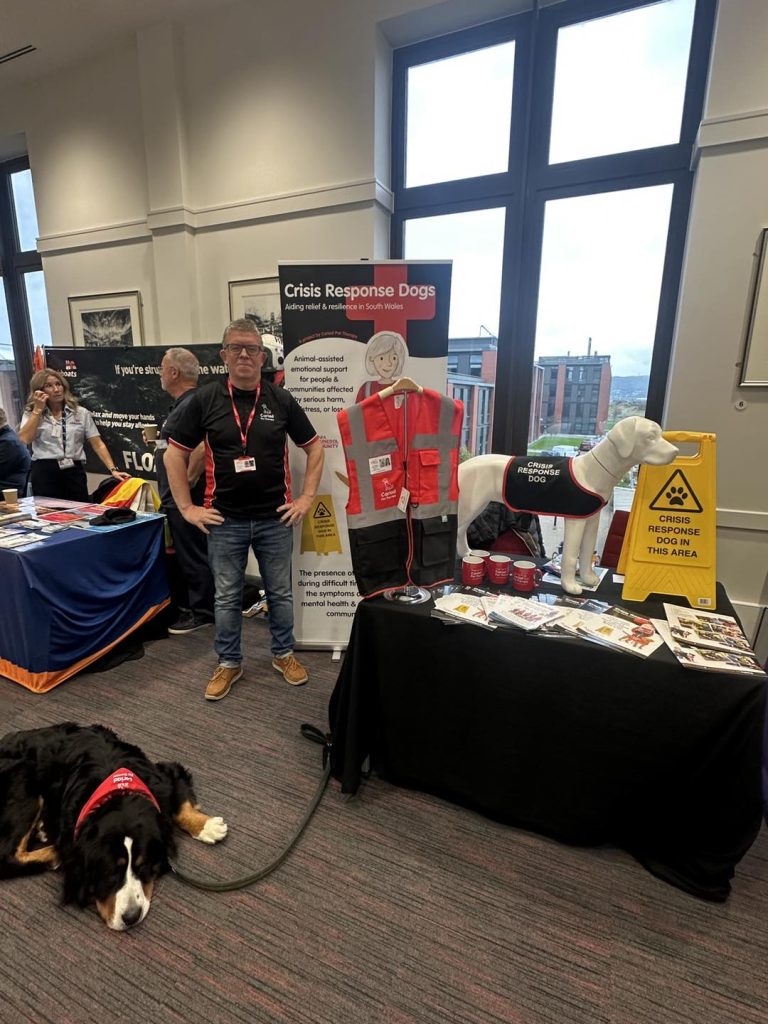
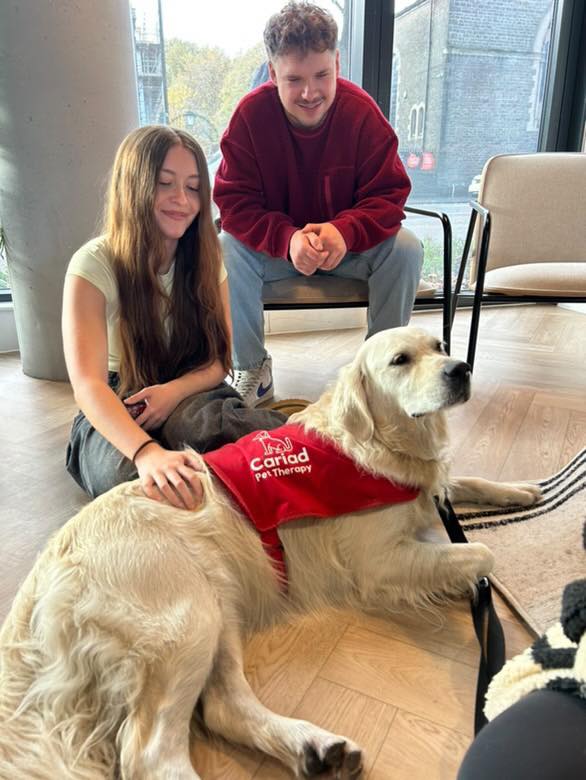
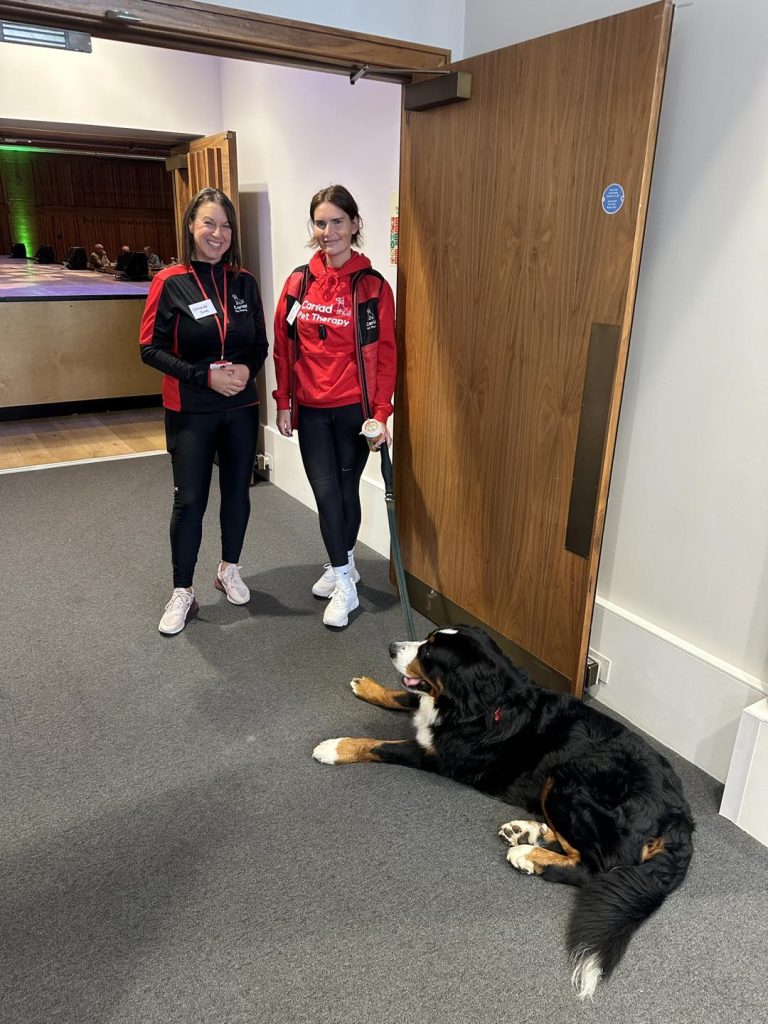
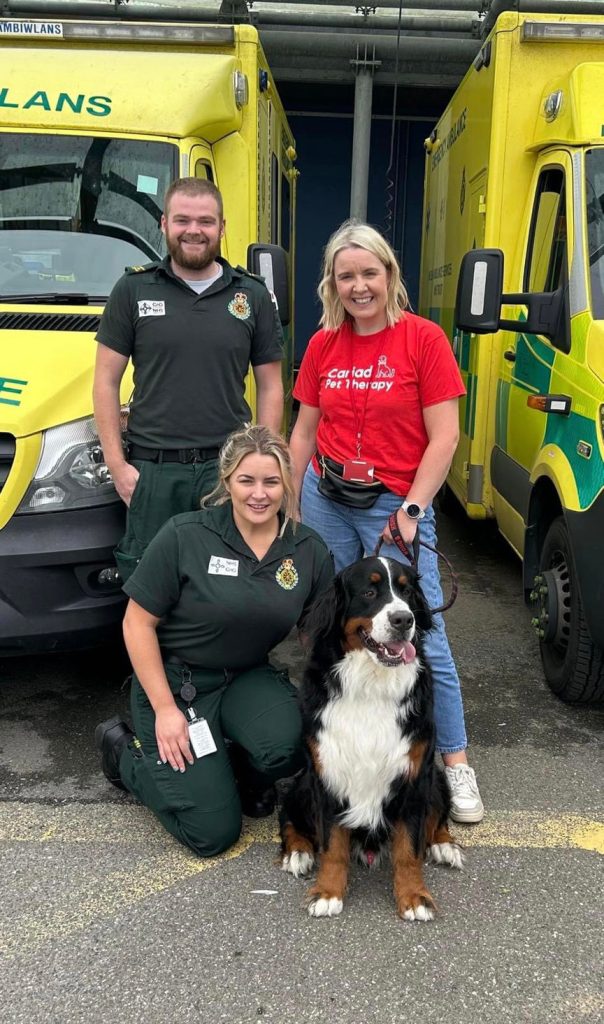
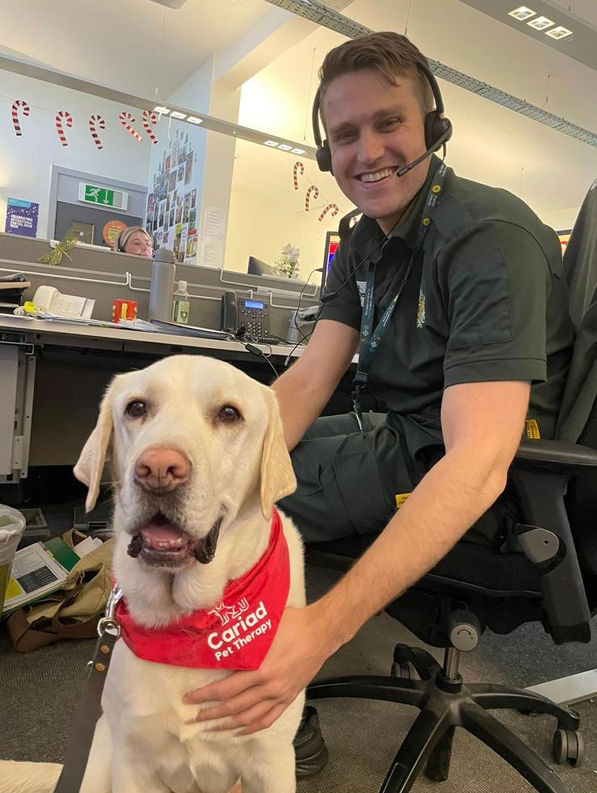
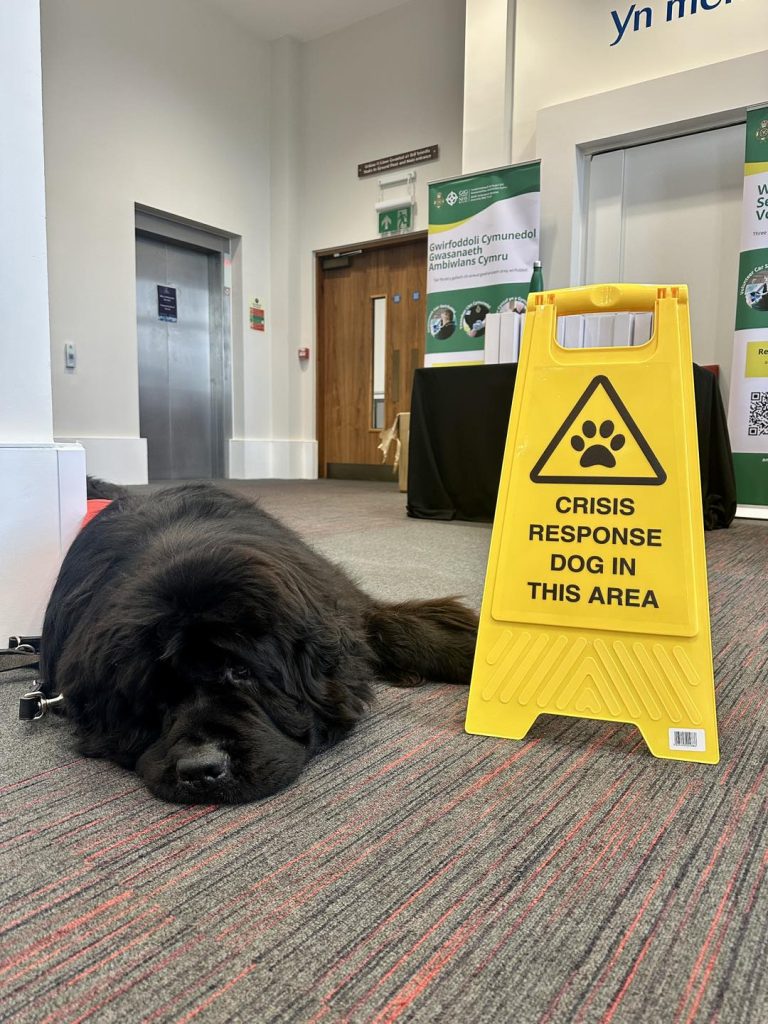
A NEW project using specially trained dogs to support people during moments of trauma, grief and crisis has been launched by Cariad Pet Therapy.
The volunteer-led Crisis Response Dogs project aims to provide comfort, emotional support and compassionate human contact to people experiencing distress, loss or heightened stress.
The dogs and their trained handlers will be able to support people in hospitals, schools, emergency response settings, wellbeing events, relief centres and community support environments.
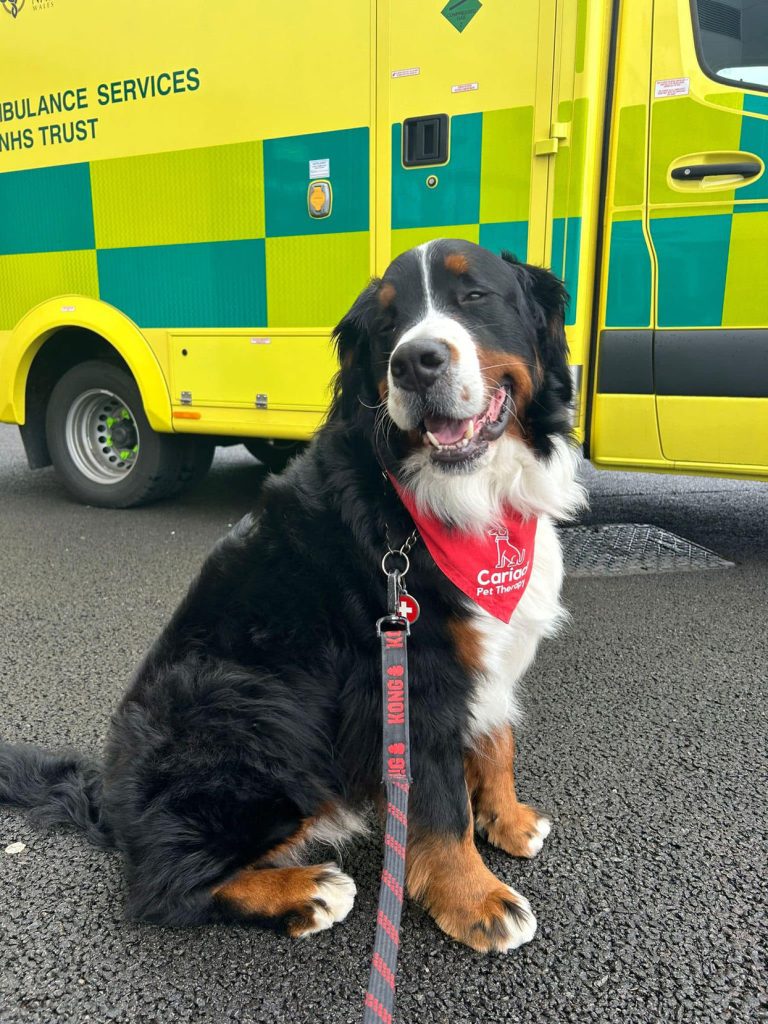
Cariad Pet Therapy says the project is designed to offer a calm and non-judgmental presence at times when people may be struggling to cope.
Volunteers involved in the scheme have undertaken a bespoke training programme, including accredited Mental Health First Aid, Emotional First Aid, Trauma-Informed Practice, Safeguarding, Professional Boundaries, Dynamic Risk Assessment, Dog Welfare, Crisis Awareness, and training in psychological responses to trauma and distress.
The project is also working with emergency management and resilience partners, including the South Wales Local Resilience Forum, to support communities during emergencies, major incidents and recovery situations.
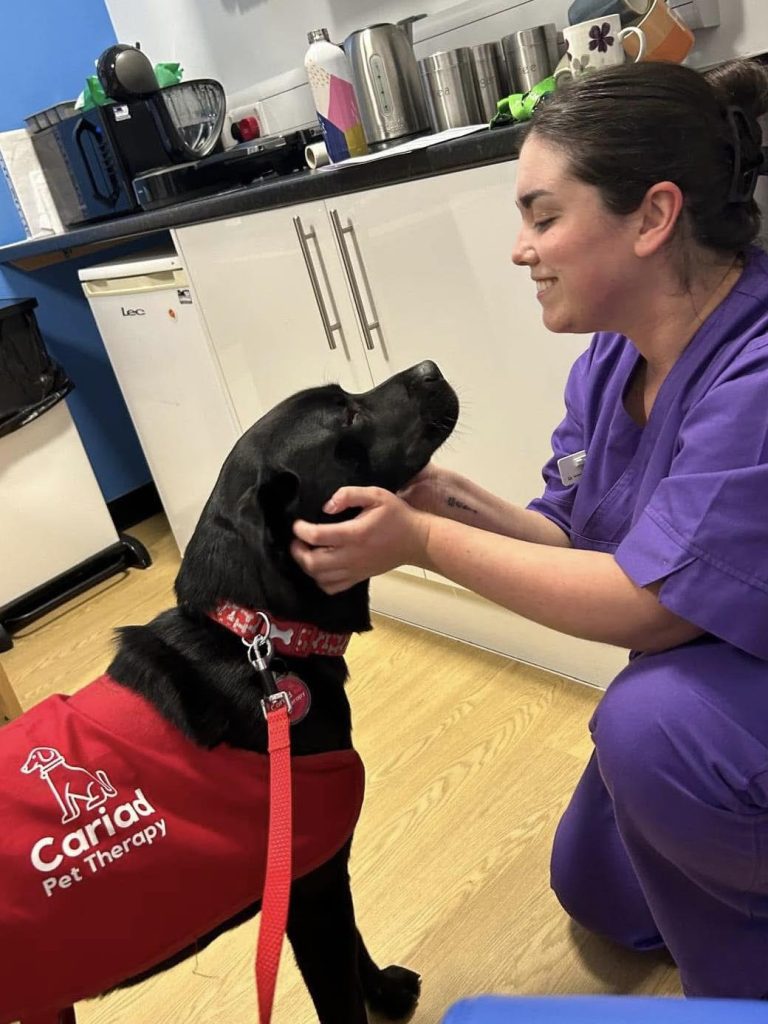
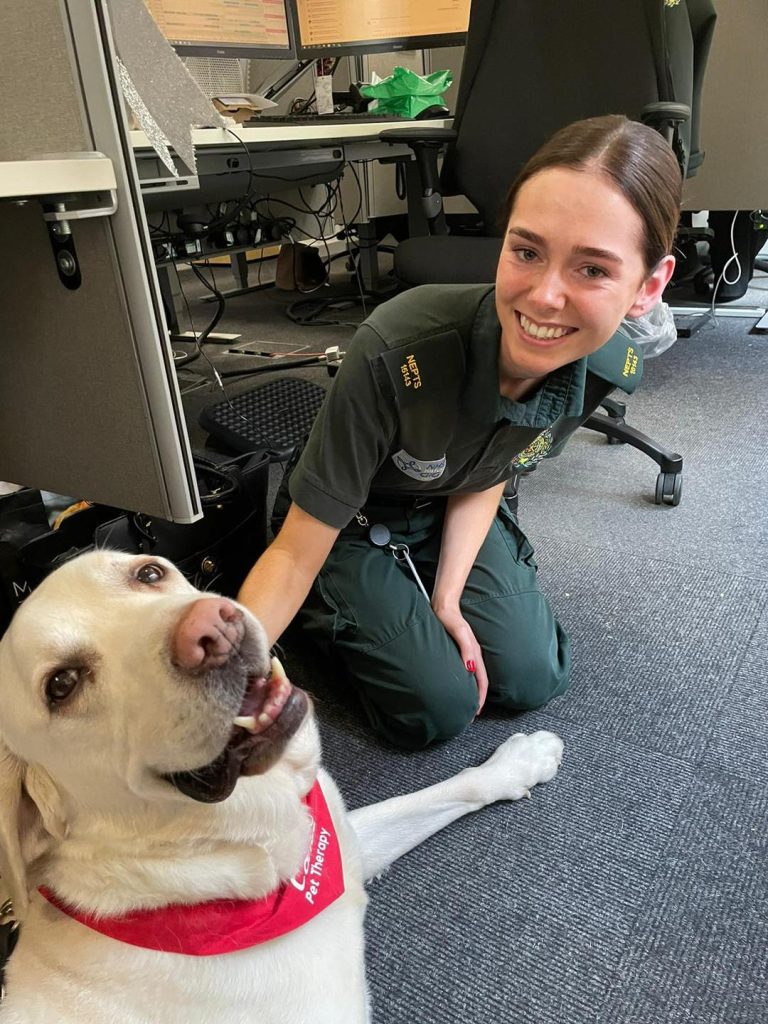





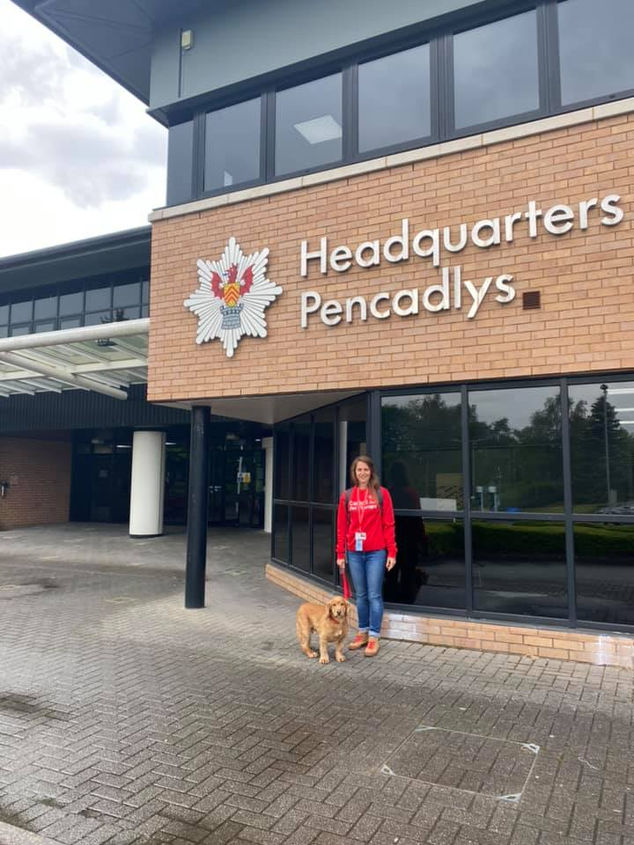

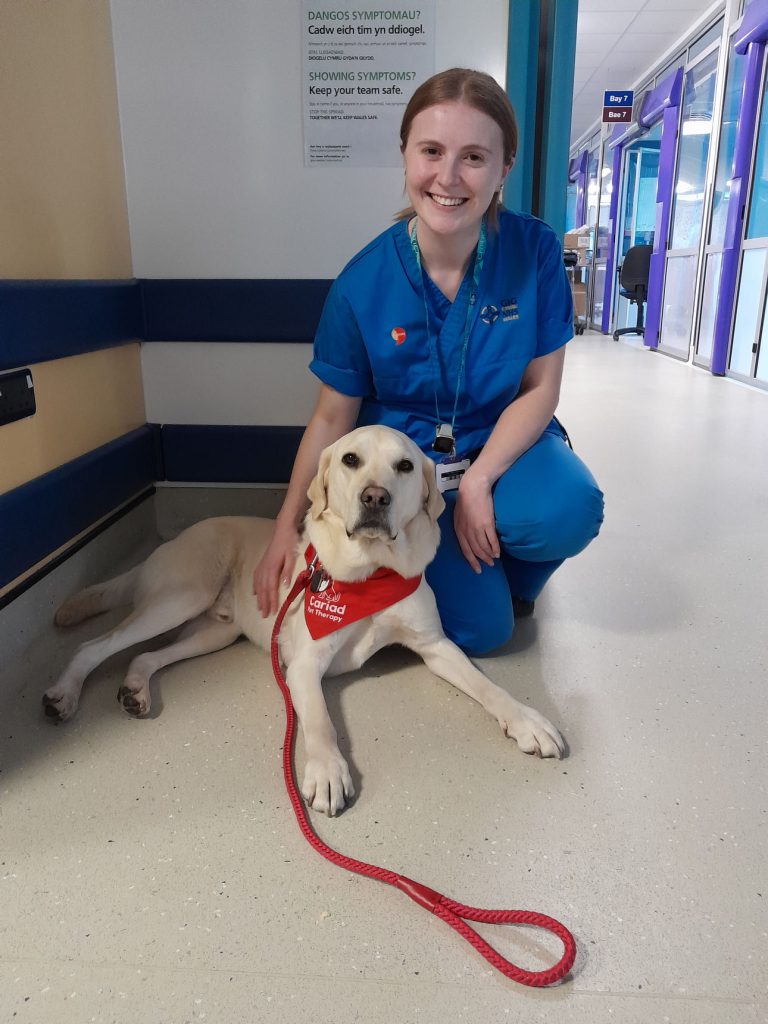
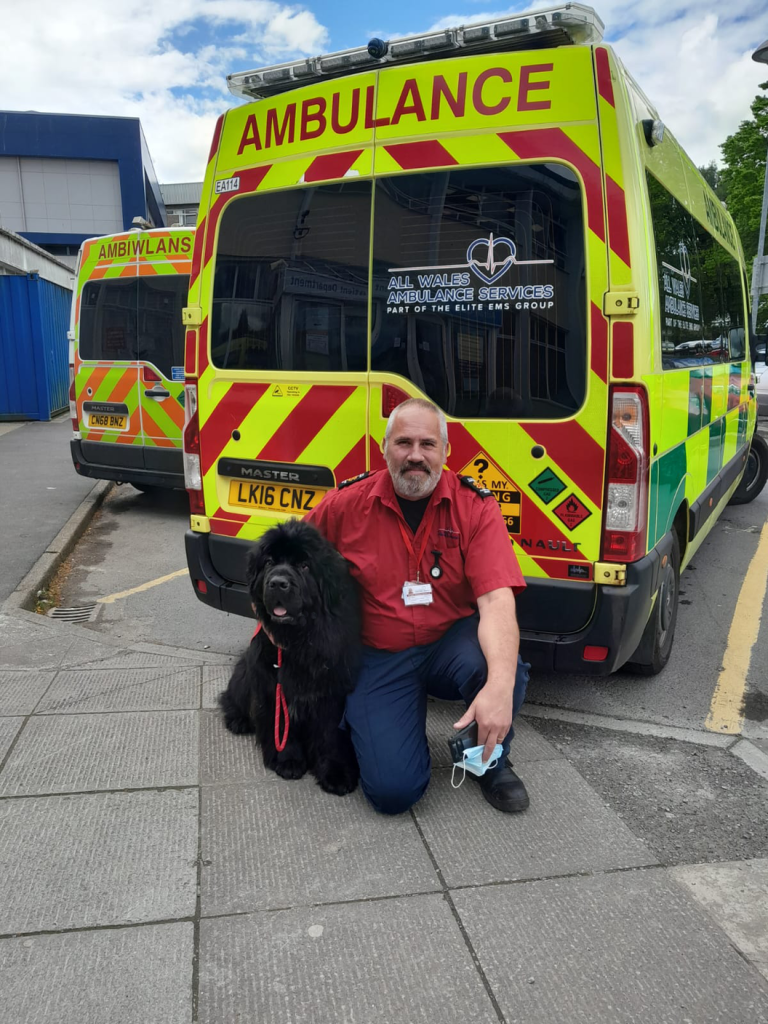
As part of its development, volunteers have attended specialist seminars on suicide prevention, the human-animal relationship, emergency planning and resilience.
Robert Thomas, Crisis Response Dogs lead for the project, said: “We have already witnessed the incredible impact these dogs can have on people facing difficult moments.
“Sometimes a calm presence, a conversation, or simply the comfort of a dog can make someone feel seen, supported, and less alone.”
The project has received funding from The National Lottery.
For more information about Crisis Response Dogs, or to request a deployment, contact Robert Thomas on 01437 609985 or visit www.crisisresponsedogs.co.uk.
Crisis response dogs: Cariad Pet Therapy has launched a new project to support people during trauma, grief and distress across Wales (Pics: Cariad Pet Therapy).

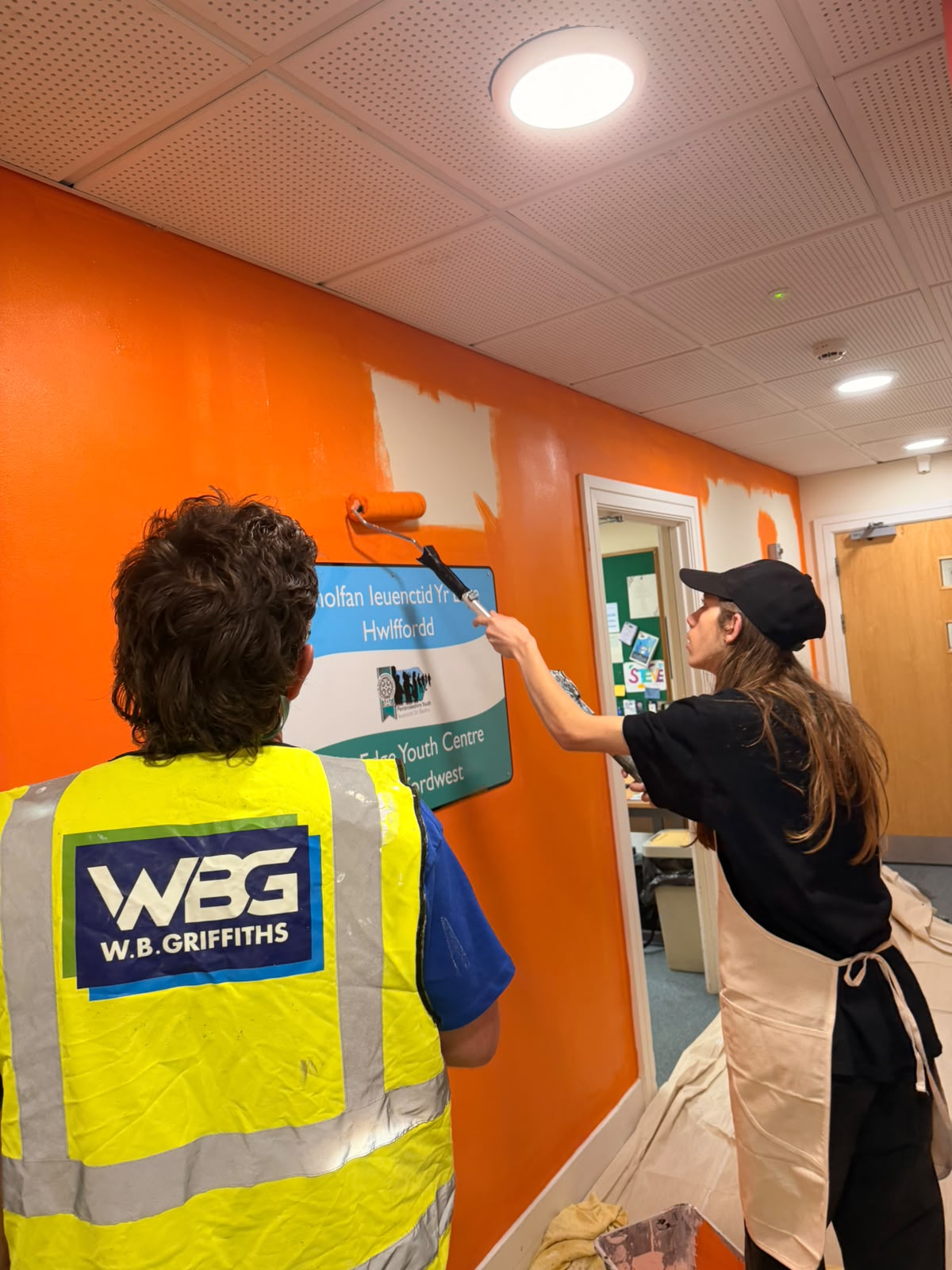
YOUNG people at a Haverfordwest youth centre have helped transform one of its rooms into a bright and welcoming space.
The Edge Youth Centre, Haverfordwest, has thanked W.B Griffiths & Son Ltd for supporting the painting and decorating project, which saw young people work alongside Chris, a painter and decorator from the company.
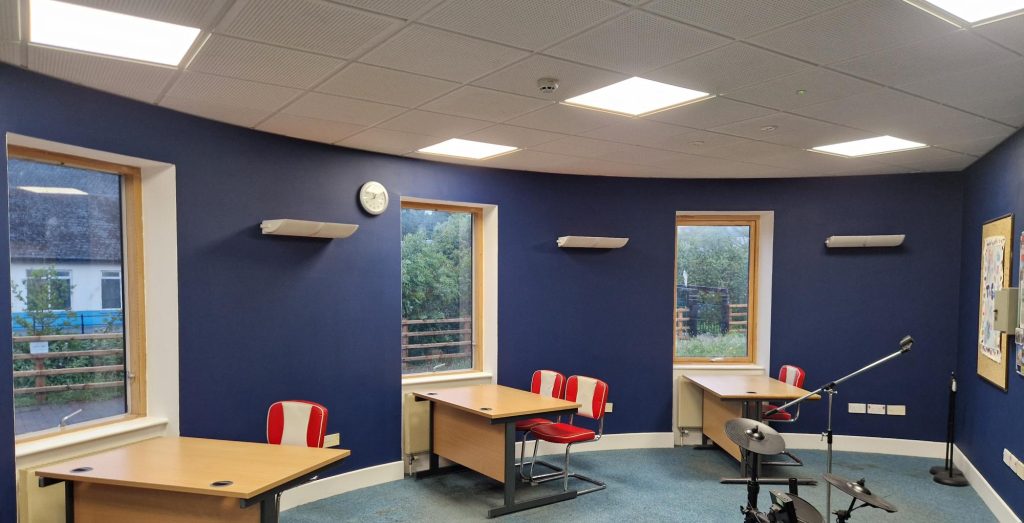
The project has given the room a colourful refresh, creating a cheerful space for young people using the centre.
Rabart Decorators Merchants, Pembroke Dock, also supported the work by supplying the colourful paints.
A spokesperson for The Edge Youth Centre said: “We’d like to extend a huge thank you to W.B Griffiths & Son Ltd for supporting us with the painting and decorating of one of the rooms at our Youth Centre.
“The young people were fortunate enough to work alongside Chris, a painter and decorator from W.B Griffiths & Son Ltd, to transform the room.
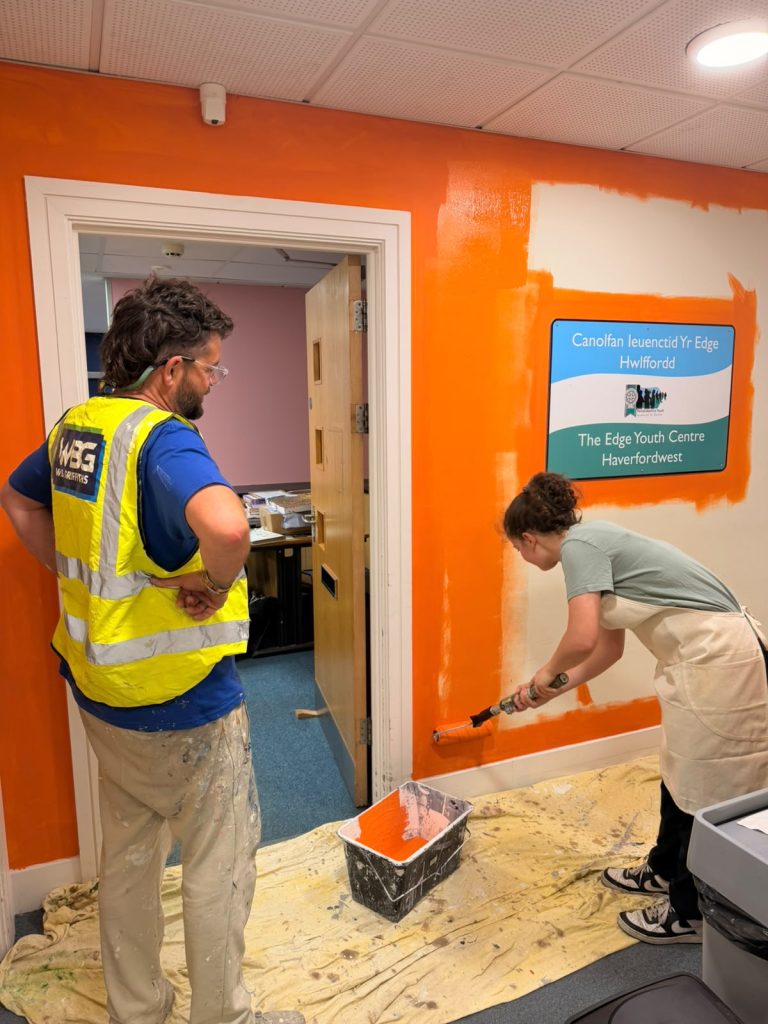
“Thanks to Chris and the young people’s hard work and enthusiasm, the space is now looking bright, welcoming, and cheerful.
“We’d also like to thank Rabart Decorators Merchants, Pembroke Dock, for generously supplying the colourful paints. Your support has helped create a vibrant room that young people can enjoy for years to come.”
The centre added: “Thank you both for your generosity and for helping us create such a positive space for our young people.”
Photo caption: Bright new look: Young people worked alongside W.B Griffiths & Son Ltd to refresh a room at The Edge Youth Centre, Haverfordwest.



News12 hours ago
Council tax shake-up in doubt as Welsh Government reviews reform plans
Questions over 2028 revaluation as ministers reconsider next steps THE FUTURE of council tax reform in Wales has been thrown...

Crime12 hours ago
Paddleboard company owner loses bid to cut sentence over Haverfordwest tragedy
A FORMER paddleboard company owner jailed over the deaths of four people on the Western Cleddau has failed in a...

Community2 days ago
Crisis response dogs launched to support people through trauma and distress
A NEW project using specially trained dogs to support people during moments of trauma, grief and crisis has been launched...


News2 days ago
Major fire breaks out at Tata Steel site in Port Talbot
TATA STEEL has confirmed that a major fire broke out at its Port Talbot steelworks on Wednesday night, with emergency...


Community3 days ago
HMS Erebus tragedy links Pembroke Dock ship to Templeton family
DNA breakthrough identifies cabin boy David Young as exhibition marks 200 years since ship’s launch ON MAY 19, 1845, a...


Community3 days ago
Narberth cash machine closures spark urgent access review
CALLS have been made for an urgent review of access to cash in Narberth after two town centre ATMs were...


Health3 days ago
First Minister quizzed on Welsh NHS pressures in his first-ever FMQs
SENEDD Members pressed the First Minister over the state of the health service in Wales, as the Plaid Cymru leader...


Community4 days ago
Historic paddle steamer Waverley to return to Fishguard this month
THE WORLD’S last seagoing paddle steamer will return to Fishguard this month as part of her annual visit to South...


Local Government4 days ago
National Express use of new Haverfordwest interchange still subject to risk checks
A RUMOUR that National Express coaches may struggle to use Haverfordwest’s new transport interchange has been denied by Pembrokeshire County...


Crime4 days ago
Milford Haven man jailed for illegal Premier League streaming service
A MILFORD HAVEN man who supplied illegal Premier League streams and loaded Firesticks to almost 2,000 customers has been jailed...
-

 Crime3 days ago
Milford Haven man bit neighbour’s neck near cashpoint
-
Crime4 days ago
Milford Haven man jailed for illegal Premier League streaming service
-

 Crime4 days ago
Haverfordwest man admits cocaine offence as Crown disputes basis of plea
-
Crime12 hours ago
Paddleboard company owner loses bid to cut sentence over Haverfordwest tragedy
-
Local Government4 days ago
National Express use of new Haverfordwest interchange still subject to risk checks
-
 Crime3 days ago
Pembroke Dock driver avoided jail after drug-drive crash
-

 Crime3 days ago
Dinas Cross man jailed over shop thefts
-

 Community6 days ago
Charles Street to come alive for Milford Haven Founders Day
jet charter boca
December 26, 2025 at 9:13 pm
I enjoyed reading this. It’s clear and well-written.