


News
Llangwm: Pembrokeshire solicitor struck-off for preying on the dead

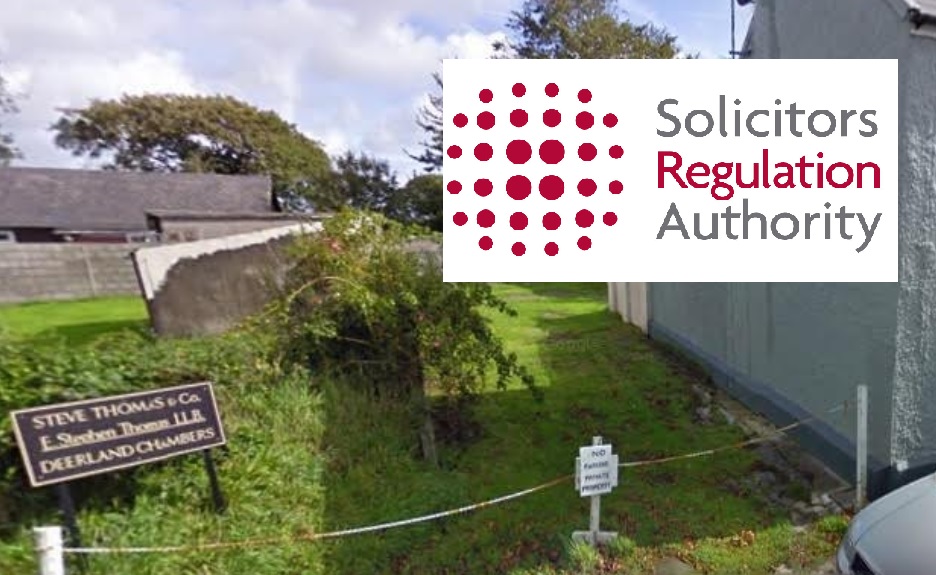

Sign for Steve Thomas & Co in Llangwm (Pic: Google Streetview)
EXCLUSIVE
A PEMBROKESHIRE solicitor has been struck off the roll by the Solicitor’s Disciplinary Tribunal for dishonestly transferring money from the estates of deceased clients to his firm’s office account.
Edgar Stephen George Thomas of Steve Thomas & Co Solicitors, Deerland Chambers, Llangwm, Haverfordwest attended a hearing in London between March 14-16. Thomas represented himself.
The Solicitors Regulation Authority was represented by Mr Edward Levey, a barrister from Fountain Court Chambers, London.
The sum identified as missing from client’s accounts was £144,326.25

ALLEGATION
The allegations against Thomas were that he failed to provide adequate or accurate information to clients about likely overall costs at the outset of matters or throughout the conduct of them where required, and thereby breached rules and transferred sums from his Client Account to his Office Account in respect of his fees otherwise than in accordance with Rule 19 of the Solicitors’ Accounts Rules 1998
The tribunal also head that on or about 16 June 2014, Thomas provided misleading information to a client as to the reasons for delay in distributing the proceeds of an estate.
APPLICATION TO ADJOURN

At the start of the hearing Thomas said he wanted an adjournment as he had not seen all the documents. He accepted that the application to adjourn should have been made at an earlier stage, however he only became aware of this on reading the Tribunal’s practice note on adjournments, which he had read for the first time that morning. The Respondent accepted what was contained in the note, and asked the Tribunal to exercise its discretion in allowing an adjournment. Further, in view of the length of time of these proceedings, there was no real urgency. He no longer held a practising certificate, and had not worked since July 2014. He had not held himself out to be a solicitor, and did not hold any client money. In the circumstances, there would be no prejudice in adjourning the proceedings.
Mr Levey submitted that the position was entirely unsatisfactory, and that the case should proceed. The Respondent had failed to file and serve his own documents, despite numerous directions requiring him to do so, which left the Applicant in the position of opening and presenting its case, without knowing what the Respondent’s case was. Mr Levey did not accept that there was anything further to be disclosed to the Respondent, and submitted that his application to adjourn on the basis of lack of disclosure was total obfuscation and an attempt to avoid dealing with the issues.
The Respondent told the Tribunal he had been arrested by Dyfed-Powys police in relation to these matters, and remained on police bail. He was due to return to the police station in May 2016. He understood that the police were still carrying out enquiries, but that they could attend to arrest him at any time before his bail to return date. Given that, the possibility of criminal proceedings was imminent.

THE LOCAL PAPERS
The Respondent explained that he lived in a small rural community, and that the outcome of the proceedings was sure to make the local papers. If the allegations against him were found proved, then his community would see the findings, making it impossible for him to have a fair trial. The Respondent apologised for the lateness of the application. He explained that he had not previously had the benefit of legal advice, but having recently contacted solicitors, he was advised that he should seek to adjourn these proceedings until the outcome of the criminal matter. Mr Levey submitted that as the Respondent had not yet been charged, there was no possible basis, under the Tribunal’s practice direction, to justify adjourning the hearing; charges had not yet been laid so criminal proceedings could not be described as “imminent”. The Applicant had contacted Dyfed-Powys police with a view to ascertaining how they intended to proceed. Unfortunately, no response had been received from them, and the Applicant was unable to provide any update to the Tribunal. The Tribunal refused the Respondent’s application to adjourn the hearing.
Thomas explained that he had set up his firm as a sole practitioner in 2005. As a result of advice from his accountant, he changed the firm to a company. He was the only person in his practice who dealt with the probate matters which were the subject of the allegations. He denied that he had overcharged his clients, stating that he “honestly and truly believe that the charges were correct.” The cash shortage of £144,326.25 identified by the investigator in his first report had been rectified by the Respondent delivering bills of costs to the clients.
COMPLETELY CULPABLE
The Tribunal found the Respondent to be completely culpable for the breaches; the misconduct having arisen as a direct result of his sole actions. The Respondent was wholly responsible for the transfers and was the only fee earner with conduct of the matters. The Respondent was an experienced solicitor, who disregarded the regulations put in place to protect his clients. He utilised the funds in his client account in such a way as to demonstrate that he did not believe that he was accountable to his clients. His actions were planned and calculated. Of most concern was the blatant dishonesty he had displayed in abusing his position of trust. He deliberately and calculatedly delayed in distributing in full a number of estates, and during the delay drew down on the monies in those estates. The Tribunal found that in acting in the way that he did, the Respondent had caused harm not only to his clients and beneficiaries, but also to the trust the public places in the profession and the provision of legal services.
The Tribunal Ordered that the Respondent, Edgar Stephen George Thomas, solicitor, be struck off the Roll of Solicitors and it further he do pay costs of £76,000.00.


Steffan Rhodri and Mark Lewis Jones lead major Welsh production as cameras roll in the famous seaside town
TENBY is preparing for a spell in the television spotlight after filming got under way on a major new BBC crime drama set in the heart of the resort town.
Old Town Murders, a new six-part series for BBC One, BBC iPlayer and BBC Cymru Wales, stars Steffan Rhodri and Mark Lewis Jones as two detectives drawn together by personal loss and a string of suspicious deaths in a seemingly idyllic seaside community. The production is being made by Quay Street Productions and is being filmed in Tenby, Cardiff and along the South Wales coastline.
For Pembrokeshire, the announcement is more than just another television commission. It places one of Wales’ best-known coastal towns at the centre of a prime-time BBC drama and offers the kind of exposure that local tourism figures, businesses and residents will immediately recognise.
Tenby’s harbour, narrow streets and postcard setting have long made it one of the country’s most recognisable destinations. Now they are set to become the backdrop to murder, mystery and dark humour for audiences across the UK and beyond.
The series pairs two of Wales’ most recognisable acting talents. Rhodri remains best known to many viewers as Dave Coaches from Gavin and Stacey, while Mark Lewis Jones has built a formidable screen career through roles in productions including The Crown, Keeping Faith and Baby Reindeer.

In Old Town Murders they play DS Sion Dearden and DI Glyn Walsh, two detectives who find themselves thrown together while investigating a series of unusual killings in a close-knit seaside town.
Among the cases promised in the series are the mysterious death of a university professor, the poisoning of a head teacher during a wild swim, and a fatal mix-up linked to a triathlon.
The tone, however, is not being pitched as relentlessly bleak. Instead, the show is being described as witty, twisty and full of warmth, with friendship, second chances and reinvention forming the emotional core of the story.
That may prove to be one of the drama’s biggest strengths. Crime series have become one of television’s most dependable genres, but Old Town Murders appears to be aiming for something slightly different — a coastal whodunnit with a strong Welsh identity, recognisable locations and a central partnership built as much on character as on corpses.

The creative team behind it is also distinctly Welsh. The series has been created and written by Matthew Barry, whose recent credits include Men Up and The Guest. Barry has said he wrote the roles specifically for Rhodri and Lewis Jones after working with them before, suggesting the chemistry between the two leads will be central to the series’ success.
Supporting cast members include James Bamford, Bethan Mary-James, Catherine Ayers and Julie Graham, adding further weight to a production that is already shaping up as one of the BBC’s most notable new Welsh commissions.
There is also an economic angle. The production has support from Creative Wales, meaning the series is not only showcasing West Wales on screen but contributing to the wider Welsh creative economy through jobs and production spend.

No transmission date has yet been announced, but with filming now under way, excitement is likely to build as more residents spot cameras, cast and crew around the town.
For local people, that is part of the appeal. This is not a drama merely inspired by the Welsh coast. It is being made in Wales, by Welsh talent, with Tenby right at the centre of it.
For Pembrokeshire audiences, that alone makes Old Town Murders one to watch.
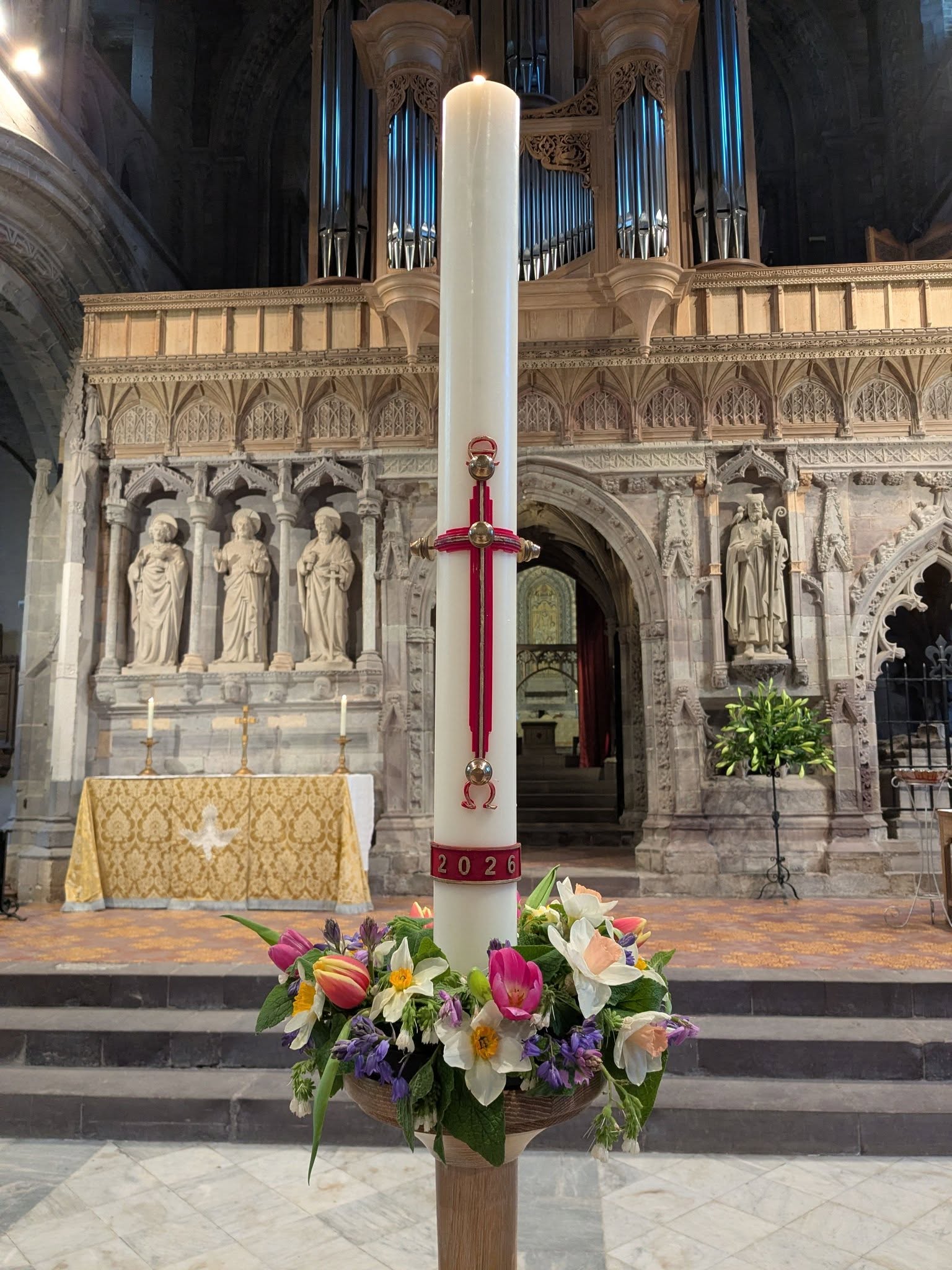
FROM dawn vigil to choral evensong, the cathedral welcomed worshippers for one of the most important days in the Christian calendar
ST DAVIDS Cathedral marked Easter Sunday (Apr 5) with a full programme of worship, music and celebration.
The day began at 6:00am with the Easter Vigil at the West Front and Nave, sung by the Vicars Choral and Choral Scholars. The service included the lighting of the Easter candle, readings and the first Eucharist of Easter morning.

Worship continued later in the morning with Holy Eucharist at the High Altar at 8:00am, followed by Cymun y Plwyf in the Lady Chapel at 9:30am.
The main Easter Day service took place at 11:00am in the Nave with a Choral Eucharist sung by the Cathedral Choir. The service featured Easter hymns and music, with the Bishop presiding and preaching.
The cathedral’s Easter Sunday celebrations concluded at 4:00pm with Choral Evensong in the Nave, again sung by the Cathedral Choir.
The programme formed part of St Davids Cathedral’s observance of Holy Week and the First Week of Easter, with worshippers and visitors gathering for one of the most significant days in the Church calendar.
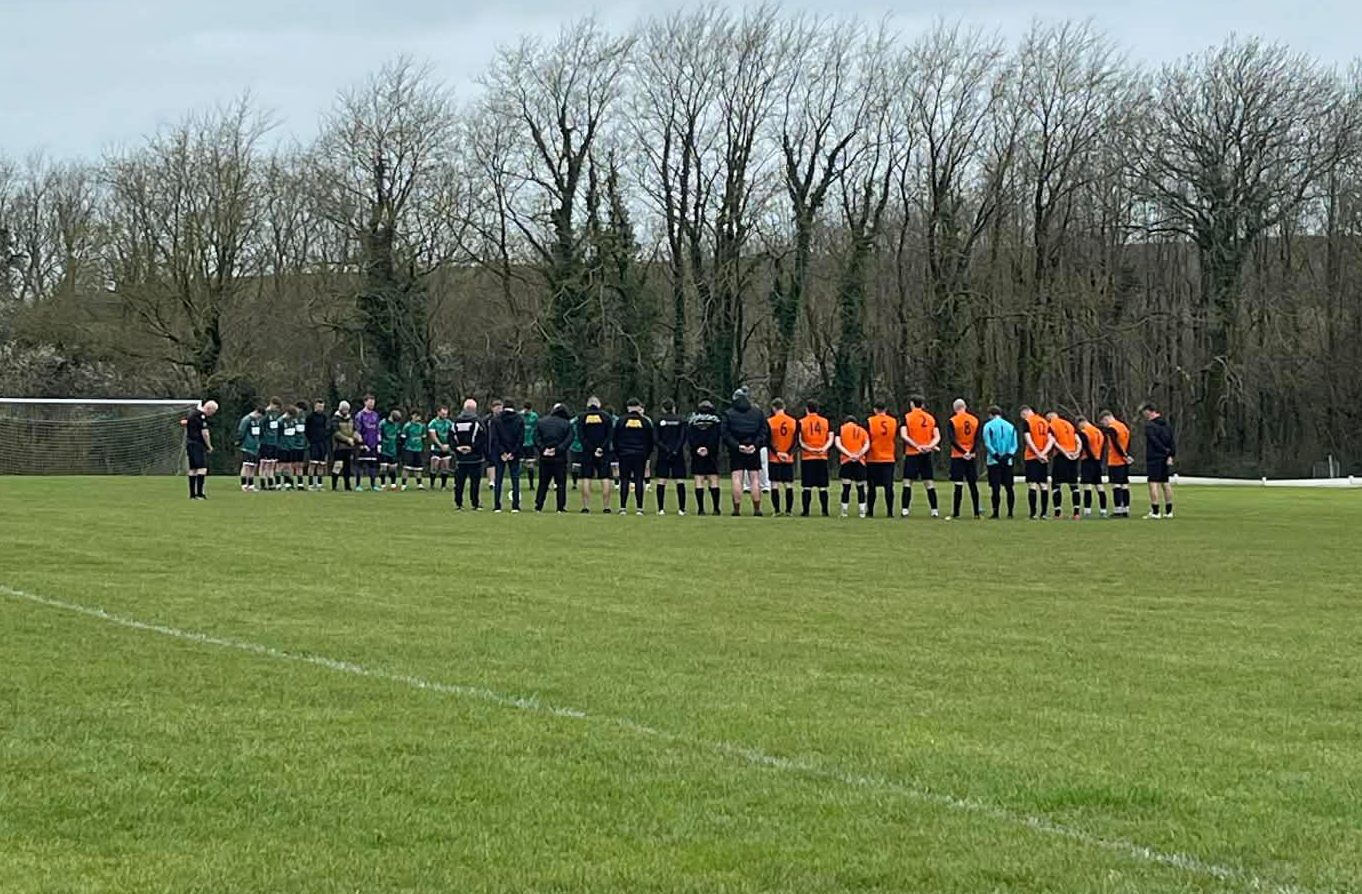
Community rallies around grieving family as club honours much-loved player at weekend fixture
JOHNSTON FC paid an emotional tribute at the weekend to Rhyan Nolan after his sudden death at the age of 27.
The club marked the occasion with a flawlessly observed minute’s silence before kick-off, as both teams, officials and supporters came together in his memory.
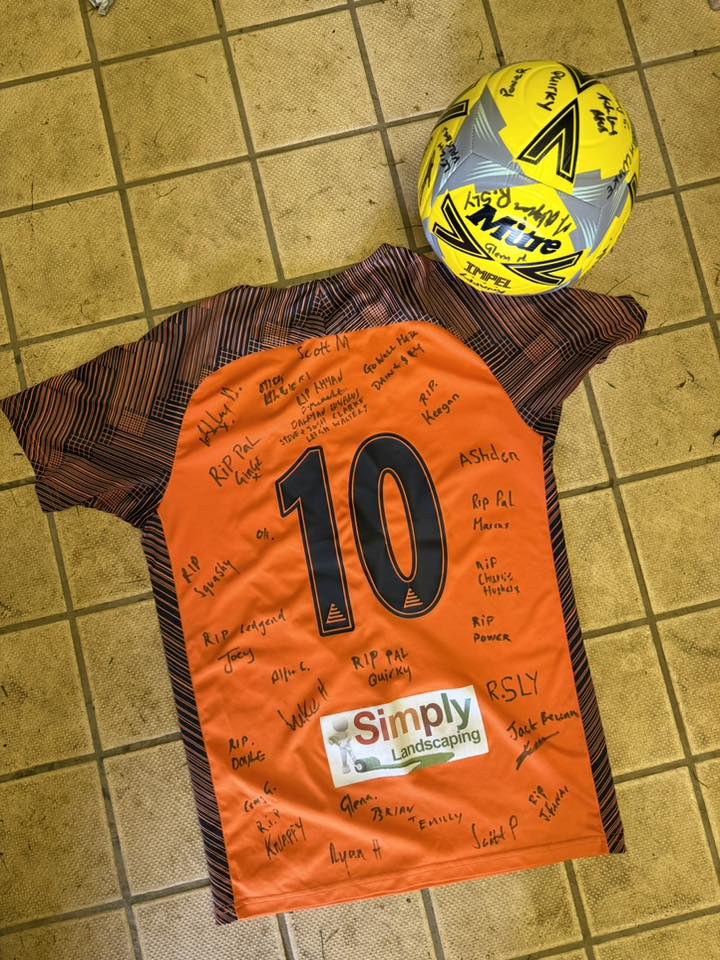
A signed match ball and Rhyan’s much-worn number ten shirt, covered in messages from team-mates and friends, were also prepared to be handed to his family, who were present for the tribute.
The death of Rhyan has sent shockwaves through the local community, with many gathering around his loved ones in the days since the devastating news emerged.
A fundraiser set up on GoFundMe says his family received the heartbreaking news on Monday that they had lost their “precious, loving son and brother” suddenly at such a young age.
The appeal names his close family as Nichola, Shamus, Brandon, Callum and Lilly, and says relatives are hoping to ease the financial burden while giving Rhyan the send-off he deserves.
It states: “Rhyan deserves a celebration of his short life.”
Johnston FC said it had been a difficult week for all those who knew and loved him, but said it had also been heartwarming to see such an outpouring of love at the match.
The club thanked everyone who helped make the tribute possible, along with those who had sent messages of support and donated towards helping the family.
Photographs shared after the game showed the scale of the moment, with both sides lined up in silence and the orange number ten shirt left covered in handwritten tributes.
For many in attendance, it was a powerful and deeply personal farewell to a young man clearly held in enormous affection.
A GoFundMe appeal has now been launched to support the Nolan family.



News16 hours ago
St Davids Cathedral marked Easter Sunday with full day of worship
FROM dawn vigil to choral evensong, the cathedral welcomed worshippers for one of the most important days in the Christian...


Crime17 hours ago
Neyland man spared immediate jail over aggravated vehicle taking
Defendant given a suspended prison sentence after magistrates heard the offence was serious enough to cross the custody threshold KRISTIAN...


Health1 day ago
Crumbling NHS faces £1bn repairs bill in Wales
Senedd election promises collide with the harsh reality of ageing hospitals, fire safety concerns and a maintenance crisis stretching across...


News2 days ago
Emergency services respond to incident in Haverfordwest town centre
EMERGENCY SERVICES were called to an incident in Haverfordwest town centre on Saturday morning (Apr 4), with police and ambulance...

News2 days ago
Teenager intervenes after bridge incident
A TEENAGER was left shaken after stepping in to help a young woman in distress on Clay Lanes bridge in...


Crime4 days ago
Driver spared jail after crash killed young couple
A PEMBROKE DOCK driver who caused the deaths of a young couple in a road crash has been given a...


Entertainment4 days ago
BBC unveils major new Welsh dramas with Tenby set for prime-time spotlight
New crime series Old Town Murders and supernatural thriller The Witch Farm will both be filmed and set in Wales...


Health4 days ago
No jobs for new paramedics in Wales as graduates told to apply for technician roles
Students trained at public expense urged to take lower-grade jobs as anger grows over NHS workforce planning NEWLY qualified paramedics...


News5 days ago
Health minister refuses to act on Withybush despite 15,000-signature petition
Senedd pressure grows as Welsh Government declines to intervene over surgery fears THE WELSH GOVERNMENT has refused to step in...


Business5 days ago
Fishguard to Wexford rail tunnel plan backed by Elon Musk firm
Six-hour London to Dublin service proposed in £32bn project ahead of Senedd election PLANS for a rail tunnel linking west...
-

 News3 days ago
Accommodation providers in Wales will be required to register under new law
-
Business5 days ago
Fishguard to Wexford rail tunnel plan backed by Elon Musk firm
-

 Entertainment3 days ago
From Milford Haven to the world: The story of The Evolution Experience
-
Entertainment4 days ago
BBC unveils major new Welsh dramas with Tenby set for prime-time spotlight
-

 Charity7 days ago
RSPCA calls for stronger animal welfare measures as Welsh Labour launches manifesto
-

 News6 days ago
Labour promises 48-hour GP access as manifesto faces questions over delivery
-

 Crime6 days ago
Driver trapped after crash while nearly four times over drink-drive limit
-
 Business5 days ago
Refusal over Pembrokeshire shepherd hut let goes to appeal