


News
Police swoop finds caged dogs

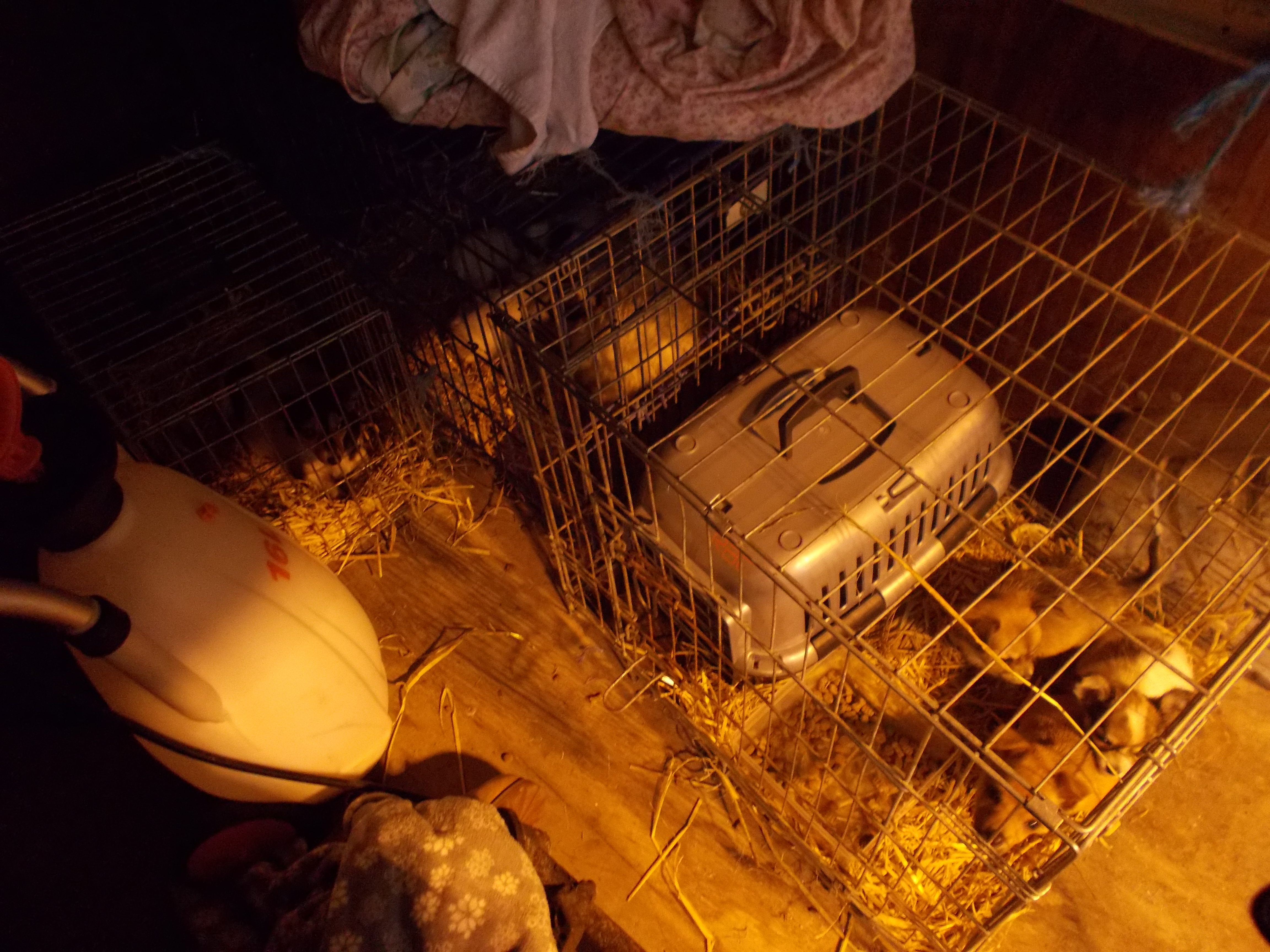
 WHEN Fishguard Port police stopped and searched a transit van when it arrived from Rosslare last September, they discovered almost a dozen dogs in blanket-covered cages.
The two bitches and nine puppies – destined for London – were seized by Pembrokeshire County Council’s Animal Health and Welfare Officers and placed in quarantine at a local kennel as the owner did not have the necessary documentation.
The officers arranged for the animals to be examined by a vet who found them in poor condition and full of worms.
The vet also concluded that two of the pups were too young to be transported without their mother and, a short time later, one of them died.
While at the kennels the surviving dogs were given the necessary care and vaccinations.

At Haverfordwest magistrates on Wednesday (Aug 24), the driver of the van, mother of six Martina O’Brien from Surrey, admitted two Animal Welfare offences.
She was fined £180 for each offence but this was reduced to £120 because of an early guilty plea. Full costs of £2,115.40 were also awarded, together with a £20 victim surcharge making a total of £2,375.40. She will pay at a rate of £10 per fortnight.
O’Brien appeared before the court after a warrant was issued for her arrest having failed to appear before magistrates earlier this year.
Her solicitor, Jonathan Webb, said she had failed to attend court initially because she was fleeing domestic violence.

Mr Webb said the defendant had relied on the word of the person who had sold her the dogs that they had been weaned and wormed.
He added that O’Brien had pleaded guilty at the earliest opportunity for which she should be given credit.
After the hearing, Pembrokeshire County Council’s Cabinet Member for Environmental and Regulatory Services, Huw George, said the Authority would not tolerate any illegal landing of dogs through any port in Pembrokeshire.

“Regular checks are carried out to ensure that all dogs transported through the ports have the correct documentation with them” said Councillor George.
“Fortunately, in this case, the story does have a happy ending. All the remaining dogs and puppies have since been rehomed.”


Students to get wider access to EMA support
MORE students in Pembrokeshire could soon qualify for a £40-a-week education grant as the Welsh Government expands eligibility for the Education Maintenance Allowance.
From September, an extra 1,500 students aged 16 to 18 across Wales will be able to claim the weekly payment, which is designed to help young people stay on in education.
Eluned Morgan MS welcomed the change, saying it would allow more families in Pembrokeshire to benefit from the support.
She said: “Wales already has the most generous EMA offer in the UK. Under a Tory government it was scrapped in England, while Scotland and Northern Ireland offer students less money than in Wales.
“EMA helps young people with costs like books, transport and meals – all things which can affect the cost of living for families.
“Every young person deserves the opportunity to reach their potential, so I am proud that, because of Welsh Labour choices, more students will be supported to do so.”
More than 18,000 students in Wales currently receive EMA, which is available to learners aged 16 to 18 from households below a set income threshold.
The Welsh Government said the latest expansion will mean even more young people can access weekly support from September.
Eluned Morgan said: “The Welsh EMA is breaking down barriers for learners in Pembrokeshire. Everybody deserves an equal opportunity to access education, and providing £40 a week to those eligible is one of the ways in which the Welsh Labour Government is making this a reality.

“Hundreds of learners in Pembrokeshire claim their EMA every year. At £40 a week, Welsh Labour delivers the most generous offer in the UK.
“I know this money makes a real difference for students and their families with the cost of living.
“And, of course, the Welsh Government’s £1 bus fare scheme for young people is helping to make the EMA go even further for families across Pembrokeshire.

“I would urge all 16 to 18-year-olds and their families in the county to take a few minutes to check whether they qualify for support.”
EMA can be used to help with education-related costs including transport, meals and study supplies.
Applications for the new EMA offer open on Monday (Apr 27).
Students and families can check eligibility and apply through Student Finance Wales, or speak to their school or college.
If you want, I can also turn this into a fuller Pembrokeshire Herald article with headline and subheading.
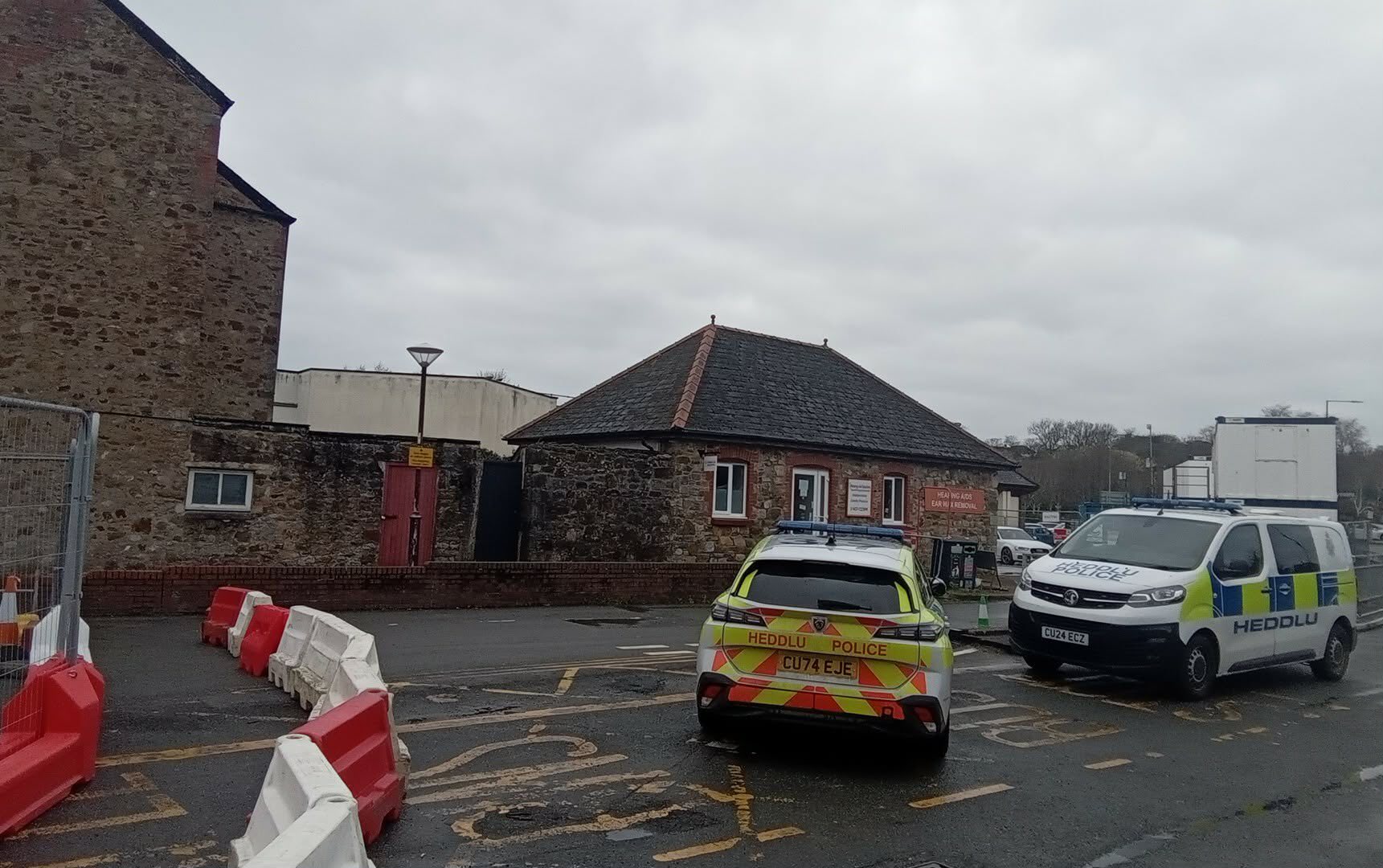
EMERGENCY SERVICES were called to an incident in Haverfordwest town centre on Saturday morning (Apr 4), with police and ambulance crews attending near County Sports.
Pedestrians were asked to avoid part of the area while the incident was being dealt with, causing some disruption in the town centre.
A witness told The Herald they were walking towards Old Bridge when they were stopped from going through.
The witness said: “I was walking towards the Old Bridge and was told that I had to go around due to a medical emergency.”
The nature of the incident has not yet been officially confirmed.

The Herald understands the emergency response remained in place for some time as crews dealt with the situation.
We have contacted Dyfed-Powys Police for comment.

A TEENAGER was left shaken after stepping in to help a young woman in distress on Clay Lanes bridge in the early hours of Saturday morning.
The Herald understands the 18-year-old was walking through Clay Lanes at around 4:10am when he noticed a young woman standing on the road bridge over the bypass.
Concerned that something was wrong, he approached her and tried to engage her in conversation. When she remained polite but dismissive, he walked a short distance away and called police before returning to stay nearby.
According to information passed to The Herald, officers arrived a short time later. It is understood the young woman then attempted to go over the bridge, but the teenager pulled her back to safety as police responded and called for further assistance.
His father, who contacted The Herald, said the young man had been badly shaken by the incident.

Dyfed-Powys Police has been approached for comment.
If you have been affected by any of the issues in this story, support is available from Samaritans free of charge, 24 hours a day, on 116 123.
Image: File photo



News3 hours ago
Emergency services respond to incident in Haverfordwest town centre
EMERGENCY SERVICES were called to an incident in Haverfordwest town centre on Saturday morning (Apr 4), with police and ambulance...
News3 hours ago
Teenager intervenes after bridge incident
A TEENAGER was left shaken after stepping in to help a young woman in distress on Clay Lanes bridge in...


Crime2 days ago
Driver spared jail after crash killed young couple
A PEMBROKE DOCK driver who caused the deaths of a young couple in a road crash has been given a...


Entertainment2 days ago
BBC unveils major new Welsh dramas with Tenby set for prime-time spotlight
New crime series Old Town Murders and supernatural thriller The Witch Farm will both be filmed and set in Wales...


Health2 days ago
No jobs for new paramedics in Wales as graduates told to apply for technician roles
Students trained at public expense urged to take lower-grade jobs as anger grows over NHS workforce planning NEWLY qualified paramedics...


News3 days ago
Health minister refuses to act on Withybush despite 15,000-signature petition
Senedd pressure grows as Welsh Government declines to intervene over surgery fears THE WELSH GOVERNMENT has refused to step in...


Business4 days ago
Fishguard to Wexford rail tunnel plan backed by Elon Musk firm
Six-hour London to Dublin service proposed in £32bn project ahead of Senedd election PLANS for a rail tunnel linking west...


Charity4 days ago
Milford Haven charity honoured with King’s Award for voluntary service
A PEMBROKESHIRE charity supporting vulnerable young people has received one of the highest honours in the UK for voluntary work....


News5 days ago
Plaid Cymru launches bid to lead next Welsh Government
Party positions itself as ‘government-in-waiting’ ahead of May election PLAID CYMRU has formally launched its campaign for the 2026 Senedd...


Crime5 days ago
Police appeal after attempted child abduction in Haverfordwest
DYFED-POWYS POLICE has launched an appeal for witnesses following a reported attempted abduction of a 12-year-old girl in Haverfordwest. The...
-

 News1 day ago
Accommodation providers in Wales will be required to register under new law
-
Business4 days ago
Fishguard to Wexford rail tunnel plan backed by Elon Musk firm
-
Entertainment2 days ago
BBC unveils major new Welsh dramas with Tenby set for prime-time spotlight
-

 Charity5 days ago
RSPCA calls for stronger animal welfare measures as Welsh Labour launches manifesto
-

 Community7 days ago
Residents return home after major Carmarthenshire fire as probe continues
-

 Entertainment2 days ago
From Milford Haven to the world: The story of The Evolution Experience
-

 Crime6 days ago
Gunshot fired by police during incident in Milford Haven
-
 Tourism6 days ago
Moving to Australia from the UK: What you need to Kknow
Arctic Roll
August 26, 2016 at 12:48 pm
This human (if you could call her one) is just one of many money makers animal haters who sell puppies without a care in the world. This must be stopped.