


Community
Angle joins the world in celebrating Sea Sunday

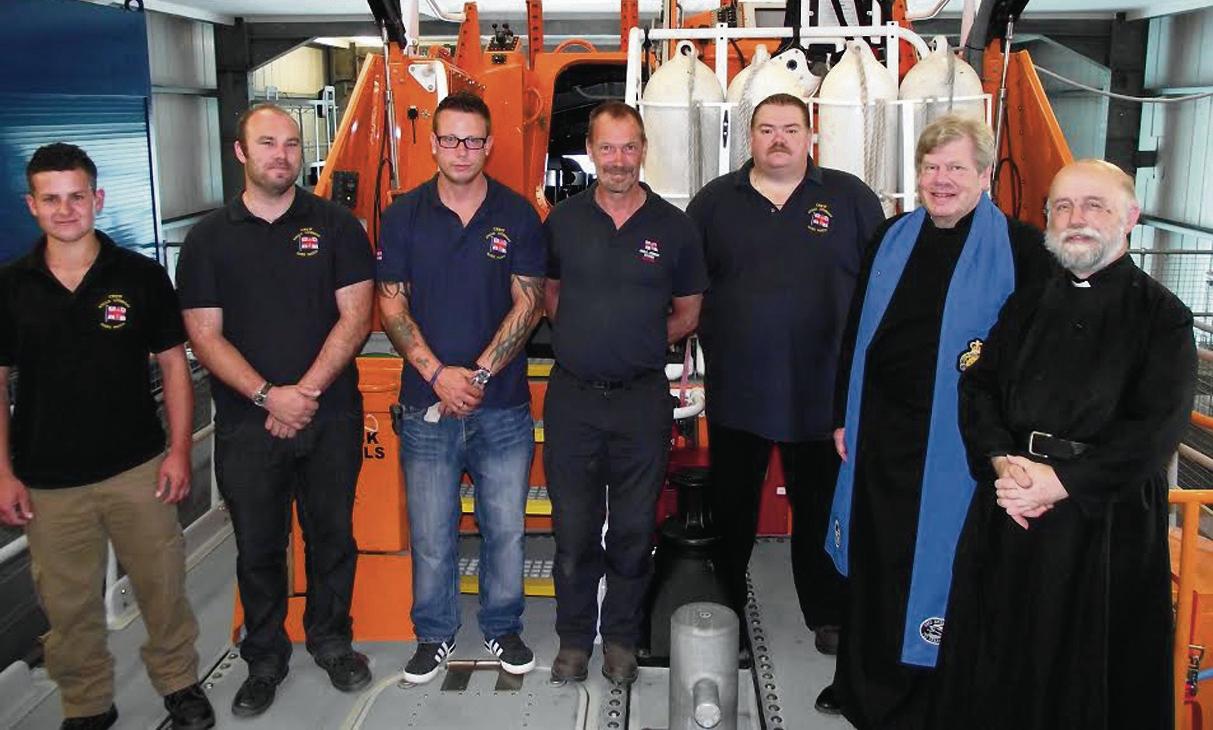
 THE VILLAGE of Angle was among churches and communities from all over the world which came together on Sea Sunday in a campaign to remember seafarers and pray for them, their families and those who support them. As well as raising money to help those who work at sea, the day was celebrated with services, parades and ship blessings. Angle’s celebration on Sunday (July 13) took the form of a service, led by Rev Geoffrey Howell, Team Vicar for the Monkton Rectorial Benefice, with the Port Chaplain for The Mission to Seafarers, the Rev Steve Traynar. It began at the small 15th century Seamen’s Chapel of St Anthony in the grounds of St Maryís Church, Angle. Afterwards, the congregation of local residents and visitors made their way to RNLI Angle lifeboat station. There, the service continued in the crew room, with its spectacular views over the Milford Haven Waterway. The Rev Howell continued the service and provided musical accompaniment for the hymns. Particularly poignant was the singing of the Seafarersí hymn, ëEternal Father, Strong to Saveí, during which a collection was taken in aid of The Mission to Seafarers and the RNLI. The Rev Traynar gave the address, during which he spoke of the work of The Mission to Seafarers’ teams of caring chaplains and volunteers all over the world. They work tirelessly to bring help, hope and a safe haven for sick, lonely exhausted and troubled seafarers of all ranks, nationalities and beliefs in over 260 ports in 71 countries. He told of his own work as Port Chaplain, visiting oil and gas tankers on the Milford Haven Waterway, bringing vital support and care and assistance to seafarers on board, those injured or who fall sick and are admitted to hospital locally, and of the welcome given to merchant crews from all the world at the charityís Milford Haven International Seafarers Centre in Robert Street. RNLI Angle’s Lifeboat Operations Manager, John Allen-Mirehouse, welcomed everyone to the lifeboat station, and spoke of the work of its all-weather and inshore lifeboats, which provide a 24-hour search and rescue service 365 days of the year. The Angle station, which was founded in 1868, is one of 237 RNLI lifeboat stations around the United Kingdom and the Republic of Ireland The charity is independent from Government and relies on voluntary contributions and gifts in wills for its income. After the service, visitors were able to tour the station’s all-weather state-of the-art Tamar class lifeboat, Peter and Lesley-Jane Nicholson. She is on relief duty at Angle, while its own Tamar lifeboat, Mark Mason, is away undergoing modifications.


Welsh youth icon to be celebrated with music release, Aberystwyth artwork and St David’s Day events
ONE of Wales’ most recognisable youth icons is marking a major milestone this year as Urdd Gobaith Cymru launches celebrations to mark the 50th anniversary of Mistar Urdd.
The red, white and green mascot — created in 1976 — has become synonymous with the Urdd and its mission to inspire children and young people through the medium of Welsh. To launch the anniversary year, the organisation has unveiled a series of projects including a newly recorded version of the anthem Hei Mistar Urdd!, a large public mural in Aberystwyth, and a community celebration linked to St David’s Day.

The new recording, released on Thursday (Feb 20), features singer-songwriter Aleighcia Scott alongside Dom James and Lloyd, with backing vocals by Mared Williams. The track has been newly arranged by Morgan Elwy and recorded at the iconic Sain studios in Llandwrog — the same studio where the original version was produced almost half a century ago.
Siân Lewis, Chief Executive of Urdd Gobaith Cymru, said the anniversary was a moment of pride for the organisation and for Wales.
“Mistar Urdd has remained close to the hearts of the people of Wales for 50 years, and that is something to be proud of,” she said. “The character has evolved into a symbol of hope and represents the friendship, fun and pride that we share with children and young people across the country.

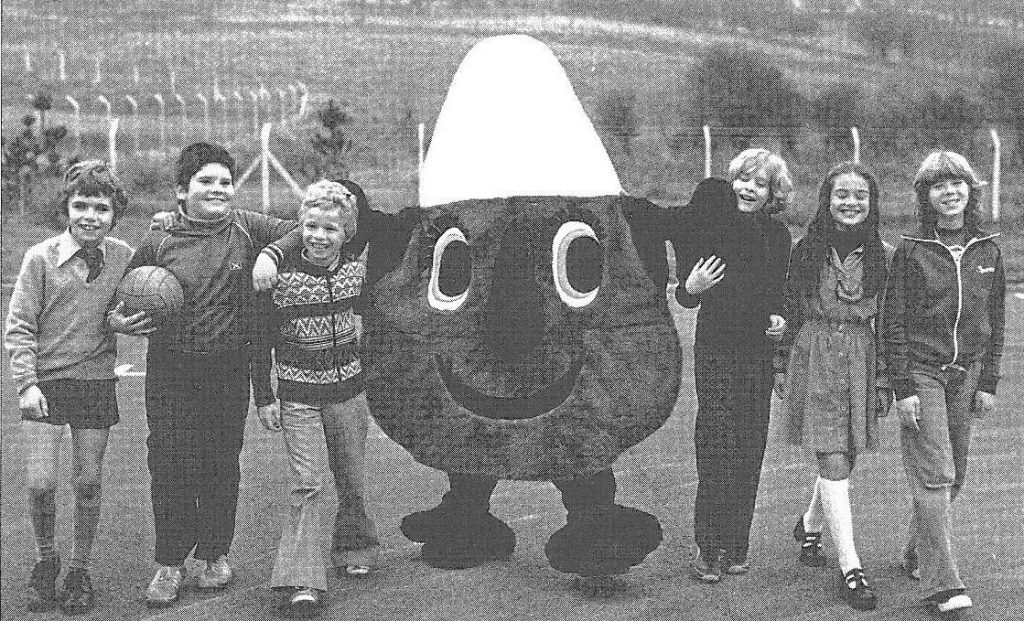
“Over the decades, Mistar Urdd has travelled to space, helped the Urdd break a Guinness World Record, greeted presidents and prime ministers, and even lent his name to a brand-new train. He also plays a key role in opening doors to the Welsh language and showing that the Urdd belongs to everyone.”
Aleighcia Scott said she was honoured to be part of the new recording.
“It’s an absolute privilege to be part of the new version of Hei Mistar Urdd! — what an icon, what an anthem,” she said. “As a Welsh learner, I love the work the Urdd does to inspire children and young people across Wales, and it’s been a joy to celebrate that spirit through this song.”
Kev Tame, Chief Executive of Sain, said the collaboration continued a long-standing partnership between the label and the Urdd.

“The anthem was originally released on Sain in 1977, and we are very proud to release this new version almost 50 years later,” he said.
The anniversary programme also includes a major public mural in Aberystwyth, due to be unveiled on Wednesday (Feb 25). The artwork has been designed by internationally recognised Welsh artist Pete Fowler — known for his work with the Super Furry Animals — with support from Cardiff-based creative studio UNIFY.
Pete Fowler said: “Mistar Urdd brings a smile to everyone’s face, and it was a pleasure to reimagine him for this milestone. I wanted to create something colourful and joyful that feels contemporary while respecting the character’s history.”

The Aberystwyth celebrations will also include school visits by Aleighcia Scott and a live performance of the new anthem at the mural site, with Mistar Urdd making a special appearance. The event has received support from the Welsh Government’s St David’s Day Fund.
First Minister Eluned Morgan said: “Mistar Urdd has been a part of so many childhoods in Wales and it is heartwarming to see him inspiring the next generation. This project shows how creativity, education and community can come together to celebrate who we are as a nation.”
Mistar Urdd was originally created by Wynne Melville Jones shortly after he became the Urdd’s publicity officer. By adding arms, legs and a face to the organisation’s triangular logo, he brought to life a character that would grow into a national symbol of Welsh youth and inclusivity.
Reflecting on the anniversary, Wyn Mel said: “Fifty years later, Mistar Urdd is still a firm favourite among the country’s children and young people. I can say hand on heart that all the hard work has paid off.”
Further anniversary activities are expected to be announced throughout the year.
Hands-on coppicing sessions reconnect people with sustainable forestry heritage
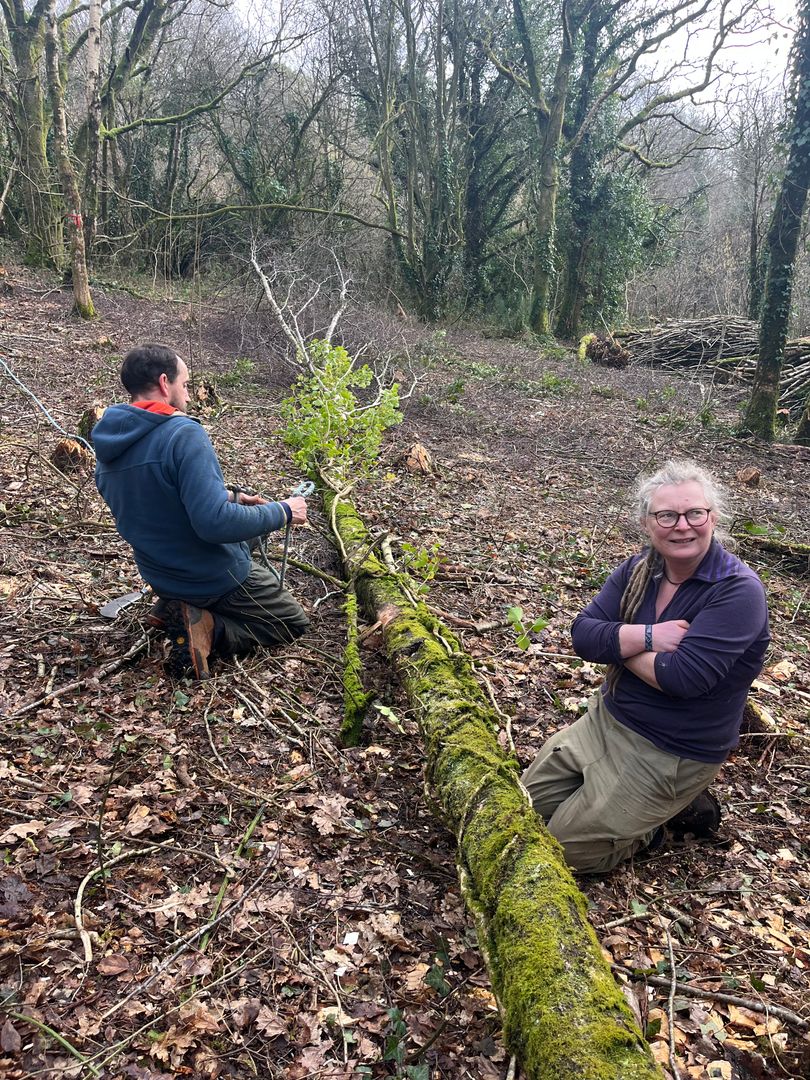
PENGELLI WOODS in Pembrokeshire was filled with the sound of axes and saws last week as volunteers gathered to learn the traditional craft of coppicing during a hands-on woodland skills day organised by Cwm Arian.
Participants joined staff and students from Cwm Arian and Coppicewood College for a practical session exploring sustainable woodland management techniques that have been used in West Wales for thousands of years.
Coppicing — a method that involves cutting trees near ground level to stimulate new growth — was once central to how communities managed local woodlands. The cyclical process provided a reliable supply of timber for fuel, tools, fencing and craftwork while allowing forests to regenerate naturally.
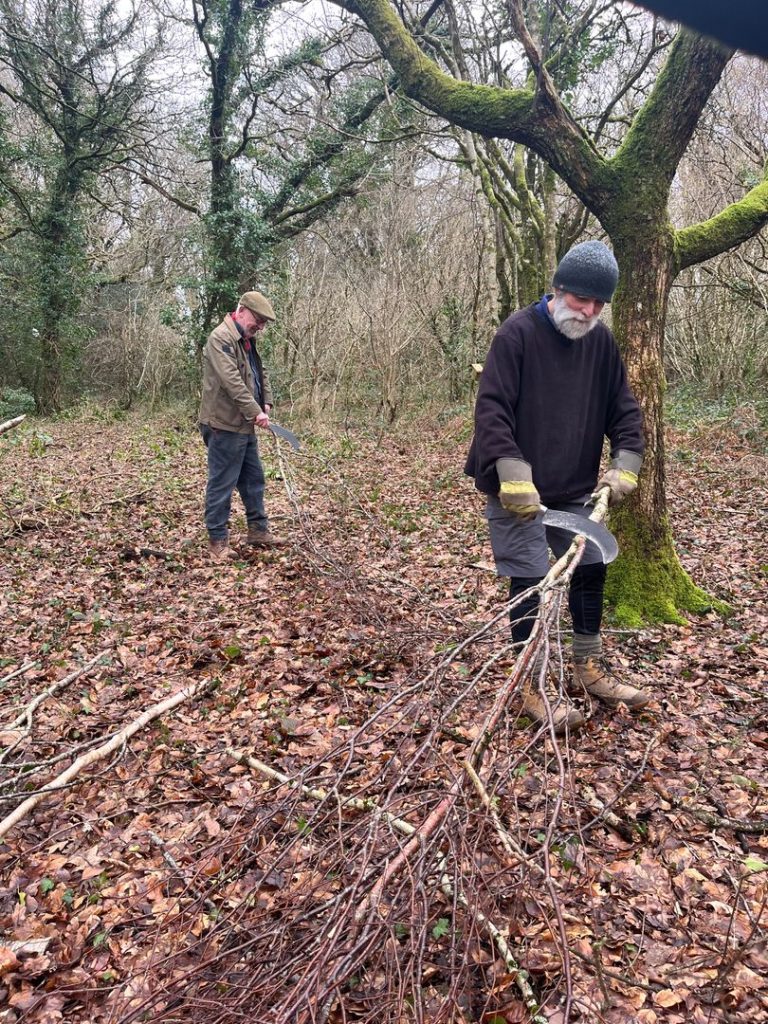
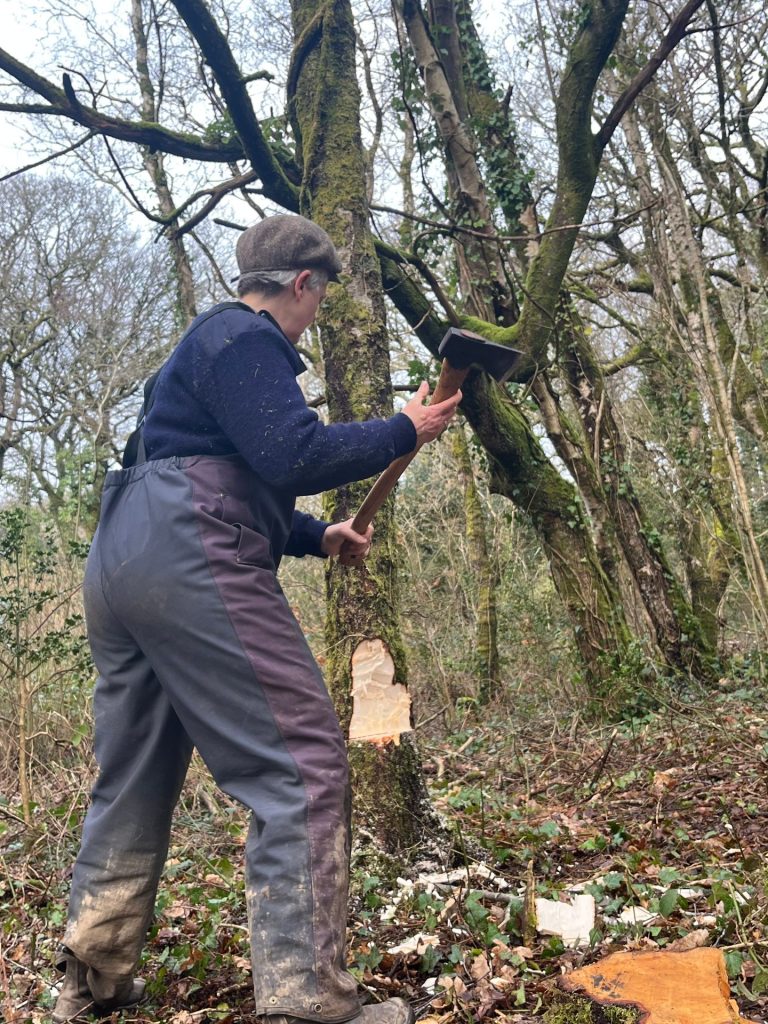
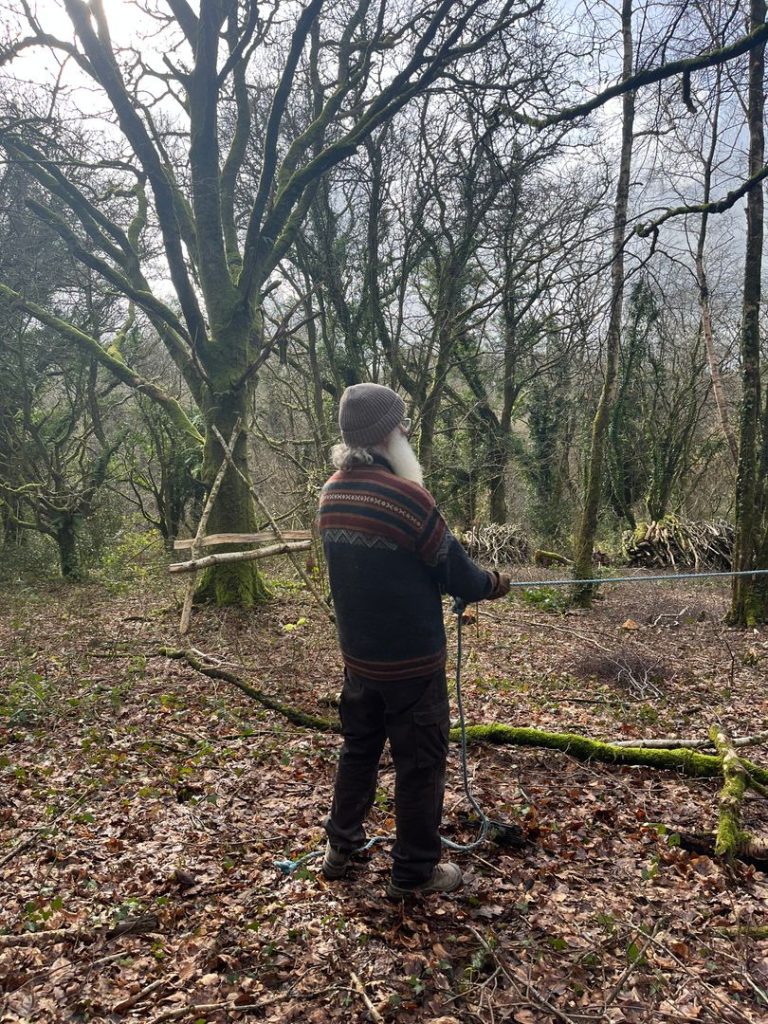
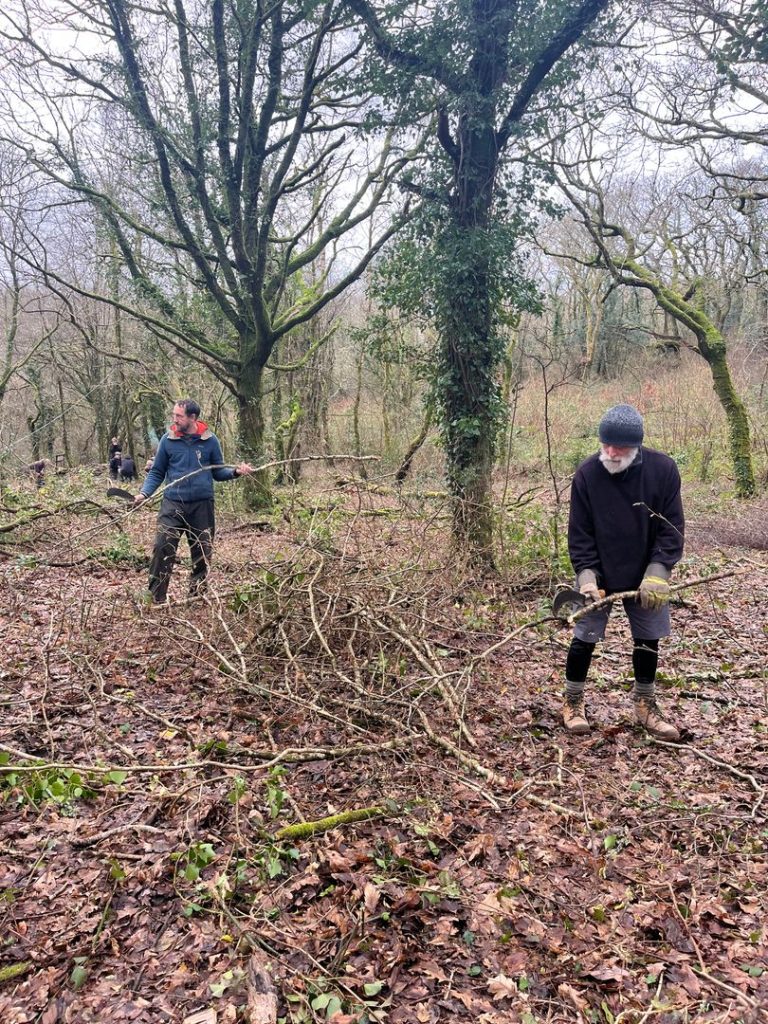
During the session, volunteers watched experienced woodland workers fell trees using traditional tools including axes, billhooks and two-person saws, before taking part themselves in processing the timber. They learned how different sizes of wood can be used for a range of purposes, from small sticks for bread ovens and riverbank stabilisation to larger lengths suitable for furniture or construction.
Organisers said the day was not only about practical skills but also about reconnecting people with nature and heritage.

One volunteer said: “The session was a real reminder of how our ancestors cared for the land. It’s incredible to see how these low-tech methods were not only practical but also sustainable — lessons that feel increasingly relevant today.”
Between activities, participants took time to observe the woodland environment, listen to birdsong and reflect on seasonal changes, helping to build a deeper connection with the landscape.
The event forms part of the CoedUNO project, a Cwm Arian initiative that promotes sustainable land management, biodiversity and heritage skills across North Pembrokeshire. Further volunteering opportunities are planned in the coming weeks:
- February 25 (9:30am – 12:30pm), Felindre Farchog: Tree planting of fruit, nut and native species
- March 4 (1:30pm – 4:30pm), CoedUNO Tegryn: Agroforestry site session
- March 12 (10:00am – 4:00pm), Pengelli Woods: Processing a felled tree using billhook and saw
Organisers say the sessions demonstrate how low-tech, human-led forestry can be both productive and regenerative — offering valuable insights as communities respond to climate change and the transition to sustainable energy.
Cwm Arian is a Community Benefit Society based in West Wales, originally established through a community wind turbine project in Llanfyrnach. The organisation now supports homes, community buildings and local groups to develop renewable energy systems and reduce carbon emissions.
CoedUNO, based in Tegryn, is the first agroforestry demonstration site within the National Forest for Wales. Designed using permaculture principles, the site combines conservation, education and community engagement while supporting wildlife habitats across the Taf and Teifi catchments.
For more information or to book a session, contact Kevin, Volunteer Organiser at Cwm Arian: [email protected].

Photos supplied by Anna Mounteney.

Nominations open across West Wales as communities invited to celebrate favourite venues
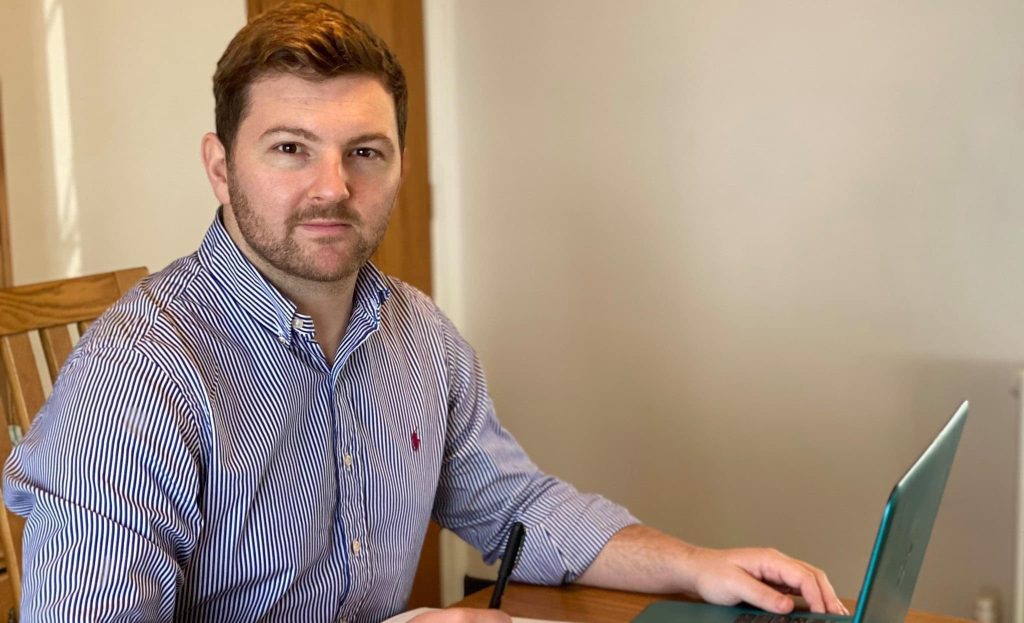
SAMUEL KURTZ MS has announced the return of his “Best Local Pub” competition for a second year, giving residents across West Wales the chance to recognise the pubs that sit at the heart of their communities.
Local pubs are often far more than places to enjoy a drink — they act as social hubs, meeting points, cultural venues and important employers. The competition aims to highlight the vital role these businesses play in bringing people together, supporting jobs and contributing to the regional economy.
Last year’s inaugural competition proved popular, with The Ivy Bush in Narberth crowned overall winner and The Highgate Inn in Hundleton named runner-up.
Mr Kurtz said he was pleased to expand the initiative this year to include nominations from across the whole of West Wales.
He said: “Last year’s competition was a huge success, and it was fantastic to see so many communities getting behind their local pubs. We’re thrilled to bring it back for a second year and give even more venues the opportunity to be recognised for the invaluable role they play.”
Figures underline the sector’s importance to the local economy. Across Mid and South Pembrokeshire there are around 162 pubs and five breweries, supporting approximately 1,175 jobs and contributing an estimated £57 million annually. In the Ceredigion Penfro area, 161 pubs and five breweries support around 1,800 jobs and contribute £59 million to the economy.
Residents can nominate their favourite pub via the website www.samuelkurtz.wales or through Mr Kurtz’s social media channels. Nominations are open throughout February, with the winning pub receiving a prize that includes a free barrel of standard beer of their choice, sponsored by Templeton Beer, Wine and Spirit Co.
Mr Kurtz added: “Let’s work together to shine a spotlight on the pubs that have made a difference in our lives and continue to play a pivotal role in our towns and villages.”


News13 hours ago
Council tax to rise again as Pembrokeshire sets new budget
Schools and social care receive extra funding in 2026–27 spending plans PEMBROKESHIRE COUNTY COUNCIL has approved its budget for the...
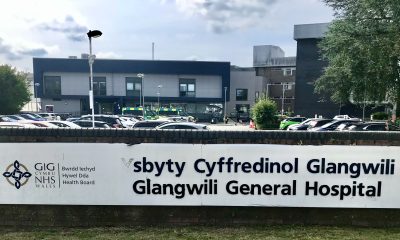

Health13 hours ago
Stroke patients to be transferred to Carmarthen under new health plan
Withybush to provide initial treatment before specialist care elsewhere PEMBROKESHIRE patients who suffer a stroke are set to be transferred...


Health1 day ago
Health board confirms major hospital changes across west Wales
Emergency surgery centralised as Withybush role shifts toward planned care MAJOR changes to hospital services across west Wales have been...
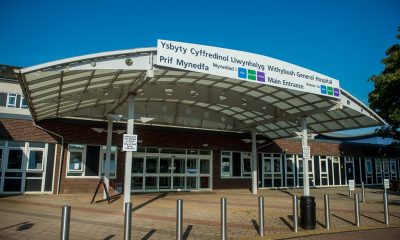

Health1 day ago
Withybush loses emergency surgery in shock health board decision
Paul Davies vows Senedd fight as fears grow over travel times and patient safety PEMBROKESHIRE patients will be forced to...


Business2 days ago
Mounting complaints: More Computer Solutions Wales customers claim losses
Business owner issues legal threats and IPSO complaint to this newspaper while refusing to answer detailed questions about customers who...


Local Government2 days ago
Milford Haven Hakin by-election candidates confirmed
THE LIST of candidates standing in the upcoming Pembrokeshire County Council by-election for the Milford Haven: Hakin ward has been...


Crime3 days ago
Telecom vandal admits causing £33,000 damage to Pembroke Dock network
Fibre cables cut in early-morning incident that triggered major service disruption A PEMBROKE DOCK man has admitted causing more than...


Community3 days ago
Smiles all round for Pancake Day celebrations in Tenby
TENBY was filled with laughter, cheers and the smell of freshly cooked pancakes on Tuesday (Feb 17) as the town’s...


Crime4 days ago
Man charged with GBH with intent following incident involving ‘Pembrokeshire Patriot’
Defendant remanded in custody as case linked to police raids on Friday A MAN has been charged with causing grievous...


Business4 days ago
Svitzer crews at Milford Haven vote for industrial action in pay dispute
Union ballot raises concerns over potential disruption at key UK energy port SVITZER crews working in the Port of Milford...
-
Health1 day ago
Withybush loses emergency surgery in shock health board decision
-
Health1 day ago
Health board confirms major hospital changes across west Wales
-
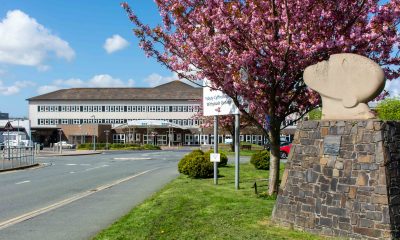
 Health1 day ago
Health board: Changes will bring “resilience and sustainability” to West Wales services
-

 Business3 days ago
MS’s host business advice surgery following demand from Business Rates Online Forum
-
Community5 days ago
Hywel Dda hospital services decisions will be made next week
-
 Community6 days ago
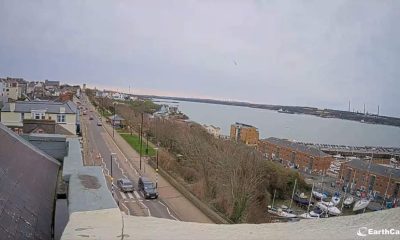
Second Milford Haven webcam launched after 1.3m views and US TV feature
-
Business4 days ago
Svitzer crews at Milford Haven vote for industrial action in pay dispute
-

 News6 days ago
Darren Millar rules out post-election pact with Reform or Plaid
volunteer fire department information
January 5, 2026 at 7:37 pm
Great read! I appreciate the effort you put into researching this.