


News
Planned campaign ends in jail for brothers


 TWO PROFESSIONAL burglars who broke into houses across west Wales have been jailed. Brothers William Connors, 24, and Edward Connors, aged 17 at the time, researched properties over the internet and drew up a menu of houses to break into. Then they based themselves in a rented house near Llandysul and fitted a Mazda with false number plates before burgling at least 16 homes over the Christmas period. Swansea crown court heard that they targeted jewellery and stole the engagement ring of a widow undergoing chemotherapy treatment. And there was evidence, said Chris James, prosecuting, that they had researched prices for second hand gold at London’s Hatton Garden. Mr James said the brothers had travelled from Ireland posing as holidaymakers looking to enjoy Christmas in west Wales. “They caused misery to many individuals and families, violating their homes around what should have been a joyous time of year. “They stole a huge amount of valuable jewellery, much which belonged to late relatives, DVDs, and electrical property. “One of their victims, a widow having chemotherapy, can no longer bear to leave her house because of their intrusion into her home,” he added. Mr James said the pair were so confident of making a profit that they paid hundreds of pounds up front to rent a house in the countryside near Llandysul. In less than one month they burgled houses in Llandybie, Llandysul, Aberaeron, Haverfordwest, Nantycaws Pontyberem and Llangunnor. Mr James said they sometimes committed several burglaries a day, ransacking homes even on Boxing Day and New Year’s Day. They were finally arrested in Tregaron. Mr James said their victims described being devastated and their worlds having been turned upside down. “Some of them are terrified and do not feel safe in their own homes any more. “Several of their victims told police that they will never get over not being able to hand sentimental items on to their children.” The stolen goods that could be identified were worth more than £24,000, but Mr James described the figure as being “no where near the full value of what was taken.” Judge Paul Thomas said the brothers had carried out a “carefully planned campaign”. He said they had used the internet to scope out properties and places they could sell the stolen jewellery on to. “Apart from the financial impact, the human cost to your victims is substantial. People’s lives have been greatly affected and lives turned upside down.” William Connors, who had previous convictions, was jailed for six years. His brother was sent to a young offenders’ institution for three-and-a-half years. Both admitted conspiracy to commit burglary and were entitled to reduced sentences because of their confessions.


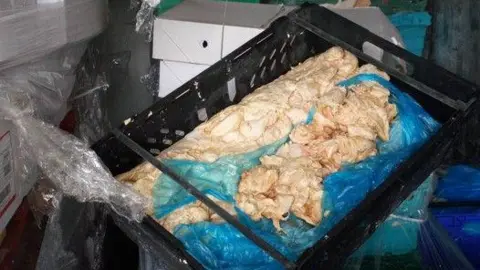
A KEBAB manufacturer has been fined £500,000 after a court heard products sold as lamb contained little actual lamb and were instead made up largely of skin, fat and other meats.
Kismet Kebabs Ltd, based in Chelmsford, Essex, was sentenced at Swansea Crown Court after previously admitting fraud by false representation.
The company was also ordered to pay £259,298 in costs.
The case was brought following an investigation led by Swansea Council’s trading standards team, which found products supplied to takeaways and restaurants did not match the meat content declared on their labels.

Prosecutor Lee Reynolds told the court the firm had misled wholesalers, retailers and customers over a prolonged period.

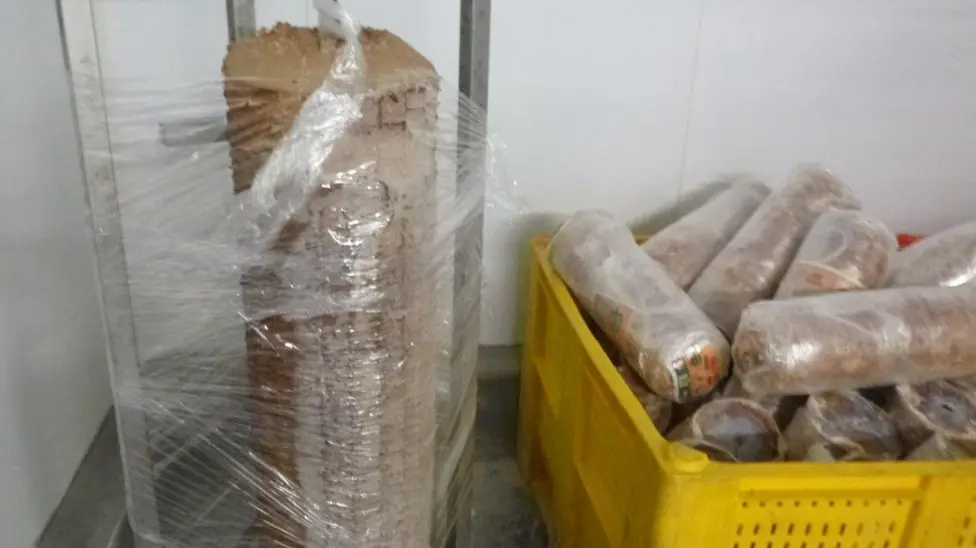
He said products described as lamb contained a mixture of fat, skin, goat, mutton, mechanically reclaimed meat and other lower-grade products.
In one example, a lamb doner labelled as containing 87% lamb was found to contain only 51% meat and 40% fat.
The investigation began after trading standards officers carried out sampling at kebab houses and restaurants in late 2020 and early 2021.
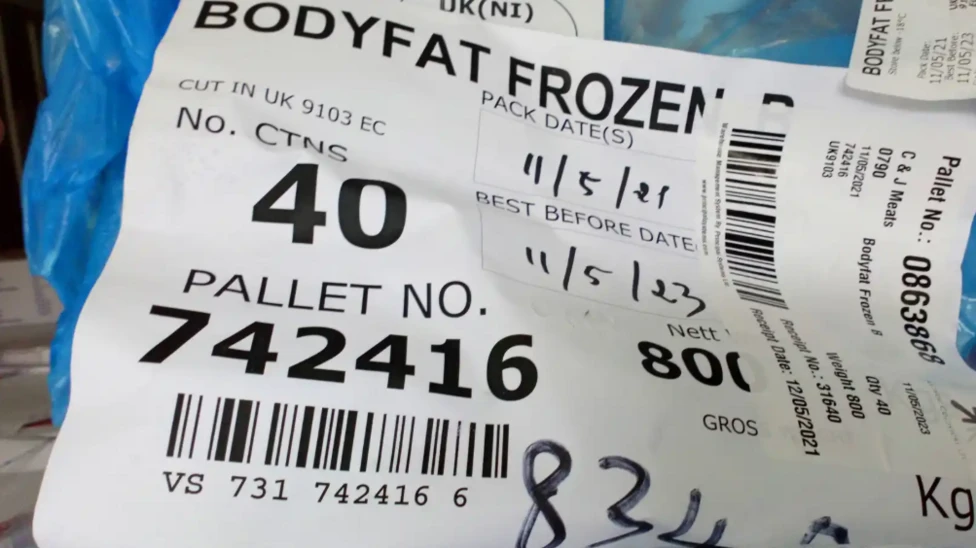
Further testing at wholesalers found major differences between what was stated on labels and what the products actually contained.

Officers later visited Kismet’s factory in Chelmsford, where concerns were raised about production, packaging and labelling.
The court heard invoices showed the firm was buying very little lamb, but large quantities of skin, fat, goat and other products.
Kismet’s barrister, Stuart Jessop, said the firm had operated successfully for many years and had since made significant changes. He said the company had “taken its eye off the ball” at the time of the offending, but argued that forcing it out of business would benefit nobody.

Judge Huw Rees said fraudulent activity had been “endemic” at the company and described the dishonesty as considerable and prolonged.
The company has been given four years to pay the fine and costs.


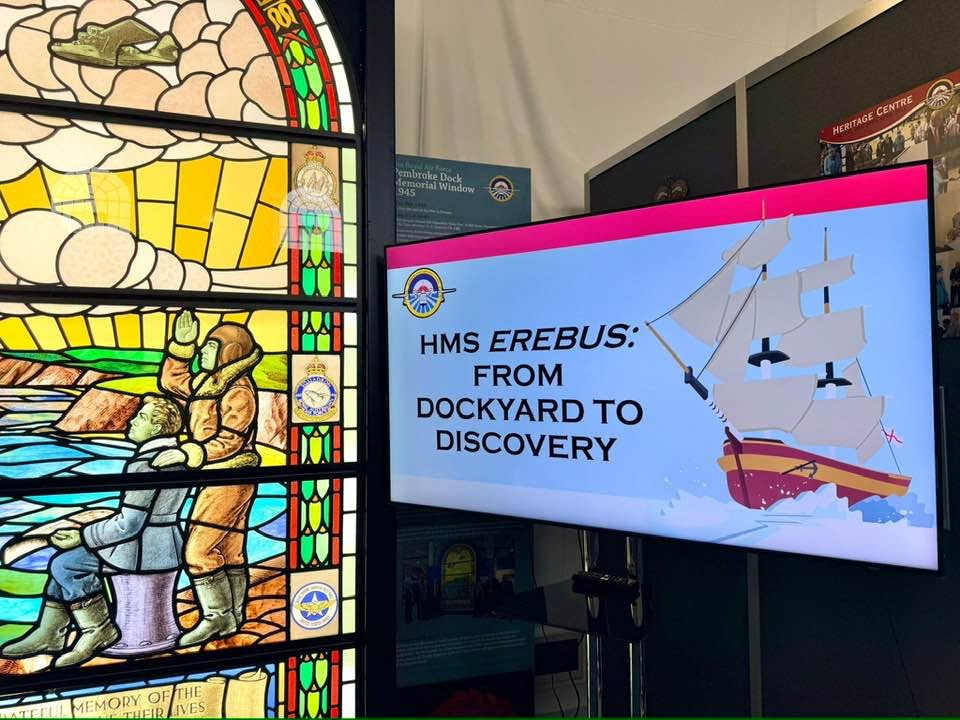
PEMBROKE DOCK HERITAGE CENTRE has marked the 200th anniversary of the launch of HMS Erebus with a special event celebrating one of the town’s most remarkable maritime stories.
HMS Erebus was built at the Royal Dockyard in Pembroke Dock and launched on June 7, 1826, before going on to become one of the most famous exploration vessels of the 19th century.
The ship later took part in major polar expeditions, including voyages to Antarctica, before being lost during Sir John Franklin’s doomed Arctic expedition. Its wreck was discovered in Canadian waters in 2014, reigniting worldwide interest in the vessel and its Pembrokeshire origins.
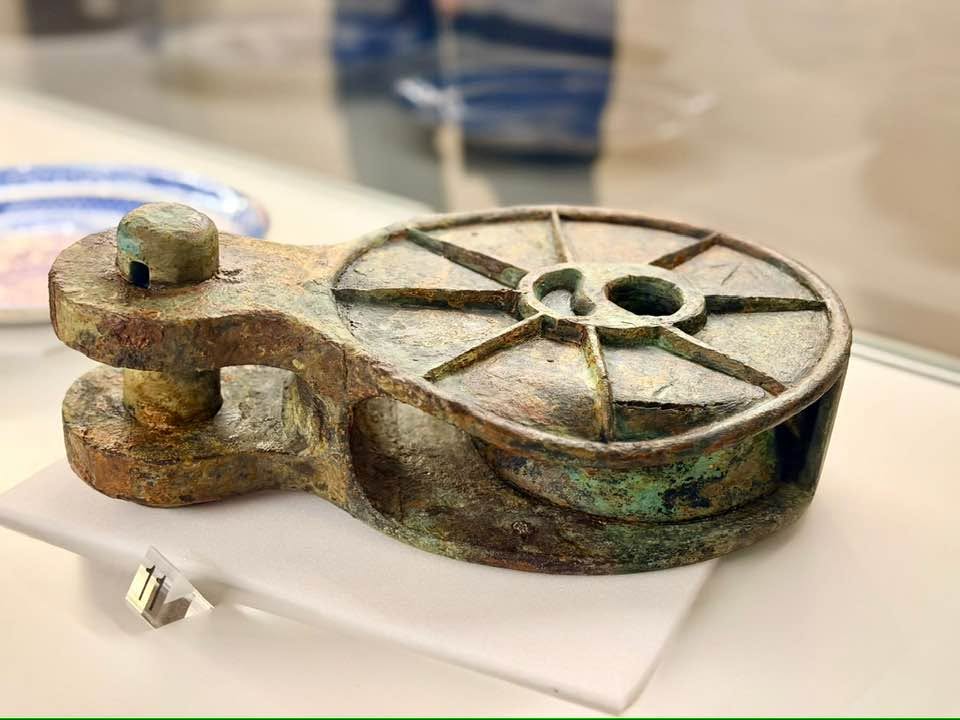
The anniversary event was attended by supporters, volunteers and visitors, with music from folk trio Broadoak and a presentation by Professor Russell Potter on the ship’s extraordinary career.
The Heritage Centre thanked everyone who helped make the event possible, including its volunteers, catering team, musicians and guest of honour Professor Potter.

The new exhibition, HMS Erebus: From Dockyard to Discovery, opens to the public on Monday (Jun 8).
Professor Potter will also give a public talk, From Land’s End to the Ends of the Earth: The Eventful Career of HMS Erebus, at 10:30am.
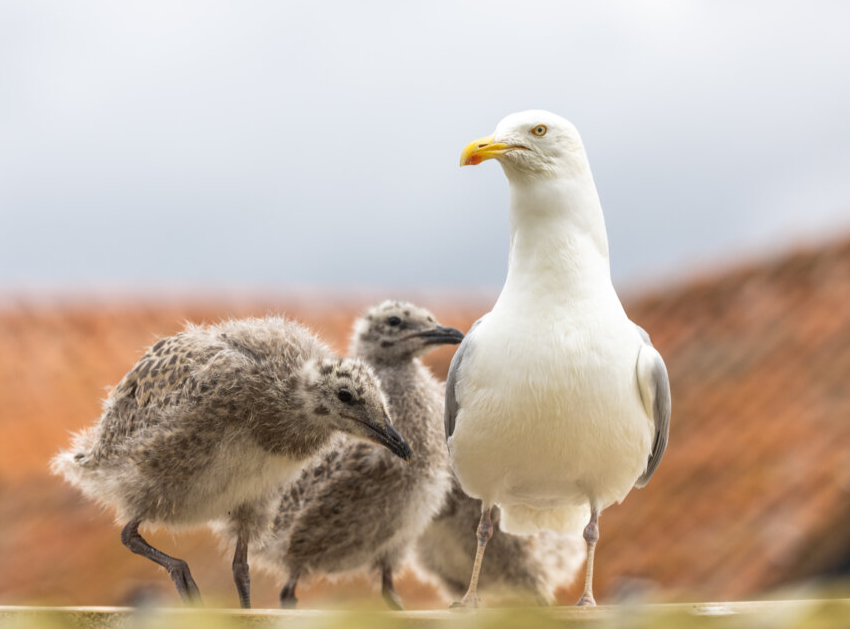
ANIMAL rescue organisations are urging people to think twice before intervening with young gulls this summer, warning that many birds taken into care do not actually need help.
The RSPCA, Scottish SPCA and British Wildlife Rehabilitation Council say thousands of gulls are brought into rescue centres every year, with many cases involving healthy chicks or fledglings that have simply left the nest as part of learning to fly.
The organisations say well-meaning members of the public often mistake this normal stage of development for abandonment, even though parent birds are usually nearby and continue to feed and protect their young.
RSPCA wildlife rescue expert Verity Miles said: “Each summer, our wildlife centres see a surge in young gulls being brought in by kind members of the public.
“Gulls are such underappreciated animals, so it’s amazing so many people want to help them. However, in many cases these birds have not been abandoned, but have left the nest as they learn to fly. This is a normal part of their development.
“Their parents will usually remain nearby and continue to feed and protect them, but sadly many well-meaning passers-by will mistake this for abandonment.”
The warning comes as rescue teams prepare for the peak breeding season, when calls about gulls rise sharply.
Sean Meechan, Wildlife Operations Lead at the Scottish SPCA, said officers attend thousands of gull-related calls every year, particularly in early summer.
He said: “While some situations do require intervention, the majority involve healthy birds that are best left alone.”
Experts say removing a healthy chick or fledgling can cause stress and reduce its chances of survival. They also warn that disturbing or taking gulls, eggs or nests can be an offence unless there is a genuine need to intervene.
Paul Reynolds, Chair of the British Wildlife Rehabilitation Council, said: “Taking a healthy chick or fledgling away from their parents can cause stress to the young bird and significantly reduce their chance of survival.
“Not only that, but it is also an offence to disturb, or take gulls or eggs from their nests, unless absolutely necessary, so you may inadvertently be breaking the law by bringing in gulls that are not sick or injured.”

The RSPCA says it has cared for nearly 4,000 gulls in its wildlife centres over the past five years, with admissions peaking in June. More than half involved young birds believed to be orphaned or grounded.
The Scottish SPCA attended more than 11,000 gull-related incidents over the same period.
The organisations say the public should leave uninjured young gulls where they are so their parents can continue to feed them. Very young chicks in immediate danger can be moved carefully to a nearby safe, elevated spot if possible.
People should only intervene if a bird is clearly sick or injured.
Anyone who finds an injured baby gull is advised to contact a vet or reputable wildlife rehabilitator. Injured adult gulls can be reported to the RSPCA in England and Wales, or the Scottish SPCA in Scotland.
Rescue organisations also warn that unnecessary handling and higher numbers of birds in care can increase the risk of disease transmission, including avian influenza.
Sean Meechan added: “The Scottish Government advises against handling gulls. If you’re concerned, the best course of action is to contact us and we can assess the situation.”


Sport5 hours ago
Runners tackle new route in Ras Y Castell 10k
MORE than 90 runners took to the streets and paths around Cardigan on Friday evening (June 5) for the annual...


Business12 hours ago
Turkish Kitchen reaches Welsh restaurant award semi-finals
Haverfordwest café praised as small independent business flies flag for Pembrokeshire A HAVERFORDWEST café has been named as a semi-finalist...

News13 hours ago
Person taken to hospital after major emergency response on Tenby Esplanade
A PERSON has been taken to hospital following a major multi-agency emergency response on The Esplanade in Tenby. Dyfed-Powys Police...

News13 hours ago
St Davids lifeboat crews rescue damaged yacht and stranded kayaker
TWO St Davids RNLI lifeboats were launched within hours of each other after a yacht was left disabled in a...

Community1 day ago
D-Day 82: Milford Haven remembers sacrifice of Normandy landings
COMMUNITIES gathered in Milford Haven on Saturday (Jun 6) to mark the 82nd anniversary of D-Day. The service, held at...


News1 day ago
D-Day at 82: The secret Pembrokeshire invasion that helped prepare for Normandy
Forgotten wartime operation saw thousands of troops storm Pembrokeshire beaches in rehearsal for D-Day LONG before Allied troops landed on...

News1 day ago
Welsh Water hit with £44.7m enforcement package over sewage failures
Pembrokeshire campaigners say regulator’s action vindicates years of concern over pollution in rivers and coastal waters DŴR Cymru Welsh Water...


News2 days ago
Council tax shake-up in doubt as Welsh Government reviews reform plans
Questions over 2028 revaluation as ministers reconsider next steps THE FUTURE of council tax reform in Wales has been thrown...


Crime2 days ago
Paddleboard company owner loses bid to cut sentence over Haverfordwest tragedy
A FORMER paddleboard company owner jailed over the deaths of four people on the Western Cleddau has failed in a...

Community4 days ago
Crisis response dogs launched to support people through trauma and distress
A NEW project using specially trained dogs to support people during moments of trauma, grief and crisis has been launched...
-
Crime2 days ago
Paddleboard company owner loses bid to cut sentence over Haverfordwest tragedy
-

 Crime1 day ago
Milford Haven man admits harassment and assault
-

 Crime5 days ago
Milford Haven man bit neighbour’s neck near cashpoint
-

 Crime6 days ago
Milford Haven man jailed for illegal Premier League streaming service
-
 News1 day ago
Community appeal for privacy after serious emergency in Pendine
-

 Crime6 days ago
Haverfordwest man admits cocaine offence as Crown disputes basis of plea
-

 Crime5 days ago
Pembroke Dock driver avoided jail after drug-drive crash
-

 Local Government6 days ago
National Express use of new Haverfordwest interchange still subject to risk checks