
Business
Exploring the rise of casino tourism in the UK: A comprehensive market outlook


DUE to its unique mix of diversion, history, and technology, the UK’s casino tourism has turned into a dominant power. This market is expected to be worth $6,223 million by 2022 with the projection of 5.8% CAGR according to the present circumstances. This entertainment business offers more than the usual casino games. With people looking for immersive and total experiences, casinos have set in motion strategies for meeting these demands and this has resulted in a significant rise in the strength of tourism in the scene. This publication is a journey of revealing the profound veil of this phenomenon featuring the levers that contribute to its popularity as well as the vast business and traveler opportunities it offers. From the constantly changing market trends to the magnetic spell created by the casinos in UK, this article will indeed take you through an exciting trip into the growing landscape of UK casino tourism.
United Kingdom Casino Tourism Market
The country of the United Kingdom is a gambling empire that has an ancient gambling culture tied with traditions. In a revolutionary decision, the creation of almost a dozen Super Casinos, comparable to Las Vegas, is going to set off a new era of expansion in Britain’s gambling industry. Year after year the wave has been reaching its crescendo, the climax of which was the announcement in 2011 of the opening of Aspers Casino in London, the largest one in the city, holding 70 gaming tables and over 12 poker tables plus 150 electronic gambling machines. The United Kingdom has a diversified gambling scene with more than 100 land-based casinos, sportsbooks, and online gaming platforms and one of the most different gambling environments in Europe. Classic games such as Blackjack, Roulette, and Craps which are well-known and some not commonly known games like Mahjong, Kalooki, Casino War, and Wheel of Fortune, the array of exciting and interesting casino games available in UK facilities is really astonishing and incredible. Furthermore, poker remains as a favorite game among the British casino goers even if the Rake system is used in poker rooms and casinos to generate revenue.
What draws tourists to the casinos in the United Kingdom?
Spending on multiple occasions is a perceptible and recognizable characteristic of the main portion of the population during the journey, when they are inclined to spend money on every opportunity to enjoy themselves and enhance their cash surplus. As clear as it is, gambling turns out to be, by far, the most popular attraction that draws numerous tourists to England giving an opportunity to see more than just the common sightseeing. Due to the increasing spending power of the affluent tourists, casinos come into prominence offering luxury lodging and entertainment that of a high standard, designed to satisfy wealthy travelers. Subsequently, the British casinos are reported to derive up to 40% of their revenue from tourists giving an illustration of the strong allure and popularity of casinos in the United Kingdom.
United Kingdom government promotes casino tourism
Gaming earning is both good for the state and the operators as they receive a large budget support through taxes and other expenses. In addition, the hospitality industry enjoys the benefits of gaming tourism manifesting in numerous business ties between recreation and places like restaurants, hotels, retail to name a few. On the other hand, this symbiotic relationship has an only successful condition of governmental regulations of the casinos activities and the licensing granted to casinos to operate in the UK. In short, the UK government is not just enabling the casino market but it is trying to make this market work for it because this aligns with the government’s interests in the overall economic growth, brand recognition of the country, and capitalizing the spending power of wealthy visitors in the country.
Laws and regulations governing gambling in the United Kingdom, and the history behind their establishment
The British laws and regulations related to gambling are dynamic and have changed during the time to influence the Market pattern. Firstly, the first version of the commercial bingo halls were allowed by the Betting and Gaming Act of 1960 but was subject to stringent restrictions that included only membership and the revenue that were from local government. Much as early casinos had limits on the number of machines and were licensed by the Gaming Board of Great Britain, they struggled with operations as a member-only establishment. Regulatory measures started to ease up in 1968 when the Gaming Act came in effect, which brought more considerable scale to privately established casinos.
The standout piece of Gambling Act of 2005 helped to introduce the idea of larger resort-style casinos that had tough supervision. The competition for the city that would win the title of the first “super casino”, began, and this task was initially awarded to the city of Manchester. However, the government did not fall short to reconsider and later it was decided that this casino would be in a different city. However, unlike the original proposal for no new casinos, the support for different-sized casinos at multiple sites, Wolverhampton and Solihull, was given. As well, the Act established several categories of gaming machines with different stake limits, payouts, and amount of particular the skill element of the game.
Insights
London boasts the highest quantity of casinos
The capital, which happens to be the most significant cities of the United Kingdom, definitely deserves to be on this list. London is one of the countries that adorns top casinos with about thirty booming casino establishments, where you can play poker tournaments, table games, and slots. In general, size is the factor that differentiates casinos; here you have casinos of various sizes such as multistoried ones that cover many floors and single floor ones. On the one hand, some bookmakers are open to everyone; on the other hand, some bookmakers can only be accessed by specified members.
The top three gambling companies in the United Kingdom are Gala Coral Group, Grosvenor, and Genting Casinos
Around 40 casinos in the UK belong to 3 major operators—Gala Coral Group, Grosvenor, and Genting Casinos, which run many well-known casinos in the UK including so-called “SuperCasinos”. These three operators have a total stake of about 75% of all the land-based casinos in the country even in the presence of other competitors. The first Genting dominated the market back in the 1970s when it commenced acquiring and refurbishing casinos all around the world.
Slots are the most played casino games
Slot machines grab the main audience of gamers. They prove to be one of the most commonly seen sites in almost all the UK’s casinos, thus attracting a whole bunch of novices to try out their luck. People typically place bets on slot machines because of their simplicity, and lower capitals required, then table games. Moreover, the prevalence of the slot machines is nowadays in vogue as such devices are provided by the online casinos on the web as well.
Individuals who enjoy gambling are inclined to visit casinos more frequently
Gambling visits are rather popular among gamblers of the UK as almost fifty percent of Britons confine gambling as an entertainment pursuit. Regardless of the increasing number of fans of online gambling, traditional walk-in casinos still win lots of the market due to the presence of many dedicated players across the country.
Casinos are most frequently visited by middle-aged travelers and seniors
Gambling has been present among the European citizens for many years, especially during the times of the kings. Its fame remains unchanged and carries along with itself both old and young from one generation to another. The direction of casino visitation is mostly potent from the age-group of 35-50 years, which is then aged with that ranging 50-65 years visiting casinos in the UK more frequently.
United Kingdom Casino Tourism Market by Category
The classification by game type is made up of most liked options like American Roulette, 3 Card Poker, Blackjack, Casino Stud Poker, Dice, Punto Banco and other games everyone will enjoy.
Classification of gambling by type encompasses commercial or recreational types, those operated by tribal Indians, venues that have limited bets, and the fast growing market of online gambling. The various types of casinos target different niches of the market and they offer diverse choices for the casino tourists. Segmentation by end users embraces a multitude of consumer groups such as avid players, excitable people, dabblers, lottery diehard fans and the uninvolved ones. These divisions were for a different level of segments that would represent the emerging trend of consumer behavior within this trending sector of casino tourism.
The segmentation by age group runs through a coffer of people, such as those aged 18 – 24 years, those in the age group of 25 – 35 years, 35 – 50 years, 50 – 65 years, and those senior citizens that are sixty five and above. It is this extremely multi class since each age groups from under 18 to 65 as above merge to form a very dynamic scenery in casino tourism. Segmentation of casino tourists by tourist type is aimed at revealing the dichotomy of the local and international casino visitors who contribute to the kaleidoscopic nature of UK casino tourism.
Segmentation of the United Kingdom Casino Tourism Market by consumer orientation encompasses two primary categories: males and females. This consumer orientation acceptance shows the multi-niche targeting of the casino tourism industry, so that they can suit the preferences and tastes of all male and female visitors in the UK market.
Segmentation of the United Kingdom Casino Tourism Market into three types of travelers includes independent travelers, package travelers, and tour groups. Such sorting is representative of different approaches to the UK’s casino tourism venues, ranging from individual exploration to organized trips with packages and group outings visits. These spots are reflecting varying interests and ways of traveling in the UK which is a dynamic country of casino tourism.
Image Credit – https://www.pexels.com

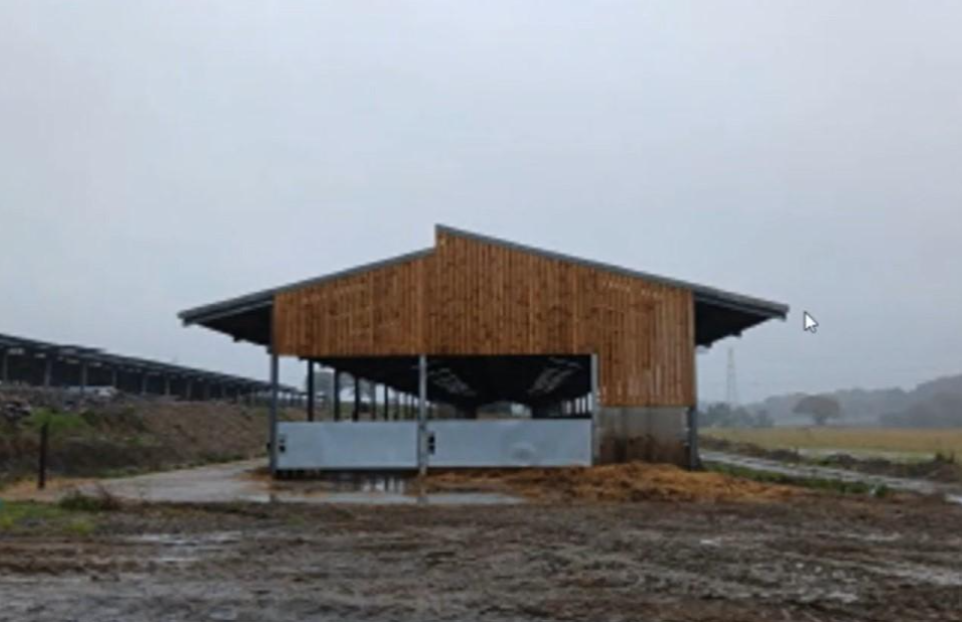
THE FINAL sign-off for plans for a heifer accommodation building and associated works at one of Pembrokeshire’s largest dairy farms, with a milking herd of 2,000 cows, have been given the go-ahead.
In an application backed by councillors at the December meeting of Pembrokeshire County Council’s planning committee, Hugh James of Langdon Mill Farms Ltd sought permission for a 160-metre-long heifer accommodation building, a slurry separation/dewatering building and associated yard areas at 1,215-hectare Langdon Mill Farm, near Jeffreyston, Kilgetty.
A supporting statement through agent Reading Agricultural Consultants said: “The holding currently has a milking herd of approximately 2,000 cows, which are housed indoors for the majority of the year, with dry cows and heifers grazed outdoors when weather and soil conditions permit.
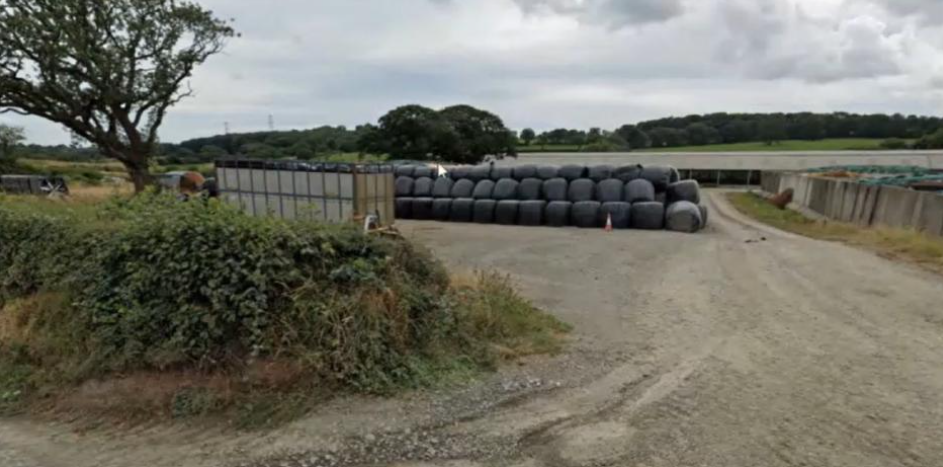
“There has been significant investment in buildings and infrastructure at the farm over the last decade in respect of cattle accommodation, slurry storage, milking facilities, Anaerobic Digestion (AD) plant, feed storage. Recently a calf and weaned calf accommodation buildings were approved by Pembrokeshire County Council with construction almost complete.
“The unit is efficient, achieving yields of more than 10,000 litres/cow/year, with cows being milked three times/day in the 60-point rotary parlour. Langdon Mill Farm currently directly employs 21 full-time, and three part-time staff. Of these, four live on site in the two dwellings opposite the farm, with the remaining staff living in the locality.”
It added: “Although the unit has previously purchased heifers to aid expansion, the farm now breeds most of its own replacements to improve genetics and to minimise the ongoing threat of bovine tuberculosis (bTB).”
It said the proposed building would be used by heifers between the ages of 7-22 months, the siting “directly influenced by the adjacent calf and weaned calf buildings, with livestock being moved from one building to the next as they get older”.
Members unanimously supported the recommendation of approval, giving delegated powers to the interim head of planning to approve the application following the final approval of a habitats regulations assessment.
An officer report published yesterday, February 5, said Natural Resources Wales confirmed it had received the assessment, and, “in consideration of the mitigation measures detailed and on the understanding there is no increase in stock, they agree with the LPA’s conclusion that an adverse effect upon the integrity of the SAC [Special Areas of Conservation] sites can be ruled out”.
Formal delegated approval has now been granted by officers.


A NEW report by the British Business Bank and Economic Intelligence Wales shows that while most Welsh SMEs remain financially stable, many continue to face barriers to accessing finance and are less likely than their counterparts in other devolved nations to seek funding for future growth.
The Wales SME Access to Finance Report 2026 has found that 66% of Welsh SMEs are currently using external finance, and eight in ten (80%) report a positive cash flow position. Despite this, 19% of smaller Welsh businesses reported experiencing barriers to accessing finance, the highest proportion among the devolved nations.
The report also highlights a more cautious outlook among Welsh SMEs when it comes to future investment. Just 17% of Welsh businesses expect to require additional finance over the next year, compared with 42% in Northern Ireland and 47% in Scotland. While 62% of Welsh SMEs that anticipate needing finance say they are confident about securing it, overall demand for funding remains lower than elsewhere in the UK.
Regional variations within Wales are also evident. SMEs based in North Wales and South West Wales were more likely to report barriers to finance (both 21%), while South West Wales businesses were least likely to feel confident about securing additional funding. At the same time, SMEs in South East Wales were most likely to report a finance requirement above £250,000, reflecting differing growth profiles across regions.

The findings underline the importance of a diverse and accessible finance ecosystem to support business investment, innovation and growth across all parts of Wales.
Susan Nightingale, Director UK Network, British Business Bank, said: “Welsh businesses continue to show resilience and confidence, with most reporting positive cash flow and steady growth expectations. Yet, clear regional and structural differences remain in access to finance, particularly for smaller businesses and sole traders. With Wales recording the highest share of smaller businesses experiencing barriers to finance among the devolved nations, it is vital that all businesses, wherever they are in the country, have the knowledge, confidence and support to secure the right finance for them. This will be key to unlocking sustainable growth across every part of Wales.”
Giles Thorley, Chief Executive of the Development Bank of Wales, said: “This year’s Wales SME Access to Finance Report shows a mixed picture. It’s encouraging to see many Welsh SMEs reporting strong cash flow, yet concerning that confidence and demand continue to lag behind other UK nations. If we want our businesses to innovate, invest and grow, closing that gap must remain a priority.
“Improving access to finance isn’t something any one organisation can solve alone, but the Development Bank of Wales will continue to play a vital role in supporting SMEs, working alongside partners across the wider finance ecosystem to help businesses invest, innovate and grow.”
Economic Intelligence Wales is a unique research collaboration between the Development Bank of Wales, Cardiff Business School, Bangor Business School, the Enterprise Research Centre, and the Office for National Statistics (ONS).

BUSINESS leaders, students and policymakers will gather in Pembrokeshire next month to mark International Women’s Day with an event focused on opportunity, leadership and retaining talent in West Wales.

The third annual Partners in Progress: Give to Gain conference will take place on Friday (Mar 6), bringing together established professionals and the next generation of workers to share practical advice and real-world experience.
The event is organised by Institute of Directors Wales, in partnership with Bluestone National Park Resort and the Welsh Government through Trade & Invest Wales.

Hosting the conference in West Wales, rather than a city centre, aims to highlight the growing opportunities available in regional communities and the role local employers play in keeping skilled people closer to home.
Running from 10:00am to 2:00pm, the programme will include panel discussions, site tours and networking sessions. Sixth form, college and university students will be encouraged to question speakers directly about careers, leadership and progression.

Speakers include Belinda Houghton-Jones of RBC Brewin Dolphin, Alex Shufflebottom Jones, former managing director of Shufflebottom Ltd and now an investor and mentor, Dr Owain James of Darogan, and Jane Wallace-Jones, founder of Something Different. The panel will be chaired by Richard Selby, National Chair of IoD Wales.
Organisers say the focus will be firmly practical, with businesses sharing examples of how they are developing staff, widening access to opportunity and building inclusive workplaces.
The discussion comes as Welsh firms continue to report difficulties recruiting and retaining skilled staff. IoD Wales’ latest State of the Nation survey found that skills shortages remain the biggest concern for almost four in ten organisations.
Jo Price, Nations Manager for Wales at IoD Wales, said the aim is to connect experience with ambition.
She said: “Partners in Progress is about bringing people together to tackle real challenges facing businesses and future talent in Wales.
“By connecting leaders and students in West Wales, we can share what works, build confidence and create opportunities where people live and want to work.”

Rebecca Rigby, Director of Operations at Bluestone, added: “We’re proud to host this event for a third year. It’s about creating meaningful connections between future talent and inspirational leaders, and showing what’s possible beyond the big cities.”
Thanks to Welsh Government support, tickets are fully funded, although places are limited. Standard prices are £25 plus VAT for members and £35 plus VAT for non-members.
Places can be booked online via the IoD website.


Pembroke Dock man admits threatening to hack woman’s head off with sword
Court imposes strict bail conditions and bans contact with named individuals ahead of sentencing A PEMBROKE DOCK man has admitted...


Teenager remanded after teacher injured in knife incident at Milford Haven school
Fifteen-year-old charged with Section 18 grievous bodily harm and possession of a bladed article appears before Swansea magistrates A FIFTEEN-YEAR-OLD...

Police confirm teacher was stabbed at school as teenager appears in court
15-year-old charged with Section 18 GBH with intent and possession of a bladed article on education premises POLICE have confirmed...


Man arrested for murder following death of pensioner in Pembroke Dock
Officers called to Hawkstone Road property as investigation continues and residents urged to come forward DYFED-POWYS POLICE officers have launched...


Teacher discharged as Milford School to reopen Monday after serious assault
Deputy head praises ‘calm and professional’ staff and pupils during lockdown A TEACHER injured in a serious incident at Milford...


Teacher discharged as police step back from Milford Haven school after assault
Teenager remains in custody as school closes and patrols increased to reassure community POLICE have confirmed they are no longer...


Teacher injured and teenager arrested for attempted murder at Milford Haven School
Lockdown triggered as pupil allegedly attacks staff member with weapon – boy, 15, held on suspicion of attempted murder A...


Pembrokeshire women conquer Atlantic in epic 3,000-mile row
PEMBROKESHIRE’S all-female rowing crew Merched y Mor have completed one of the hardest endurance challenges on the planet after crossing...


Sex offender jailed after living off grid in Pembrokeshire and refusing to register
Man walked into police station after months avoiding authorities A CONVICTED sex offender who told police he intended to live...


More rape and sexual assault survivors to get right to challenge dropped cases
New review scheme to be rolled out across CPS Cymru-Wales following successful pilot SURVIVORS of rape and serious sexual assault...
-

 Health3 days ago
Health board targets rise in steroid and gym drug use across west Wales
-
Crime4 days ago
Sex offender jailed after living off grid in Pembrokeshire and refusing to register
-

 News5 days ago
Princess of Wales visits historic Pembrokeshire woollen mill
-
Crime3 days ago
Teacher injured and teenager arrested for attempted murder at Milford Haven School
-

 Crime5 days ago
Hakin man’s appeal delayed again as Crown Court seeks guidance on insurance law
-

 Crime6 days ago
Arrest made after Carmarthen park stabbing investigation
-

 Crime4 days ago
Johnston man remanded in custody over knife and assault charges
-
Crime6 days ago
Man guilty of threatening to kill Herald editor