


Charity
Wales’ winter of woe: Daily deaths due to cold homes


A RECENT shocking report by Greenpeace UK has unveiled a grim statistic: three lives are lost daily in Wales to the bitter cold of inadequately insulated homes. This harrowing figure comes in the wake of the Conservative government’s drastic reductions in home insulation funding, a decision made in 2013 that has since cast a long shadow over the nation’s public health and energy efficiency.
The report, which scrutinizes official data, points to an alarming toll of over 4,000 excess winter deaths in the last decade attributed to cold, damp living conditions. This spike in mortality coincides with former Prime Minister David Cameron’s contentious move to “cut the green crap,” effectively gutting subsidies for loft and wall insulation. The aftermath was immediate and severe, with government-backed installations plummeting from 2.3 million in 2012 to a mere 300,000 in 2013 across the UK, marking a nearly 90% decrease.
Despite the clear and present danger of cold homes, successive Conservative administrations have yet to adequately address the funding shortfall for energy efficiency measures. Last year’s figures are particularly damning, with only 160,000 installations taking place, a far cry from the needed numbers to combat this silent crisis.
In a dramatic display of protest and remembrance, Greenpeace activists transformed Victoria Tower Gardens, adjacent to the Houses of Parliament, into a symbolic cemetery. Hundreds of headstones, crafted from insulation boards, bore the names of the 70,463 individuals who have succumbed to cold-related deaths since 2013. Accompanying this poignant memorial was an eight-meter-long funeral wreath, starkly declaring, “Cold Homes Cost Lives.”
Paul Morozzo, a leading voice in Greenpeace UK’s campaign against fuel poverty, condemned the government’s inertia, highlighting the dire consequences of failing to upgrade the nation’s cold, damp, and draughty housing stock. The call to action is clear: an annual investment of at least £6 billion is imperative to end this national disgrace and stem the tide of avoidable deaths.

The UK’s housing, notorious for its lack of energy efficiency, stands as the least effective in Western Europe, exacerbating the plight of low-income families and contributing significantly to fuel poverty. Current estimates suggest 3.17 million UK households are ensnared in this predicament, with poorly insulated homes also imposing a staggering £850 million yearly burden on the NHS in England alone.
The environmental implications are equally dire, with residential housing accounting for approximately 14% of the UK’s total greenhouse gas emissions. A comprehensive national retrofit insulation scheme emerges as a crucial strategy in the battle against the climate crisis and the quest to achieve net-zero emissions by 2050.
The protest also saw participation from representatives of Fuel Poverty Action, echoing the urgent need for government intervention to lower energy bills and combat fuel poverty through significant funding for home insulation.
In a twist of political irony, the Labour Party, once vocal in its commitment to investing the £6 billion annually advocated by Greenpeace, has recently dialed back its insulation funding promises by over 70%. Greenpeace now demands a reinstatement of these commitments in Labour’s forthcoming election manifesto, underscoring the critical role of political will in addressing this multifaceted crisis.

As the insulation boards from today’s protest find a second life in retrofitting an uninsulated home, the message is clear: the cost of inaction is measured in human lives. The time for decisive action and comprehensive policy overhaul is now, lest the cold homes crisis continues to claim its silent victims.


Dyfed-Powys Police team raises thousands for bereaved police families charity
A TEAM of officers and staff from Dyfed-Powys Police cycled 75 miles across west Wales on Wednesday (May 6) in memory of colleagues who lost their lives in the line of duty.
The annual “Chief’s Tour of Pembs 2026” saw participants travel from Fishguard to Carmarthen while raising money for the charity Care of Police Survivors, commonly known as COPS.
The force said the event raised £2,690, with funds going towards support for the families of police officers who have died while serving their communities.

Along the route, cyclists stopped at several locations to meet relatives of fallen officers and take part in moments of reflection.
In a statement shared on social media, the force said the tour was held “in memory of all Dyfed-Powys Police officers who have lost their lives in service.”
The post added: “Those we’ve lost will always remain in our thoughts.”
COPS supports the families of officers who have died on duty by organising national and regional events, helping survivors build support networks and friendships with others who have experienced similar loss.
Dyfed-Powys Police thanked members of the public who supported the cyclists during the challenge.
“A huge thank you to our community for showing our Chief’s Tour cyclists support as they passed through Pembrokeshire,” the force said.


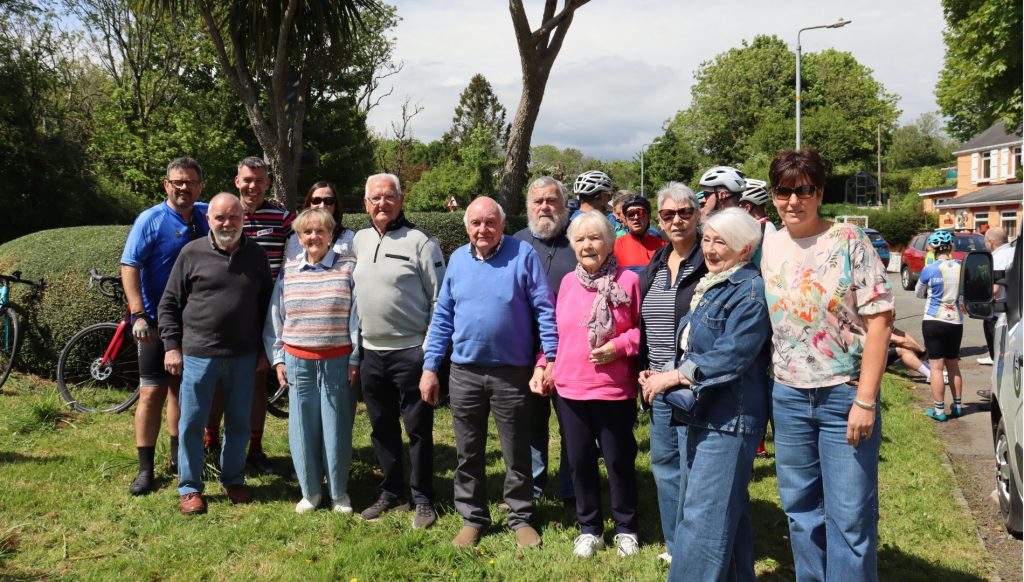

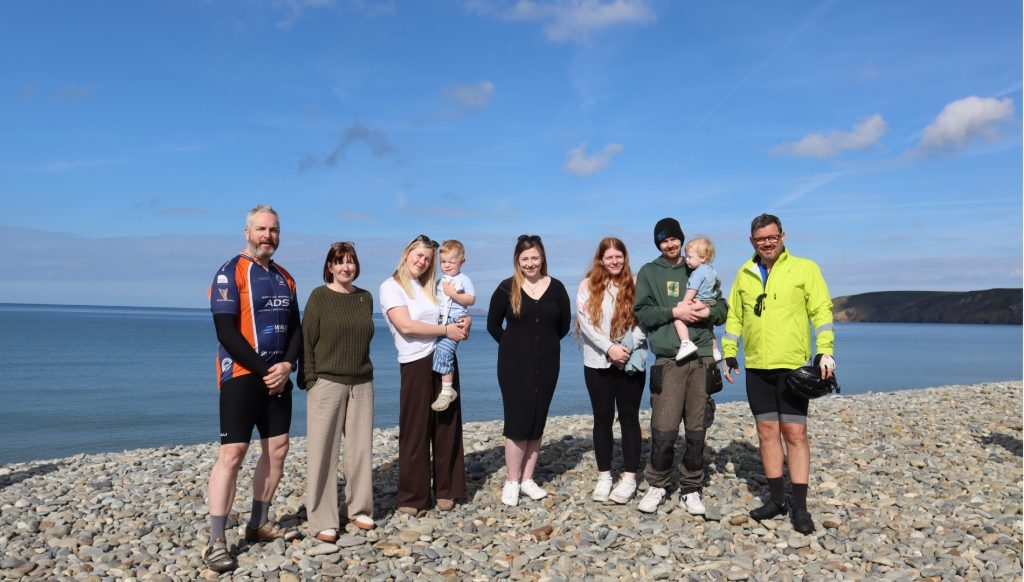
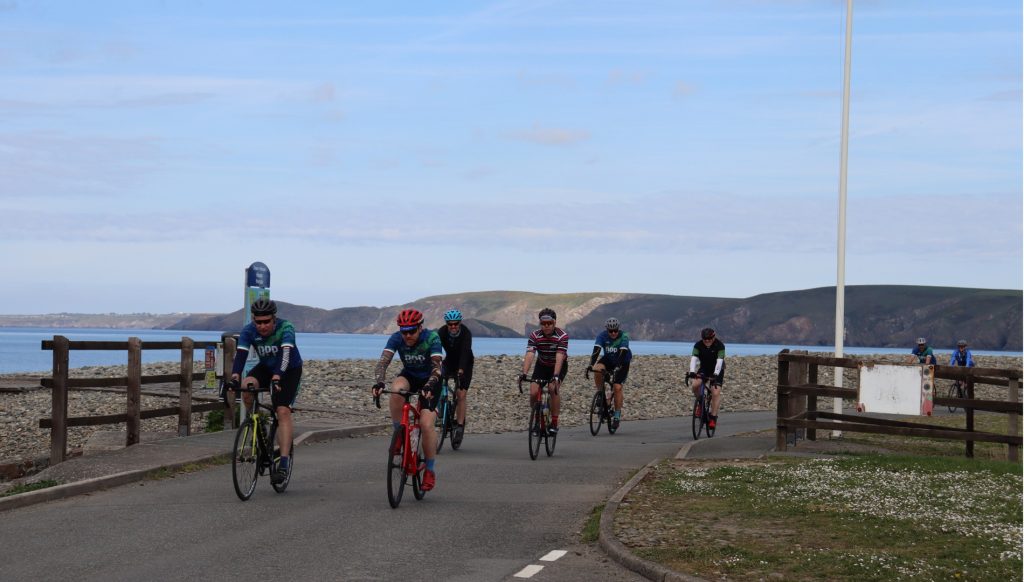
“Your cheers, waves and encouragement kept spirits high for those taking part.”
The 75-mile challenge took riders across parts of north and west Pembrokeshire before continuing east towards Carmarthenshire, combining physical endurance with remembrance and fundraising.
Police charities such as COPS often work quietly behind the scenes, supporting bereaved families long after national attention fades following the death of an officer.


MILFORD HAVEN TOWN COUNCIL has once again demonstrated its commitment to supporting local residents by awarding funding to Paul Sartori Hospice at Home following a successful application for financial assistance.
The £500 contribution will help support the ongoing delivery of vital day and night home nursing care for people receiving end-of-life care in the Milford Haven area.
The Mayor of Milford Haven, Councillor William Elliott, said: “It is a privilege for Milford Haven Town Council to continue supporting this important and vital service, which provides much-needed care and reassurance to residents in our community when it is needed most.
The work of Paul Sartori is incredibly important, and we thank them for all they do — not only for people in Milford Haven, but across the whole county.”
Paul Sartori Hospice at Home is a registered charity providing high-quality end-of-life care and a wide range of free services to individuals and families throughout Pembrokeshire. Through an open referral system, patients, carers, and family members can access specialist clinical care, emotional support, guidance, and practical assistance, with many services delivered directly in patients’ homes.
A cheque for £500 was presented by the Mayor of Milford Haven to Judith Williams, Grant Development Officer at Paul Sartori Hospice at Home.
Judith Williams said: “We are extremely grateful to Milford Haven Town Council and its councillors for their continued support. Donations such as this make a real difference locally, helping us provide compassionate, dignified care to people in Milford Haven at the end of life.
Support from town and community councils not only helps sustain essential nursing services, but also reflects the strong partnership between Paul Sartori and the communities we serve. We truly value this ongoing commitment.”
The Paul Sartori nursing team currently provides approximately 150 hours of care each month within the Milford Haven area. Funding from Milford Haven Town Council will directly support local residents, enabling them to remain at home and receive professional, compassionate care surrounded by loved ones.
Alongside day and night nursing care, the charity also offers equipment loans, complementary therapies, bereavement and counselling support, and future care planning services — all free of charge and designed to maintain dignity, comfort, and independence for patients and families.
Families across Pembrokeshire living with a life-limiting illness can benefit from Paul Sartori Hospice at Home services. However, as a charitable organisation, the service relies heavily on the generosity of local communities, supporters, and fundraising initiatives to continue delivering this essential care.
Paul Sartori Hospice at Home is encouraging town and community councils across Pembrokeshire to consider supporting the charity to help ensure high-quality end-of-life care remains accessible throughout the county.

Photo Caption:
Judith Williams, Grant Development Officer at Paul Sartori Hospice at Home, pictured with the Mayor of Milford Haven, Councillor William Elliott.

Festival promises live music, Welsh ales and community spirit at the waterfront
MILFORD HAVEN Beer Fest is set to return later this month, with organisers promising another packed day of live music, craft drinks and festival atmosphere.
The popular annual event will take place at Milford Waterfront on Saturday, May 23, inside the Ascona Group Marquee, with doors opening at 12:00pm.
Organisers say no advance tickets will be available, with entry operating on a first come, first served basis. Another sell-out is expected and early arrival is strongly advised.

A wide range of Welsh breweries and drinks producers will be represented, including Tenby Harbwr Brewery, Bluestone Brewing Company, Gethin’s Cider, Mantle Brewery, Gower Brewery and Core of the Poodle.
Tiny Rebel Brewery will also be serving lagers, IPAs and its new stout, Coal Drop, while Barti Rum will showcase its latest canned drinks. Prosecco and Pimm’s will also be available.
Entertainment throughout the day will be hosted by Pure West Radio, with headliners 4th Street returning to the waterfront.
The line-up also includes a DJ set from former Welsh rugby international and British and Irish Lion Josh Navidi, alongside performances from Steve Bartram, Big Chicken, Jake Taylor, Function 22 and Natalie O’Brien.
Festivalgoers will also be able to enjoy a street food zone featuring Grub Tacos, Junkyard Dogs and Reeves BBQ.
Community support
Nathan Rees, chairman of Milford Haven Round Table said: “The Beer Festival is a huge highlight for us – not just for the atmosphere, but for the impact it has.
“Every penny raised goes back into the community, funding events like our Carnival and Fireworks and supporting local causes.
“We’re also incredibly grateful to The Ascona Group for their continued sponsorship and to the Port of Milford Haven for their ongoing support as our Major Events Partner, as well as all the Beer Festival sponsors for 2026.”
Ticket information
Entry costs £25 and includes four drink tokens, a festival cup and live entertainment throughout the day.
Additional drink tokens will cost £2.50 each, with cash and card accepted.
The event is strictly over-18s only.
Organisers say there will be a 100 per cent bag search policy, with visitors strongly advised not to bring bags. Free water will be available, and dogs will not be allowed.



News15 hours ago
Plaid Cymru celebrates historic victory as Rhun ap Iorwerth arrives at Cardiff Bay
CROWDS gathered outside the Senedd as Plaid Cymru leader Rhun ap Iorwerth arrived in Cardiff Bay following his party’s historic...


Crime16 hours ago
Police standoff ends after four-hour incident in Pembroke Dock
ELIZABETH COURT SCENE STOOD DOWN AFTER DOMESTIC INCIDENT A FOUR-HOUR police standoff in Pembroke Dock has ended with a 21-year-old...


Crime20 hours ago
Teen denies attempted murder of Milford Haven teacher
TEENAGER REMANDED AHEAD OF JULY TRIAL A 15-YEAR-old boy has denied attempting to murder a teacher during a stabbing incident...

News2 days ago
Catastrophe for Labour as Plaid and Reform reshape Welsh politics
ELUNED MORGAN LOSES SEAT AS OLD CERTAINTIES ARE SWEPT AWAY THE VOTERS of Wales have delivered one of the most...


News2 days ago
Labour wiped out in Ceredigion Penfro as Plaid tops poll and First Minister loses seat
Shock result sends political shockwaves across Wales as Reform also surges in historic Senedd count LABOUR suffered one of the...

News2 days ago
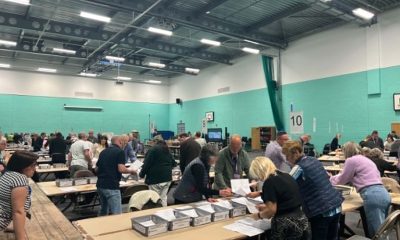
Labour deputy says party ‘will not form next Welsh Government’
LABOUR FACES HISTORIC DEFEAT AS COUNTING CONTINUES ACROSS WALES LABOUR’S Deputy Leader in Wales has effectively conceded the Senedd election,...

News2 days ago
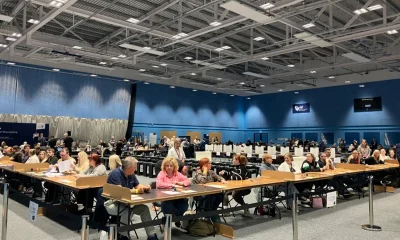
Counts underway in historic Senedd election
Wales waits for results as first election under new voting system reaches count stage COUNTING is underway across Wales today...


Charity3 days ago
Chief’s Tour honours fallen officers with 75-mile Pembrokeshire ride
Dyfed-Powys Police team raises thousands for bereaved police families charity A TEAM of officers and staff from Dyfed-Powys Police cycled...


Crime3 days ago
Racial abuse suspect barricaded himself inside Johnston lodge
ARMED police were called to a supported accommodation building in Johnston after a man allegedly barricaded himself inside a room...

Crime3 days ago
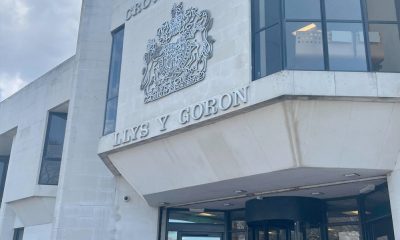
Milford Haven woman denies causing suffering to cat
Jury hears evidence over alleged failure to seek treatment for tumour A MILFORD HAVEN woman has denied causing unnecessary suffering...
-

 News5 days ago
Baby in critical condition after Fishguard emergency
-

 News4 days ago
Former housing officer admits drink-driving in Pembrokeshire retail park
-
 Crime4 days ago
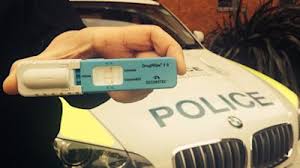
Job loss threat for convicted Pembrokeshire drug-driver
-
 Crime4 days ago
Milford motorist disqualified for drug-driving
-

 Crime4 days ago
Police tip-off leads to driving ban for Milford motorist
-
Crime3 days ago
Racial abuse suspect barricaded himself inside Johnston lodge
-
 Crime4 days ago
Delivery driver caught twice over legal drink-drive limit
-

 Community4 days ago
Sixth-former firefighter balances schoolwork with saving lives