


Health
Glangwili Hospital faces increased pressure as children’s services centralised


GLANGWILI HOSPITAL in Carmarthen is set to face a surge in demand as it becomes the main provider of children’s healthcare services for the entire Dyfed region, following significant changes in paediatric care at Withybush Hospital in Pembrokeshire and Bronglais Hospital in Ceredigion. This centralisation has raised concerns about how Glangwili will manage the influx of young patients from all three counties: Carmarthenshire, Pembrokeshire, and Ceredigion.
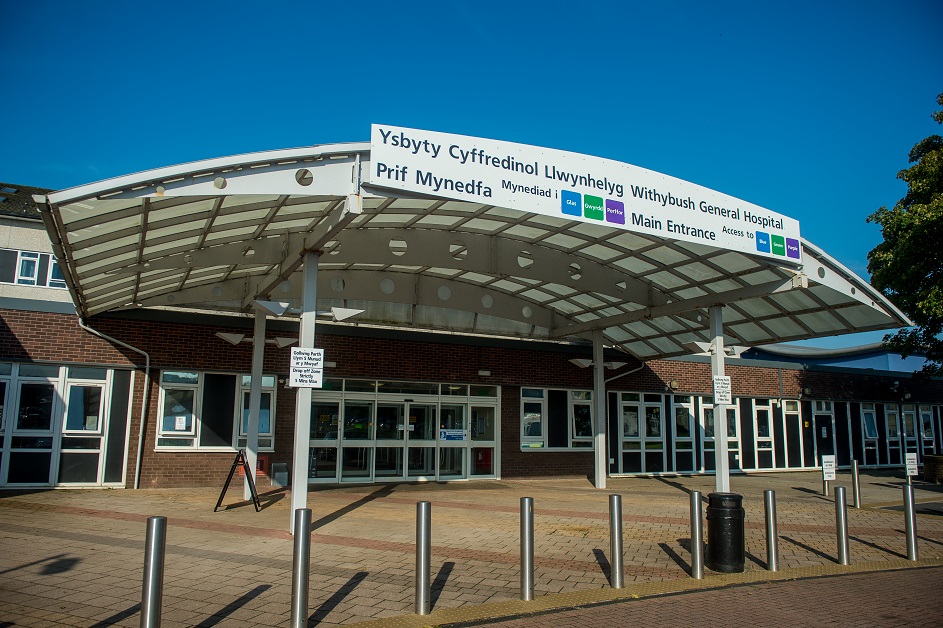
The closure of the Paediatric Ambulatory Care Unit (PACU) at Withybush Hospital in Haverfordwest was recently made permanent, leaving families in Pembrokeshire without local access to hospital-based care for children. This decision came after the unit’s hours were reduced in 2016 and its services were “temporarily” transferred to Glangwili during the pandemic, only to never return. Hywel Dda University Health Board cited financial and staffing constraints as the main reasons for this closure, leaving Glangwili as the sole 24-hour inpatient paediatric facility in the region.
Adding to the strain, Hywel Dda University Health Board has announced that children requiring more than 24 hours of care at Bronglais Hospital in Aberystwyth will also be transferred to Glangwili, starting 1 November 2024. This temporary measure, expected to last six months, is a response to a shortage of paediatric nurses at Bronglais. However, families fear that the increased burden on Glangwili could have long-term consequences for children’s healthcare in Dyfed.
The announcement has been met with concern from local politicians and community members. Ceredigion MS Elin Jones described the decision as a “real shock,” warning of its impact on families in the region. “This will cause real concern to ripple through the community,” she remarked, emphasising the need to ensure the change remains temporary. Many residents also fear the decision sets a worrying precedent for the future of paediatric care in Ceredigion.
Dr. Gwen Rees criticised the decision, stating it could lead to “poorer health and wellbeing outcomes” due to limited access to inpatient care. Highlighting the challenges faced by families in rural areas, Dr. Rees noted that the transfer to Glangwili poses logistical and emotional difficulties, particularly for those living over an hour away.


With the upcoming changes, Glangwili Hospital now faces the task of providing paediatric care to the entirety of the former county of Dyfed. Encompassing Carmarthenshire, Pembrokeshire, and Ceredigion, this is a vast and largely rural area, making travel to the hospital difficult for many families. In some cases, parents may now face journeys of over an hour to access hospital care for their children, a situation that is particularly concerning for emergencies and those requiring ongoing treatment.
Parents and local campaigners have expressed their dismay, arguing that the centralisation of services at Glangwili could compromise the quality and timeliness of care for children across the region. Residents of Pembrokeshire and Ceredigion have already voiced their frustrations over the closure of Withybush’s PACU, pointing out that previous “temporary” reductions in services often become permanent. The prospect of Glangwili now having to handle patients from all three counties has only heightened their concerns about the sustainability of paediatric healthcare in west Wales.
In response, Hywel Dda University Health Board has assured the public that the changes are necessary to address staffing shortages and financial challenges while ensuring safe care delivery. Dr. Prem Kumar Pitchaikani, Clinical Director for Women & Children’s Services, emphasised that the adjustments at Bronglais are a “short-term operational change” meant to prioritise the safety of patients and staff. However, many families remain sceptical, especially given the history of gradual service reductions at Withybush.
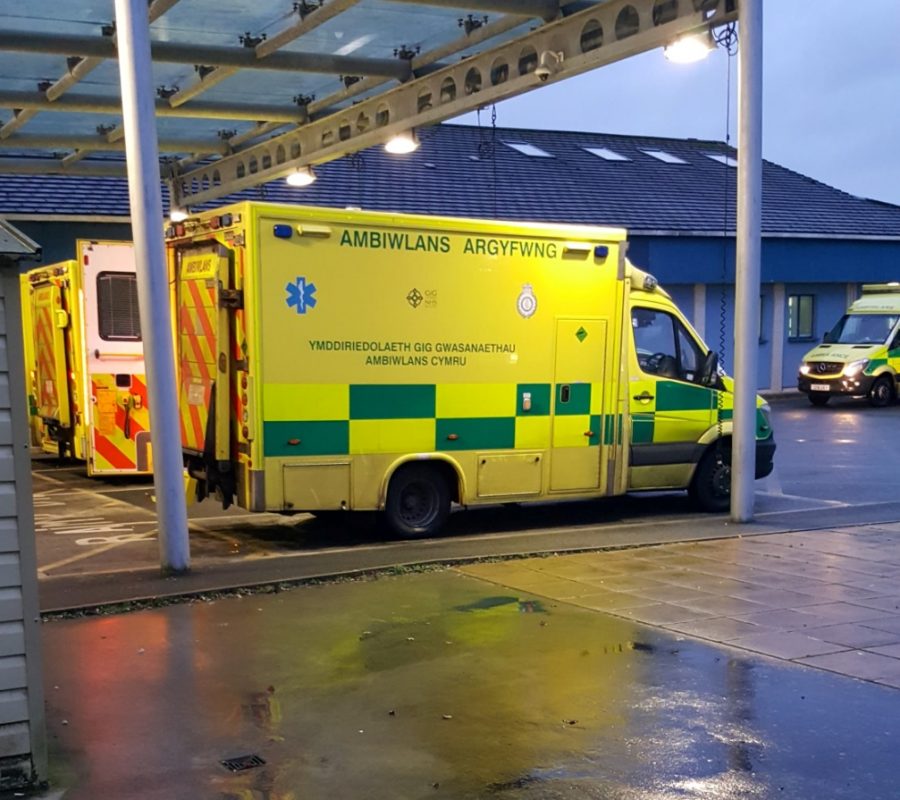
The health board has also promised to support families affected by these changes, including providing designated ambulance vehicles and exploring other transport solutions. Despite these efforts, the reality of centralising care at Glangwili raises questions about how effectively the hospital can manage the increased patient load without compromising the level of care.

As the changes take effect, communities across Carmarthenshire, Pembrokeshire, and Ceredigion will be watching closely to see how Glangwili Hospital adapts to its new role as the main paediatric care provider for the entire Dyfed region.







ST JOHN AMBULANCE is proud to share that three local St John Ambulance cadets have been crowned National First Aid champions after competing against eight other cadet teams representing counties across Wales.
The team, comprising Emily Williams (Yr 10, Ysgol Bro Gwaun), Ruby Collins (Yr 10, Ysgol Henri Tudor), and Gemma Tilbury (Yr 11, Ysgol Henri Tudor) represented the whole of Dyfed, and demonstrated exceptional skill, teamwork, and composure throughout three demanding rounds.
The competition consisted of a first aid knowledge quiz and exam, followed by a practical skills challenge assessing communication, teamwork, and the ability to perform under pressure—an area in which they excelled. The final round featured a complex, theatrically produced first aid scenario. Here, the team showed remarkable calm and professionalism as they stabilised a casualty with a severe compound bleed involving a large object lodged in the wound. They also managed distressed and aggressive members of the public, and successfully resuscitated an unresponsive, non-breathing casualty using CPR and a defibrillator—all completed in record time.
In Pembrokeshire, cadets train every Monday evening during term time from 5:45–7:15pm, with sessions focussing on practical, hands-on learning of real-life first aid skills, including CPR, defibrillator use, treatment of severe wounds, allergic reactions, choking, strains and sprains, head injuries, heart attacks, hypothermia, and much more. Training is engaging and interactive, often involving active, game-based learning, ensuring there is rarely a dull moment.
Cadets also have the opportunity to support a wide range of events delivered by St John Ambulance Cymru. Working alongside adult volunteers and healthcare professionals, they engage with the public at events of all sizes, applying their skills in real-world, and sometimes life-saving, situations.
Beyond events, cadets are encouraged to share their knowledge within the community, helping to lead first aid demonstrations and inspire others. Previous outreach has included sessions with Scouts, Cubs, Brownies, and Girlguiding groups, as well as senior community organisations such as the Pembroke Lions and specialist charities like Pembrokeshire People First. On a larger scale, cadets played a key role in organising and delivering “Defibruary,” where they helped lead a team of St John first aiders to train over 950 students at Henri Tudor in a single day in February 2026.
If you are interested in volunteering, opportunities are available for cadets aged 11–16 and adults aged 16+. We are always keen to welcome new members and are happy to discuss opportunities for adults to support the cadet programme as youth leaders.
To find out more visit https://www.sjacymru.org.uk/volunteer

Paul Sartori Hospice at Home is celebrating a major support package from The James Tudor Foundation thanks to an unrestricted grant to help fund the charity’s vital end-of-life care services throughout the county.
The £46,364 grant award ill be paid over three years.
Commenting on the windfall, the new Chief Executive Officer, Laura Hugman, said, “At a time where funding and funding partnerships are challenging, we’re very grateful to The James Tudor Foundation in helping us achieve our aims and passion for supporting and bringing reassurance to the local families who need us.”
Paul Sartori Hospice at Home provides an holistic approach to end-of-life care, which encompasses home nursing, equipment loan, complementary therapies, bereavement and counselling support, physiotherapy, future care planning, and training. The team provides thousands of hours of day and night respite care each year, ensuring that patients can receive the support they need, complementing the statutory provision within the comfort of their own homes.
Judith Williams, Grant Development Officer at Paul Sartori Hospice at Home, expressed the charity’s gratitude: “We’re incredibly thankful to The James Tudor Foundation for their continued generosity. Their support helps us maintain our nursing service, which is a lifeline for many families facing end-of-life care challenges.”
Paul Sartori Hospice at Home offers a comprehensive range of services to individuals with life-limiting illnesses, ensuring they can be cared for at home with dignity, independence, and comfort.
Health board accused of misleading claims over recruitment as pressure mounts ahead of final decision
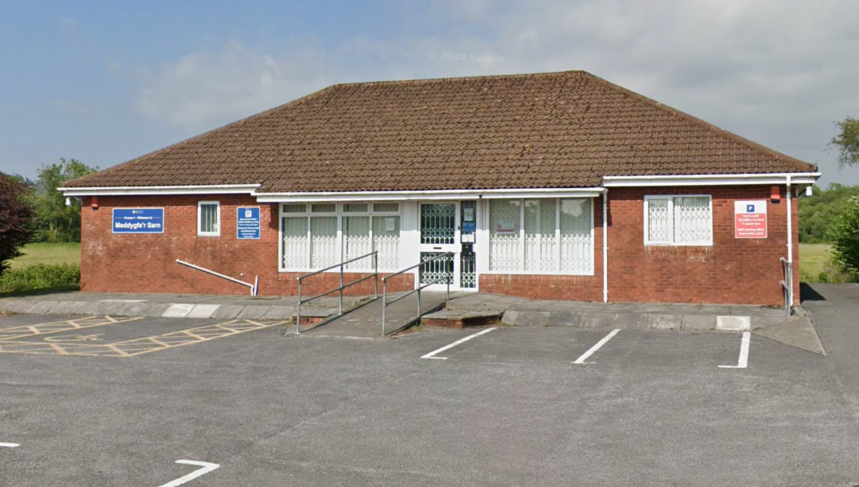
A FREEDOM of Information disclosure has raised serious questions over plans to close Meddygfa’r Sarn in Pontyates, with claims the health board failed to properly attempt to recruit permanent doctors before recommending its shutdown.
The row centres on Hywel Dda University Health Board, which is due to make a final decision on the surgery’s future later this month.
An FOI response reveals that while the board cited a “lack of recruitment interest” in its January report, there is limited evidence of any recent, targeted recruitment campaign specifically aimed at the Pontyates practice.
Instead, the board confirmed that salaried GP roles were advertised in 2020 across its wider portfolio of managed practices — rather than as a focused effort to fill posts at Meddygfa’r Sarn itself. Those vacancies did not result in successful appointments.
‘No real attempt’
Independent Senedd candidate Carl Peters-Bond, who is also a patient at the surgery, has strongly criticised the health board, accusing it of presenting a misleading picture to justify closure.
He said: “They cited a lack of recruitment interest as justification for closing this surgery — but they never actually ran a proper recruitment campaign for it.
“Sending out general adverts years ago is not the same as making a serious, targeted effort to keep a vital community service alive.”
He also raised concerns about the consultation process, claiming it focused on the impact of closure rather than asking whether closure should happen at all.
Fully reliant on locums
The FOI confirms that Meddygfa’r Sarn currently has no salaried GPs and is entirely dependent on locum doctors.
While the health board says this model is unsustainable in the long term, the same disclosure shows several other managed practices across the region also rely heavily on locum staff — some to a significant degree.
Cost data included in the response suggests Meddygfa’r Sarn is not the most expensive practice per patient within the health board’s area.
Alternative options unclear
Another key issue raised by campaigners is the apparent lack of explored alternatives.

The FOI response indicates that the health board does not hold information on alternative local solutions, including potential relocation or different service models within the Pontyates area.
Campaigners argue this suggests closure was considered before all options had been properly examined.
A 52-page independent report submitted as part of the consultation process states that dispersing patients to other surgeries should only be considered as a last resort, after full recruitment efforts and capacity assessments have been carried out.
Health board position
Hywel Dda University Health Board maintains that the surgery, which serves around 4,350 patients, has faced long-standing recruitment difficulties and increasing reliance on temporary staff.
It says a Vacant Practice Panel concluded that dispersing patients to neighbouring surgeries would provide a more sustainable long-term solution.
The board has also acknowledged that transport and access concerns are likely to be a major issue for patients if the closure goes ahead, with a full Equality Impact Assessment expected to be considered before a final decision.
Decision later this month
The future of Meddygfa’r Sarn will be decided at a meeting of Hywel Dda University Health Board on Wednesday (May 28) at Yr Egin in Carmarthen.
With local anger growing and new questions emerging from the FOI disclosure, pressure is mounting on board members to reconsider the proposal.
Campaigners say the case now hinges on a simple question: whether enough was done to save the surgery before moving to close it.



News8 hours ago
Catastrophe for Labour as Plaid and Reform reshape Welsh politics
ELUNED MORGAN LOSES SEAT AS OLD CERTAINTIES ARE SWEPT AWAY THE VOTERS of Wales have delivered one of the most...


News10 hours ago
Labour wiped out in Ceredigion Penfro as Plaid tops poll and First Minister loses seat
Shock result sends political shockwaves across Wales as Reform also surges in historic Senedd count LABOUR suffered one of the...


News16 hours ago
Labour deputy says party ‘will not form next Welsh Government’
LABOUR FACES HISTORIC DEFEAT AS COUNTING CONTINUES ACROSS WALES LABOUR’S Deputy Leader in Wales has effectively conceded the Senedd election,...

News16 hours ago
Counts underway in historic Senedd election
Wales waits for results as first election under new voting system reaches count stage COUNTING is underway across Wales today...


Charity1 day ago
Chief’s Tour honours fallen officers with 75-mile Pembrokeshire ride
Dyfed-Powys Police team raises thousands for bereaved police families charity A TEAM of officers and staff from Dyfed-Powys Police cycled...


Crime2 days ago
Racial abuse suspect barricaded himself inside Johnston lodge
ARMED police were called to a supported accommodation building in Johnston after a man allegedly barricaded himself inside a room...

Crime2 days ago
Milford Haven woman denies causing suffering to cat
Jury hears evidence over alleged failure to seek treatment for tumour A MILFORD HAVEN woman has denied causing unnecessary suffering...


News2 days ago
Plaid Cymru projected to lead Senedd as Labour faces historic collapse
Final poll suggests Welsh politics could be on the brink of a major realignment PLAID CYMRU is on course to...

Community3 days ago
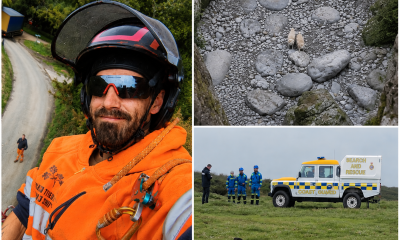
Rescue bid planned for lambs stranded below Stack Rocks cliffs
Tree surgeon preparing 150ft descent after live firing delayed rescue attempt A MAJOR rescue operation is being planned this afternoon...

News3 days ago
Bishop’s report reveals major renewal challenge at St Davids Cathedral
Formal Visitation highlights financial, structural, leadership and spiritual pressures at one of Wales’ most important religious sites ST DAVIDS CATHEDRAL...
-

 News4 days ago
Baby in critical condition after Fishguard emergency
-

 News3 days ago
Former housing officer admits drink-driving in Pembrokeshire retail park
-

 Crime3 days ago
Job loss threat for convicted Pembrokeshire drug-driver
-
 Crime3 days ago
Milford motorist disqualified for drug-driving
-

 Crime3 days ago
Police tip-off leads to driving ban for Milford motorist
-
Crime2 days ago
Racial abuse suspect barricaded himself inside Johnston lodge
-

 Crime3 days ago
Delivery driver caught twice over legal drink-drive limit
-

 Community3 days ago
Sixth-former firefighter balances schoolwork with saving lives