


News
A labour of love: The nine-year journey to restore a 1936 Daimler


FOR most people, owning a classic car is about nostalgia—a connection to a bygone era of motoring excellence. But for owner Harvey Bruce Henricksen, the 1936 Daimler is more than just a vintage automobile. It is the culmination of a near-decade-long struggle, a painstaking restoration project that began with little more than a rusting shell and a dream.
A Passion for British Engineering

British motoring history is steeped in craftsmanship, luxury, and innovation. From the earliest models of Rolls-Royce to the sleek Jaguars of the 1960s, the UK has been home to some of the most iconic vehicles ever built. Daimler, founded in 1896, was one of Britain’s most prestigious manufacturers, often supplying vehicles to royalty and dignitaries. By the time the Daimler rolled off the production line in 1936, it was a symbol of pre-war British engineering—graceful yet powerful, designed to turn heads wherever it went.
Unfortunately, like many classic cars, time was not kind to this particular Daimler. When Harvey first acquired the remains of JK 7092, it was barely recognisable as the elegant machine it had once been.
A Nine-Year Odyssey
In 2015, Harvey made the bold decision to take on the challenge of restoring the Daimler. Unlike most restorations, where enthusiasts start with a largely intact vehicle, he was working with little more than a corroded frame, a seized-up engine, and missing bodywork.
“It was in such poor condition that most people would have walked away,” Harvey admitted. “There were times I thought I’d bitten off more than I could chew.”

Over the course of nine gruelling years, he poured his own time and finances into breathing life back into the vintage car. Every part had to be meticulously sourced, refabricated, or custom-built from scratch. The engine was completely rebuilt, requiring parts that were no longer in production. The chassis had to be reinforced, the interior painstakingly restored to match its original grandeur.
Brotherly Support
While Harvey financed the project in its entirety, he was not alone in the journey. His brother, Hugo, lent his skills and support, helping with the heavy lifting, welding, and reassembly of the car.
“There were nights when we were up until 3:00am, covered in oil and wondering what the hell we were doing,” Hugo laughed. “But when you see the final result, you realise it was all worth it.”
The restoration became more than just a mechanical challenge—it was a bonding experience, a shared passion that deepened their relationship.

The Triumph of Persistence
After nearly a decade of setbacks, sleepless nights, and financial strain, the Daimler is finally complete. The car now stands as a testament to British engineering, restored with painstaking attention to detail and a deep respect for its heritage.
“It’s been a labour of love,” Harvey said proudly. “Some people spend years building a house—this car was my house. It’s a part of me.”
A Legacy Preserved
Restoring a Daimler of this calibre is no small feat. Many classic vehicles disappear into obscurity, forgotten in barns or scrapped when restoration becomes too costly. But Bruce refused to let that fate befall the car.

Now, as the engine purrs to life, the years of struggle fade into the background, replaced by the satisfaction of bringing a British icon back to the road. For Harvey and Hugo, the Daimler isn’t just a car—it’s a symbol of perseverance, craftsmanship, and an unwavering belief in the beauty of a bygone era.
And as the fantastic motor glides down the road once more, it carries with it a story of determination, brotherhood, and an unbreakable connection to the golden age of British motoring.


Political sources warn tiny vote differences could decide final seats under Wales’ new proportional voting system, with fears of inconsistent recount decisions across the country
QUESTIONS have been raised over how recounts will be handled in Wales’ first Senedd election using the new six-member proportional voting system, amid fears that tiny vote differences could decide the final seat in some constituencies.
Under the new arrangements, Wales has been divided into larger multi-member constituencies, with six Senedd Members elected in each area using the D’Hondt system of proportional representation.
Political sources have expressed concern that the current Electoral Commission guidance may not adequately address situations where the allocation of the sixth and final seat could hinge on very small differences in party vote totals.
One political source, who asked not to be named, said the issue was not about the competence or integrity of Returning Officers, but about the lack of detailed public guidance surrounding recount decisions under the new system.
They said: “In some constituencies, the final seat may come down to a very narrow margin once the D’Hondt calculations are applied, even if no party’s overall vote total appears especially close in traditional terms.
“The concern is that there appears to be no clear guidance about how close the contest for the final seat needs to be before a recount is granted.”
The source warned that without clearer guidance there could be inconsistencies across Wales, with recounts potentially being allowed in one constituency but refused in another despite similar margins.
Electoral Commission guidance currently states that Returning Officers must be satisfied vote totals are accurate before producing a provisional result and that candidates and agents are entitled to request recounts.
However, the guidance also makes clear that Returning Officers may refuse recount requests if they consider them “unreasonable”.
The Electoral Commission said the existing rules already provide a framework for openness and transparency during the counting process, with candidates and agents allowed to inspect ballot bundles and challenge provisional results before declarations are made.
The guidance also confirms that more than one recount can take place if Returning Officers believe further recount requests are justified.
But critics argue that Wales is entering untested territory with the new electoral system, where relatively small shifts in vote totals could alter the final seat allocation after D’Hondt calculations are completed.

The Senedd election is the first to use the new system, which replaces the previous arrangement of constituency and regional members with fully proportional six-member constituencies across Wales.
This story was first reported by Nation.Cymru, you can read their report here.

Dyfed-Powys Police team raises thousands for bereaved police families charity
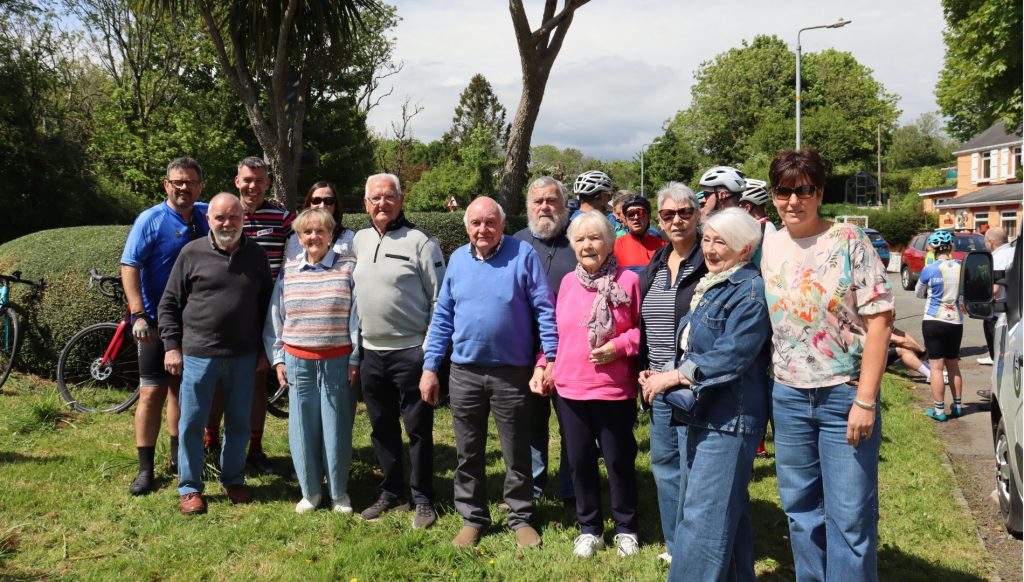
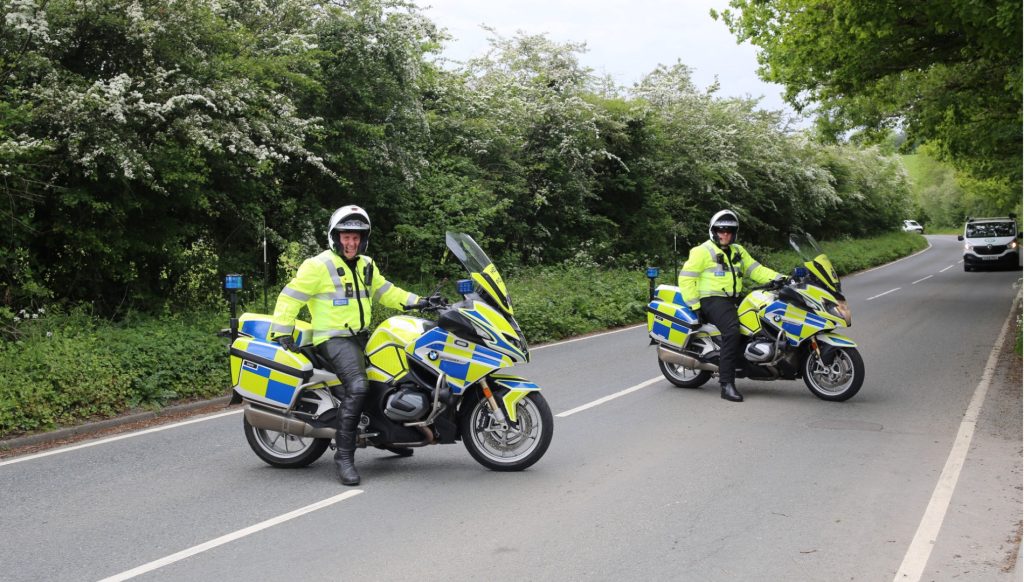
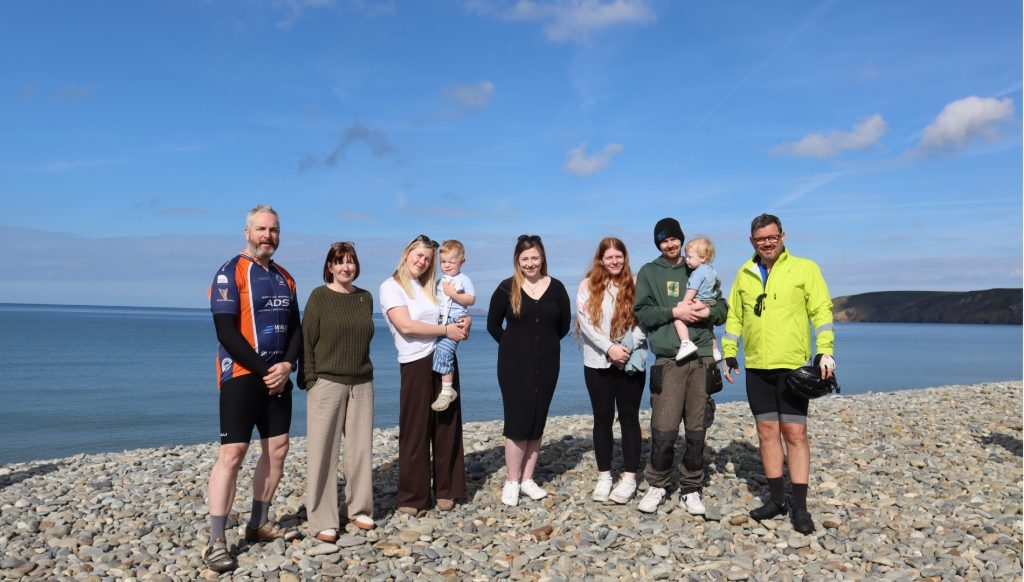
A TEAM of officers and staff from Dyfed-Powys Police cycled 75 miles across west Wales on Wednesday (May 6) in memory of colleagues who lost their lives in the line of duty.
The annual “Chief’s Tour of Pembs 2026” saw participants travel from Fishguard to Carmarthen while raising money for the charity Care of Police Survivors, commonly known as COPS.
The force said the event raised £2,690, with funds going towards support for the families of police officers who have died while serving their communities.

Along the route, cyclists stopped at several locations to meet relatives of fallen officers and take part in moments of reflection.
In a statement shared on social media, the force said the tour was held “in memory of all Dyfed-Powys Police officers who have lost their lives in service.”
The post added: “Those we’ve lost will always remain in our thoughts.”
COPS supports the families of officers who have died on duty by organising national and regional events, helping survivors build support networks and friendships with others who have experienced similar loss.
Dyfed-Powys Police thanked members of the public who supported the cyclists during the challenge.
“A huge thank you to our community for showing our Chief’s Tour cyclists support as they passed through Pembrokeshire,” the force said.



“Your cheers, waves and encouragement kept spirits high for those taking part.”
The 75-mile challenge took riders across parts of north and west Pembrokeshire before continuing east towards Carmarthenshire, combining physical endurance with remembrance and fundraising.
Police charities such as COPS often work quietly behind the scenes, supporting bereaved families long after national attention fades following the death of an officer.

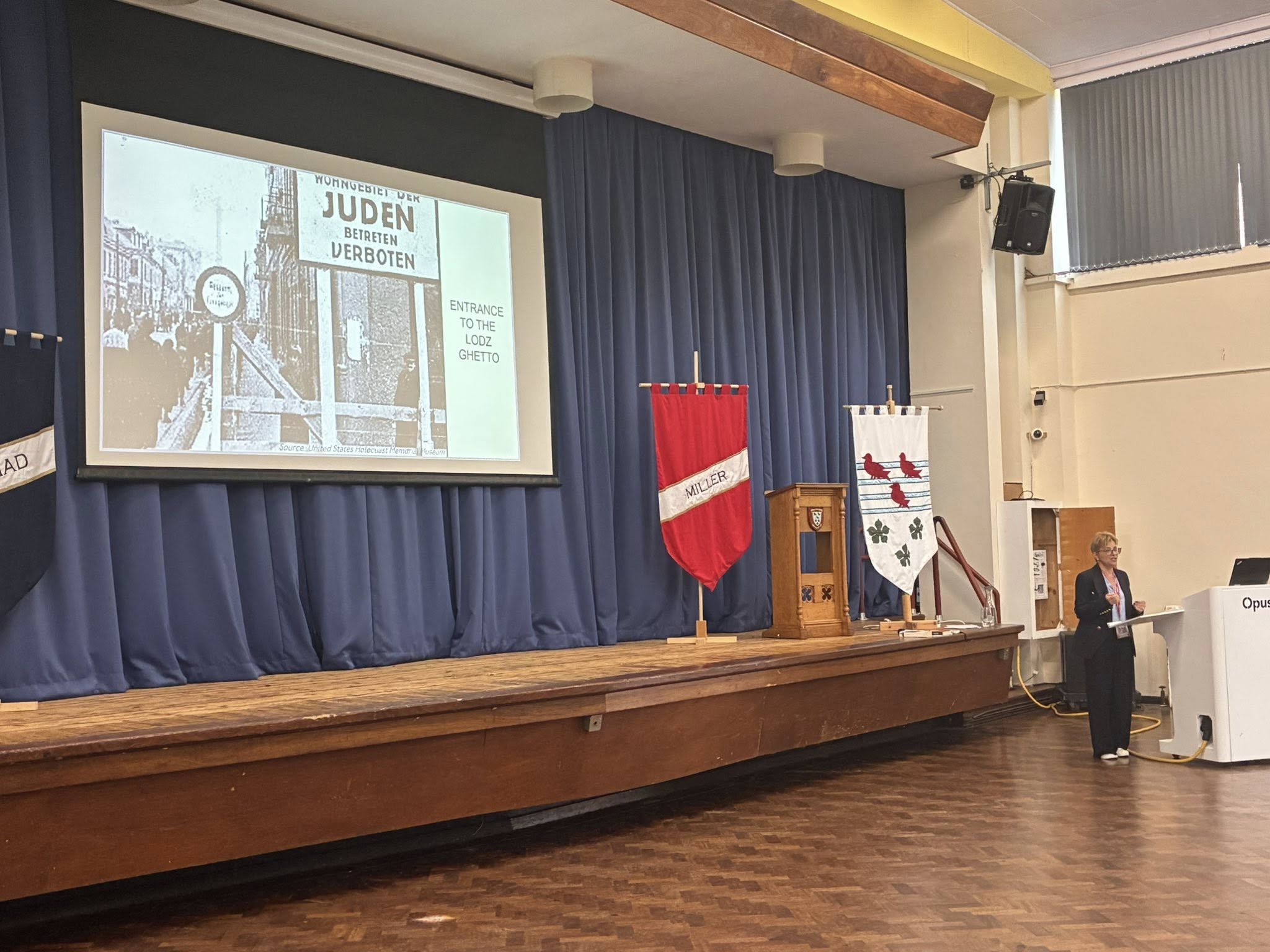
MORE than 150 pupils at Ysgol Greenhill have heard the moving Holocaust testimony of the late Zigi Shipper BEM, who survived some of the most terrible events of the Second World War.
The special visit took place on Tuesday (May 5), when Mrs Lu Lawrence came to the school to speak about the life of her father.
Zigi Shipper survived the Lodz ghetto, Auschwitz-Birkenau, Stutthof concentration camp and a death march, among other traumatic events. When he was liberated by British forces, he was just 15 years old.

Mrs Lawrence spoke to Key Stage 3 and GCSE pupils, sharing not only her father’s testimony but also her own family’s story.
Ysgol Greenhill said more than 150 students attended the session and were “exceptionally well behaved”, asking thoughtful questions during the visit.
The school said: “In the current climate of increasing anti-Semitism, understanding the dangers of prejudice is more important than ever.”
The visit was arranged by the Holocaust Educational Trust, which works with schools to ensure young people continue to learn about the Holocaust and the dangers of hatred and discrimination.
The session gave pupils an opportunity to hear a deeply personal account of survival, loss and resilience, and to reflect on why Holocaust education remains so important today.
Photo caption:
Important lesson: Mrs Lu Lawrence visited Ysgol Greenhill to share the Holocaust testimony of her late father Zigi Shipper BEM (Pic: Ysgol Greenhill).



Charity5 hours ago
Chief’s Tour honours fallen officers with 75-mile Pembrokeshire ride
Dyfed-Powys Police team raises thousands for bereaved police families charity A TEAM of officers and staff from Dyfed-Powys Police cycled...


Crime7 hours ago
Racial abuse suspect barricaded himself inside Johnston lodge
ARMED police were called to a supported accommodation building in Johnston after a man allegedly barricaded himself inside a room...

Crime8 hours ago
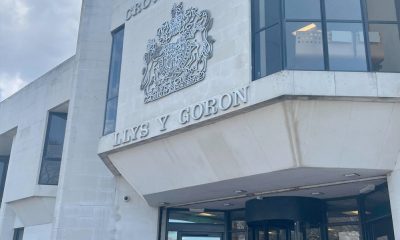
Milford Haven woman denies causing suffering to cat
Jury hears evidence over alleged failure to seek treatment for tumour A MILFORD HAVEN woman has denied causing unnecessary suffering...


News1 day ago
Plaid Cymru projected to lead Senedd as Labour faces historic collapse
Final poll suggests Welsh politics could be on the brink of a major realignment PLAID CYMRU is on course to...

Community1 day ago
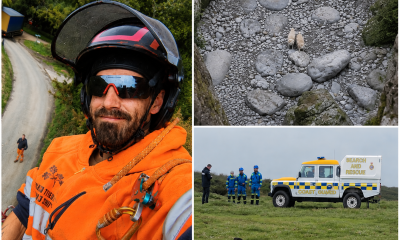
Rescue bid planned for lambs stranded below Stack Rocks cliffs
Tree surgeon preparing 150ft descent after live firing delayed rescue attempt A MAJOR rescue operation is being planned this afternoon...


News2 days ago
Bishop’s report reveals major renewal challenge at St Davids Cathedral
Formal Visitation highlights financial, structural, leadership and spiritual pressures at one of Wales’ most important religious sites ST DAVIDS CATHEDRAL...


Crime2 days ago
Farming company fined £19,000 for damaging protected wildlife site
A CARDIGAN farming company has been ordered to pay almost £20,000 after recklessly damaging a Site of Special Scientific Interest....


News2 days ago
Baby in critical condition after Fishguard emergency
Teenagers arrested as police investigate circumstances A BABY remains in hospital in a critical but stable condition after being taken...


Community3 days ago
Tenby phone signal crisis goes national as businesses warn of summer disruption
TRADERS SAY CARD PAYMENTS, TAXIS AND VISITOR SAFETY ARE BEING HIT BY ‘DEAD ZONE’ COVERAGE TENBY’S long-running mobile phone signal...


News3 days ago
Final poll puts Plaid and Reform level ahead of Senedd vote
Labour faces historic setback as new modelling points to a hung Senedd PLAID CYMRU and Reform UK are projected to...
-
News2 days ago
Baby in critical condition after Fishguard emergency
-

 News2 days ago
Former housing officer admits drink-driving in Pembrokeshire retail park
-
 Crime2 days ago
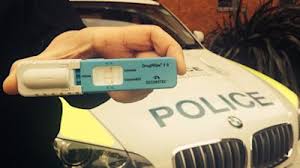
Job loss threat for convicted Pembrokeshire drug-driver
-
 Crime2 days ago
Milford motorist disqualified for drug-driving
-

 Crime2 days ago
Police tip-off leads to driving ban for Milford motorist
-
 Crime2 days ago
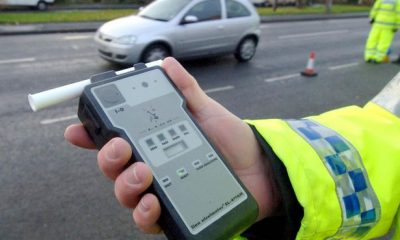
Delivery driver caught twice over legal drink-drive limit
-
Crime7 hours ago
Racial abuse suspect barricaded himself inside Johnston lodge
-

 Community1 day ago
Sixth-former firefighter balances schoolwork with saving lives