



Charity
RSPCA looks back at the Sea Empress oil tanker disaster 30 years on

Charity reflects on one of the biggest environmental disasters to hit UK
IN just a few days time it will be 30 years since the Sea Empress disaster and RSPCA staff have been looking back at the role they played in helping to save thousands of seabirds.
Early on the evening of 15 February, 1996 the Sea Empress, a single hull oil tanker, hit rocks on its way into the Cleddau Estuary and the ship’s cargo of 130,000 tonnes of crude North Sea oil started to spill into the waters off Pembrokeshire.
The RSPCA launched a massive rescue operation in response to the disaster in an effort to save the thousands of oiled and dying seabirds that were so badly affected by the slick.
Scores of volunteers helped open and run a makeshift animal hospital – set up in an old industrial unit in Milford Haven – where the sea birds (pictured is a guillemot from 2021) were taken – while 53 RSPCA Inspectors, 14 ambulance drivers and wildlife centre staff experts worked around the clock to nurse, clean and feed as many of the birds back to health as they could. At the height of the intake almost 760 birds were taken in one day.
By March 5 (1996) it was reported that the oiled bird count was that 2,542 birds had been found dead, 3,142 had been rescued by the RSPCA and 757 had died in care – with many others taken in by other bird hospitals and others dying at sea.

A group of RSPCA long-serving staff – who have worked for the charity collectively for more than 210 years – were involved in the operation 30 years ago and have been looking back at the massive rescue effort.
RSPCA Chief Inspectorate Officer Steve Bennett has also recognised the dedication of their work on the frontline for turning “a scene of unnecessary loss of life” into a story of hope and recovery in what he described as the “most magnificent rescue operations in the history of the RSPCA.”

Richard Abbott, who is now an RSPCA Chief Inspector in the South West of England, was one of the Inspectors on duty the night the Sea Empress ran aground. (pictured whilst being interviewed by Sky News in front of the Sea Empress at St Anne’s Head in 1996).
“I recall speaking to a Brecon RCC (Brecon Regional Control Centre) tasker who said they had received a call saying a tanker had run aground at Milford Haven and was leaking 30,000 gallons of oil,” said Richard.
“I asked the tasker to ring the Coastguard to double check as I was driving and enroute to an emergency at the time, about 10.30pm.
“She rang me back about five minutes later and said to my astonishment that the Coastguard had confirmed the report. I pulled over and rang the Chief Inspector Romain de Kerckhove at home and started the response.”
Richard recalled the initial “chaos” and how he was tasked to attend the control room at Milford Haven the following morning.

“I went down and immediately got thrown into a room with all of these executives from different organisations from all over the UK. But initially nothing much happened. We were just kind of getting ready to see where the oil would go because we didn’t know where it would land.
“We knew it was out there, but we didn’t know if it was going to come down the estuary or not and then we could see it starting to move down when the tide was coming in.”
Romain de Kerckhove, who has been with the RSPCA for 39 years, and is still currently serving as Chief Inspector for Mid and West Wales, said when the tragedy happened organisations were looking towards the RSPCA for direction.

He said: “About a year before, we got a call from Carmarthenshire County Council from a contingency planner who said he was trying to set up some plans for any future emergencies.
“We went to a couple of these meetings and there were volunteers from all sorts of bird hospitals. They turned to the RSPCA and asked if we could coordinate the volunteers. So it was agreed that the RSPCA would manage any volunteers in the event of an oil spill – that we all hoped would never happen…..”
When disaster struck – it then fell to Romain to explain to the many organisations, groups and volunteers what needed to be done and to implement a rescue plan.
“We started putting a plan together to send people down to beaches and give them some direction,” said Romain. “Then after a while it didn’t take long before birds started getting picked up and coming in. But by that stage we’re only just setting up the makeshift hospital at Thornton Industrial Estate.”
Romain recalled that the press put out that they needed volunteers and “dozens and dozens – if not hundreds turned up” which was initially tricky to manage.
“We found different beaches where we thought the birds were going to come in,” he said. “Everyone was so well meaning, but if there was one bird located, there were like 50 people all charging down the beach trying to be first there.
“So what we did was the RSPCA Inspectors would each be in charge of a beach and they would have a collection of cardboard boxes and not much else. There they managed the volunteers and organised the efforts.”
Richard added: “Our transit vans were emptied out and those vans would go to the beaches collecting up the boxes of birds – which were mostly common scoters – and then we brought them back up to Thornton Industrial Estate in Milford Haven where we dropped them off and then went back.
“We also had people going out in boats as well. It was chaos initially but things did just click into place and everyone got on with what they needed to do.”
As well as the strong response to volunteering, Romain recalls how donations were also generously given to help support the operation.
RSPCA Llys Nini Branch – alongside other RSPCA branches – also played their part by scanning the beaches – including those in the Gower – for oiled birds and launched an appeal for items to help with the washing of the birds.
“We used towels, washing up liquid, and we needed toothbrushes to wash the beaks,” said Romain. “After that went on the news, car loads full of this stuff would turn up. Every day I’d be opening the mail at the industrial unit and there’d be jiffy bags full of used toothbrushes.
“And then Procter & Gamble got in touch and before we knew it, we had mountains of Fairy Liquid. We probably needed 200 toothbrushes but we ended up with about 10,000 toothbrushes. So it was a bit chaotic – however, it did show the kindness and generosity of the general public who wanted to help and we were very grateful for the support.”
As well as those who wanted to help collect and wash birds, they often had others who offered to help in other ways.
“I remember just breathing a sigh of relief when sometimes volunteers would come in and say ‘do you want me to do cleaning’ or I remember one guy turned up who worked in the military and one his jobs was keeping inventories,” said Romain.
“He saw the piles of equipment everywhere and offered to tidy things up and keep an inventory of everything. Those volunteers were like gold dust!”

Richard Thompson, (pictured in 2020), Wildlife Rehabilitation Team Manager at Mallydams Wildlife Centre, also recalls the massive volunteer effort. He said: “I remember there was a guy from Germany and all he did was just chop fish all day. He chopped up the sprats into small little chunks for the birds. He was an amazing guy.”
Richard Thompson along with Richard Seddon – now RSPCA’s Learning And Development Manager – were both tasked to attend Milford Haven and also recall their roles and response by the RSPCA.
Richard Thompson said: “When we arrived there were just birds everywhere and it was absolutely chaotic. We didn’t know what the status of the birds were and how long they’ve been in care.”
Richard Seddon, who also recalls a visit from Tony Blair on St David’s Day, said: “I can remember getting the call when it happened and I couldn’t go down. I was away for that weekend so I missed the first week.
“The first week was chaotic because you can imagine there were a number of birds coming in. I didn’t arrive till the second week and I can then remember somewhere getting some coloured rings and putting them on the birds when they came in each day. So, at least we knew how long they’d been in there for. I then spent the rest of the time in admissions.”
He also remembers going out with the RNLI to look for birds around the nearby islands off Tenby.
“I got asked for a favour if I could go to Tenby and be picked up by the lifeboat to go out and look and see whether any puffins were coming in as there was still oil so there were concerns about any secondary birds coming in.
“Never did I think when joining the RSPCA I’d be picked up by a lifeboat to go and look for birds. There were just so many organisations involved helping – that was really memorable.”
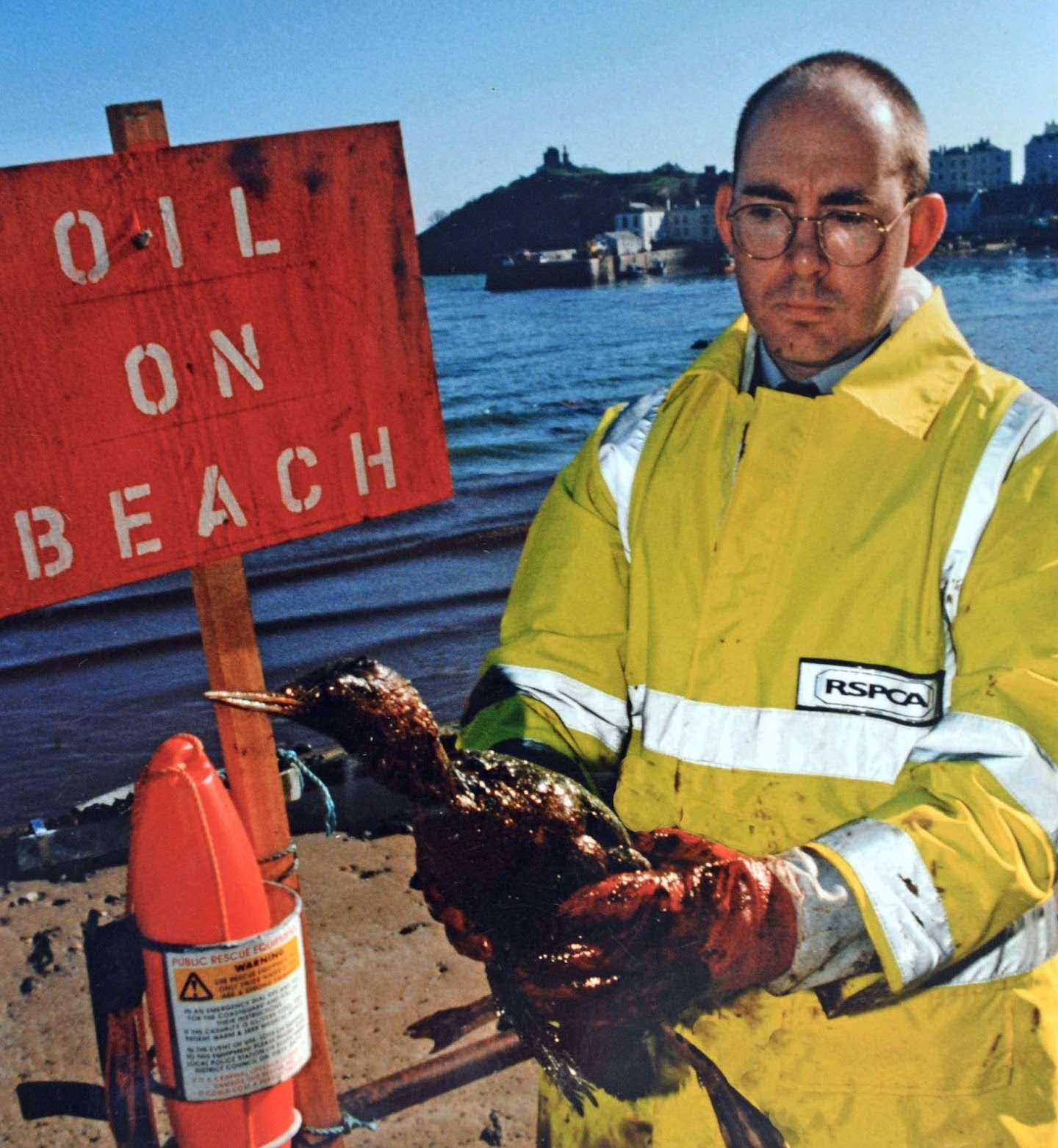
Neil Tysall (pictured in the top picture in 1996) who is currently an RSPCA Intelligence Officer, remembers when he was given the call to attend Milford Haven.
“I got a call from my then Regional Manager on a Sunday afternoon asking if I could get myself over to Milford Haven as soon as possible,” said Neil, an Inspector at the time.
“He could not tell me how long I would be away for, but to go prepared for at least a week or two. Accommodation was being sorted locally and I with two others shared a room in a B&B into which the landlady had somehow managed to cram in three single beds. I quickly realised I was going to get to know my two colleagues really well and in very short order!
“As it happens very little time was spent there as I spent many evenings providing overnight cover in the holding unit with the oiled birds that were awaiting cleaning.”

Neil said during the day they were patrolling the beaches to collect oiled birds and relayed them back to the holding unit.
“Those birds we found alive were literally caked in oil and sand, in their eyes, up their nostrils and in their beaks,” he said. “The birds had also doubled in weight, making you realise the enormous effort that each of their movements must take.
“As the days went on fewer live birds were being found and some days it felt like you just collected bodies. Everything was covered in oil.
“My Hi-Vis jacket always bore the scars of the Sea Empress and no matter how many washes, always smelt slightly of crude oil for years to come. What I would have given for my jacket to have been the worst casualty rather than all that unnecessary loss of life.”
Most of the birds – around 90 per cent – were common scoters but the rescuers also dealt with guillemots, divers, gulls and swans.
Romain said: “I think if I remember rightly, our initial plan was just to sort of hold them for a minimal period and then get them to the wildlife hospitals for all of the full cleaning and rehabilitation.
“But then as the days went on, it became apparent that all the wildlife hospitals were completely inundated and we had to find we had to set something else up at short notice. So that’s when we said we need more pools because once we’ve initially cleaned them we put them in smaller pools and then bigger pools, and we need them there for a week or two before we could test whether we could put them back out at sea.”
Richard Abbott said: “We were putting them in the pools after they had been dried and to make sure that they were waterproof essentially. We’d have officers on duty all night checking those birds because they were in danger of drowning.
“Even though they had little islands to escape onto in the pools, if they couldn’t get on there, they would drown because even though they look like they’ve been washed really well, if there’s any oil, they still get water logged.”
The birds were kept in the care of the RSPCA for about two to three weeks and once fit and well they were released.
But there were also difficulties releasing the birds.
“It took some time as the weather was pretty bad,” recalled Richard Thompson. “There was also still some oil that hadn’t been cleaned up, so we had to go much further up north Wales to release them off the coast of Borth.
“Since then we’ve honed our skills a lot more with oil bird washing and further research has been carried out too.”
Wildlife Supervisor Paul Oaten (pictured in 2024 washing a juvenile gannet) recalls taking in around 1,300 birds at RSPCA West Hatch Wildlife Centre in Taunton, Somerset.
“At West Hatch – it was just a stroke of luck really as the domestic centre was going through a rebuild or just about to go through a rebuild,” he said.

“So all of the domestic animals had been moved into private kennels. So we had all the old kennel blocks which were empty, so we used those.
“We had holding facilities over there to hold birds in and we brought in Portacabins to use as holding facilities because we had such an influx of donations of towels and other things.
“We were doing 12 to 14 hour days. You’d come in at 8am and you’d stay to at least 10pm and you’d do that for 10 days on the trot and then you’d have a day to sleep and then you’d come back again and do it all over again.
“Those that were tasked with washing the birds would be in teams of two. One would hold the birds, the other would clean them using Fairy Liquid. They would have a pre-clean where we would try to get as much of the oil off as possible without stressing the birds out. It was so important to get the oil off their plumage, not just because of the feathers but so that we could try to prevent them from ingesting the oil and stop it from burning them too.
“A lot of the birds were emaciated because they could not feed so building their strength back up and increasing their weight was also an important part of the process.”
“It was full on and it was very hard work. It was very tiring but in the end very rewarding as a team to see all the efforts and we were all working towards a common goal of trying to save these poor stricken birds.”
Following on from the environmental disaster, the RSPCA continued its involvement as questions and processes were analysed, with Tim Thomas, the RSPCA’s in-house Wildlife Scientific Officer who started his 42-year RSPCA career at Mallydams Wood Centre, representing the RSPCA on the UK Government-appointed – Sea Empress Environmental Evaluation Committee (SEEEC).
Tim, who was awarded an MBE for his efforts for leading the RSPCA oiled bird team after thousands of tonnes of crude oil went into the Gulf following the Desert Storm war in 1990, was also in Milford Haven for the rescue operation.
When disaster struck in Pembrokeshire Tim – who subsequently became an internationally recognised oiled bird expert – had been in charge of the technical bird cleaning operation in the temporary bird hospital in Milford Haven.
Whilst Geoff Edmond- the RSPCA’s current Wildlife Lead, who is based in Yorkshire, recalls feeling “privileged to be involved and able to use my knowledge and experience” when being called to attend Milford Haven to assist with the operation.
In the following year – in August 1997 – Geoff was also involved in another rescue operation which involved around 500 oiled birds off the East Yorkshire Coast.
Geoff added: “So for me this was a chapter of front line specialist response and dealing with environmental animal welfare incidents.
“Fortunately today these incidents are very rare. We have come a long way and I feel proud to have been part of the RSPCA response in those early days.”
RSPCA Chief Inspectorate Officer Steve Bennett said he wished to honour the long-standing staff members who were on the frontline back in 1996, highlight the “incredible collaboration” from other organisations at the time and to note its legacy.
“As we mark the 30th anniversary of the Sea Empress disaster, I find myself looking back with a profound sense of pride and humility,” he said. “On February 15, 1996, our coastline faced an unprecedented ecological threat. When 130,000 tonnes of crude oil began to spill into the Pembrokeshire waters, it didn’t just create a slick on the surface; it threatened the very existence of thousands of seabirds.

“What followed was one of the most magnificent rescue operations in the history of the RSPCA.”
He added that he wanted to recognise the dedication of the staff who were on the frontline and continue to serve the RSPCA today.
“Whether you were patrolling the beaches in the dark of night, coordinating chaos in the Milford Haven control room, or spending 14-hour shifts washing oil from delicate feathers with toothbrushes and Fairy Liquid, your commitment saved lives,” said CIO Bennett.
“This operation was far too large for any one entity to handle alone. The recovery of the 3,142 birds rescued was a testament to the incredible collaboration between organisations and we saw a seamless integration of efforts from many partners.
“While we saw a tragic loss of life, the lessons learned 30 years ago have honed our skills. We are better, faster, and more scientifically equipped today because of the trials we faced at the Thornton Industrial Estate and our wildlife centers like West Hatch.
“To everyone involved – those still wearing the uniform and those who joined us for a few weeks in 1996 – thank you. You turned a scene of ‘unnecessary loss of life’ into a story of hope and recovery. We continue our work today in your honour, ensuring that whether it is a massive tanker spill or a small local leak, the RSPCA is always ready to respond.”
Today the RSPCA continues to rescue, rehabilitate and release thousands of birds in need at its four wildlife centres. Though large oil spills like this are thankfully rare, over the past five years (2021 – 2025) the RSPCA has cared for 289 birds that were affected by oil or other contaminants, often caused by smaller oil leaks in canals or where waterways are contaminated with cooking oil.







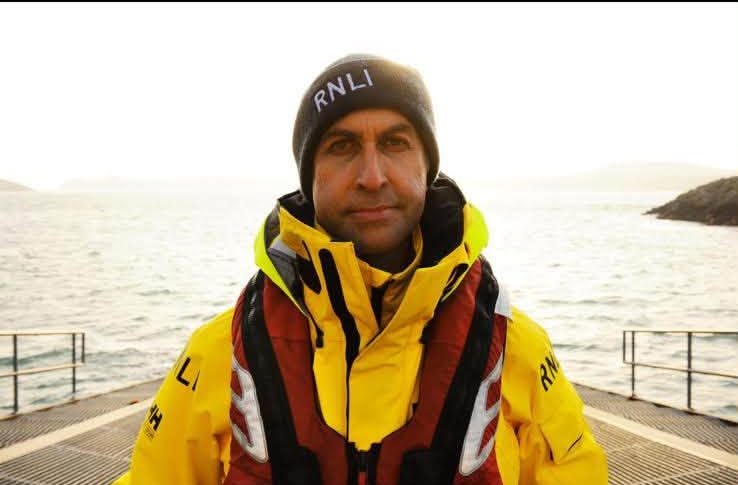
Former coxswain praised for four decades of dedication, major rescues and service to the Pembrokeshire coast
ST DAVIDS RNLI has paid tribute to Dai John after an extraordinary 40 years of dedicated service to the lifeboat station and the wider community.
Dai joined the crew in 1986, continuing a proud family tradition. His father served as coxswain at St Davids, while his grandfather was also a member of the crew.
Over the past four decades, Dai has been involved in countless rescues and emergency launches, serving as coxswain for 16 years and helping to save lives in some of the most challenging conditions off the Pembrokeshire coast.
Among the many incidents remembered by the station are the 14-hour rescue of the trawler Western Belle and her five crew during a night of rough seas and gale-force winds, and the dramatic rescue of three fishermen from the burning Yves Marie Amil near South Bishop Lighthouse in 2004.
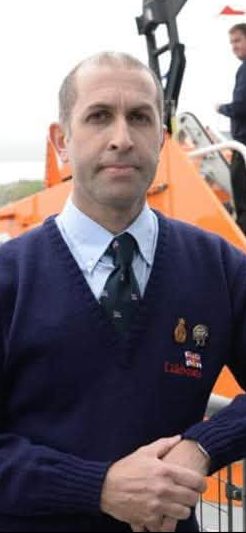
Dai also recalls his very first launch, which was to a crashed jet while serving aboard the old wooden lifeboat Ruby and Arthur Reed. His service also included major incidents such as the Sea Empress disaster, as well as many other rescues which have left a lasting impression on him and his fellow crew members.
His contribution to St Davids RNLI has extended far beyond emergency call-outs. Dai was coxswain during the construction of the new lifeboat station, welcomed the arrival of the Norah Wortley lifeboat to St Davids, and helped mark the station’s 150th anniversary in 2019.
Reflecting on his 40 years of service, Dai thanked current and former crew members for their friendship, support and dedication. He also extended his thanks to RNLI fundraisers, supporters, neighbouring lifeboat crews and the emergency services he has worked alongside throughout his time with the charity.
Although his time at St Davids RNLI has now come to an end, Dai hopes to continue serving the charity by transferring to Penarth Lifeboat Station as a Launch Authority and shore crew member.
In a statement, St Davids RNLI said: “From everyone at St Davids RNLI, thank you, Dai, for 40 years of selfless service, dedication and friendship. We wish you every success in your next chapter and fair winds for the future.”
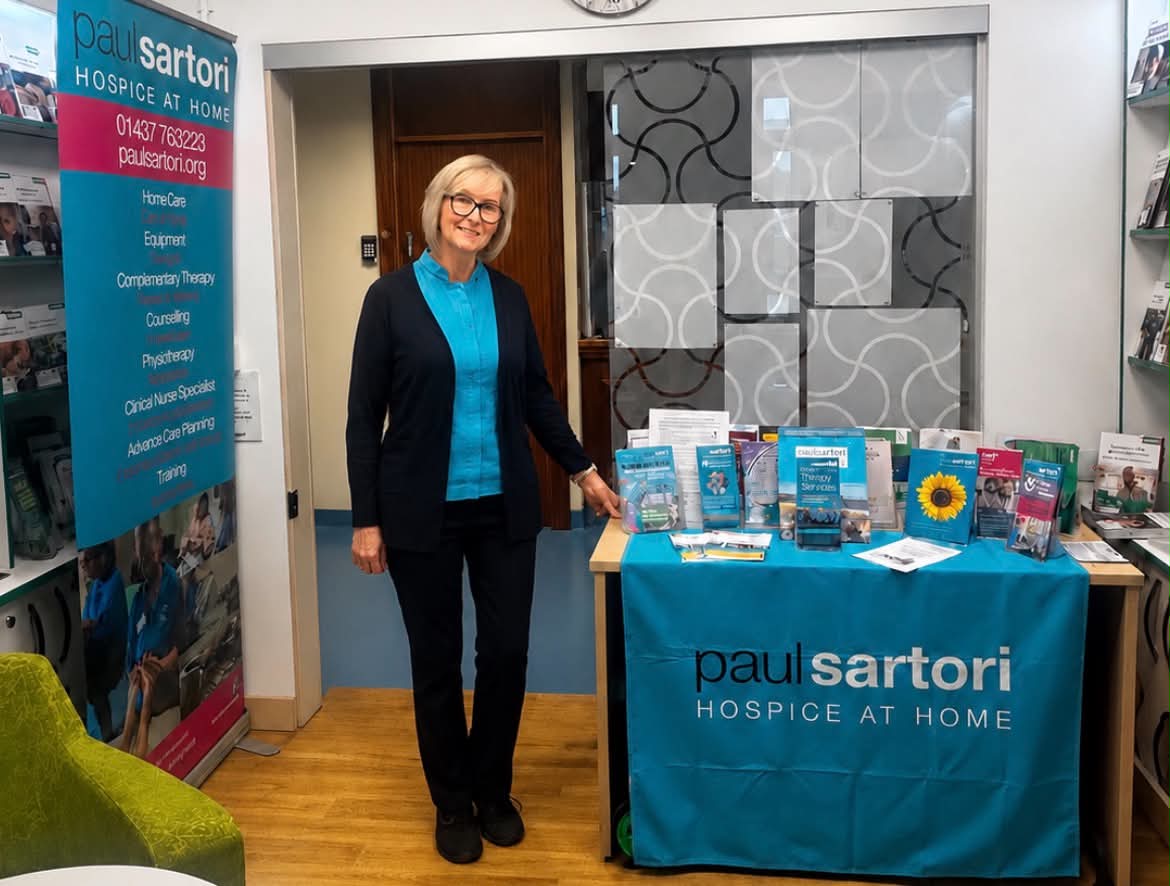
A NEW weekly clinical support service has been launched at Withybush Hospital to improve access to specialist palliative care advice for patients, families and carers across Pembrokeshire.
The service, run by the Paul Sartori Foundation, began in mid-June and is available every Friday from 8.30am to 4.30pm.
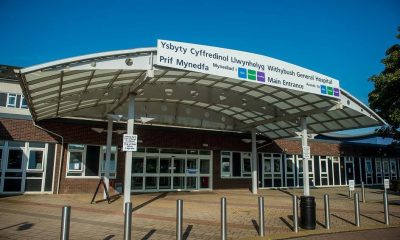
It is based in the Hywel Dda University Health Board Macmillan Cancer Information and Support Service hub, located just to the left of the main hospital entrance.
The drop-in service means people can speak directly with a member of the Paul Sartori clinical team without needing an appointment.
Support is available for families navigating palliative care, as well as those looking for practical advice, help sourcing equipment for use at home, or guidance for relatives and carers.
Visitors will be able to speak with Pat Coombs, Clinical Coordinator and Equipment Team Manager, who has extensive experience supporting people with life-limiting illnesses and those close to them.
Information resources will also be available for anyone who wishes to take materials away to share with family members.
The initiative forms part of the Paul Sartori Foundation’s wider commitment to delivering compassionate, community-based end-of-life care.
The charity’s clinical team works closely with healthcare partners to provide holistic support, including home-based care, specialist equipment provision and guidance tailored to the needs of patients and carers.
The Paul Sartori Foundation has thanked the team at Withybush Hospital for helping to facilitate the new advice service, which aims to ensure more people can access care and information in a welcoming and accessible setting.
A spokesperson said the new weekly presence reflects the Foundation’s ongoing mission to enhance quality of life, dignity and support for people living with life-limiting conditions across Pembrokeshire.
Anyone unable to visit the Paul Sartori team at Withybush Hospital can contact the Foundation directly on 01437 763223. A member of the team can help arrange an assessment and source the support required.

Paul Sartori Hospice at Home Service supports people with a wide range of life-limiting conditions and is keen to dispel the belief that it is solely a cancer charity. Around 32% of those supported have a non-cancer diagnosis.
The charity operates an open referral system, with referrals accepted from patients, family members and friends, as well as healthcare professionals.
The service was established in memory of Father Paul Sartori, a much-loved local priest who recognised the need for hospice care in Pembrokeshire before his death from cancer at the age of 39.
The Foundation was registered as a charity in 1982 and will celebrate its 45th anniversary during 2027/28.
Picture:
Pat Coombs, Clinical Coordinator and Equipment Team Manager, at the Hywel Dda University Health Board Macmillan Cancer Information and Support Service hub at Withybush Hospital, where information and advice is available for patients and their families.
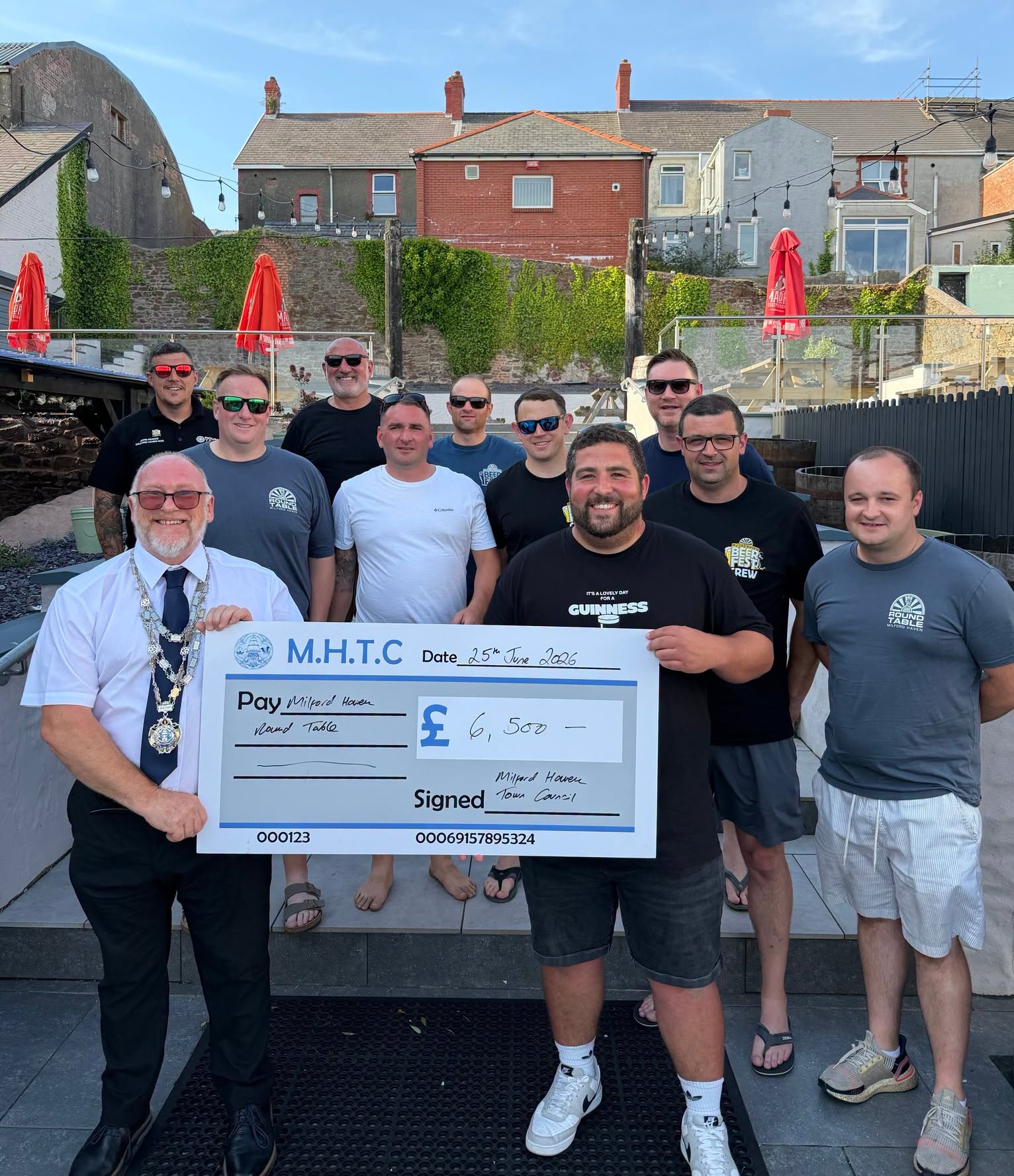
Town council donation will support two of the town’s biggest community events, with further funding for Santa visit
MILFORD HAVEN TOWN COUNCIL has presented a £6,000 donation to Milford Haven Round Table to help support this year’s Milford Haven Carnival and Free Fireworks Extravaganza.
The cheque was presented by the Mayor of Milford Haven, Councillor Mark Woodward, at the Lord Nelson Hotel on Thursday, June 25.
The donation was agreed at a meeting of the full council on Monday, June 8, in recognition of the work carried out by Milford Haven Round Table in organising major community events for the town.
A further £500 will also be donated to the Round Table for its annual support with the Visit of Santa to Milford Haven.
Milford Haven Town Council said it was proud to support the Round Table and hoped the strong relationship between the two organisations would continue for many years to come.
The council added: “Thank you all so very much for giving up your time to put these fabulous events together for our beloved town.”


Crime20 hours ago
Teacher feared she was dying after Milford Haven classroom stabbing
A TEACHER allegedly stabbed in the head at Milford Haven Comprehensive School told a jury she feared she was dying...


News20 hours ago
Farage to resign as MP and fight Clacton by-election amid finance row
NIGEL FARAGE has announced he will resign as MP for Clacton and stand again in the by-election he intends to...


Crime23 hours ago
Teacher tells jury there were ‘no issues’ with accused pupil hours before ‘stabbing’
Milford Haven teacher gives evidence as trial of 15-year-old continues at Swansea Crown Court A TEACHER allegedly stabbed at Milford...

News2 days ago
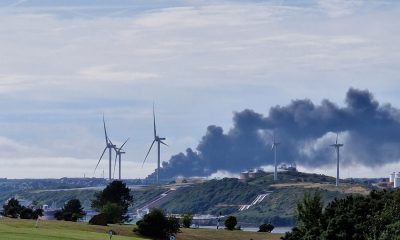
Major incident stood down after fire at Impala Terminal in Milford Haven
Fire involved decommissioned oil tank containing residual crude oil and around 60 cylinders A MAJOR incident declared during a fire...

News2 days ago
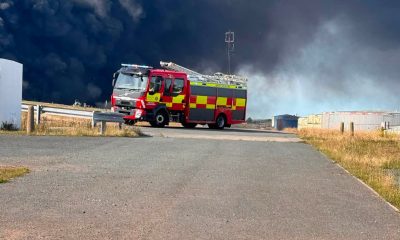
Large fire breaks out at Impala Terminal in Milford Haven
Black smoke seen for miles as emergency services respond to incident at former Puma Energy site A LARGE fire has...
Crime2 days ago
Prosecution outlines ‘planned attack’ as Milford Haven teacher stabbing trial opens
Jury hears teenager allegedly brought kitchen knife into school before teacher was stabbed in the head THE JURY in the...

Crime2 days ago
Boy, 15, denies attempted murder of Milford Haven teacher in ‘horrifying’ attack
Swansea Crown Court hears dramatic opening of trial over February stabbing A 15-YEAR-OLD boy from Milford Haven has gone on...

Crime3 days ago
Fishguard man cleared after five years in prison refused compensation again
Brian Buckle’s case raises fresh questions over justice system that says a man can be cleared by a jury but...


Crime3 days ago
Wales’ police commissioners to face MPs over future of policing
WALES’ four Police and Crime Commissioners are to be questioned by MPs next week as major changes to the way...


Crime4 days ago
Man in critical condition after serious assault in New Quay
A 20-YEAR-OLD man remains in a critical condition in hospital after being seriously assaulted in New Quay. Dyfed-Powys Police said...
-

 Entertainment6 days ago
Pembrokeshire DJ lands record deal with London dance label
-
 Education7 days ago
Council deputy leader moves to halt Stepaside school closure plan
-

 News7 days ago
Bridge installation to begin at Tenby station as accessibility upgrade reaches key stage
-
 Charity7 days ago
Prince of Wales praises Wales Air Ambulance as charity marks 25 years
-

 Crime6 days ago
Llandeilo man accused of rape sent to Crown Court
-
 Community5 days ago
Saundersfoot Harbour regeneration project wins national planning award
-
 Crime7 days ago
Fishguard man jailed after breaching order banning contact with mother
-
 Health7 days ago
Wales begins early NHS winter planning after long waits and ambulance pressure