


Farming
Child safety on farm a priority


ON MAY 2017, a nine-year-old boy was seriously injured at a Devon farm. Travelling as a passenger, he had toppled off an ATV being driven by a 13-year-old. The younger boy, whose leg was badly crushed, spent weeks in hospital, needed a skin graft from his back and he underwent weeks of intensive physiotherapy. The older boy was undoubtedly traumatised too. In January this year, the farm partnership responsible for the boys’ welfare and safety were fined £28,333 and ordered to pay costs.
This shocking incident, like many others throughout Wales and the UK, could have been avoided if simple safety precautions had been taken and the law adhered to. Farms and farmyards can be hazardous places for every age group, but children are particularly at great risk if allowed to play, visit or help out around the farm unsupervised.
The Wales Farm Partnership (WFSP), a collaboration of all the key agricultural stakeholder organisations in Wales, has issued a warning to all rural families reminding them that ‘children should not be in the workplace, it is illegal for under 13s to ride on agricultural vehicles or machinery and work equipment like ATVs should not be used by children.’
The WFSP is determined to encourage farmers everywhere to reduce the risk of on-farm accidents through its ongoing hard-hitting farm safety awareness campaign. This month, its members will remind farmers and foresters everywhere that the Health & Safety Executive (HSE) will not hesitate to take appropriate enforcement action against those that fall below the required standards, especially where children are involved.
Being struck by or run over by farm machinery or visiting vehicles is the biggest single cause of children being killed on farms. Accidents most frequently reported in the UK involve falling from tractors and ATVs or quad bikes. But danger lurks everywhere! Year after year, we hear of tragedies involving children on farms drowning or being asphyxiated; being crushed; hit by falling objects or collapsing stacks and injured by animals.

At a working farm, unsupervised children, who are naturally inquisitive and often fearless, can face risk from almost everything in sight as well as the human element – the unsuspecting family member, visitor or delivery person who drives onto the yard, unaware children are running around freely.
Brian Rees chairs the WFSP. An experienced farm safety trainer and one of Farming Connect’s approved farm safety mentors, Mr Rees is also a farmer whose three children, all now grown up, were brought up on his family’s working farm in mid Wales.
“Farmers themselves often misguidedly believe that farm children understand farm risks, but most children who die or are injured in farm incidents are family members, which tells its own undeniably sad story.”
He advises that staying up to date with best practice, knowing your legal obligations and making sure that children are supervised at all times is essential.

“The most important point is that, to meet your legal duties and keep children safe, children should not be allowed in the farm work place (and for young children they should enjoy outdoor space in a secure fenced area).
“By implementing a few straightforward safeguards and by ensuring proper supervision of children at all times, every farming family can and must reduce the risks of life-ending or life-changing accidents.”
Any access to the work area by children under 16, for example for education, or knowledge experience, should be planned and fully supervised by an adult not engaged in any work activity.
Children under the age of 13 years are specifically prohibited from driving or riding on any agricultural machine.

“If you’ve got a computer or smartphone, you can get up to speed very easily by accessing guidance on best practice from both the Health & Safety Executive (HSE) website and also that of the Farm Safety Foundation, which works closely with the HSE and the industry throughout the UK.
“The WFSP is intent on raising awareness to reduce the number of farm incidents, but to achieve that, we need farming families to work with us, to take advantage of the guidance, training and mentoring available, much of it fully funded or subsidised by up to 80% for farmers registered with Farming Connect,” said Mr. Rees.
Eligible farmers can apply for up to 22.5 hours of fully-funded, confidential on-farm guidance from one of the approved ‘farm health and safety’ mentors, who are part of Farming Connect’s mentoring programme.
“Most farmers are aware that they sometimes take short cuts and don’t always follow the correct safety guidance, but having an expert to informally visit your farm and point out, in complete confidence, what steps you can take to minimise or eliminate risks could reduce the risk of accidents for many families.”


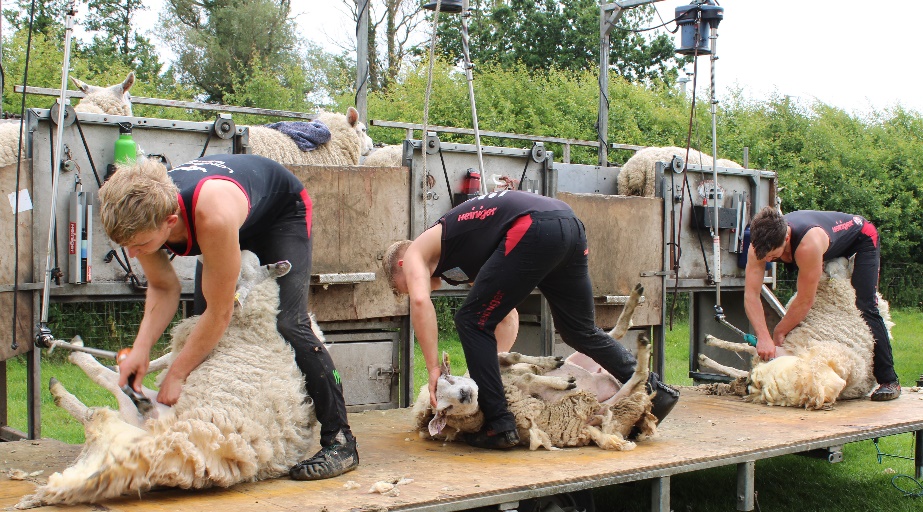
BRITISH WOOL recently reported that fleece value is at its highest for 10 years. With the shearing season underway for 2026, Heiniger’s Hefin Rowlands suggests that there has never been a better opportunity for farms to realise the best price for wool.
“The average payment increased to 68p per kilo last year, which was up from just 40p. Higher grade wools from breeds such as Cheviots are returning 85p per kilo. This makes the preparation for shearing and the shearing process all the more important,” he says.
Mr Rowlands points to the need for preparation to make the process better for shearers and sheep.
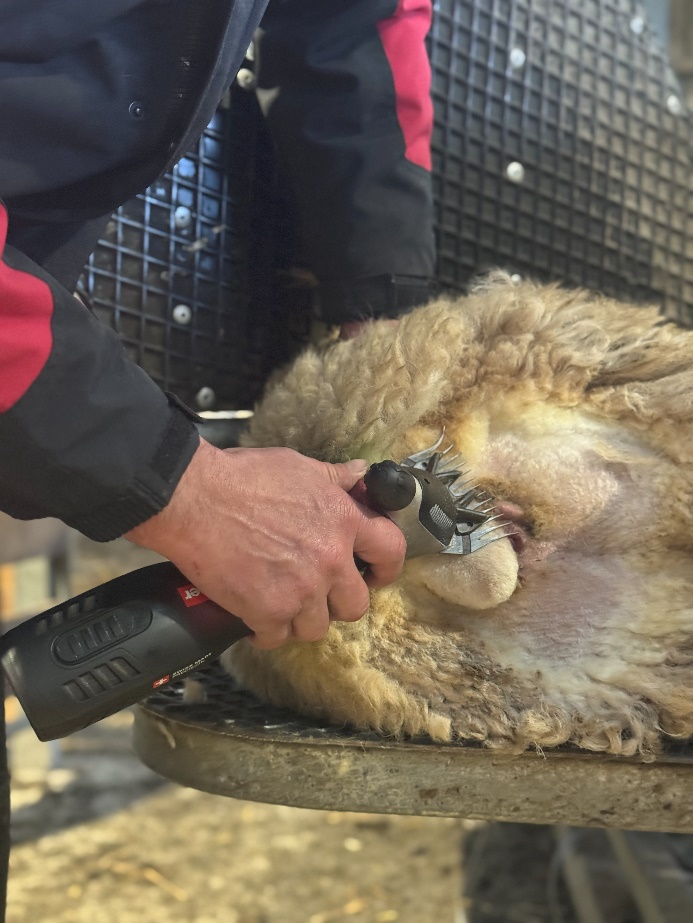
“Fasting, dagging and separating ewes from lambs will help, whether a farm is bringing in professional shearers or not. Straw, dirt and dung in fleeces seriously detracts from wool value, so both sheep and the area being used to shear should be as clean as possible,” he says.
He suggests that using the best quality equipment will also play a big part in how efficient the shearing process is.
“Factory sharp blades and the correct clothing are essential to any shearer. Heiniger has been manufacturing world-leading shears since 1946, so we know how important the right shears are to getting the best cut. But even the best shears need to have clean, sharp combs and cutters, which is why we offer free postage for servicing our equipment,” he says.
British Wool suggests that returns for the 2026 cut could rise by a further 25p-30p per kilo, meaning some wool will realise prices in excess of £1 per kilo.
“There is strong demand and it pays to meet this with the best quality wool. Investing in equipment and a good set of shears has never been more important for farms looking to take advantage of rising wool prices. However, nothing beats experience and this is where professional shearers can help make all the difference,” he says.
Above all, Mr Rowlands advocates that farms give shearing the attention it deserves, especially in a year when returns are projected to be high.
“Spending on the right equipment, preparing sheep well and working carefully to produce a clean fleece will pay dividends. The average fleece weight is around 4 kilos which means a flock of 250 ewes could return upwards of £1000 this year, and that makes investing time and effort in shearing a worthy choice to maximise returns,” he concludes.
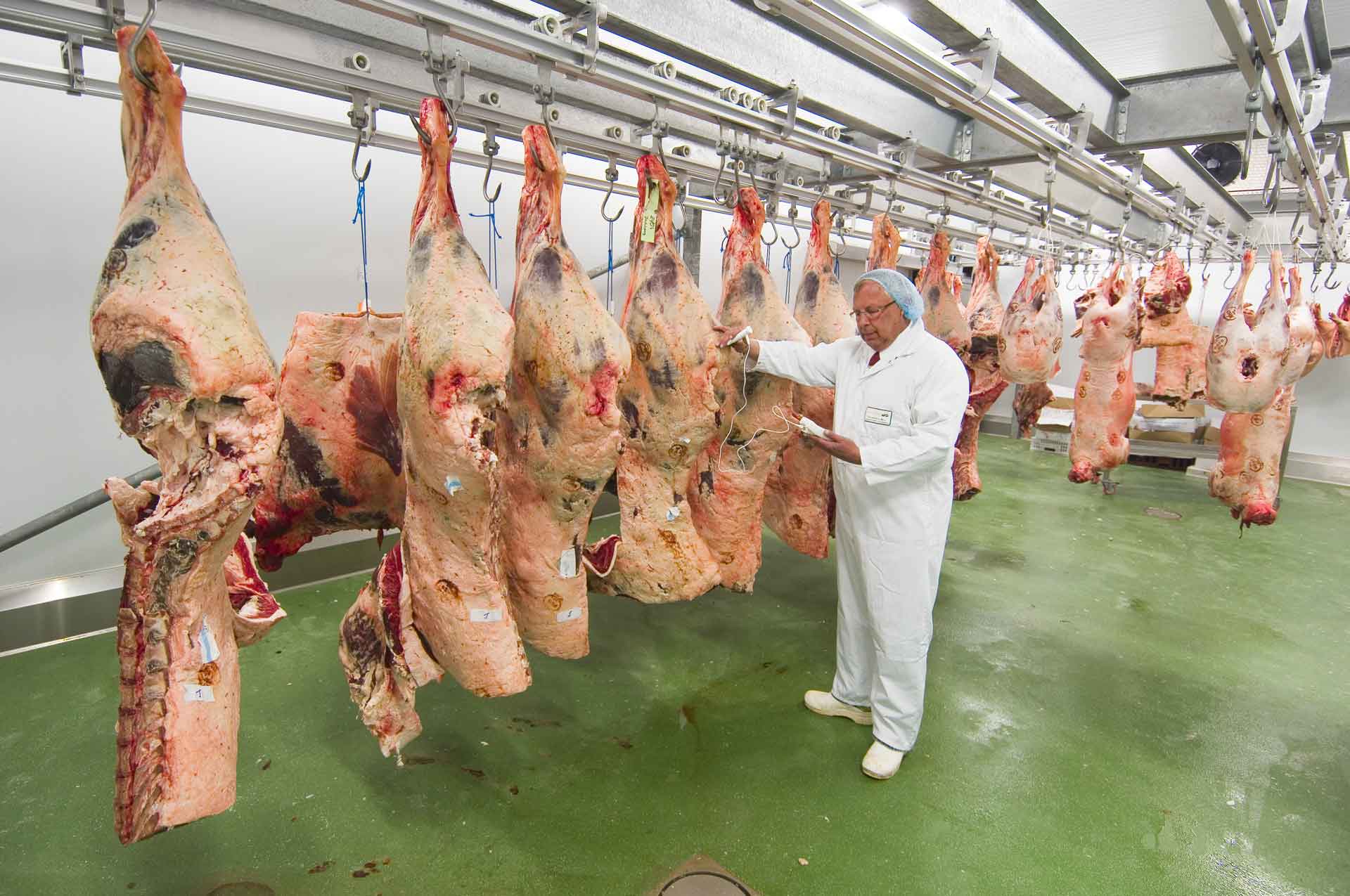
RISING IMPORTS RAISE FOOD SECURITY CONCERNS
THE CO-OP has called for stronger government support for British farmers after new figures showed the UK’s imported meat bill rose to more than £5bn last year.
HMRC data obtained by the retailer shows the value of meat imported into the UK increased by 15 per cent year-on-year, from £4.33bn in 2024 to £5.06bn in 2025.
The Co-op said the figures raised fresh concerns about the resilience of Britain’s food system at a time of climate change, global conflict and disruption to international supply chains.
Poultry was the most imported protein, worth almost £2bn in 2025. Poland and the Netherlands accounted for the largest share, while poultry imports from Thailand rose by almost 50 per cent compared with the previous year.
The retailer, which says it sells and uses 100 per cent British meat and poultry, said the UK’s growing reliance on overseas supply chains left shoppers and farmers more exposed to global shocks.
It is now backing proposals from the Co-operative Party calling for agricultural co-operatives to be scaled up and better supported as part of the Government’s long-term farming plans.
The policy paper argues that farmer-owned co-operatives can help producers share costs, reduce risk, invest collectively and secure stronger bargaining power in the food supply chain.
There are currently estimated to be more than 500 agricultural co-operatives in the UK, generating income of more than £9bn.
Paul Gerrard, Director of Public Affairs and Campaigns at Co-op, said: “The issue of supply chain resilience is upon us now and there is a clear and demonstrable benefit to the co-operative business model in agriculture.
“An expansion of agricultural co-operation is both an economic opportunity and a political imperative: it directly addresses the need for a more secure and sustainable food system, one less exposed to the volatility of global markets and the instability in a rapidly changing world.”
Joe Fortune, Leader of the Co-operative Party, said co-operation was “a form of strategic resilience” and called on Government to help grow the sector.
The party’s proposals include clearer government guidance for farmers, stronger representation for co-operatives in policy-making, improved access to finance, support for producer organisations, and greater use of public procurement to back British farming.

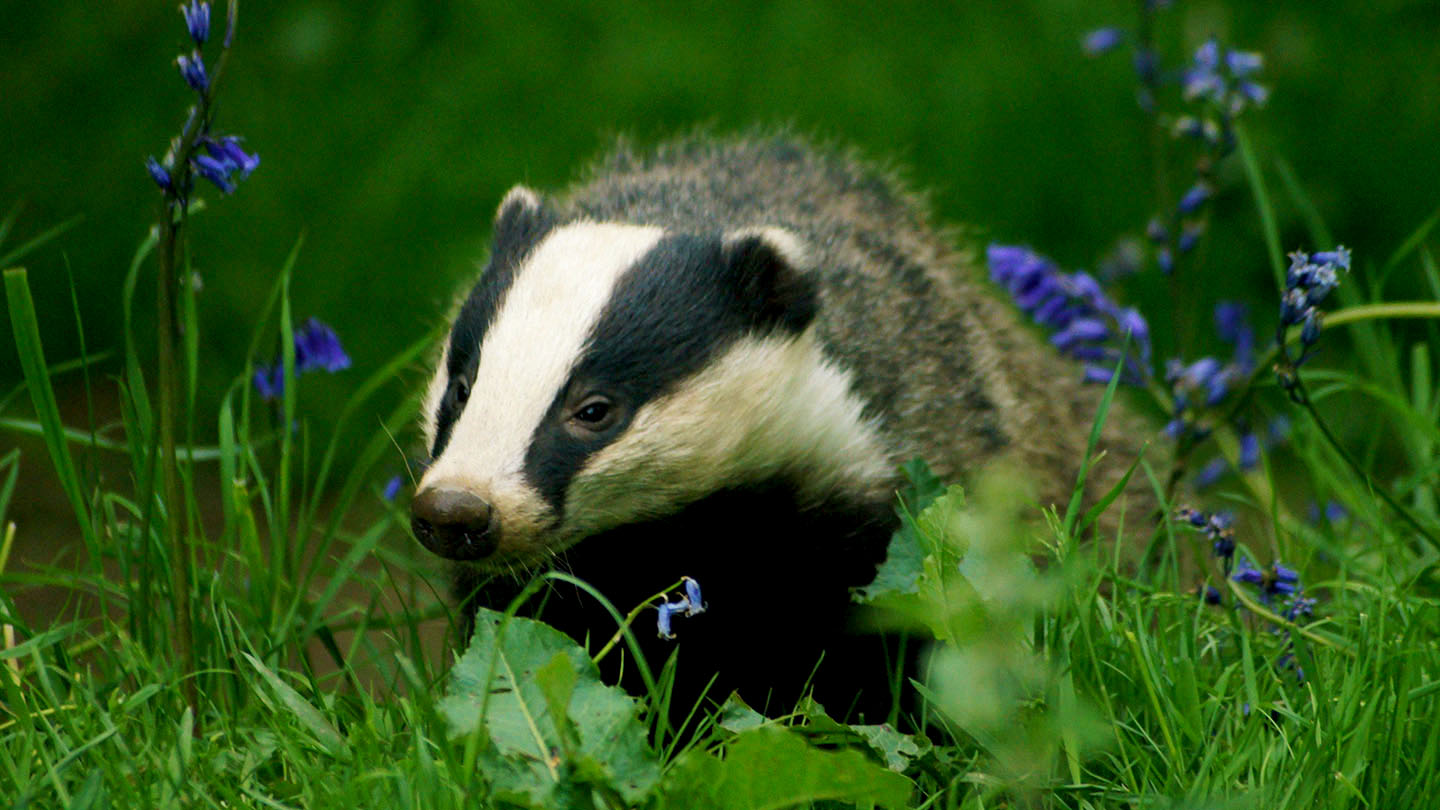
Charity says Wales should continue science-led approach as bovine TB cases fall
BADGER Trust has called on the next Welsh Government to maintain a science-led and non-lethal approach to tackling bovine tuberculosis.
The charity says Wales should continue to focus on cattle testing, farm biosecurity and support for farmers, rather than wildlife intervention.
According to Badger Trust, bovine TB cases in Wales had fallen by 13.6% by the end of 2025, without any wildlife culling. It said this compared with a 5% fall in England over the same period.
The charity said 5.3% of cattle herds in Wales were not officially TB-free at the end of 2025, down 0.4 percentage points on the previous year. It said 567 new herd incidents were recorded during the year, alongside a 27% reduction in early cattle slaughter.
Badger Trust said bovine TB remains a serious threat to cattle health, but argued that the best response is a cattle-focused policy, including more frequent and enhanced testing, improved farm hygiene, and non-slaughter options for cattle testing positive.
The charity said: “The premature culling of cattle due to a failed bovine TB test is outdated and unnecessary. Instead, strict segregation is an effective alternative.
“The main focus must be on eliminating the reservoir of bovine TB in the national herd in preparation for cattle vaccination.”
Badger Trust also argued that bovine TB can remain dormant in cattle and in the environment for long periods before being detected, which can lead to mistaken assumptions that infection has entered a closed herd from wildlife.
It said the disease can also be spread through contaminated vehicles, workwear, manure and slurry if proper biosecurity measures are not followed.
The charity added: “Focusing on badgers distracts from the real issue, as DNA testing shows that 94-95% of bovine TB infections are transmitted directly between cattle.
“The only effective way to combat bovine TB is to address it at its source: within the cattle population.”
Badger Trust is urging the next Welsh Government to “hold its nerve” and continue with a science-led, evidence-based, non-lethal policy.

Nigel Palmer, Chief Executive of Badger Trust, said the charity wanted Wales to continue “leading by example” in its approach to tackling the disease.
Badger Trust says it welcomes the end of intensive badger culling licences in England in 2026, but remains opposed to presenting badger vaccination as the main solution to bovine TB. It argues that improved cattle testing and stronger farm biosecurity offer a more effective and humane way forward.
The charity also warned that badgers face a separate threat from changes linked to the Planning and Infrastructure Bill, which it says could weaken protections for badger setts in development areas.
Badger Trust is the leading voice for badgers in England and Wales and works through a network of local badger groups. Its Badgers Belong Here campaign promotes badger protection and public education.



News1 day ago
State Opening overshadowed by Starmer leadership crisis
KING CHARLES has arrived at Parliament for the State Opening as Sir Keir Starmer faces the most serious crisis of...


News2 days ago
Rhun ap Iorwerth becomes Wales’ new First Minister
PLAID CYMRU TAKES POWER AFTER HISTORIC SENEDD VOTE PLAID CYMRU leader Rhun ap Iorwerth has become Wales’ new First Minister...


News2 days ago
Hotel was hit during a Luftwaffe bombing raid
THE COMMEMORATION, held on Tuesday (May 12), marked the anniversary of the wartime attack, with members of the community gathering...


News2 days ago
Starmer fights for survival as Labour civil war erupts
Cabinet split, ministers resign and MPs revolt as pressure mounts on Prime Minister after disastrous election losses KEIR STARMER is...


News3 days ago
Starmer accused of ignoring Wales in major ‘reset’ speech
Prime Minister pledges EU reset, British Steel nationalisation and youth jobs guarantee — but critics say Wales was left out...


Community4 days ago
Concern grows after child hospitalised following Tenby sea swim
PARENT SAYS BOY BECAME SERIOUSLY ILL AFTER SWIMMING DURING FAMILY VISIT CONCERN is growing in Pembrokeshire after a parent claimed...


News4 days ago
Rhun prepares for clash with Starmer as Plaid eyes power in Cardiff Bay
PLAID CYMRU leader Rhun ap Iorwerth has signalled he is ready for confrontation with Prime Minister Keir Starmer after the...


News5 days ago
Plaid Cymru celebrates historic victory as Rhun ap Iorwerth arrives at Cardiff Bay
CROWDS gathered outside the Senedd as Plaid Cymru leader Rhun ap Iorwerth arrived in Cardiff Bay following his party’s historic...


Crime5 days ago
Police standoff ends after four-hour incident in Pembroke Dock
ELIZABETH COURT SCENE STOOD DOWN AFTER DOMESTIC INCIDENT A FOUR-HOUR police standoff in Pembroke Dock has ended with a 21-year-old...


Crime5 days ago
Teen denies attempted murder of Milford Haven teacher
TEENAGER REMANDED AHEAD OF JULY TRIAL A 15-YEAR-old boy has denied attempting to murder a teacher during a stabbing incident...
-

 Crime1 day ago
Teenager banned from roads after being caught six times over drug-drive limit
-

 Crime1 day ago
Man threatens to torch Silverdale Lodge through ‘demon drink’, court hears
-

 Crime1 day ago
Man sentenced for stalking women and threatening to torch home
-
Crime5 days ago
Police standoff ends after four-hour incident in Pembroke Dock
-

 Crime1 day ago
Violent man jailed after ‘Banksy’ claims and campaign of domestic abuse
-
Community4 days ago
Concern grows after child hospitalised following Tenby sea swim
-

 Local Government3 days ago
Council leadership hopeful responds after anti-Tory rally photos surface
-

 Crime1 day ago
Man denies exposure in Pembrokeshire town