


News
Car insurance ‘shock’ as premiums rise 40%


A STARTLING surge in car insurance premiums has left British motorists reeling, as the average cost of coverage now stands at a staggering £776 – an alarming 40% increase over the past 12 months alone. This unsettling revelation comes to light following the latest car insurance price index for Q2 2023, powered by WTW, which analysed over 6 million quotes.
These astronomical price hikes have catapulted car insurance into the ranks of the three most expensive household bills, trailing only behind council tax and energy expenses. For the average UK driver, council tax sets them back £984 annually, while energy costs come close at £964, further burdening household budgets.
Nevertheless, amidst this financial turmoil, there remains a glimmer of hope for drivers seeking solace. Surprisingly, some individuals have managed to save money by diligently comparing and switching insurance providers. Research conducted by Confused.com reveals that motorists who shopped around and switched insurers in the past three months saved an average of £63. Regrettably, only a mere 9% reported receiving a cheaper renewal price compared to the previous year.
The experts at Confused.com attribute these escalating prices to a surge in claims and the consequential rise in the cost of processing such claims. The resulting unprecedented increase in car insurance costs can be largely attributed to this surge in claims.
To mitigate the financial burden faced by drivers, Confused.com has issued valuable advice on how to reduce car insurance costs. Additionally, the survey highlights that 40% of Brits are calling on insurers to play a more active role in keeping prices at a manageable level.

Delving further into the data, male drivers are experiencing even more pronounced price hikes, with the average premium now standing at £827. This reflects a substantial 40% increase over the past year and an 18% increase over the last quarter. In comparison, female drivers are paying £690 on average, marking a 40% increase year-on-year and an 18% increase over the quarter. This discrepancy places the average gap between genders at £137.
Location plays a critical role in determining insurance costs, with some drivers now facing premiums over £1,000. Outer London witnessed a substantial 42% increase in prices, resulting in an average premium of £1,003 – the first time it has surpassed the £1,000 mark since the index’s inception. Inner London remains the most expensive region in the UK, with the average driver paying a hefty £1,257.
Unsurprisingly, car insurance prices have risen across all regions, though some areas still experience considerably lower costs. The South West boasts the most affordable average insurance cost, reaching only £509, despite a 36% increase over the past year.
Moreover, age plays a pivotal role in determining the financial burden on drivers. Younger drivers, aged between 17 and 19, face the brunt of these price hikes, paying more than £2,000 for their policies on average. Among this group, 18-year-olds bear the highest costs, with an average premium of £2,404. In contrast, drivers around retirement age enjoy the most favourable prices, with 69-year-olds paying an average premium of just £413.
These variations in pricing can be justified by assessing the risk profile of different demographics. Factors such as claims frequency, location, and age all contribute to the variation in insurance costs. For instance, male drivers typically face higher risk profiles due to driving more miles and owning more expensive cars. Consequently, they are exposed to a higher risk of claims, leading to higher premiums.
To ease the financial strain on motorists, Confused.com offers several ways to potentially reduce insurance costs without altering driving habits significantly:
Accurate Mileage: Driving fewer miles can lead to savings on car insurance, as higher mileage often translates to increased accident risk and claim likelihood.

Voluntary Excess: Increasing the voluntary excess can result in cheaper insurance, although it is essential to ensure affordability in the event of a claim.
Annual Payments: Paying for insurance annually rather than monthly can be a cost-saving measure, as insurers typically charge interest for spreading costs throughout the year.
Enhanced Car Security: Improving vehicle security can lead to reduced premiums. Installing Thatcham-approved car alarms, immobilisers, and using secondary security measures like steering locks all contribute to lower insurance costs.
Amidst this challenging financial climate, Confused.com’s motor expert, Louise Thomas, emphasises the importance of shopping around for the best insurance deal. The competitive industry offers the potential for substantial savings, making switching a wise move for cost-conscious drivers. To incentivise this, Confused.com guarantees to beat renewal quotes or compensate customers with the difference plus an additional £20, providing drivers with peace of mind and financial relief.





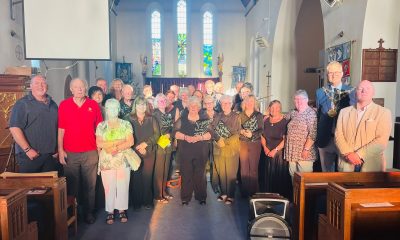


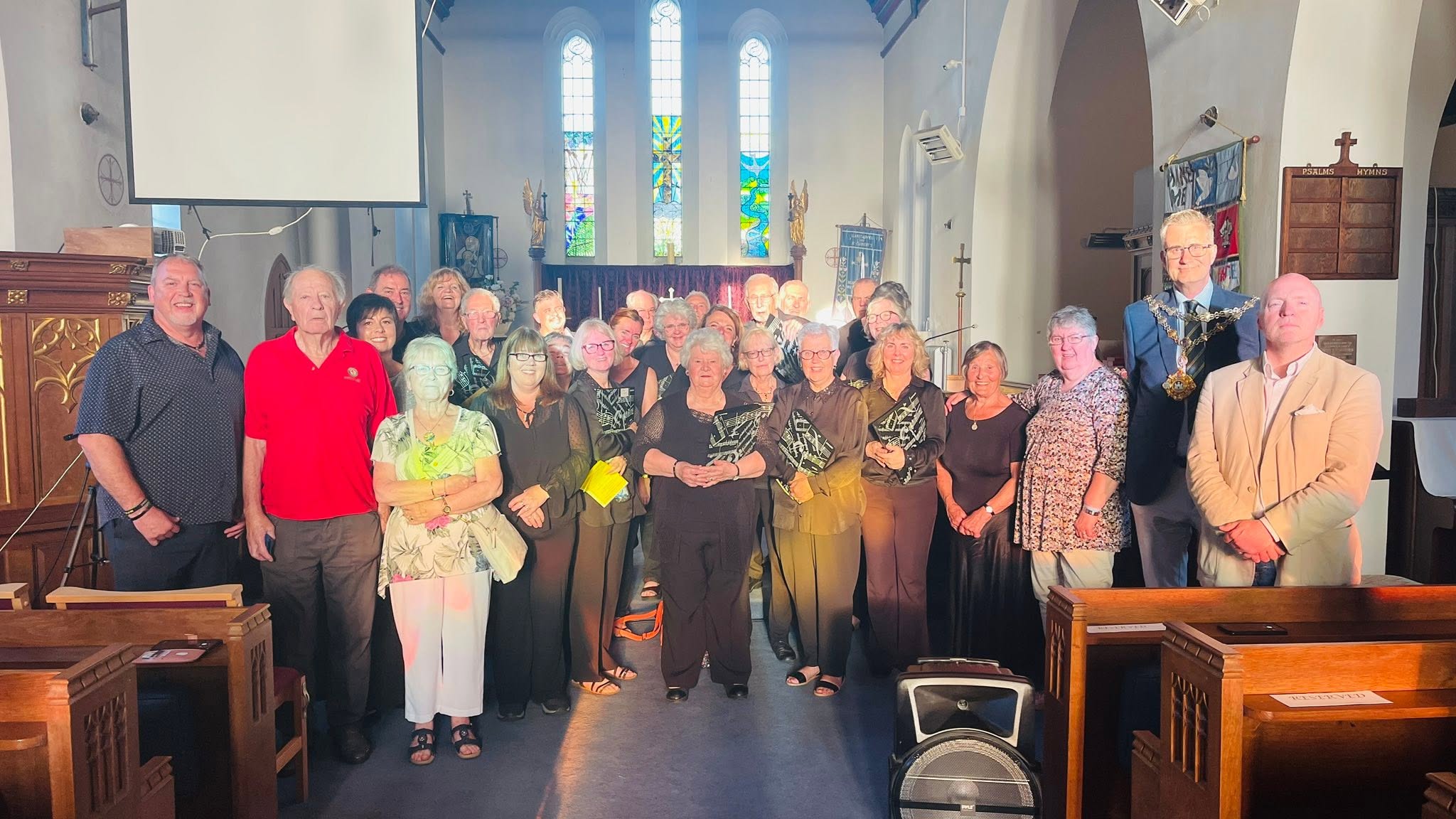
A special evening of music and celebration marked four decades of service by HOPE MS Therapy Centre, one of Pembrokeshire’s longest-serving self-funding charities.
THE ANNIVERSARY concert took place on Friday evening (June 26) at St Clement’s Church, Neyland, bringing together supporters, trustees, local councillors and members of the community to celebrate the charity’s 40th year.
Founded in 1986, HOPE MS Therapy Centre provides support and therapies for people living with multiple sclerosis and other neurological conditions across Pembrokeshire. The organisation has operated as a self-funding charity throughout its history, relying heavily on fundraising and community support.
Guests enjoyed performances from the Quaynotes Mixed Choir, along with acclaimed soloist Sarah Arthur, in what organisers described as an evening of music, song and thanksgiving.
Among those attending was Pembroke Mayor Jonathan Grimes, who praised the charity’s contribution to the county. He was joined by fellow county councillors and trustees including Simon Wright and Simon Hancock MBE.
Writing after the event, Cllr Grimes said: “Thank you to HOPE MS Therapy Centre for inviting me as Mayor of Pembroke to this evening’s concert to celebrate 40 years of service to Pembrokeshire.
“It was great to see my fellow county councillors and members of the trustee board as well as enjoying a fabulous performance from Quaynotes Mixed Choir and the fabulous soloist Sarah Arthur.
“Congratulations to HOPE MS Therapy Centre. I’m looking forward to being involved with the other events you have planned to celebrate 40 years.”
The concert is one of a series of events planned to mark the charity’s milestone anniversary year.
HOPE MS Therapy Centre continues to support people from across Pembrokeshire, providing therapies, advice and a vital social network for those affected by multiple sclerosis and related conditions.
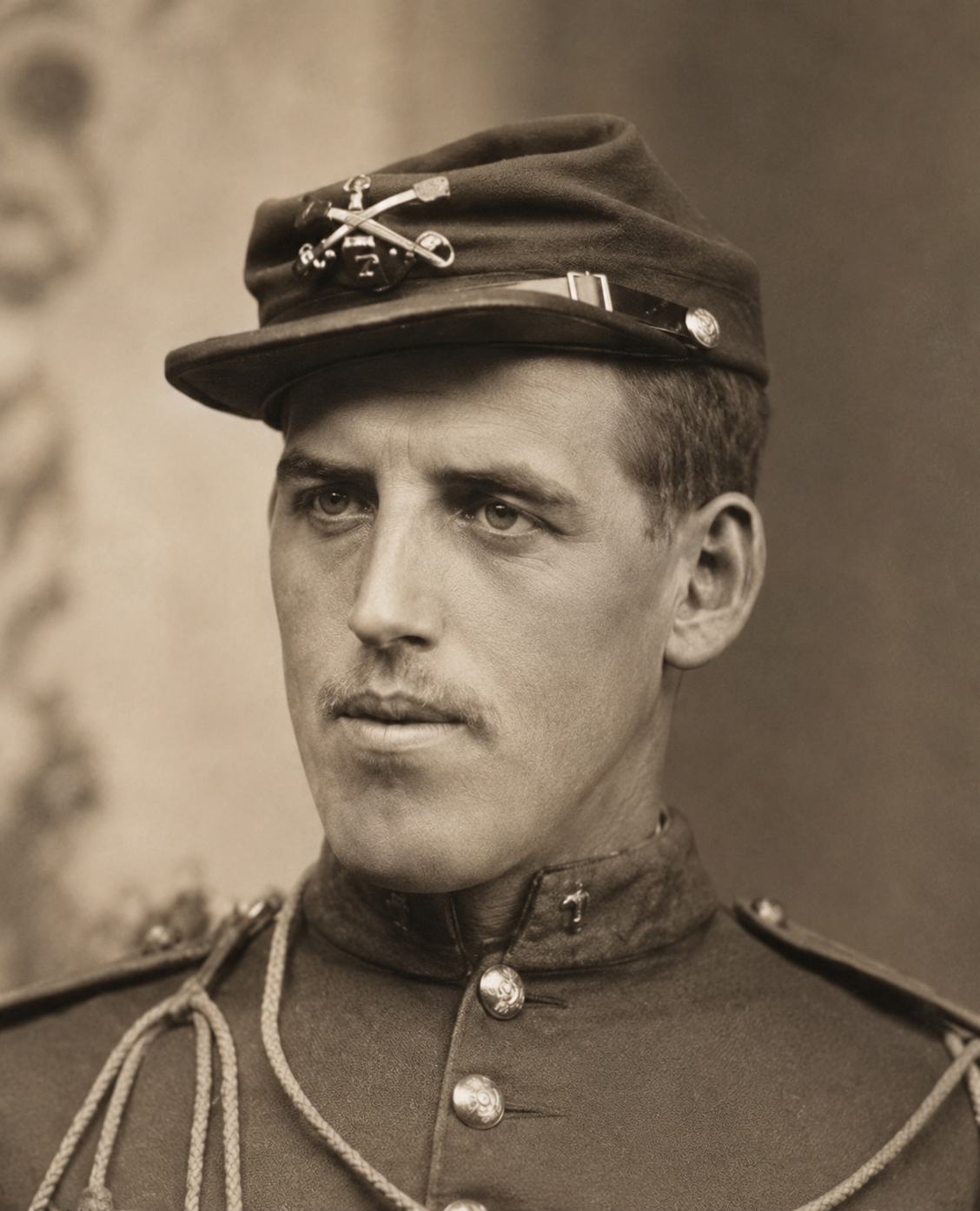
Dinas Cross-born soldier was among those killed at the Battle of the Little Bighorn 150 years ago this week
A YOUNG man from a remote Pembrokeshire farm found himself at the centre of one of the most famous battles in American history after leaving Wales in search of a new life across the Atlantic.
This week marks 150 years since Sgt William Batine James, originally from Pencnwc Farm near Dinas Cross, was killed alongside General George Armstrong Custer at the Battle of the Little Bighorn.
The battle, fought on June 25 and 26, 1876, became known around the world as “Custer’s Last Stand” after the defeat of the US Army’s 7th Cavalry by a coalition of Lakota Sioux, Northern Cheyenne and Arapaho warriors.

Among the dead was a 27-year-old Welshman whose remarkable journey had begun on the north Pembrokeshire coast.
Born on March 3, 1849, James grew up in rural Pembrokeshire before emigrating to North America as a young man. Records show he arrived in Toronto in 1871 before later crossing into the United States and joining the US Army.
He eventually became a sergeant in Company E of the famed 7th Cavalry Regiment.
Just five years after leaving Canada, James found himself riding with Custer into what would become one of the most studied and debated military engagements in American history.
The battle took place in present-day Montana during the Great Sioux War. Custer’s force was overwhelmed after encountering a much larger Native American force than expected.
Every member of Custer’s immediate command was killed.
For many years, James’s family back in Pembrokeshire had little idea what had become of him. Communication across the Atlantic was slow and unreliable, and news often took weeks or months to reach rural communities.
His story only gradually emerged through letters he had sent home, helping relatives piece together the fate of the young man who had travelled thousands of miles from Dinas Cross to the American frontier.
Today, historians of both Welsh emigration and the American West continue to document the lives of those who fought at the Little Bighorn. James remains one of Pembrokeshire’s most unusual historical figures – a local farm boy whose life became entwined with one of the defining moments of the American frontier era.

One hundred and fifty years after his death, Sgt William Batine James remains a reminder of how far Welsh emigrants travelled in the nineteenth century, and how people from even the smallest communities could find themselves caught up in events that would echo through history.
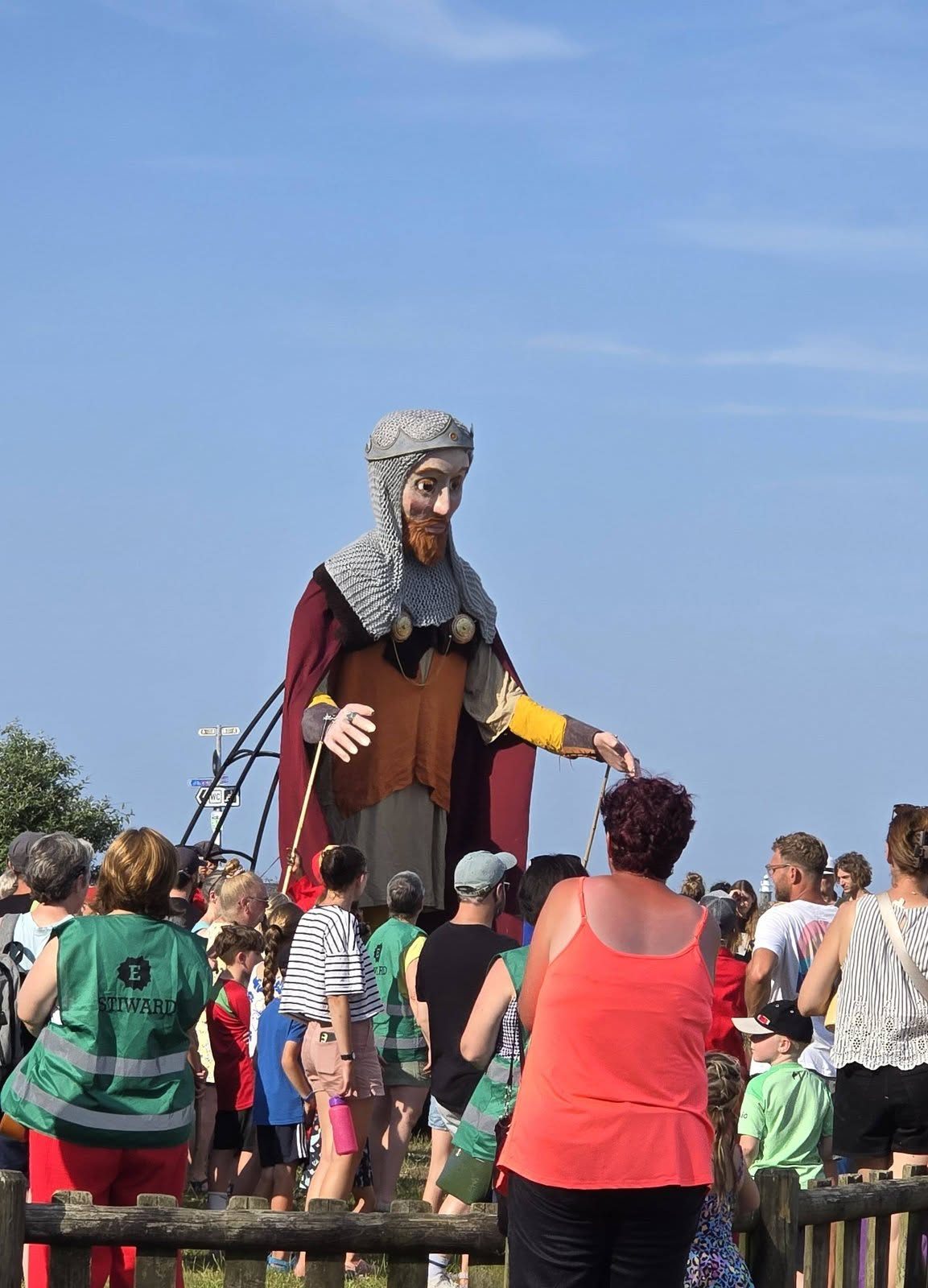
Giant puppet procession brings Welsh history and culture to the streets ahead of this summer’s National Eisteddfod
FISGHUARD and Goodwick joined the celebrations today as the spectacular Carreg Filltir Las procession brought the story of Lord Rhys to north Pembrokeshire.
Residents lined the streets as a giant puppet of the 12th-century Welsh prince, created by Small World Theatre, made its way through the community as part of the build-up to this summer’s National Eisteddfod.
The procession commemorates 850 years since Lord Rhys hosted what is widely regarded as the first Eisteddfod at Cardigan Castle in 1176.
Fishguard was one of the stops on the route, with families, local residents and Welsh language supporters turning out to welcome the larger-than-life figure as it passed through the town.
Organisers say the project aims to connect communities across the Eisteddfod area while celebrating Welsh language, culture and heritage.
The procession forms part of the build-up to Eisteddfod Genedlaethol y Garreg Las, which will be held in north Pembrokeshire from August 1 to 8.
The festival is expected to attract thousands of visitors and will showcase Welsh music, literature, performance, art and culture.
The Lord Rhys journey has already visited communities across west Wales and will culminate in Cardigan, the historic birthplace of the Eisteddfod tradition.
Photo caption:
Crowds gathered in Fishguard as the Lord Rhys procession passed through the town as part of the build-up to the 2026 National Eisteddfod.


Sport13 hours ago
Long Course Weekend gets underway in Tenby as thousands head for county
Three days of swimming, cycling and running begin with The Wales Swim at North Beach THOUSANDS of athletes and supporters...


Climate16 hours ago
Welsh waters, Westminster profits: Crown Estate row reignited in Wales
PLAID CYMRU has renewed calls for the Crown Estate to be devolved to Wales after figures showed income linked to...

News21 hours ago
Reform MS: ‘I felt like shouting get out of the water’
Paul Marr says children playing in streams at Pembrokeshire beaches deserve better protection from pollution risks REFORM UK MS Paul...

Health2 days ago
Senedd backs call to rule out hospital downgrades after heated NHS debate
Reform UK amendment passes as West Wales hospital fears remain central political issue THE SENEDD has backed a call for...

News2 days ago
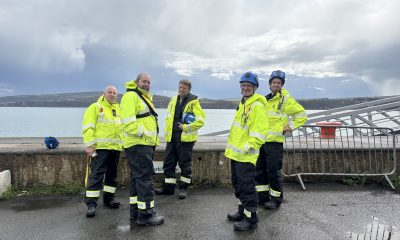
Coastguard callout payments axe sparks fears for coastal communities
VOLUNTEER coastguards across the UK are set to lose callout payments, prompting concern over the future resilience of emergency cover...

Farming2 days ago
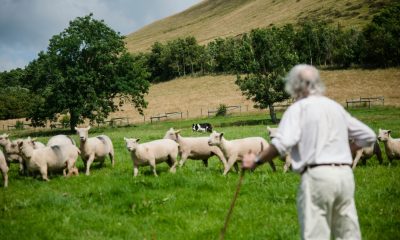
Rural Wales ‘left out’ of net zero debate, warns carbon entrepreneur
A WELSH carbon entrepreneur has warned that rural Wales risks being left behind in the national conversation about net zero....

Local Government3 days ago
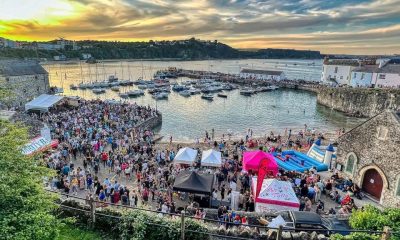
Tenby Spectacular row continues as organisers say key question remains unanswered
Round Table says legal clarity over pedestrian access is still holding up event plan TENBY ROUND TABLE has welcomed Pembrokeshire...

Community3 days ago
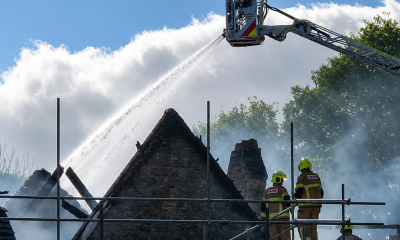
Manorbier fire scandal: Council’s payout just £63,777 after school destroyed
PEMBROKESHIRE COUNTY COUNCIL has accepted an insurance settlement which leaves it with just £63,777.07 after the catastrophic fire which destroyed...

News4 days ago
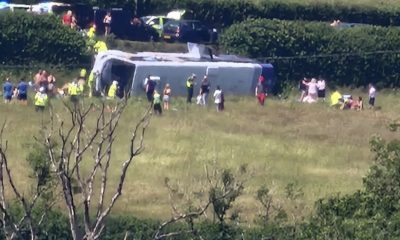
Bus overturns in major incident near Kidwelly
All passengers rescued as emergency services remain at scene A BUS overturned on the A484 between Kidwelly and Ferryside on...


Community5 days ago
Tenby Summer Spectacular cancelled amid council row over harbour access
Organisers say popular charity events cannot safely go ahead without clear powers to control crowds TENBY ROUND TABLE has announced...
-

 Health7 days ago
Woman jailed assaults on police, harassment and XL Bully possession
-
 Crime2 days ago
Police appeal after reported rape at Young Farmers rally
-
 Crime7 days ago
Milford Haven woman spared jail despite string of shop thefts
-

 Community6 days ago
The gentle giant behind the tattoos
-

 Crime7 days ago
Spittal man to stand trial accused of ABH
-

 Crime7 days ago
Carmarthenshire pensioner, 86, accused of causing prostitution for gain
-
 Entertainment6 days ago
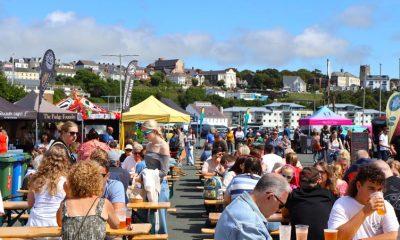
Harbour Fest to bring music, food and maritime magic to Milford Waterfront
-
Health6 days ago
Welsh Government refuses to halt Withybush and Bronglais service review