


News
All the candidates in Mid and South Pembrokeshire – who has got your vote?

Stephen Crabb (Conservative Party)
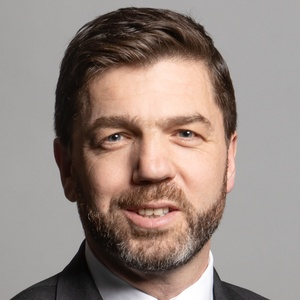
Stephen Crabb, the Conservative candidate for Mid and South Pembrokeshire, brings extensive experience and a strong local connection to his campaign. Crabb, who has served as the MP for Preseli Pembrokeshire, emphasises his commitment to local issues and his track record of delivering results for his constituents. His platform includes a focus on economic development, particularly through initiatives like the Celtic Freeport, which he claims will bring significant investment and job opportunities to the area.
Crabb is also committed to improving local infrastructure. He highlights his efforts to secure better broadband services and town center regeneration projects, which he believes are crucial for boosting the local economy and improving the quality of life for residents. His campaign stresses the importance of local industry, including farming and tourism, and he pledges to continue supporting these sectors
Healthcare is another major focus of Crabb’s campaign. He positions himself as a defender of local health services, criticising the Welsh Labour government for what he describes as cuts to essential services. He promises to fight for better healthcare access and to ensure that local hospitals and clinics receive the funding and support they need.
Crabb also highlights his efforts to address environmental issues, including securing funding for coastal protection and promoting renewable energy projects. He aims to balance economic growth with environmental sustainability, ensuring that new developments do not harm the natural beauty of Pembrokeshire.
Henry Tufnell (Labour Party)

Henry Tufnell, the Labour candidate, presents a platform focused on change and renewal. He criticises the Conservative government’s handling of the economy and public services, arguing that their policies have led to economic mismanagement and declining living standards. Tufnell promises a fresh start with a Labour government that will prioritise the needs of ordinary people over corporate interests.

Tufnell’s campaign emphasises the importance of cooperation between the UK and Welsh Labour governments. He believes that a unified Labour approach can bring better outcomes for Pembrokeshire, particularly in terms of economic development and public services. He advocates for policies that support local businesses and create good jobs, aiming to revitalise the local economy and reduce unemployment.
Healthcare is a central issue in Tufnell’s campaign. He promises to tackle the long waiting times and accessibility issues that residents face under the current system. By working closely with the Welsh Government, Tufnell aims to ensure that everyone in Pembrokeshire has timely access to high-quality healthcare services.
Education and social services are also key components of Tufnell’s platform. He pledges to invest in schools and social care, ensuring that these services are well-funded and can meet the needs of all residents. Tufnell believes that by strengthening these essential services, Pembrokeshire can become a more equitable and prosperous community.
Alistair Cameron (Liberal Democrats)

Alistair Cameron, the Liberal Democrat candidate, is campaigning on a platform of sustainable development and support for local industries. Cameron emphasises the need for quality local jobs that offer fair wages, and he believes that investing in green industries is the key to achieving this goal. He advocates for the development of offshore wind and green hydrogen projects off the Pembrokeshire coast, which he argues will create sustainable employment opportunities and help combat climate change.

Cameron also focuses on improving healthcare access. He highlights the frustrations many residents face with long waiting times and difficulty accessing GPs, NHS dentists, and hospital treatments. Cameron promises to fight for better healthcare services and ensure that residents can get the care they need without excessive delays.
Support for established local industries like tourism and farming is another priority for Cameron. He believes that these sectors are vital to the local economy and that they need more support to thrive. Cameron advocates for policies that make it easier for local businesses to trade with the EU, arguing that better trade relationships can help these industries grow and prosper.
Education and social services are also important to Cameron’s campaign. He pledges to work towards better funding for schools and social care services, ensuring that they can meet the needs of all residents. Cameron believes that by investing in these areas, Pembrokeshire can become a more vibrant and supportive community.

Cris Tomos (Plaid Cymru)
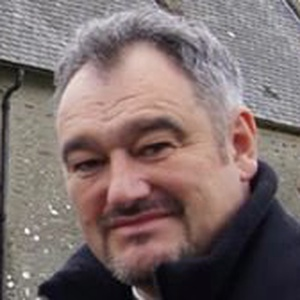
Cris Tomos, representing Plaid Cymru, focuses on strengthening Welsh autonomy and supporting local Welsh culture and language. Tomos advocates for better local governance, arguing that local communities should have more control over their own affairs. He believes that this will lead to more effective and responsive governance, better reflecting the needs and priorities of Pembrokeshire residents.
Tomos emphasises the importance of sustainable development, advocating for policies that promote environmental sustainability and protect natural resources. He supports initiatives that balance economic growth with environmental protection, ensuring that new developments do not harm the local environment. Tomos also aims to promote renewable energy projects, which he believes can create jobs and help combat climate change.
Healthcare is another key issue for Tomos. He promises to fight for better healthcare services and ensure that all residents have access to high-quality care. Tomos argues that the current system is failing many people, and he pledges to work towards a more efficient and effective healthcare system that meets the needs of everyone in Pembrokeshire.
Education and social services are also important to Tomos’s campaign. He advocates for better funding for schools and social care services, ensuring that they can provide the support that residents need. Tomos believes that by investing in these areas, Pembrokeshire can become a more equitable and prosperous community.
James Purchase (Green Party)
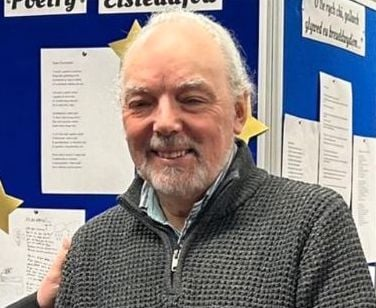
James Purchase, the Green Party candidate, focuses on environmental sustainability and social justice. His campaign emphasises the need to address climate change and promote renewable energy. Purchase advocates for policies that support the development of renewable energy projects, such as wind and solar power, arguing that these initiatives can create jobs and reduce carbon emissions.
Purchase also highlights the importance of protecting natural habitats and biodiversity. He supports measures to conserve local wildlife and natural landscapes, ensuring that Pembrokeshire’s natural beauty is preserved for future generations. Purchase believes that environmental protection and economic development can go hand in hand, and he advocates for sustainable development practices that do not harm the environment.
Social justice is another key component of Purchase’s platform. He pledges to fight for policies that reduce inequality and ensure that everyone has access to the resources and opportunities they need to thrive. Purchase advocates for better funding for public services, such as healthcare and education, and he believes that these services should be accessible to all residents, regardless of their background or circumstances.
Stuart Marchant (Reform UK)
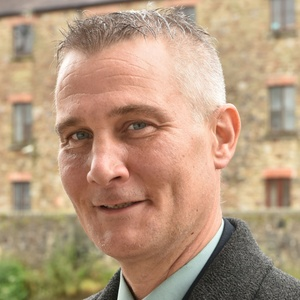
Stuart Marchant represents Reform UK, focusing on reforming public policies and governance. His campaign includes reducing government bureaucracy and promoting free-market principles. Marchant argues that reducing the size of government and cutting red tape can lead to more efficient and effective governance, benefiting businesses and individuals alike.
Marchant also emphasises the importance of direct democracy and accountability. He advocates for measures that increase transparency in government decision-making and give citizens more control over their own affairs. Marchant believes that by empowering local communities, Pembrokeshire can become a more dynamic and responsive region.
Hanna Andersen (Women’s Equality Party)

Hanna Andersen from the Women’s Equality Party focuses on gender equality and social justice. Her campaign emphasises the need to close the gender pay gap and ensure that women have equal opportunities in all areas of life. Andersen advocates for policies that promote gender equality in the workplace and support women in achieving their full potential.
Andersen also highlights the importance of improving healthcare access for women. She argues that women often face unique health challenges and that the healthcare system should be more responsive to their needs. Andersen pledges to work towards better funding for women’s health services and ensure that all women have access to high-quality care.
Social justice is another key component of Andersen’s platform. She advocates for policies that promote equity and inclusion, ensuring that all residents have access to the resources and opportunities they need to thrive. Andersen believes that by addressing systemic inequalities, Pembrokeshire can become a more just and equitable community.
Vusi Siphika (Independent)

Vusi Siphika is running as an independent candidate, focusing on specific local issues and aiming to represent constituents without party-political constraints. Siphika’s campaign is less defined in terms of specific policies, but independent candidates typically emphasise direct community engagement and tailored local solutions. Siphika likely advocates for a more grassroots approach to governance, ensuring that the voices of all residents are heard and considered in decision-making.

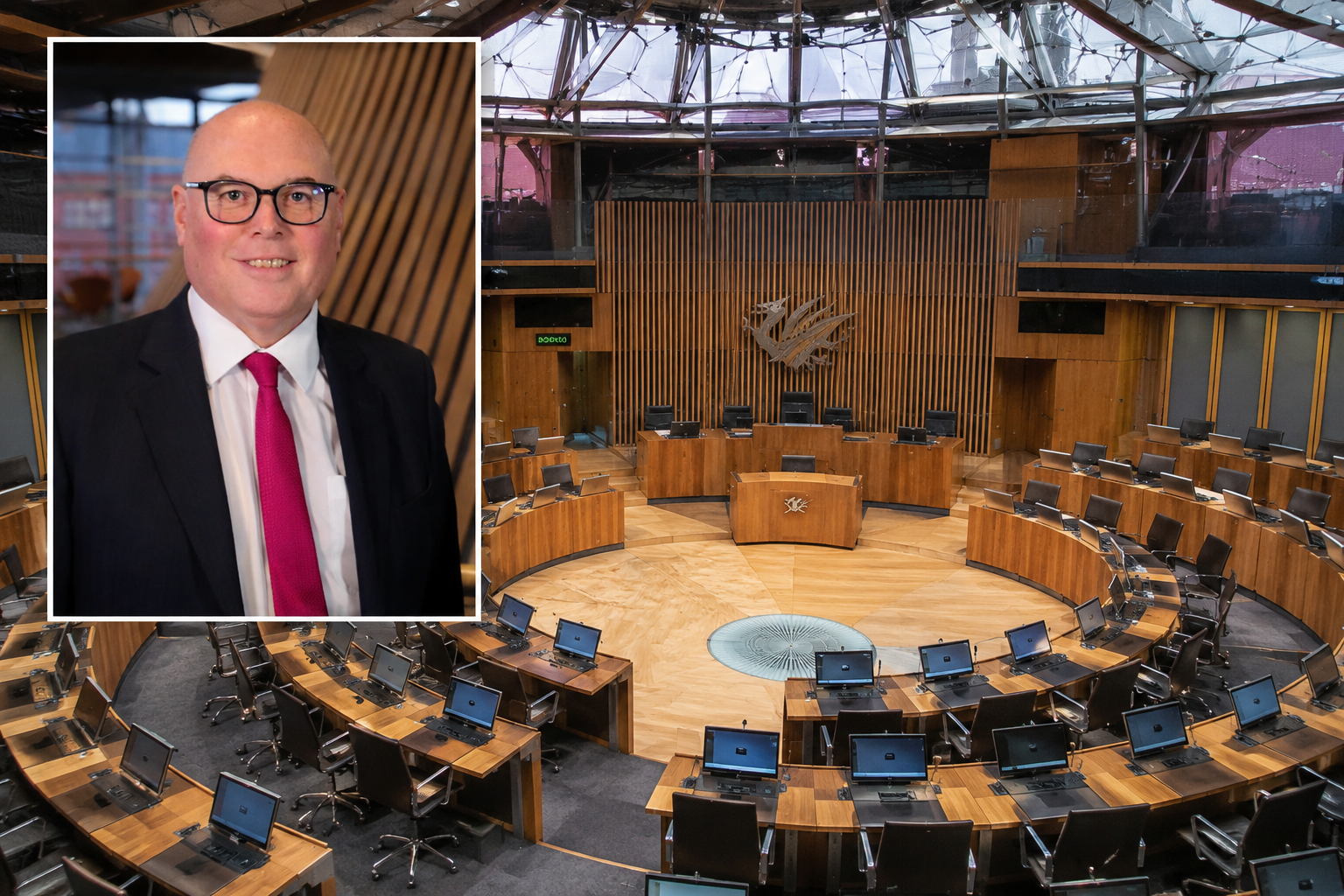
Senior Conservative MS says he has the experience and procedural knowledge needed for the role
PAUL DAVIES has confirmed that he will put his name forward to become the next Llywydd of the Senedd following growing speculation after the Welsh election.
The former leader of the Welsh Conservatives and long-serving Member of the Senedd said he had decided to stand after discussions with colleagues and encouragement from others.
In a statement issued on Sunday (May 10), Davies said he believed he had the experience needed to champion the Welsh Parliament and oversee proceedings fairly.
He said: “There has been much speculation since the election about who will take on the role of the next Llywydd in the Senedd.
“I want make it clear that, after consultation with colleagues and having been urged to do so by others, I will be putting my name forward to be the next Presiding Officer.
“I have the experience to champion the Welsh Parliament and have a clear understanding of its Standing Orders and procedures.
“As the Temporary Presiding Officer in the previous Senedd, and as a former Committee Chair and Business Manager in the Welsh Parliament, I have the necessary skills to take on this important role.”
The role of Llywydd is one of the most senior positions in the Senedd, with responsibility for chairing debates, maintaining order in the chamber and ensuring parliamentary rules are followed.
Davies, who represents Ceredigion Penfro, has been a prominent figure in Welsh politics for many years and previously served as leader of the Welsh Conservatives.
Sam Kurtz disappointment
Davies’ announcement also comes against the backdrop of disappointment within Welsh Conservative circles after Sam Kurtz failed to win a seat.
Kurtz, the former Carmarthen West and South Pembrokeshire MS, had been placed second on the Conservative list in Ceredigion Penfro behind Davies.

That decision was controversial locally, with many party supporters believing Kurtz had built a stronger personal following in Pembrokeshire and was one of the party’s most visible and energetic campaigners in west Wales.
His failure to return to the Senedd is likely to be seen as one of the most significant Conservative casualties of the new electoral system, particularly given his profile in rural affairs, farming, tourism and local campaigning.
There is already speculation about Kurtz’s next move, including rumours that he could seek to stand for Parliament in the future.
However, speaking to The Herald at the declaration, Kurtz was tight-lipped about his plans and even suggested he may return to journalism.
Before entering politics, Kurtz worked in local journalism, including at The Pembrokeshire Herald and the Western Telegraph.
Davies said he was saddened that Kurtz had not been returned, describing him as a hard-working colleague who had given strong service to Pembrokeshire and west Wales.
The announcement comes as parties continue discussions following the historic 2026 Senedd election, which resulted in no overall majority and a dramatically reshaped Welsh political landscape.
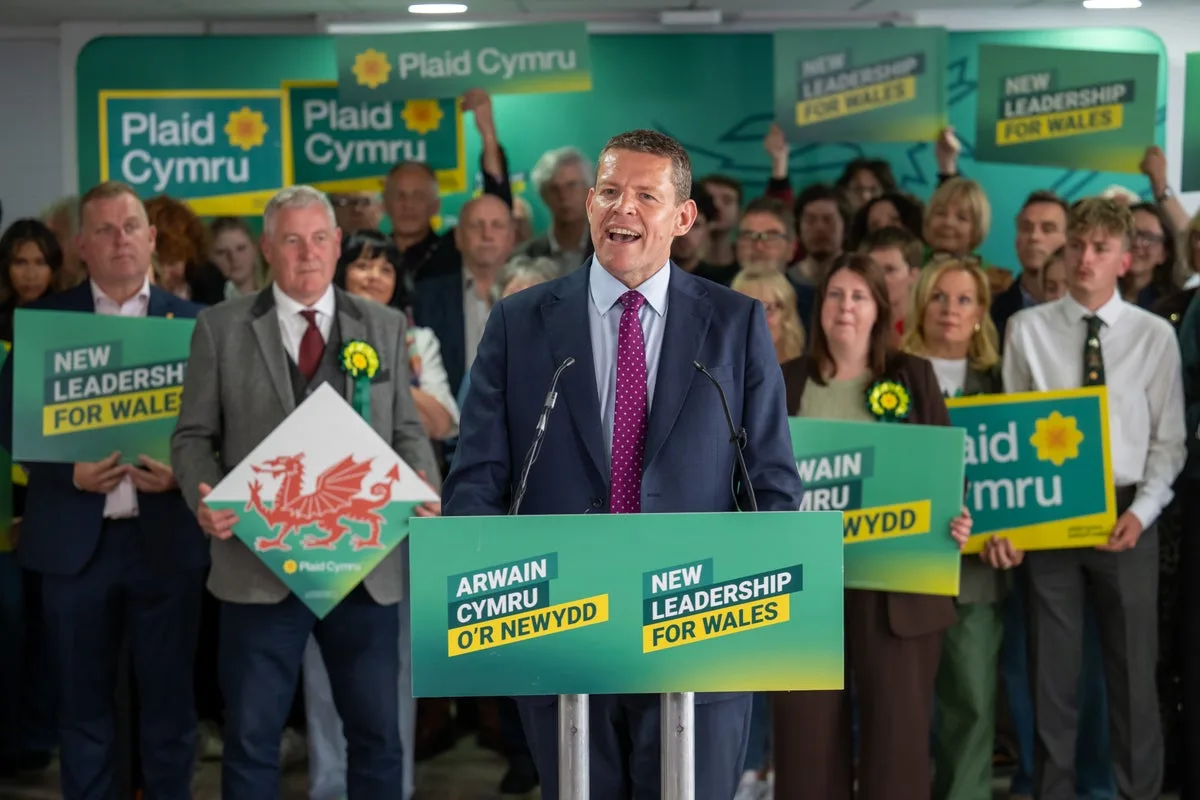
PLAID CYMRU leader Rhun ap Iorwerth has signalled he is ready for confrontation with Prime Minister Keir Starmer after the biggest political earthquake in Welsh devolution history.
Following Plaid’s dramatic Senedd election victory, which saw the party emerge as the largest force in the Welsh Parliament for the first time, ap Iorwerth has made it clear he intends to push aggressively for more powers and funding for Wales — including reopening rows over HS2 funding, policing, justice, and control of natural resources.
Speaking during a series of high-profile interviews on Sunday, the likely next First Minister said the UK Labour government now faced a choice: work with Wales or risk being seen as punishing Welsh voters for rejecting Labour dominance.
The comments are likely to raise tensions between Cardiff Bay and Westminster just days after Welsh Labour suffered a historic collapse at the polls.
Plaid plans minority government
Plaid Cymru won 43 seats in the expanded 96-member Senedd, leaving the party short of an outright majority but comfortably ahead of rivals.
With support expected from the two Green MSs, and the Liberal Democrats indicating they will abstain rather than oppose him, ap Iorwerth now appears on course to become Wales’ next First Minister as early as Tuesday.
The result marks the end of more than a century of Labour electoral dominance in Wales and the first time Labour has failed to emerge as the largest party since devolution began in 1999.
Ap Iorwerth has insisted he wants Plaid to govern alone rather than form a coalition, although he acknowledged cross-party cooperation would be necessary.
Fresh pressure over HS2 and funding
One of the clearest signals from the Plaid leader was his intention to revive demands over the HS2 rail project.
Welsh politicians have long argued Wales was unfairly denied billions of pounds in consequential funding after HS2 was classified as an England-and-Wales project despite no track entering Wales.
Ap Iorwerth suggested a future “Wales Bill” at Westminster could include demands on fairer funding, policing and criminal justice powers, and greater Welsh control over natural resources.
The remarks are likely to concern Labour strategists in London already facing growing pressure after heavy losses in Wales.

Labour admits “catastrophic defeat”
Interim Welsh Labour leader Ken Skates described the election result as a “catastrophic defeat” and confirmed the party would carry out what he called a “forensic” review into what went wrong.
Skates is also expected to enter the race to become permanent Welsh Labour leader following the shock loss of former First Minister Eluned Morgan, who lost her own seat during the election.
Meanwhile, Reform UK, which surged to 34 seats, said it intended to become an aggressive opposition force inside the Senedd.
Tensions with Reform
Ap Iorwerth also appeared to take a swipe at Reform leader Dan Thomas after claiming he had been unable to arrange a courtesy call following the election.
Reform denied the allegation, insisting contact details had been provided and that Plaid had been told to communicate through Thomas’s staff.
Despite the row, Reform MS Llŷr Powell suggested the party would not simply oppose everything brought forward by Plaid, saying Reform would judge proposals individually and focus heavily on government spending and scrutiny.
“A new era” for Wales
The weekend celebrations outside the Senedd increasingly resembled the atmosphere of a government-in-waiting, with Plaid supporters openly speaking of a “new era” in Welsh politics.
For the first time since the Senedd was created, Wales now faces the prospect of a nationalist-led government prepared to challenge Westminster far more openly than previous Labour administrations.
Whether that leads to meaningful constitutional change, or confrontation with London, could define the next chapter of Welsh politics.

TWO WOMEN were arrested following a disturbance at the Mount Estate in Milford Haven on Saturday night (May 9).
The Herald understands the arrests followed an altercation involving four people.
Video circulating on social media shows two women lying face down on the ground outside while handcuffed and restrained by police officers.
In the footage, officers can be heard telling one woman that she is being arrested on suspicion of assaulting police.
Both women were then taken away, each flanked by officers.
Other women can be seen speaking to those detained while they remain on the ground.
The Herald has contacted Dyfed-Powys Police for further details, including confirmation of the number of arrests, the nature of the incident, and whether anyone was injured.



News3 hours ago
Rhun prepares for clash with Starmer as Plaid eyes power in Cardiff Bay
PLAID CYMRU leader Rhun ap Iorwerth has signalled he is ready for confrontation with Prime Minister Keir Starmer after the...

News1 day ago
Plaid Cymru celebrates historic victory as Rhun ap Iorwerth arrives at Cardiff Bay
CROWDS gathered outside the Senedd as Plaid Cymru leader Rhun ap Iorwerth arrived in Cardiff Bay following his party’s historic...


Crime1 day ago
Police standoff ends after four-hour incident in Pembroke Dock
ELIZABETH COURT SCENE STOOD DOWN AFTER DOMESTIC INCIDENT A FOUR-HOUR police standoff in Pembroke Dock has ended with a 21-year-old...


Crime1 day ago
Teen denies attempted murder of Milford Haven teacher
TEENAGER REMANDED AHEAD OF JULY TRIAL A 15-YEAR-old boy has denied attempting to murder a teacher during a stabbing incident...

News2 days ago
Catastrophe for Labour as Plaid and Reform reshape Welsh politics
ELUNED MORGAN LOSES SEAT AS OLD CERTAINTIES ARE SWEPT AWAY THE VOTERS of Wales have delivered one of the most...

News2 days ago
Labour wiped out in Ceredigion Penfro as Plaid tops poll and First Minister loses seat
Shock result sends political shockwaves across Wales as Reform also surges in historic Senedd count LABOUR suffered one of the...

News2 days ago
Labour deputy says party ‘will not form next Welsh Government’
LABOUR FACES HISTORIC DEFEAT AS COUNTING CONTINUES ACROSS WALES LABOUR’S Deputy Leader in Wales has effectively conceded the Senedd election,...

News2 days ago
Counts underway in historic Senedd election
Wales waits for results as first election under new voting system reaches count stage COUNTING is underway across Wales today...


Charity3 days ago
Chief’s Tour honours fallen officers with 75-mile Pembrokeshire ride
Dyfed-Powys Police team raises thousands for bereaved police families charity A TEAM of officers and staff from Dyfed-Powys Police cycled...


Crime3 days ago
Racial abuse suspect barricaded himself inside Johnston lodge
ARMED police were called to a supported accommodation building in Johnston after a man allegedly barricaded himself inside a room...
-

 News5 days ago
Baby in critical condition after Fishguard emergency
-

 News4 days ago
Former housing officer admits drink-driving in Pembrokeshire retail park
-

 Crime4 days ago
Job loss threat for convicted Pembrokeshire drug-driver
-
 Crime5 days ago
Milford motorist disqualified for drug-driving
-

 Crime4 days ago
Police tip-off leads to driving ban for Milford motorist
-
Crime3 days ago
Racial abuse suspect barricaded himself inside Johnston lodge
-

 Community4 days ago
Sixth-former firefighter balances schoolwork with saving lives
-

 Crime4 days ago
Delivery driver caught twice over legal drink-drive limit