


News
20mph limit in Wales – one year on, the debate intensifies

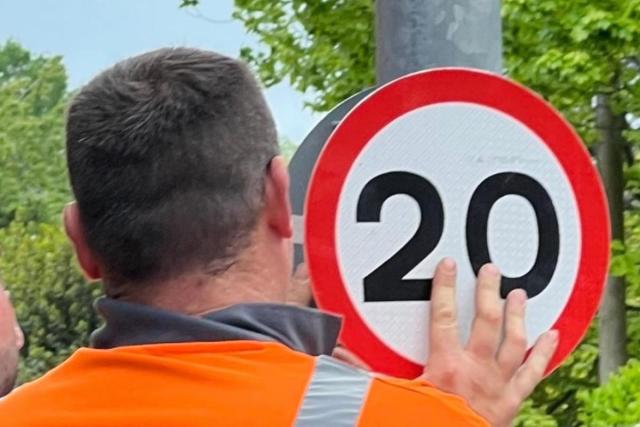
AS Wales marks the one-year anniversary of the introduction of the 20mph speed limit on residential roads, the policy continues to stir controversy.
Initially rolled out by the Labour government with the intention of improving road safety, the reduced speed limit has faced both criticism and support from various quarters, with ongoing debate about its effectiveness and economic impact.
Welsh Conservative Shadow Transport Minister Natasha Asghar has been vocal in her criticism of the policy, calling it a “disastrous 20mph rollout.” She emphasised that despite widespread public dissent, including the largest petition in the Senedd’s history and predictions of a £9 billion impact on the Welsh economy, the government has been reluctant to reconsider the policy. Asghar reiterated the Conservative stance: “Scrap the £33m scheme altogether, only have 20mph in high footfall areas and get Wales moving again.”
The policy has not only faced political opposition but also a significant public backlash. A petition against the default 20mph limit garnered nearly half a million signatures, highlighting the extent of dissatisfaction among the Welsh public. Additionally, there has been a reported rise in offences related to the new speed limit, with many motorists finding the varying speed limits confusing.
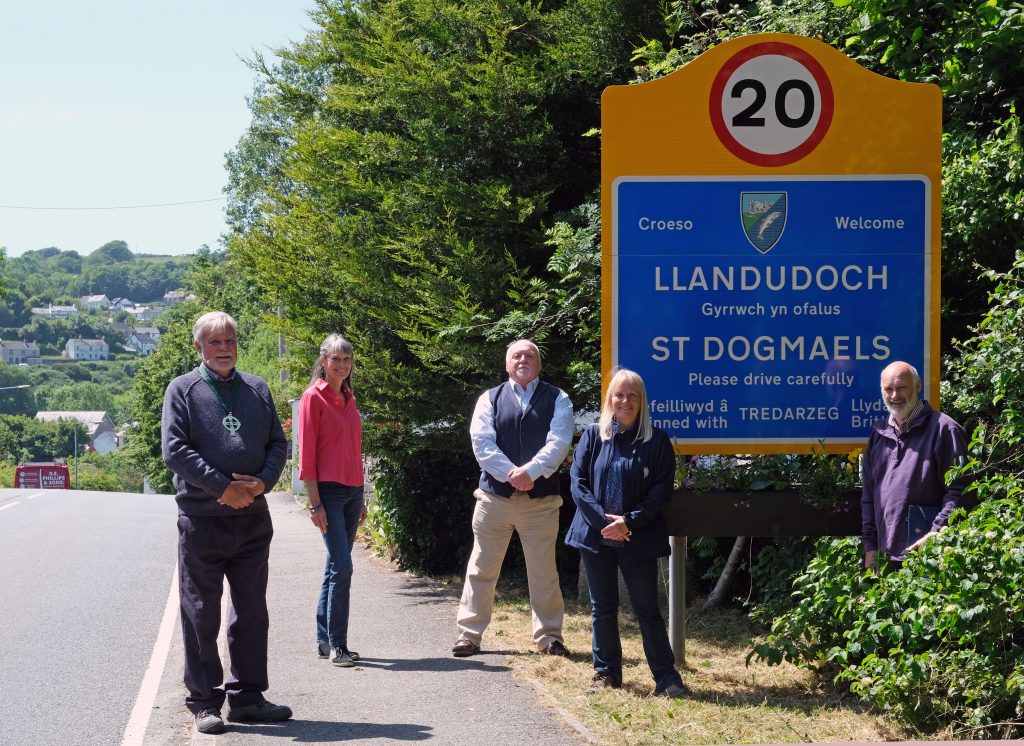
Labour’s Eluned Morgan has acknowledged the policy’s challenges, admitting that the blanket implementation of the 20mph speed limits had caused problems. She indicated that the government recognises that some roads may need to revert to 30mph, and a review is currently underway. The First Minister recently acknowledged that through roads with 20mph limits had been causing the most frustration among the public, and it is now up to local councils to address these concerns.

Lee Waters, the former transport minister who introduced the policy, defended it, stating that reduced speeds have led to fewer accidents and saved lives. However, he conceded that the rollout could have been better executed, citing insufficient public awareness and preparation for such a significant change.
Despite the criticisms, recent figures indicate a positive trend in road safety, with injuries on 20mph and 30mph roads falling by a third in the final quarter of last year. Furthermore, insurer esure reported a 20% drop in accidental damage claims from Welsh customers following the implementation of the 20mph limit, resulting in reduced insurance premiums for Welsh drivers. If this trend were applied across the UK, it could result in a significant economic benefit, with potential savings of approximately £50 per policy, amounting to £1.4 billion nationwide.
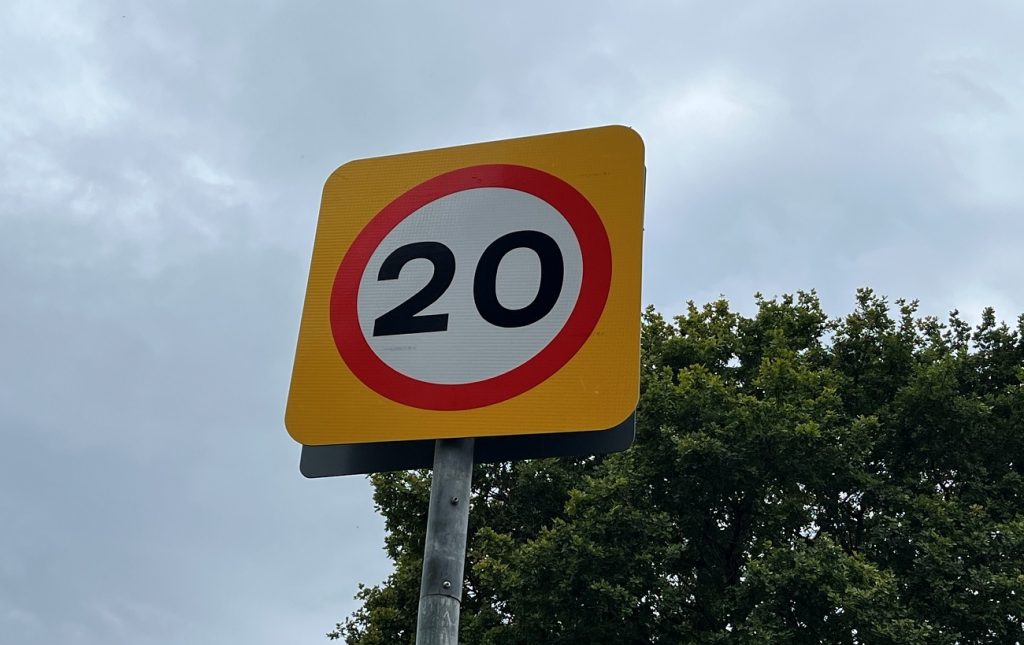
The introduction of the 20mph speed limit has also affected events such as the Junior Tour of Wales cycling race, which had to be shortened and rerouted due to the new speed regulations. This has prompted criticism from Conservative figures who argue that such policies should not negatively impact sporting events and other activities.
Natasha Asghar further commented on the need for a “common-sense approach” to active travel, highlighting that while promoting walking and cycling is important, the current strategy of pushing people out of cars through measures like the 20mph limit is not practical or effective.

The Welsh government’s decision to make 20mph the default speed limit in built-up areas has sparked a complex debate, balancing road safety against public opinion and economic concerns. With a review in progress and ongoing discussions, the future of the 20mph policy in Wales remains uncertain. Whether the government will make adjustments or hold firm in its commitment to reduced speed limits will likely continue to be a point of contention in Welsh politics.



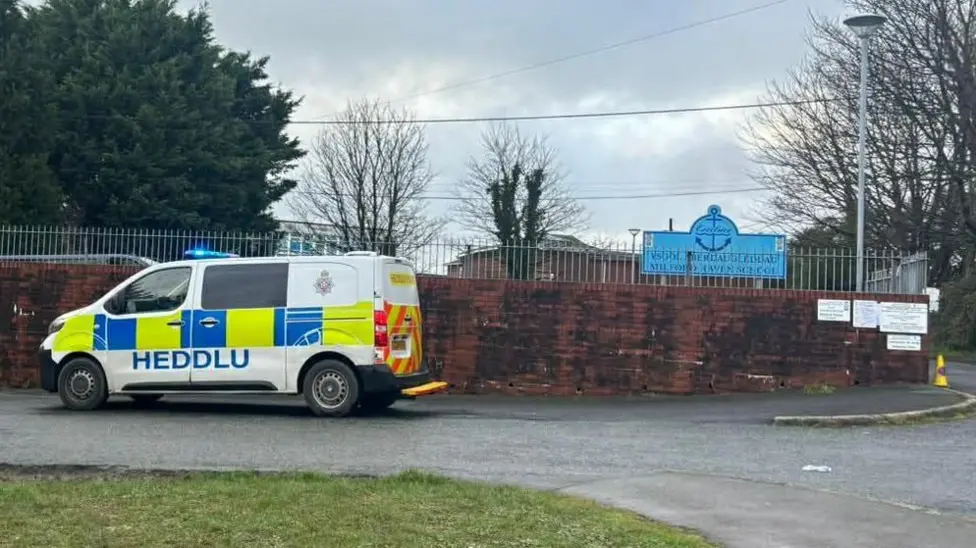
TEENAGER REMANDED AHEAD OF JULY TRIAL
A 15-YEAR-old boy has denied attempting to murder a teacher during a stabbing incident at Milford Haven School.
The teenager, who cannot be identified for legal reasons, appeared at Swansea Crown Court on Friday (May 8).
He pleaded not guilty to attempted murder, causing grievous bodily harm with intent, and unlawful wounding with a knife.
The charges relate to an incident at Milford Haven School on Thursday, February 5, when emergency services were called after reports that a teacher had been assaulted by a pupil carrying a weapon.
The school was placed into lockdown and pupils were later safely evacuated.
The injured teacher was taken to hospital with stab wounds, but was discharged later the same day.
Police said at the time that specialist officers were supporting the victim and the wider school community.
The teenager was remanded in custody following Friday’s hearing.
A trial is due to begin on July 6.


By Owen Venables
WALES is facing a new political reality after the latest Senedd election produced no overall majority, leaving parties preparing for negotiations that could shape the next Welsh Government.
Plaid Cymru emerged as the largest party following major gains across Wales, while Reform UK recorded a significant breakthrough and Labour suffered its worst Senedd result since devolution began in 1999. However, despite Plaid’s success, the party fell short of the numbers needed to govern alone.
Under the Senedd’s expanded system, 49 seats are required for an outright majority in the 96-seat chamber. No party reached that threshold, meaning Wales has entered a hung Senedd.
This is the first time since devolution that Labour has failed to emerge as the largest party in the Welsh Parliament. The scale of Labour’s losses was further underlined by the defeat of First Minister Eluned Morgan, who lost her own Senedd seat before announcing she would step down as leader of Welsh Labour.
Since the creation of the Senedd in 1999, Labour has either governed alone or led every Welsh administration, sometimes through coalition agreements or cooperation deals with smaller parties.
Attention will now turn to what happens behind closed doors over the coming days.
The most likely immediate step is talks between parties to determine whether a formal coalition government can be formed. Plaid Cymru, as the largest party, will almost certainly have the first opportunity to attempt to form a government, with party leader Rhun ap Iorwerth expected to begin discussions with other parties and independents.
One possible outcome is a coalition agreement involving smaller progressive parties such as the Greens or Liberal Democrats. Another possibility is a confidence-and-supply arrangement, where smaller parties agree to support a government on key votes, such as budgets and confidence motions, without formally entering government themselves.
Labour’s reduced numbers may still leave the party influential despite its heavy losses. In previous Senedd terms, Labour has governed through cooperation agreements, including its 2021 deal with Plaid Cymru. Some political figures may favour cross-party cooperation again in order to provide stability and prevent repeated deadlock votes in the chamber.
Reform UK’s strong performance also changes the political arithmetic significantly. Although the party is unlikely to be part of any governing coalition, its rise means it could become a powerful opposition force within the Senedd. Reform’s gains in former Labour strongholds reflect wider political changes already seen across parts of England, where support for traditional parties has weakened.
If no stable agreement can be reached, the Senedd would continue holding votes to elect a First Minister. Under Welsh parliamentary rules, if no First Minister is successfully appointed within 28 days, another election could potentially be triggered.
The coming days are therefore likely to be dominated by negotiations, compromise and political pressure as parties attempt to determine who can command enough support to govern.

While the election has reshaped Welsh politics, the biggest takeaway is that the era of automatic Labour dominance in Wales has come to an end, and the Senedd is now entering one of the most politically unpredictable periods in its history.

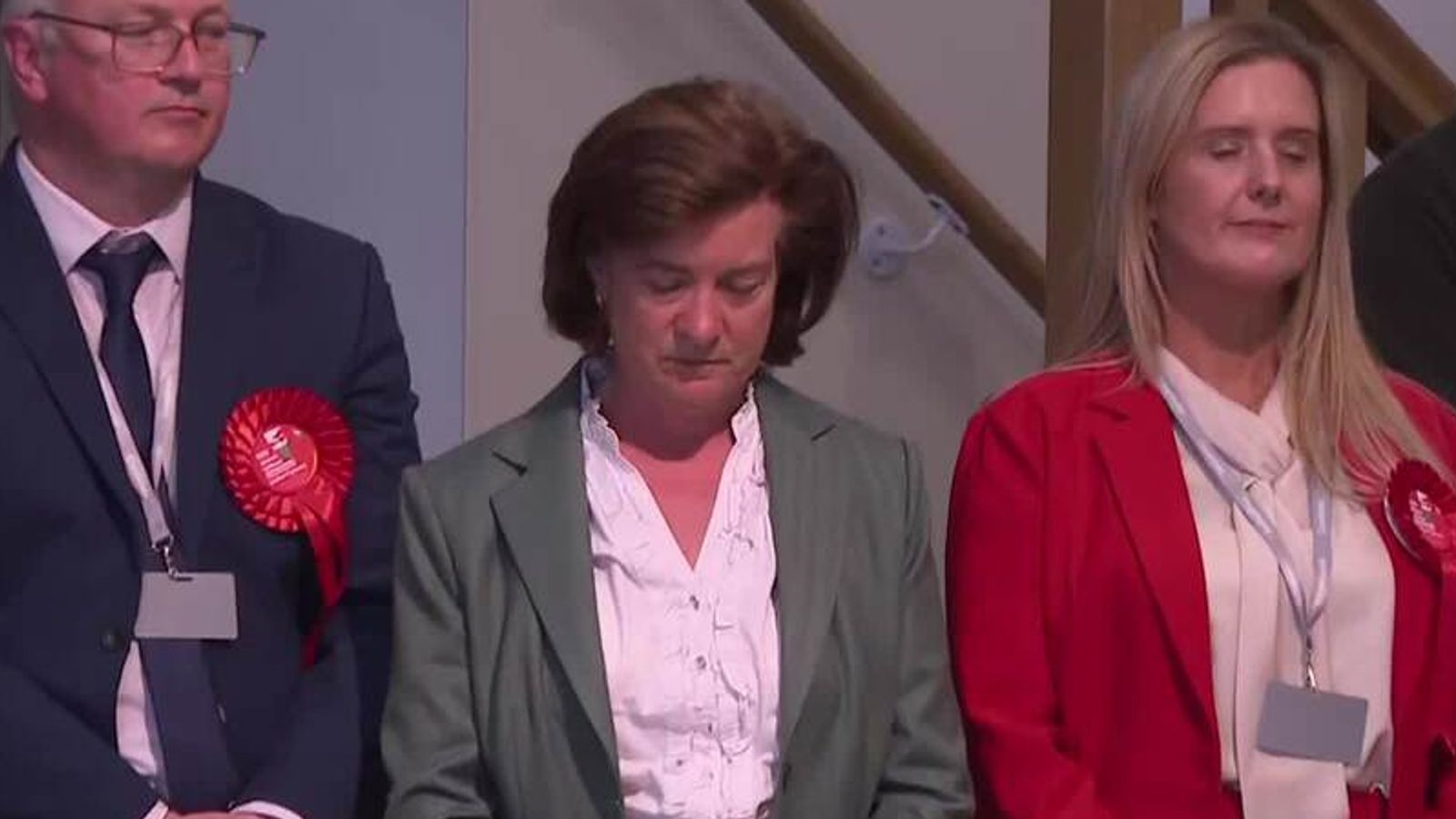
ELUNED MORGAN LOSES SEAT AS OLD CERTAINTIES ARE SWEPT AWAY
THE VOTERS of Wales have delivered one of the most dramatic results in the history of devolution, sweeping Labour from power and handing Plaid Cymru a clear path towards forming the next Welsh Government.
After more than a quarter of a century of Labour dominance in Cardiff Bay, the party has been reduced to just nine seats in the Senedd, with its support collapsing across its traditional heartlands.
The final seat tally was:
- Plaid Cymru – 43
- Reform UK – 34
- Labour – 9
- Conservatives – 7
- Greens – 2
- Liberal Democrats – 1
Plaid Cymru is now by far the largest party in the new Welsh Parliament and is expected to seek to form the next government, either as a minority administration or with support from other parties.
Reform UK, which had been tipped to make major gains, finished in second place with 34 seats, an extraordinary breakthrough which places it ahead of Labour and the Conservatives.
But while Reform’s rise is one of the major stories of the election, the biggest political earthquake is Labour’s near-total collapse.
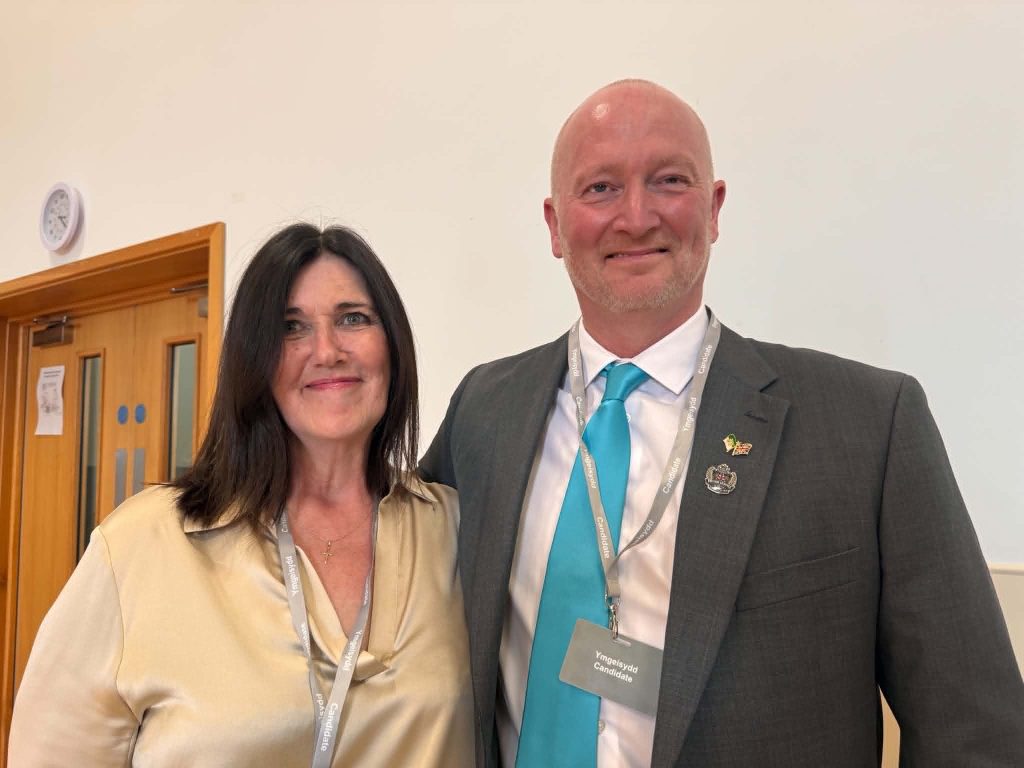
The party, which has led every Welsh Government since devolution began, was gutted in the Valleys, south-east Wales, rural Wales and key urban centres.
First Minister Eluned Morgan’s defeat in Ceredigion Penfro will dominate the headlines. Her loss marks a stunning personal and political blow, with Labour failing to win a seat in the new six-member constituency.
In the same constituency, Conservative Paul Davies was returned, while fellow Conservative Samuel Kurtz narrowly missed out. Kurtz later issued an emotional statement saying it had been an “absolute honour and pleasure” to serve as a Member of the Senedd.
He wrote: “That’s the way the cookie crumbles, folks.
“What an absolute honour and pleasure it has been to serve as your Member of the Senedd.”
He said he was pleased Paul Davies had been re-elected, adding: “I owe him so much, and I wouldn’t have been able to do this job without his support and guidance.”

Kurtz thanked his family, staff and supporters, saying he had loved “every single second” of the job.
He added: “So for now, it’s so long. But I don’t think it’s farewell.”

Labour’s humiliation was not confined to west Wales.
Senior backbencher Alun Davies lost his seat after twenty years in the Welsh Parliament, while Huw Irranca-Davies, Eluned Morgan’s Deputy, clung on in sixth place in Afan Ogwr Rhondda.
Former Labour minister Sarah Murphy also only just survived in Pen-y-Bont Bro Morgannwg.
In Carmarthenshire, Labour failed to return a single representative, with Plaid Cymru and Reform splitting the seats between them.
In Swansea Gower, Mike Hedges was the only Labour MS to survive, while Plaid took three seats and Reform claimed the remainder.
Ken Skates also clung on to the sixth seat in Flint Wrexham, where Reform and Plaid both took two seats.
The scale of Labour’s defeat was underlined by its failure to win a single seat in Caerffili and Blaenau Gwent, and by its reduction to two seats in Cardiff, where Plaid Cymru now has more MSs than it has ever had city councillors.
Labour returned just one candidate in Pontypridd and Newport, and only two in Torfaen, once regarded as a nailed-on Labour area.
Reform’s strongest gains came in the Valleys and south-east Wales, but the party also cut into Conservative support across rural, mid and north Wales.
The Conservatives finished on seven seats, a result which leaves them badly squeezed between Reform on one side and Plaid Cymru on the other.
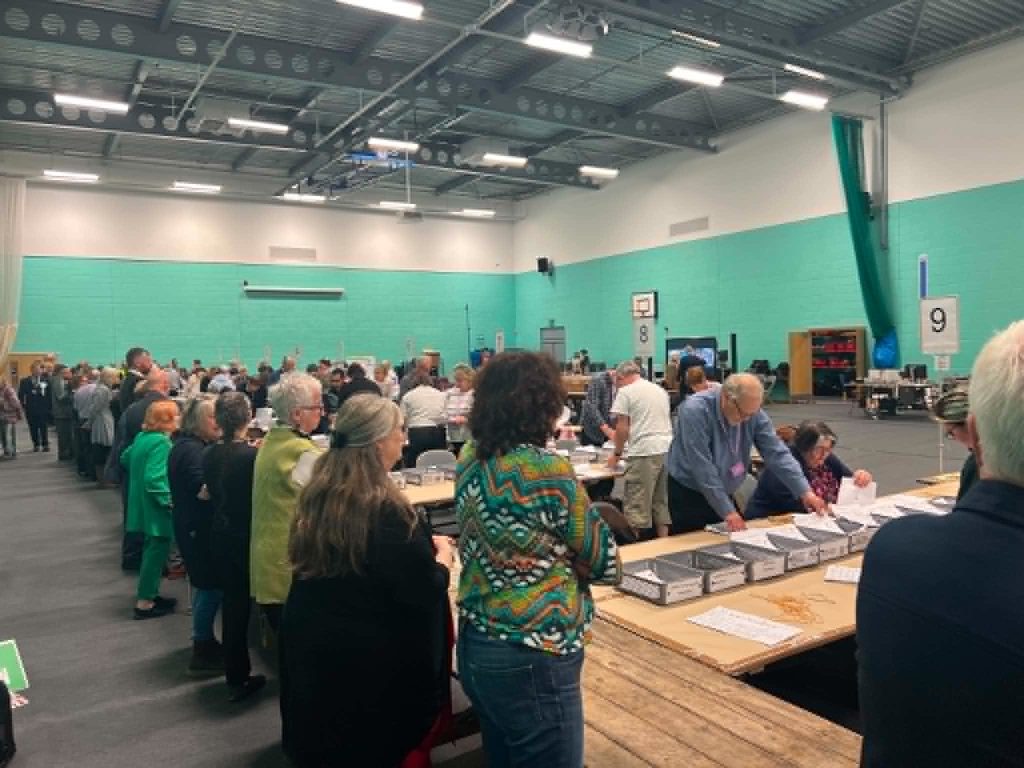
The Greens won two seats, both in Cardiff constituencies. While the result gives the party its first real Senedd breakthrough, it falls well short of the more optimistic projections during the campaign.
Jane Dodds remains the sole Liberal Democrat in the Welsh Parliament.
Labour’s final humiliation came in Gwynedd Maldwyn, the last seat to declare, where the party finished fifth, behind Plaid Cymru, Reform, the Conservatives and the Liberal Democrats.
Plaid took four seats there, with Reform winning two.
In her concession speech, Eluned Morgan said the “wind of change” had blown across Wales.
For Labour, that wind has swept away the old certainties.


Crime2 hours ago
Teen denies attempted murder of Milford Haven teacher
TEENAGER REMANDED AHEAD OF JULY TRIAL A 15-YEAR-old boy has denied attempting to murder a teacher during a stabbing incident...

News19 hours ago
Catastrophe for Labour as Plaid and Reform reshape Welsh politics
ELUNED MORGAN LOSES SEAT AS OLD CERTAINTIES ARE SWEPT AWAY THE VOTERS of Wales have delivered one of the most...

News21 hours ago
Labour wiped out in Ceredigion Penfro as Plaid tops poll and First Minister loses seat
Shock result sends political shockwaves across Wales as Reform also surges in historic Senedd count LABOUR suffered one of the...

News1 day ago
Labour deputy says party ‘will not form next Welsh Government’
LABOUR FACES HISTORIC DEFEAT AS COUNTING CONTINUES ACROSS WALES LABOUR’S Deputy Leader in Wales has effectively conceded the Senedd election,...

News1 day ago
Counts underway in historic Senedd election
Wales waits for results as first election under new voting system reaches count stage COUNTING is underway across Wales today...

Charity2 days ago
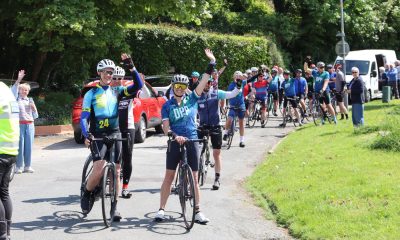
Chief’s Tour honours fallen officers with 75-mile Pembrokeshire ride
Dyfed-Powys Police team raises thousands for bereaved police families charity A TEAM of officers and staff from Dyfed-Powys Police cycled...


Crime2 days ago
Racial abuse suspect barricaded himself inside Johnston lodge
ARMED police were called to a supported accommodation building in Johnston after a man allegedly barricaded himself inside a room...

Crime2 days ago
Milford Haven woman denies causing suffering to cat
Jury hears evidence over alleged failure to seek treatment for tumour A MILFORD HAVEN woman has denied causing unnecessary suffering...


News3 days ago
Plaid Cymru projected to lead Senedd as Labour faces historic collapse
Final poll suggests Welsh politics could be on the brink of a major realignment PLAID CYMRU is on course to...

Community3 days ago
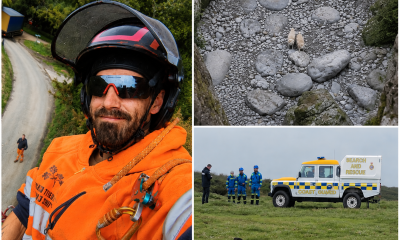
Rescue bid planned for lambs stranded below Stack Rocks cliffs
Tree surgeon preparing 150ft descent after live firing delayed rescue attempt A MAJOR rescue operation is being planned this afternoon...
-
 News4 days ago
Baby in critical condition after Fishguard emergency
-
 News3 days ago
Former housing officer admits drink-driving in Pembrokeshire retail park
-
 Crime3 days ago
Job loss threat for convicted Pembrokeshire drug-driver
-
 Crime3 days ago
Milford motorist disqualified for drug-driving
-

 Crime3 days ago
Police tip-off leads to driving ban for Milford motorist
-
Crime2 days ago
Racial abuse suspect barricaded himself inside Johnston lodge
-
 Crime3 days ago
Delivery driver caught twice over legal drink-drive limit
-

 Community3 days ago
Sixth-former firefighter balances schoolwork with saving lives