


Business
Beer and pub industry supports 44,000 jobs in Wales – but jobs ‘could be at risk’

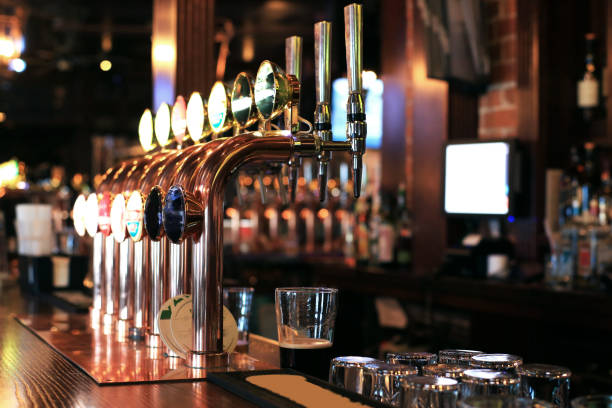
WALES’ beer and pub sector supports 44,000 jobs but urgently needs the upcoming Budget to help it so it can keep people in work, the trade body has warned.
These figures demonstrate that people around the country depend upon the industry to keep them in work and put money in their pockets, the British Beer and Pub Association (BBPA) said.
But despite this, pubs make an average of just 12p on every pint of beer once taxes and costs have been deducted.
Now the BBPA is calling for a reduction in soaring costs of doing business. It says the industry needs the Budget to help it continue to invest in business and people and remain a home away from home in communities across the country.
Emma McClarkin, CEO of the BBPA, said: “Our brewers and pubs are helping people around the country earn money, gain skills and experience, and support both the local and national economy.

“From those pulling pints to the farmers growing the hops, so many rely on our treasured beer and pub sector for their livelihoods and careers.
“But for the job market to flourish – and for us to keep supporting those jobs – it’s vital our sector is given the support it needs to continue.
“We are urging the Government protect the Great British brewing and pub sector – the beating heart of our communities – to ensure it can remain a driving force for growth, jobs, investment and social value whilst keeping the price of a pint affordable for all.”
The BBPA is calling on the Government to use the upcoming Budget to cut beer duty, reform business rates, and pledge to keep the 75% business rates relief so that pubs and brewers can keep people in work and support more jobs.

A 5% cut in beer duty in the upcoming Budget would result in up to 12,000 additional jobs across the UK, mainly in pubs. This is due to the dynamic effects of increased prices at the bar reducing demand from consumers, who are sensitive to costs rising. Decreased demand for drinks in pubs leads to closures and job losses so keeping the price of a pint affordable will allow the sector to thrive and employ even more people.
The industry is facing multiple burdens and restrictions in the form of proposed eyewatering packaging taxes and a potential beer garden smoking ban.
The industry is one for the most heavily taxed business sectors per pound of turnover in the UK with tax making up 40% of UK brewing turnover and £1 in every £3 spent in pubs.

The BBPA warns any additional price increases, on top of the inflationary pressures of the last few years, would tip many beer and pub businesses over the edge.


A SMALL Pembrokeshire brewing company has been formally wound up after its owners concluded the business could no longer continue.
Black Tar Brewing Co Ltd, which was registered in Llangwm, entered creditors’ voluntary liquidation following a meeting of company members on February 27, 2026.
The meeting was held at the Swansea offices of Stones & Co Insolvency Practitioners, where Gareth Stones was appointed to oversee the closure.
The company’s registered address was at Gail Rise in Llangwm, near Haverfordwest, and official records listed its activities as beer manufacturing.
No public details have yet been released about the size of the business, the value of its assets or the amount owed to creditors.
As liquidator, Mr Stones will now take control of the company’s affairs, identify any remaining assets and determine whether funds are available for those owed money.
Creditors are expected to receive further information as the process develops.
The liquidation was initiated by the company rather than through a court order, meaning its members voted to bring trading to an end and place its finances in the hands of an insolvency practitioner.
A public notice connected to the closure directs creditors and other interested parties to Stones & Co for further information.
The winding-up brings an end to the Llangwm-registered brewery, although the company’s recent level of trading and the number of people connected to the business remain unclear.

THE GERMAN cruise ship AIDAsol returned to Fishguard today, bringing hundreds of passengers to north Pembrokeshire.
The large vessel was clearly visible from homes overlooking Fishguard Bay after arriving for what is understood to be her second visit to the town.
Passengers were expected to travel ashore by tender before exploring Fishguard, Goodwick and tourist destinations across Pembrokeshire.
Cruise ship visits provide a welcome boost for local shops, cafés, transport providers and visitor attractions, with organised excursions often taking passengers to locations including St Davids and the Pembrokeshire Coast National Park.
AIDAsol is operated by German cruise company AIDA Cruises and is instantly recognisable because of the distinctive eye and red lips painted across her bow.
The ship measures more than 250 metres in length and can accommodate more than 2,000 passengers, as well as hundreds of crew members.
Her arrival attracted attention from residents, with the impressive vessel photographed from several vantage points around Fishguard and Goodwick.
The visit comes during the busy summer tourism season and offers businesses another opportunity to showcase the area to overseas visitors.
AIDAsol was due to remain off the coast while passengers enjoyed their time in Pembrokeshire before continuing to the next destination on her itinerary.
Impressive arrival: AIDAsol pictured in Fishguard Bay today (Pic: Herald reader)
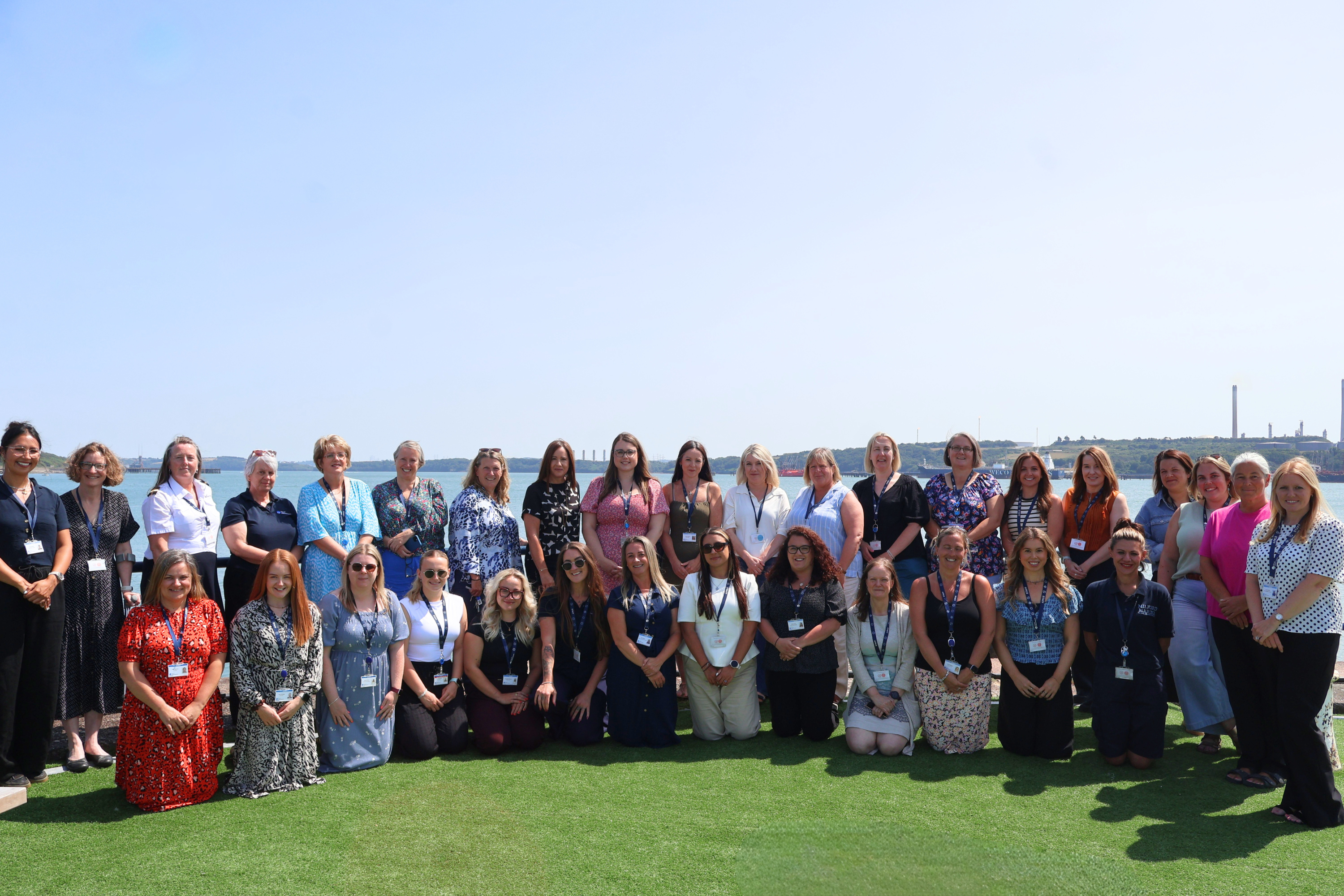
Recognition secured for second consecutive year as women now hold 42% of management roles at the Port
THE PORT OF MILFORD HAVEN has been named among the UK’s Best Workplaces for Women for the second year running.
The organisation has been placed within the top 100 large employers on the 2026 list, compiled by workplace culture body Great Place To Work UK.
The recognition is based largely on feedback from female employees, who highlighted flexible working, access to time off, employee benefits and the Port’s approach to safety and sustainability.
The Port said its position on the national list had improved by 45 per cent compared with last year.
One employee said: “The flexibility I’m given and the freedom to bring my own ideas make me feel valued and trusted.
“Being part of the Port is something I’m genuinely proud of, and I’m excited about the opportunities ahead to grow and build my career here.”
Another praised the organisation’s support for work-life balance and mental health.
Women currently make up 31 per cent of the Port’s overall workforce and 42 per cent of employees in management positions.
The Port said this compared favourably with the wider ports sector, where women account for an average of 19 per cent of the workforce and 23 per cent of managerial roles.
HR director Vidette Swales said the organisation was proud to have retained the recognition.
She said: “We are incredibly proud to be a workplace where women can thrive, develop their careers and bring their whole selves to work.
“Creating an inclusive culture is not just the right thing to do. It strengthens our organisation by ensuring diverse perspectives are heard, valued and reflected in everything we do.

“We are committed to providing opportunities for growth, supporting work-life balance and fostering an environment where women feel empowered to succeed at every stage of their careers.”
Port employees are also involved in Pembrokeshire’s SPARC initiative, which was established in 2023 to introduce secondary school pupils to career opportunities in industries where women have traditionally been underrepresented.
Its activities focus particularly on careers within the maritime and energy sectors.
Ms Swales added: “Our staff are proud to be involved in the SPARC initiative, engaging with girls in secondary schools through a range of activities and raising awareness of the opportunities available.”
Benedict Gautrey, managing director of Great Place To Work UK, said the organisations included on the list were making a difference to employees’ everyday working lives.
He said: “What matters most is that this recognition comes directly from women working in these organisations, who tell us they feel supported, valued and able to grow.
“Congratulations to the Port of Milford Haven for creating an environment where inclusion is clearly felt in practice.”
The Port retained its Great Place to Work accreditation for a third consecutive year at the end of 2025.
Photo caption: Female employees from across the Port of Milford Haven celebrate the organisation’s inclusion among the UK’s Best Workplaces for Women for a second year.



Crime5 hours ago
Murder investigation launched into death of 92-year-old Pembrokeshire man in 1991
A 67-YEAR-OLD man has been arrested on suspicion of murder after new potential evidence emerged in connection with a death...


Community9 hours ago
‘Paying £29 to reach a cashpoint is absurd’: Narberth’s urgent ATM appeal
Residents, businesses and visitors are being urged to provide evidence after two High Street cash machines were removed, leaving the...


Crime1 day ago
Haverfordwest man jailed for seven years for historic rape and sexual assault of girl
A HAVERFORDWEST man has been jailed for seven years after being convicted of raping and indecently assaulting a girl during...


News1 day ago
Burnham more willing to listen on Welsh devolution, says First Minister
Rhun ap Iorwerth says he will press the new Prime Minister for powers over policing, railways and Wales’ natural resources...


Crime1 day ago
Women jailed after man chased through Milford home and attacked with knives
Kelly Rees receives further 27-month sentence while already serving prison term for notorious taxi robbery TWO women have been jailed...


Crime1 day ago
Mother headbutted and clawed police officers after threatening social worker
Court shown body-worn footage of violent confrontation at Goodwick property A COURT has been shown police body-worn footage capturing the...


Crime2 days ago
Man, 37, found dead following major police response in Pembroke Dock
Death not being treated as suspicious as police make statutory referral to IOPC following active investigation A 37-YEAR-OLD man has...


Community2 days ago
Household Cavalry drum horse returns home to Pembrokeshire for final farewell
Dyfed Willa Rose, who became Major Juno and the first mare to serve as a Household Cavalry Drum Horse, was...


News3 days ago
Jo Stevens out as Welsh Secretary as Burnham reshapes government
Cardiff East MP repeatedly visited Pembrokeshire to champion clean energy jobs, but her successor inherits unresolved questions over Milford Haven’s...


Crime3 days ago
Teen cleared of attempted murder but guilty of GBH after Milford teacher stabbed
Jury returns 11-1 majority verdict on charge of causing grievous bodily harm with intent, with sentencing set for September 3...
-

 Crime1 day ago
Drunken rail passenger tried to headbutt police after being refused travel
-
Crime1 day ago
Women jailed after man chased through Milford home and attacked with knives
-
News1 day ago
Burnham more willing to listen on Welsh devolution, says First Minister
-
Crime1 day ago
Haverfordwest man jailed for seven years for historic rape and sexual assault of girl
-
Crime1 day ago
Mother headbutted and clawed police officers after threatening social worker
-

 Community2 days ago
Senior councillors to consider call for ‘impartial investigation’ into Manorbier school closure
-

 Entertainment1 day ago
Aerial circus show exploring identity and belonging comes to Torch Theatre
-

 Community1 day ago
£447,000 investment to train next generation of planners in Wales