


international news
Reform threatens legal action over Labour ‘Putin’ claims

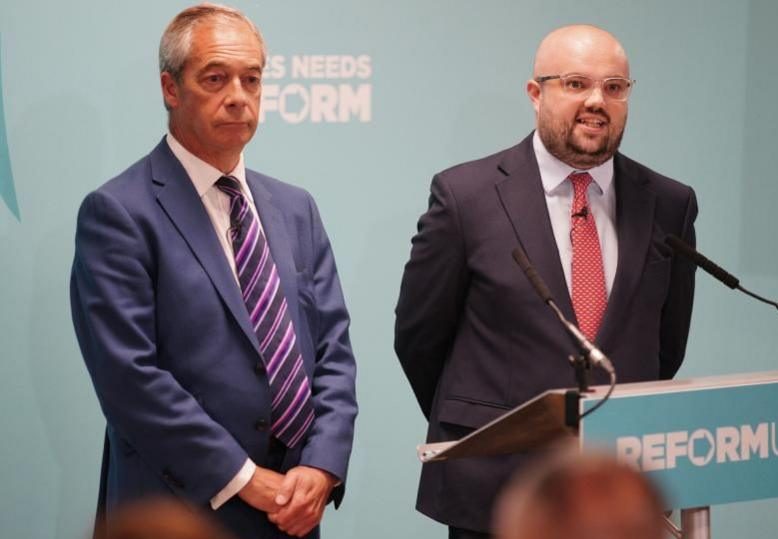
REFORM UK has issued a legal warning to Welsh Labour after online posts linked its Caerphilly by-election candidate to Russian influence.
The party confirmed that its lawyers have written under the Defamation Act 2013 and the Representation of the People Act 1983, following a series of Labour social media adverts and posts.
The material, which has now been withdrawn, suggested candidate Llŷr Powell had connections to Vladimir Putin and referred to bribery allegations involving a former Reform leader.
Labour adverts pulled
According to the Meta Ad Library, Labour had paid for adverts that repeated the same claims. Those adverts are now listed as inactive.
A Welsh Labour spokesperson said: “Whilst we have removed the social media posts on request from Reform UK, questions remain as to why Reform UK chose a spokesperson for Russia to be their Welsh leader. Welsh Labour will not stop asking these questions.”

Powell previously worked for Nathan Gill when he was a Member of the European Parliament. Reform UK insists Powell’s employment ended before Gill’s offending took place.
Gill, the former Welsh leader of the party, admitted earlier this month to accepting bribes from Oleg Voloshyn, a man the US government has described as a “pawn” of Russian intelligence. He pleaded guilty to eight bribery charges dating between December 2018 and July 2019.
Reform response
Reform UK said Labour had “lost their grip, lost the Welsh people, and lost the argument” and accused them of resorting to “gutter politics”.
The by-election for Caerphilly takes place on October 23. Candidates are Richard Tunnicliffe (Welsh Labour), Lindsay Whittle (Plaid Cymru), Gareth Potter (Welsh Conservatives), Llŷr Powell (Reform UK), Gareth Hughes (Wales Green Party), Steven Aicheler (Welsh Liberal Democrats), Roger Quilliam (UKIP), and Anthony Cook (Gwlad).


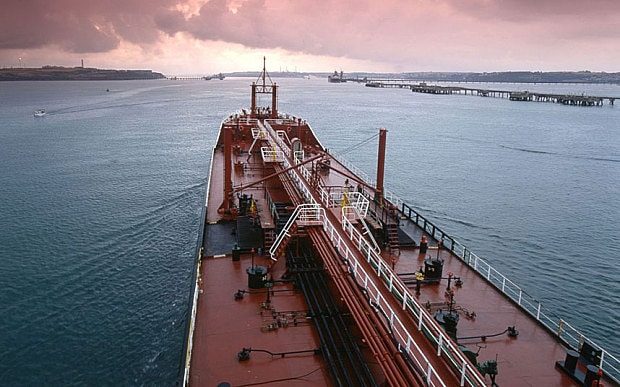
THE UK GOVERNMENT has urged its international partners to maintain pressure on Russia after the United States eased sanctions on some shipments of Russian oil already moving through global markets.
Downing Street said Britain would not follow the US move and insisted sanctions remain a key tool in limiting Moscow’s ability to fund its war in Ukraine.
The US Treasury confirmed that certain cargoes of Russian oil already in transit would be allowed to continue to their destinations. Officials described the step as a “targeted, short-term measure” designed to help stabilise global energy markets during rising geopolitical tensions.
The announcement comes as oil prices surge amid escalating conflict in the Middle East. Iran has threatened further disruption to shipping through the Strait of Hormuz — one of the world’s most important oil transport routes — following ongoing US-Israeli strikes in the region.
Attacks on energy infrastructure in Gulf states have also contributed to uncertainty in global supply.

A spokesman for Prime Minister Sir Keir Starmer said the UK’s position remains firm.
“All partners should maintain pressure on Russia and its war chest,” the spokesman said.
“Our support for Ukraine is degrading Russia’s ability to wage war, both militarily and financially.”
Energy Minister Michael Shanks also stressed that sanctions remain critical to weakening Russia’s ability to sustain the conflict.
“This is an absolutely critical moment in the Russian aggression against Ukraine and sanctions are important,” he said.
“What we cannot have is Putin sitting in the Kremlin thinking this is an opportunity to invest more in the war machine.”
European leaders have also expressed concern about any relaxation of sanctions. German Chancellor Friedrich Merz said easing restrictions now would be “wrong”, while French President Emmanuel Macron warned tensions in the Middle East should not become a reason to soften measures against Russia.

Ukraine’s president Volodymyr Zelensky previously warned that easing sanctions would be a “serious blow” to Ukraine and could allow Russia to strengthen its military capabilities.
Milford Haven connection
The issue carries particular significance in Pembrokeshire because of the role the Port of Milford Haven plays in the UK’s energy infrastructure.
In the early days following Russia’s invasion of Ukraine in 2022, vessels carrying Russian fuel became the focus of controversy across Europe.
One tanker transporting Russian diesel that had been expected to unload in Milford Haven was later diverted to Antwerp amid political pressure and uncertainty over sanctions.
Another vessel carrying Russian crude did berth in the Milford Haven Waterway and unload at the Valero refinery terminal before the UK introduced a full ban on Russian oil imports later that year.
Across the UK, some energy workers refused to handle Russian cargoes during the early stages of the conflict, forcing certain tankers to divert to other European ports.
Large oil tankers arriving in Milford Haven berth at deep-water terminals and refinery jetties along the waterway rather than traditional docks, allowing the port to handle some of the largest vessels operating in European waters.
The waterway remains one of the UK’s most important energy hubs, handling crude oil, refined fuel products and liquefied natural gas imports.
Impact on fuel prices
The rising price of oil is already feeding through to motorists and households, with petrol prices climbing and heating oil costs increasing in recent weeks.
Energy Secretary Ed Miliband warned that regulators would intervene if energy companies attempt to exploit the situation by raising prices excessively.
“We will not tolerate rip-offs,” he said, adding that the competition watchdog is ready to act if necessary.
Opposition parties have meanwhile called on the government to cancel a planned increase in fuel duty scheduled for September if the crisis continues.
With tensions rising both in Eastern Europe and the Middle East, ministers say global energy markets could remain volatile for some time — with potential consequences for fuel costs and supply security across the UK.
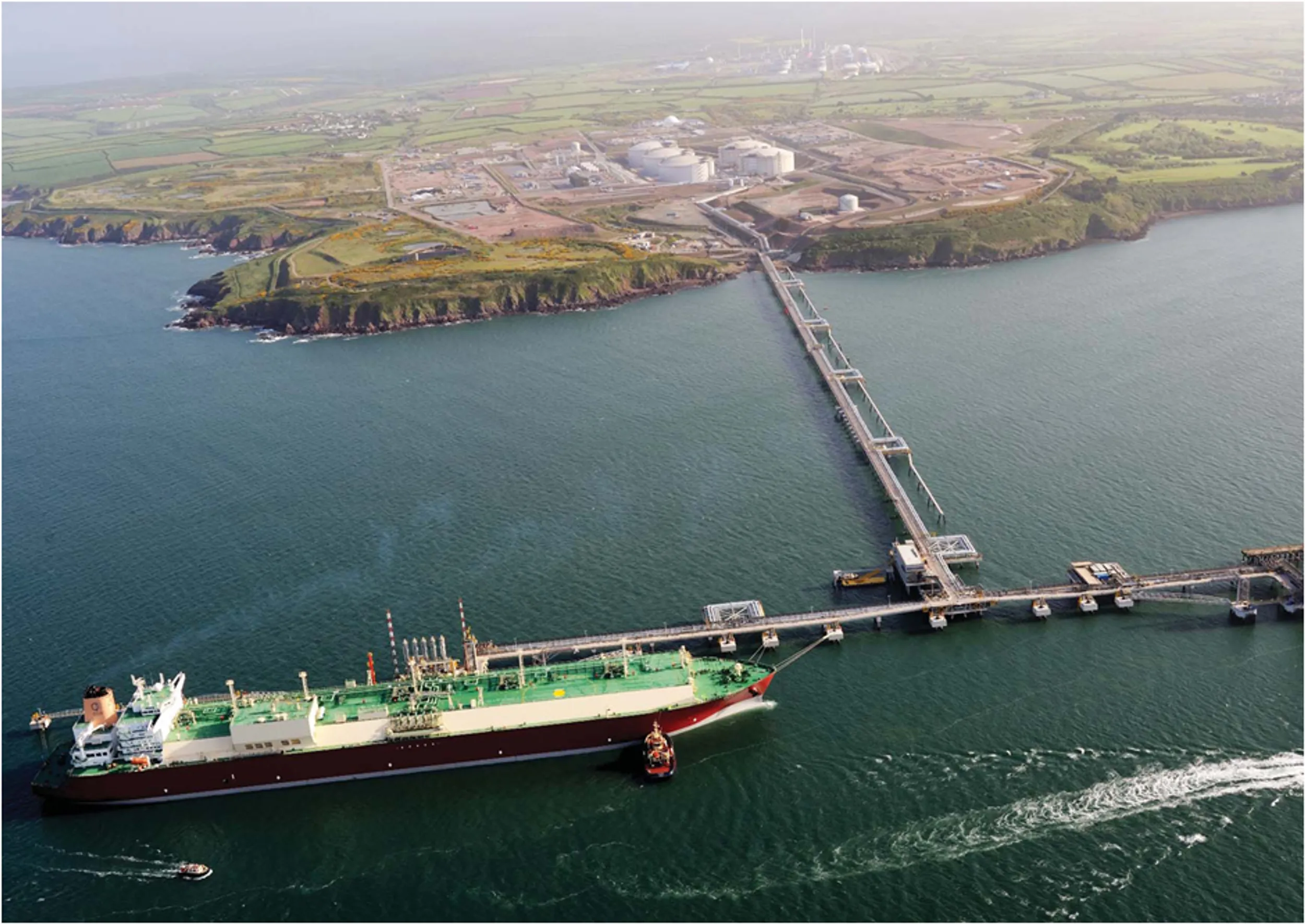
RISING tensions in the Middle East could have implications for energy supplies reaching Wales, experts have warned, as concerns grow over potential disruption to Qatari liquefied natural gas (LNG) shipments passing through the Strait of Hormuz.
Industry analysts say the deployment of naval mines in the strategic waterway could significantly delay the resumption of Qatari LNG exports, even if production facilities return to normal operation quickly.
The warning is particularly relevant for Pembrokeshire, where the South Hook LNG Terminal at Milford Haven—one of Europe’s largest LNG import facilities—is majority owned by Qatar and plays a key role in supplying gas to the UK.
Security experts told specialist energy service Montel News that any mining of the strait could make reopening the route “far more complex and gradual,” potentially keeping global gas supplies tight and prices elevated for longer.
Wael Abdel Moati, global gas expert and Chief Gas Officer at the Organisation of Arab Petroleum Exporting Countries, said that restoring LNG supply levels could take “significantly longer than expected” if naval mines were present.
“Even if LNG production and exports were to resume quickly, the presence of naval mines in the Strait of Hormuz would make the reopening of the waterway far more complex and gradual,” he said.
The Strait of Hormuz is one of the world’s most important energy chokepoints. A large proportion of the world’s LNG shipments—including exports from Qatar—must pass through the narrow channel between Iran and Oman before reaching global markets.
Any disruption there has immediate consequences for Europe and the UK, both of which rely heavily on LNG imports.
For Pembrokeshire, the stakes are particularly high. Tankers carrying Qatari LNG regularly dock at South Hook LNG in Milford Haven, where the gas is processed and fed directly into the UK’s national grid.
The terminal is a critical part of Britain’s energy infrastructure and has been central to the country’s gas supply since it opened in 2009.
Military analysts say clearing naval mines from the strait could require significant military operations before normal shipping resumes.
Derek Steel, managing director of security consultancy Chartsec and a former UK special forces officer, said minesweeping operations and naval escorts would likely be required before LNG carriers could safely pass through the area.
He said the United States and its allies would need to neutralise Iranian naval capabilities before shipping lanes could be considered secure.
Even after mines are cleared, experts warn that LNG carriers may require naval escort through the strait until shipowners and insurers regain confidence in the safety of the route.
Recent reports from US Central Command said military forces had already “eliminated” several suspected minelaying vessels near the strait amid fears that Iran may be attempting to deploy sea mines in the region. Iran is believed to possess thousands of naval mines.
Energy analysts say that if shipments from Qatar are delayed, global LNG prices could remain high, potentially feeding through to higher energy costs across Europe.
For communities around Milford Haven—home to both South Hook LNG and the nearby Dragon LNG terminal—the developments underline how international conflicts can quickly affect Wales’ role in the global energy system.
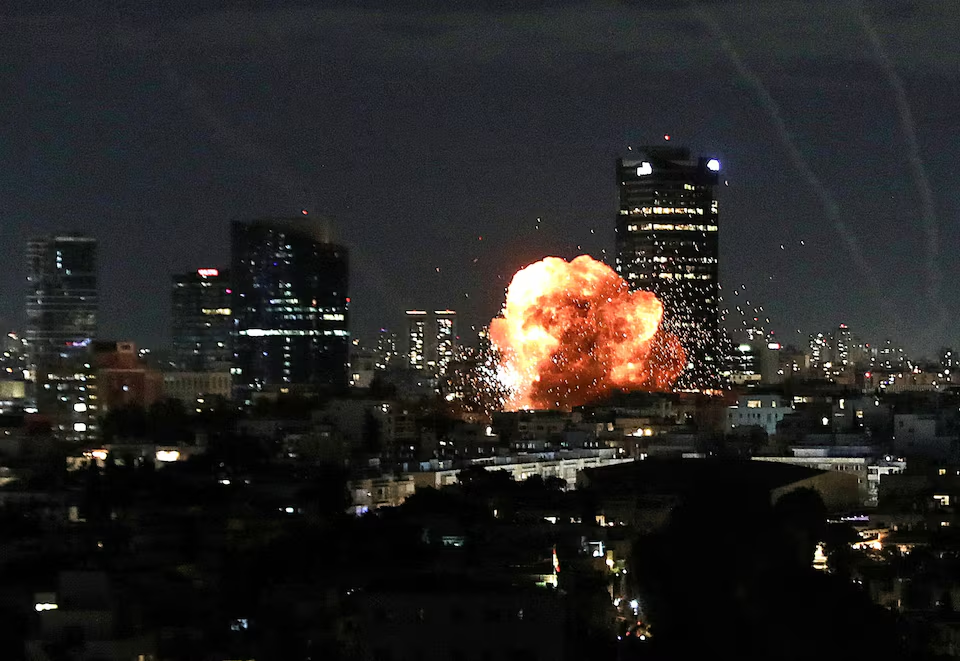
A RAPIDLY escalating war between Iran, Israel and the United States has expanded dramatically across the Middle East, with major airstrikes on Tehran, missile and drone attacks across the Gulf, and the sinking of an Iranian warship in the Indian Ocean marking one of the most dangerous global crises in decades.
The conflict, which began only days ago following joint US–Israeli strikes inside Iran, has now spread across multiple countries and military theatres, drawing in NATO air defences, threatening global oil supplies and triggering international evacuations.
Military analysts warn the situation could develop into a full regional war if the cycle of retaliation continues.
War triggered by assassination of Iran’s supreme leader
The current crisis began after coordinated American and Israeli strikes targeted senior Iranian leadership and military infrastructure.
Among those killed was Iran’s Supreme Leader, Ayatollah Ali Khamenei, a development that has plunged the Islamic Republic into both military confrontation and political uncertainty over who will lead the country next.
The attacks were reportedly planned weeks in advance and targeted command centres, security headquarters and other strategic sites across Iran.
Tehran responded by launching waves of missiles and drones across the region, including attacks on Israel and military installations hosting US forces in Gulf states such as Bahrain, Kuwait and the United Arab Emirates.
Air raid sirens have repeatedly sounded in Israeli cities as interceptors attempt to shoot down incoming Iranian missiles.
Israeli airstrikes hammer Tehran and Lebanon
Israeli forces have continued a sustained bombing campaign across Iran, targeting Revolutionary Guard facilities, police headquarters and other security infrastructure in Tehran.

Explosions have been reported across several districts of the capital as Israeli aircraft and missiles strike strategic targets.
At the same time, Israel has expanded operations against Iranian allies in Lebanon, striking Hezbollah positions and ordering civilians to evacuate areas close to the border.
The Israeli military says the aim is to dismantle Iran’s ability to wage war through its regional proxy networks.
NATO intercepts missile heading towards Turkey
The conflict has also spilled towards NATO territory.
Turkish defence officials confirmed that a ballistic missile launched from Iran crossed Iraqi and Syrian airspace before being intercepted by NATO air defence systems in the eastern Mediterranean.
The missile was destroyed before entering Turkish airspace, and no casualties were reported.
NATO has condemned the attack and warned Iran that further escalation could threaten the security of alliance members.
British military base struck in Cyprus
The war has already touched British military infrastructure.
A drone believed to be Iranian-made struck RAF Akrotiri in Cyprus earlier this week, marking the first attack on the UK’s key Middle East airbase in decades.
The base plays a central role in British operations in the region, and the strike has raised concerns that UK forces could be drawn more deeply into the conflict.
US submarine sinks Iranian frigate
One of the most dramatic developments occurred thousands of miles away in the Indian Ocean.
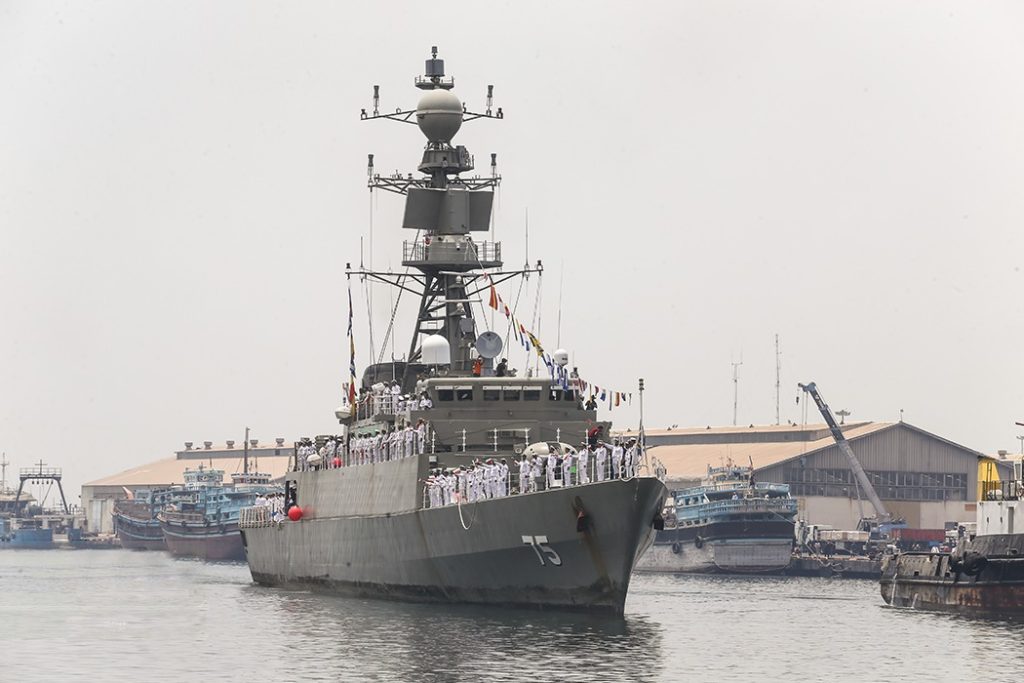
A US Navy submarine torpedoed and sank the Iranian frigate IRIS Dena off the southern coast of Sri Lanka.
The ship was carrying about 180 crew members when it was hit while travelling in international waters.
Sri Lankan naval vessels launched a major rescue operation after receiving a distress call from the stricken vessel.
So far only thirty-two sailors have been rescued, with dozens confirmed dead and many more still missing.
The attack is historically significant — it is the first time since the Second World War that an American submarine has sunk an enemy warship using a torpedo.
US defence officials say the strike was part of a wider campaign to destroy Iran’s naval capability.
Hundreds killed as fighting spreads
Casualty figures across the region are rising rapidly.
Officials say more than a thousand people have been killed in Iran since the bombing campaign began, with further deaths reported in Israel, Lebanon and among American forces deployed in the region.
The United Nations has also expressed alarm after reports that a girls’ school in southern Iran was struck during the early stages of the fighting, killing large numbers of children.
Both Israel and the United States say the strike was not deliberate and that investigations are under way.
Strait of Hormuz disruption sends shock through markets
The conflict is already having major economic consequences.
Iran has effectively halted much of the shipping traffic through the Strait of Hormuz — the narrow sea passage through which a large proportion of the world’s oil exports normally pass.
Drone attacks have struck several tankers and maritime traffic has dropped sharply as insurers and shipping companies avoid the area.
Energy analysts say the disruption could trigger global fuel price rises if the crisis continues.
Iran vows devastating retaliation
Iran’s Revolutionary Guard has warned that continued attacks on the country could lead to “widespread destruction” across the Middle East.
Officials in Tehran have vowed retaliation against American and Israeli targets across the region.
At the same time, the country faces a leadership vacuum following the death of its supreme leader, with religious authorities now responsible for selecting a successor.
Some analysts believe the instability inside Iran could intensify the conflict further.
What happens next
Military leaders in Washington say the campaign against Iran could last weeks, with additional strikes expected deeper inside the country.
Israel has also warned that it will target any new Iranian leadership if attacks against Israel continue.
With missile exchanges, naval battles and drone strikes already spreading across multiple countries, the conflict now risks becoming one of the largest wars in the Middle East in decades — with potentially global economic and political consequences.


Business24 hours ago
Work set to begin on £50m hydrogen plant in Milford Haven
A MAJOR new hydrogen production facility worth around £50 million is expected to begin construction in Milford Haven later this...


Education2 days ago
Manorbier school closure approved while insurance claim still unresolved
Council confirms negotiations with insurer ongoing following 2022 fire PEMBROKESHIRE COUNTY COUNCIL has confirmed that negotiations with its insurer over...


Crime3 days ago
‘Knife attack’ at Spittal property leaves man in hospital
POLICE have arrested a woman following what is being described as a ‘knife attack’ at a property in Spittal on...


Community3 days ago
Pembrokeshire to receive its first banking hub in Pembroke Dock
LINK, the UK’s Cash Access and ATM network, has today announced local people and businesses in Pembroke Dock will benefit from a new banking...


Health4 days ago
Future of Withybush Hospital petition sparks urgent call for Senedd debate
CALLS have been made for an urgent debate in the Senedd over the future of services at Withybush Hospital as...


Sport5 days ago
Sean Bowen set for historic Welsh clash at Cheltenham Gold Cup
PEMBROKESHIRE jockey Sean Bowen could be part of a historic all-Welsh showdown when he lines up in the Cheltenham Gold...


Community5 days ago
Tenby still waiting as Wales hits 50 rural mobile mast upgrades
Seaside town plagued by signal congestion again absent from latest government-backed coverage improvements A NEW milestone in the UK Government’s...


Crime6 days ago
Man raped 15-year-old girl in caravan while she was on family holiday in west Wales
Jury convicts Pendine man after court hears he raped intoxicated teenager in caravan during family holiday A MAN who raped...


Community6 days ago
Crash sparks fresh questions over future of former Haverfordwest library
CONCERNS have been raised about the future of a distinctive Haverfordwest building after a car crashed into it last week,...


Community7 days ago
Councillors vote to close Ysgol Clydau despite community concerns
Petition and protests fail to prevent closure of small rural school near Tegryn PEMBROKESHIRE COUNTY COUNCIL has voted to close...
-

 Health23 hours ago
Welsh Ambulance Service to host bi-monthly Board meeting
-

 Local Government3 days ago
Register now to vote in May’s Senedd election
-

 Health6 days ago
Women’s health services ‘expanding’ across mid and west Wales says Health Board
-
Community7 days ago
Councillors vote to close Ysgol Clydau despite community concerns
-

 Comment7 days ago
Manorbier deserved honesty — not false hope
-

 Cymraeg6 days ago
Commissioner’s five-year report highlights key opportunities to strengthen Welsh language
-

 Crime5 days ago
Former Pembrokeshire Army officer stripped of MBE after fraud conviction
-

 Sport7 days ago
Wales show heart in Dublin but Ireland hold firm