


Politics
UKIP Wales leader not recognised



Nathan Gill MEP: Leader of Welsh UKIP
ALMOST 60% of Welsh people don’t know who UKIP Wales leader Nathan Gill is, according to data collected by the Wales Governance Centre.
Discussing the figures, Roger Scully said that a 3,000-strong sample was asked to give the English and Welsh leaders of political parties a ‘dislike-like’ rating of between zero and 10. This included a ‘don’t know’ option for those who didn’t know enough about the politician to express an opinion.
Mr Gill’s ‘don’t know’ rating of around 58% was in stark contrast to that of national UKIP leader Nigel Farage. Mr Farage received a ‘don’t know’ rating of around 12%.
The poll clearly showed Westminster leaders (and Mr Farage) are far more identifiable to the general public in Wales than their Assembly counterparts, possibly as a result of more extensive media coverage.
David Cameron and Jeremy Corbyn scored ‘don’t know’ ratings of 8-11% – something that is in itself concerning, considering the former has been Prime Minister for almost six years.

The only exception to both these trends was the Liberal Democrats. This, however, was as much a result of Tim Farron’s low profile since taking over as leader after the election disaster as the generally high regard in which Assembly leader Kirsty Williams is held. Both scored ‘don’t know’ ratings in the middle-forties, with Mr Farron’s being marginally higher.
The Green Party’s Welsh leader Alice Hooker-Stroud was the least recognised of the main politicians, with almost 70% of those polled feeling unable to say whether or not they liked or disliked her.
First Minister Carwyn Jones and Leanne Wood were the most recognised of the Assembly leaders, with ‘don’t know’ ratings of around 24% and 28% respectively.
Mr Jones was also the most popular of all political figures, with an average score of just over 4.5 on the dislike-like 1-10 scale – making him more popular in Wales that Labour leader Jeremy Corbyn. Leanne Wood was fractionally less popular, with an approval rating of 4.5.

As Mr Scully pointed out, the data did not tell the full story – for example, Mr Cameron and Mr Farage had by far the highest number of zero ratings.
Mr Farage’s approval rating of just over 3 put him slightly ahead of UKIP Wales leader Nathan Gill, who was, on the basis of this survey, the least popular political leader in England and Wales.
UKIP has been criticised in the runup to this election for putting senior figures like Mr Farage and Mr Reckless at the forefront of the campaign, rather than the actual leader of their Welsh arm.

High profile debates where Mr Gill’s non-participation has been noted have included an EU debate between the First Minister and Nigel Farage, an episode of Question Time filmed in Llanelli featuring Mr Jones, Ms Wood and Nigel Farage, and a broadcast of Any Questions from Pembroke Dock, which featured the Assembly Leaders of Labour, the Conservatives, Plaid Cymru, and the Lib Dems, along with Mark Reckless.
Whatever the party’s reasoning for keeping Mr Gill out of the spotlight, it appears to be doing little for his visibility at a time when he is widely predicted to be elected as an Assembly Member.


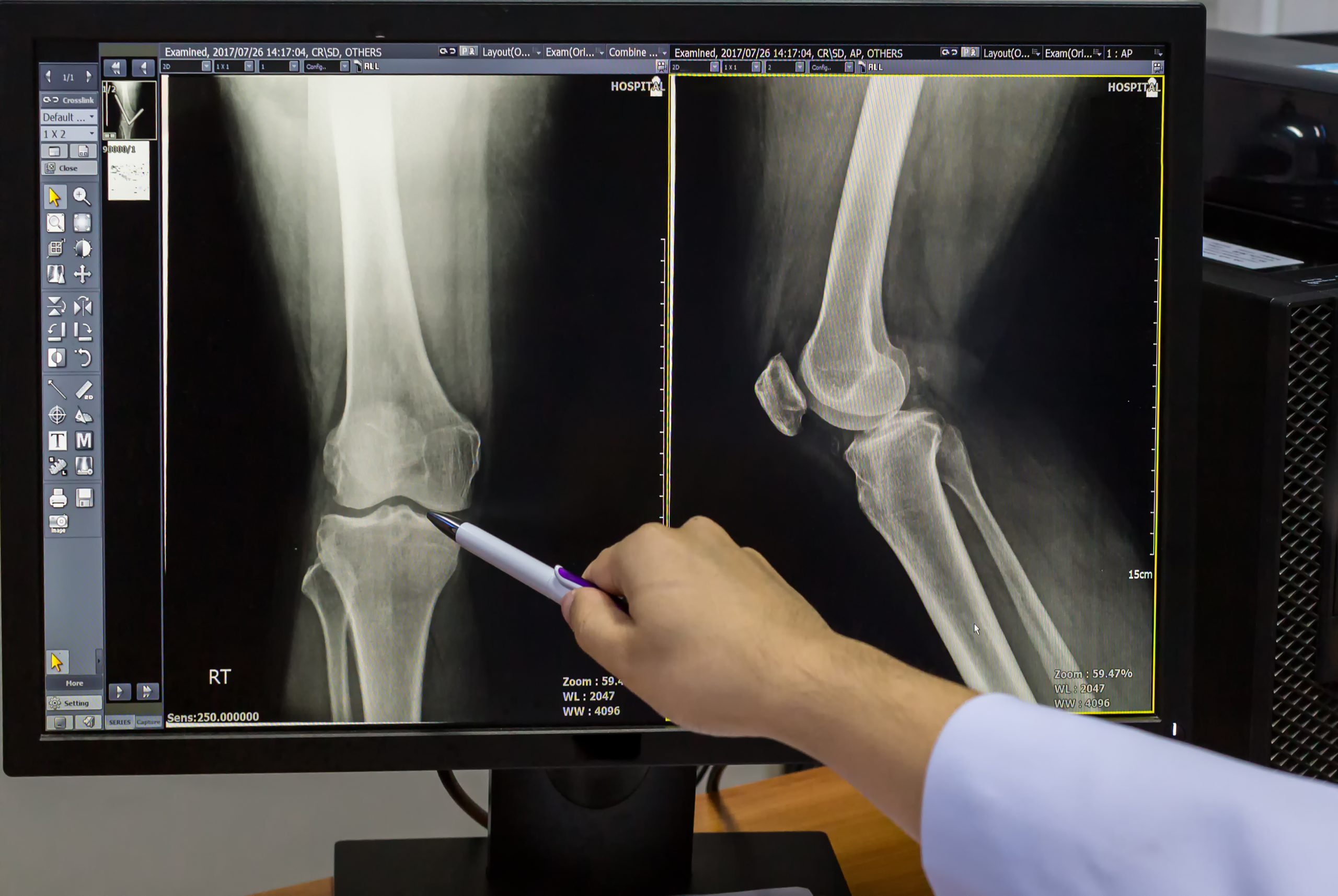
NHS WALES has spent more than £15.5 million on agency radiography staff over the past five years, as mounting pressure on diagnostic imaging services raises concerns about long-term workforce sustainability.
Figures obtained by the Welsh Liberal Democrats through Freedom of Information requests show that spending on temporary radiographers almost doubled between 2020/21 and 2023/24, despite relatively low headline vacancy rates across Welsh health boards.
Radiographers carry out X-rays, CT, MRI and ultrasound scans, which are essential to emergency care, cancer diagnosis, trauma treatment and elective surgery. Delays or shortages in imaging services can have a knock-on effect across patient pathways, slowing diagnosis and treatment.
The data also highlights an ageing workforce. More than a quarter of radiographers in Wales are aged over 50, with more than one in ten aged 55 or above. In some health boards, a significantly higher proportion of staff are approaching retirement age, raising concerns that experienced radiographers could leave faster than they can be replaced.
Betsi Cadwaladr University Health Board recorded the highest agency spend, at more than £8.1m over the period covered by the FOI requests. Other health boards also reported growing reliance on temporary staff to maintain services, particularly where specialist skills are required.
While official vacancy figures remain comparatively low, professional bodies have previously warned that vacancy data does not always reflect pressure on services, as posts can be held open or covered through overtime and agency staff rather than filled permanently.
Diagnostic imaging demand has increased steadily in recent years, driven by an ageing population, advances in medical imaging technology, and rising referrals linked to cancer and long-term conditions.
Commenting on the findings, Welsh Liberal Democrat Leader Jane Dodds MS said:
“Radiographers are absolutely vital to the NHS. From diagnosing cancer to treating people in A&E, the vast majority of patient journeys depend on timely access to scans.
“These figures show a system increasingly relying on expensive agency staff while failing to plan properly for the future workforce. That is not fair on patients, and it is not fair on staff who are already under huge pressure.
“The Welsh Labour Government must take urgent action to improve recruitment and retention, support experienced staff to stay in the workforce for longer, and ensure NHS Wales has a sustainable radiography workforce fit for the future.”
The Welsh Government has previously said it is working with health boards to improve recruitment and retention across NHS Wales, including expanding training places and supporting flexible working arrangements to help retain experienced staff. Ministers have also pointed to record numbers of staff working in the NHS overall, while acknowledging ongoing challenges in hard-to-recruit specialties.

However, opposition parties and professional bodies continue to warn that without long-term workforce planning, reliance on agency staff could increase further, adding to costs and pressure on already stretched diagnostic services.

A FRESH pause to trials of the Ajax armoured vehicle programme has prompted renewed calls for workers’ jobs in Wales to be safeguarded.
The trial has been halted after another soldier reportedly fell ill during testing, adding to a series of delays and technical problems that have dogged the long-running Ministry of Defence project.
Welsh Liberal Democrat Westminster spokesperson David Chadwick MP said the repeated failures raised serious questions about accountability and cost.
He warned ministers must ensure taxpayers are not left footing the bill if the programme ultimately collapses, arguing that responsibility should rest with defence contractor General Dynamics.
“With the Ajax programme beset by repeated failures and significant delays, ministers need to confirm that taxpayers will not be left to bear the cost of these failures,” he said.
“If the project does end up being scrapped, the Government must ensure that the 400 workers currently employed on the programme in Merthyr Tydfil will receive full support.”
Mr Chadwick added that the Merthyr site should be prioritised for future defence and military development work if Ajax does not proceed, to protect skilled jobs and investment in the area.
The Ajax programme has faced years of scrutiny over safety concerns, excessive noise and vibration, and mounting delays, with the latest pause reigniting pressure on the Government to clarify the project’s future.


CHILDREN are spending more time in digital worlds than the real one, the Senedd has heard, with excessive screen use shaping behaviour and health in ways society cannot ignore.
Labour’s John Griffiths expressed concerns about the impact of smartphones and online gaming on young people amid an “epidemic of screen use” in Wales.
Mr Griffiths titled the debate “Locked in, Bruh!” – “the state of playing a video game while oblivious to anything else” – on the suggestion of Tom, a teenager from Newport.
He raised research from the Centre for Social Justice, a thinktank, which estimates that up to 814,000 UK children aged three to five are already engaging with social media.
The Newport East Senedd Member told the chamber two-thirds of primary school pupils in Wales have their own smartphone by the age of 11.
Mr Griffiths said boys spend two hours more a day on online gaming while girls spend more time on social media and “reel scrolling” which has been linked to damaging self-esteem.
He told Senedd Members: “Boys are becoming more short-tempered and violent when exposed to violent video games and there is, rightly, much concern that children in more deprived families are particularly vulnerable.”
Mr Griffiths, who was first elected in 1999 and will stand down in 2026, said children aged five to 16 spend at least six hours a day looking at a screen. He added that for children, aged 11 to 14, that figure rises to nine hours a day.
He pointed to research showing more than 70% of young people in the UK do not undertake an hour of physical activity a day yet have at least six hours to spend looking at a screen.

He said: “Children are sat inside with a screen at the end of their nose and are not spending time outside enjoying their local communities or playing and interacting with friends.”
Mr Griffiths warned of increasing levels of obesity and rising numbers of young people reporting vision problems, with one in three children globally now short-sighted.
He told the Senedd: “As for the mental health and wider social impacts, anxiety and depression are increasingly linked to excessive screen use as is sleep disruption – with social media interfering with rest and emotional development.”
He raised a New Zealand study of more than 6,000 children that found a correlation between excessive screen time and below-average performance in literacy and numeracy. He warned children have increasingly shortened attention spans and an inability to concentrate.
Mr Griffiths shared the case of his constituent, Danielle, who said her son becomes more aggressive and snappier after a significant time gaming. Lucy, another constituent, explained how her children find the endless reels on social media addictive.
“Once they start scrolling, it’s hard to break that cycle,” the Senedd Member said. “And when she and her husband take the devices away, it often results in tantrums and tears.”
Mr Griffiths raised the example of countries such as Australia, France and Italy which have introduced strict age checks and bans on social media for under 16s.
He acknowledged such a policy would need to come from the UK Government because powers over internet services are not devolved. But he said Wales has the authority to introduce measures through education policy on, for example, smartphones in schools.
The Tories’ Sam Rowlands warned algorithms are having a “sickening” effect on teenagers who are eight times more likely to act on self-harm urges when exposed to such content. “TikTok users with eating disorders receive over 4,000% more toxic content,” he warned.
Responding to Wednesday’s (December 17) debate, Jane Hutt recognised how so-called doom scrolling can have a detrimental impact on young people.
Wales’ social justice secretary said: “We are living through profound change. Childhood today is shaped by technology in ways that were unimaginable a generation ago… For many young people, screens, smartphones and online gaming are part of everyday life.”




Former police officer accused of making sexual remarks to women while on duty
Court hears allegations of inappropriate behaviour during official police visits A FORMER police officer has appeared in court accused of...


Community gathers to remember Corrina Baker
Lanterns and balloons released in emotional acts of remembrance FAMILY, friends and members of the local community came together to...


Teenager charged following rape allegation at Saundersfoot nightclub
Incident reported at Sands Nightclub in early hours of Sunday DYFED-POWYS POLICE is investigating an allegation of rape following an...


Milford Haven man jailed after drunken attack on partner and police officers
A MILFORD HAVEN man who launched a violent drunken assault on his partner before attacking two police officers has been...


Court hears historic child sex abuse claim emerged after ‘tarot reading’
Judge reminds jurors there is no standard timeframe for victims to come forward as trial reaches final stage A JURY...


Rape allegation investigated at Saundersfoot nightclub
Police appeal for witnesses after incident reported in early hours of Sunday DYFED-POWYS POLICE are investigating an allegation of rape...


Milford ground worker denies historic child sex abuse charges at Crown Court
Accused tells jury claims did not happen as trial hears evidence about alcohol use and alleged controlling behaviour A MAN...


Three inmates deny murder of Lola James killer at Wakefield prison
THREE prisoners have denied murdering child killer Kyle Bevan, who was found dead in his cell at HMP Wakefield. Bevan,...


Dyfed-Powys Police reassure communities after Bondi Beach mass shooting
Officers monitor local tensions following terror attack on Jewish event in Sydney DYFED-POWYS POLICE have issued reassurances to communities across...


Search under way in Pembroke Dock for missing man Lee
Coastguard, RNLI and rescue helicopter launched as fears grow he entered the water A MAJOR search and rescue operation is...
-
Crime1 day ago
Milford Haven man jailed after drunken attack on partner and police officers
-

 News4 days ago
Dyfed-Powys Police launch major investigation after triple fatal crash
-
Crime1 day ago
Teenager charged following rape allegation at Saundersfoot nightclub
-

 Crime2 days ago
Man charged with months of coercive control and assaults
-
Crime3 days ago
Man sent to Crown Court over historic indecent assault allegations
-
Crime5 days ago
Man spared jail after baseball bat incident in Milford Haven
-

 Crime3 days ago
Milford Haven man admits multiple offences after A477 incident
-

 Crime2 days ago
Woman ‘terrified in own home’ after ex breaches court order