


Farming
Cardiff farming protest set to be largest in Senedd history


A MASSIVE protest is set to get underway in Cardiff today (Wednesday, Feb 28) as farmers from across Wales descend on the Senedd to voice their opposition against the Welsh Government’s proposed Sustainable Farming Scheme (SFS).
The demonstration, expected to draw between 10,000 to 20,000 participants, marks a pivotal moment for the agricultural community, highlighting widespread concern over the future of farming in Wales.
The controversy centers on post-Brexit agriculture reforms, with the Welsh Government insisting on a transformative approach to farming subsidies. Under the new SFS, farmers would be required to allocate 20% of their land to environmental measures, including a 10% commitment to tree planting and another 10% to wildlife habitat creation.
These proposals have sparked fears of job losses and significant impacts on farm incomes, with unions forecasting up to 5,500 direct job losses.
In anticipation of the protest, First Minister Mark Drakeford, alongside shadow rural affairs minister Sam Kurtz and Welsh Tory Senedd group leader Andrew RT Davies, has called for a de-escalation of tensions. Drakeford emphasised the need for “conciliation” and a constructive dialogue with the farming community, rejecting accusatory rhetoric in favour of collaborative problem-solving.

This stance was echoed during a session of First Minister’s Questions, where the importance of positive engagement and the recognition of food production as a critical component of the SFS were highlighted.
Despite these calls for calm, the debate has intensified, with accusations flying in the Senedd. A notable clash occurred when Andrew RT Davies accused Alun Davies MS of dismissing protesting farmers as “cranks” – a charge vehemently denied by Davies, who clarified his comments were aimed at a specific group rather than the wider farming community.
The protest, which is set to be one of the largest in Senedd history, will not only see convoys of tractors and coaches filled with protestors but also aims to symbolically highlight the stakes with 5,500 pairs of wellington boots placed on the Senedd steps on March 6. South Wales Police have issued warnings of potential travel disruptions, advising the public of slow-moving traffic and possible restricted vehicle access around the protest area.
Despite these challenges, the police have expressed their respect for the right to peaceful protest, working to ensure safety and minimal public disruption.
As the SFS consultation draws to a close on March 7, the Welsh Government remains firm on its stance, urging participation in the consultation process and hinting at possible adjustments to the scheme.
The farming community’s response, articulated through mass protest and vocal criticism, underscores a deep-rooted anxiety about the future of Welsh agriculture. With both sides standing their ground, the coming days are critical in shaping the trajectory of rural Wales and the sustainability of its farming heritage.


THE BADGER TRUST has called on the new Welsh Government to publish the scientific evidence behind any move towards wildlife controls as part of Wales’ bovine TB strategy.
The charity says ministers have repeatedly promised to “follow the science” while also leaving open the possibility of future interventions involving wildlife, including badgers.
The row follows recent Senedd exchanges in which Cabinet Minister Llyr Gruffydd said the Government was committed to a “holistic approach” to eradicating bovine TB in Wales, based on science and evidence, and informed by the Technical Advisory Group and the TB Programme Board.
Ministers have not announced a badger cull. However, the issue has become politically sensitive after Plaid Cymru’s manifesto pledged a new approach to bTB which recognises wildlife as a source of infection and enables “scientifically validated control methods”.
Badger Trust says that wording raises questions about whether the new administration is preparing to move away from Wales’ previous policy, which focused mainly on cattle measures, biosecurity, testing and vaccination rather than widespread badger culling.
The charity argues that Wales has already made progress without adopting the large-scale culling programmes seen in England.
Official figures published by the Welsh Government show there were 479 new TB herd incidents in Wales in the 12 months to March 2026, down 23.1% from 623 in the previous 12 months. The number of animals slaughtered for TB control in Wales also fell by 21.1%, from 13,171 to 10,395.
However, the Welsh Government has also acknowledged that the number of cattle slaughtered remains high and that there is “still a long way to go”. A written statement earlier this year said some slaughter figures reflect the use of more sensitive testing aimed at finding infection earlier and reducing the risk of future spread.
Nigel Palmer, chief executive of Badger Trust, said: “Ministers are saying they will follow the science repeatedly to the Senedd. That is welcome.
“But if they are considering a major policy change, the public has a right to know what evidence is driving that discussion.
“The evidence does not demonstrate that badger culling provides a meaningful solution to bovine TB in cattle or would improve on the progress already being made in Wales.
“We understand the devastating impact bovine TB can have on farming families and rural communities. That is why farmers deserve effective solutions based on evidence, not assumptions.

“That means continued investment in cattle measures, including on-farm and off-farm biosecurity, improved testing and vaccination. Farmers and wildlife can be protected by following the evidence.”
The charity also pointed to polling by RSPCA Cymru which, it says, found only 27% of respondents supported badger culling, while 46% opposed it. It said 63% of respondents were uncomfortable with killing badgers and 68% opposed public money being spent on culling programmes.
The debate has intensified since a Senedd exchange on June 10, when Labour MS Vikki Howells asked whether ministers would consider all the science, including evidence which she said showed culling badgers was not the answer.
Responding, Mr Gruffydd said the issue needed to be approached “in an objective manner with a clear head” and said any decision would be based on science, the evidence base, and advice from the Technical Advisory Group, which is looking at TB and wildlife.
Earlier in the same session, Mr Gruffydd said he had already met the TB Programme Board and the Technical Advisory Group, and said a position paper published in March made clear that TB needed to be tackled across livestock, wildlife and other sources of infection.
Farming unions and rural representatives have argued that the current approach has not gone far enough. NFU Cymru backed calls earlier this year for a “step change” in Wales’ bTB eradication strategy, saying the current trajectory was not sufficient to meet the target of Wales becoming officially TB free by 2041.
NFU Cymru president Abi Reader said at the time that while it was encouraging to see new breakdowns falling, the impact on farms under TB restrictions and the number of animals slaughtered could not be ignored.
The Welsh Government has also recently tightened cattle movement rules. From January 2026, cattle in Wales that previously tested as standard interpretation inconclusive reactors and later tested negative at re-test remain restricted to their holding for life. The Welsh Government said scientific evidence showed such animals were three times more likely to become TB reactors than clear-tested cattle.
In the Senedd, ministers have highlighted the Pembrokeshire TB project as a possible model for future work. Mr Gruffydd said he had visited the project and was “inspired” by its local, industry-led approach, involving farmers and vets working together on area-specific responses.
Badger Trust said it accepted the seriousness of bTB for farmers but said any change in policy involving wildlife must be justified by clear evidence.
Mr Palmer added: “Wales has already proved that progress against bovine TB is possible without widespread badger culling.
“If ministers are considering a different approach, they should share and explain the scientific evidence they have to support a change in policy direction.”
The Welsh Government has been asked to comment.
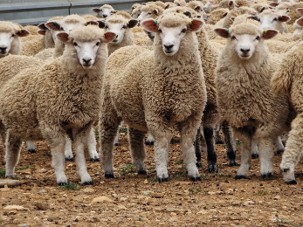
REMOVING fleeces from lambs can help boost growth rates, reduce the risk of flystrike and make flock management easier, according to Heiniger’s Hefin Rowlands.
Mr Rowlands, an experienced shearer, says shearing lambs during their first summer can increase growth rates by up to 20g a head.
“The best time varies between lowland and upland flocks, but the usual window is from the end of June to the beginning of October,” he said.
“Shearing lambs requires the same professionalism and attention to animal welfare as shearing ewes. Whether farmers are hiring a professional shearer or doing the job themselves on farm, it is important to use well-serviced equipment.”
Mr Rowlands said there are several additional benefits to shearing lambs during this period, including reducing the risk of flystrike, keeping lambs cleaner, and preventing them from becoming snagged or tangled in thick undergrowth.
The method for shearing lambs is no different to shearing adult sheep. Shearing towards the end of summer or early autumn can also mean that, the following spring, hoggs carry less wool on their backs, reducing the risk of them becoming cast because of heavy fleeces.
“Shearing lambs also makes them easier to manage and transport,” Mr Rowlands added. “With a smaller, shorn lamb, you can get more on a trailer.”
If lambs are shorn late in the season, when temperatures are falling and heavy rain is more likely, Mr Rowlands said housing them afterwards can help with acclimatisation. However, this is less likely to be needed if shearing takes place before the end of August.
“If shearing later, it is sometimes beneficial to leave the belly wool on because it offers insulation when the lamb lies down, especially in wet conditions,” he said.
With wool prices rising, Mr Rowlands said there may also be financial gains from having more wool to sell.
“If shorn well, with the right equipment and at the right time, lambswool can command a premium,” he said.
“Having professional shearers, or the training to shear accurately yourself, is important, as is using a well-maintained, quality handpiece with factory-sharp combs and cutters.”

Caption: Shearing lambs can help increase growth rates by up to 20g a head.

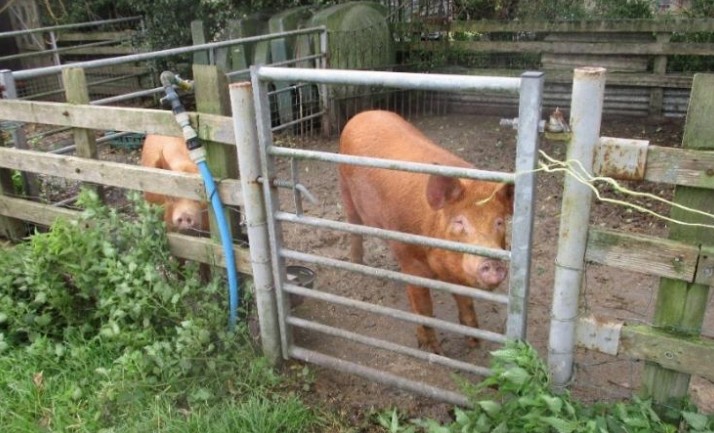
A CALL to allow a Pembrokeshire farm to keep welfare facilities to care for rare breed breeding Tamworth pigs has been given the go-ahead.
In an application to Pembrokeshire County Council, Sharron Nicolas, through agent Hayston Developments & Planning Ltd, sought a certificate of lawfulness permission for the creation of a welfare flat within a previously-approved agricultural building, plus a rear lean-to extension and the erection of two further sheds at Fairybank Fields Farm, Bethesda, near Clynderwen.
An application for a certificate of lawfulness allows an applicant to keep a development if they can provide proof of occupancy or use, without any enforcement taking place, over a prolonged period.
The previous agricultural building application was granted back in 2003.
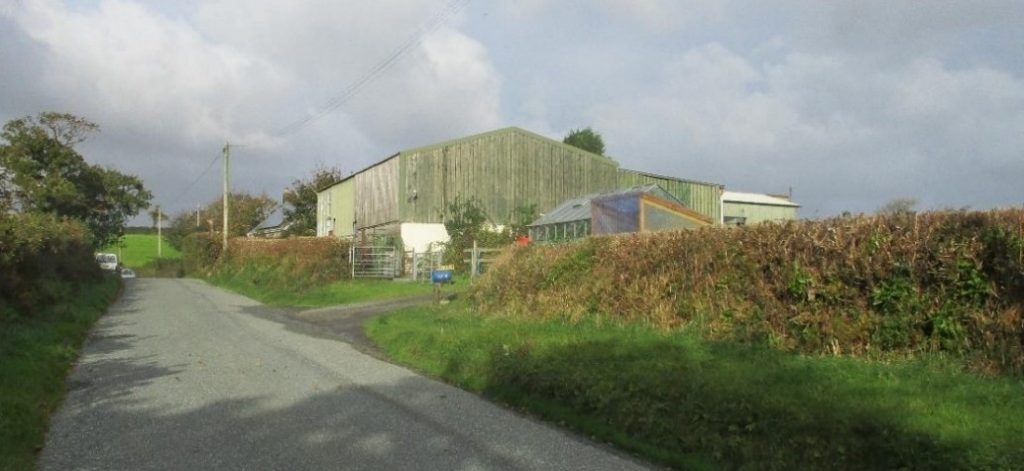
A supporting statement accompanying the application said the two-level welfare unit in the 2003-granted shed “contains the necessary elements to allow overnight stays which are essential when the pigs are farrowing.”
It added: “Mr Allan and Mrs Sharron Nicholas have been owners of Fairybank Fields since 1998. Unfortunately, Mr Nicolas died in February 2025. Although managing the farm at Bethesda, they lived at Pleasant View, Cold Blow, Narberth meaning a round trip of some 12 miles per visit – a visit which was required on a daily basis because of the need to feed and generally care for their animals – which were and still are rare breed pigs together with a number of beef cattle.
“It is essential that the pigs require continuous care when farrowing or when there are other pressures on animal health. When such occasions occurred, it was the practice of Mr Nicholas to spend the night at the farm and to use the welfare provision.”
It said Mr Nicholas would have spent approximately three months’ worth of nights (circa 90 nights) staying over at Fairybank Fields – a period of some 12 years when the bedroom above had been created to late 2024 when his brother assisted Mrs Nicholas in caring for the pigs as Mr Nicholas was too ill.
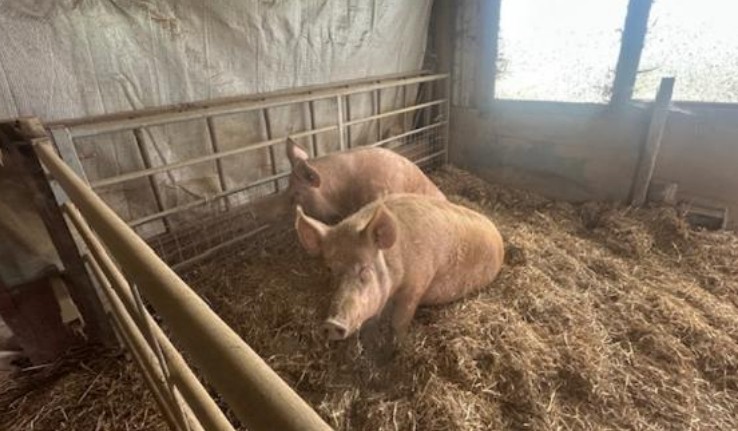
It went on to say: “Whilst the principal activity at the Farm is the breeding of the rare breed, the Tamworth Pig of which there are only currently 290 breeding sows in the UK, Mr and Mrs Nicholas also have had beef cattle on their farm and Mrs Nicholas intends to re-start that element in 2026.”
An officer report recommending approval said a site visit had been undertaken finding no evidence of the unit being occupied as a separate residential dwelling, nor as a primary residence.
It said a range of evidence was submitted in support of the application, including a detailed timeline, aerial imagery and multiple witness statements “which consistently indicate that the rear extension to Building 1 was constructed circa 2008, Shed 2 was completed in September 2012 and Shed 3 was erected in 2015”.
It said historic aerial photographs and witness statements demonstrated “on the balance of probability, that the operational development was substantially completed well in excess of four years prior to the submission of the application and has not been subject to any material interruption,” considered to be lawful by virtue of immunity from enforcement action.
It was granted approval on that basis.



News4 hours ago
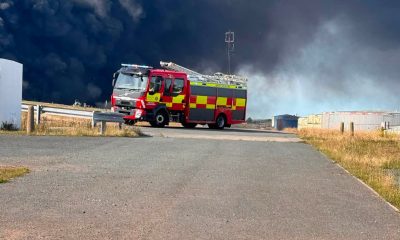
Major incident stood down after fire at Impala Terminal in Milford Haven
Fire involved decommissioned oil tank containing residual crude oil and around 60 cylinders A MAJOR incident declared during a fire...

News7 hours ago
Large fire breaks out at Impala Terminal in Milford Haven
Black smoke seen for miles as emergency services respond to incident at former Puma Energy site A LARGE fire has...


Crime10 hours ago
Prosecution outlines ‘planned attack’ as Milford Haven teacher stabbing trial opens
Jury hears teenager allegedly brought kitchen knife into school before teacher was stabbed in the head THE JURY in the...


Crime13 hours ago
Boy, 15, denies attempted murder of Milford Haven teacher in ‘horrifying’ attack
Swansea Crown Court hears dramatic opening of trial over February stabbing A 15-YEAR-OLD boy from Milford Haven has gone on...


Crime1 day ago
Fishguard man cleared after five years in prison refused compensation again
Brian Buckle’s case raises fresh questions over justice system that says a man can be cleared by a jury but...


Crime1 day ago
Wales’ police commissioners to face MPs over future of policing
WALES’ four Police and Crime Commissioners are to be questioned by MPs next week as major changes to the way...


Crime2 days ago
Man in critical condition after serious assault in New Quay
A 20-YEAR-OLD man remains in a critical condition in hospital after being seriously assaulted in New Quay. Dyfed-Powys Police said...


Community2 days ago
Kilgetty and Begelly tractor run raises funds for local charities
Around 70 tractors joined the annual charity road run, hosted by the Begelly Arms Hotel THE ANNUAL Kilgetty and Begelly...


Community2 days ago
Milford Haven Carnival brings colour, music and crowds to the town
MILFORD HAVEN was filled with colour, music and community spirit on Saturday as the town’s annual carnival brought crowds onto...


News3 days ago
A40 closed near Llandeilo following collision
A SECTION of the A40 in Carmarthenshire has been closed in both directions following a collision. The road is currently...
-

 Crime6 days ago
Estate agent banned after drug-drive crash in Milford Haven
-

 Crime6 days ago
Eight guilty over ‘industrial scale’ cocaine conspiracy into Pembrokeshire and Carmarthenshire
-

 Crime6 days ago
Men threatened to have prisoner killed in chilling phone call to his father
-
Crime6 days ago
Judge calls pensioner a ‘dirty old man’ as he avoids jail for exposing himself to women
-

 Entertainment5 days ago
Pembrokeshire DJ lands record deal with London dance label
-

 Education6 days ago
School leaders call for more support after Estyn finds RSE provision varies across Wales
-
 Education5 days ago
Council deputy leader moves to halt Stepaside school closure plan
-

 Crime6 days ago
Pembrokeshire dairy farmer banned after drink-drive offence